In April 2026, four major art fairs unfold
across Korea. This moment goes beyond a simple clustering of events, offering a
clear view of the current condition of Korean art fairs, where distinct market
models operate in parallel. From a traditional gallery-centered market to a
curated international fair, a regional hub platform, and an entry-level market
aimed at cultivating new collectors, each fair assumes a clearly differentiated
role. Together, they form a multi-layered configuration of the Korean art market.
This signals a shift away from a model in which a single fair could represent
the entire market, toward a condition in which multiple layers coexist and
operate simultaneously.
BAMA 2026 (Busan Annual Market of Art)
Date: April 2 – April 5, 2026
Venue: BEXCO Exhibition Hall 1, Busan
Website: https://bamabusan.com
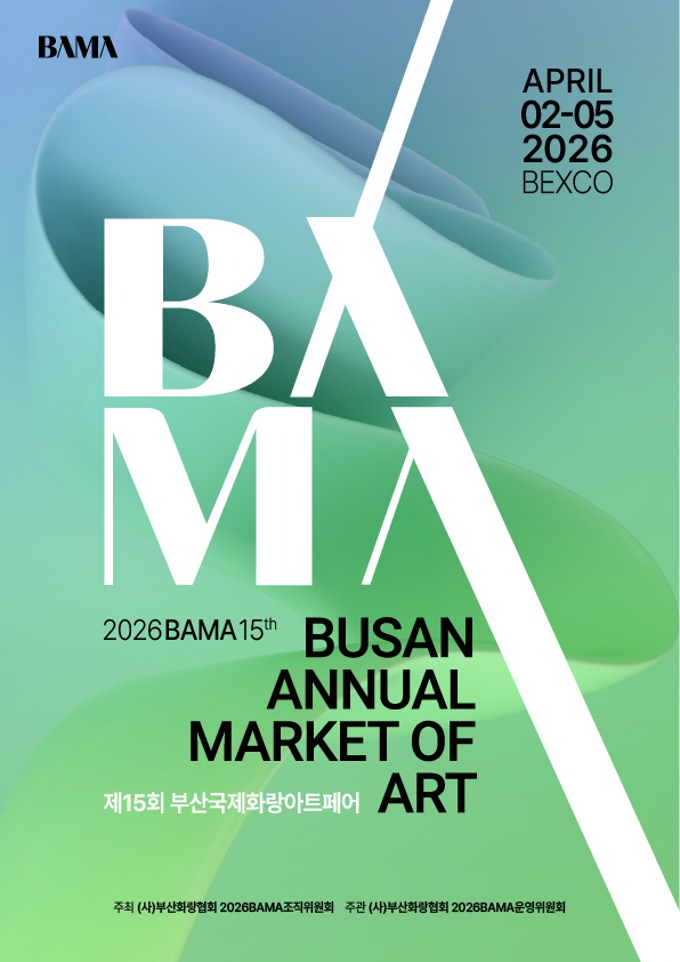
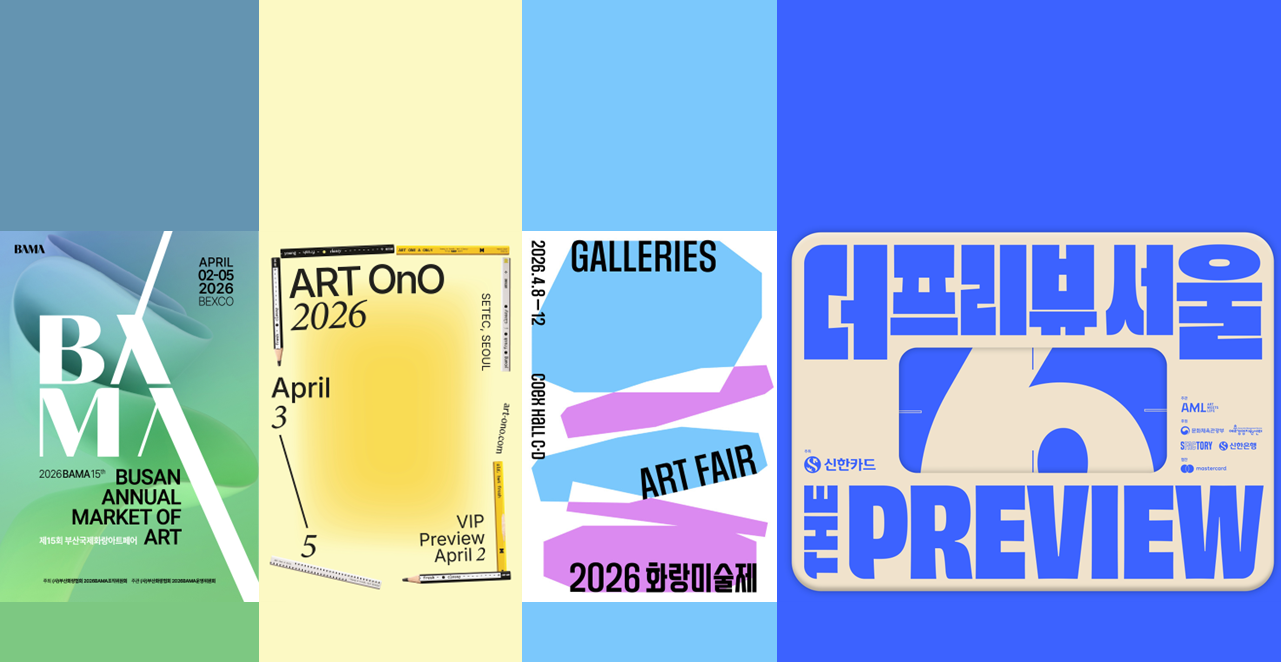
BAMA 2026 official poster / Photo: BAMA website
BAMA is a representative hub-type art fair
that seeks to build the infrastructure of a regional art market centered in
Busan. Marking its 15th edition, the 2026 fair is organized under the theme “NODE:
A Junction of Connection and Expansion,” signaling a shift beyond
a sales-oriented model toward a platform for a regional ecosystem.
The 2026 edition brings together 136
galleries from Korea and abroad, presenting approximately 4,000 works. The
increased presence of international galleries reflects an effort to expand
beyond a regionally defined fair into a broader networked context. Yet the
significance of BAMA lies less in its scale than in its internal configuration.
The special exhibition for emerging artists
functions as an incubating framework that connects locally based artists to the
market, while “NODE: Crossings of Space,” a project
centered on installation and sculpture, proposes an exhibition format that
actively engages the architecture of the fair itself.
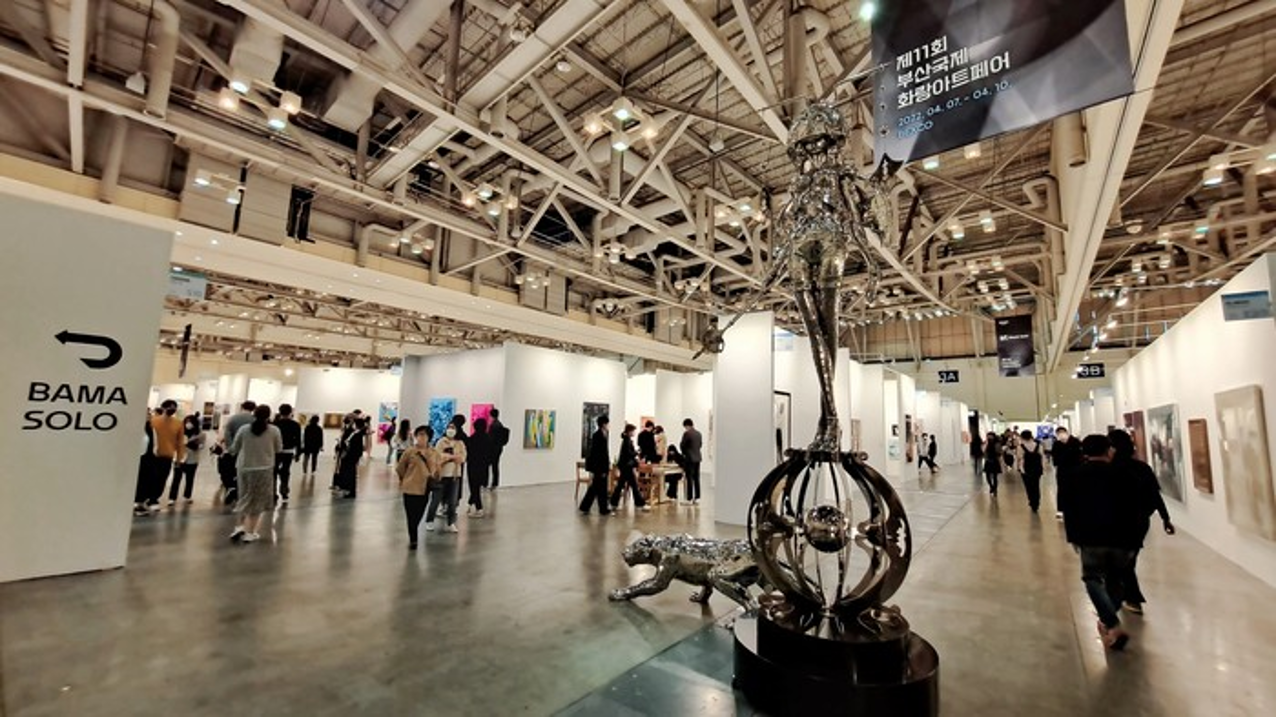
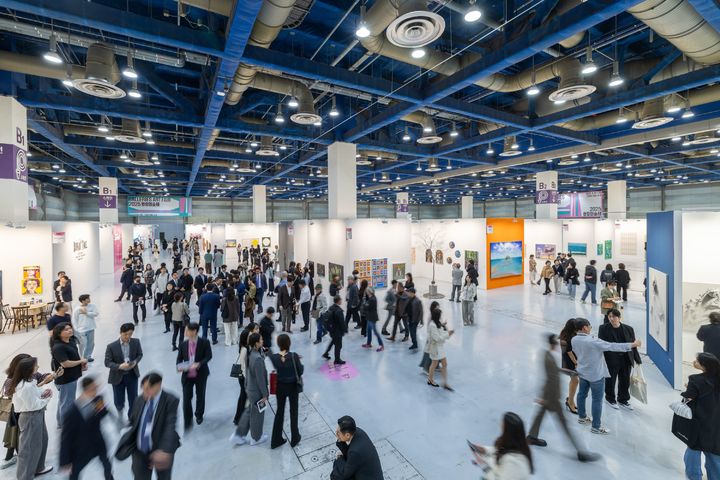
View of BAMA 2022 © Reporter Bae Jong-tae / Photo: BAMA website
The archive exhibition marking the 15th anniversary represents a critical turning point.
Rather than repeating an annual event format, it attempts to accumulate the
fair’s own history and translate it into a sustainable structure. Accompanied
by art talks and docent programs, the fair extends beyond presentation to
encompass discourse and audience engagement.
These elements indicate a shift in which
BAMA moves beyond replicating the metropolitan model, instead constructing its
own historical and strategic framework rooted in regional conditions.
Ultimately, its central task lies in defining what an art fair specific to
Busan can be—an ongoing experiment in aligning regional identity with
international connectivity.
ART OnO 2026
Date: April 3 – April 5, 2026 (VIP Preview: April 2)
Venue: SETEC, Seoul
Website: https://art-ono.com
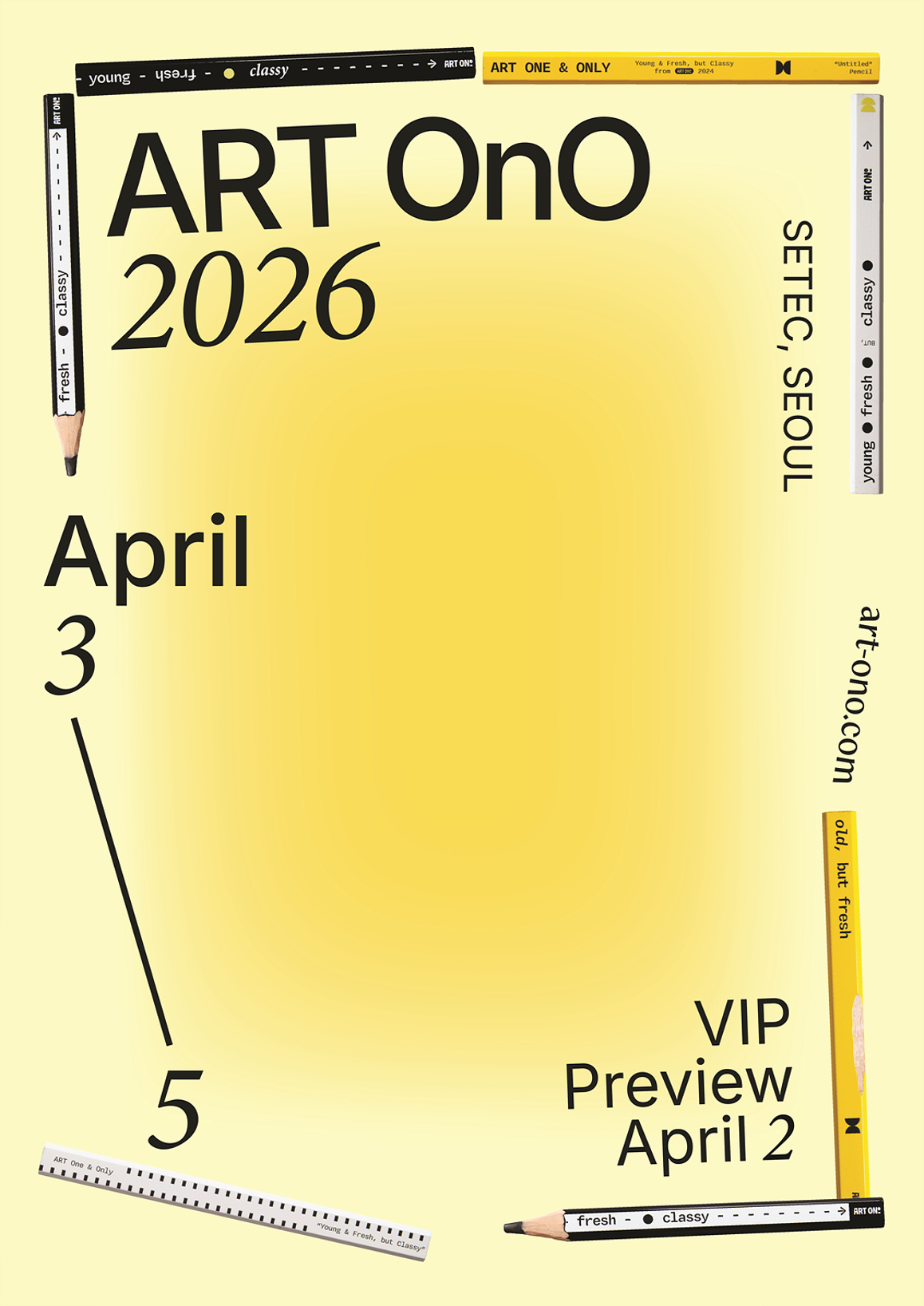
ART OnO 2026 official poster
ART OnO has rapidly established itself as
one of Seoul’s most distinctive international art fairs, positioning itself
beyond the conventional booth-based sales format through a model that
integrates curatorial intent with network-building. Its slogan, “Young
and Fresh, but Classy,” operates not merely as branding, but as a
guiding principle reflected in both gallery selection and program design.
The 2026 edition brings together galleries
and institutions from over 20 countries, placing works by emerging and
established artists within a shared framework. Notably, participants are
selected not solely on the basis of market status or price, but on the strength
and coherence of their programs, marking a clear departure from conventional
market-driven criteria.
A defining feature of this edition is the
expanded participation of nonprofit institutions and museums, including Jeonnam
Museum of Art, Suwon Museum of Art, SONGEUN, Beijing’s X Museum, and
Shanghai-based fibre/áunn museum. Their presence introduces an additional layer
to the fair, where commercial and non-commercial logics intersect, positioning
the art fair as a site where exhibitions, transactions, and discourse converge.
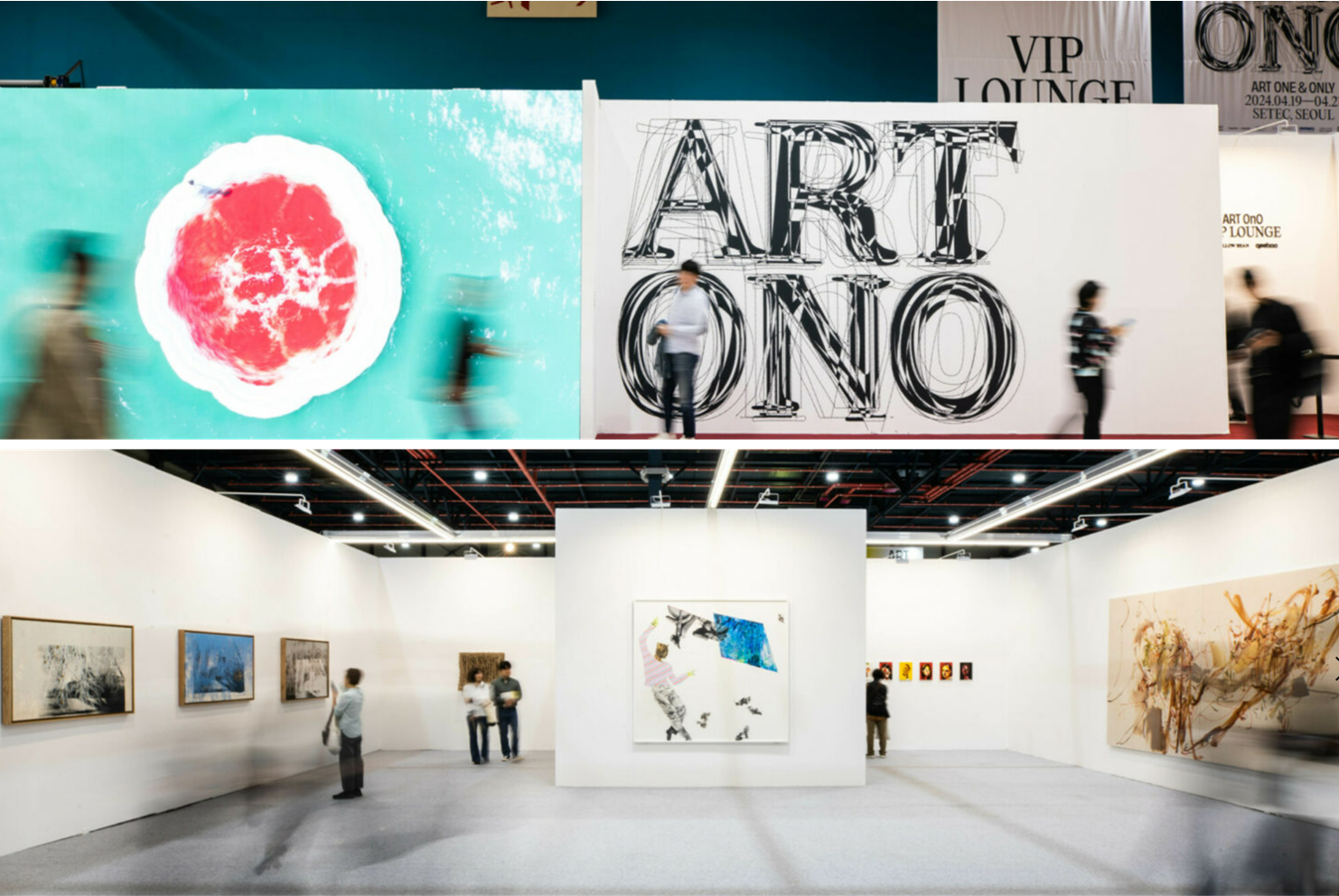
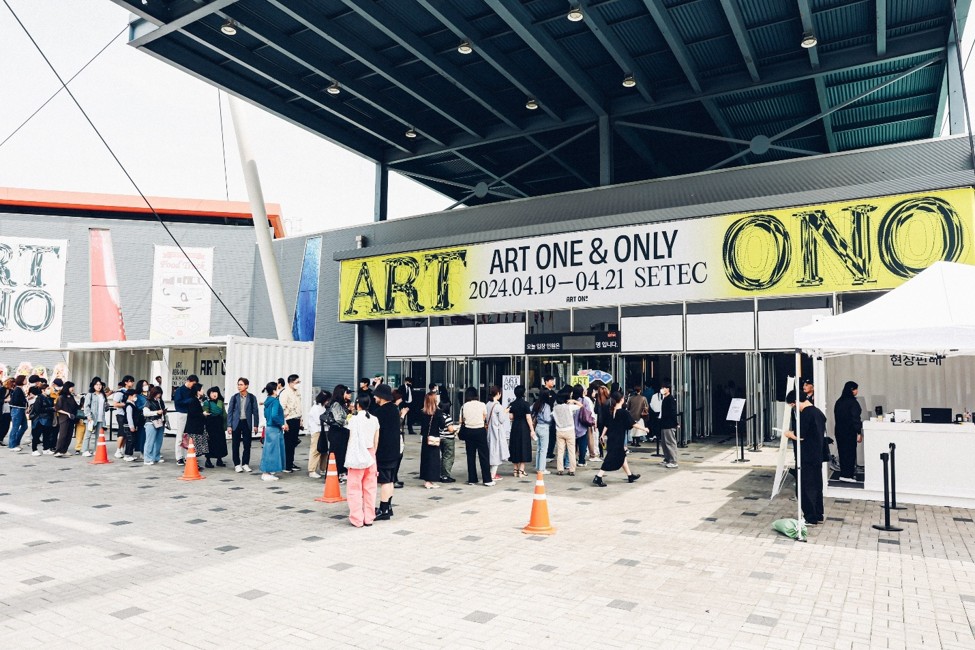
ART OnO event view / Photo: ART OnO website
ART OnO also extends its framework beyond
the exhibition venue into the broader urban context. Gallery tours,
museum visits, artist studio visits, and private collection programs
transform Seoul itself into an expanded field of experience. In doing so, the
fair repositions visitors from passive consumers to active participants within
an interconnected art ecosystem.
Rather than centering solely on sales, ART
OnO proposes a model focused on relationships, experience, and the production
of discourse. It functions less as a representative market than as a platform
that connects different layers of participants, pointing toward a longer-term
ambition to operate as a globally networked art fair.
Korea Galleries Art Fair
Date: April 8 – April 12, 2026
Venue: COEX Hall C & D, Seoul
Website: https://koreagalleries.or.kr
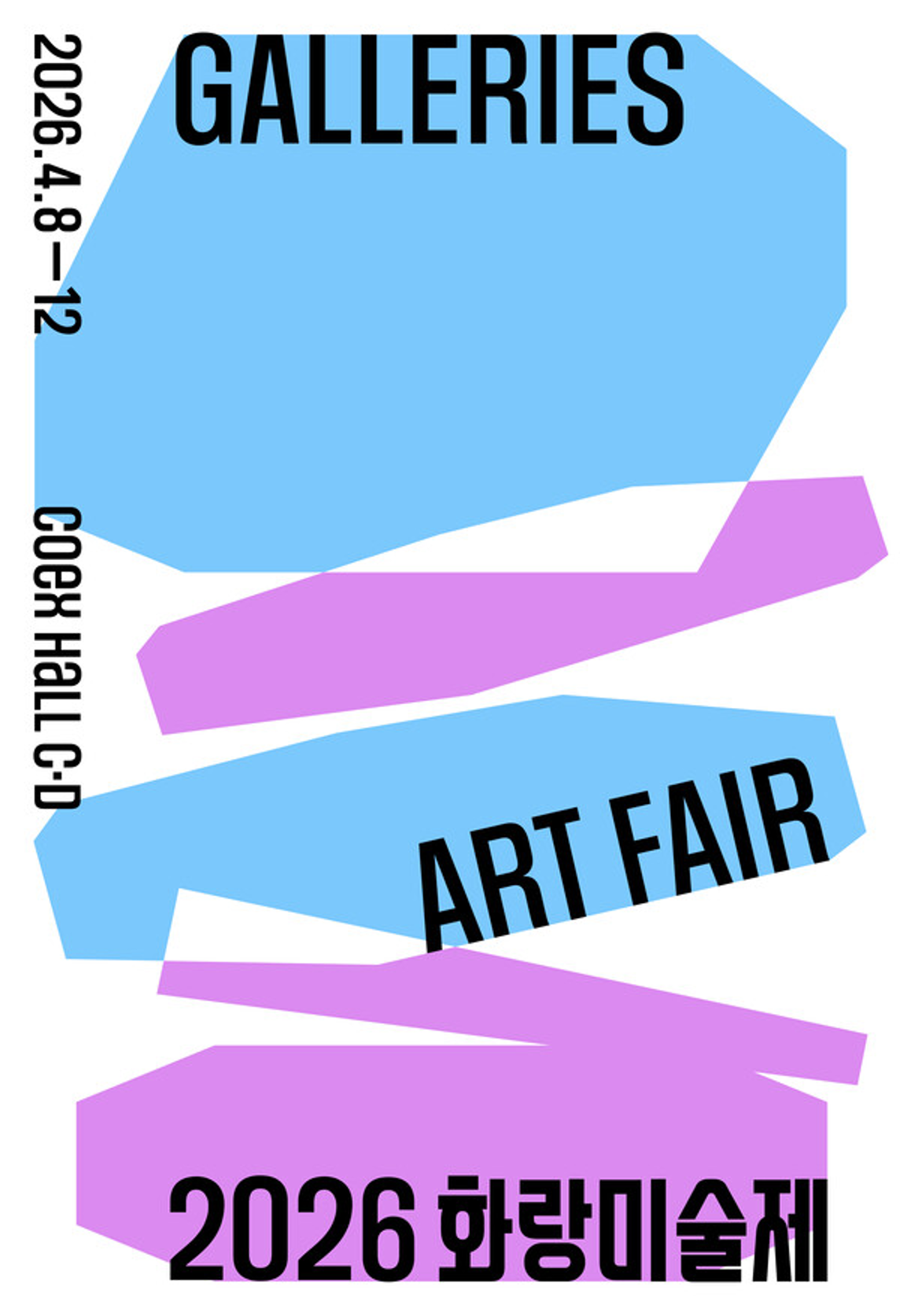
2026 Korea Galleries Art Fair official poster / Photo: Korea Galleries Association
The Korea Galleries Art Fair, the
longest-running art fair in the country, remains the most direct index of the
current state of Korea’s gallery system. Structured around member galleries of
the Korea Galleries Association, it offers a concentrated view of the domestic
commercial gallery ecosystem.
In 2026, the fair reaches its largest scale
to date, with 169 member galleries participating. This expansion is accompanied
by a refinement of its internal structure. The solo booth section,
featuring 19 galleries, enhances the focus on individual artists, while the
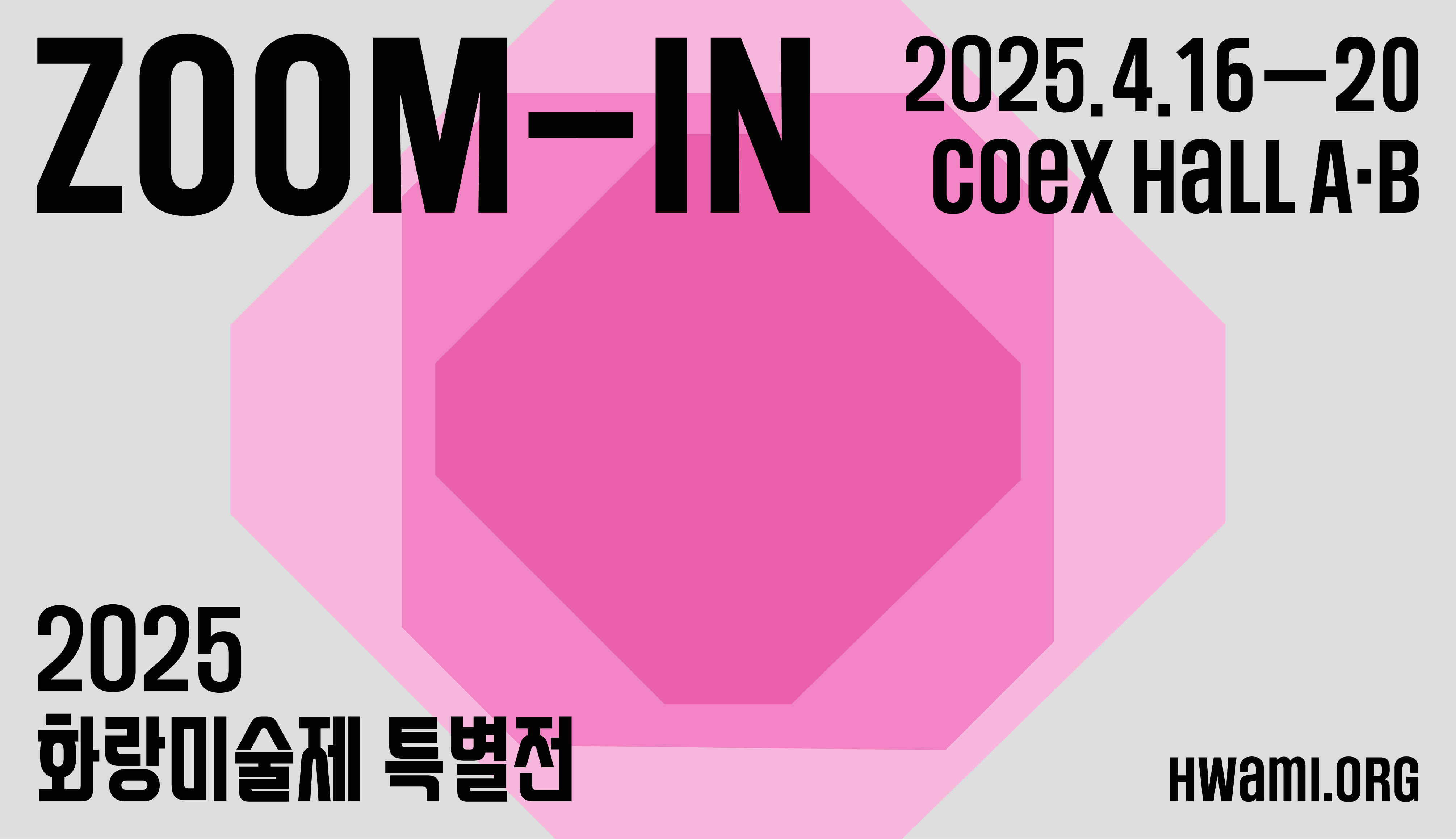
emerging artist program “ZOOM-IN Edition 7” presents
10 artists selected from approximately 700 applicants. Among them, selected
artists receive additional support through the ‘KB Star Award’.
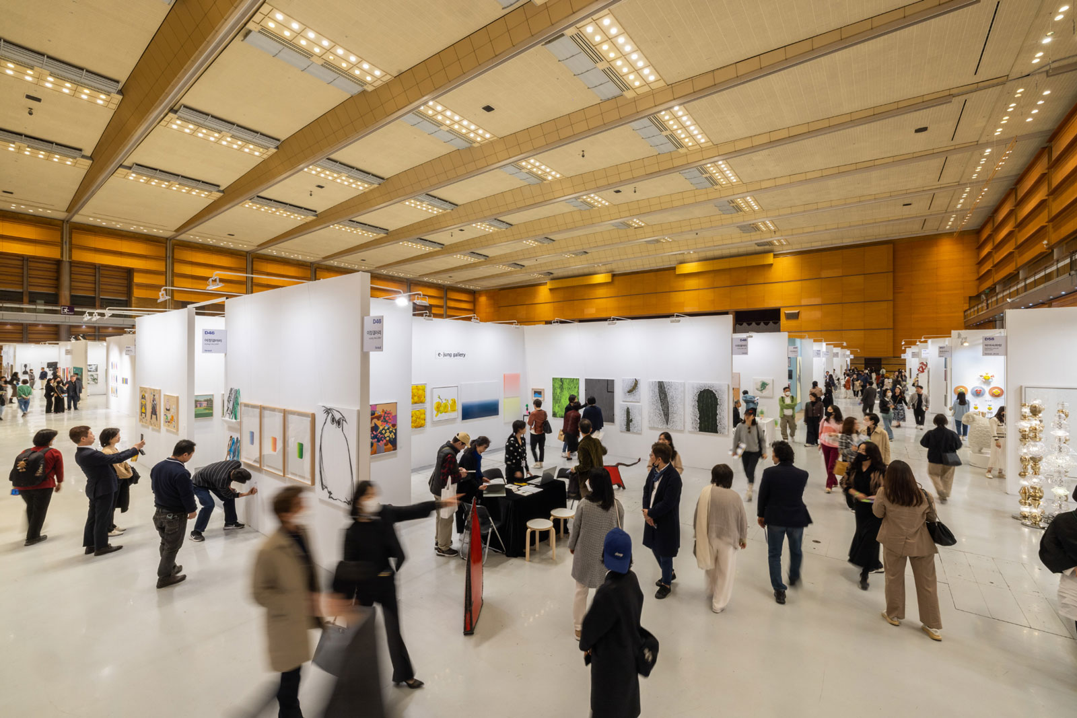
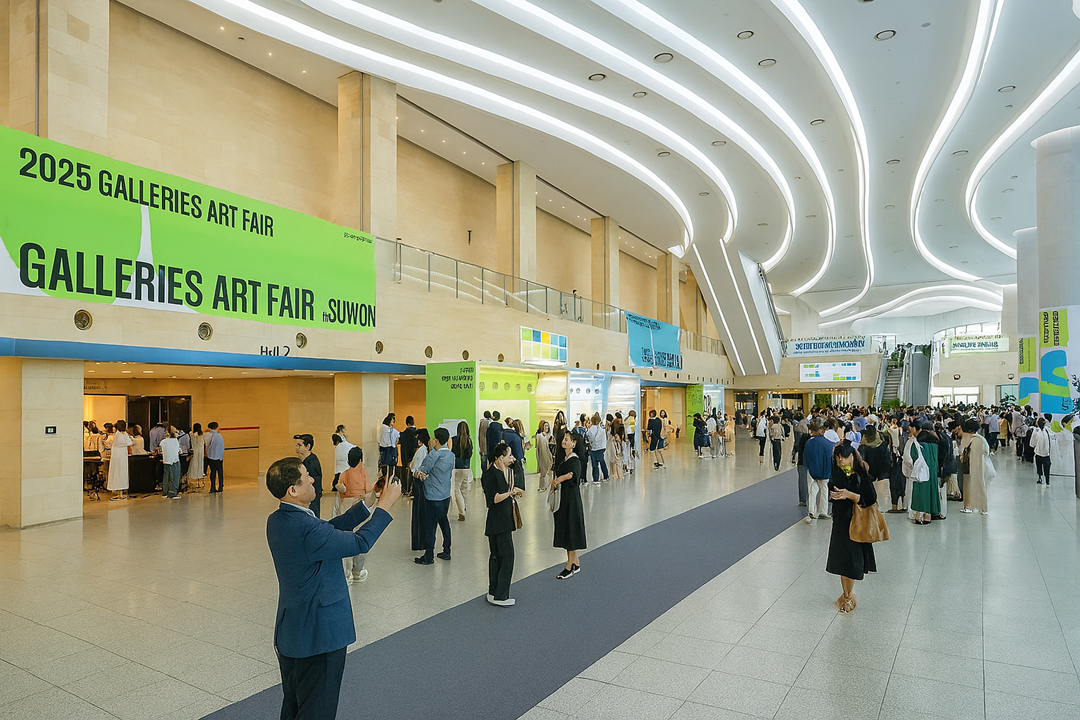
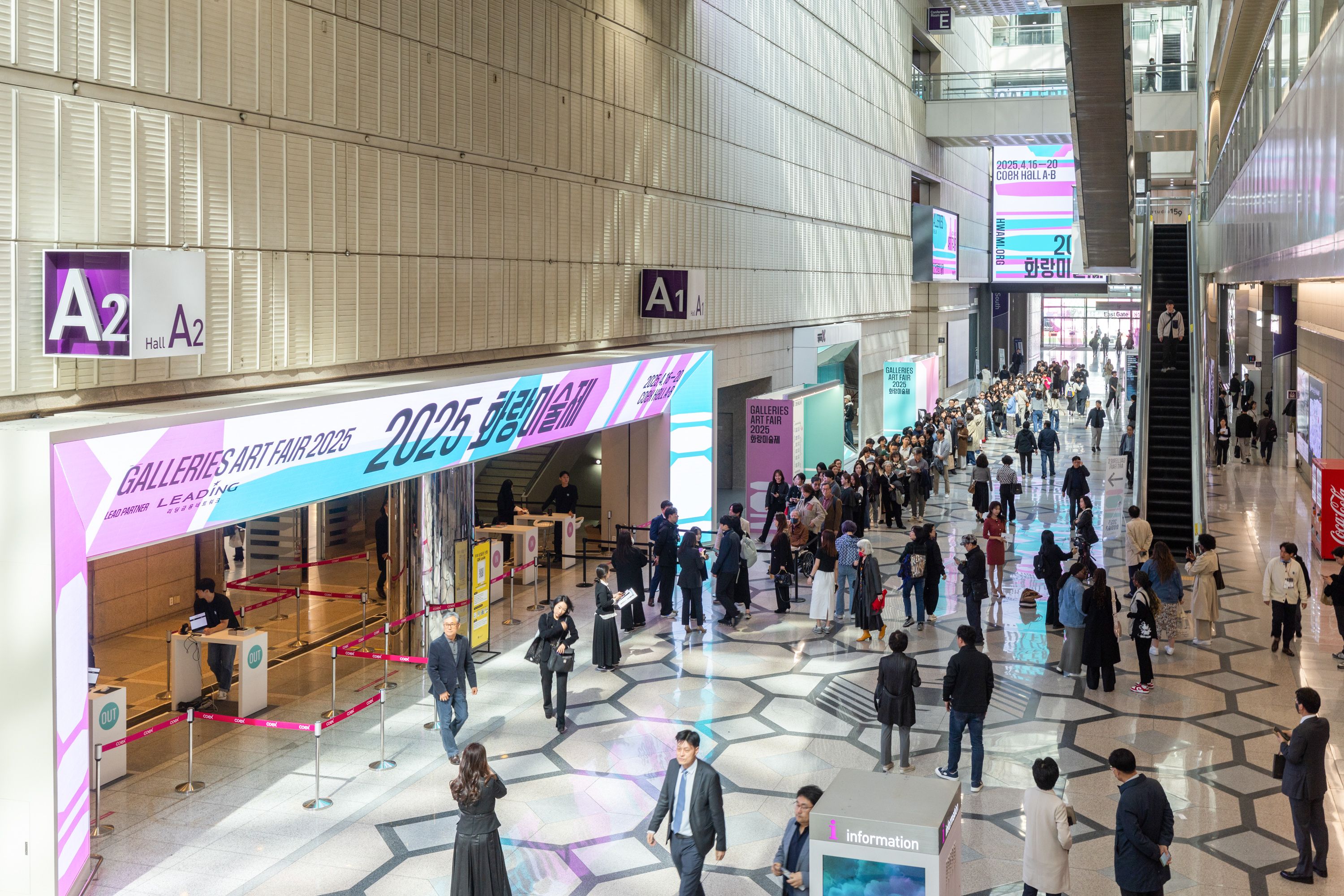
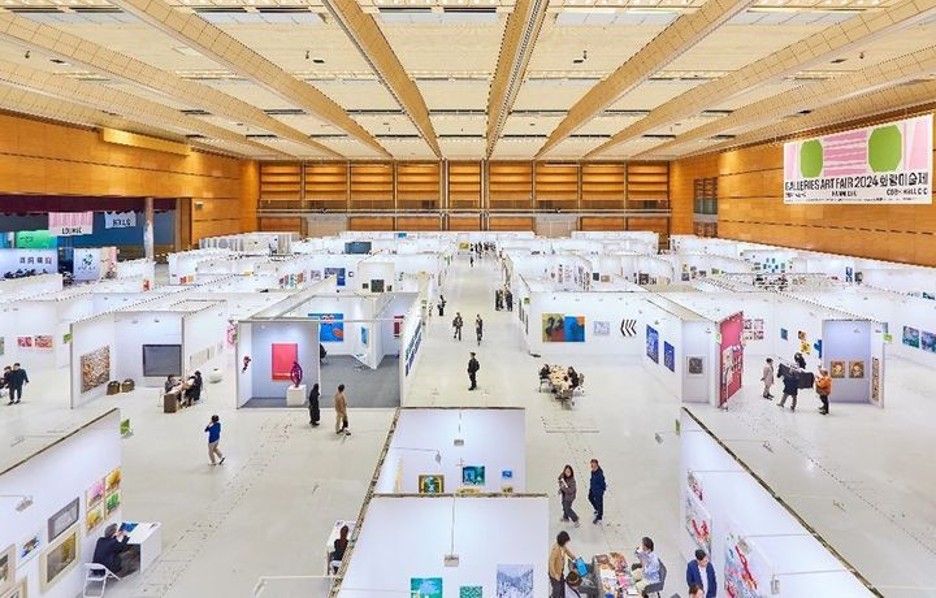
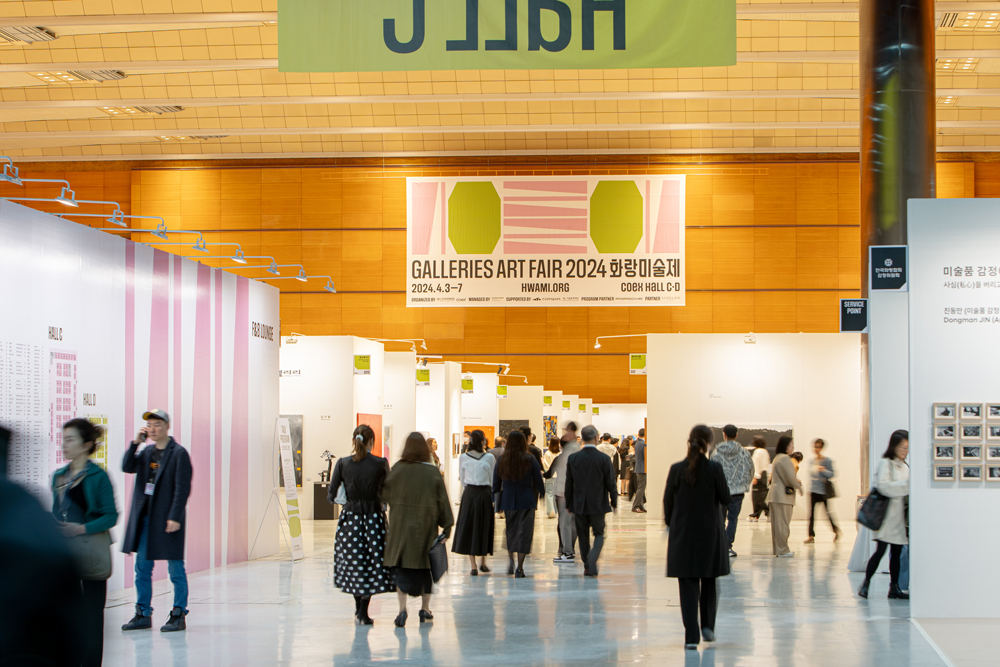
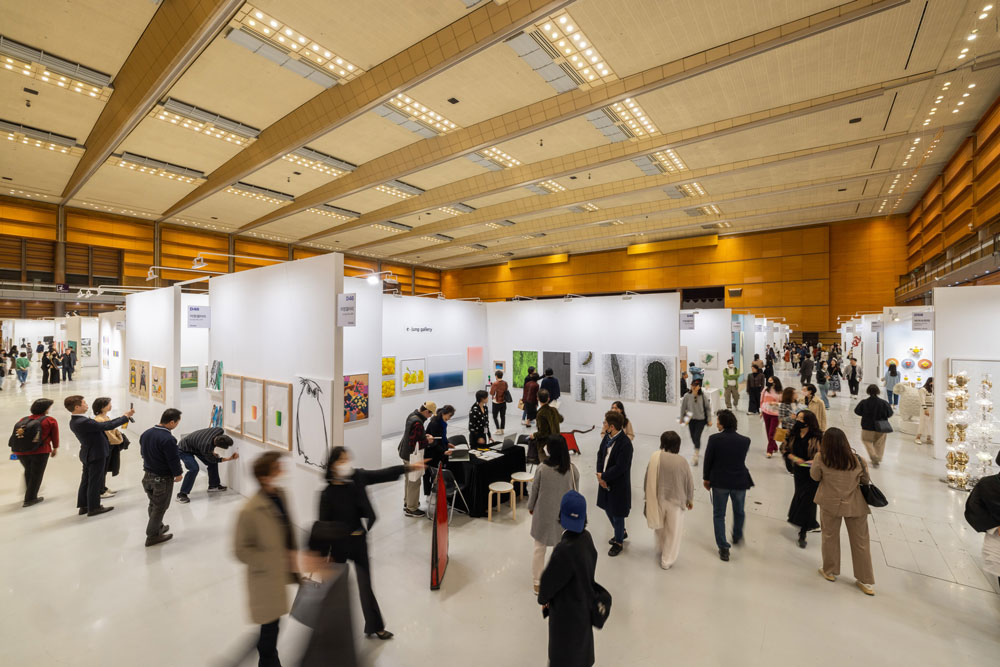
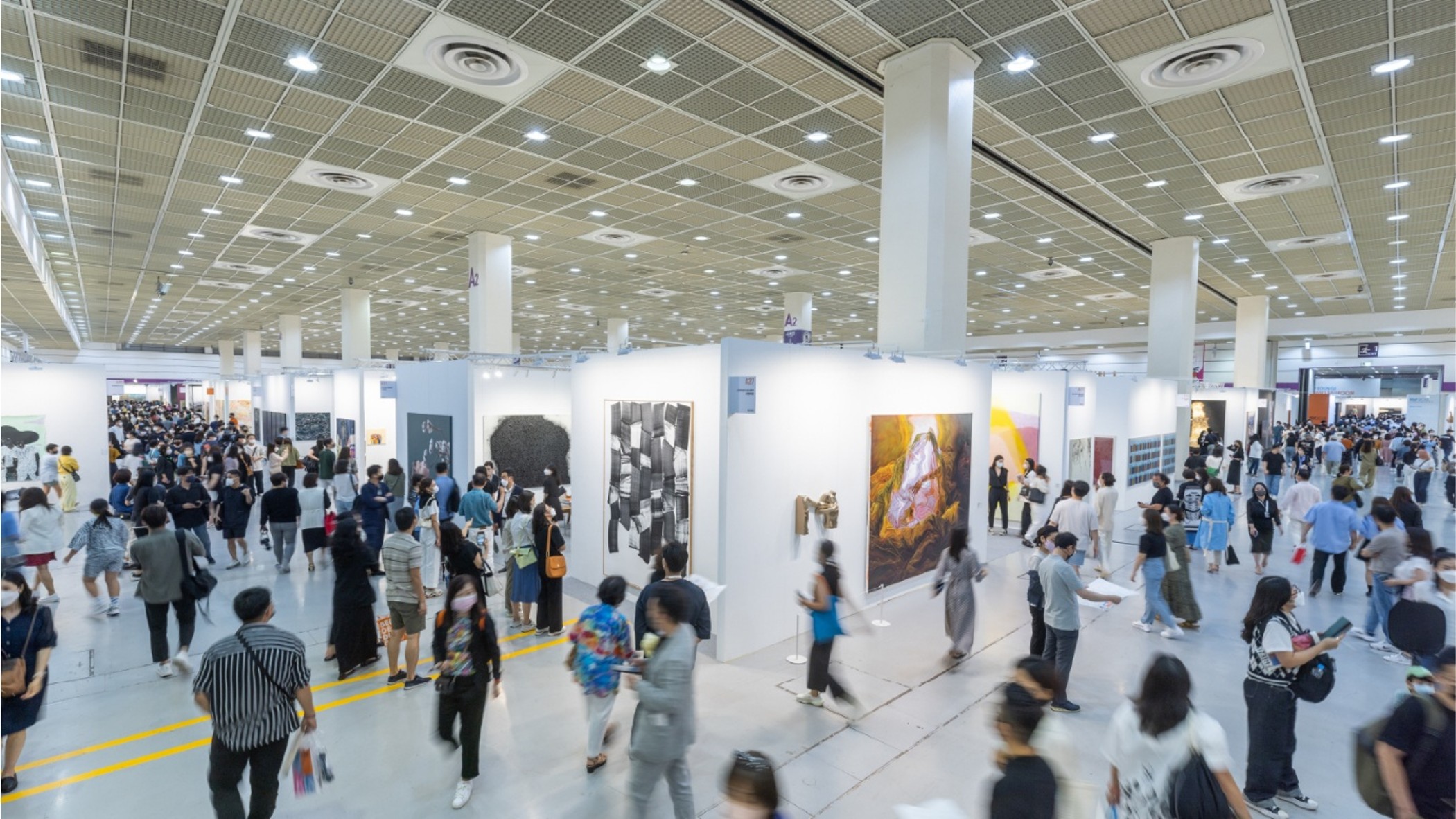
View of the Korea Galleries Art Fair / Photo: Korea Galleries Association website
Marking the 50th anniversary of the Korea
Galleries Association, a special exhibition further extends the fair beyond a
commercial event into a platform that reflects on the history and current
condition of the gallery system. Talk programs and docent initiatives reinforce
this integration of exhibition, market, and discourse.
At the same time, the fair’s structure
reveals its defining characteristics. While the member-based system ensures
stability and trust, it tends to remain cautious in engaging with experimental
or hybrid formats involving international or nonprofit actors. In this sense,
the Korea Galleries Art Fair operates less as a site of expansion than as one
of consolidation, maintaining and reflecting the foundation of the domestic
market.
The Preview Seoul 2026
Date: April 24 – April 26, 2026 (VIP Preview: April 23)
Venue: SFACTORY, Seongsu, Seoul
Website: https://thepreviewartfair.com
The Preview Seoul 2026 official poster / Photo: The Preview website
The Preview Seoul focuses on connecting
emerging galleries with a new generation of collectors and has quickly
established its own position since its launch in 2021. Rather than operating at
the upper tier of the market, it concentrates on generating demand at its
foundational level.
In 2026, the fair brings together
approximately 48 galleries and over 300 artists, unfolding within the
industrial setting of SFACTORY in Seongsu. This spatial condition creates an
environment in which art viewing and lifestyle experience intersect, distinguishing
it from the conventional white-cube model.
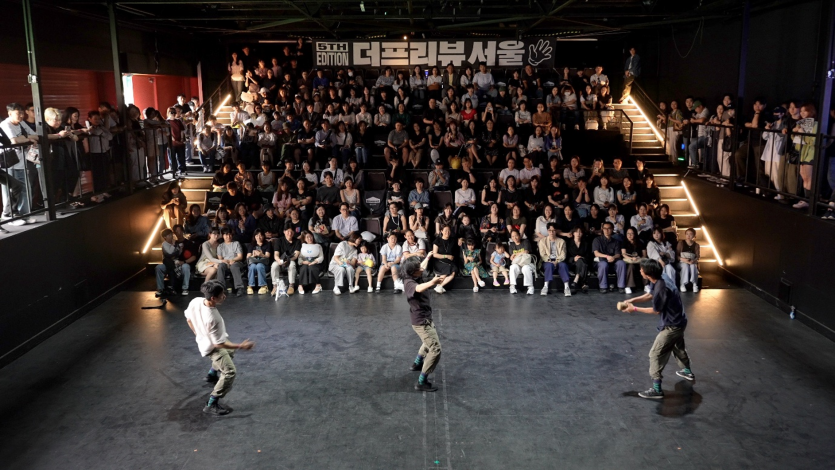
The Preview Seoul 2025 performance section view / Photo: The Preview
Emphasizing the notion of the “First
collector,” the fair lowers barriers to entry through accessible
pricing and an open exhibition format. Brand collaborations and cultural
programming further extend art into the realm of experiential consumption.
The Preview Seoul should not be understood
merely as a platform for emerging artists, but as a mechanism for cultivating
the initial layer of demand within the market—an essential factor in its
long-term expansion.
Taken together, the art fairs of April 2026
do not converge into a single direction. Instead, they operate in parallel
through distinct strategies and positions: the Korea Galleries Art Fair
embodies institutional stability and consolidation; ART OnO foregrounds
curatorial experimentation and international networks; BAMA focuses on regional
ecosystem-building; and The Preview Seoul cultivates new demand.
The coexistence of these diverse formats
signals that the Korean art market is entering a more mature phase. The key
question moving forward will not be scale, but whether each fair can articulate
a distinct identity—curating its own market while offering collectors and
audiences a differentiated and compelling program.