
Tina Kim Gallery
will present《Our Spring》, a
solo exhibition of the late Suki Seokyeong Kang (1977–2025), from March 12
through April 25, 2026.
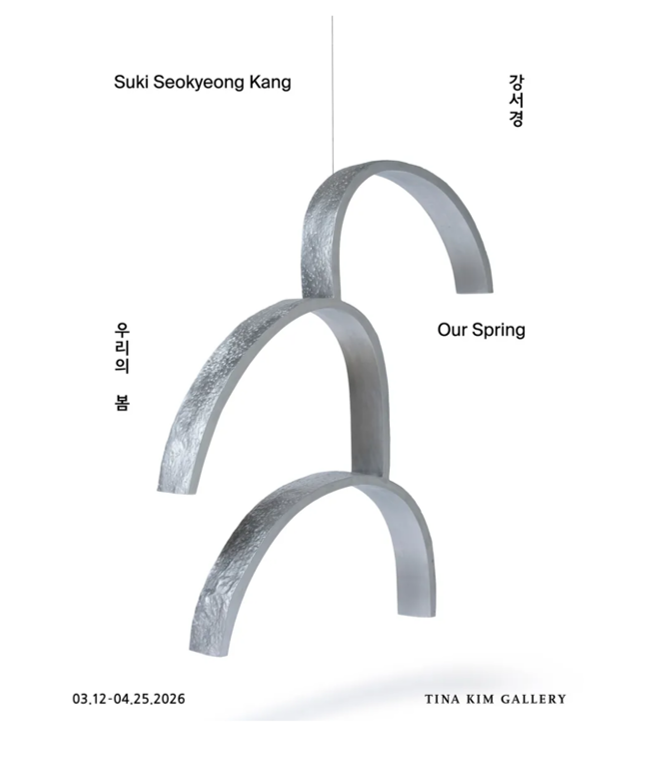
Exhibition poster / Photo: Tina Kim Gallery
Marking the first
anniversary of the artist’s untimely passing, the exhibition serves both as a
memorial and as a tribute to her singular artistic vision. Bringing together
major sculptural and two-dimensional works from the last decade of her life,
the presentation will introduce select works from Kang’s most significant
series to New York audiences for the first time. Following her critically
acclaimed exhibitions at Leeum Museum of Art (2023) and the Museum of
Contemporary Art Denver (2025), the exhibition reaffirms the enduring relevance
and international resonance of her practice.
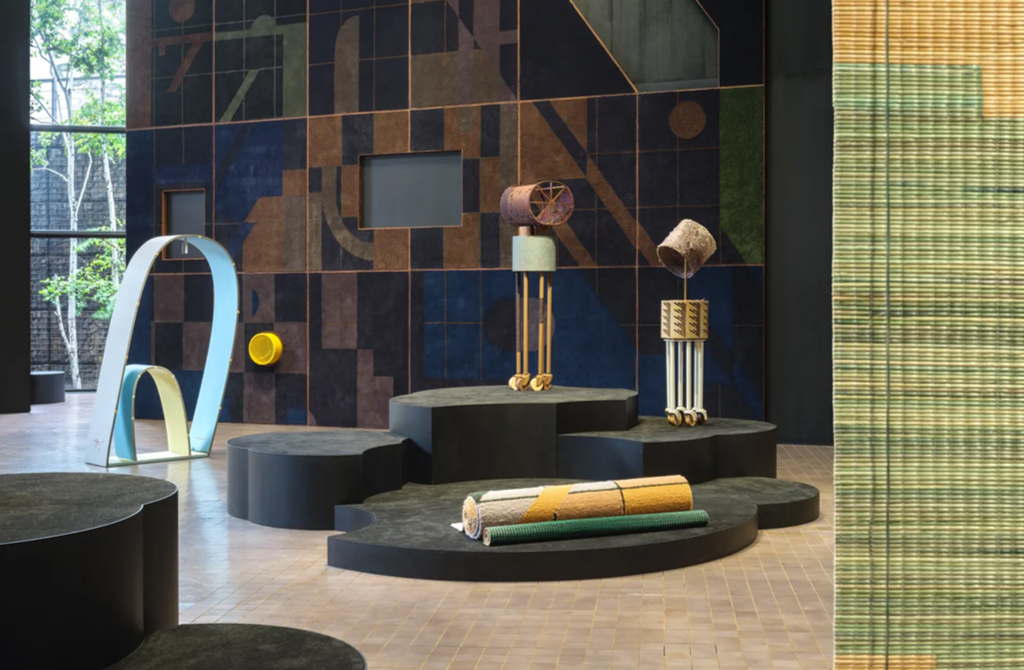
Installation view of《Suki Seokyeong Kang: Willow Drum Oriole》, 2023, Leeum Museum of Art. Photo: Cheolki Hong, Courtesy Leeum Museum of Art and Studio Suki Seokyeong Kang.
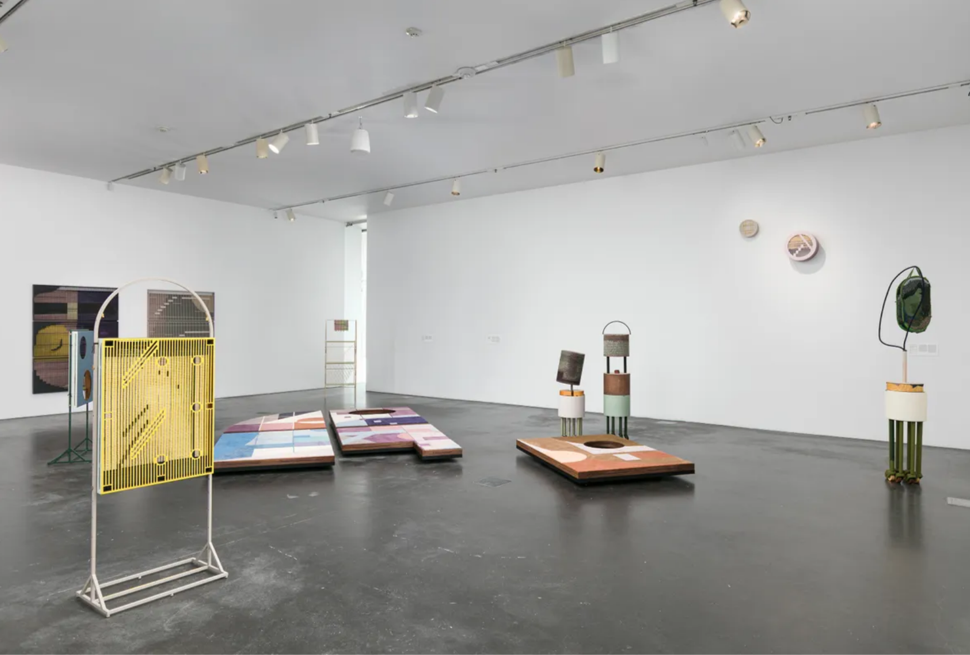
Installation view,《Suki Seokyeong Kang: Mountain—Hour—Face》, Museum of Contemporary Art Denver, February 21, 2025–May 4, 2025. Photo by Wes Magyar.
For Kang, art was
a method of measuring how an individual inhabits the world. This inquiry was
deeply rooted in the Korean concept of ’jari’—a term
denoting “place,” “seat,” or “territory.” Initially trained in traditional
Korean painting, Kang moved beyond the static representation of landscape,
transforming it into a lived experience defined by bodily presence and
equilibrium. Working with industrial materials such as steel and aluminum alongside
silk, thread, and hanji (Korean mulberry paper), she developed a sculptural
vocabulary grounded in the limits of her own physicality. The scale of her
works was often determined by what she could lift, carry, or embrace. As a
result, her objects resist monumentality, instead functioning as tender
extensions of human motion, balance, and mutual dependence.
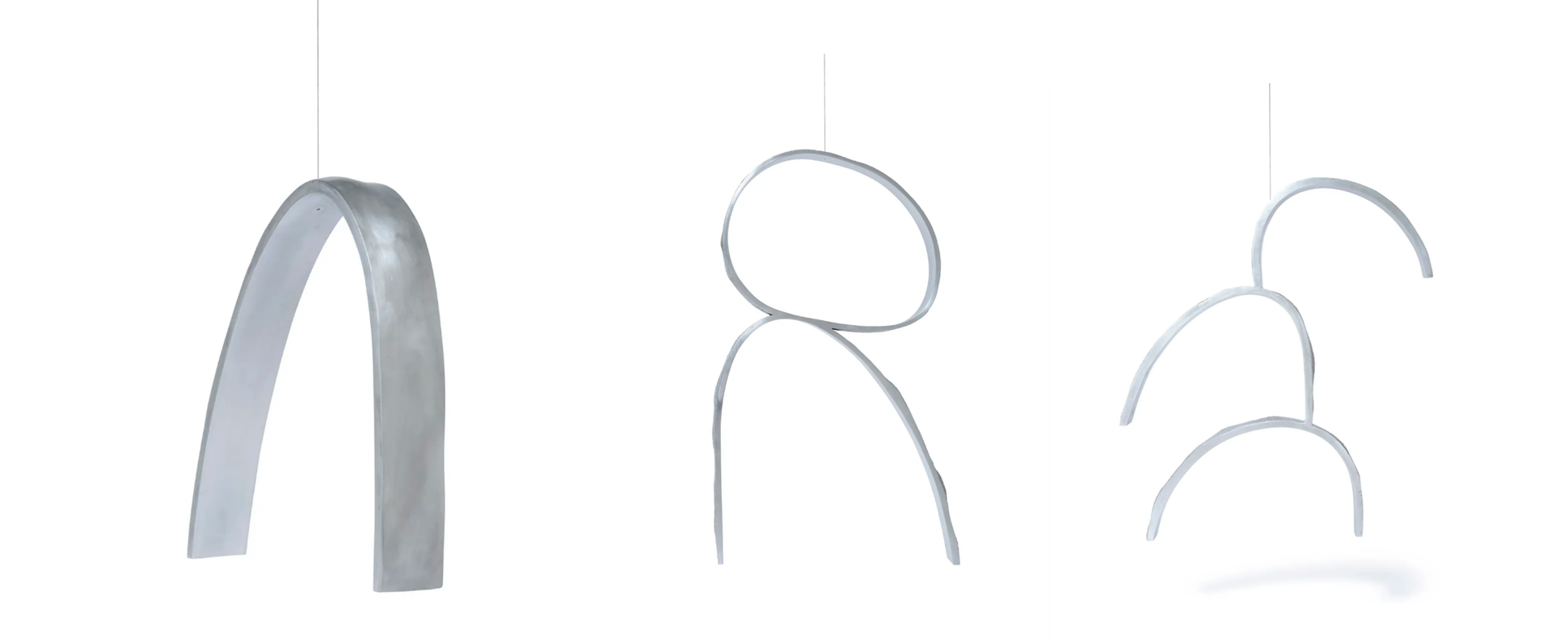
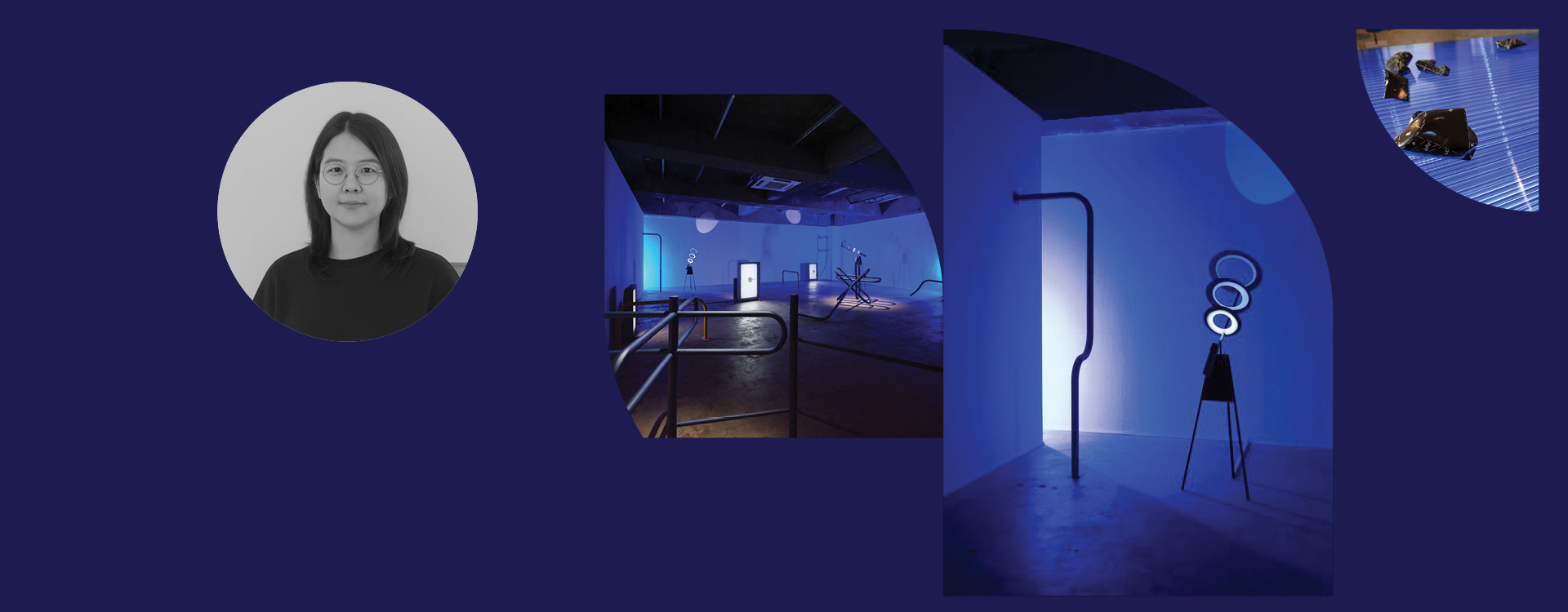
Mountain—hours works / Photo: Tina Kim Gallery
At the center of
the exhibition is the installation Mountain–hours, an
immersive work comprising aluminum mobiles accompanied by recordings of poems
inspired by the sculptures and recited in Korean by the artist. Suspended at
varying heights or gently brushing the floor, the mobiles rotate in response to
subtle air currents within the gallery. Constructed from bent and hammered
aluminum, their textured surfaces catch and refract light, evoking mountain
ridges or the brushwork of ink painting translated into three-dimensional form.
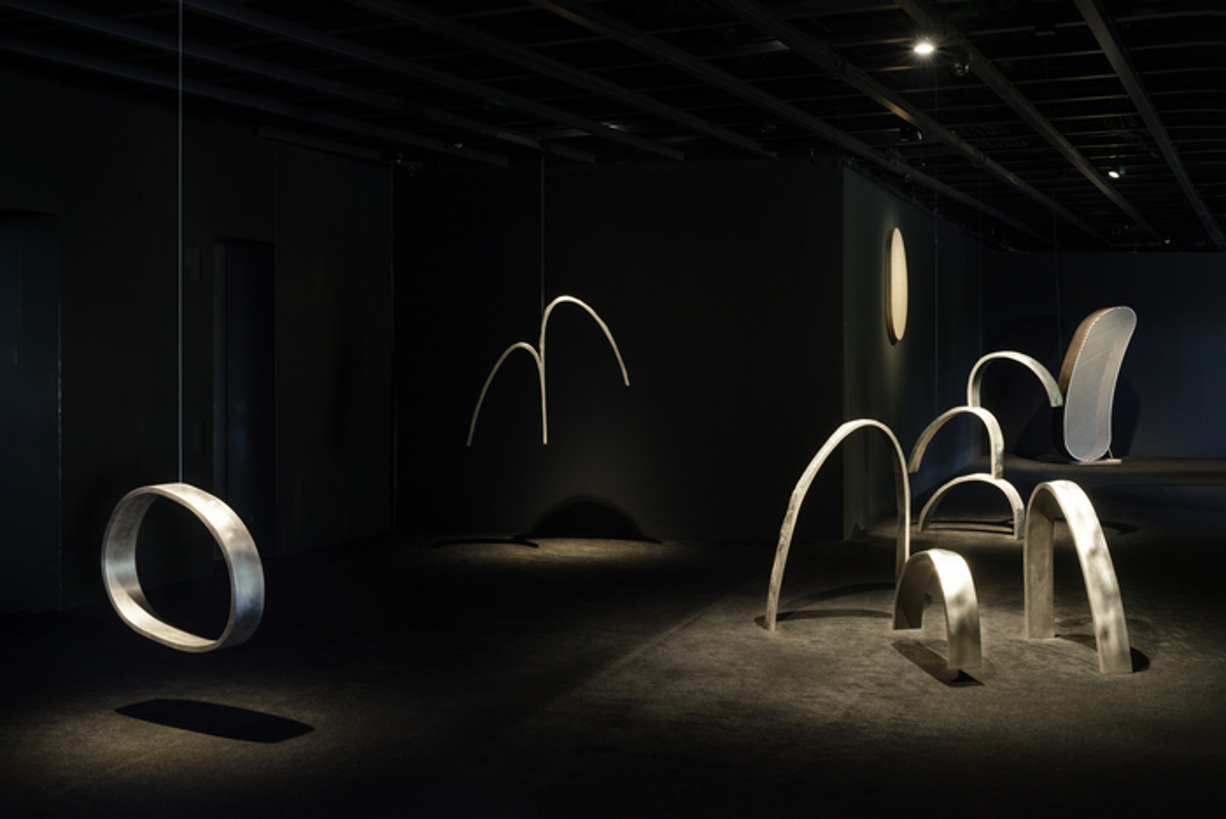
Suki Seokyeong Kang,《Willow Drum Oriole》, Exhibition view. Photo: Cheolki Hong. Courtesy of Studio Suki Seokyeong Kang and Leeum Museum of Art.
《Our Spring》
The exhibition
also includes major works from Kang’s ‘Jeong–step’ and ‘Mora–nuha’
series. The Jeong–step works draw upon the grid
structure of “Jeongganbo”, a fifteenth-century Korean musical notation
system in which each square represents a unit of time and pitch. In Kang’s
practice, the grid becomes both a spatial and social structuring device.
Translated into
sculptural formations that lean against, hinge on, or protrude from the wall,
these works articulate rhythm and duration through material form. Delicate silk
threads mounted within wooden frames bring together the sensibility of
traditional Korean painting with architectural precision. For Kang, the grid
was not a rigid constraint but a flexible instrument—an abstract score for
organizing movement, narrative, and void.
Jeong–step #11, 2023–2024, Color on silk mounted on Korean hanji paper, thread, wood frame, 110 × 80 × 6 cm. / © The Artist. Photo: Tina Kim Gallery.
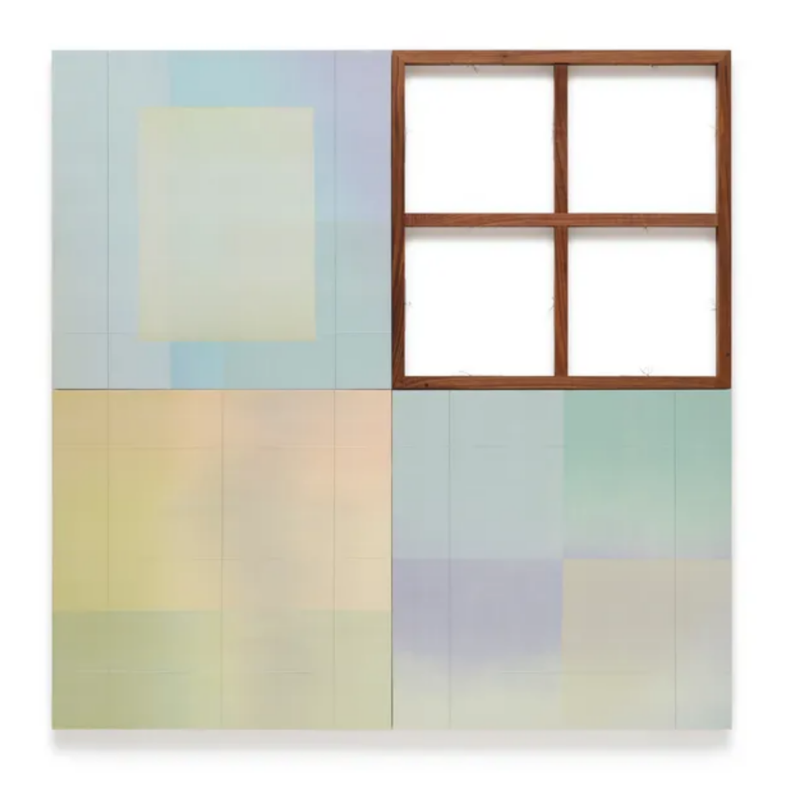
Jeong #07, 2023–2024, Color on silk mounted on Korean hanji paper, thread, wood frame, 160 × 160 × 6 cm. / Photo: Tina Kim Gallery.
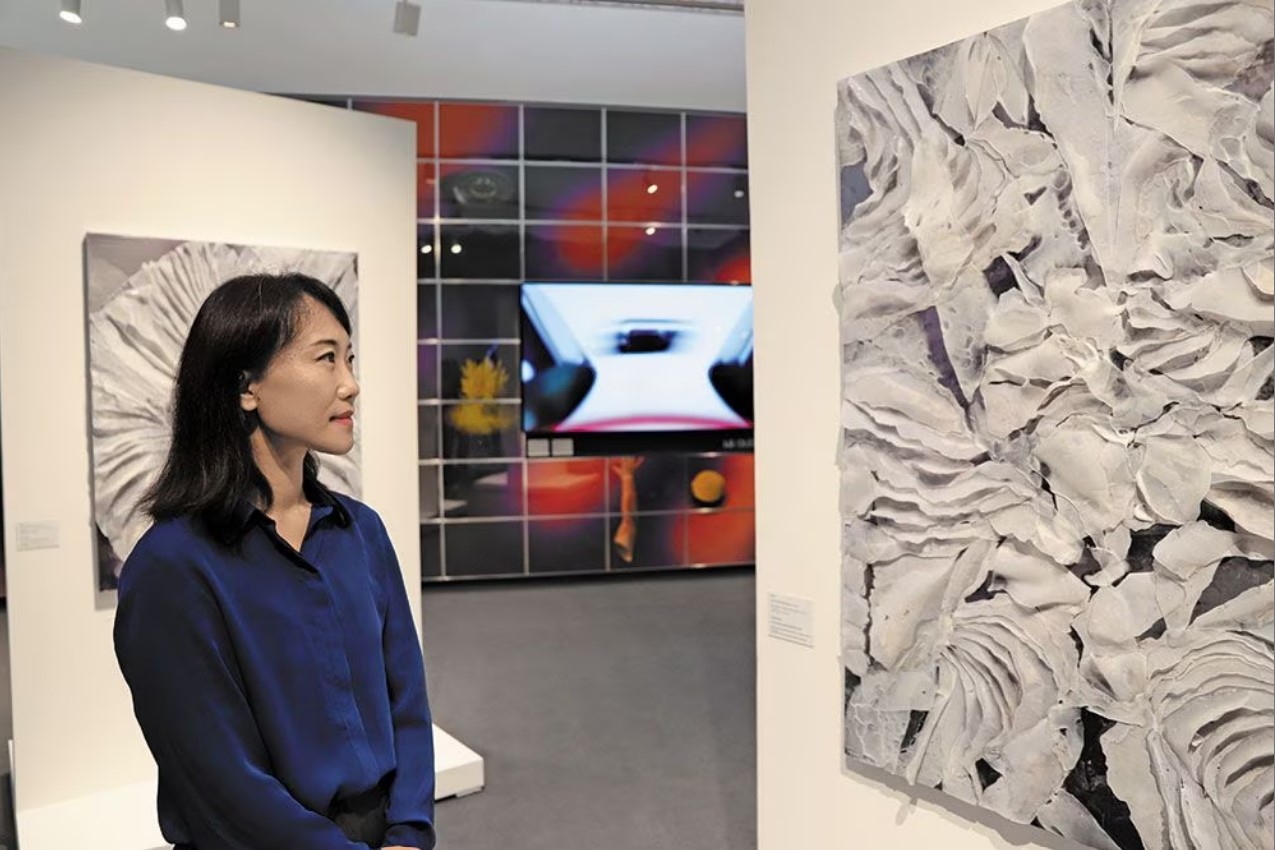
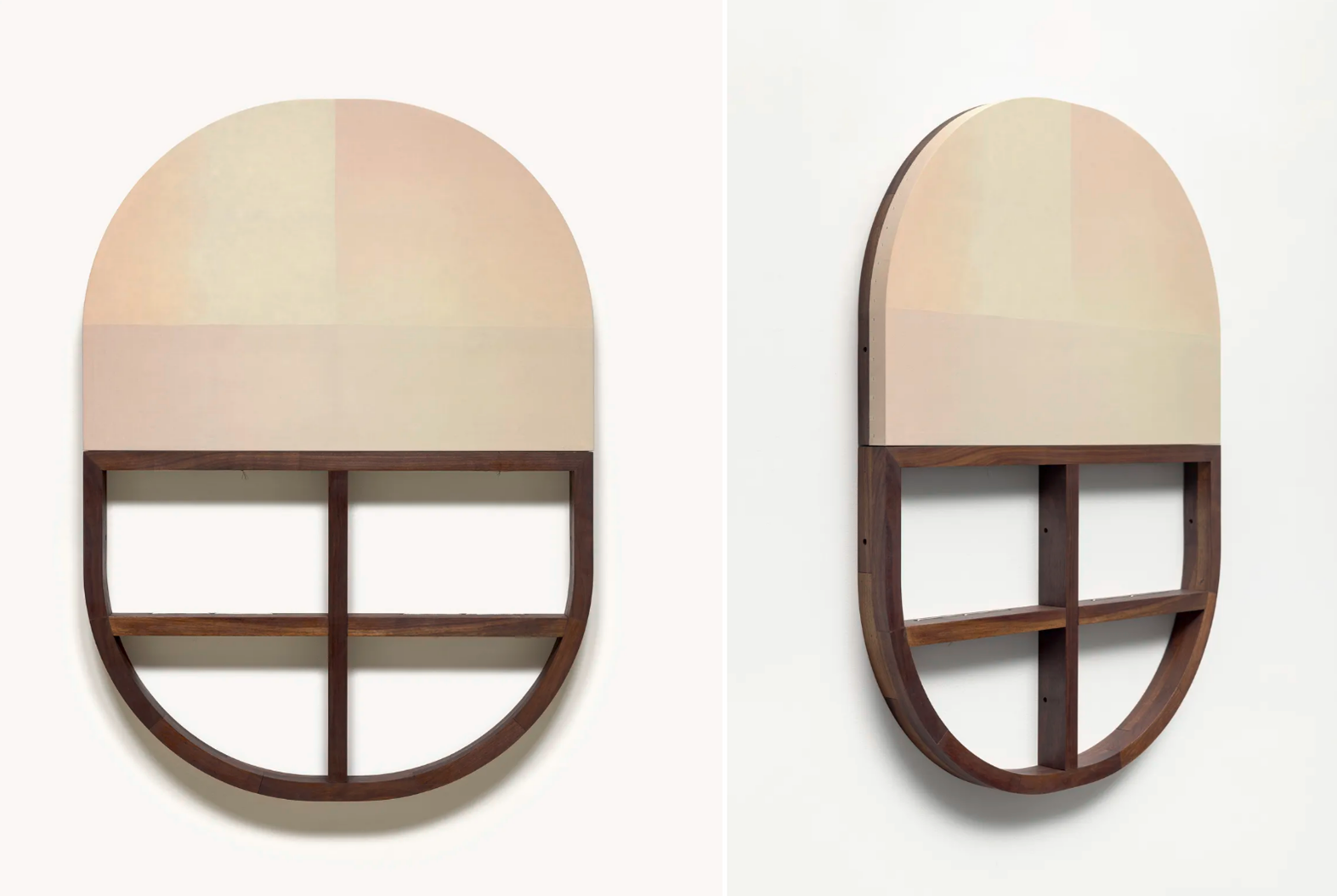
The ‘Mora–nuha’
series condenses time into material substance. Derived from the linguistic term
“mora”, meaning a unit smaller than a syllable, each work represents a
discrete measure of temporal experience. Created in her studio in Seoul’s Nuha
neighborhood, these works consist of layered gouache and dust on acrylic
panels, incorporating the physical residue of her daily painting practice. The
surfaces function as repositories of accumulated time, bearing the invisible
weight of duration. Conceptually, they are closely related to Kang’s signature ‘mat’
works.
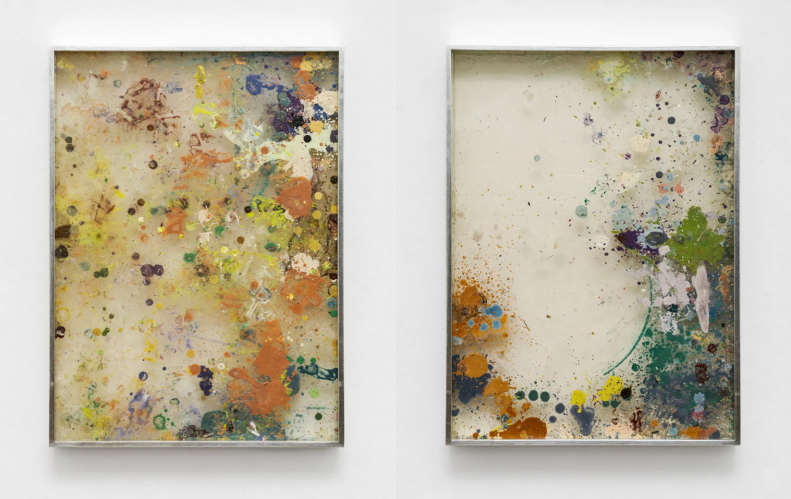
(L) Mora 55 × 40 — Nuha #29, 2014–2024, Gouache, dust, acrylic panel, silk mounted on paper, silver leaf frame, 55 x 40 x 6 cm
(R) Mora 55 × 40 — Nuha #30, 2014–2024, Gouache, dust, acrylic panel, silk mounted on paper, silver leaf frame, 55 x 40 x 6 cm / Photo: Tina Kim Gallery.
Across her
practice, Kang consistently investigated the tension between autonomy and
interdependence. Her works examine the precarious yet generative balance
required to stand alone while acknowledging the necessity of leaning on others.
Beginning from the minimum spatial unit assigned to the individual, her
sculptural language expands toward relational structures and shared space.
About the
Artist
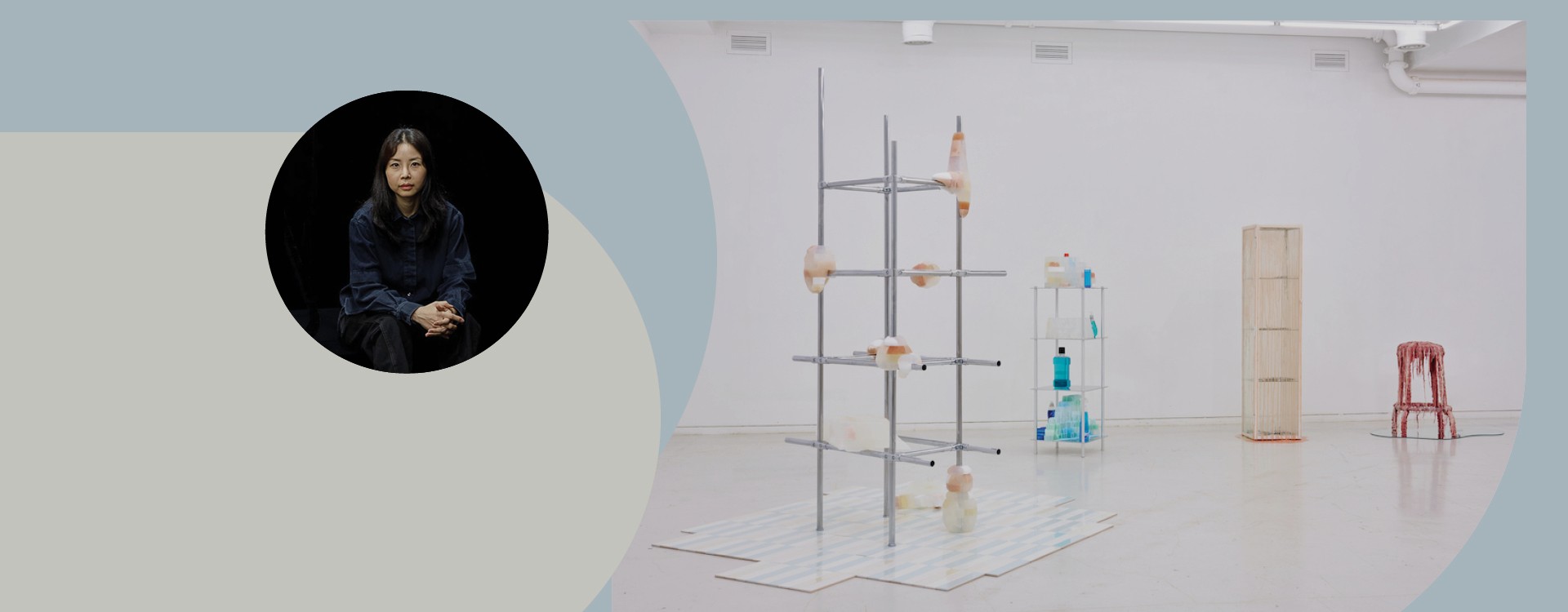
Suki Seokyeong
Kang (1977, Seoul – 2025, Seoul) developed a research-driven practice spanning
painting, sculpture, video, installation, and performance, through which she
investigated the notion of ’jari’—the “place,” “seat,” or “territory”
an individual occupies within society—and its spatial and social implications.
Her work begins from a sculptural inquiry into how the body positions itself
within the world and sustains equilibrium inside it.
Grounded in her
training in traditional Korean painting, Kang reconfigured elements from Korean
art history and music—particularly the grid structure of “Jeongganbo”, a
fifteenth-century Korean musical notation system—into spatial and social
structuring devices. In “Jeongganbo”, each square functions as a unit of time
and pitch, organizing rhythm visually.
In Kang’s work,
this grid is translated into three-dimensional formations that lean against,
hinge upon, balance against, or protrude from the wall. These structures exist
as sculptural units within the exhibition space while also being activated
through video and performance, where they intersect with bodily movement and
gesture.
Kang further
incorporated “hwamunseok”—woven sedge mats traditionally used in Korean court
dances and crafted by Korean artisans—into her practice, symbolically
presenting the minimum space allotted to an individual within society. Units
such as grids, seats, and mats multiply and accumulate to form a complex visual
score. As these notations proliferate, Kang configures them into compositions
that suggest the possibility of collective consciousness emerging from
individual action.
The juxtaposition
of industrial materials—steel and aluminum—with traditional materials such as
silk, thread, hanji (Korean mulberry paper), and woven mats operates beyond
simple material contrast. It becomes a means of articulating the accumulation
of time, memory, and labor. Repetition and accumulation, balance and tension,
constitute core structural principles throughout her practice.
Rather than
pursuing monumental scale, Kang proposed spatial environments grounded in
bodily proportion and experiential perception. In doing so, she redefined
sculptural space not as monument but as a relational field structured through
embodied presence.
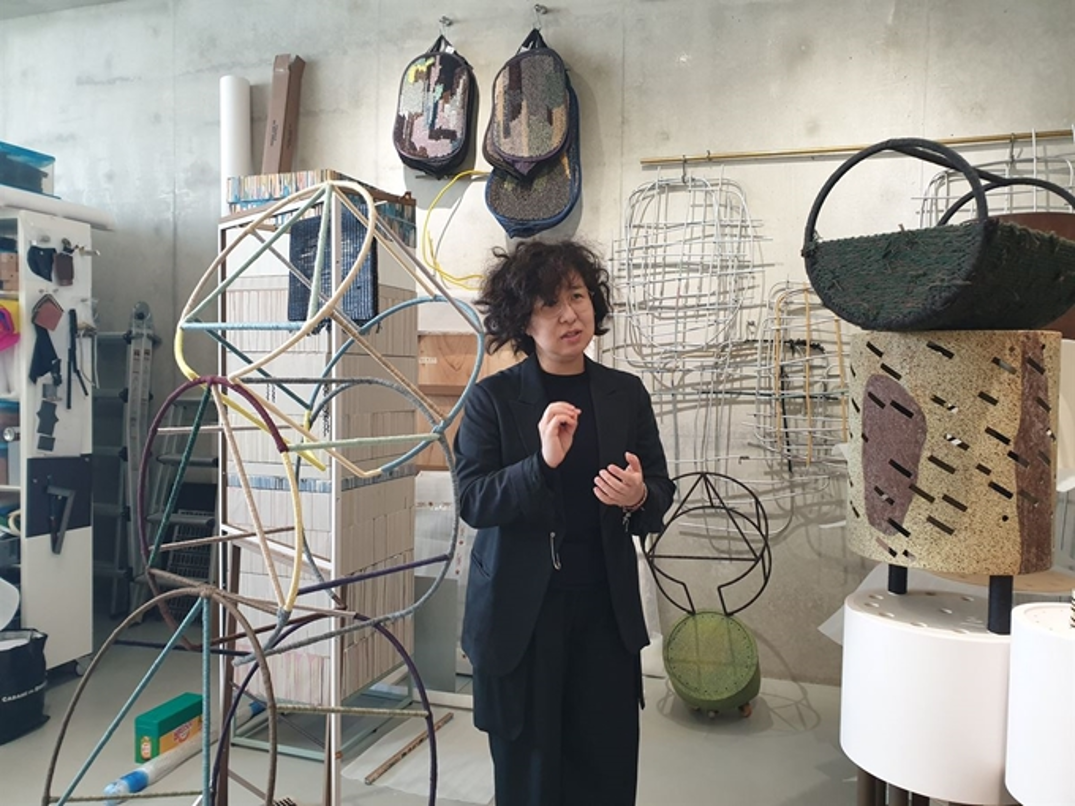
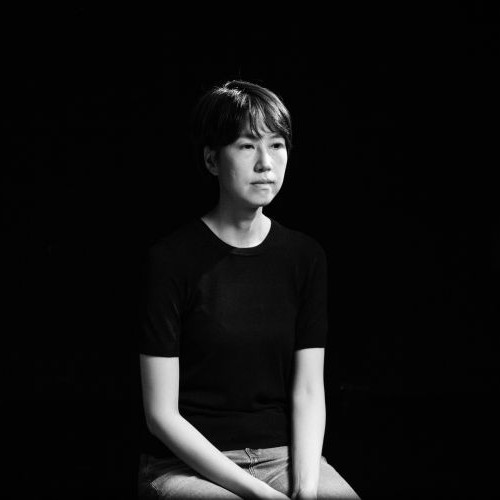
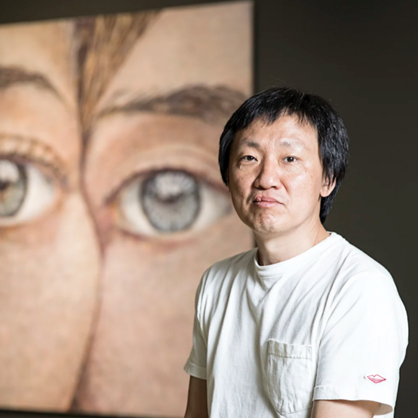
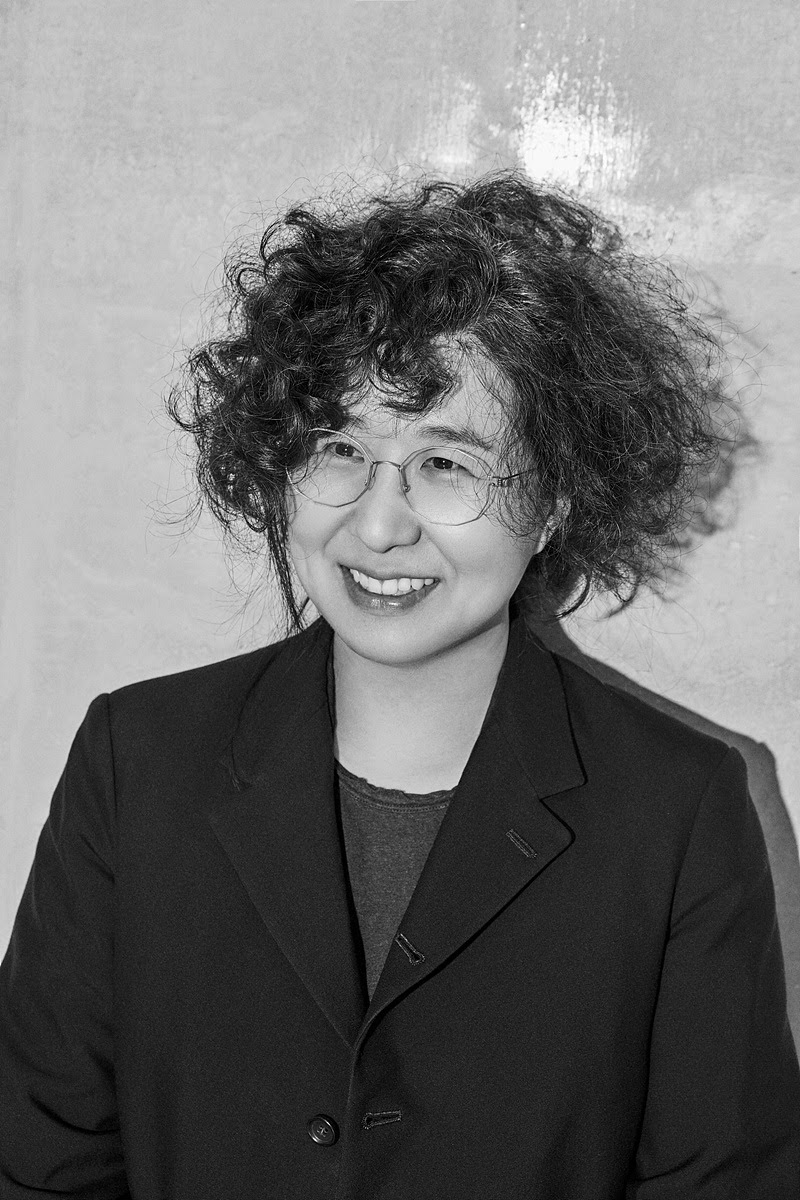
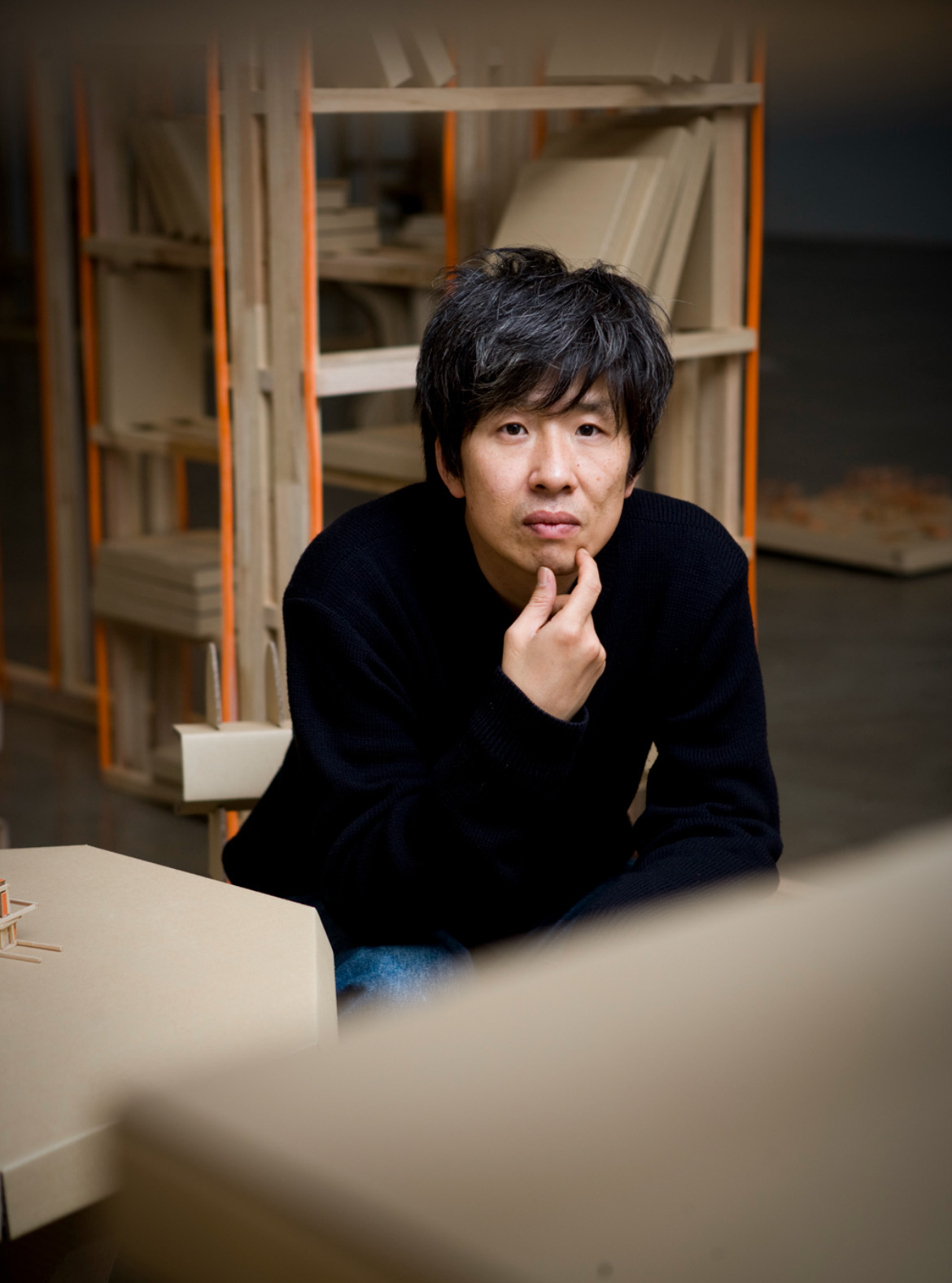
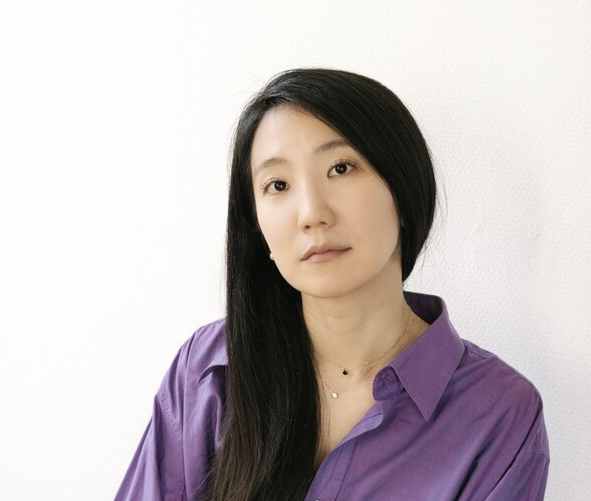
Suki Seokyeong Kang, lifetime portrait. / Photo source: Hankook Ilbo (The Korea Times).
Suki Seokyeong
Kang received her BFA and MFA in Oriental Painting from Ewha Womans University
and an MA in Painting from the Royal College of Art, London. In 2018, she was
awarded the Baloise Art Prize at Art Basel, and her prize-winning works were
acquired by Mudam Luxembourg – Musée d’Art Moderne Grand-Duc Jean.
She held solo
exhibitions at Buk-Seoul Museum of Art (2019–2020), Mudam Luxembourg (2018),
and ICA Philadelphia (2018), among others. Her work was featured in the 2019
Venice Biennale, the 2018 Shanghai Biennale, the 2018 Gwangju Biennale, and the
2018 Liverpool Biennial. In 2024, the Leeum Museum of Art presented her work in
the exhibition《Willow Drum Oriole》.
Beginning from
the minimum spatial unit assigned to the individual, Kang’s practice explored
how that unit might expand into relational and collective structures. Through
the conceptual framework of ’jari’, her sculptural language
intersected body and space, time and society, deepening contemporary discourse
on relational existence and the social dimensions of form.
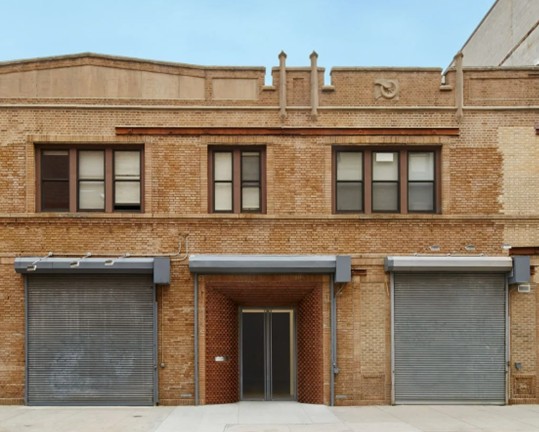
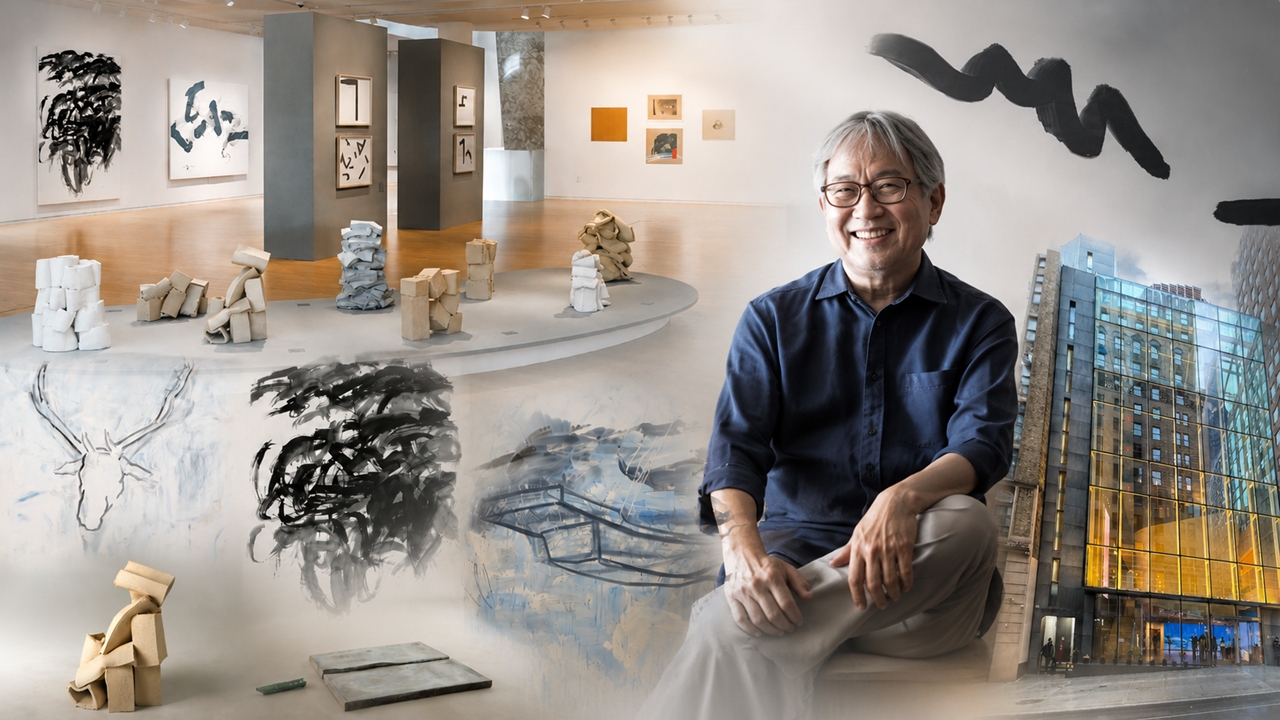
Tina Kim Gallery / Photo: Tina Kim Gallery Website
About Tina Kim
Gallery
Founded in 2001
and based in New York, Tina Kim Gallery has played a pivotal role in
introducing Korean and Asian contemporary art to an international audience. The
gallery has been instrumental in advancing the global recognition of Korean
art, presenting exhibitions that bridge historical movements such as Dansaekhwa
with contemporary practices.
Through sustained
collaborations with major institutions and long-term curatorial research, the
gallery supports the development and international visibility of its artists.
Kang’s exhibition at Tina Kim Gallery situates her practice within a broader
global discourse, reaffirming the transnational relevance of her sculptural
language.
Exhibition
Information
Exhibition
Title:《Our Spring》
Artist: Suki Seokyeong Kang (1977–2025)
Dates: March 12 – April 25, 2026
Venue: Tina Kim Gallery
Address: 525 West 21st Street, New York, NY
Website: https://www.tinakimgallery.com