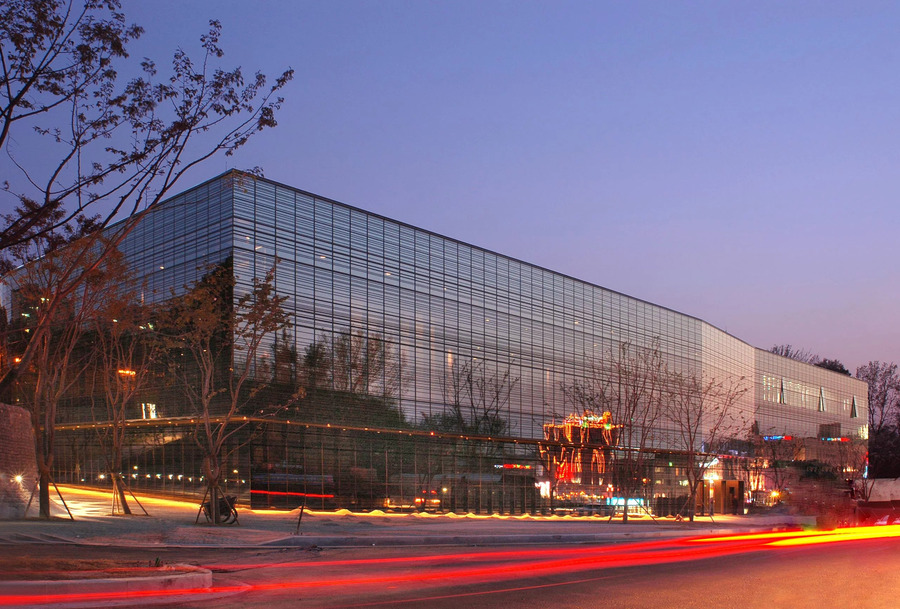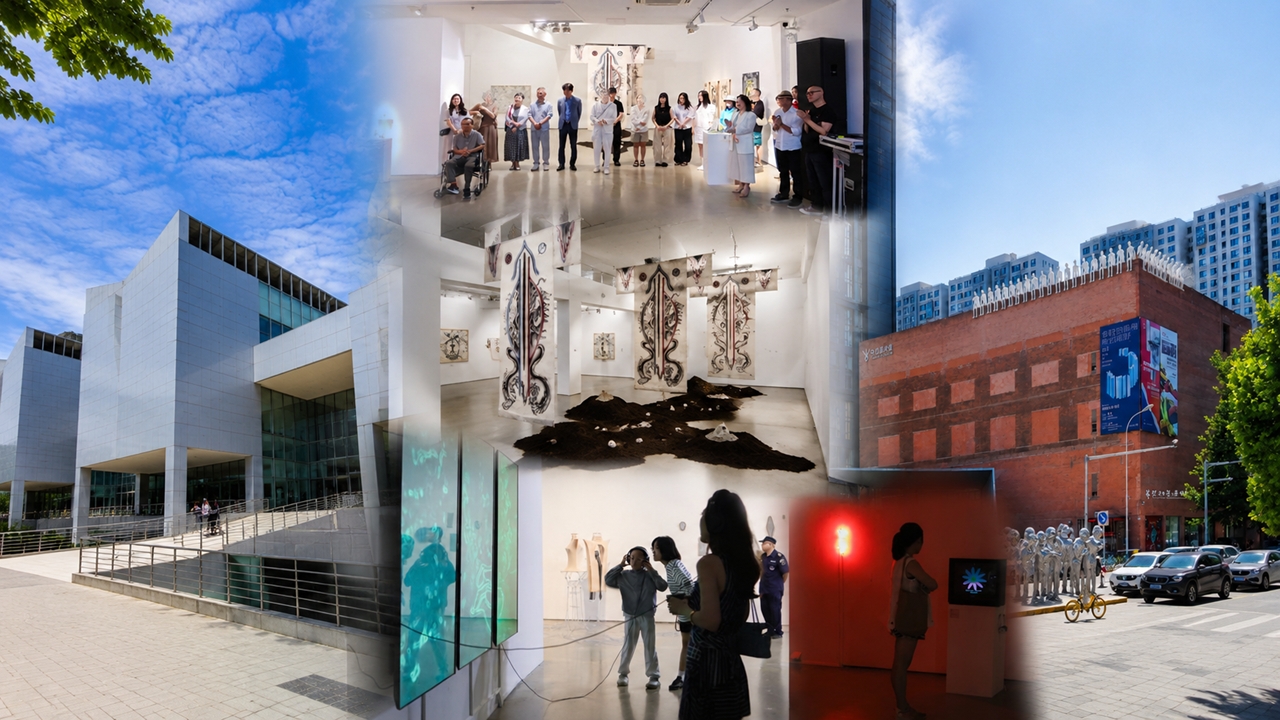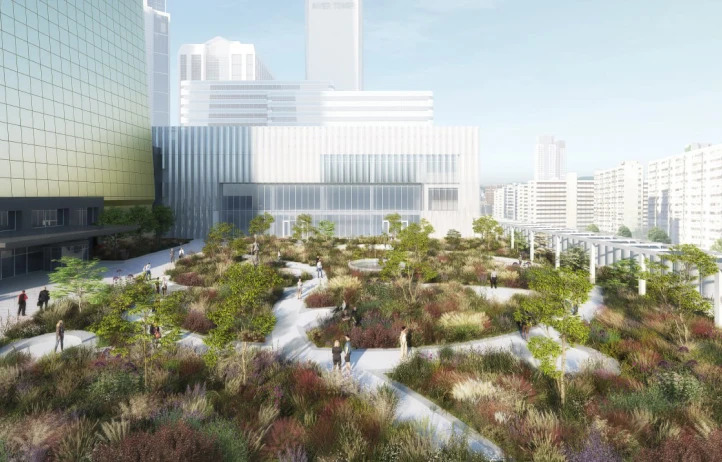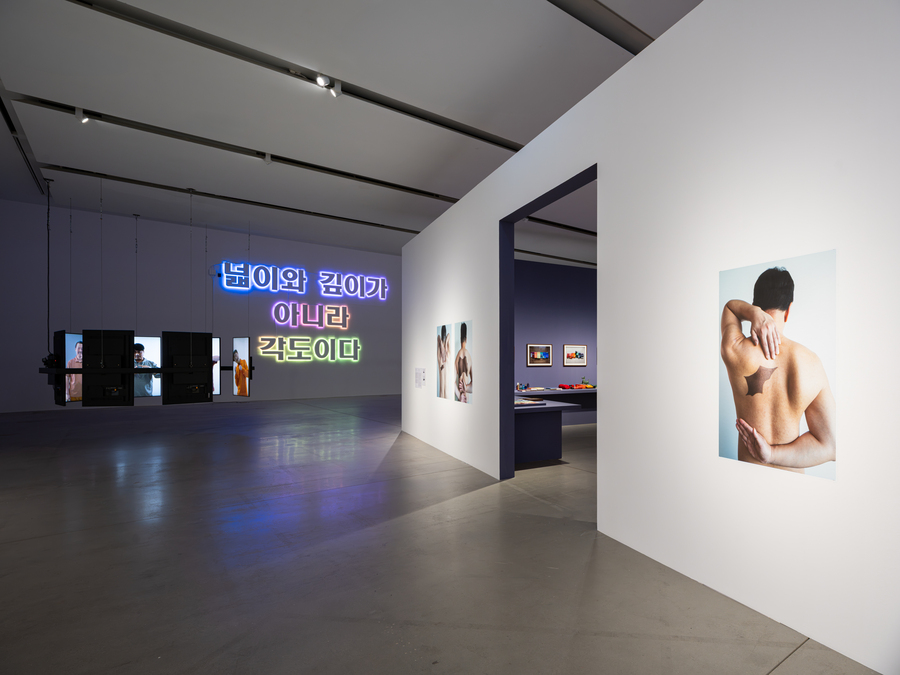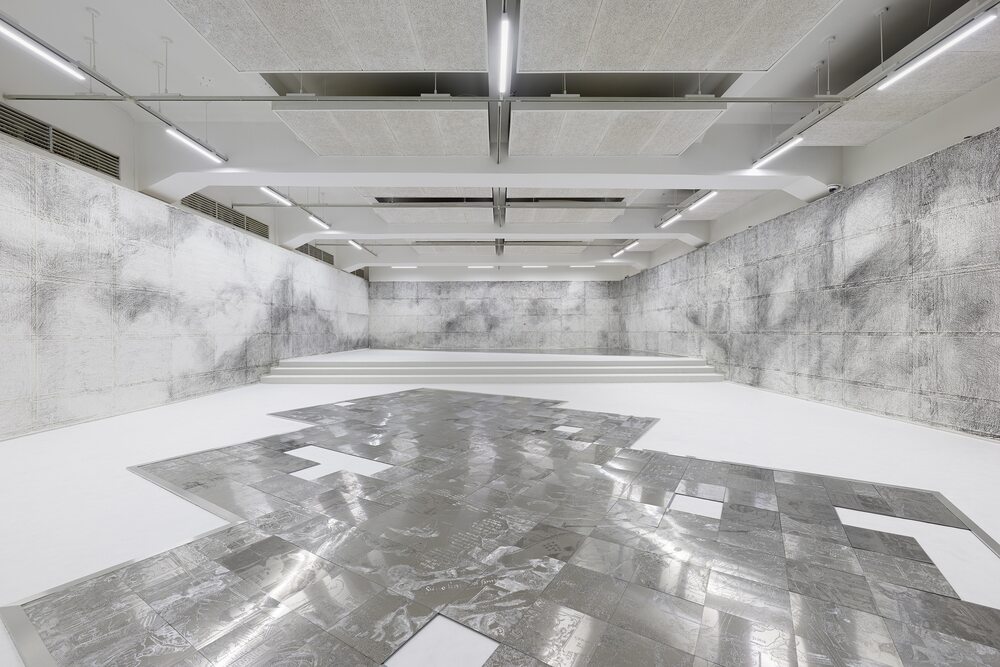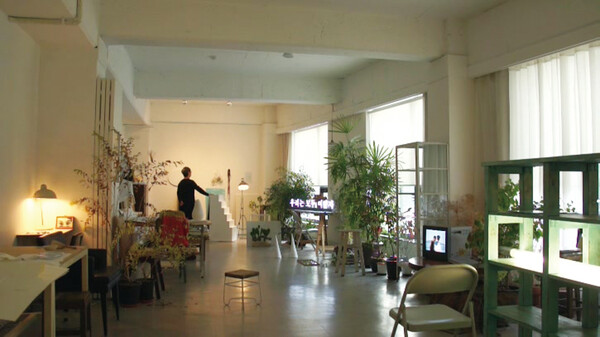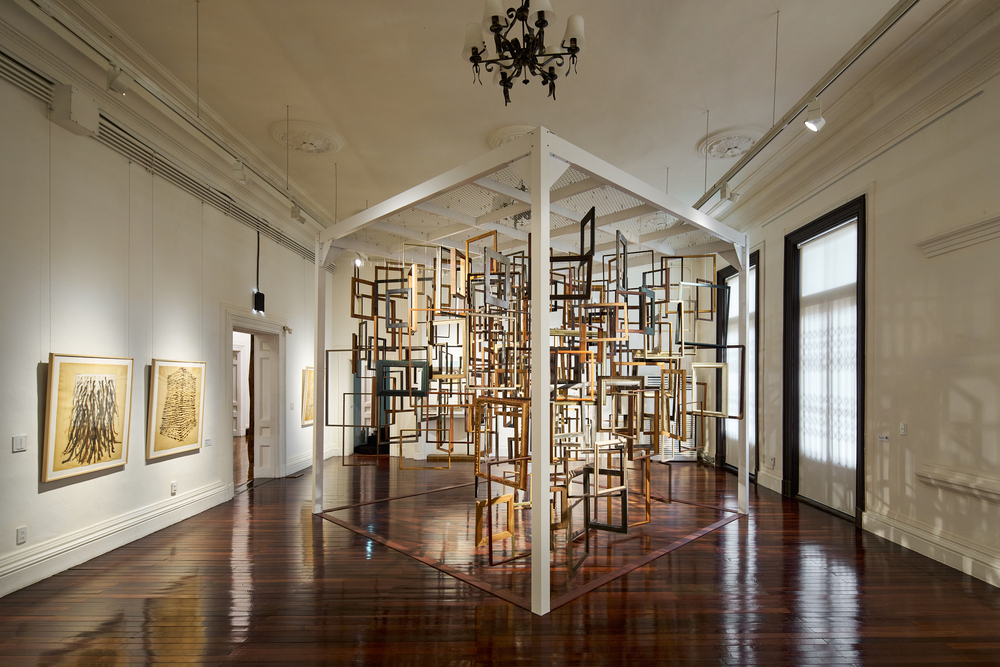

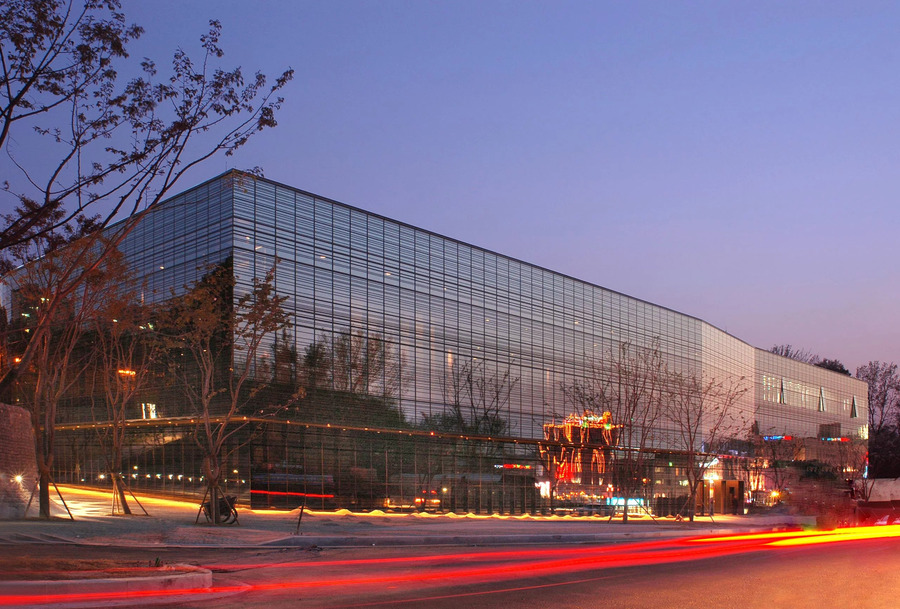
Exterior view of Nam June Paik Art Center ⓒ Nam June Paik Art Center
The Nam June Paik
Art Center (Director: Park Namhee) has announced its major initiatives for
2026, grounded in the Center’s vision of “a museum connected through art and
technology.” Reflecting this vision, the museum will actively implement
exhibitions, educational programs, academic projects, and public events
throughout the year.
In particular,
2026 marks the 20th anniversary of the passing of Nam June Paik. On this
occasion, the museum aims to foster a “Heritage Community” that shares and
commemorates Paik’s artistic spirit with audiences worldwide, reexamining the
contemporary significance of his art as a public cultural asset.
Accordingly, the
2026 program will center on the theme “The Era of the 21st-Century Heritage
Community: A Platform for Hyperconnected Sharing.” The museum plans to expand
collaborations with media artists, museums, and cultural institutions both in
Korea and internationally, developing programs that organically connect
research and creation with viewing and participation.
The major
initiatives for 2026 include: international exchange and co-organized
exhibitions; educational programs tailored to different generations and
audiences; academic research and publications; commemorative events and
memorial projects, including the Nam June Paik Art Prize; and a Media Art
Festival encompassing exhibitions, education, performances, and screenings.
Through these
efforts, the museum seeks to reconnect Nam June Paik’s art with contemporary
society as a “shareable heritage,” establishing a foundation for its continued
expansion as a living discourse in collaboration with institutions and
communities around the world.
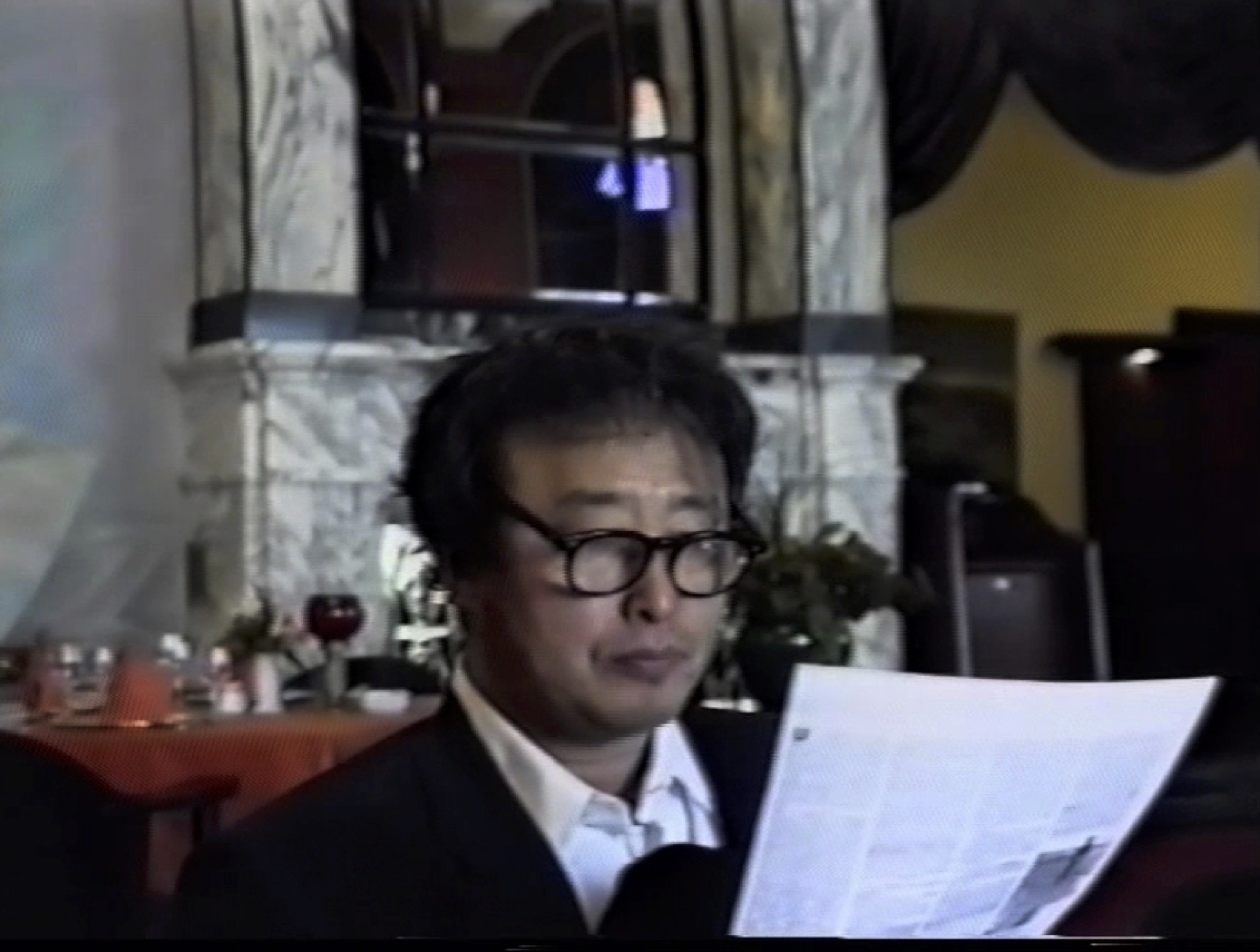
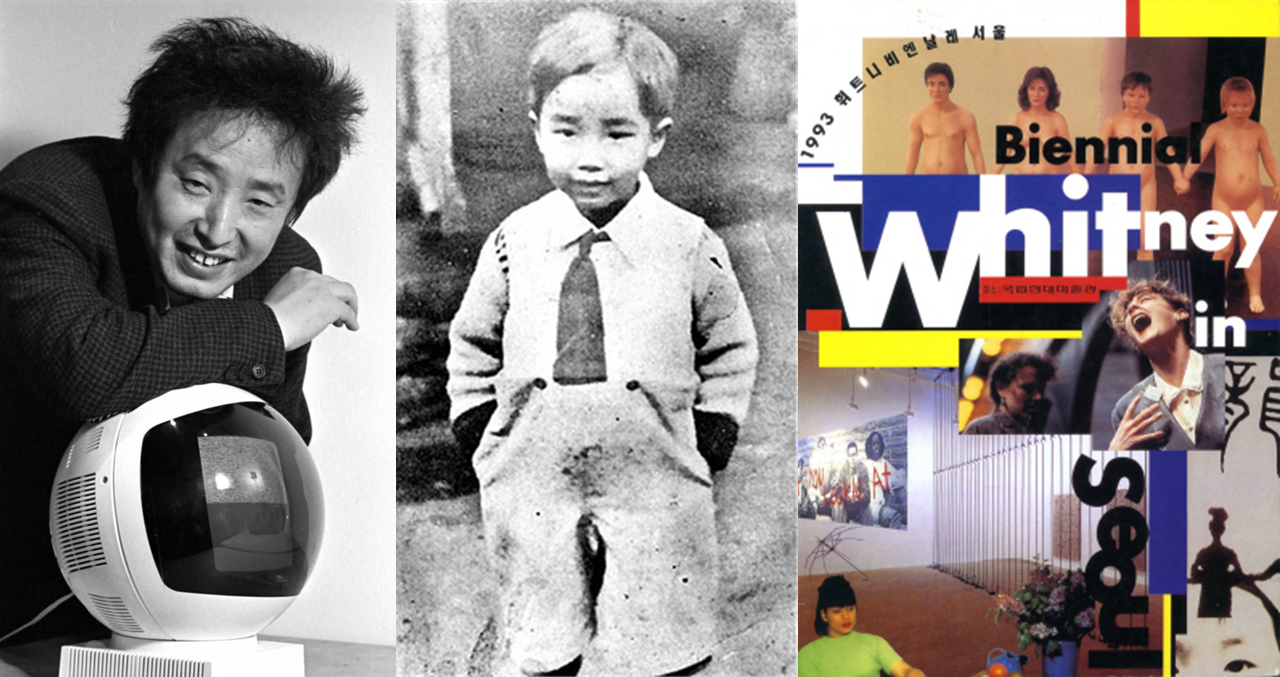
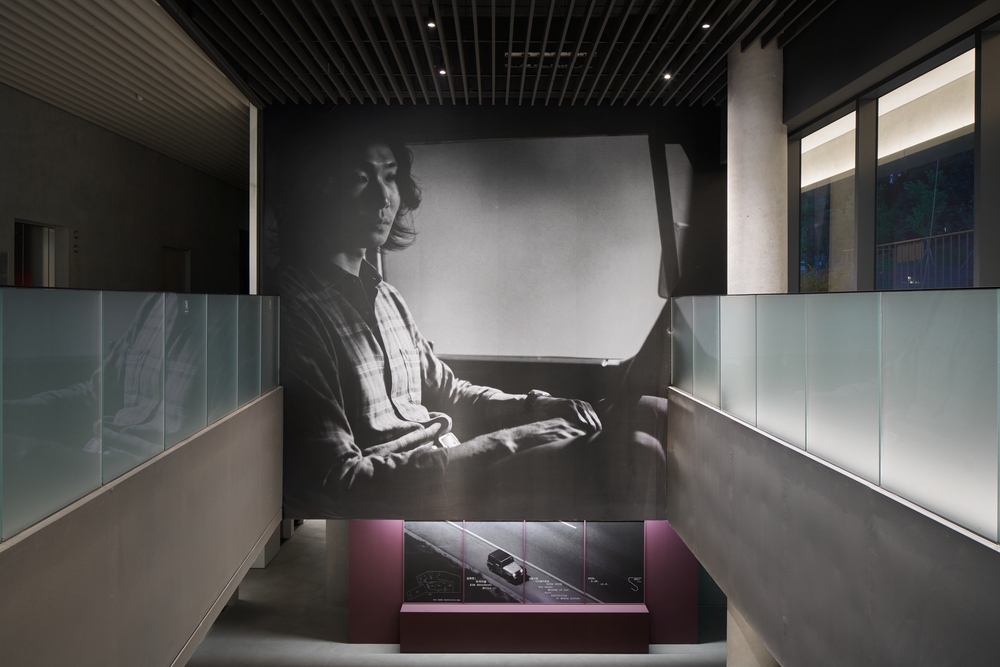
Dalibor Martinis, Sanja Iveković, Interview with Paik in Zagreb, 1993 ⓒ Nam June Paik Art Center
Exhibition:
Expanding Nam June Paik’s Art through Global Co-Curation
In 2026, the Nam
June Paik Art Center will foreground co-organized exhibitions to offer a
multilayered examination of the expansiveness and contemporary relevance of Nam
June Paik’s art. Revisiting Paik’s concept of “connection”—which traversed art
and technology, music and performance, television and satellite, the local and
the global—the museum will reconsider this framework within today’s media
environment and translate it into tangible experiences for audiences.
A key exhibition
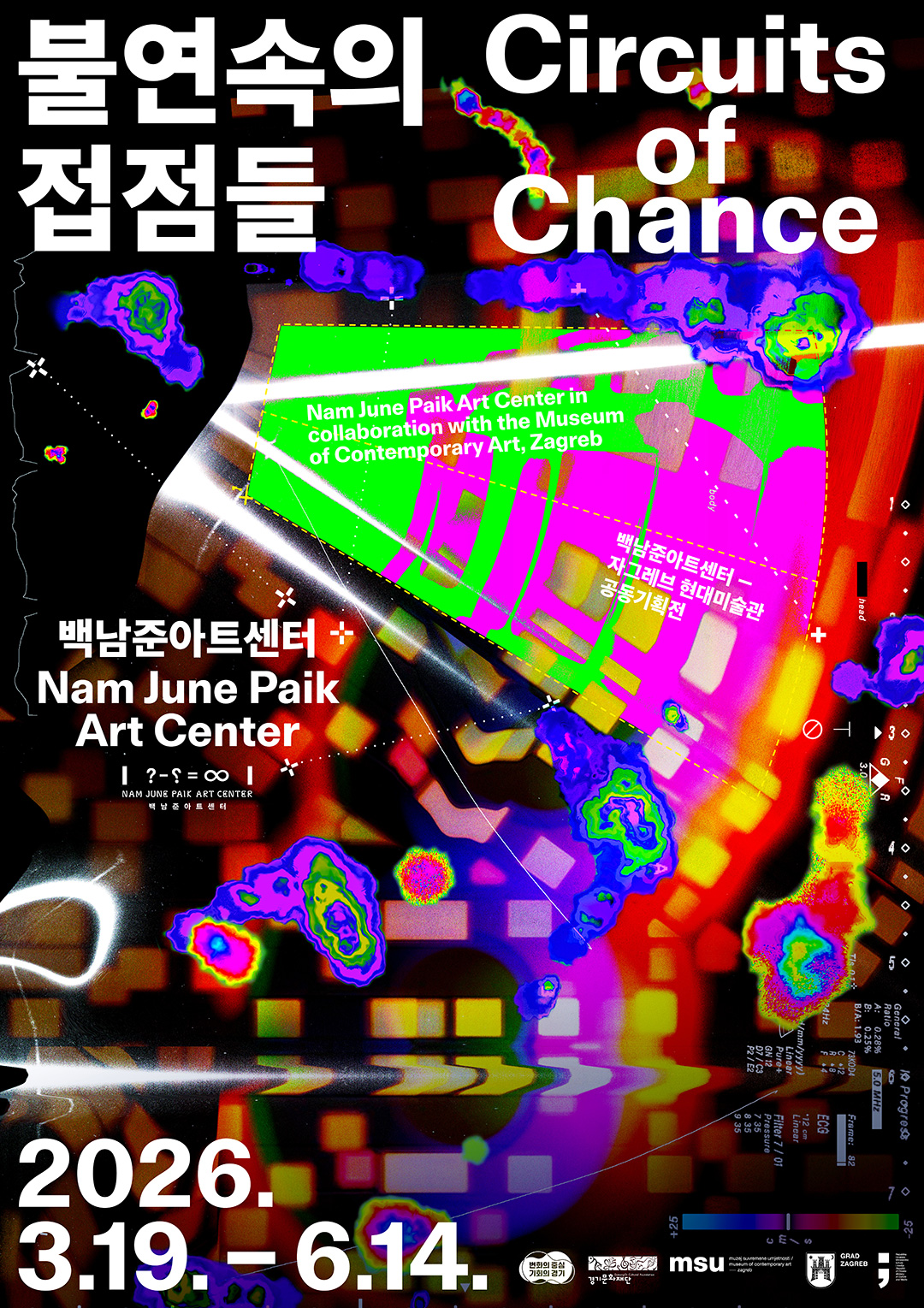
in this program is the co-organized show with the Museum of Contemporary Art
Zagreb, 《Circuits of Chance》, opening on March 19. The exhibition surveys the New
Tendencies movement that emerged in the Eastern European art scene from the
1960s onward, as well as broader currents that expanded the sensibility of
contemporary media art through the deconstruction of traditional art forms and
experimental engagements with new media.
Through its
collaboration with the Museum of Contemporary Art Zagreb, the Nam June Paik Art
Center will introduce Eastern European artists to Korean audiences while
reexamining, from a contemporary perspective, the terrain of influence shaped
by Paik as a pioneer of media art. Approximately sixteen Eastern European
artists will participate, exploring through their works how seemingly
“discontinuous” historical trajectories have generated new points of connection
over time.
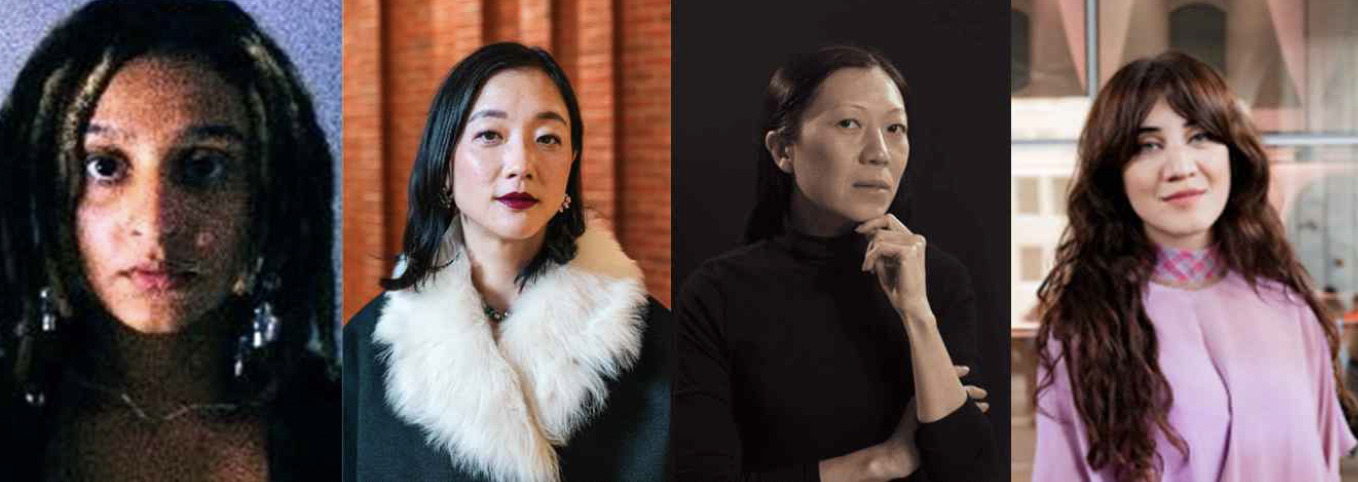
Participating Artists of 《Hyundai Translocal Series》 (from the left: biarritzzz, Christine Sun Kim, Jane Jin Kaisen, Vivian Caccuri) ⓒ Nam June Paik Art Center
In November, as
part of Hyundai Motor Company’s art partnership initiative, the “Hyundai
Translocal Series”, the Nam June Paik Art Center will co-present 《Hyundai Translocal Series》 in
collaboration with the Pinacoteca de São Paulo.
Prior to the
exhibition, curators from both institutions engaged in a research exchange
program and forum exploring translocal themes, forming the basis for the
jointly organized exhibition.
The exhibition
will feature newly commissioned works by four selected artists—Jane Jin Kaisen,
Christine Sun Kim, Vivian Caccuri, and biarritzzz—alongside major works by Nam
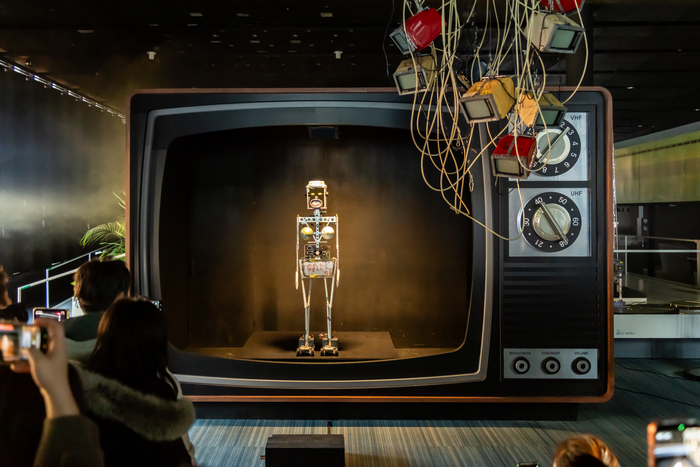
June Paik, including Moon is the Oldest TV (1965/2000). The
exhibition will be presented both at the Nam June Paik Art Center and at the
Pinacoteca de São Paulo in Brazil.
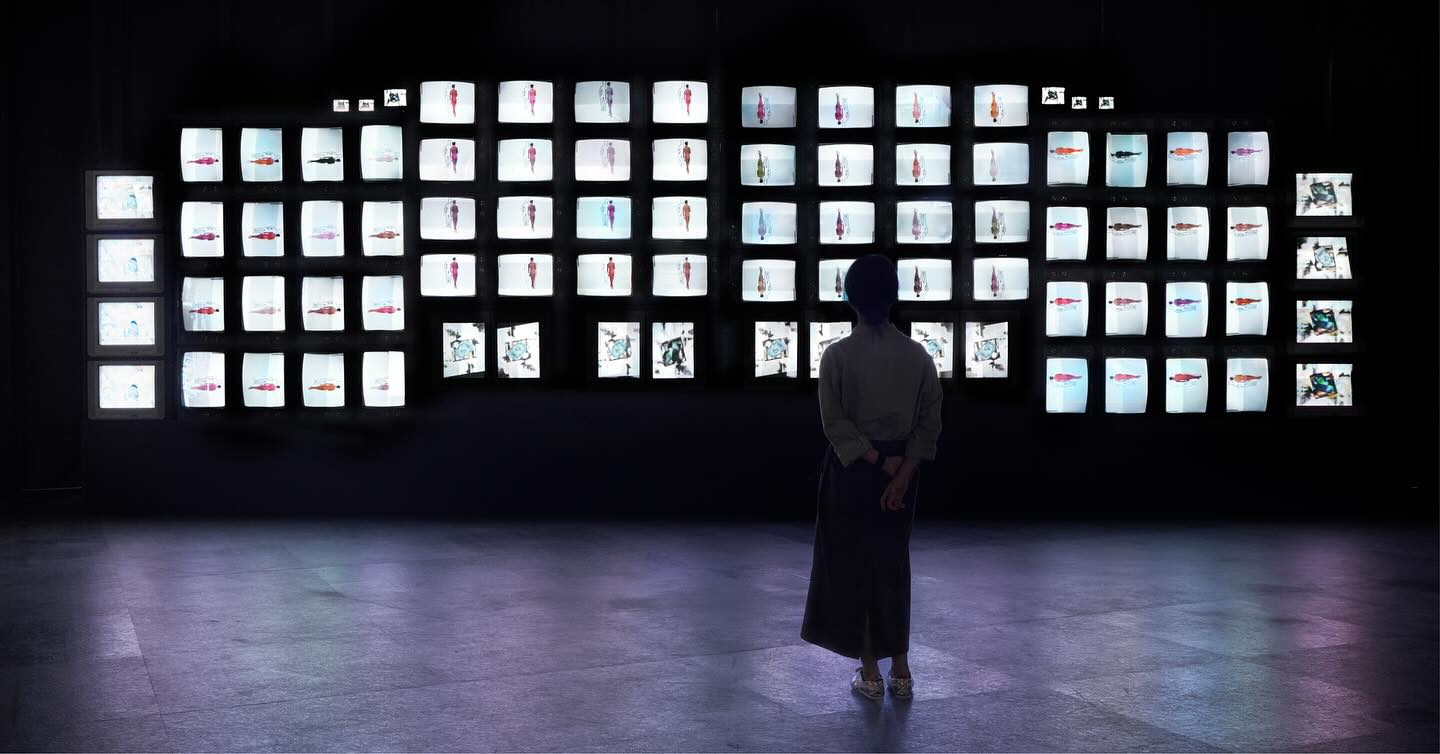
Nam June Paik, M200, 1991, Installation view of 《The City of Nam June Paik: The Sea Fused with The Sun》 (Nam June Paik Art Center, 2025) ⓒ Nam June Paik Art Center
Academic
Programs: International Symposium and Archival Research
In the academic
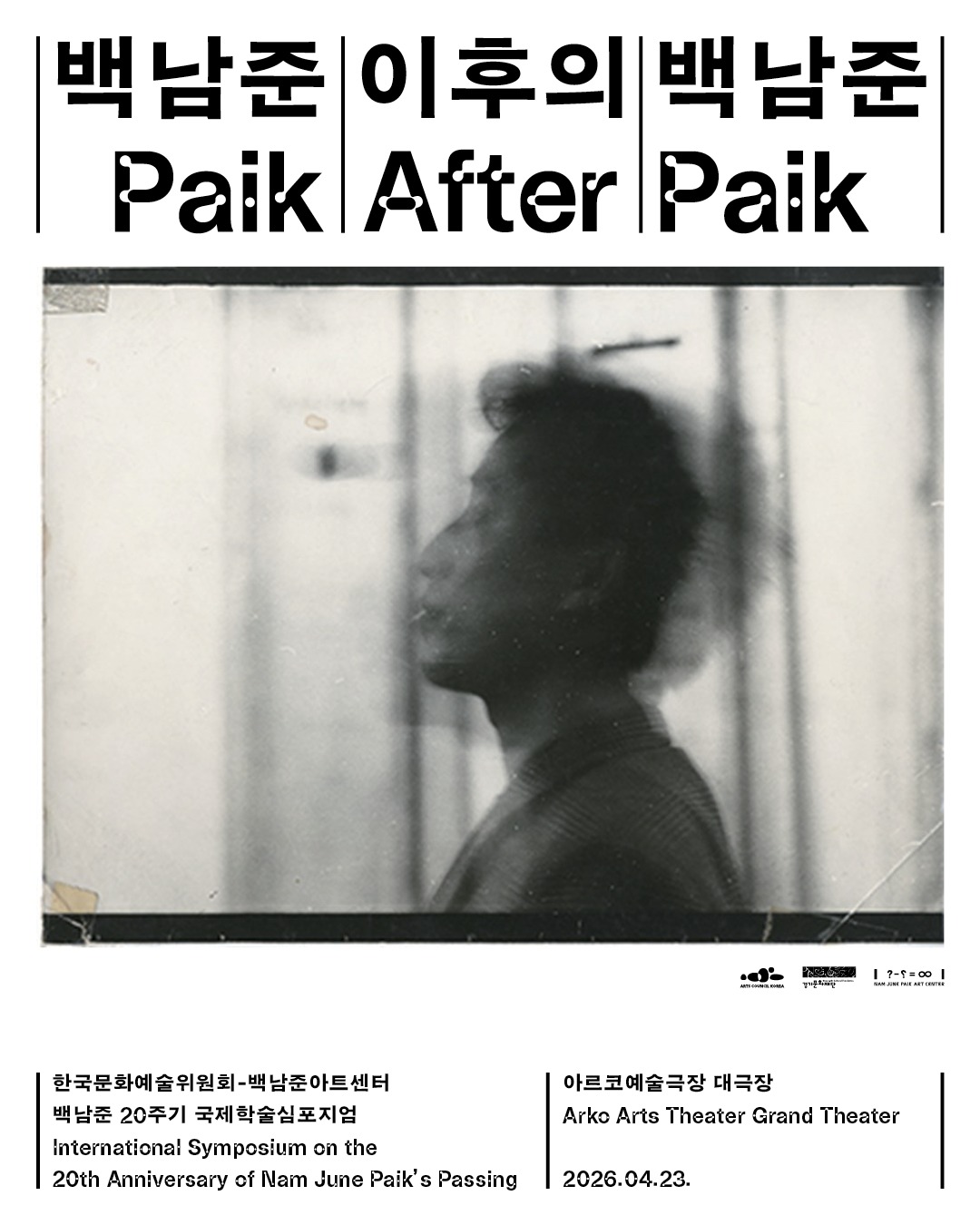
sphere, an international symposium titled “The Current State and
Assessment of Nam June Paik Studies” will be co-hosted on April 23 at
the ARKO Theater in collaboration with the Arts Council Korea. Marking the 20th
anniversary of the passing of Nam June Paik, the joint symposium organized by
the Nam June Paik Art Center and Arts Council Korea will review the trajectory
of Nam June Paik scholarship and explore future directions for research.
Approximately ten
distinguished scholars from Korea and abroad will participate, including
keynote speaker Hannah Higgins, Lev Manovich, Jun Okada, Bookyung Son, and Woo
Jung-ah, sharing key achievements in Paik studies and discussing their
potential for contemporary expansion. Based on the symposium papers, the museum
also plans to publish the 16th issue of its online academic journal, NJP
Reader, to further disseminate scholarly outcomes.
In addition, the
Nam June Paik Art Center has been strengthening the public accessibility of its
archives, operating the Nam June Paik Video Library streaming service based on
a collection of approximately 2,285 video works. In 2026, the museum will
publish Video Collection Highlights, a comprehensive guide
to the Nam June Paik video archive featuring commentaries on major works and
scholarly essays. This publication aims to expand research resources in a
format accessible not only to scholars but also to general audiences, thereby
fostering archive-based discourse.
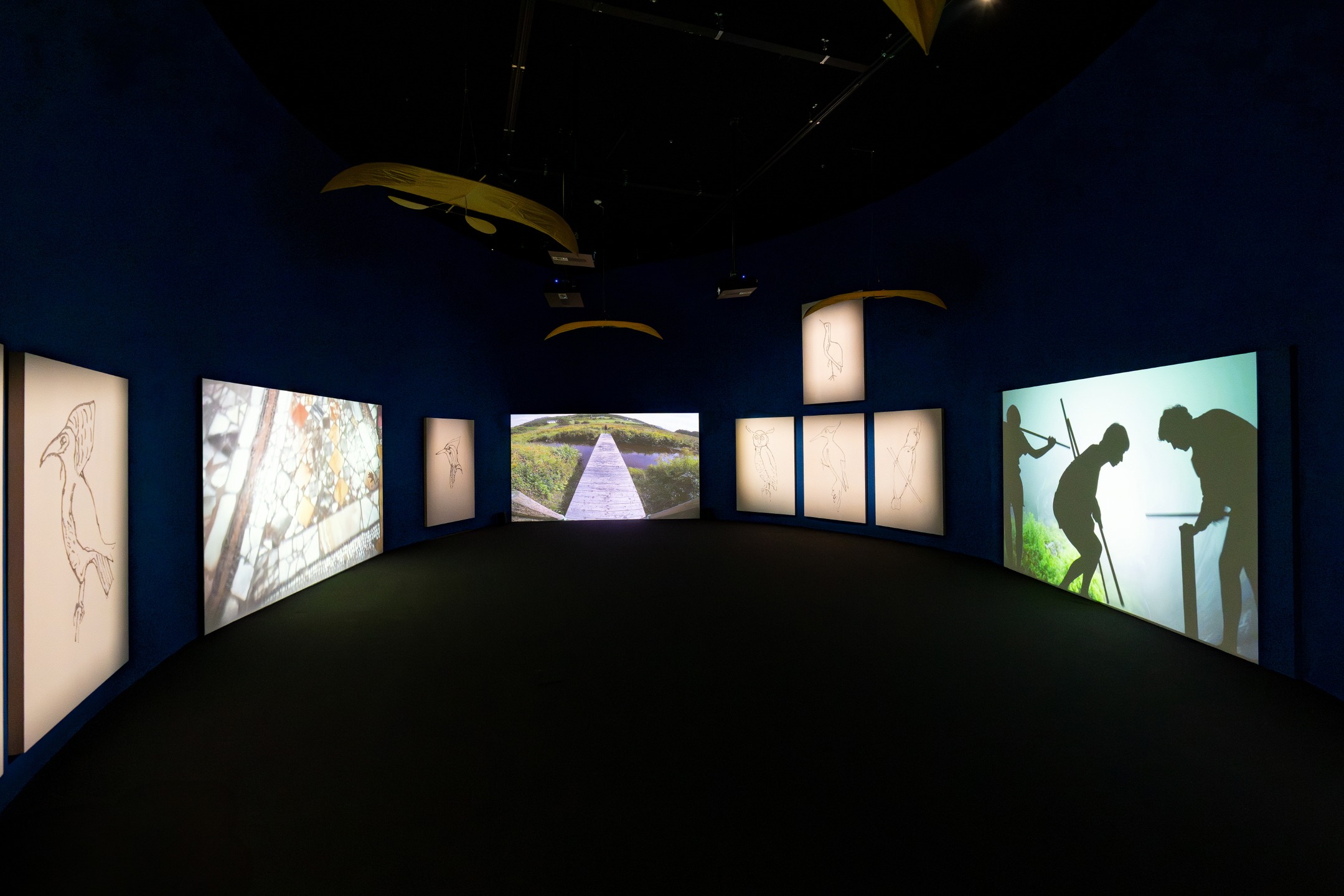
Installation view of the 8th Nam June Paik Prize Exhibition 《Joan Jonas: The More-than-Human World》 (Nam June Paik Art Center, 2025-2026) ⓒ Nam June Paik Art Center
Events:
20th Anniversary Commemoration and Award Programs
In 2026, marking
the 20th anniversary of the passing of Nam June Paik, the Nam June Paik Art
Center will present a series of commemorative events and award programs. In
advance, the Center held a memorial event titled AI Robot
Opera over two days, January 28–29, in observance of Paik’s
anniversary on January 29.
In addition, the
museum will select the recipient of the 9th Nam June Paik
Prize and hold an award ceremony. The Nam June Paik Prize is
presented to an artist who embodies the power of art to contribute to world
peace and advances the development of contemporary art. The prize seeks to
reflect on and disseminate the contemporary significance of Paik’s artistic
vision—rooted in experimental and creative inquiry and a dream of a
conflict-free society—together with artists of today.
Established in
2009, the Nam June Paik Prize is awarded biennially, with the recipient
selected one year and a solo exhibition of the awardee presented the following
year.
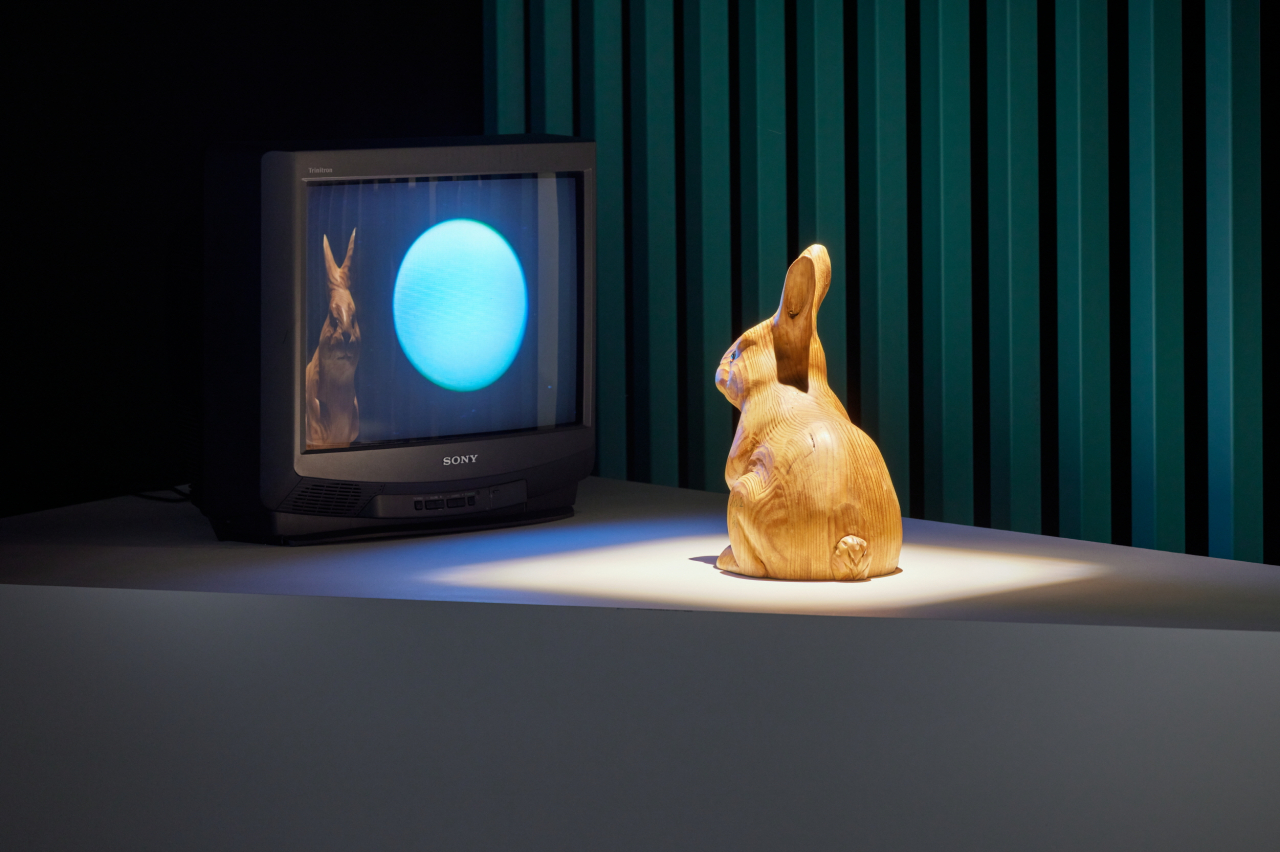
Nam June Paik, Rabbit Inhabits the Moon, 1996, Nam June Paik Art Center Collection. ⓒ Nam June Paik Art Center
Nam June
Paik Media Art Festival: A Hyperconnected Platform Linking Exhibition,
Education, Performance, and Screenings
The Nam June Paik
Art Center will launch the Media Art Festival as its core
platform for 2026. Marking the 20th anniversary of the passing of Nam June
Paik, the festival will organically interweave exhibitions with academic
programs, performances, screenings, and lounge programs. It is designed to
expand the experience of Paik’s art beyond viewing toward active participation
and shared engagement.
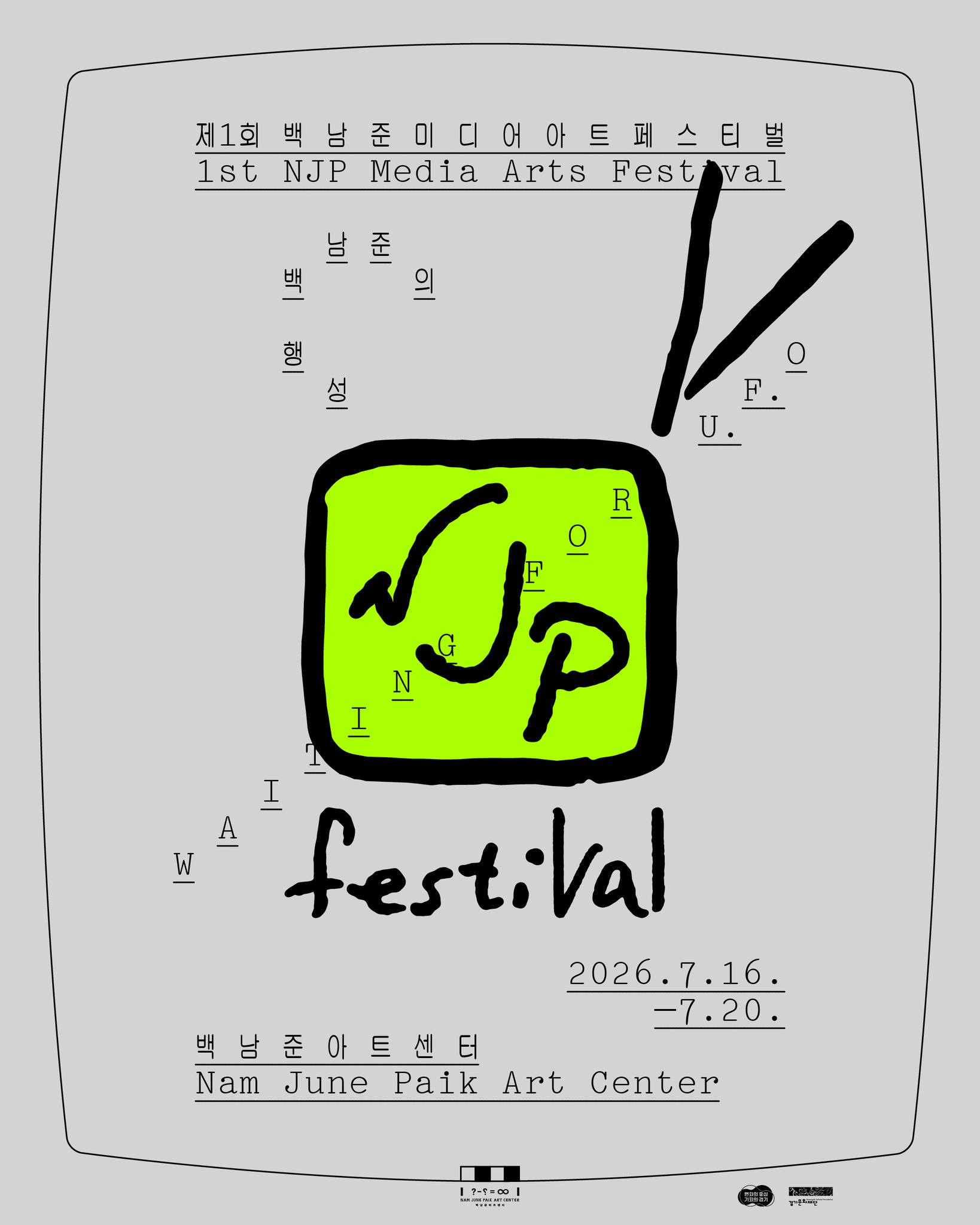
As part of the
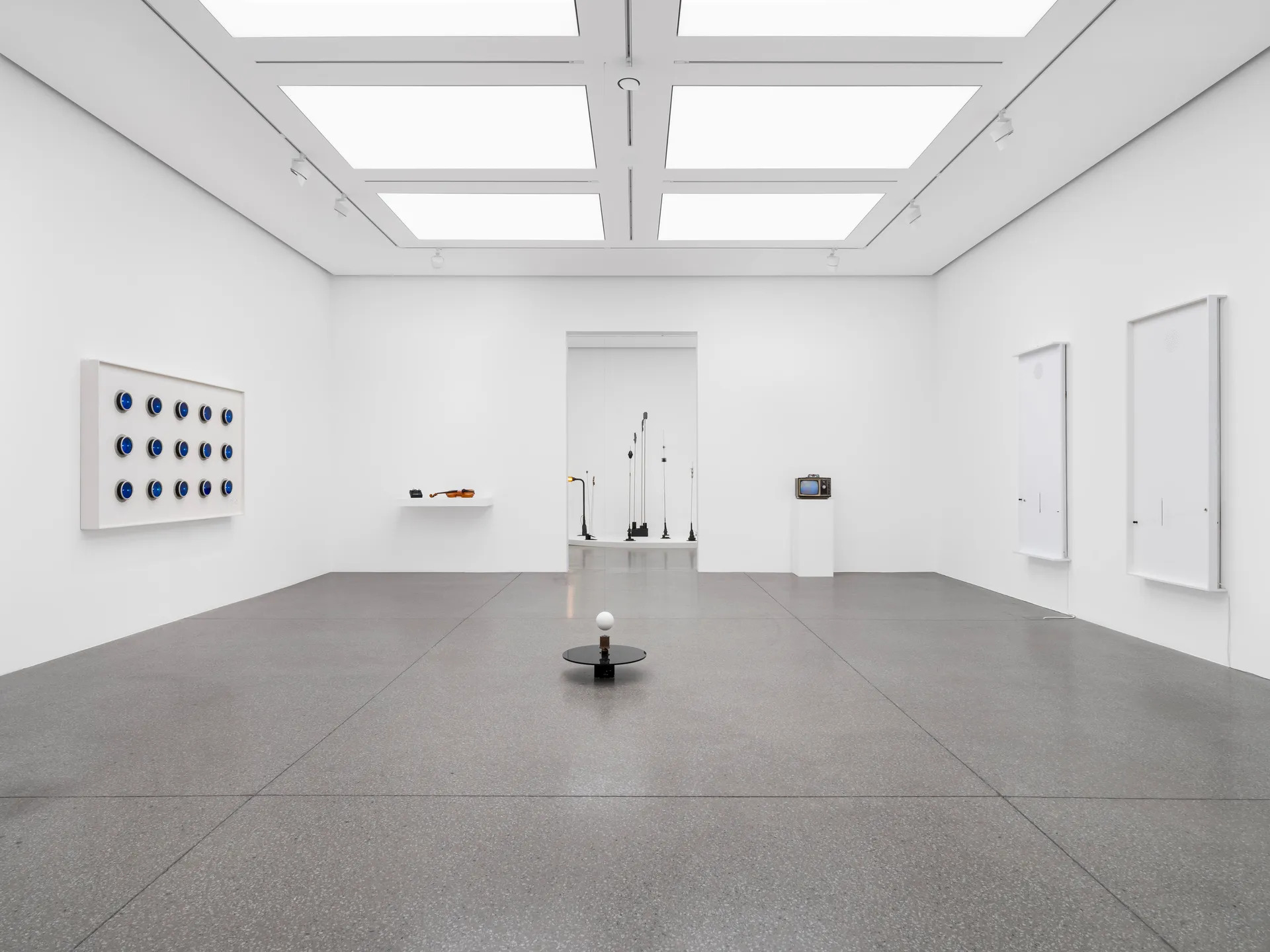
festival, the exhibition The Planet of Nam June Paik: Waiting for
UFO, opening simultaneously on July 16, will occupy the entirety of
Galleries 1 and 2 at the Art Center. The two-part exhibition will focus
respectively on Paik’s cosmology and planetary works: one section will
concentrate on his later artistic practice through the lens of cosmological and
planetary thought, while the other will present works by contemporary artists
that extend the technological and philosophical inquiries embedded in Paik’s
planetary projects.
The exhibition
aims to explore the meaning of the “planetary thinking” Paik constructed,
tracing the East Asian astronomical and cosmological order underlying his
trajectory and articulating it through the grammar of a “planetary circuit.”
Through newly
commissioned works by contemporary artists who expand the technological and
conceptual dimensions of Paik’s planetary practice, the exhibition further
seeks to examine how the notion of the “planetary circuit” may be reconfigured
in the present.
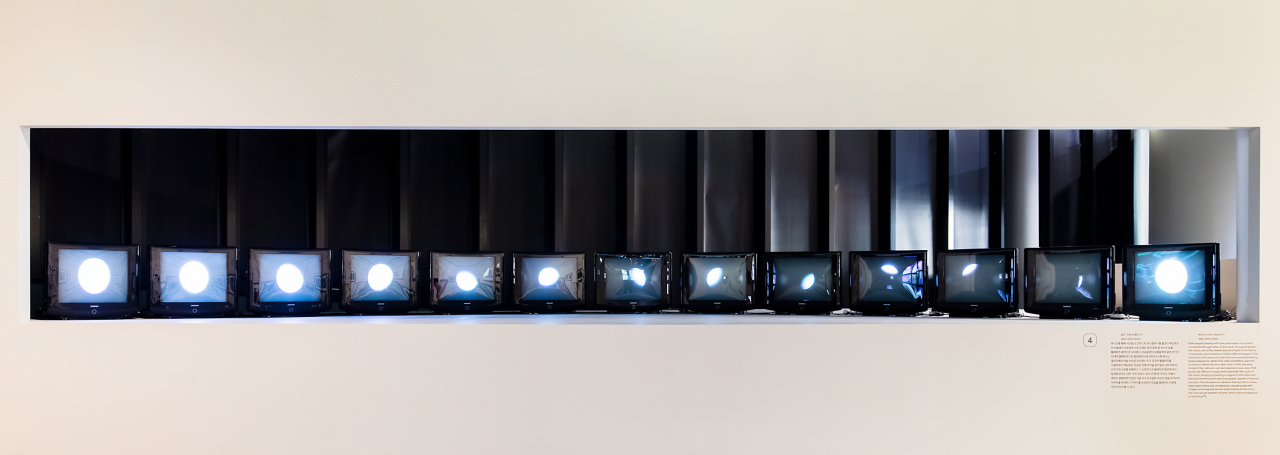
Nam June Paik, Moon is the Oldest TV, 1965(2000), Nam June Paik Art Center Collection. ⓒ Nam June Paik Art Center
In conjunction
with the exhibition openings, the festival will present a Media Art
Performance program, expanding the liveness and event-based nature of
Nam June Paik’s art. Reinterpreting the sense of the “live” that Paik
emphasized within today’s bodily and technological environments, the
performances will offer audiences a point of encounter where they can directly
experience the temporality and immediacy of art.
The three-day
Media Art Performance program, organized as part of the 20th anniversary
commemoration and in connection with the 140th anniversary of diplomatic
relations between Korea and France, will bring together Korean and French
performers to explore “the sound generated through relationships” through music
and installation, investigating sound and language as shared artistic terrain.
In addition,
screening programs will be presented outside the Nam June Paik Art Center to
strengthen the spirit of the “Heritage Community” and connect with diverse
audiences and spaces beyond the museum. In the second half of the year, the
Center will collaborate with the Korean Film Archive to organize the
Nam June Paik Screening Series, introducing Paik’s works
within a broader context through partnerships between media art and film
institutions.
The screening
program for emerging media artists, NJP Lounge, will also
serve as a key component of the festival. Designed to present contemporary
media art in non-museum spaces, the program creates flexible opportunities for
artists and audiences to meet within everyday settings.
Park Namhee,
Director of the Nam June Paik Art Center, stated, “The Nam June Paik Art Center
aspires to become a hyperconnected platform for shared exchange on a planetary
circuit, opening the era of a 21st-century Heritage Community in which Nam June
Paik’s artistic spirit connects and resonates with the present.”