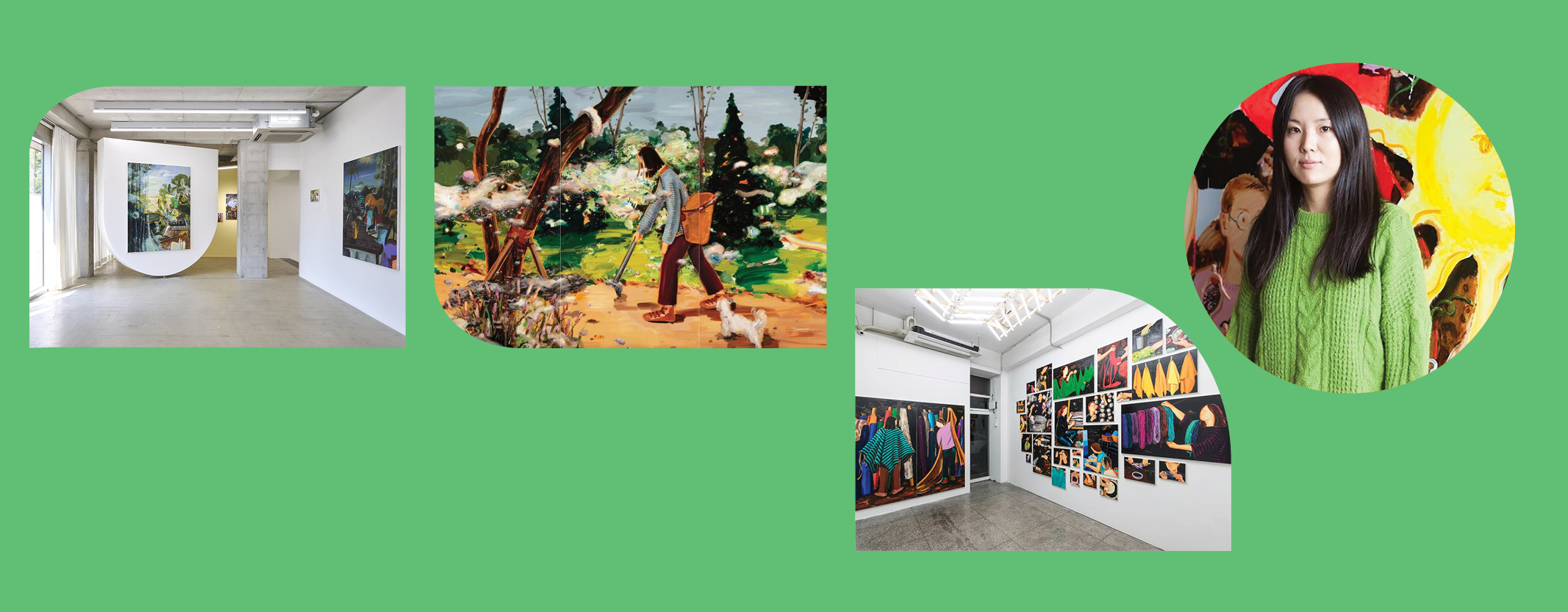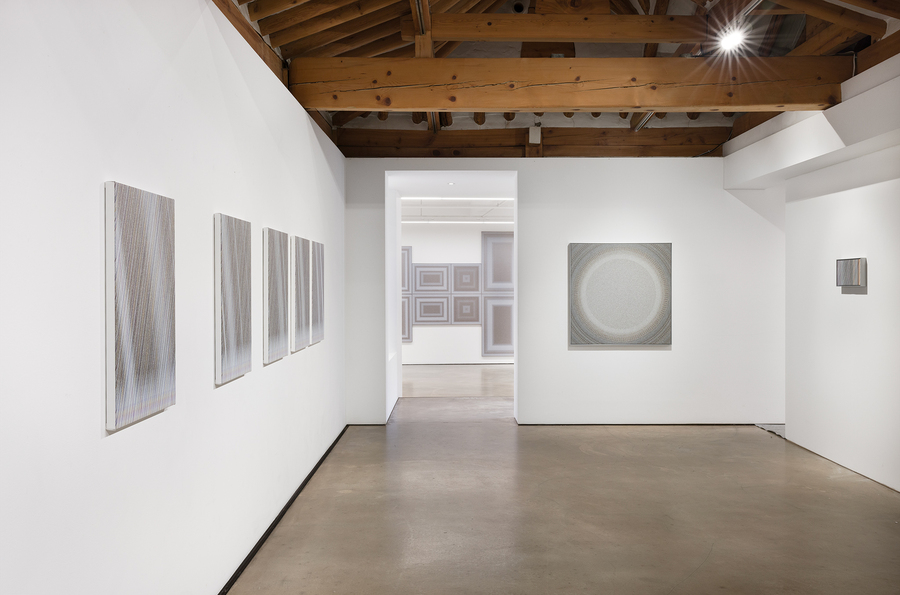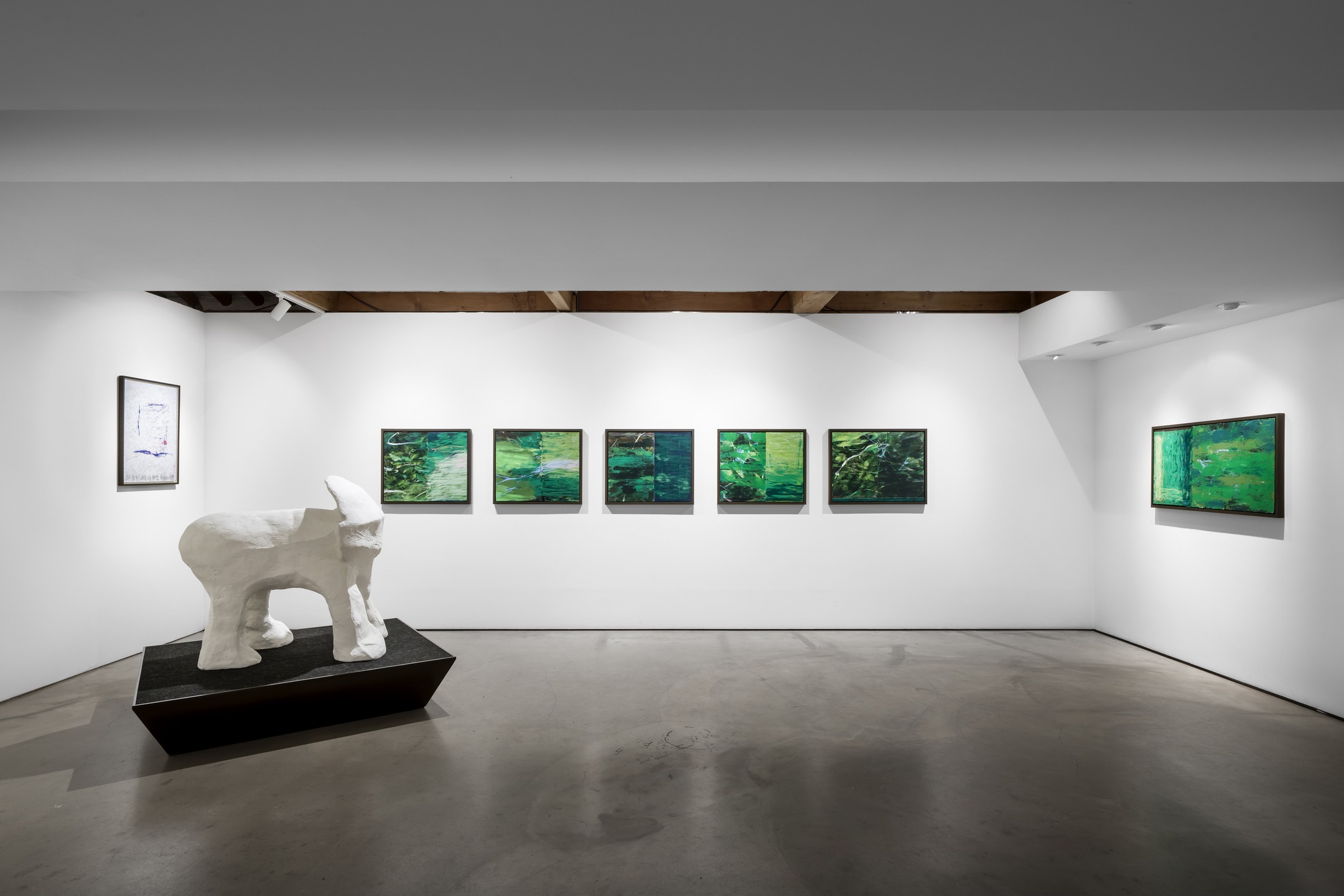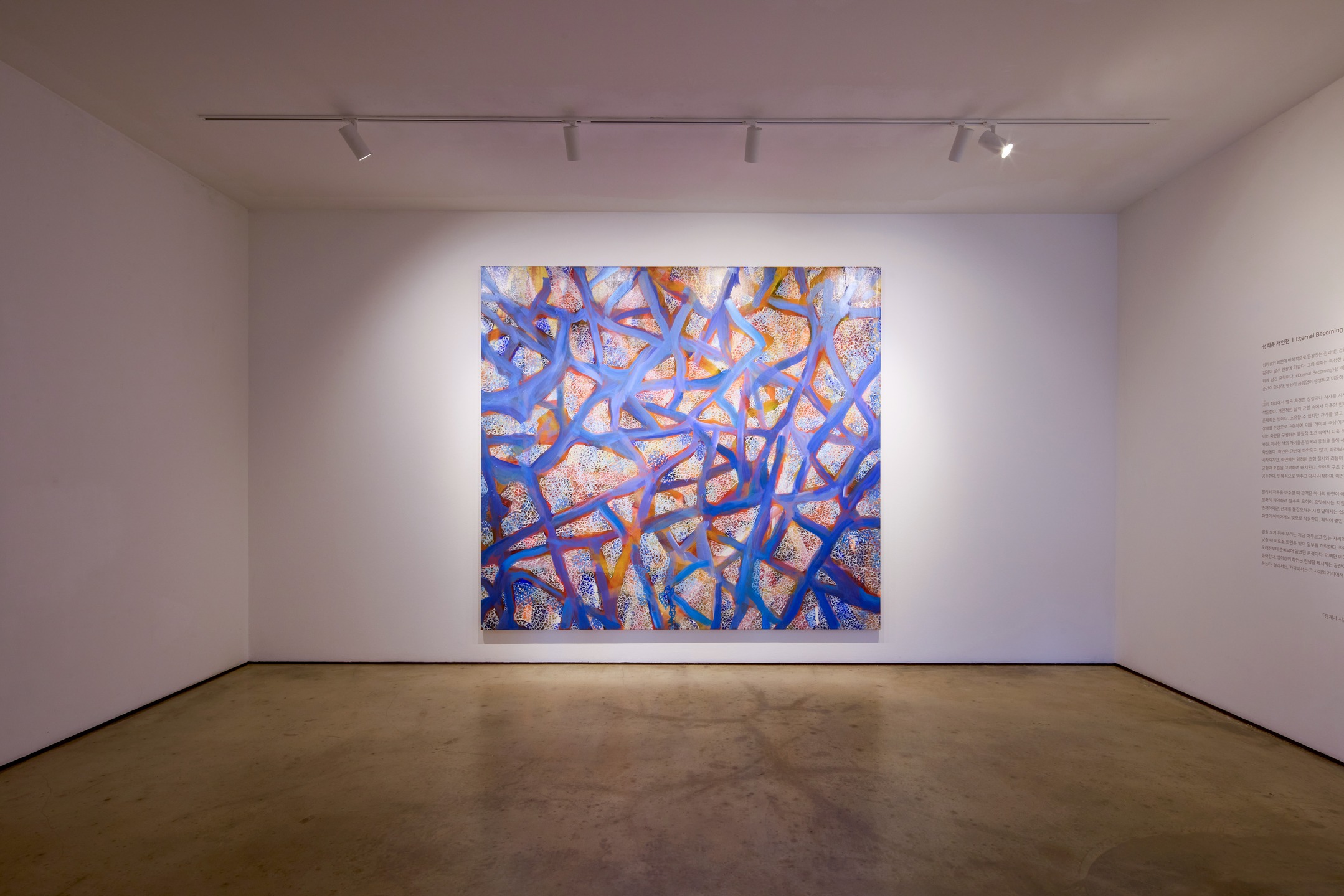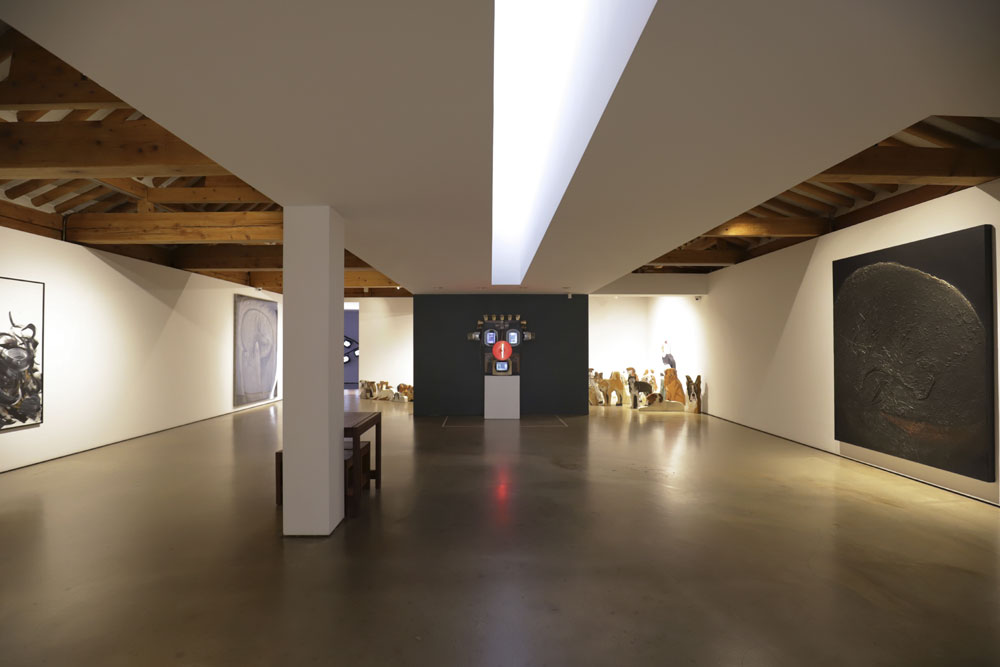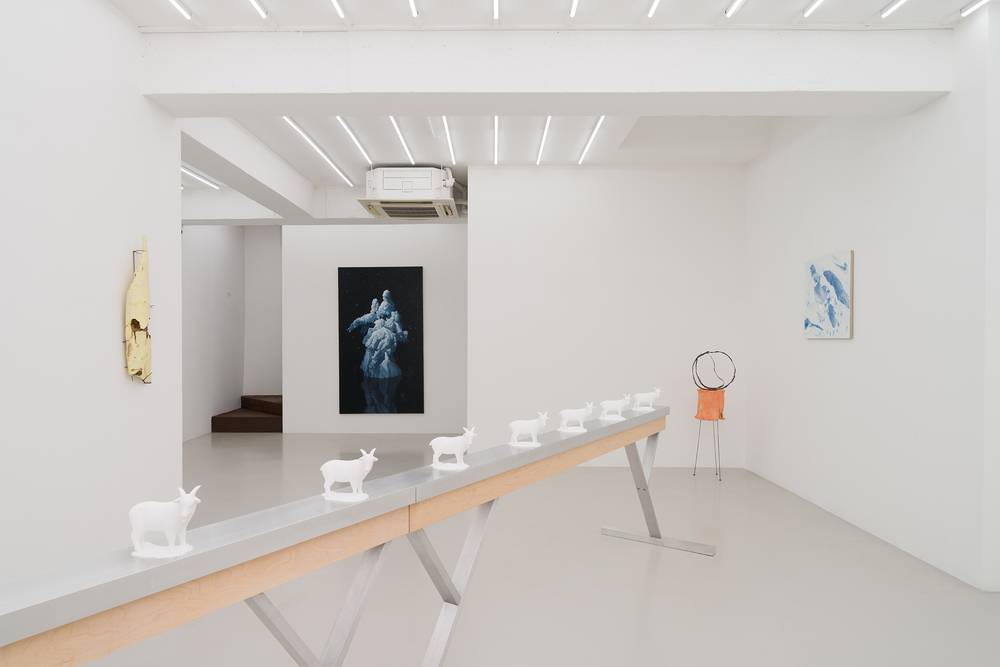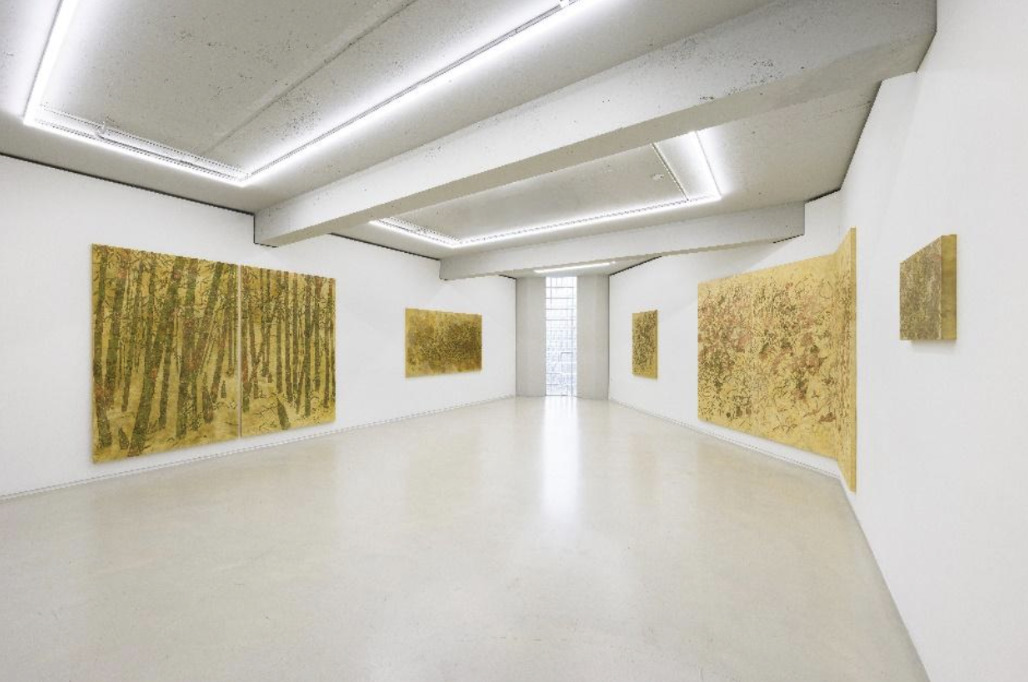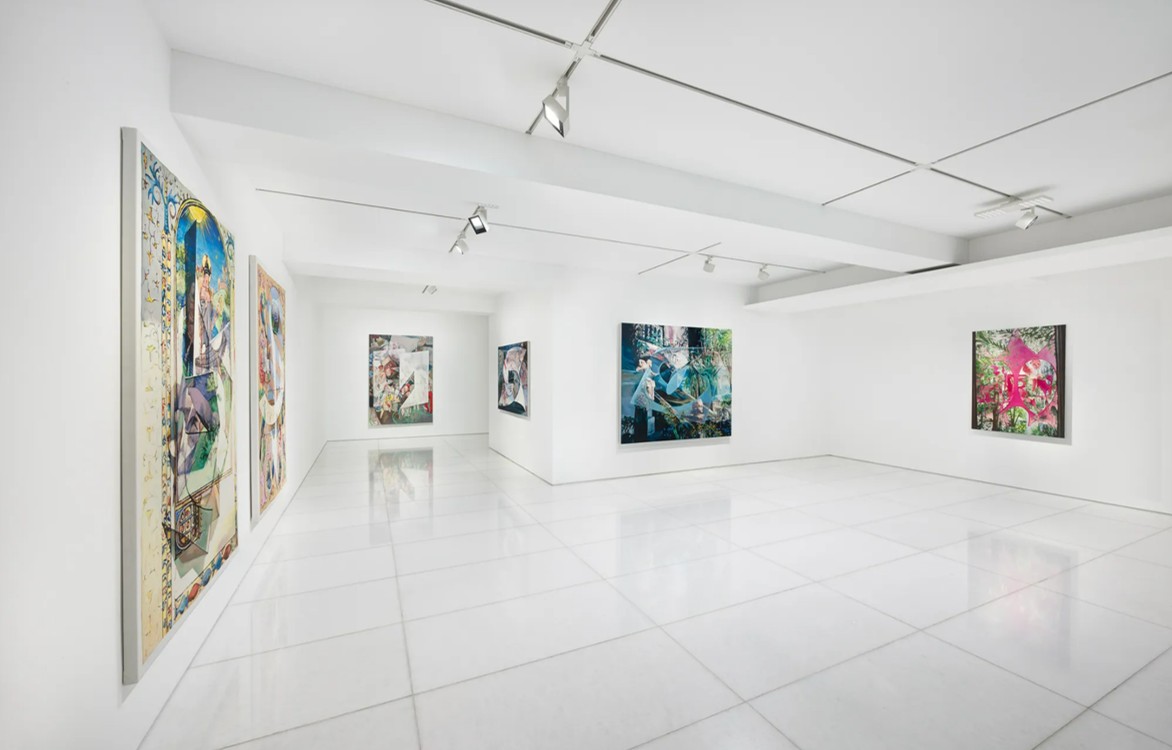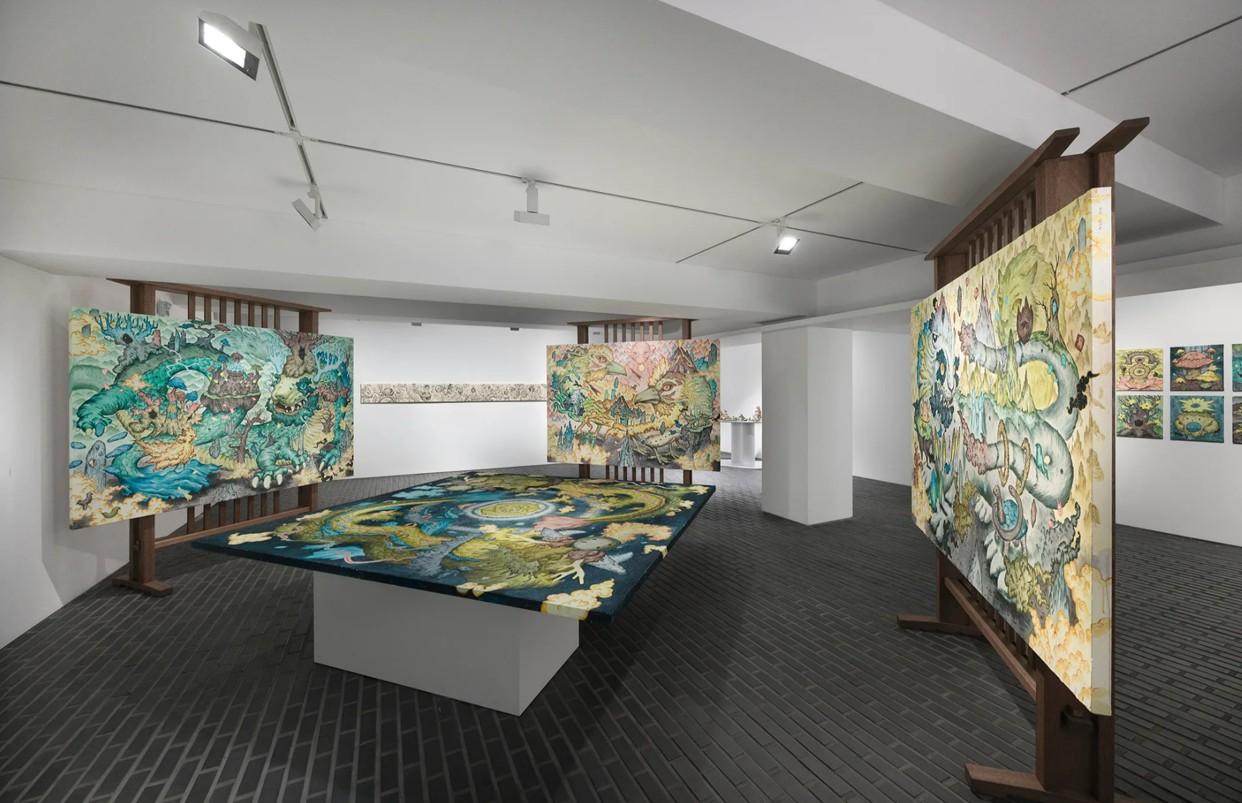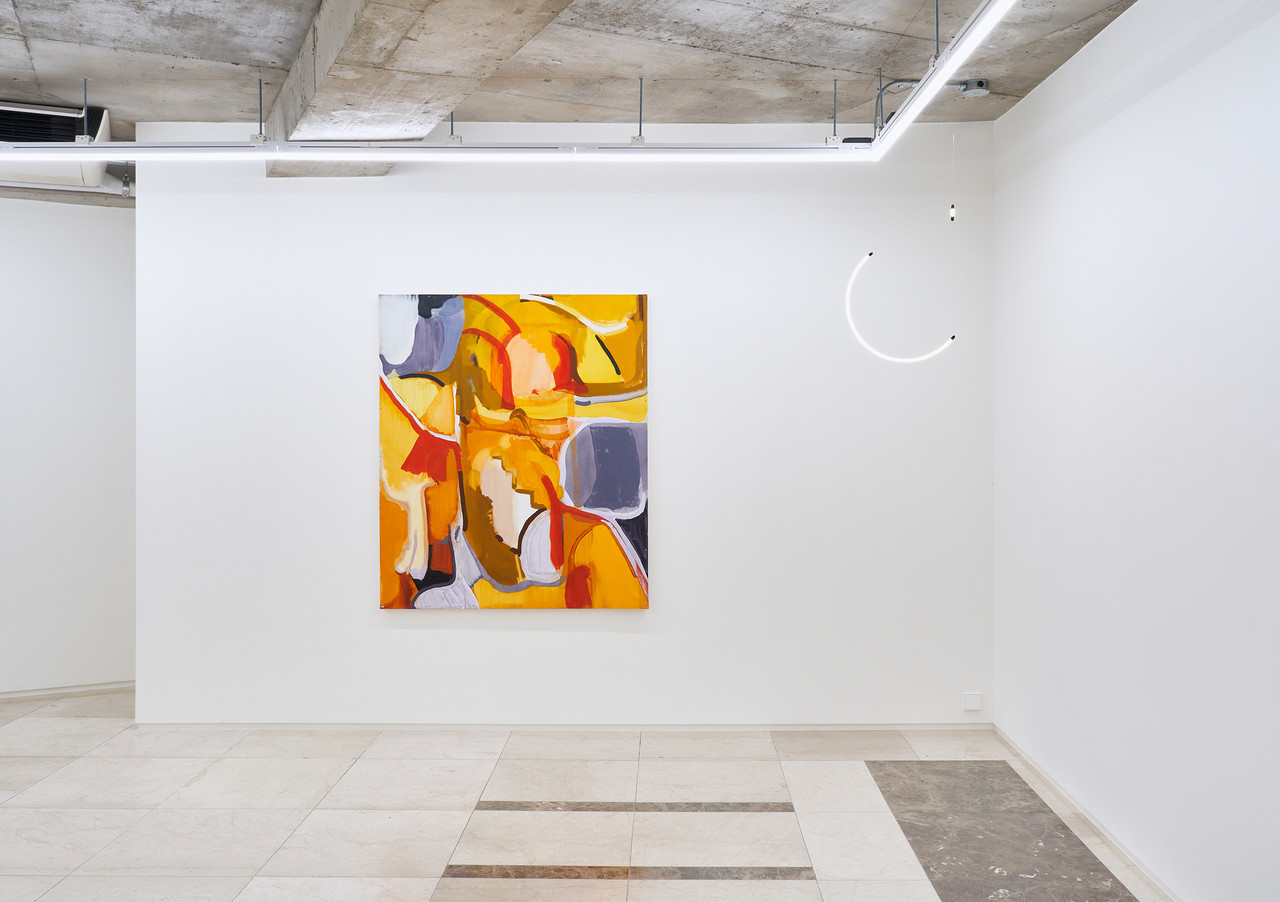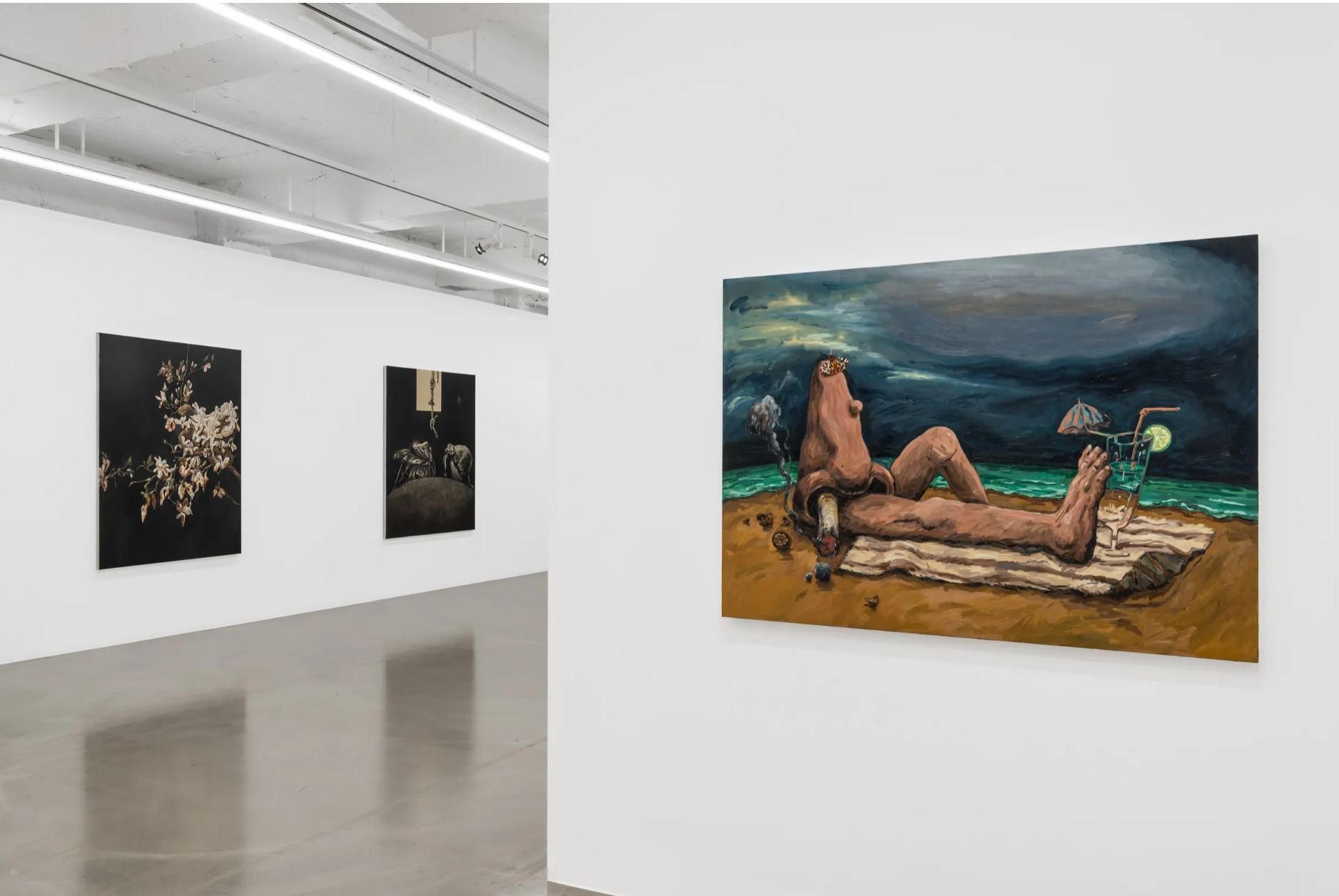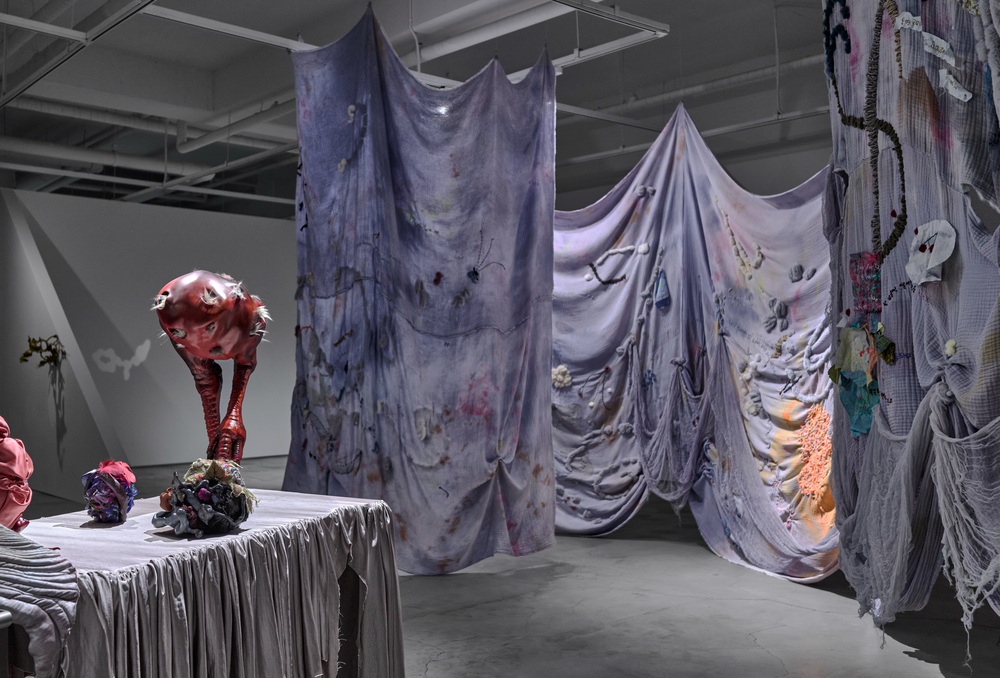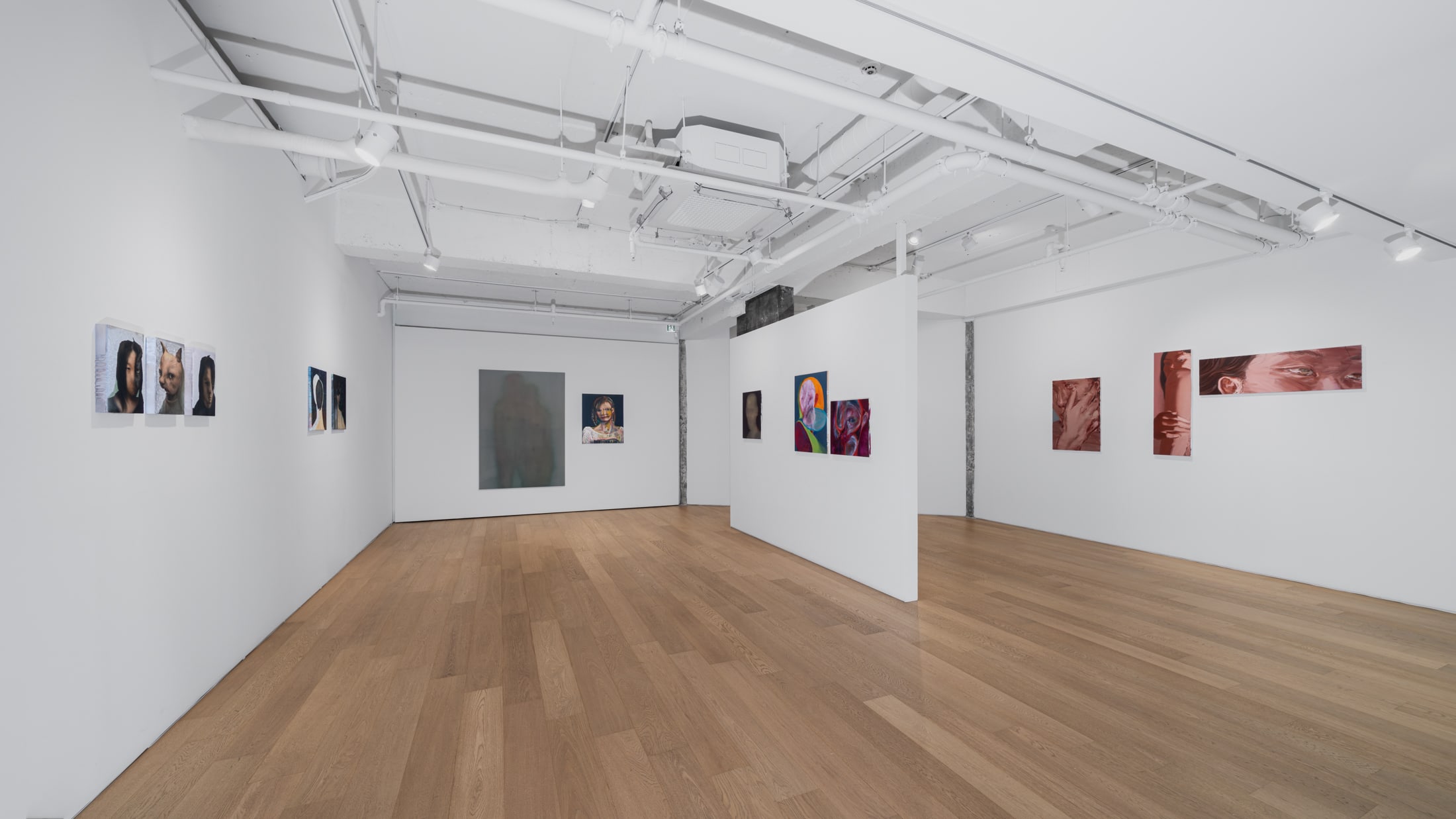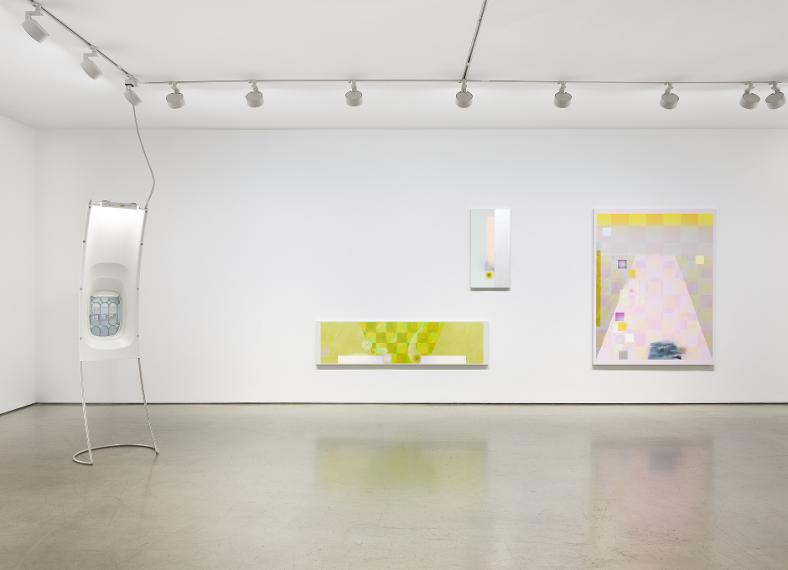

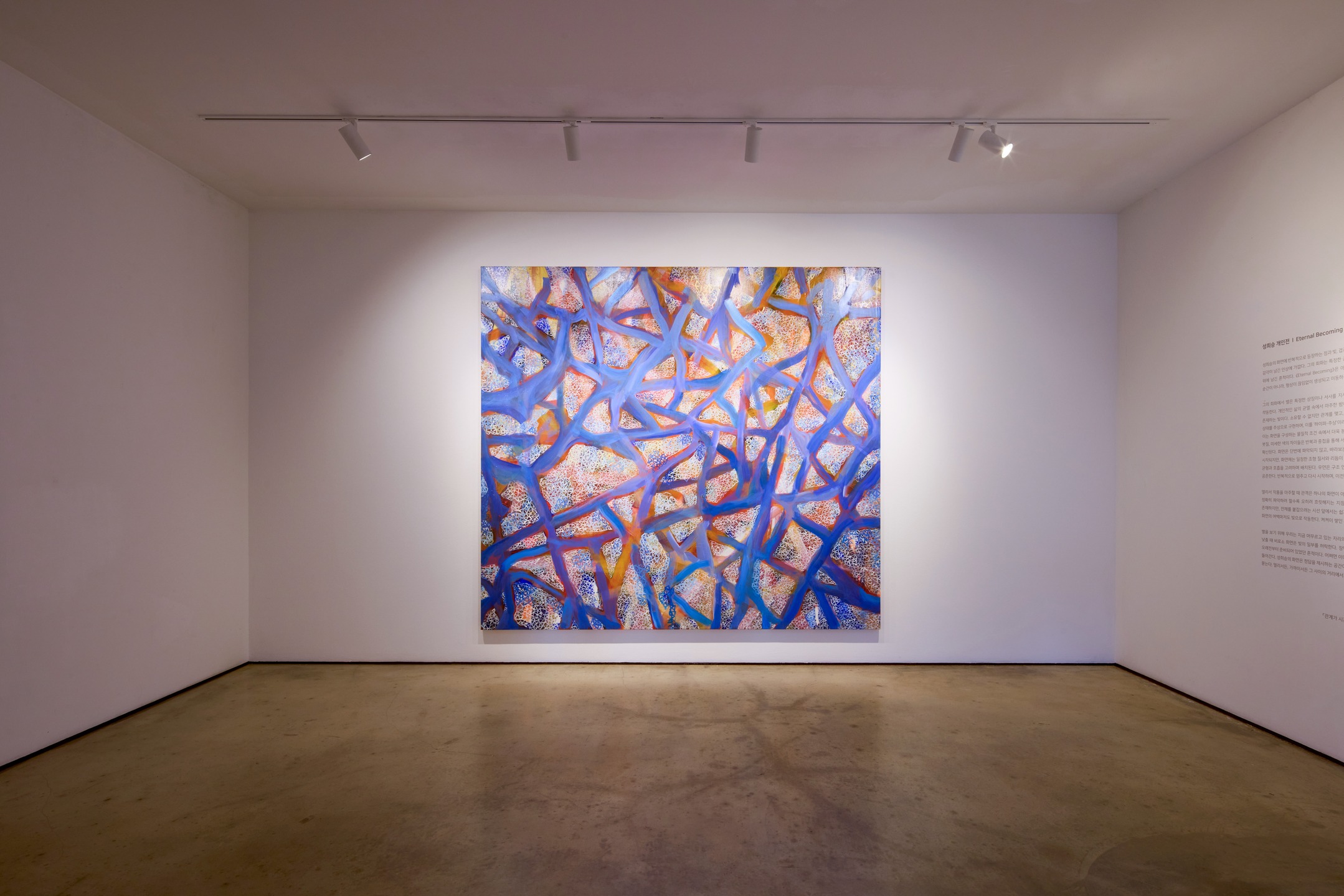
Installation view of 《Eternal Becoming》 ©Hakgojae Gallery
Hakgojae
Gallery presents a solo exhibition 《Eternal Becoming》
by artist Hee Seung SUNG, on view through February 7. This
exhibition, composed of paintings, offers a focused exploration of the
worldview the artist has developed over an extended period of time.
Hee Seung SUNG approaches painting not as a
finished work, but as an ongoing process of generation and movement,
continuously unfolding through repeated actions and accumulated time. Rather
than representing specific subjects, the artist concentrates on translating
layers of sensation—formed through sustained looking and dwelling—into visual
structures on the canvas.
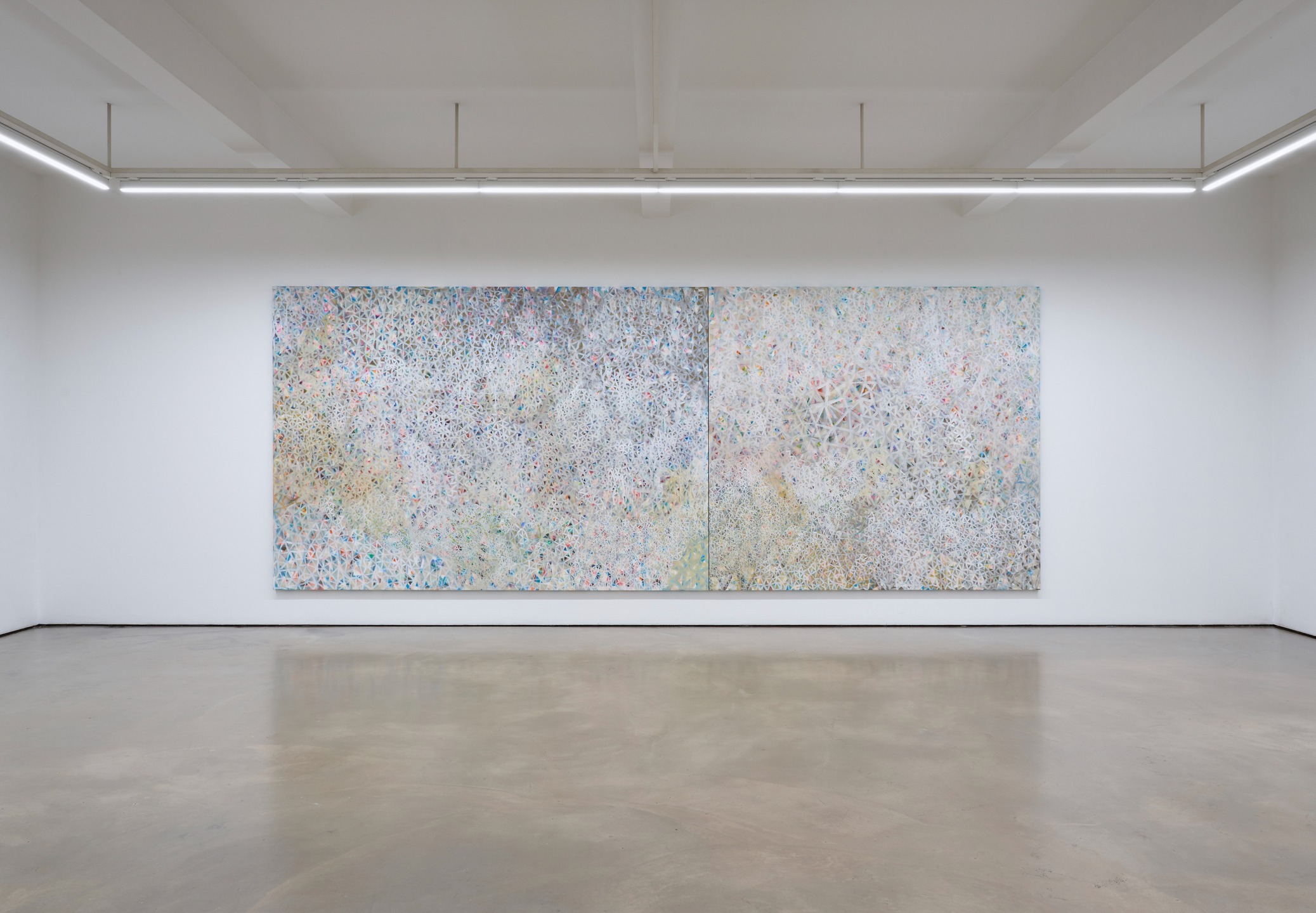
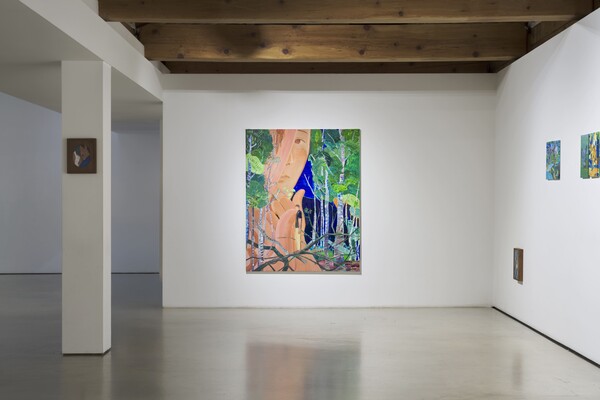
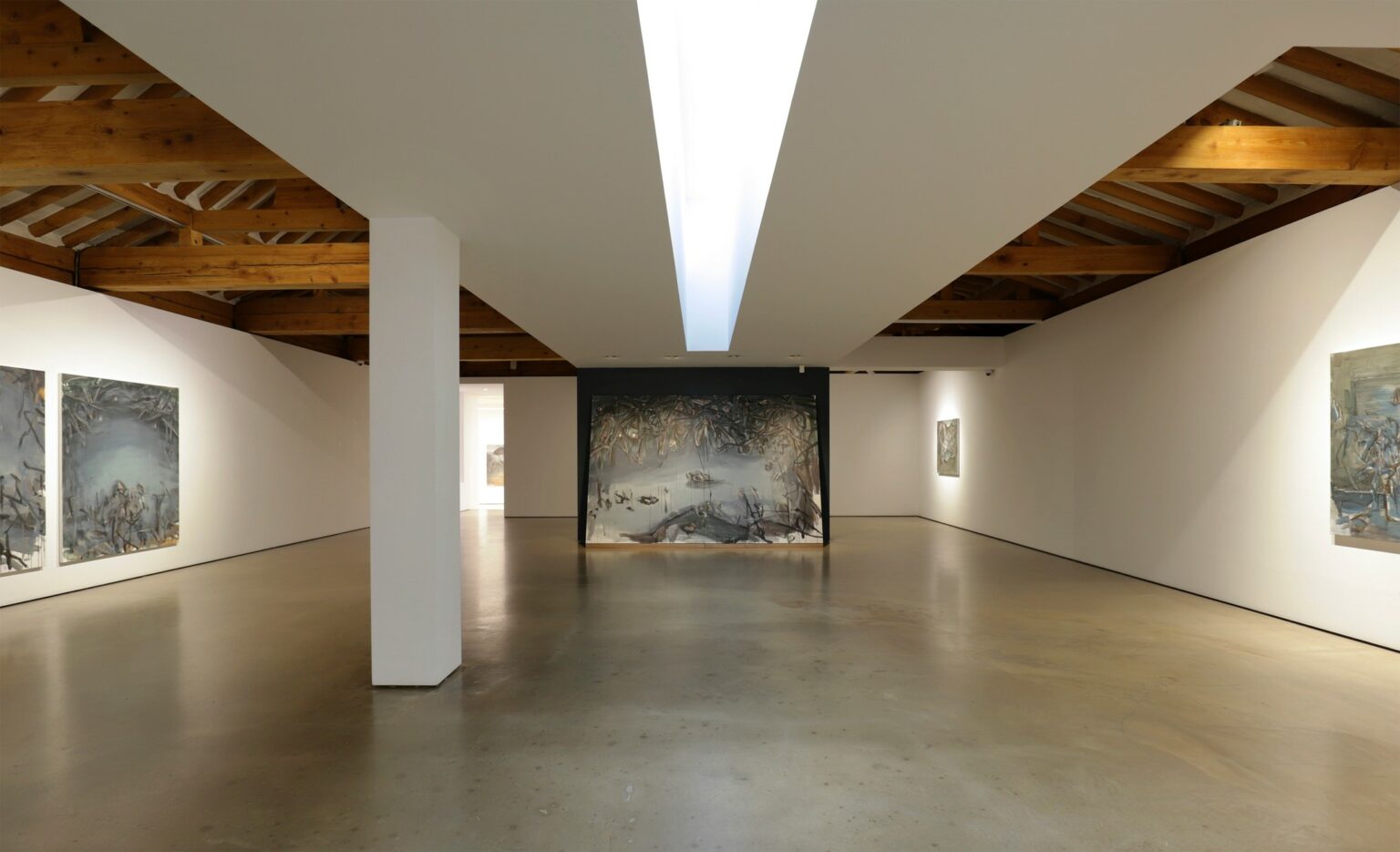
Installation view of 《Eternal Becoming》 ©Hakgojae Gallery
《Eternal Becoming》 attends
not to the point at which a form arrives, but to the time and sensations
leading up to that moment, as well as the ongoing process of becoming that
continues beyond it. For Hee Seung SUNG, painting is not a question of “what is
painted,” but rather an act of recording “how one has stayed.” The surface does
not function as a representation of an object; instead, it operates as a field
of time in which repetition and gaze, concentration and pause, are accumulated.
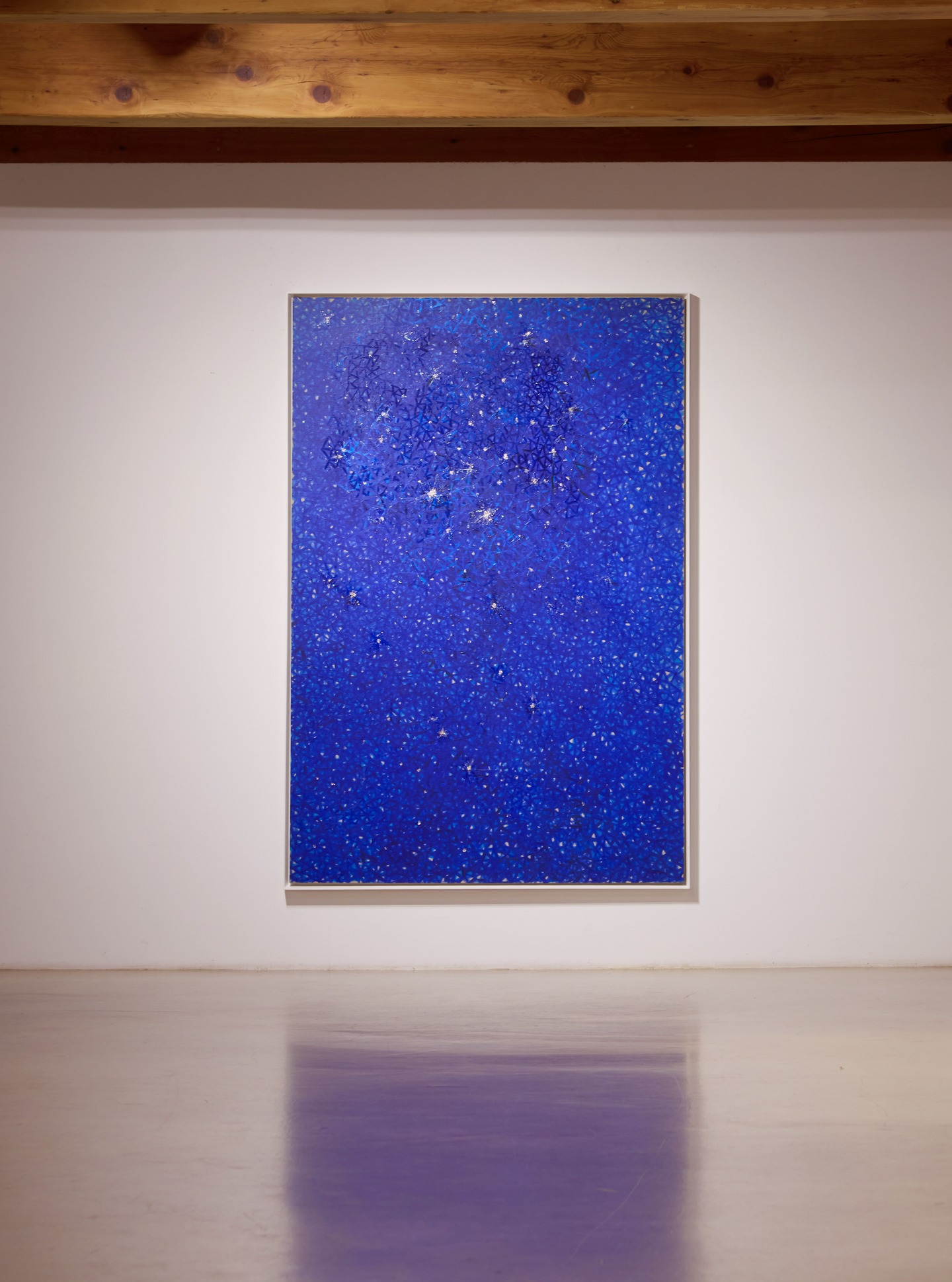
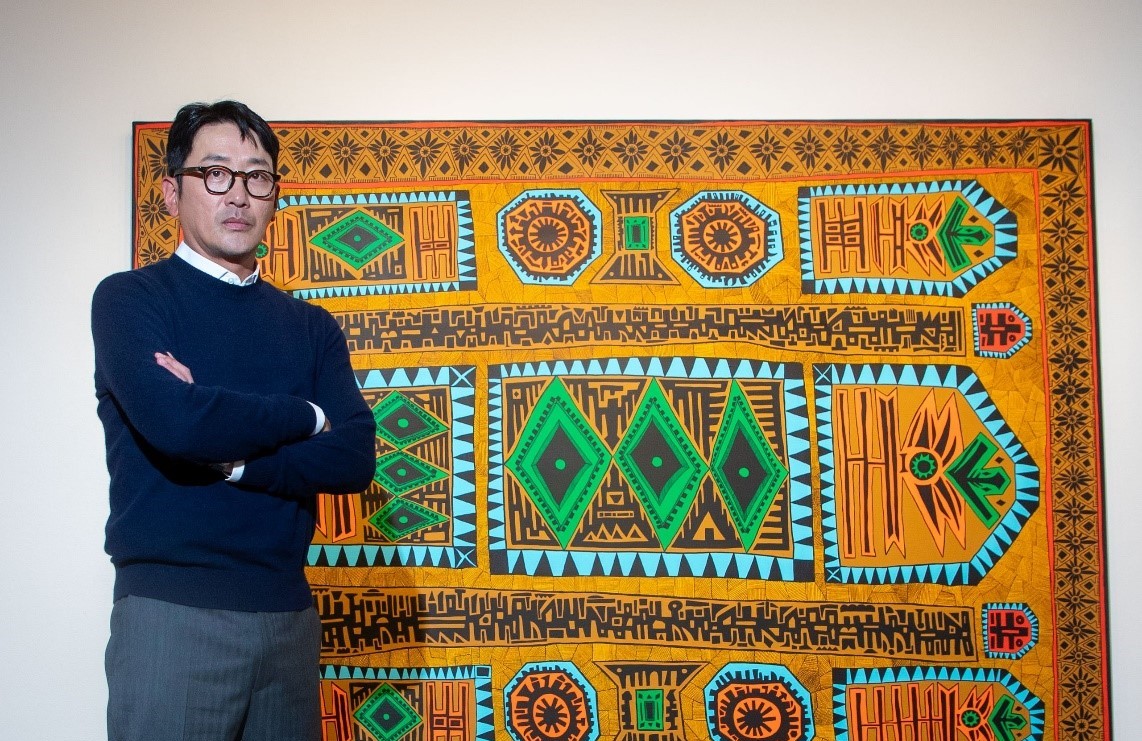
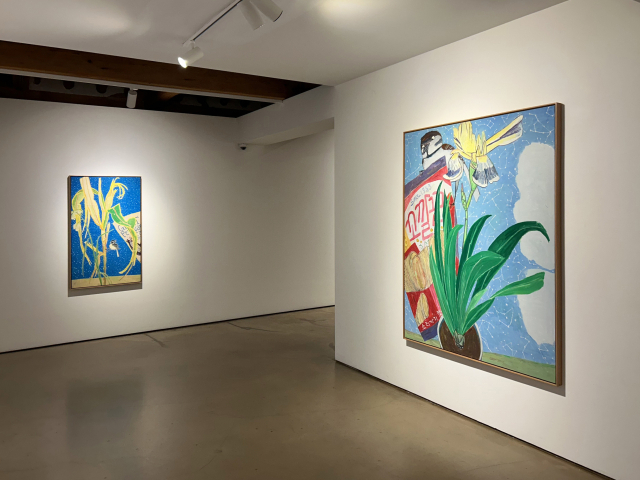
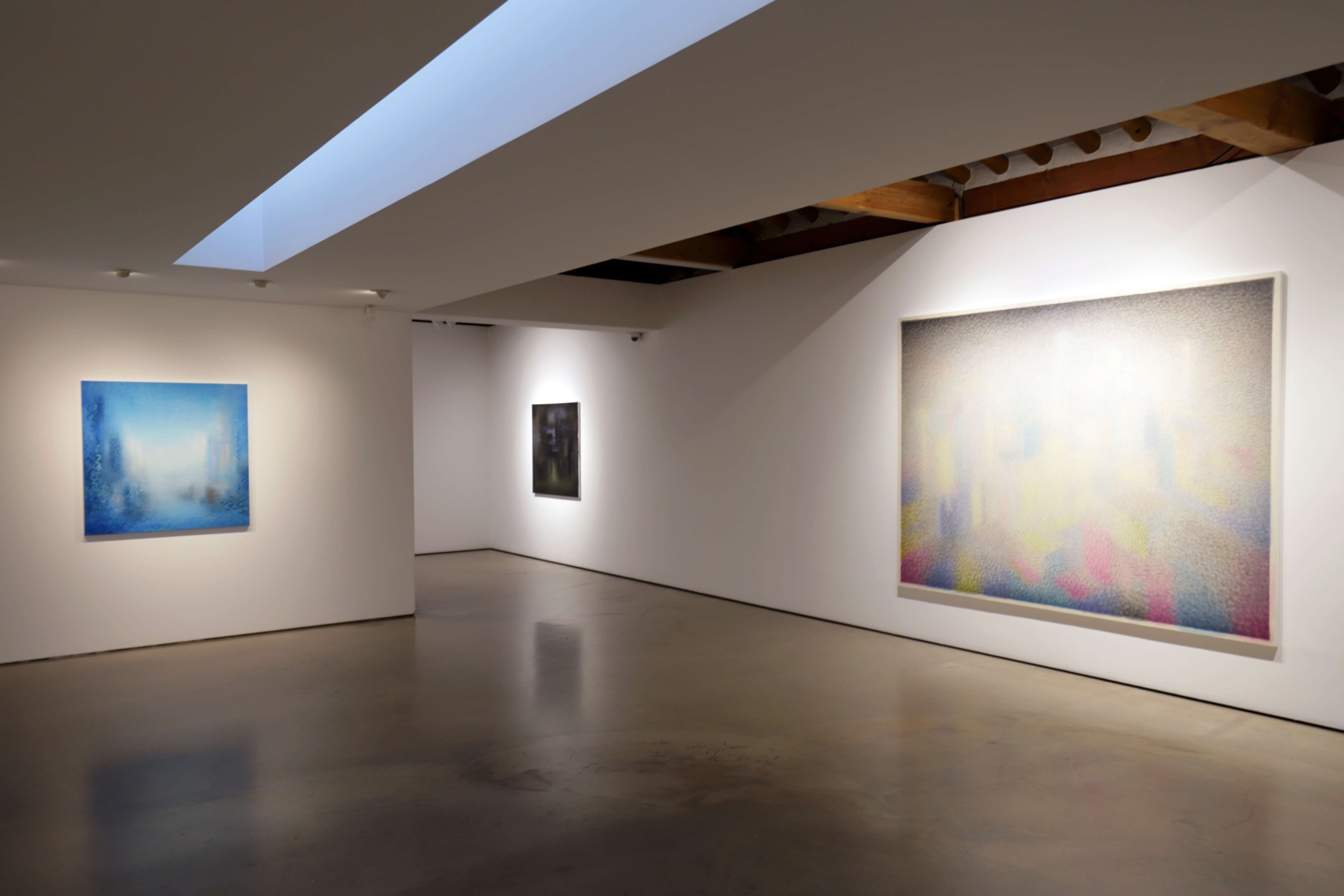
Installation view of 《Eternal Becoming》 ©Hakgojae Gallery
In this exhibition, painting reveals itself
as an act akin to prayer or meditation. The accumulation of repetitive
brushstrokes and dots may appear spontaneous, yet beneath the surface operates
an underlying order and structural rhythm. Control and chance, freedom and
discipline coexist in tension without negating one another.
Each canvas takes shape as a field in which
the artist’s body, consciousness, and sensations converge. The surface is
always open to time as “in progress,” rather than toward a state of completion.
Through the form of the “star,” the works move beyond symbolic gestures of hope
or consolation, instead contemplating vitality and the potential of
relationality.
Rather than advancing toward closure, these
paintings unfold a temporality that remains in a state of becoming, inviting
viewers into a duration in which their own sensations and memories may quietly
permeate the work.