
The landscape of influence in contemporary
Korean art is shifting
The Power 20 list released in《Korea Art Market 2025》offers one of the
clearest snapshots of how influence in the Korean art market is formed—and
where it is moving. The key shift indicated by this year’s list is
straightforward: influence is no longer generated from a single center.
While a
small number of major collectors and institutions that once dominated the
market still occupy important positions, their influence now exists alongside
that of new actors, forming a reconfigured and plural structure.
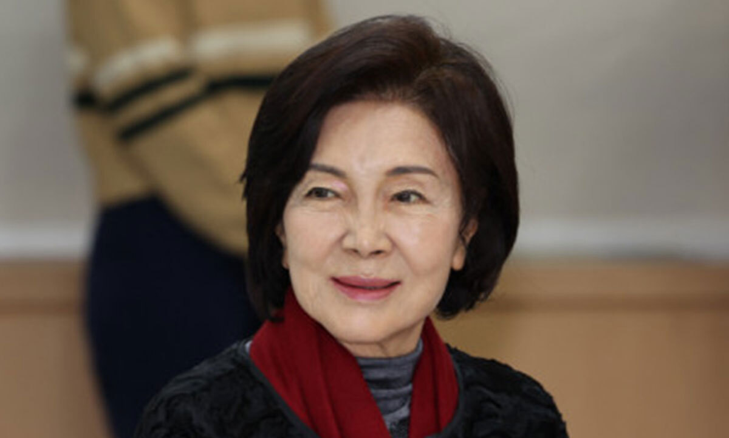
Hong Ra-hee — A historical axis of Korea’s art collection structure
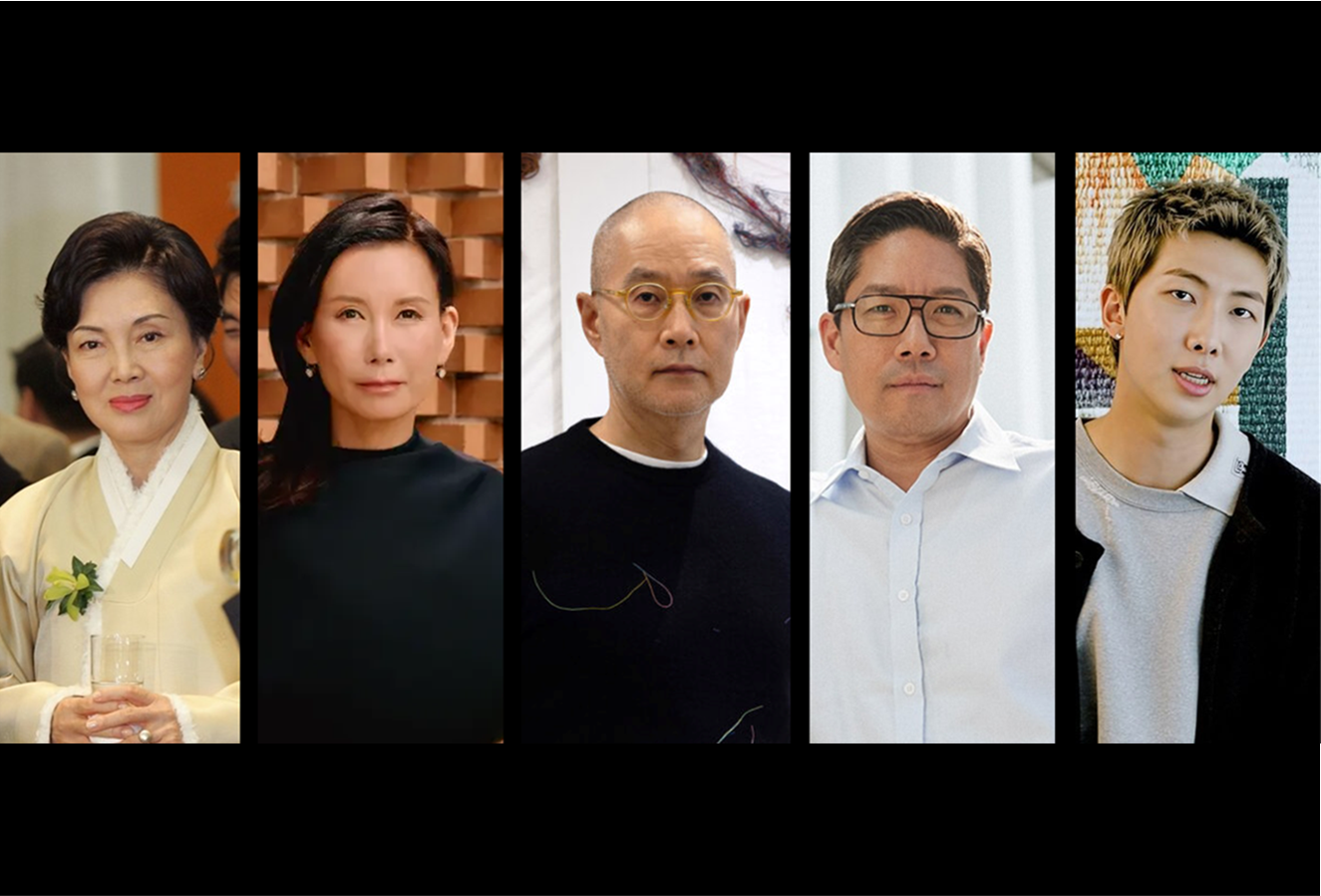
Having returned as Honorary Director of the Leeum Museum of Art after eight years, Hong Ra-hee represents a figure whose influence has long shaped exhibition frameworks and market sentiment in contemporary Korean art. Supported by the vast Samsung family collection, she has exercised decisive influence across both institutional governance and collection strategy, symbolizing a traditional center of authority within the Korean art ecosystem. / Photo: Segye Ilbo
Artists active on the global stage, corporate
cultural strategists, art-platform operators, and figures with mass cultural
reach have all begun to occupy distinct positions within the broader structure
of influence. This shift signals an era in which the art market can no longer
be explained solely through internal dynamics. Influence now emerges at the
intersections of art, popular culture, corporate strategy, and urban policy,
becoming increasingly complex and multilayered.
Traditional authority remains, but centrality
is dispersing
Power 20 continues to include long-standing
collectors and institutional actors who have supported the Korean art world for
decades. Yet their influence is no longer absolute. Rather than being displaced
from the center, they now operate within a structure where multiple centers
coexist, each negotiating its relative position.
The art market no longer functions as a single
capital-driven hierarchy. Where purchasing power once dictated market
direction, influence is now shaped through a combination of platform
visibility, global institutional networks, fandom-based cultural circulation,
and corporate cultural strategies. Traditional authority still matters, but it
no longer dictates the market on its own. The mode through which influence is
produced has fundamentally changed.
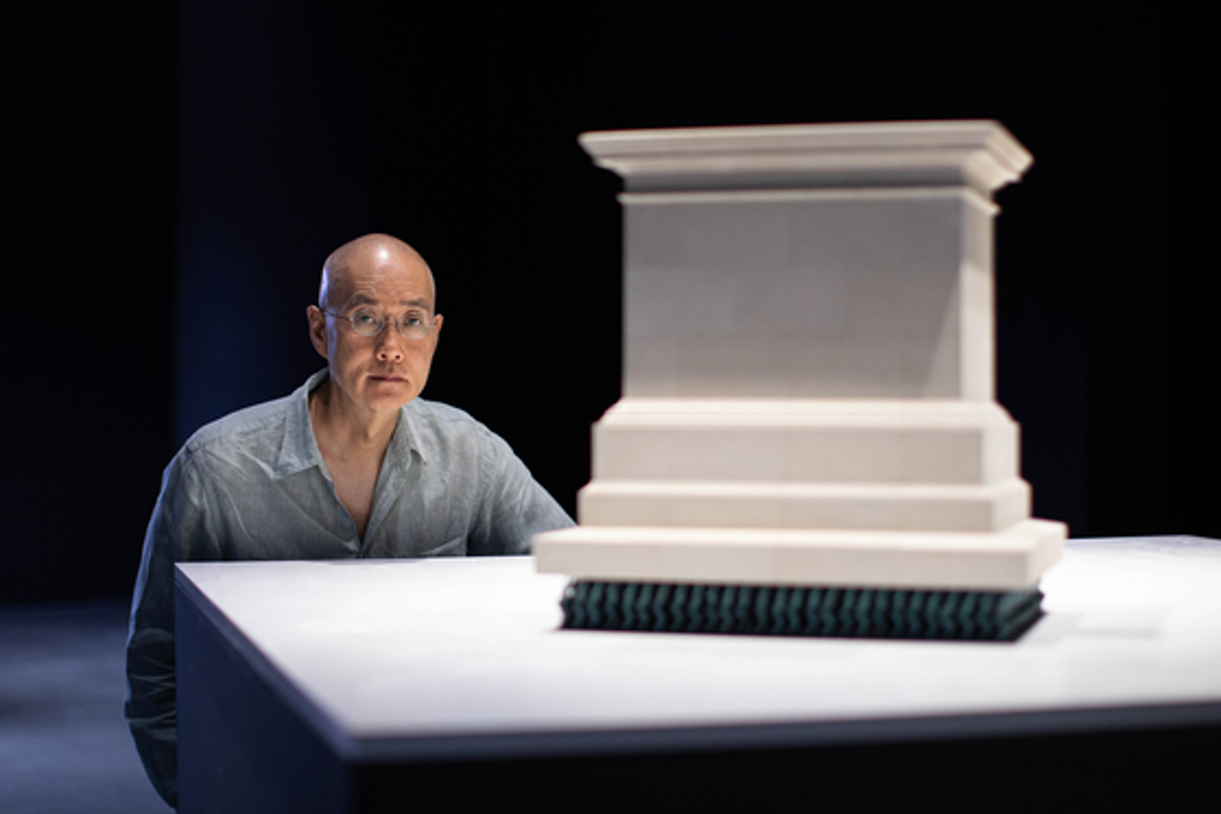
Do Ho Suh — Establishing artist-centered influence within global institutions
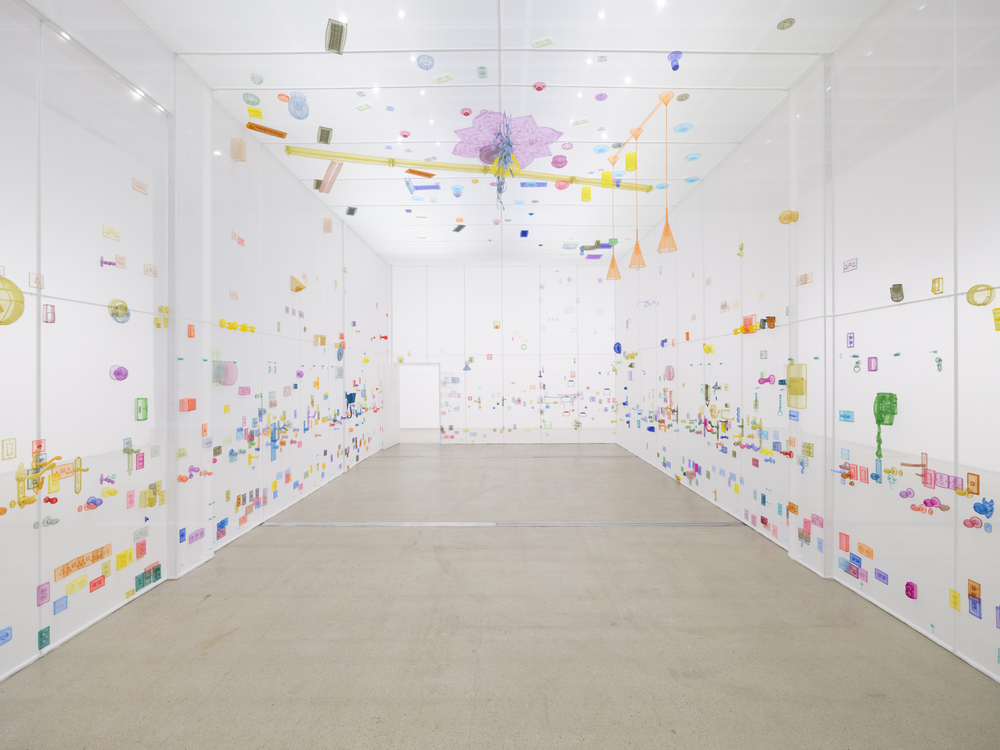
Through sustained exhibitions at major international museums, Do Ho Suh has expanded the global visibility of Korean contemporary art. Beyond the formal strength of his practice, his career exemplifies a model in which artists themselves—through direct engagement with global institutions—generate influence via transnational network structures. / Photo: Art Sonje Center
Market shifts in 2024–2025 and the
restructuring of influence
Over the past one to two years, the Korean art
market has undergone structural transformation. Many galleries
have shifted their strategies away from short-term sales toward long-term
trust-building and international collaboration. This extended temporal approach—centered
on artist development and institutional networks—aims to reinforce both market
stability and global connectivity.
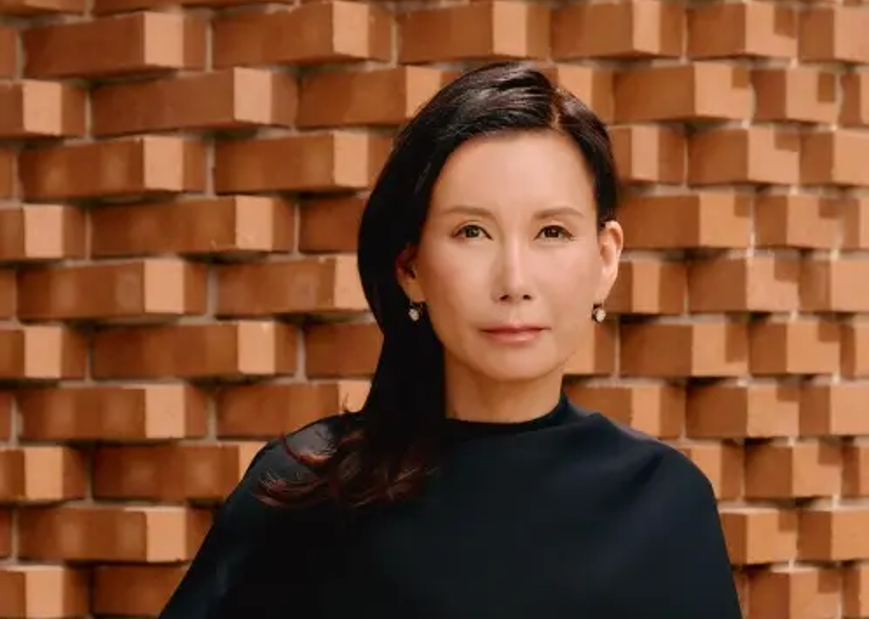
Tina Kim
Founder and Director of Tina Kim Gallery in New York, Tina Kim is among the most significant Korean gallerists working internationally. She has played a pivotal role in introducing Dansaekhwa artists such as Park Seo-Bo and Ha Chong Hyun to New York audiences and has consistently supported major international projects, including Suki Seokyeong Kang’s participation in the 2022 Venice Biennale and Mire Lee’s solo exhibition at Tate Modern. Through ongoing collaboration with Kukje Gallery, led by her mother Hyun-Sook Lee, she has contributed substantially to strengthening the global standing of Korean contemporary art. / Photo: Tina Kim Gallery. Courtesy: Vincent Tullo
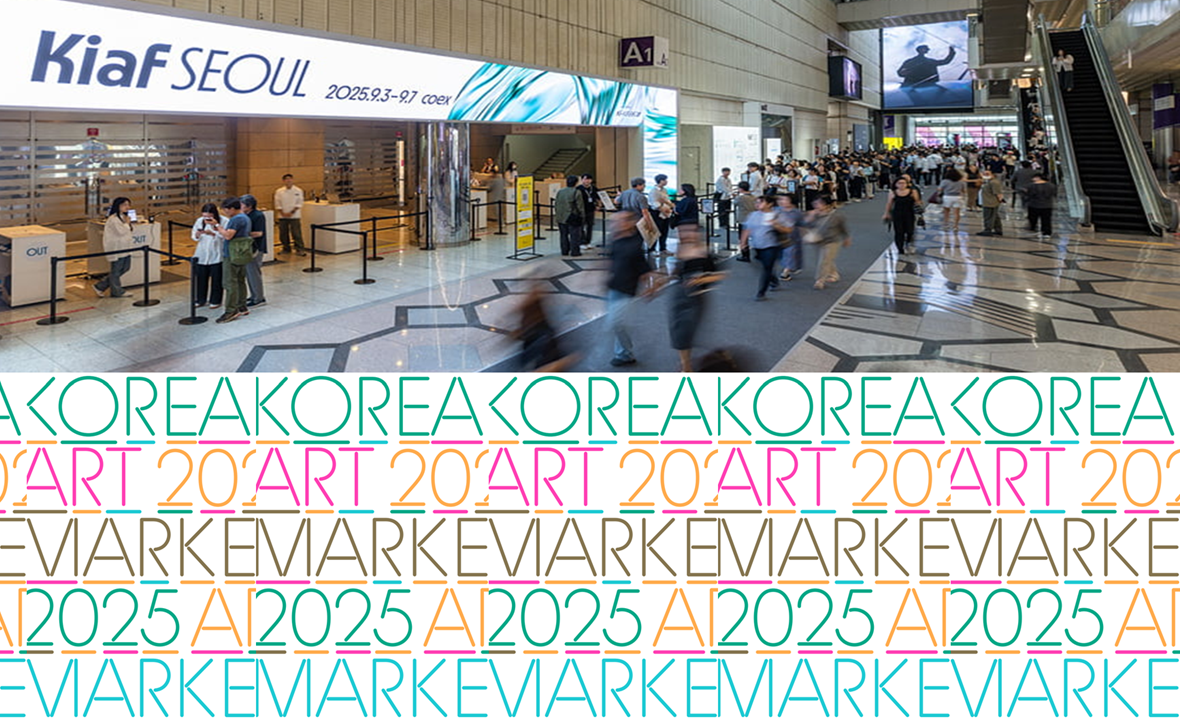
Art fairs have evolved beyond
transactional events to become central components of urban cultural
infrastructure. The movement of audiences they generate and the cultural
vitality they bring to cities extend their impact beyond the market, giving
fairs an increasingly pronounced role as “urban platforms.”
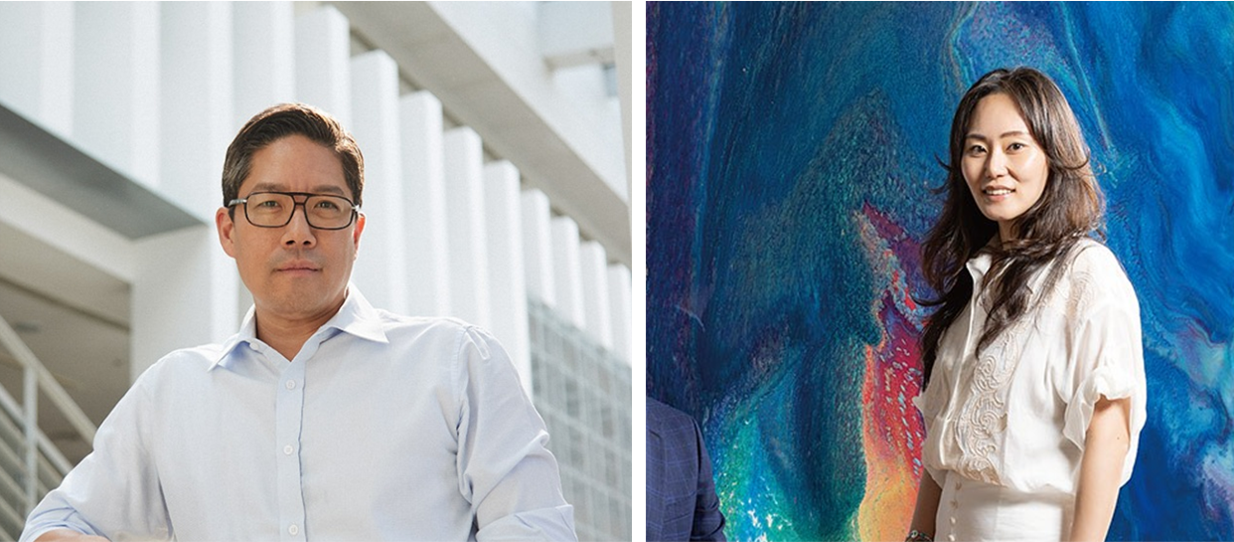
Patrick Lee & Minju Kwon
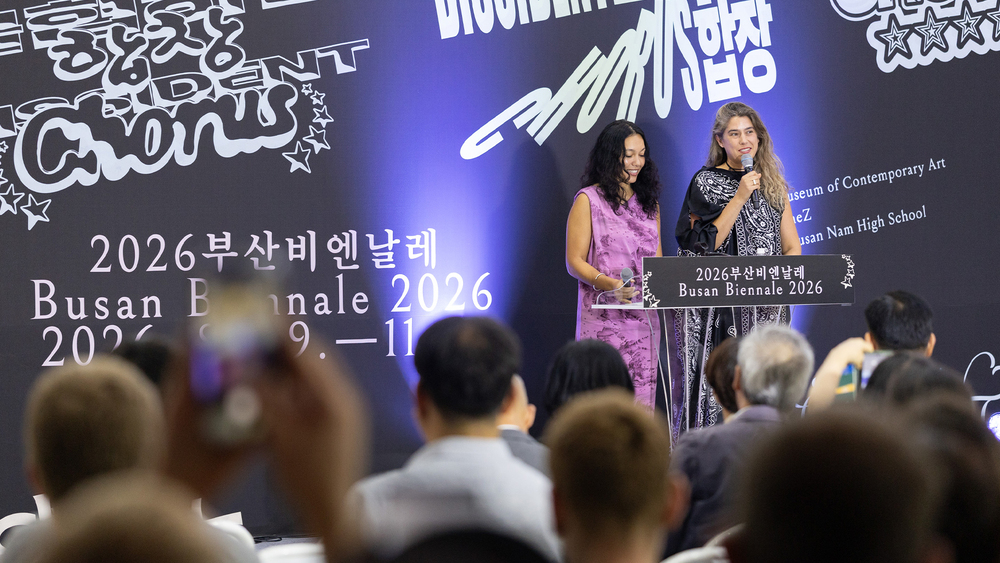
Since 2022, the two have jointly led Frieze Seoul. Patrick Lee, formerly Executive Director of Gallery Hyundai, oversees Frieze’s first Asian edition, transforming it into a key site of global exchange. Minju Kwon, Head of VIP & Business Development, Asia, joined Frieze in 2018 and has managed the regional VIP network while playing a central role in orchestrating the success of four editions of Frieze Seoul.
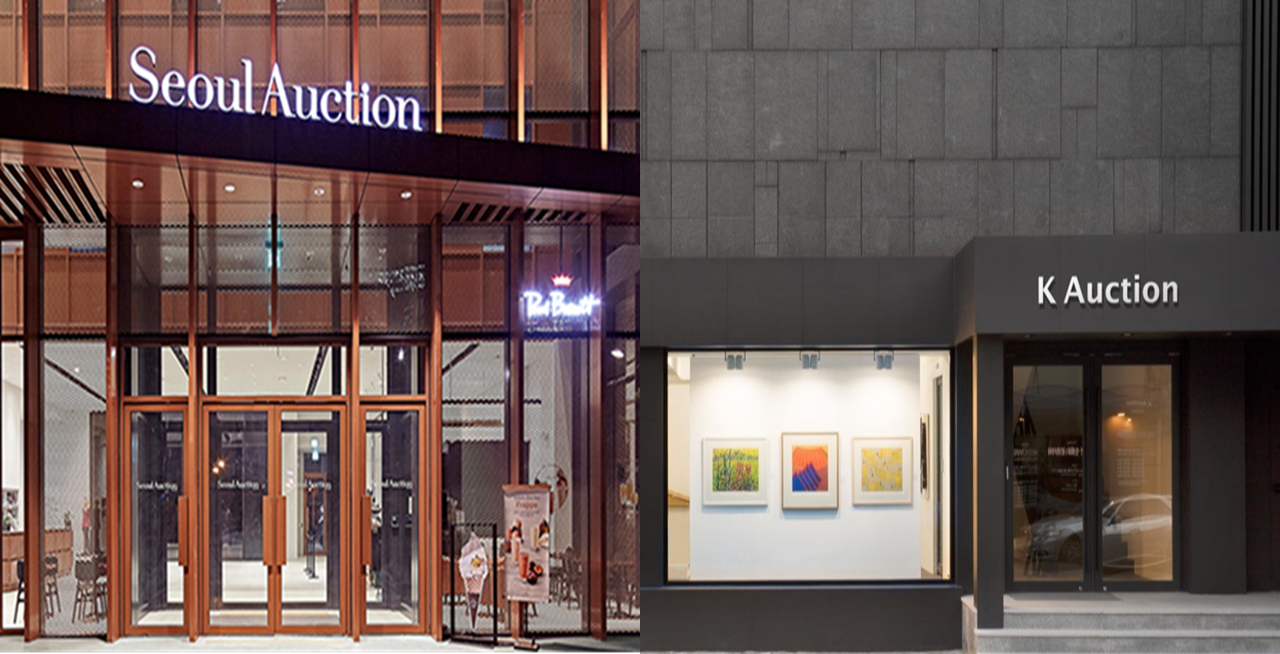
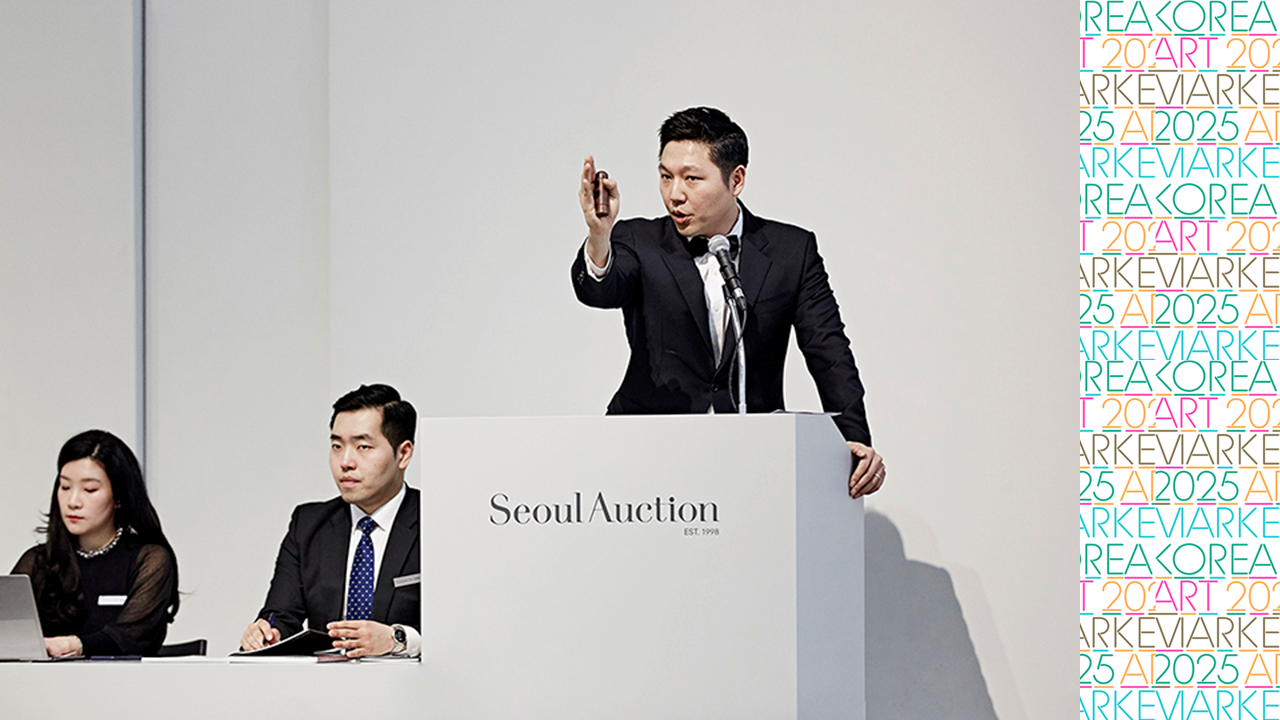
Changes in the auction market
are also notable. As speculation-driven price volatility subsides, transactions
increasingly reflect artists’ long-term trajectories and value narratives.
Auctions are expanding their role as record-keepers of the market and as guides
for medium- to long-term value assessment.
Corporate cultural strategy
has likewise become a central driver of market transformation. Through
exhibitions, spatial programming, and brand collaborations, corporations are
reshaping the art ecosystem from outside its traditional boundaries. At the
same time, the growing number of artists connected directly to global
institutions has significantly strengthened artist-centered influence—one of
the clearest indicators of structural change in the market.
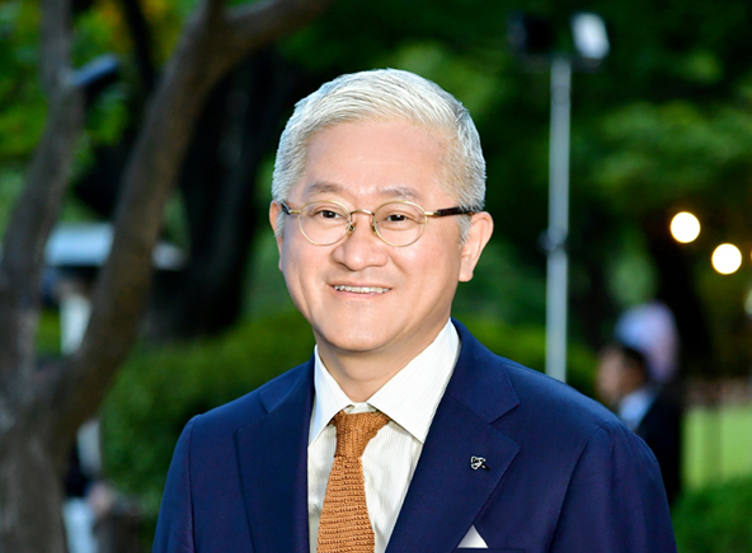
Suh Kyung-bae, Chairman of Amorepacific — A new-generation bridge between corporations and art
Amorepacific’s cultural strategy—integrating exhibition planning, museum operations, and global projects—has expanded models of corporate participation in the arts. It stands as a representative case of how brand strategy and contemporary art increasingly intersect. / Photo: Business Post
An era of shifting criteria for influence
In 2025, influence in the Korean art market can
no longer be understood through simplified, traditional benchmarks. Influence
is not generated by a single resource but emerges as a structural outcome of
intersecting and combining forces.
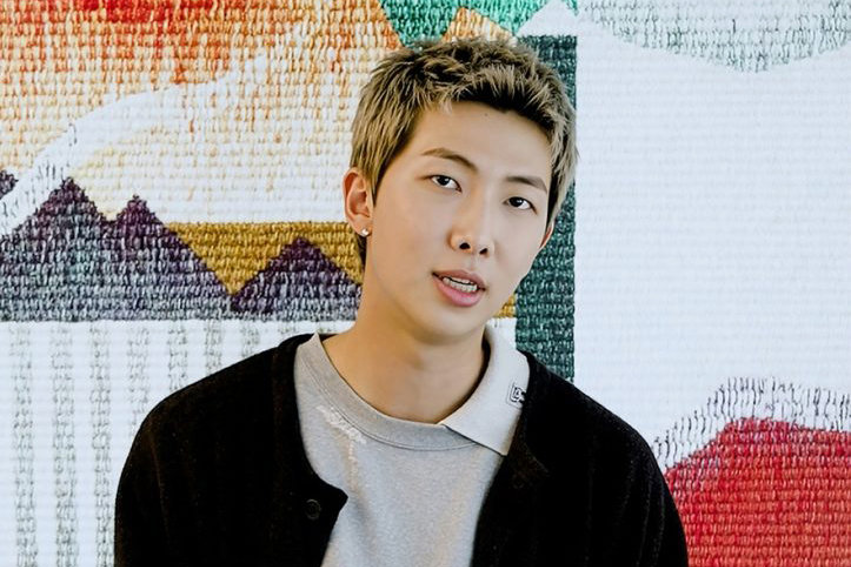
RM (Kim Nam-joon) of BTS — The decisive emergence of fandom-based influence
By extending K-pop’s global reach into the art world, RM has helped dismantle boundaries between popular culture and fine art. His public engagement with art and collection practices has broadened access to contemporary art and introduced new audiences into the market. / Photo: Newsis
Capital power and institutional authority remain
relevant, but they are no longer sufficient to explain influence. International
trust gained through global institutions, visibility amplified by platforms and
media, and the social ripple effects of fandom culture have all become central
components of contemporary artistic influence.
Digital platforms, in particular, can expand an
artist’s visibility to a global scale almost instantly, generating influence
through mechanisms distinct from traditional institutional systems.
Corporate cultural strategies and urban
infrastructure policies now intervene directly in the formation of artistic
influence. As exhibitions and projects increasingly align with brand
strategies, their social impact expands, while city-level cultural policies
actively reshape the influence structures of artists and institutions.
Influence is thus evolving into a multilayered force formed not only within the
art world, but across broader cultural systems.
Ultimately, influence is determined by the
ability to access diverse resources and connect them—to organize and activate
networks. This signals Korea’s transition from a centrally dominated system to
a network-based ecology of influence.
Looking ahead: the next 3–5 years
Power 20 functions not merely as a list of
influential figures, but as an indicator of where influence in Korean art is
heading. Over the next three to five years, influence is expected to become
even more distributed and diversified. Traditional figures will not disappear,
but their influence will operate within broader, more complex networks.
Platform operators, globally active artists, and corporate cultural strategists
are likely to solidify their positions as key nodes in this evolving structure.
The criteria for influence will continue to
shift from capital-centered authority to relationship- and connectivity-based
dynamics, as the Korean art market expands further into a multifaceted cultural
ecosystem.
Power 20: not a list, but a map of change
Power 20 is not simply a ranking of twenty
influential figures. It functions more accurately as a map of transformation—revealing
how influence is generated, how it circulates, and where it is expanding.
Influence no longer emanates from a single center. Multiple centers coexist,
and the ways they connect—through trust, partnerships, global access, and
public visibility—shape the overall landscape.
Power 20 offers the clearest evidence that
Korean contemporary art has already entered a complex, multilayered,
network-based system of influence.