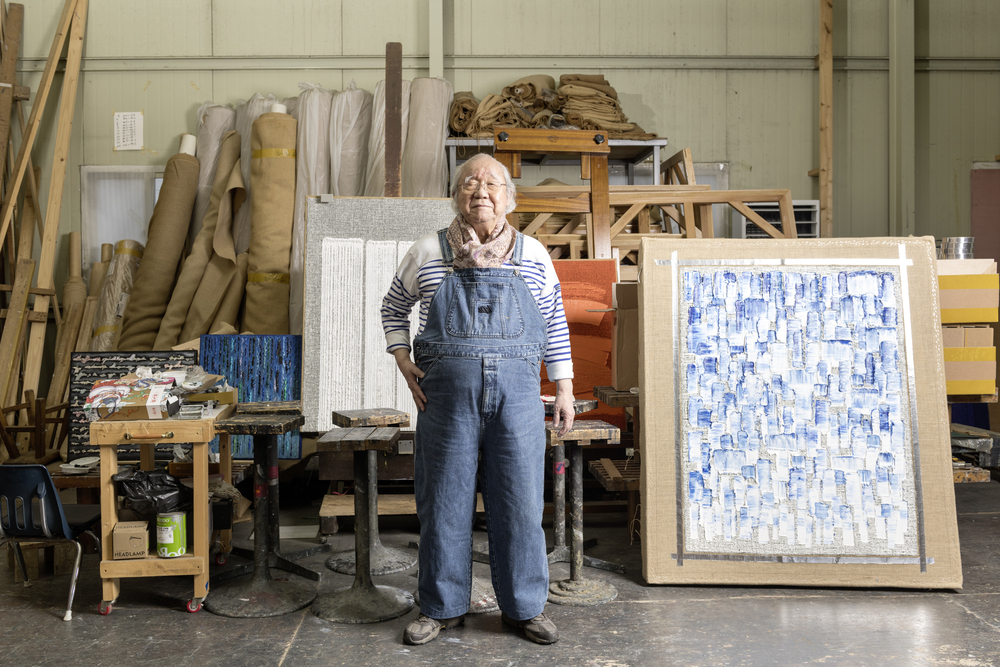
When Korean art
is introduced to the international art world, the first movement that often
comes to mind is Dansaekhwa. Artists such as Park Seo-Bo, Yun Hyong-keun, Chung
Sang-Hwa, Ha Chong-Hyun, and Lee Ufan have come to represent a dominant
international narrative of Korean modern and contemporary art over the past
decade.
Dansaekhwa is
clearly one of the major achievements of Korean modernist painting. Through its
explorations of materiality, repetition, performativity, flatness, and
reductive form, Dansaekhwa established a distinctive Korean development of
modernism within the international art world. Yet the history of Korean art
cannot be explained by Dansaekhwa alone.
During the same
period, and often alongside it, another current expanded the form and concept
of art in an entirely different direction. That current was Korean Experimental
Art of the 1960s and 1970s.
This is where Lee
Kang So’s work assumes particular significance. If Dansaekhwa represents one of
the culminating moments of Korean modernist painting, Lee’s practice reveals
another transition through which Korean art moved toward the conditions of
contemporary art. He understood the artwork not as a completed material object,
but as an open process that emerges through action, time, place, situation, and
audience participation.
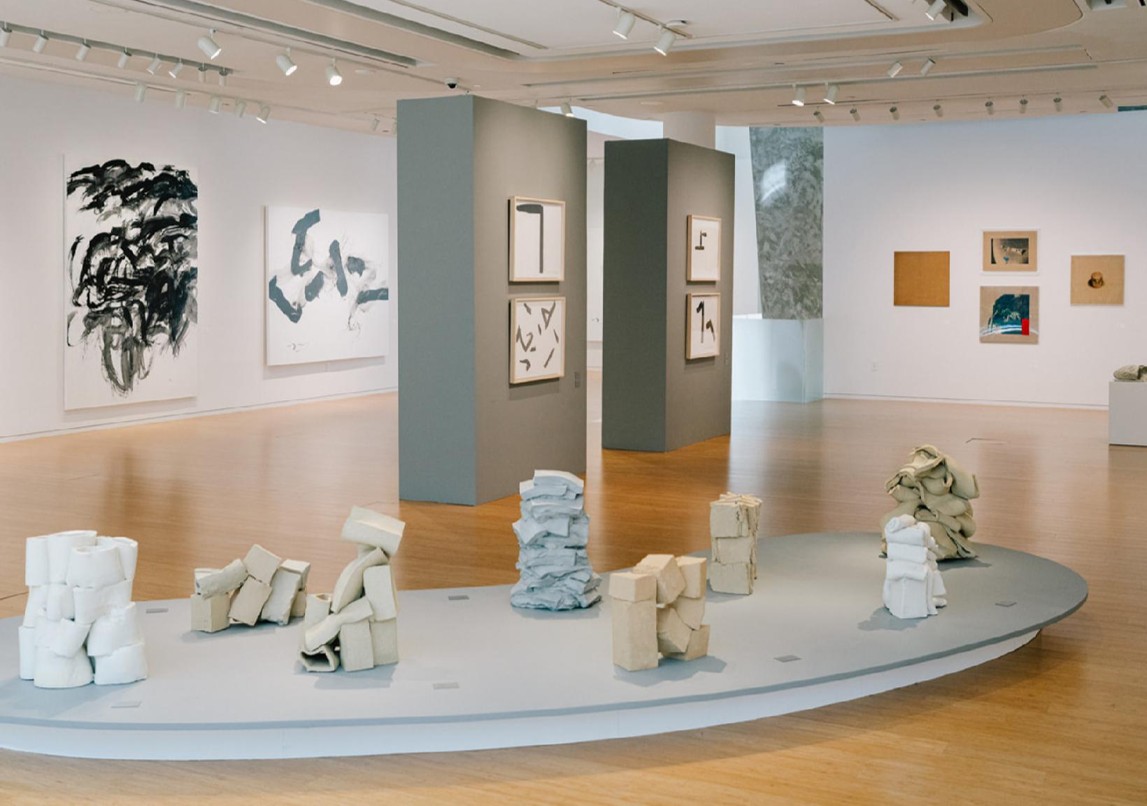
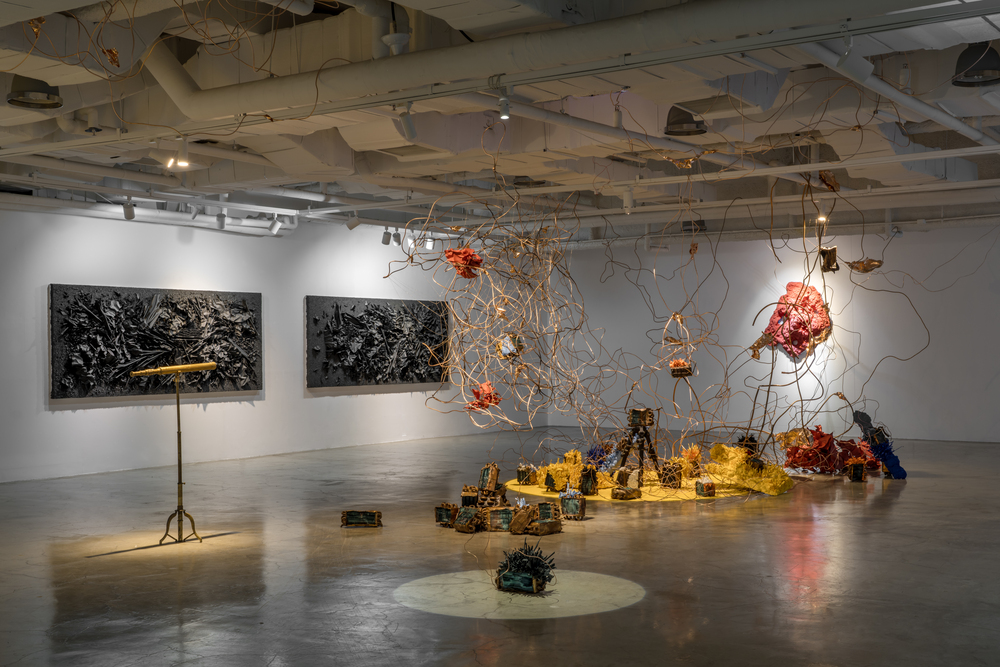
Installation View of《Lee Kang So: A Field of Becoming》/ Photo: Gallery Hyundai
The exhibition
currently on view at the Korean Cultural Center New York (KCCNY),《Lee Kang So: A Field of Becoming》, offers an opportunity to revisit this alternative genealogy.
Presented at the
Atrium & Gallery of KCCNY from May 13 through June 20, 2026, the exhibition
surveys Lee’s artistic practice from the 1970s to the present through a wide
range of media, including painting, sculpture, installation, photography, and
performance.
Lee Kang So is
widely regarded as one of the most significant figures in the history of Korean
Experimental Art. Throughout his career, he has refused to confine himself to a
single medium or stylistic category, instead understanding art as a continuous process
of transformation and becoming.
The exhibition
title,《A Field of Becoming》,
encapsulates this perspective. It suggests that Lee’s art is less concerned
with the completion of fixed forms than with the processes through which
traces, actions, time, reality, and images continuously emerge and evolve.
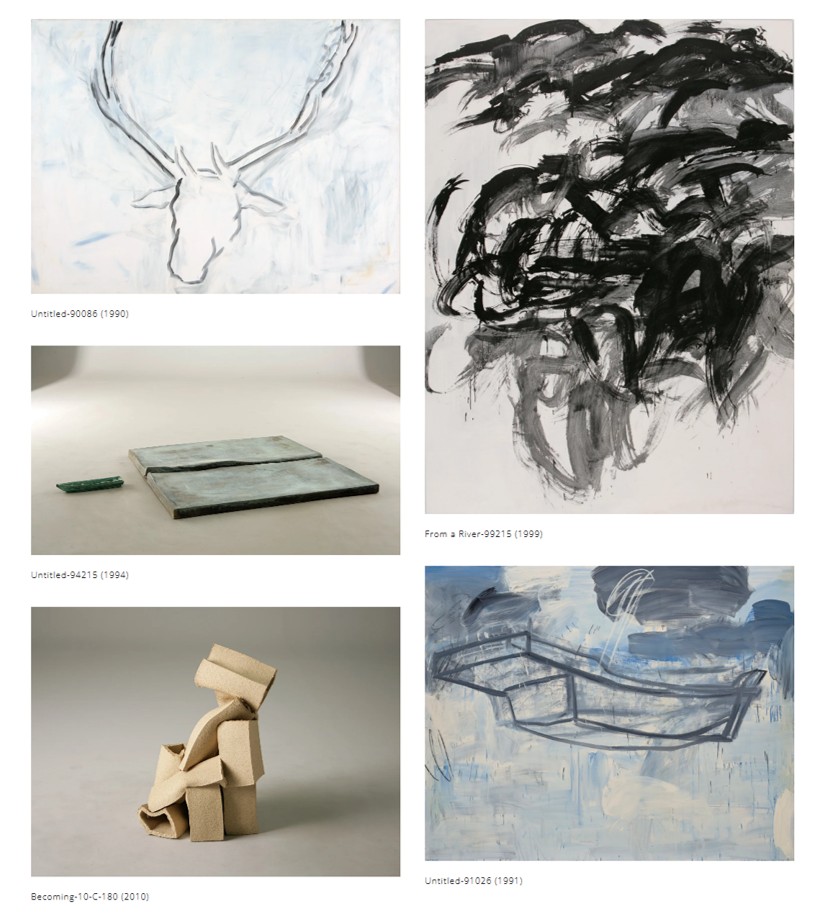
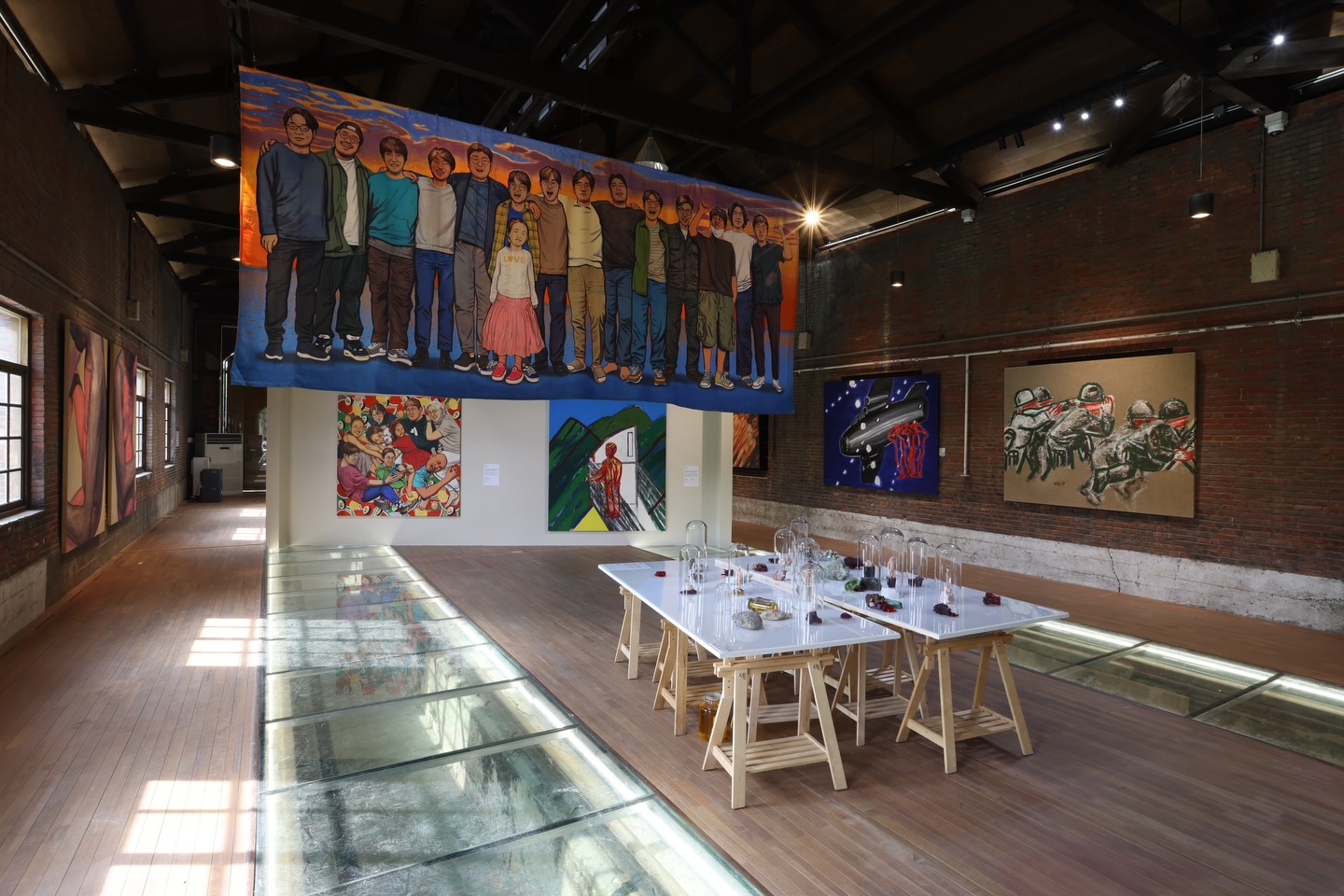
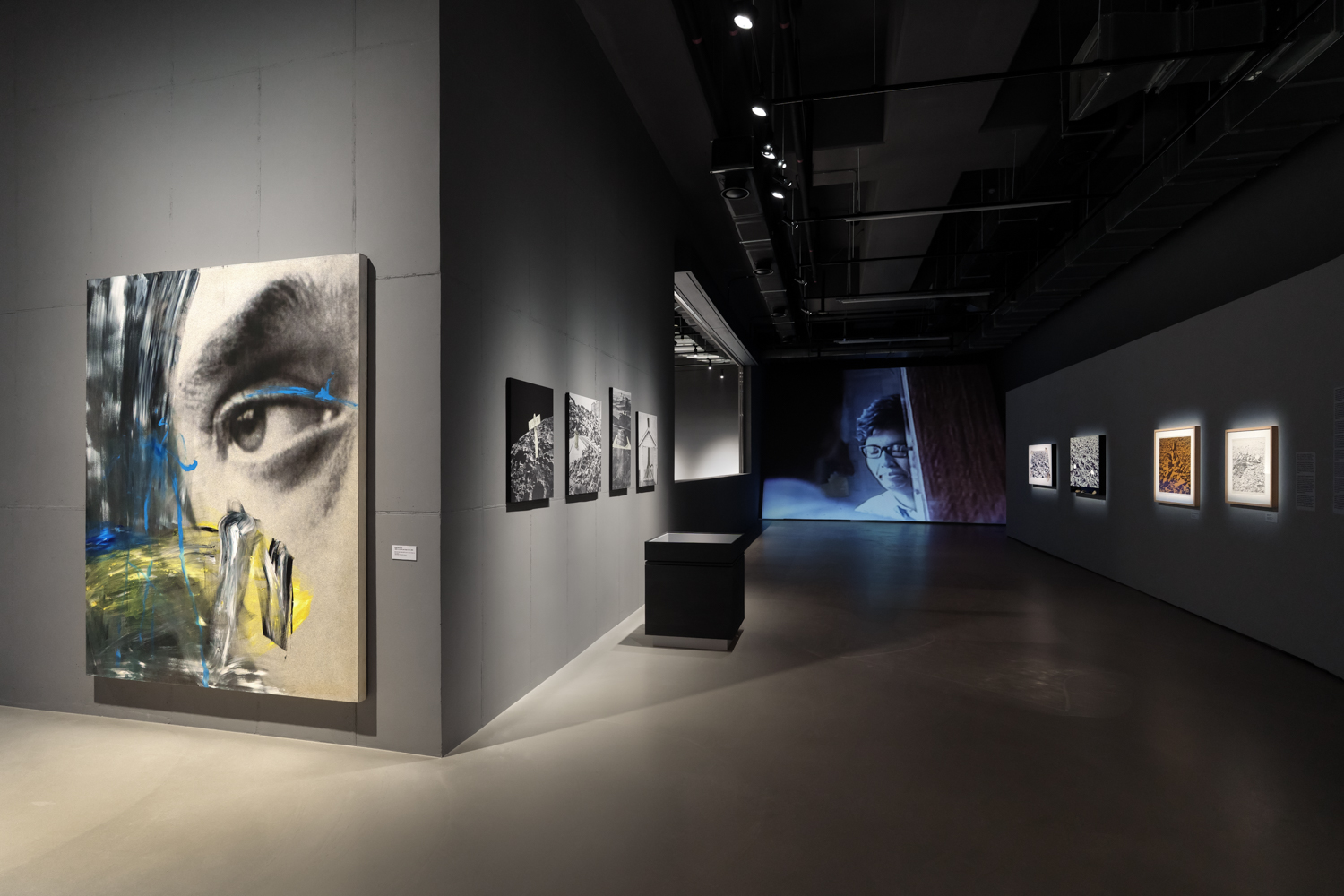
Works in the Exhibition《Lee Kang So: A Field of Becoming》Photo: KCCNY Website
What matters in
Lee’s work is not the representation of an object, but the process through
which an object becomes an image and then dissolves into a trace. Recurring
motifs in his paintings—ducks, deer, boats, and clouds—are not intended as
realistic depictions of specific subjects.
Rather, they
function as mediators that invite reflection on the relationship between
existence and perception. Appearing and disappearing, becoming distinct and
then fading away, these images encourage viewers to experience the gap between
image and reality.
This artistic
inquiry was already evident in Lee’s experimental works of the 1970s. One of
his best-known works, Disappearance – Bar in the Gallery
(1973), transformed Myeongdong Gallery in Seoul into a tavern, offering
visitors makgeolli and food while making their presence, conversations, and
lingering interactions part of the work itself.
Rather than
producing a conventional painting or sculpture, Lee placed everyday space,
audience participation, and a time-based event at the center of the work. At
the time, this was a remarkably radical gesture within the Korean art scene,
challenging the boundaries between art and reality, audience and artwork,
exhibition space and everyday life.
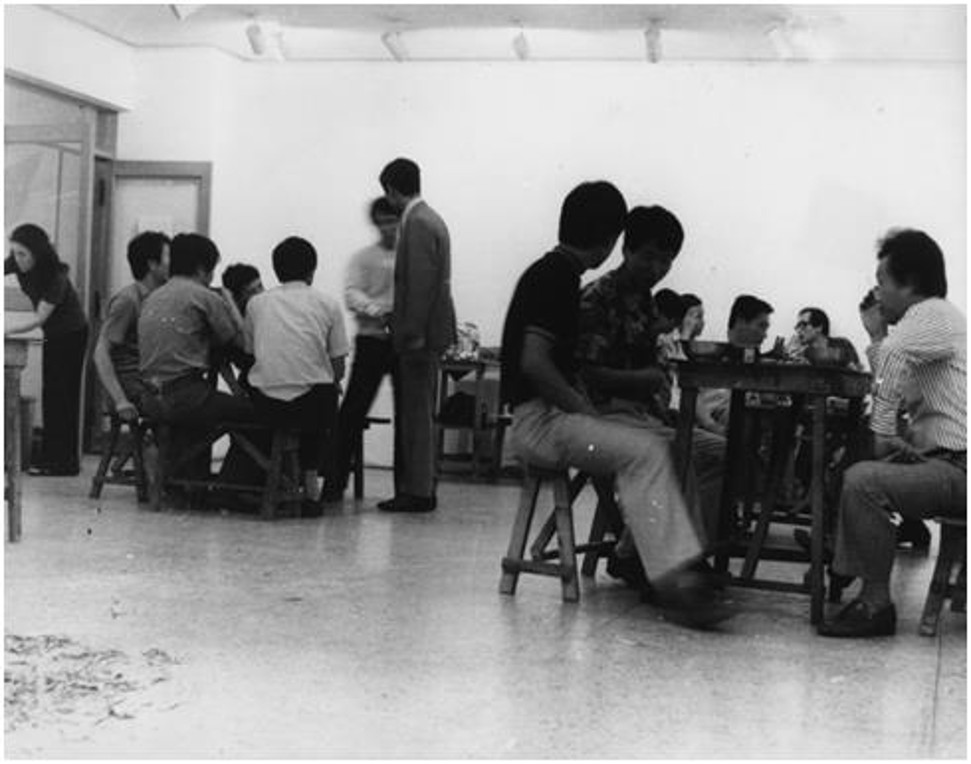
Lee Kang So, Disappearance – Bar in the Gallery, 1973. The work transformed Myeongdong Gallery in Seoul into a traditional tavern and incorporated audience participation as an integral part of the artwork. © Lee Kang So / Photo: Gallery Hyundai
This is also why
Lee’s work continues to resonate today. His practice does not rely on direct
representations of Korean identity. Instead, it engages with concerns
comparable to those explored in conceptual art, performance art, and
process-based practices that emerged internationally from the 1960s onward.
Lee treated art
not as a fixed material outcome, but as an open process unfolding through
action, time, relationships, and situations. In this sense, his work provides
an important point of connection through which Korean art moves beyond the
pictorial achievements of modernism and enters the conditions of contemporary
art.
The growing
international interest in Korean Experimental Art also provides important
context for understanding this exhibition. Co-organized by the National Museum
of Modern and Contemporary Art, Korea (MMCA), and the Solomon R. Guggenheim
Museum in New York,《Only the Young: Experimental Art in
Korea, 1960s–1970s》was a landmark exhibition that
brought Korean Experimental Art into an international framework.
The exhibition
examined how a generation of young artists sought new artistic forms and
attitudes amid the rapid social transformations of postwar Korea, moving beyond
the limitations of existing artistic institutions.
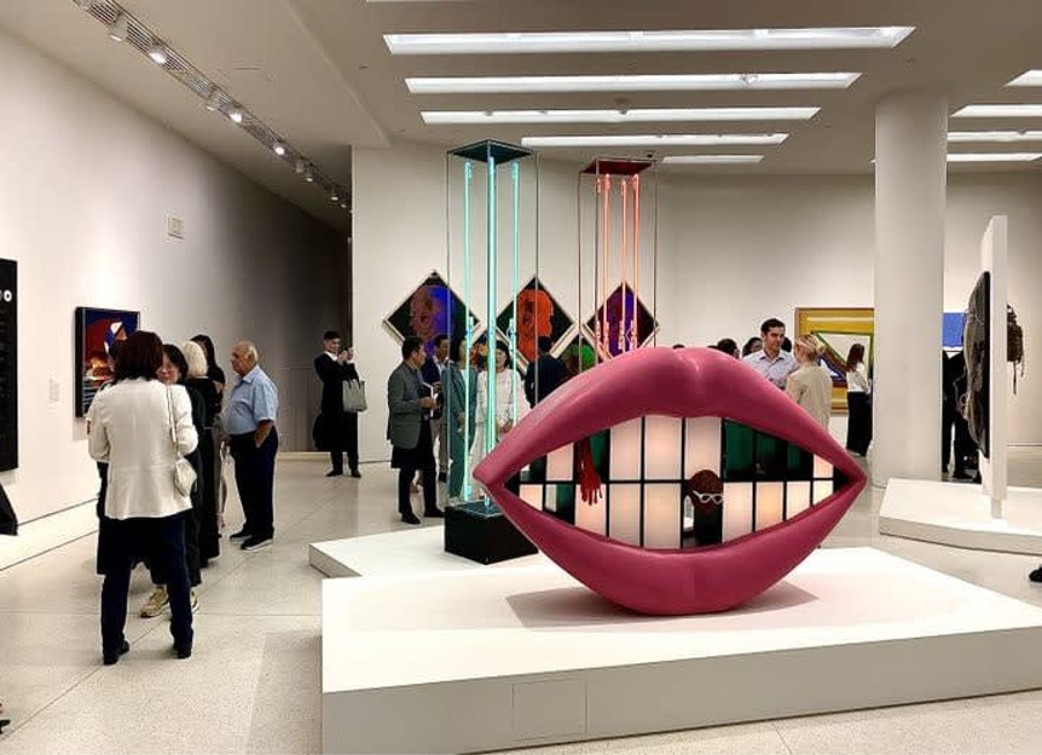
Installation View of《Experimental Art in Korea 1960s–1970s》 held at the Guggenheim Museum, New York, in 2023 / Photo: Guggenheim Museum
Within this
broader context, Lee Kang So cannot be understood merely as a representative of
a particular generation. His work demonstrates that Korean art developed not
only through the flatness and materiality associated with Dansaekhwa, but also
through actions, events, time, place, and audience participation.
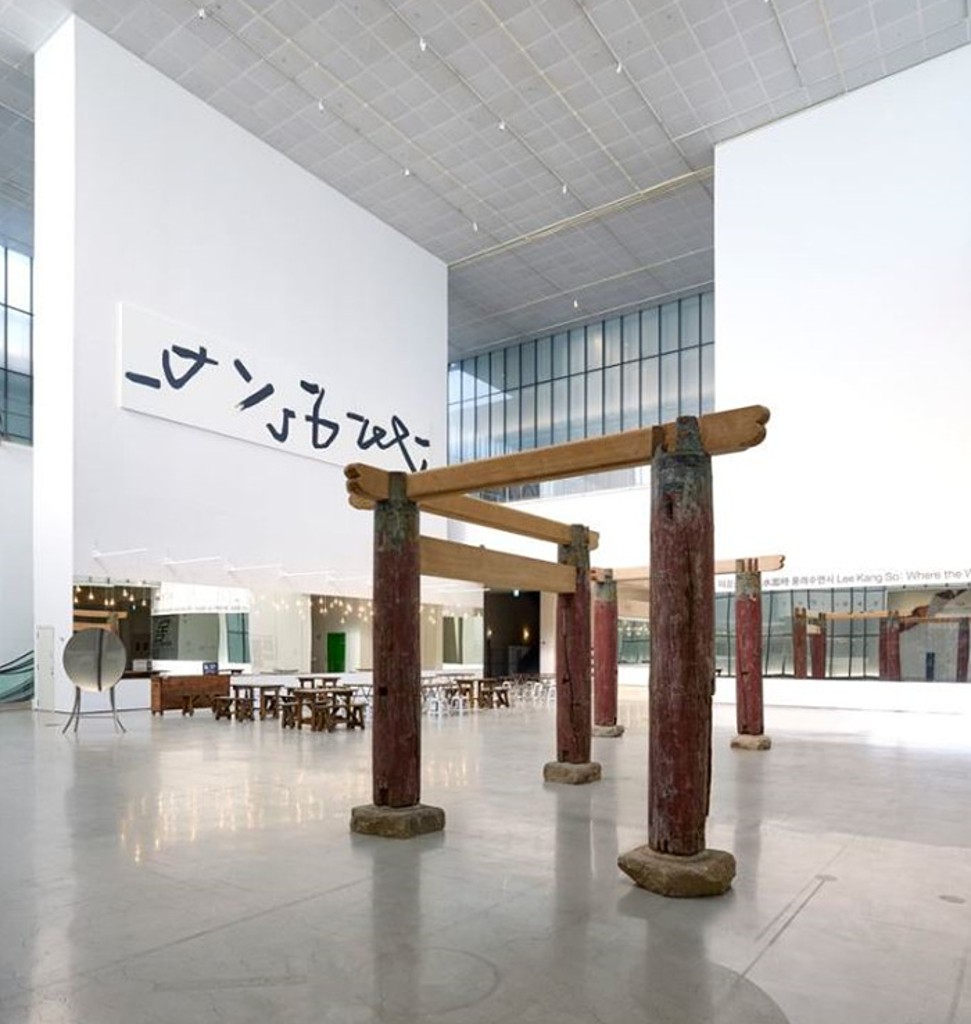
Installation View of《Lee Kang So: Where the Wind Meets the Water》, (2024.11.1-2025.4.13), MMCA / Photo: MMCA
If Dansaekhwa
represents one axis of Korean modernist art, the experimental lineage to which
Lee belongs represents another axis that anticipated the conditions of Korean
contemporary art.
For this reason,
Lee’s New York exhibition carries significance beyond that of a conventional
overseas presentation. It marks a moment in which Korean art introduces to the
global art world not only the international success of its established
modernist painting, but also histories of experimentation and critical inquiry
that have often remained underrepresented.
Lee Kang So’s
work reminds us that the history of Korean art cannot be reduced to a single
movement, style, or market category. At the same time, it demonstrates how
Korean Experimental Art continues to offer new possibilities for interpretation
within contemporary global art history.
《A Field of
Becoming》ultimately opens another temporal dimension of
Korean art through Lee Kang So’s work. It is not the time of completed forms,
but the time of continuous transformation and becoming. Within this field,
Korean Experimental Art invites us to reconsider, beyond Dansaekhwa, another
crucial transition through which Korean art moved from modern art toward
contemporary art.
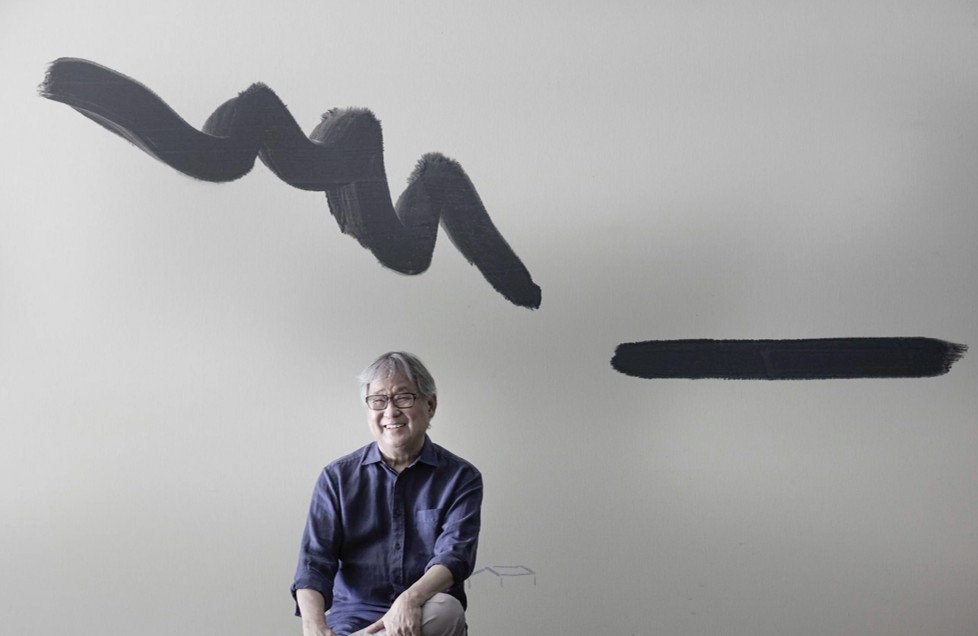
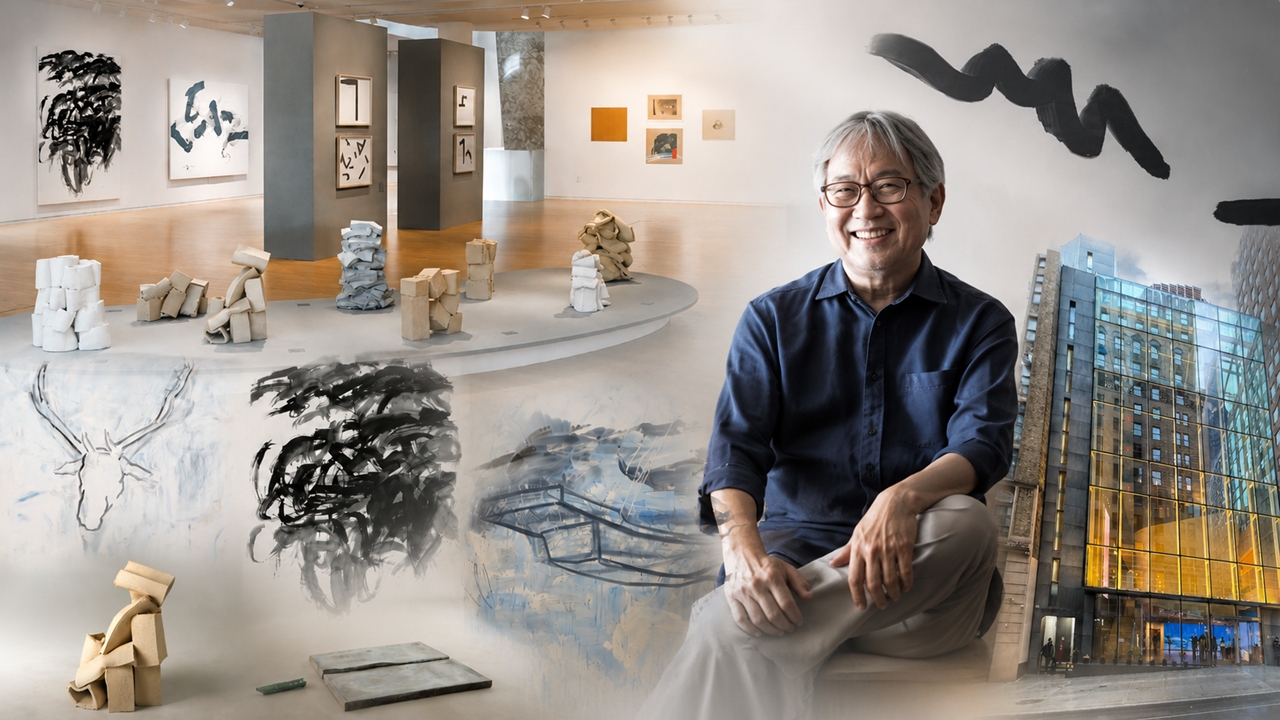
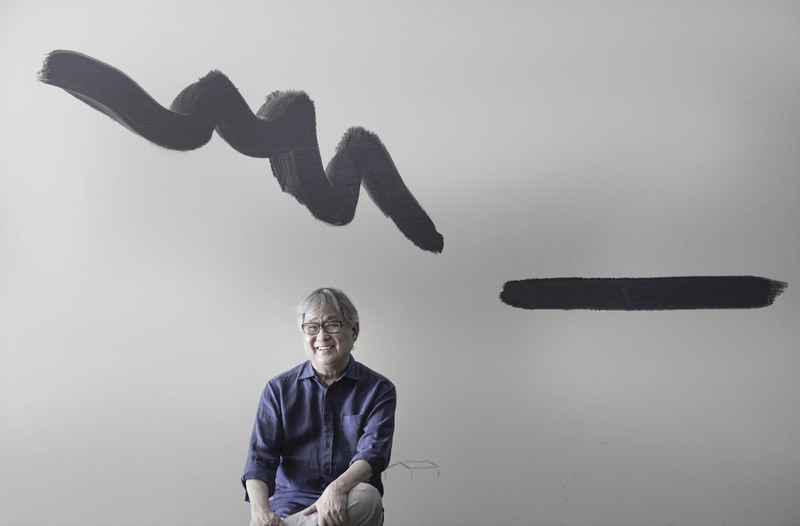
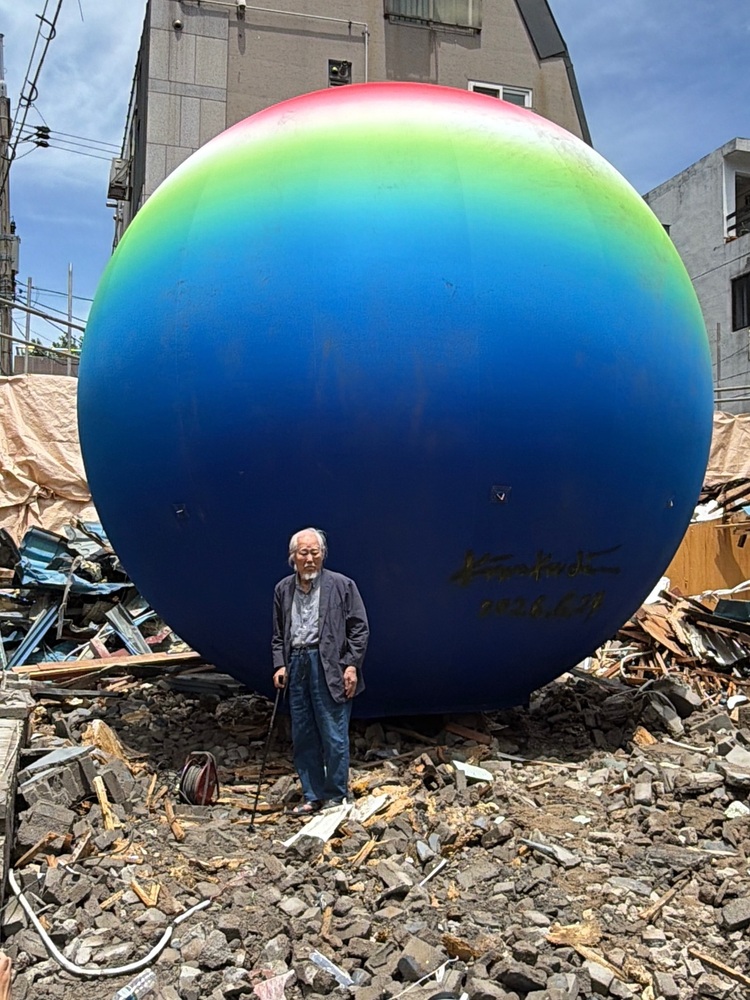
Lee Kang So / Photo: Gallery Hyundai
Lee
Kang So
Born in Daegu in
1943, Lee Kang So graduated from the Department of Painting at Seoul National
University in 1965. Emerging as a central figure in the Korean Experimental Art
movement of the 1970s, he has developed a multifaceted practice encompassing painting,
photography, printmaking, sculpture, installation, and performance.
Lee understands
art not as a fixed material outcome, but as an open process unfolding through
time, action, perception, and relationships. From his early performances and
installations to his later paintings and sculptures, his work has consistently
explored the relationships between reality and image, presence and trace,
becoming and disappearance. In recent years, Lee has received renewed
international attention as Korean Experimental Art has increasingly entered
global institutional and scholarly discourse.
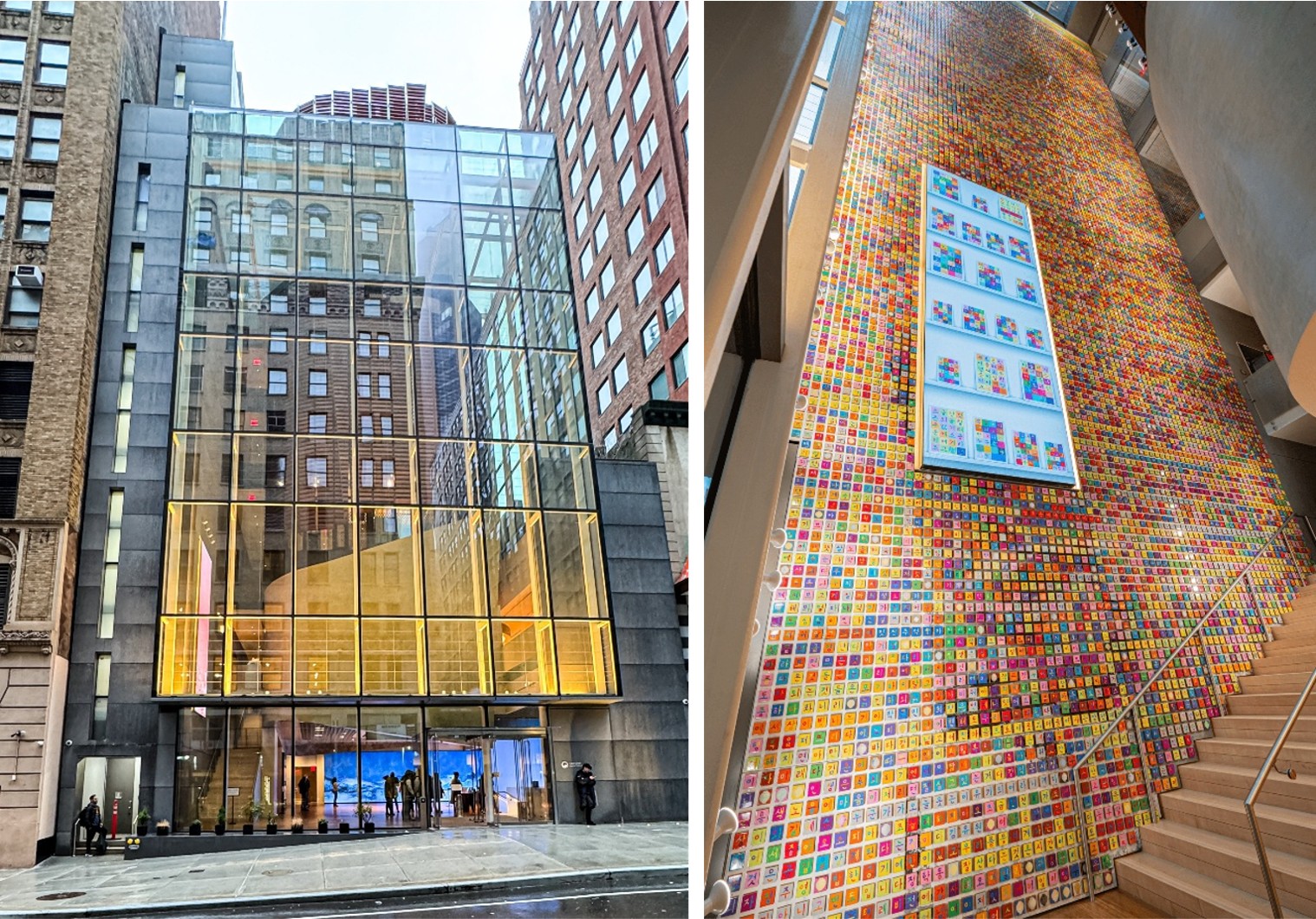
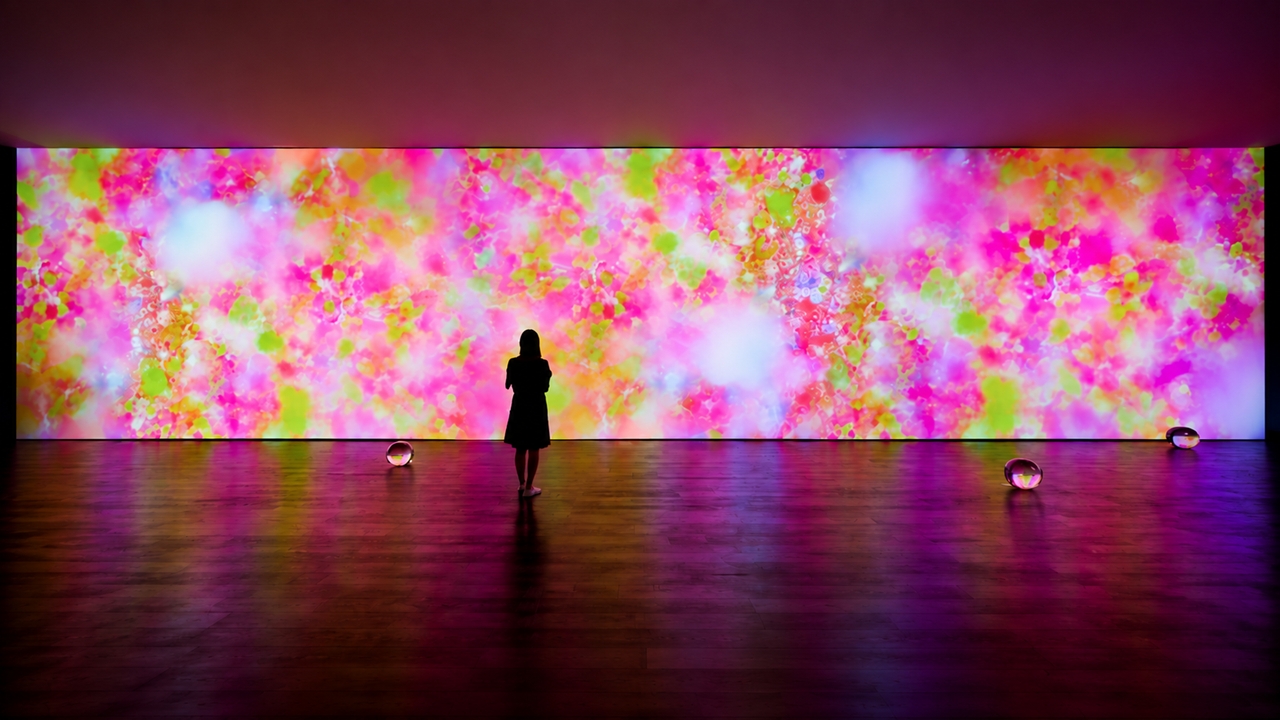
(Left) Exterior view of the Korean Cultural Center New York (KCCNY). (Right) Kang Ik-Joong’s installation Hangeul Wall: Things I Love to Talk About (2024), located at the entrance of KCCNY. Measuring 26 × 72 feet (8 × 22 meters), the monumental wall is composed of 20,000 Hangeul tiles that connect the wisdom, experiences, and stories of people from around the world.
In May 2024, KCCNY launched a dedicated project website in collaboration with LG CNS under the theme “Things I Love to Talk About,” inviting participants worldwide to create and submit their own artworks. The website attracted more than 8.2 million visits from over 50 countries, and approximately 7,000 submissions were received within two months. Of these, 1,000 works were selected through public voting and the artist’s review process, ultimately forming this large-scale installation. / Photo: KCCNY
Korean
Cultural Center New York
The Korean
Cultural Center New York (KCCNY) is a leading institution dedicated to
introducing Korean arts and culture to audiences in the United States. Through
visual arts exhibitions, performances, film screenings, literary programs, and
educational initiatives, KCCNY serves as an important bridge between Korean
culture and international audiences.
The Atrium &
Gallery, where this exhibition is presented, functions as a key venue for
introducing Korean modern and contemporary art to New York audiences. Located
in the heart of Manhattan, the space provides an important platform for
presenting Korean artists within an international context while fostering
cultural exchange and global engagement.
Exhibition
Information
Exhibition Title:《Lee Kang So: A
Field of Becoming》
Artist: Lee Kang
So
Dates: May 13 –
June 20, 2026
Opening
Reception: May 12, 2026, 6–8 PM
Venue: Atrium
& Gallery at the Korean Cultural Center New York
Address: 122 East
32nd Street, New York, NY 10016, USA
Hours: Tuesday–Friday,
10 AM–6 PM; Saturday, 11 AM–5 PM
Closed: Sunday
and Monday
Website:
https://www.koreanculture.org/gallery-korea/2026/05/lee-kang-so
https://www.koreanculture.org/exhibition-visual-arts