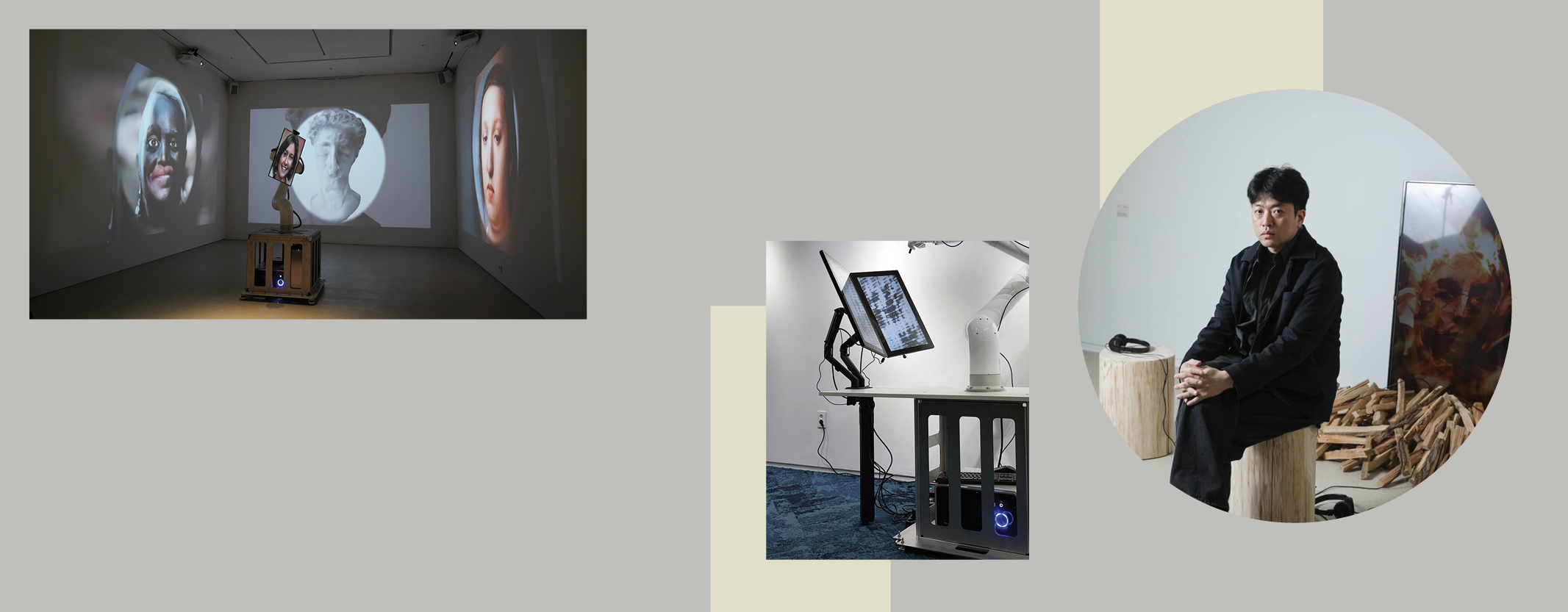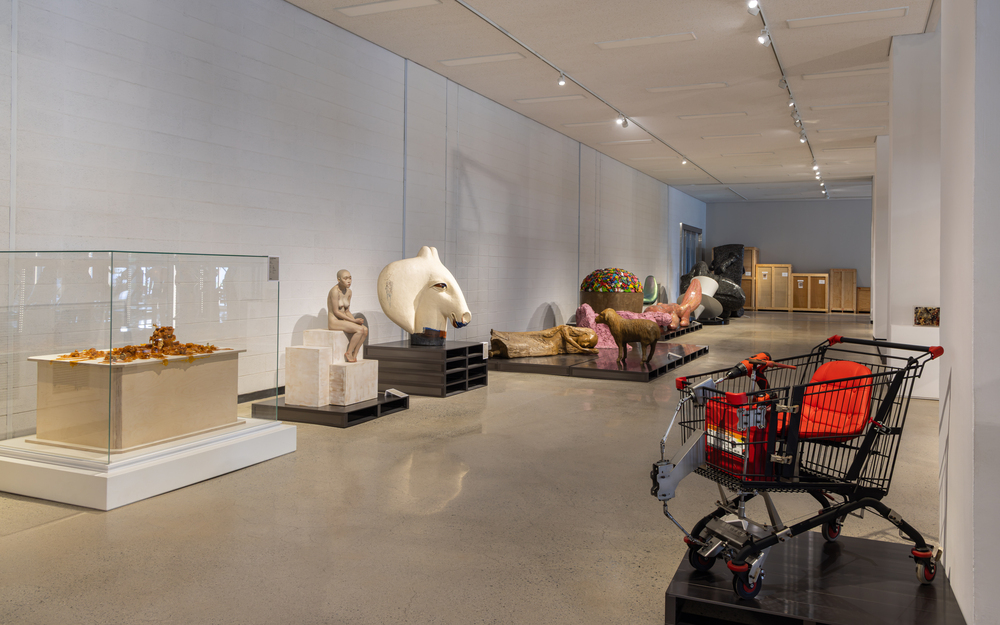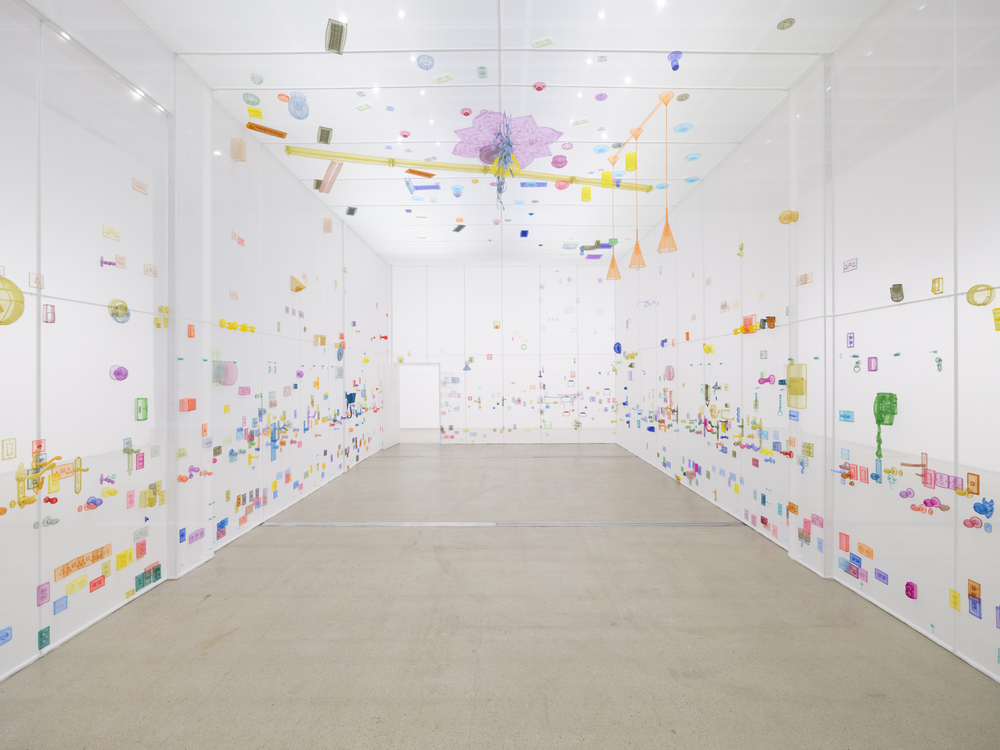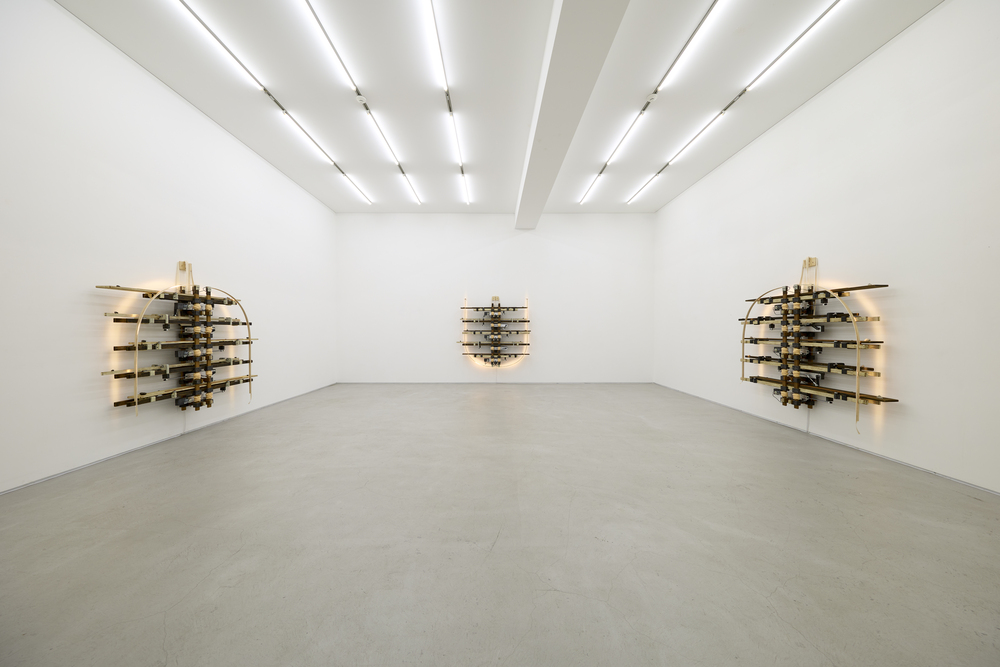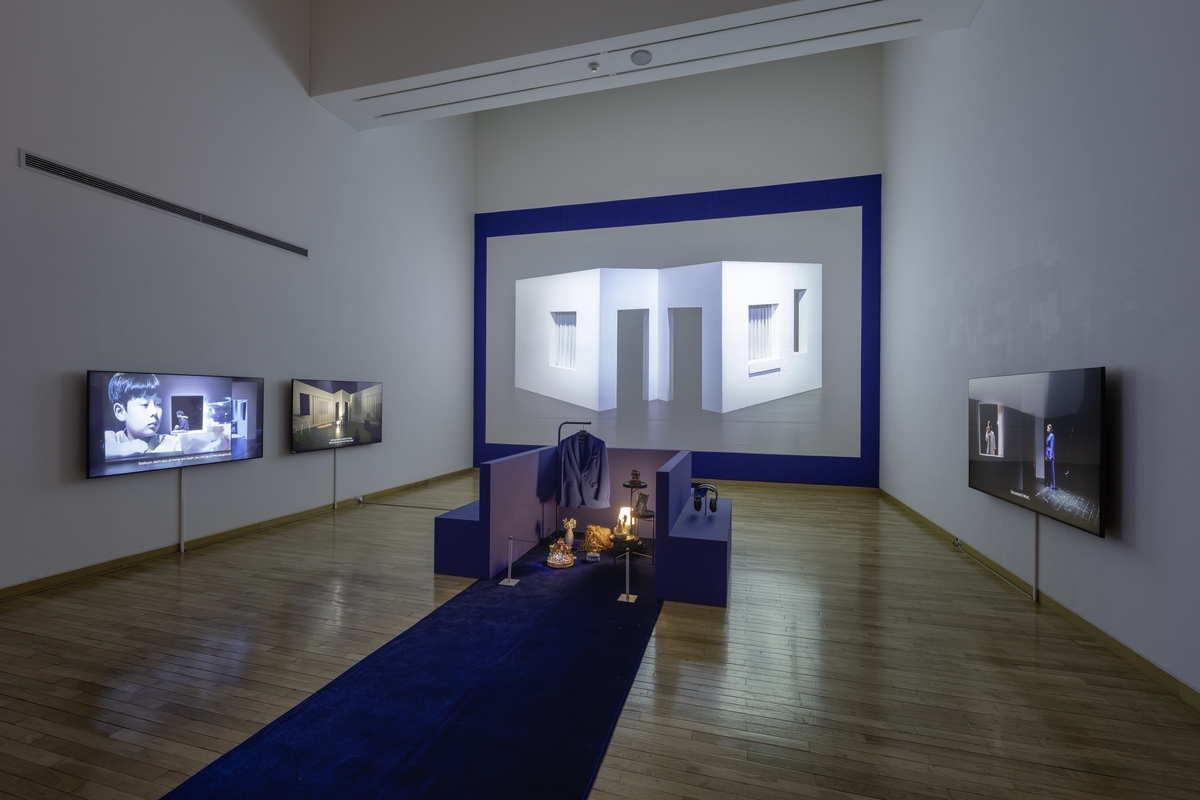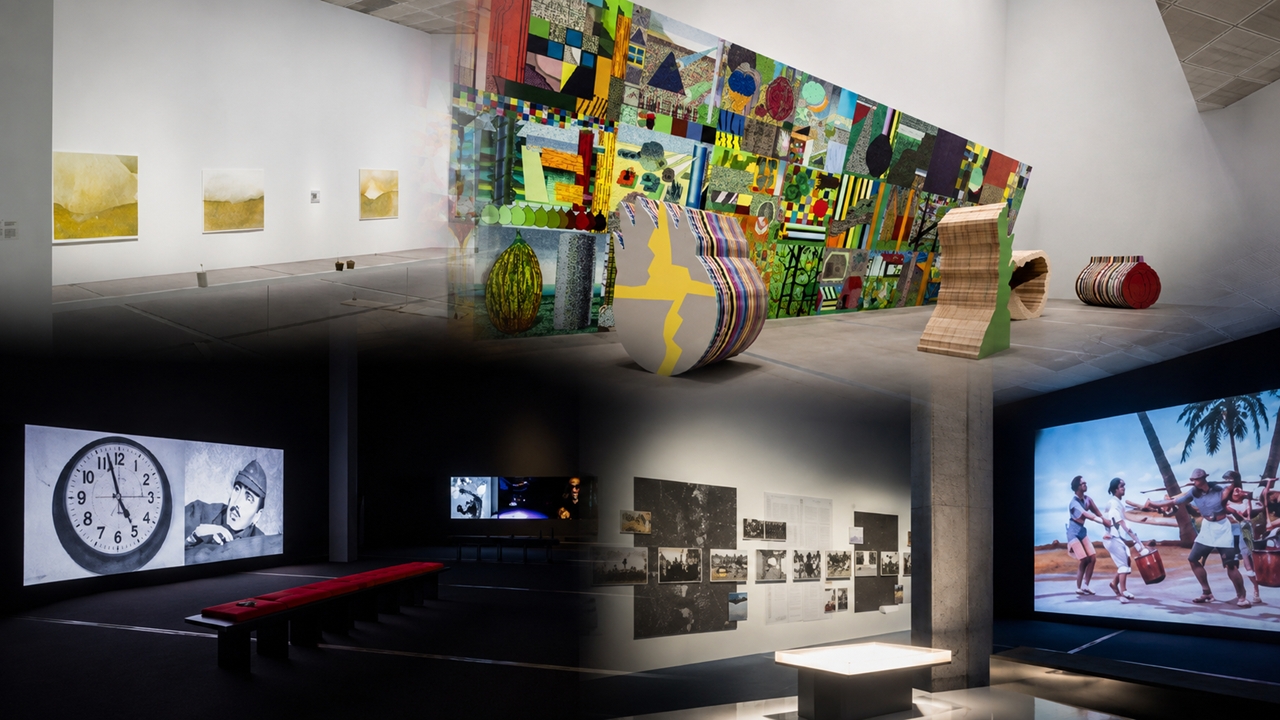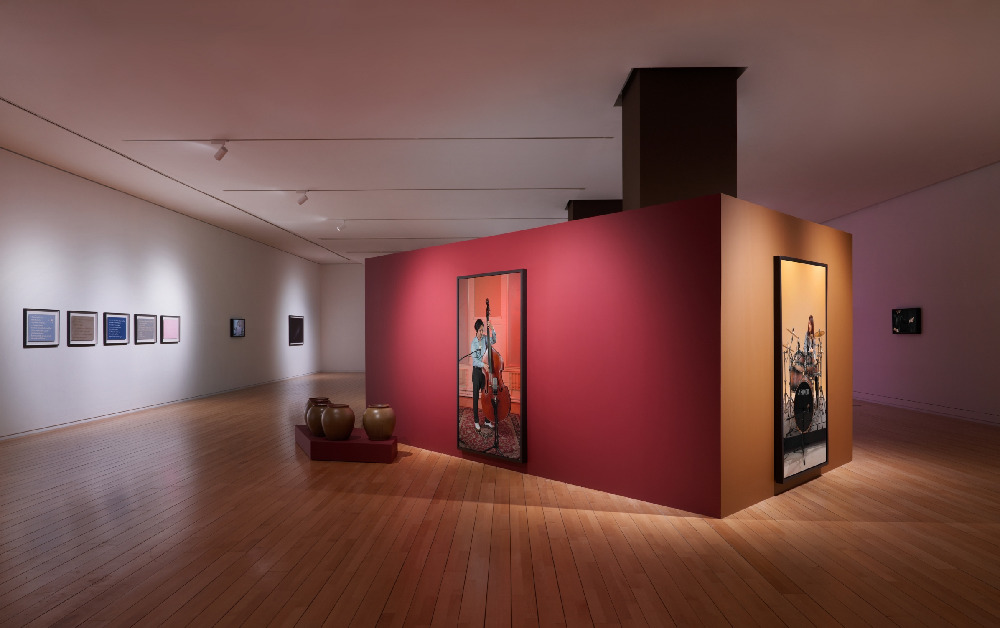

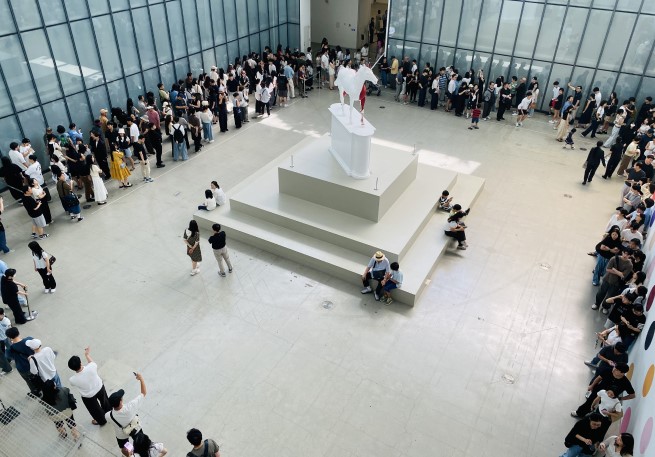
Exhibition view of 《Damien Hirst: Nothing Is True But Everything Is Possible》 (MMCA, 2026) © MMCA
The
National Museum of Modern and Contemporary Art, Korea (MMCA, Director Sunghee
Kim) announced that its exhibition 《Damien Hirst:
Nothing Is True But Everything Is Possible》 concluded
successfully after attracting a cumulative total of more than 540,000 visitors
over its 96-day run.
As the
first solo exhibition in Asia by Damien Hirst, one of the most influential and
controversial figures in contemporary art, the exhibition drew significant
attention both in Korea and internationally even before its opening.
Bringing
together Hirst's iconic works alongside key pieces spanning nearly four decades
of his artistic practice, the exhibition offered the most comprehensive survey
of his career to date in Asia. As a result, it set a series of new attendance
and engagement records across both online and offline platforms.
With an
average of 5,645 visitors per day and a total attendance exceeding 540,000, the
exhibition surpassed the record previously set by 《Ron
Mueck》 at MMCA Seoul last year, establishing a new
attendance record for an exhibition at the museum.
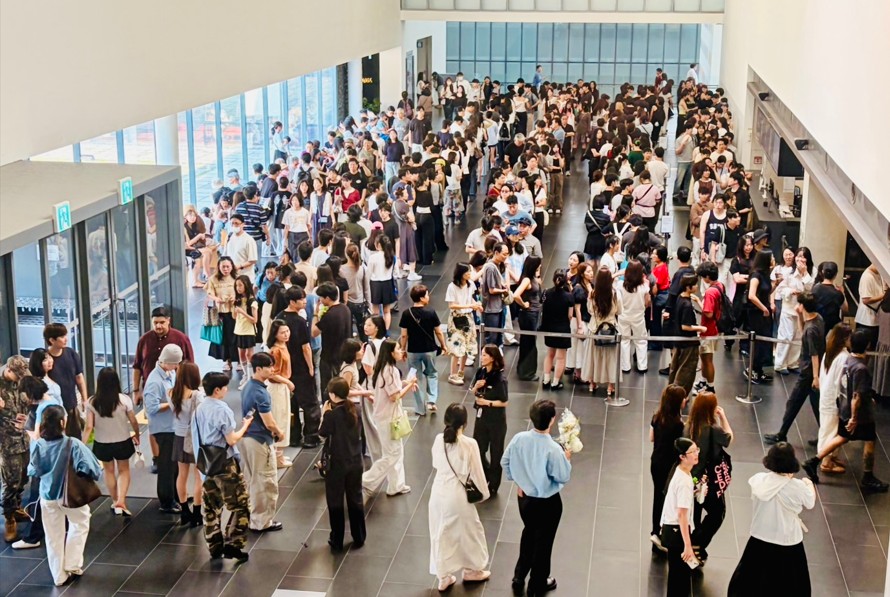
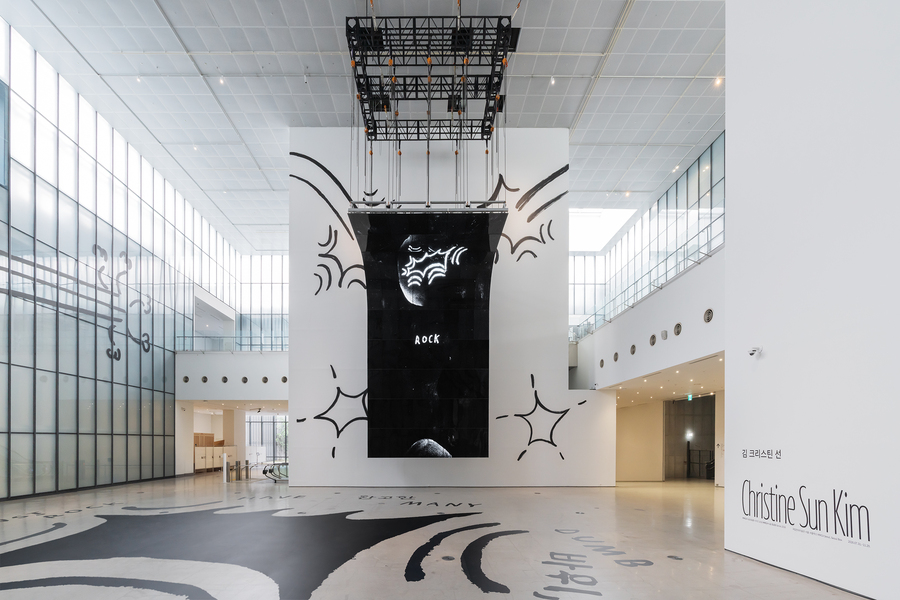
Exhibition view of 《Damien Hirst: Nothing Is True But Everything Is Possible》 (MMCA, 2026) © MMCA
Widely
embraced by audiences across the country, 《Damien Hirst》 attracted an exceptionally young demographic. Visitors in their 20s
and 30s accounted for 62% of total attendance, while teenagers made up a
remarkable 12%—an unusually high figure for a contemporary art exhibition.
The
proportion of teenage visitors was more than double the museum's typical
average of around 6%, suggesting that the exhibition successfully engaged
younger audiences by providing a rare opportunity to experience the work of
Damien Hirst—an artist many had previously encountered only through
textbooks—in the heart of Seoul.
The
exhibition also generated widespread discussion on social media. Visitors
shared comments such as, "Controversial as he may be, even as a non-expert
I felt the exhibition was speaking about our lives," "I couldn't
fully understand everything, but it's the kind of contemporary art that stays
with you long after you've left," and "The most powerful exhibition
I've seen in recent years."
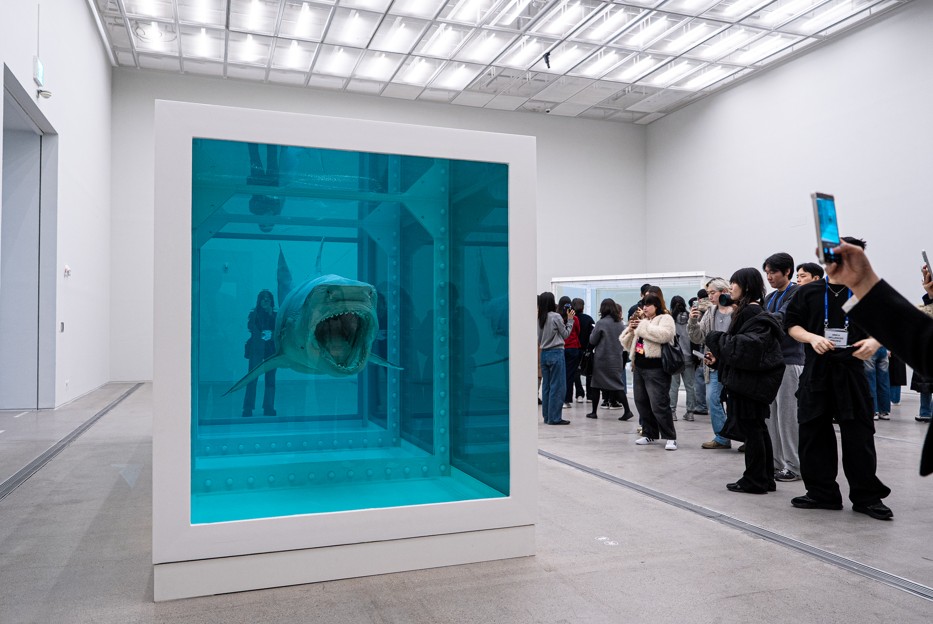
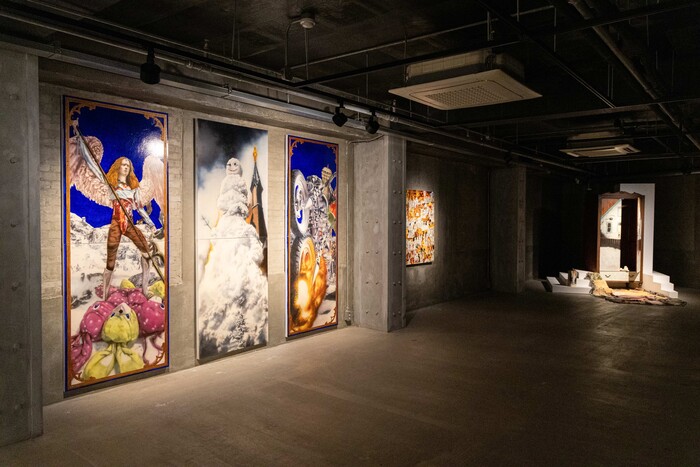
Exhibition view of 《Damien Hirst: Nothing Is True But Everything Is Possible》 (MMCA, 2026) © MMCA
At the
same time, the exhibition also prompted criticism from some quarters regarding
the museum's allocation of public funds and its perceived lack of new
art-historical interpretation.
According
to The Hankyoreh, more than KRW 3 billion in public funding was spent on the
exhibition, which largely revisited works created two to three decades ago. The
newspaper reported that approximately 70 percent of the exhibition budget was
allocated to the transportation of large-scale installations, including Hirst's
iconic preserved shark.
The
article contrasted this expenditure with the museum's acquisitions budget,
which has remained virtually unchanged at approximately KRW 4.8–5.2 billion
over the past decade. Against the backdrop of steadily rising art market
prices, the newspaper noted growing concerns that the museum's real purchasing
power has continued to decline, raising broader questions about the balance
between funding blockbuster exhibitions and expanding the national collection.
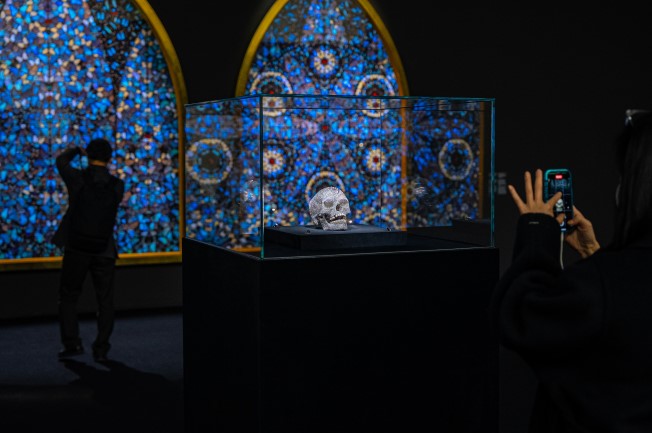
Exhibition view of 《Damien Hirst: Nothing Is True But Everything Is Possible》 (MMCA, 2026) © MMCA
Some
critics also argued that the exhibition fell short of reinterpreting Damien
Hirst's early works from a contemporary perspective or advancing new
art-historical and critical discourse around his practice.
Roh
Hyung Suk, art critic and journalist for The Hankyoreh, commented, "Rather
than simply reiterating the established interpretations of Hirst and his work
that were formulated by Western museums decades ago, the exhibition should have
presented a distinctive critical framework grounded in substantial
research."
He
further argued that the absence of such a curatorial framework left the museum
ill-equipped to respond to protests and installations staged by domestic animal
rights groups, stating that "the museum was unable to adequately explain
or engage with the criticism."
Meanwhile,
Sunghee Kim, Director of the MMCA, stated, "We will continue to present
exhibitions by leading figures in contemporary art from Korea and abroad,
making a wider range of contemporary art more accessible to the public."
While
presenting landmark works by internationally renowned artists will remain a key
responsibility of public museums, future exhibitions will also need to generate
new readings of these works within contemporary social and cultural contexts
and contribute to the development of critical discourse.