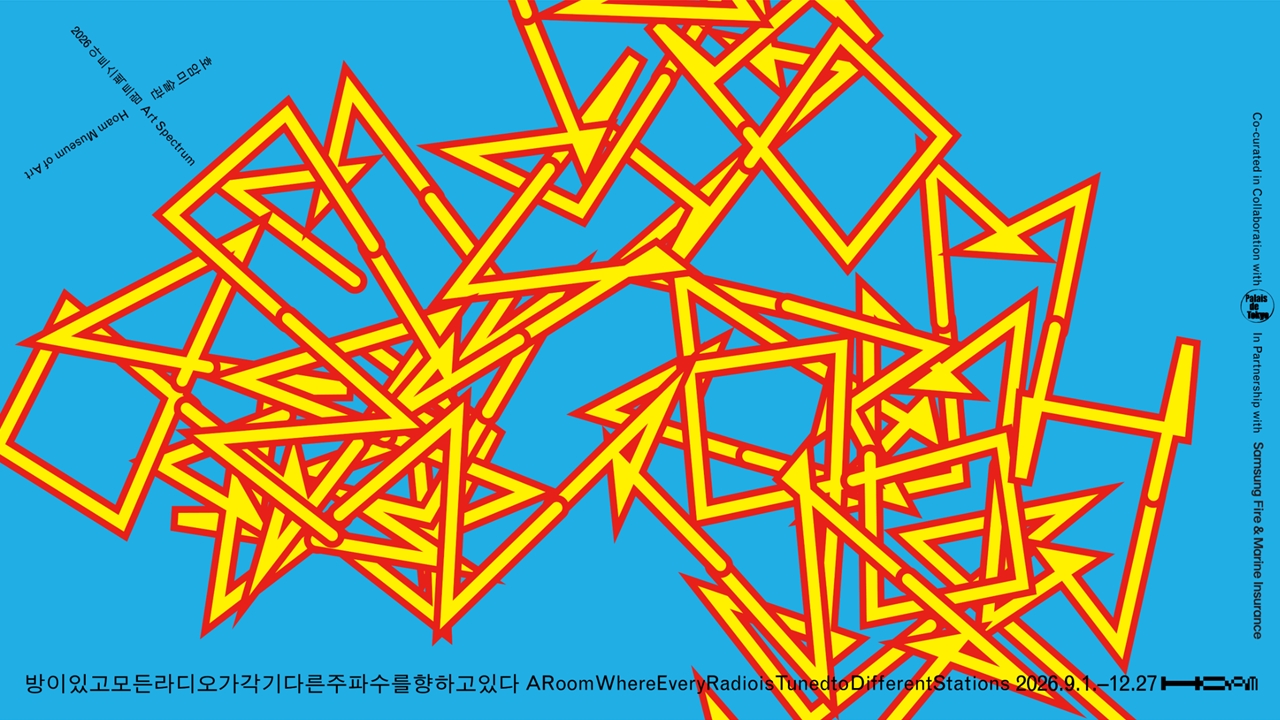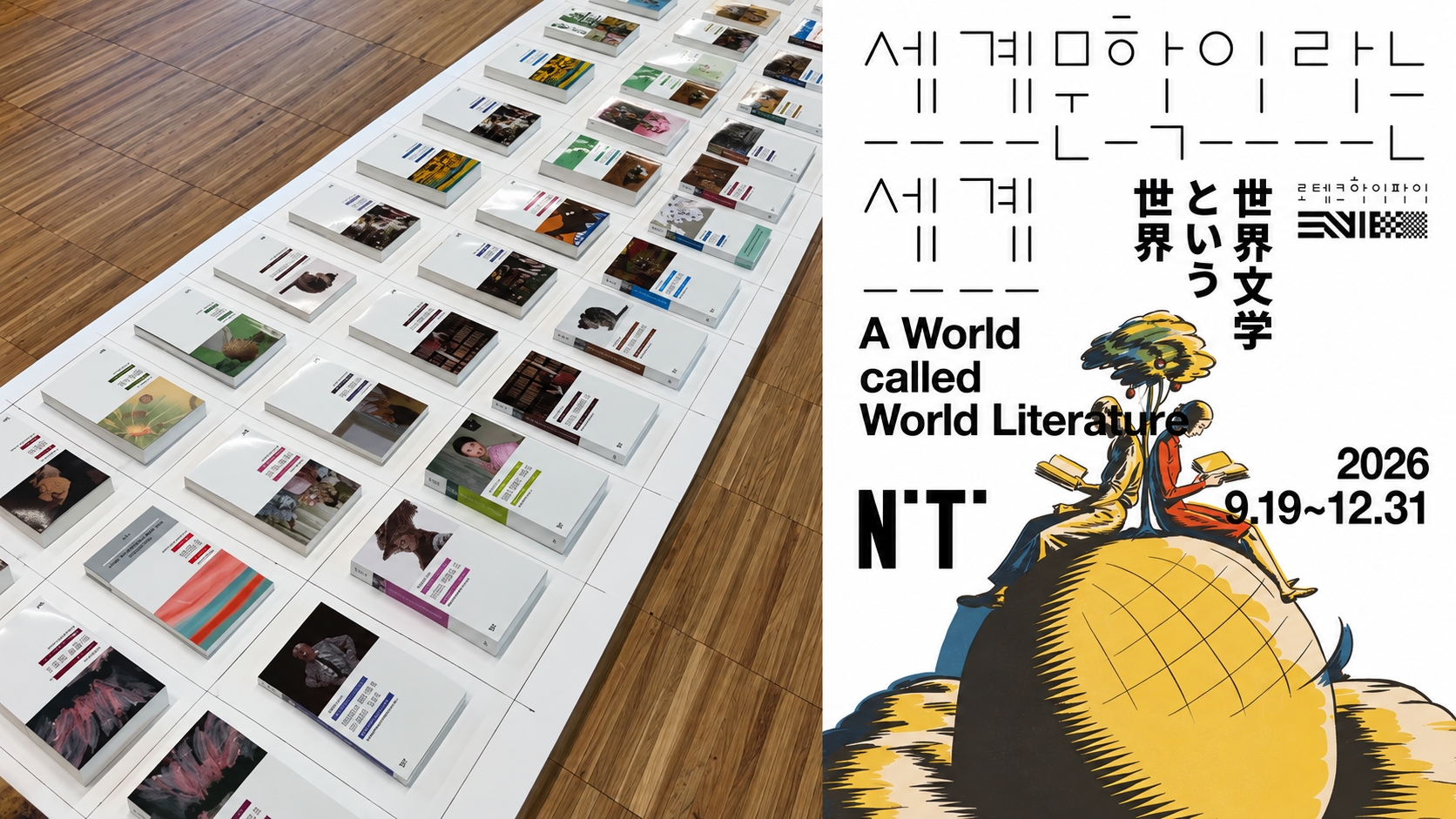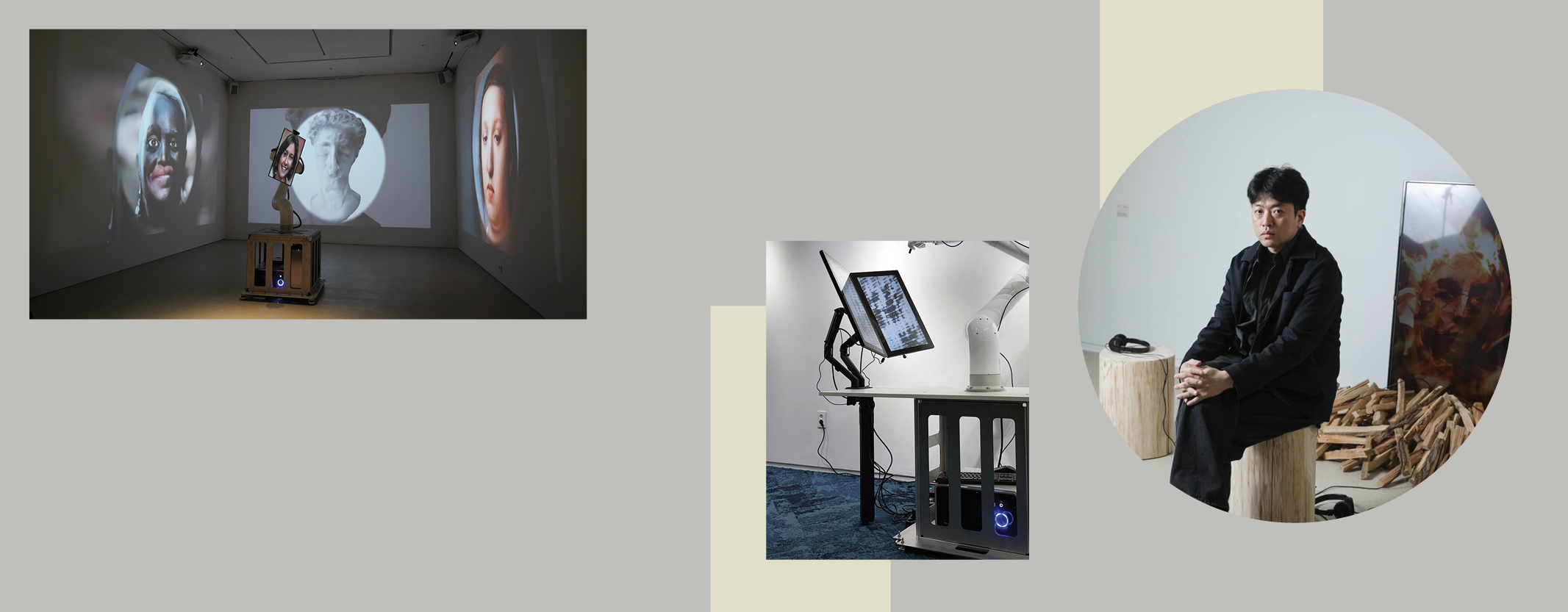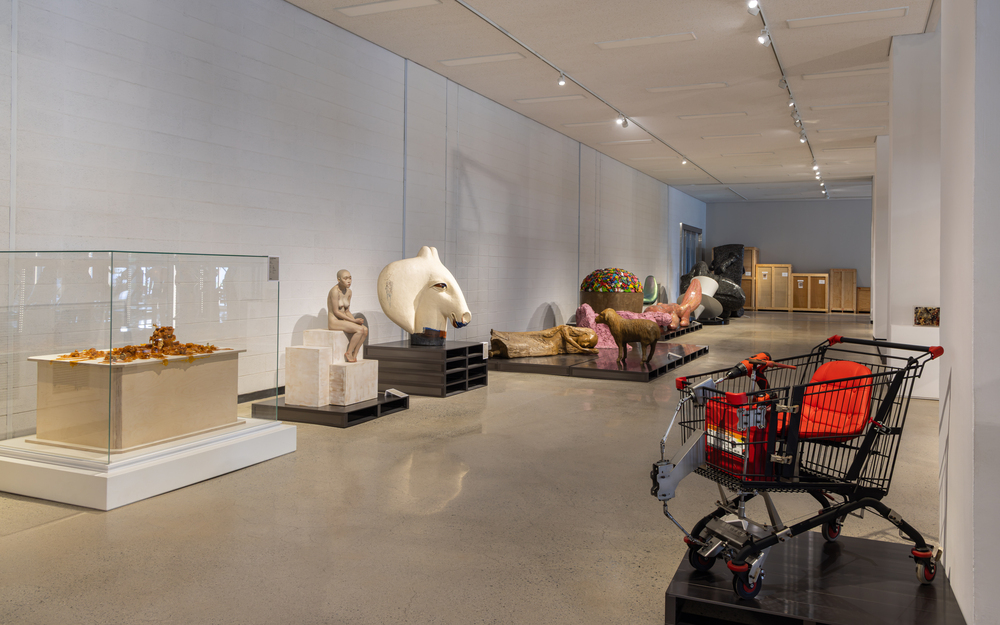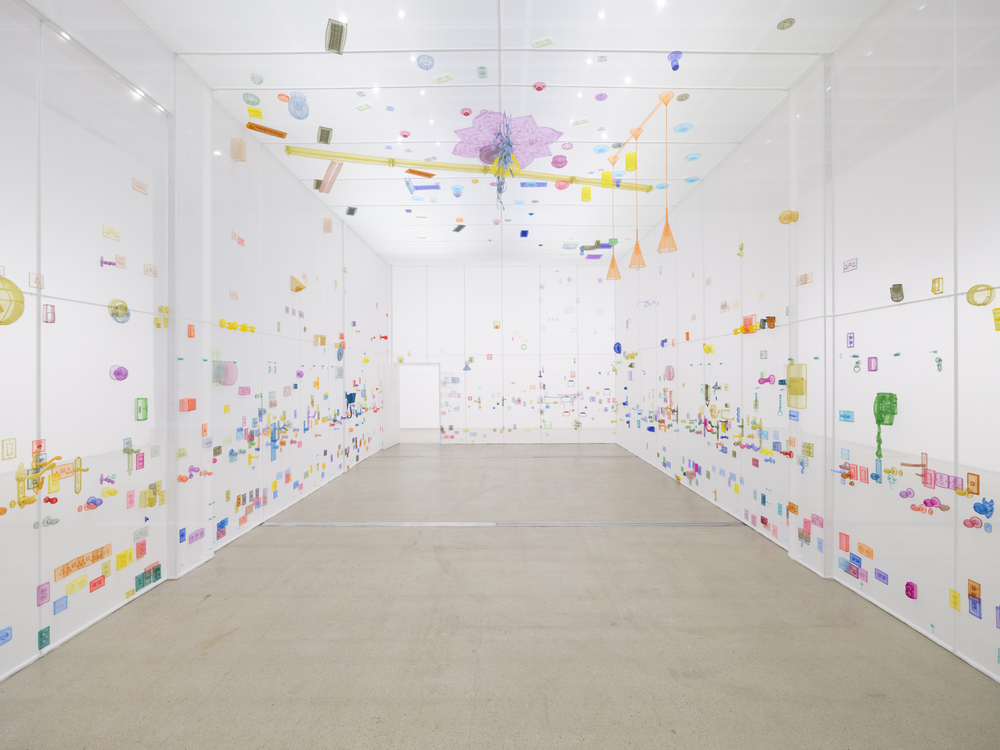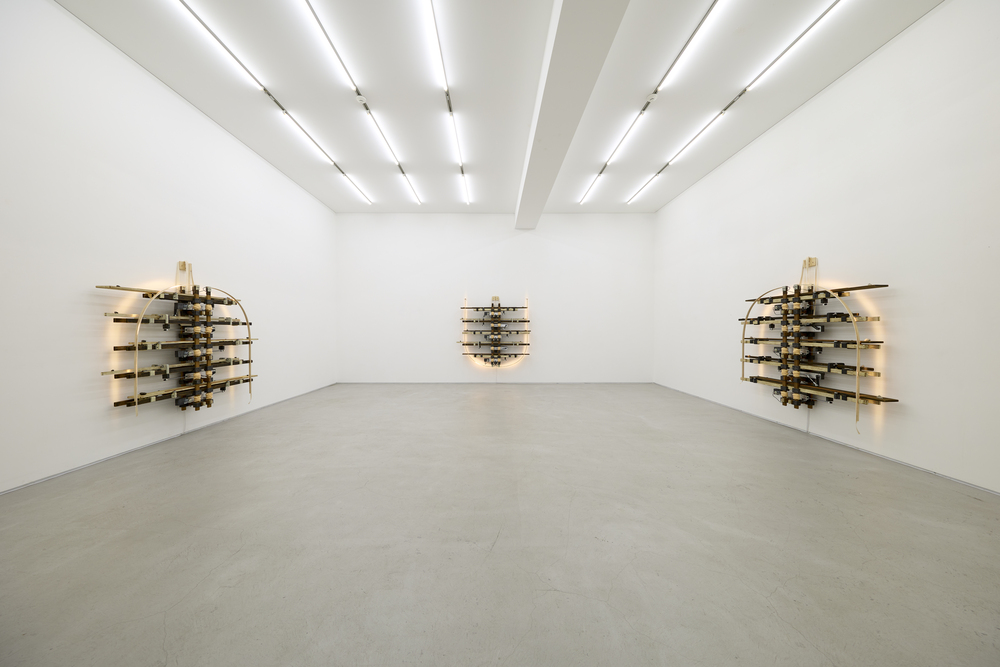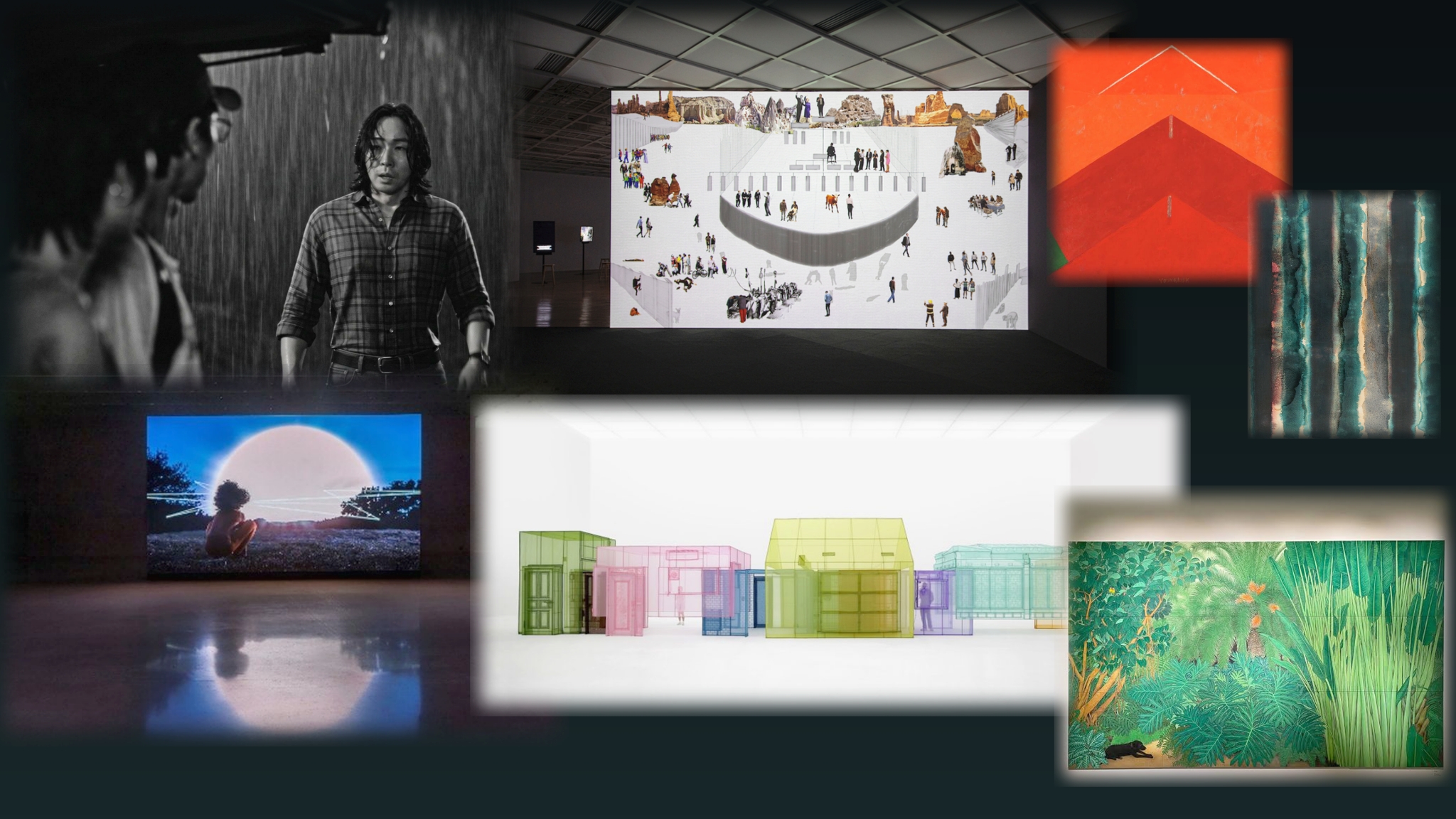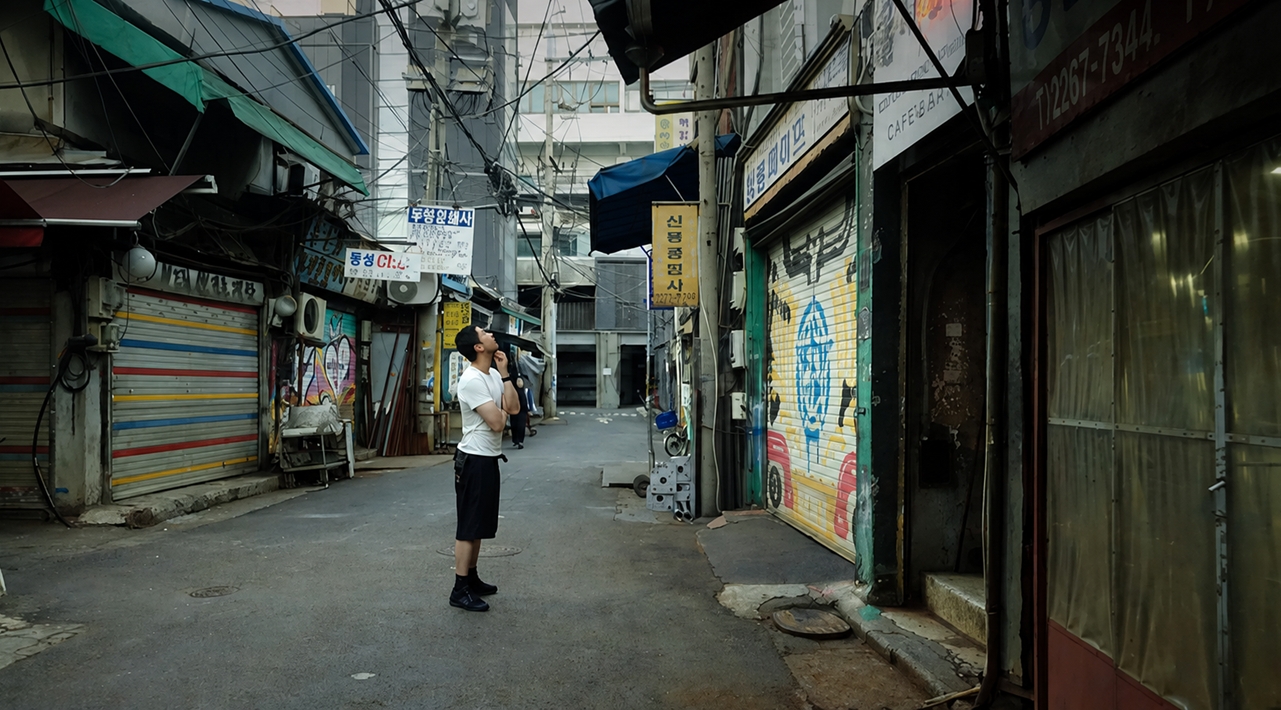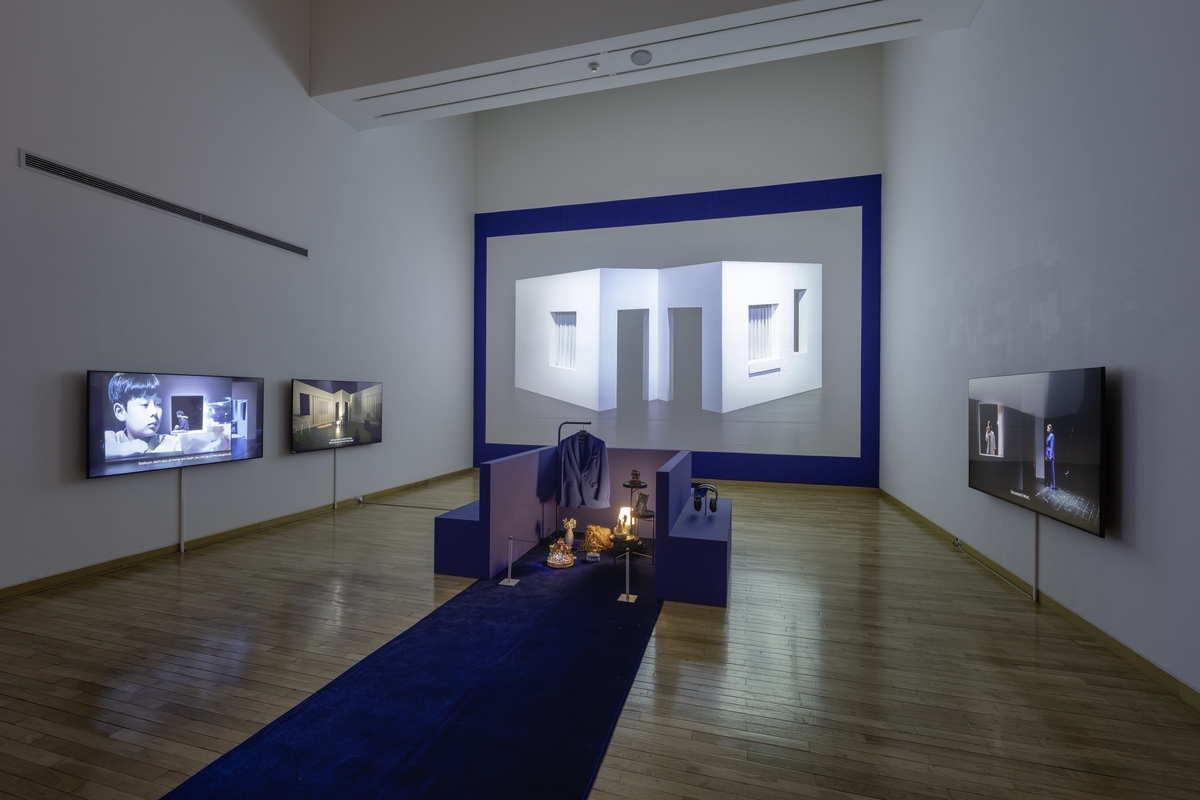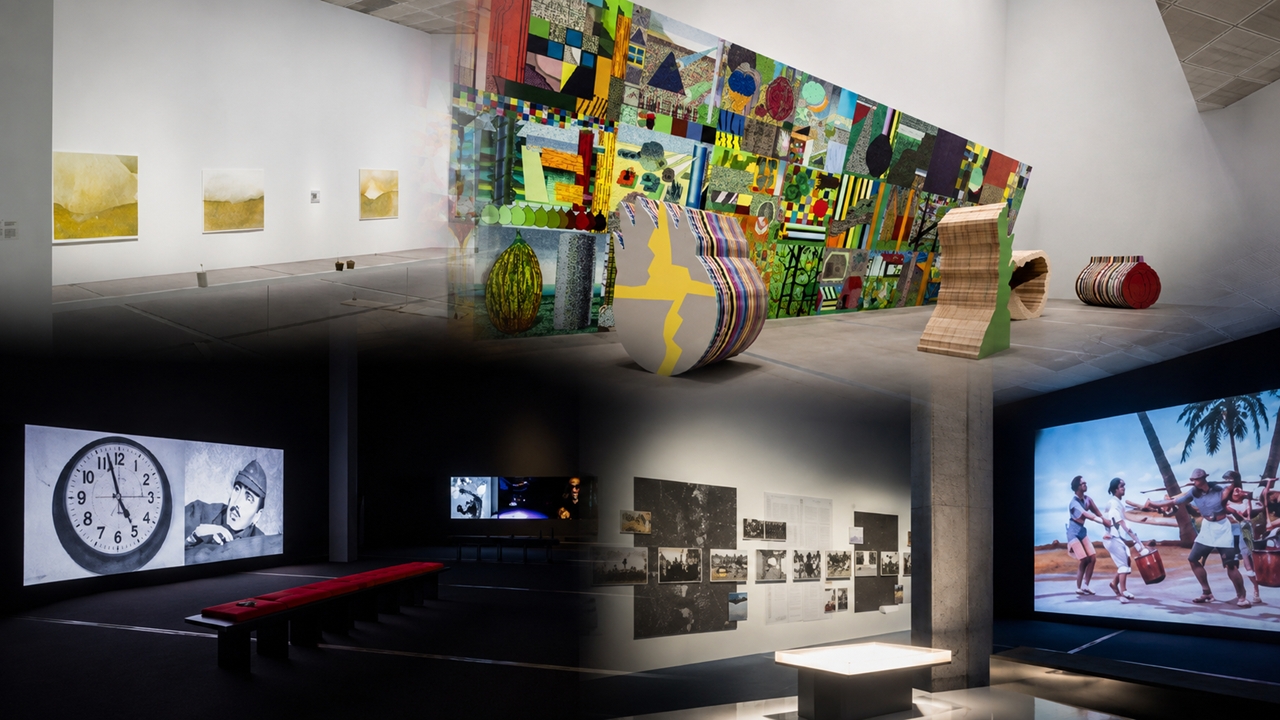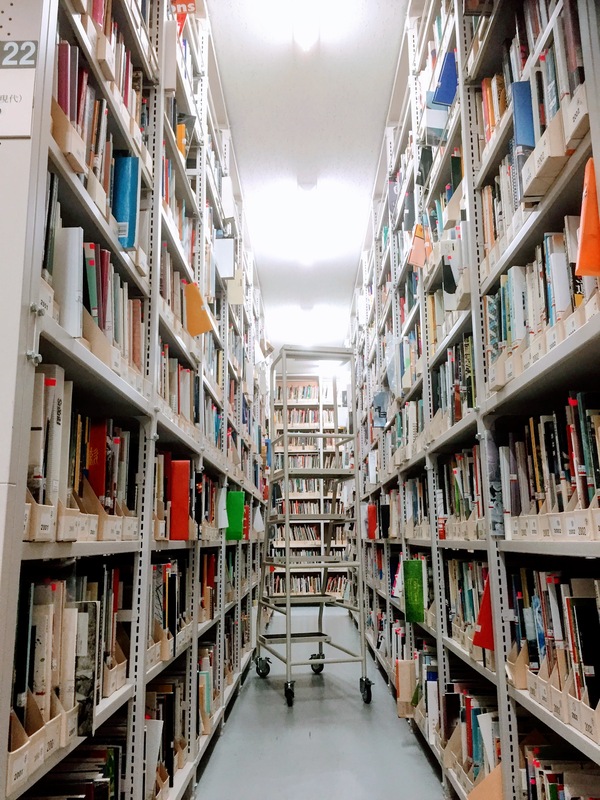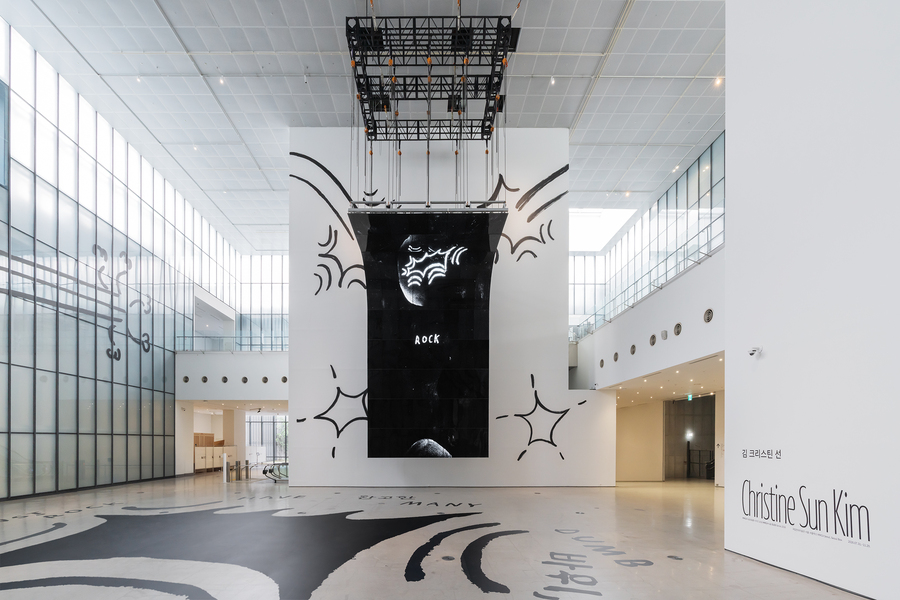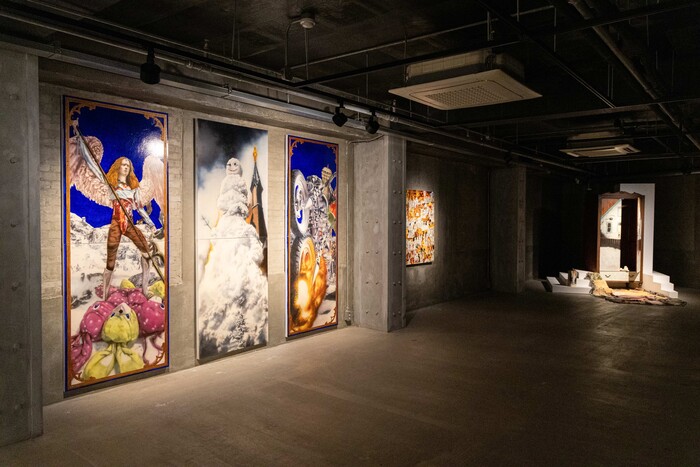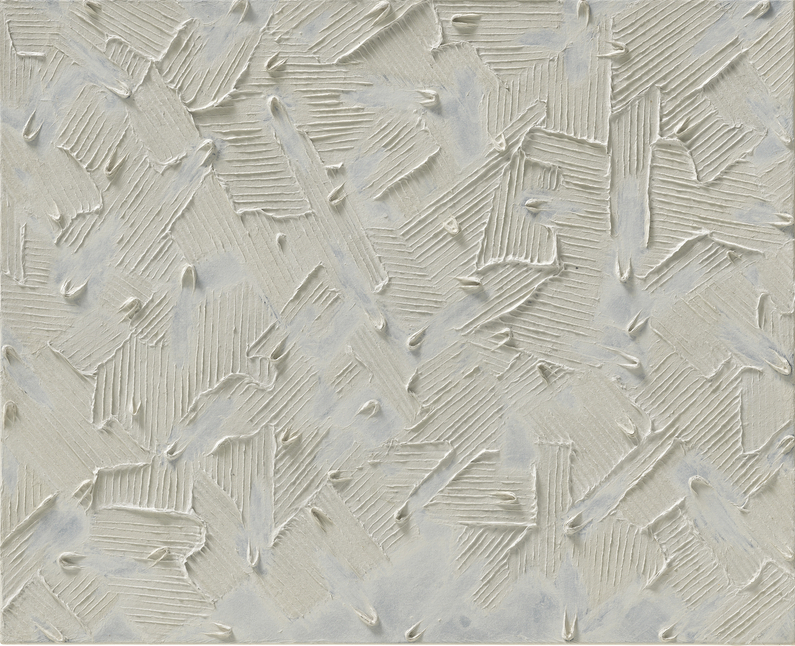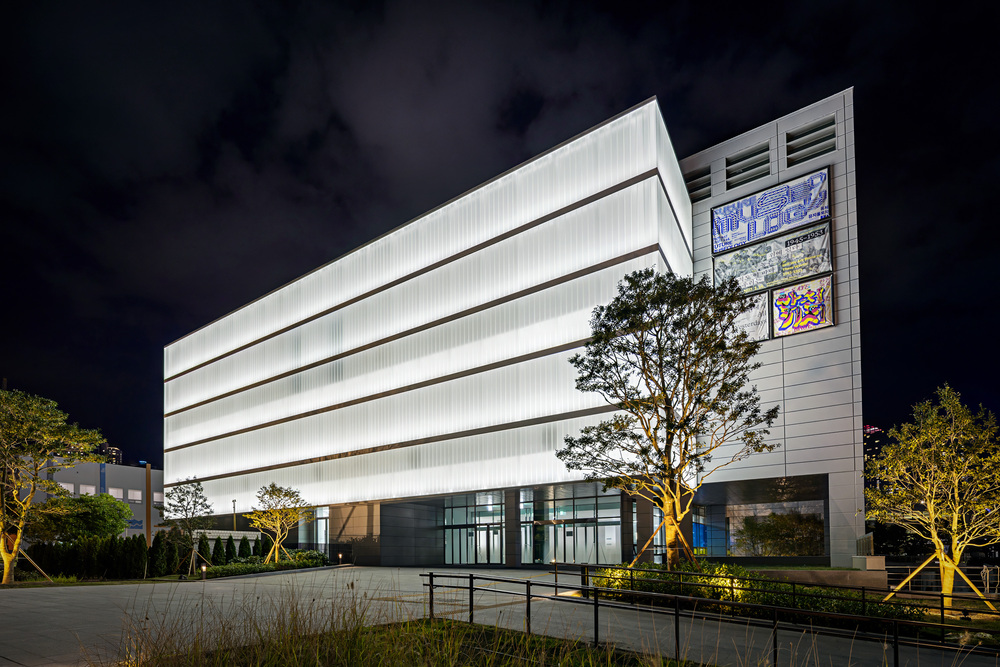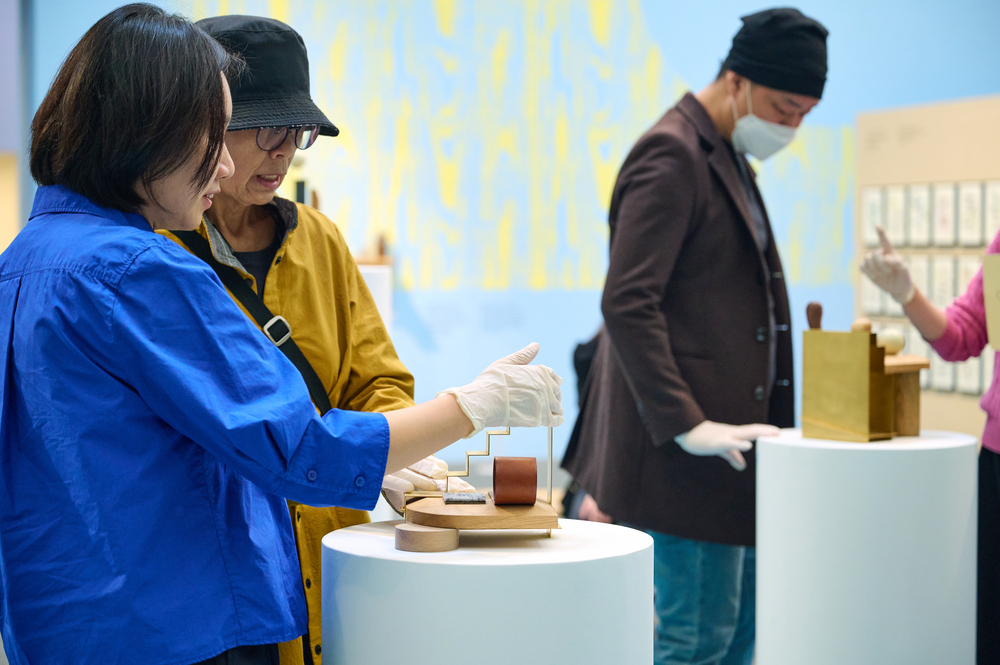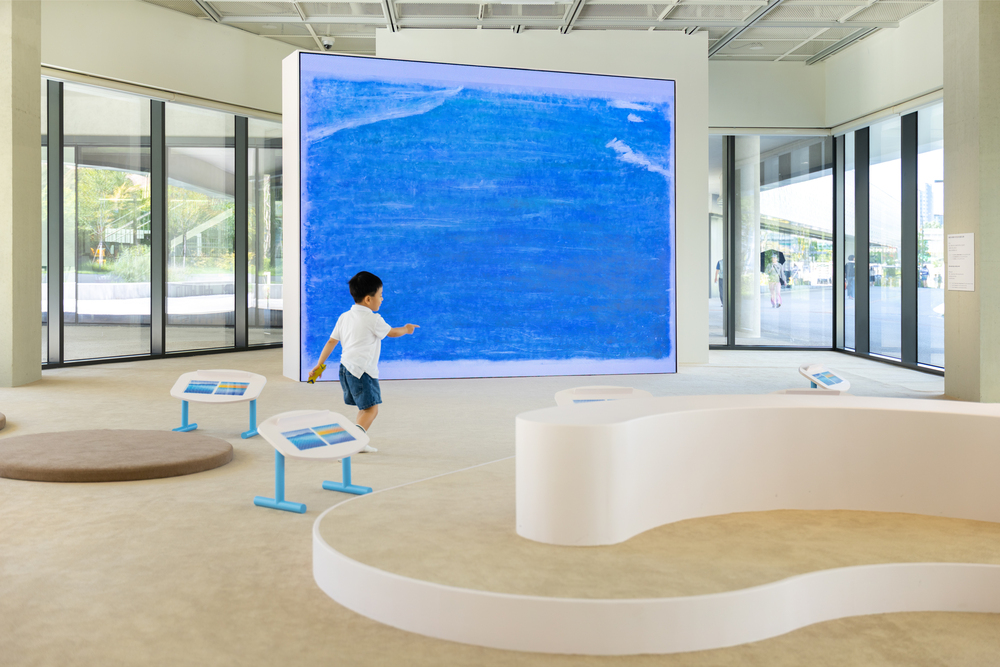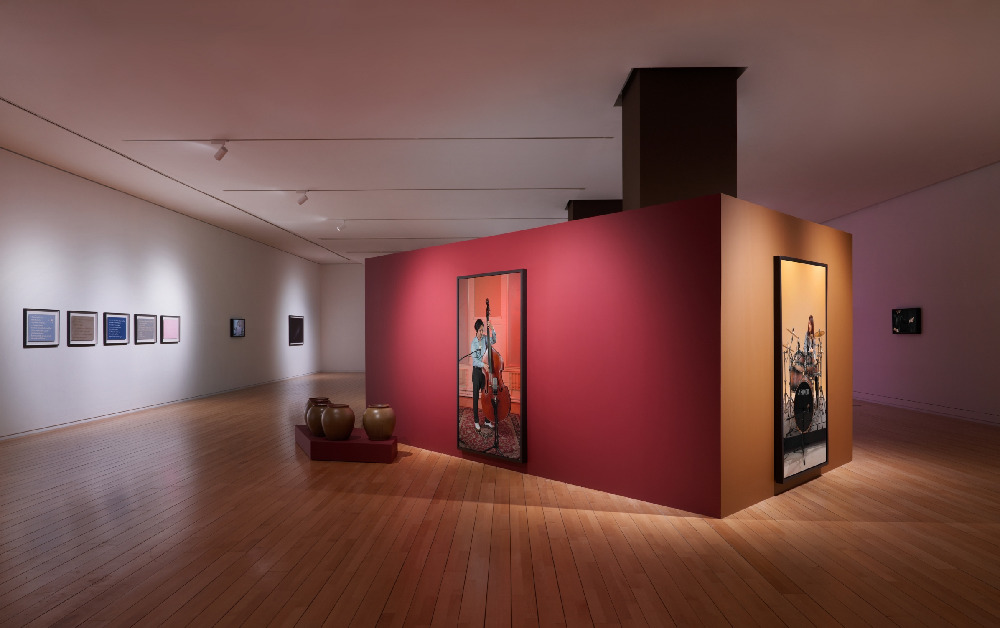

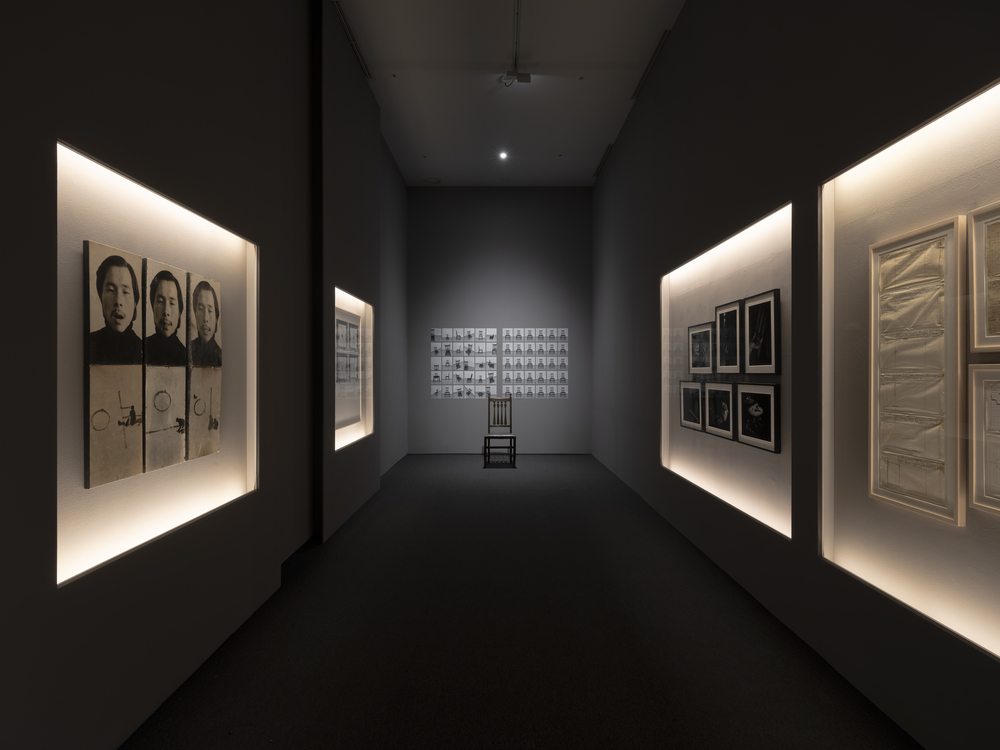
Installation view of 《This is (Not) Conceptual Art》 ⓒ MMCA
The National Museum of Modern and Contemporary Art, Korea (MMCA)
presents a special exhibition 《This
is (Not) Conceptual Art》 on view through October 11, at
its Seoul branch.
“Conceptual art” is generally understood as art that emphasizes
the artist’s ideas or concepts over the outward appearance or material form of
an artwork. In the mid-1960s, conceptual art reintroduced the element of
language, which had largely been excluded from the opticality of modernist
painting.
It came to be recognized as a form of art that posed fundamental
questions about the nature of “art” itself while encouraging linguistic thought
and philosophical speculation.
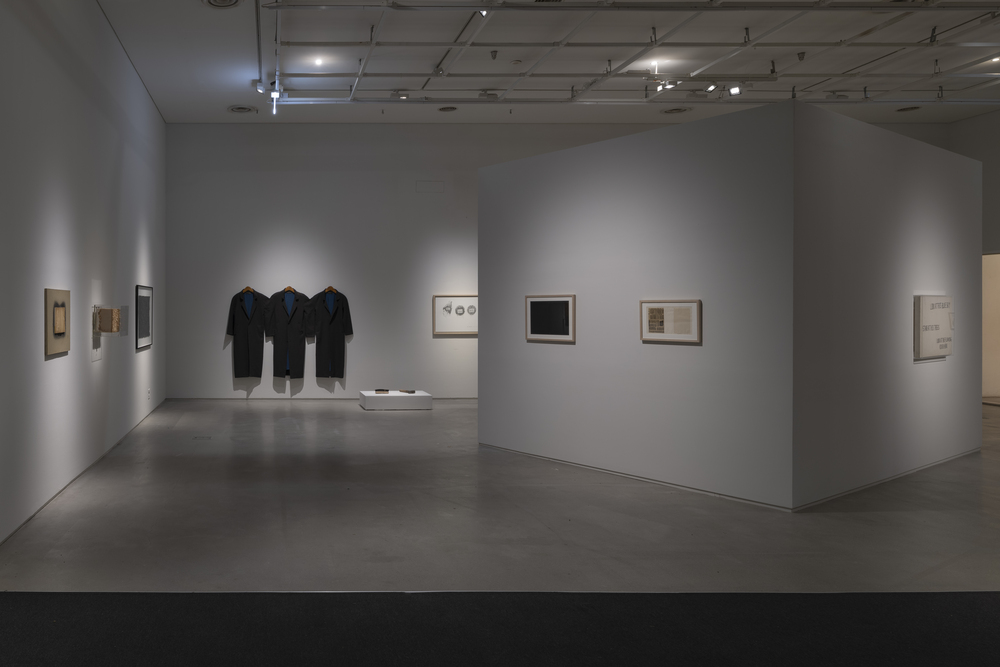
Installation view of 《This is (Not) Conceptual Art》 ⓒ MMCA
《This is (Not) Conceptual Art》 is an
exhibition that explores the conceptual turn in Korean contemporary art, in
which the focus of art shifted away from visually perceived objects toward
language and thought.
In Korea, conceptual art emerged within the context of
experimental art in the late 1960s, while the 1970s and 1980s saw the
development of intellectual practices that explored the essence and existence
of art through linguistic and logical experiments.
Around the 1990s, conceptual art or conceptualism was invoked as
a methodology and attitude for rethinking reality through the simultaneous
engagement of language, concepts, materiality, and form.
This transformation coincided with the changing understanding of
conceptual art, as its focus shifted beyond North America and western Europe
toward a more “global conceptualism” operating within the social, political,
and economic contexts of regions such as Latin America, Eastern Europe, and
Asia.
In this respect, the exhibition offers an opportunity to explore
the contemporaneity of Korean conceptual art within a broader process of
international diversification.
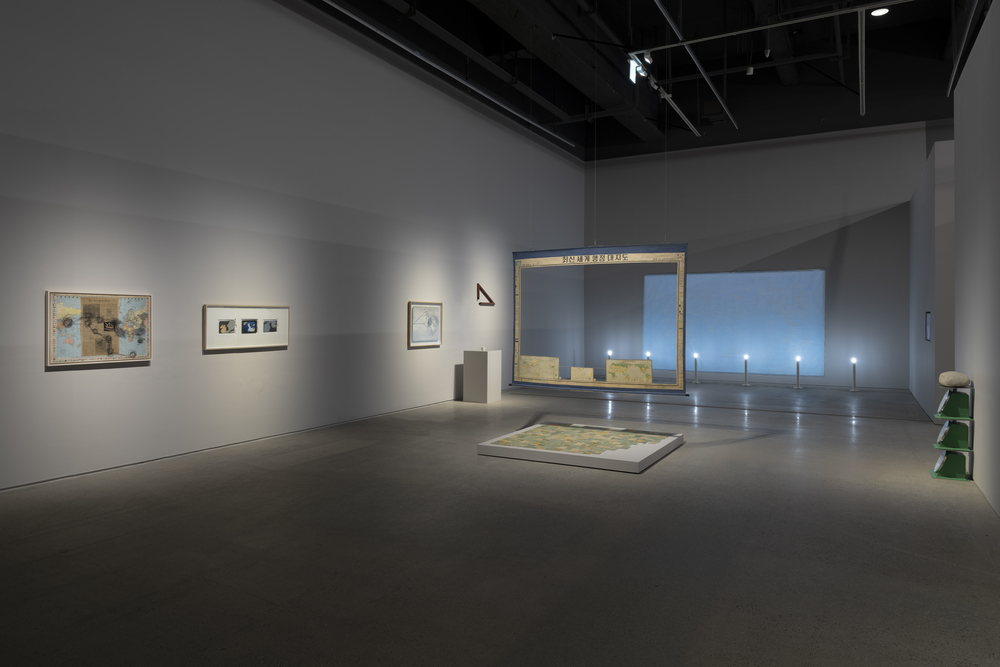
Installation view of 《This is (Not) Conceptual Art》 ⓒ MMCA
Indeed, a number of related terms surfaced within the currents
of Korean contemporary art, including gaenyeom misul (conceptual art),
gaenyeomjeok misul (conceptually oriented art), and gaenyeomjuui
(conceptualism).
As the title “This is (Not) Conceptual Art” suggests, the
exhibition explores the possibility of interpreting conceptual art not as a
single reductive category, but as a broader field encompassing multiple forms
manifested across different works.
In this context, the four sections of the exhibition—“Language,
Logic, Performance,” “Objects and Language,” “Mapping and Measuring,” and
“Manipulators of Signs”—interpret works of conceptual art not simply as a
history of dematerialization, but as complex attempts to consider human beings
and the world anew in relation to Korea’s historical contexts.
Part of the significance of reexamining Korean conceptual art
from today’s vantage point lies in its potential to help the viewers to
perceive and contemplate the world differently while examining the essence of
art within an era of overabundant capital, markets, and visuality.
Participating Artists: Ahn Kyuchul, Bahc
Yiso, Choi Byungso, Chung Seoyoung, Cody Choi, Gimhongsok, Hong Myung-Seop,
Inhwan Oh, Jo Kyoungsook, Joo Jaehwan, Kim Beom, Kim Kulim, Kim Sora, Kim
Soungui, Kim Tchah-Sup, Kim Yong-ik, Kim Yongchul, Kim Yongmin, Kong Sunghun,
Kwak Duckjun, Kyojun Lee, Lee Kun-Yong, Lee Seung-taek, Park Hyunki, Sung Neung
Kyung, U Sunok, Yoon Dongchun, Yoon Jin Sup