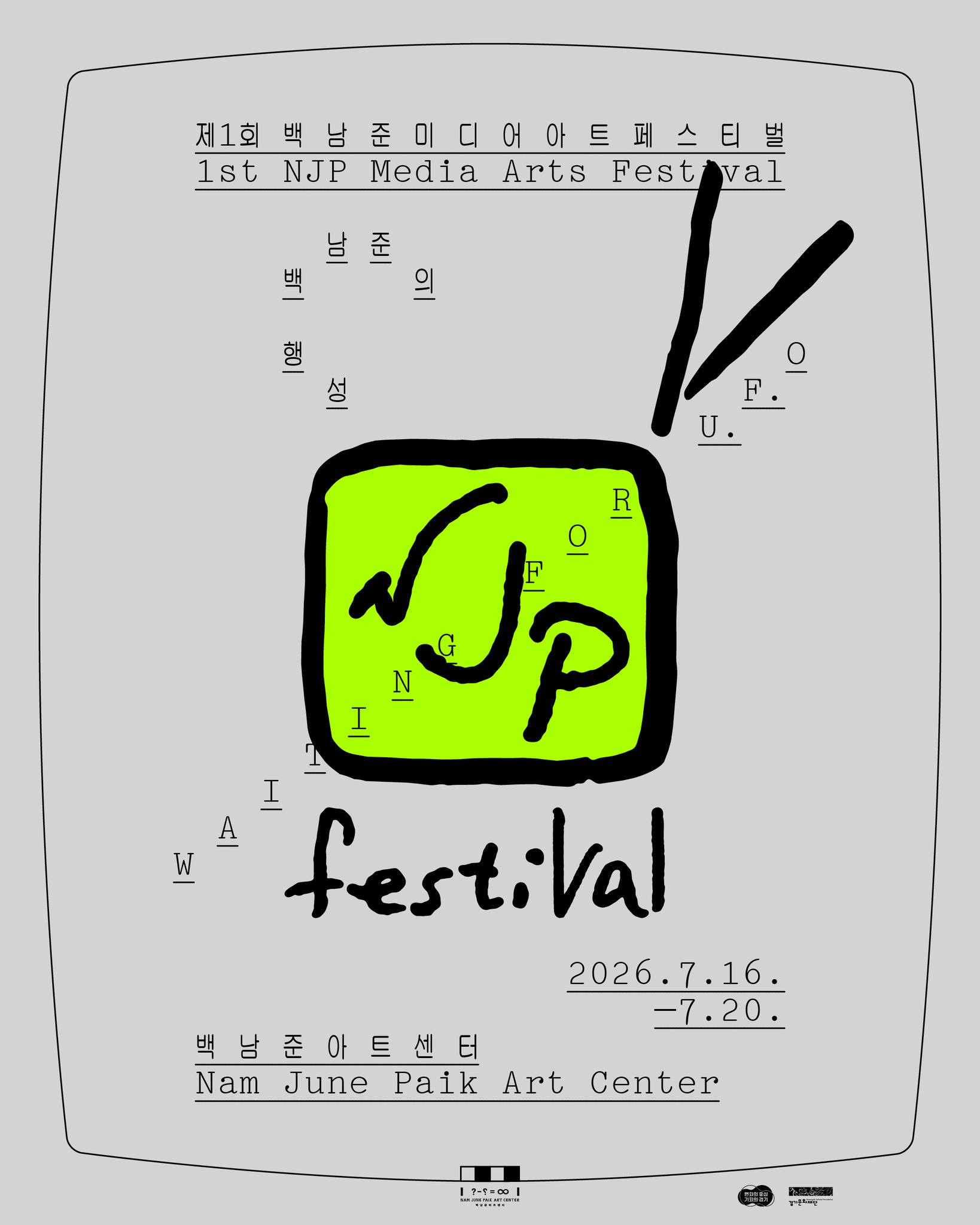

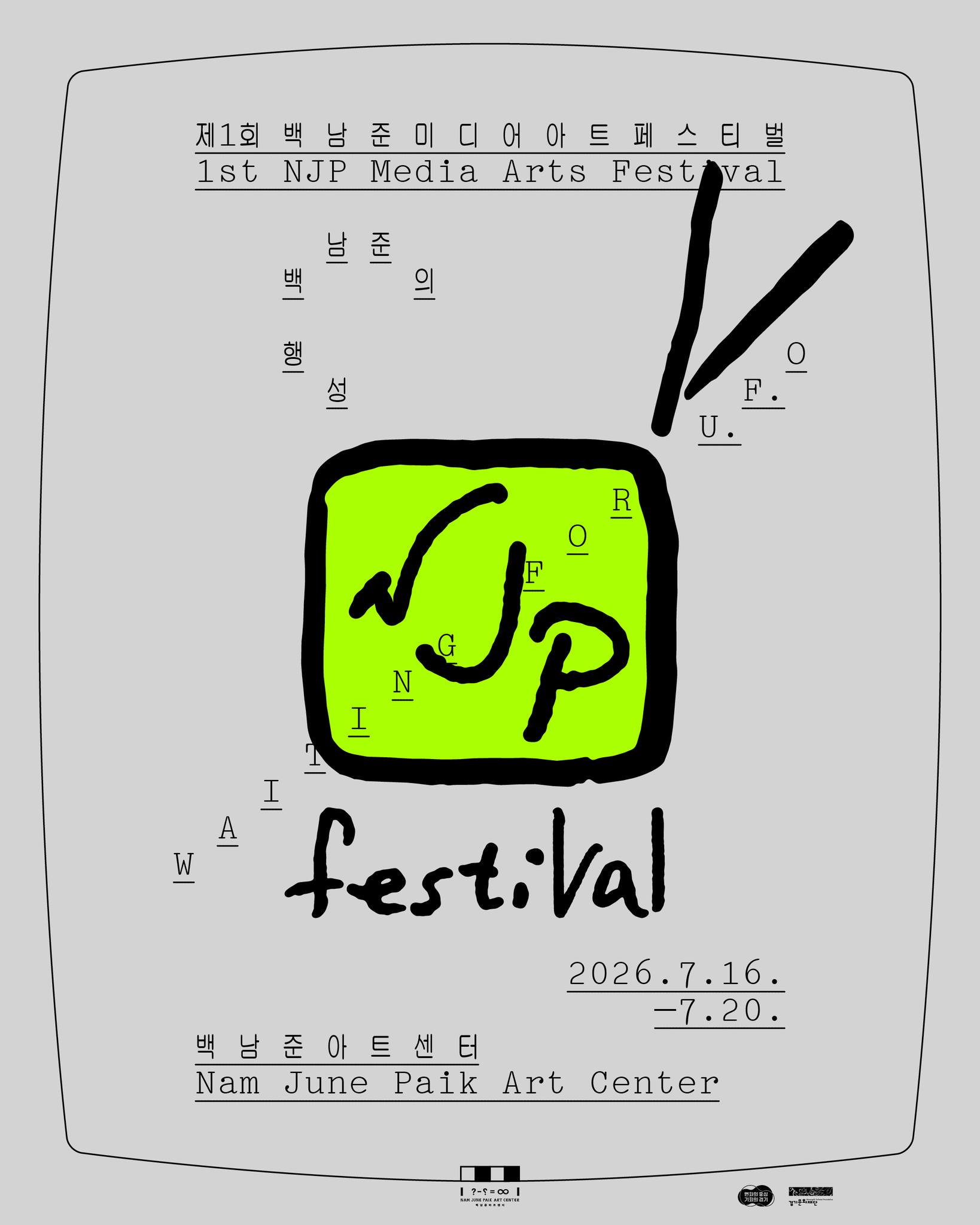
Main poster of the 1st Nam June Paik Media Arts Festival, 《Waiting for U.F.O.》 © Nam June Paik Art Center
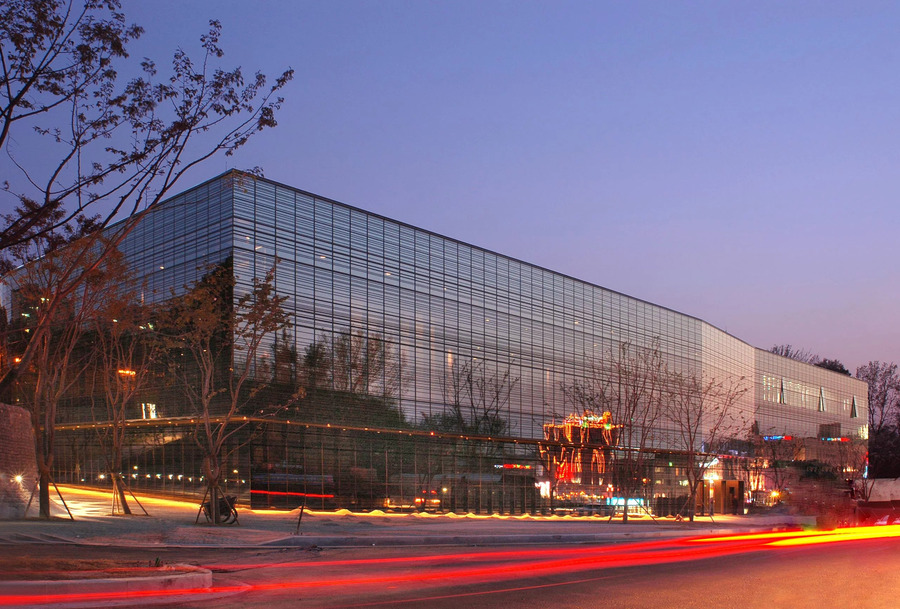
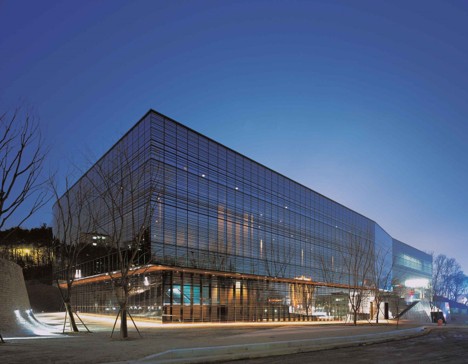
The Nam June Paik Art Center will open the
Nam June Paik Media Art Festival on July 16, a festival that activates Nam June
Paik's artistic vision in the present tense.
The Nam June Paik Media Art Festival,
conceived in the spirit of Nam June Paik as a festival, feast, and gut (Korean
shamanic ritual), connects art and technology, humanity and nature, the local
and the global, while exploring the possibilities of future culture.
Launched in 2026 to mark the 20th
anniversary of Nam June Paik’s passing, it is the first global media art
festival to be held in his name. Centered at the Nam June Paik Art Center and
presented annually, the festival serves as an open platform where Paik’s
artistic legacy encounters contemporary art, generating new questions and new
forms of practice.
The inaugural Nam June Paik Media Art
Festival, titled 《Waiting for U.F.O.》, brings into the present the interconnected world that Paik
envisioned through stars, planets, satellites, and media networks.
Beginning with the simultaneous opening of
the exhibitions 《Stars, Trigrams》 and 《Moons: The Bright Rainbow Dots》, the opening week continues through July 20 with a diverse program
of performances and events spanning sound, movement, theatre, and ritual.
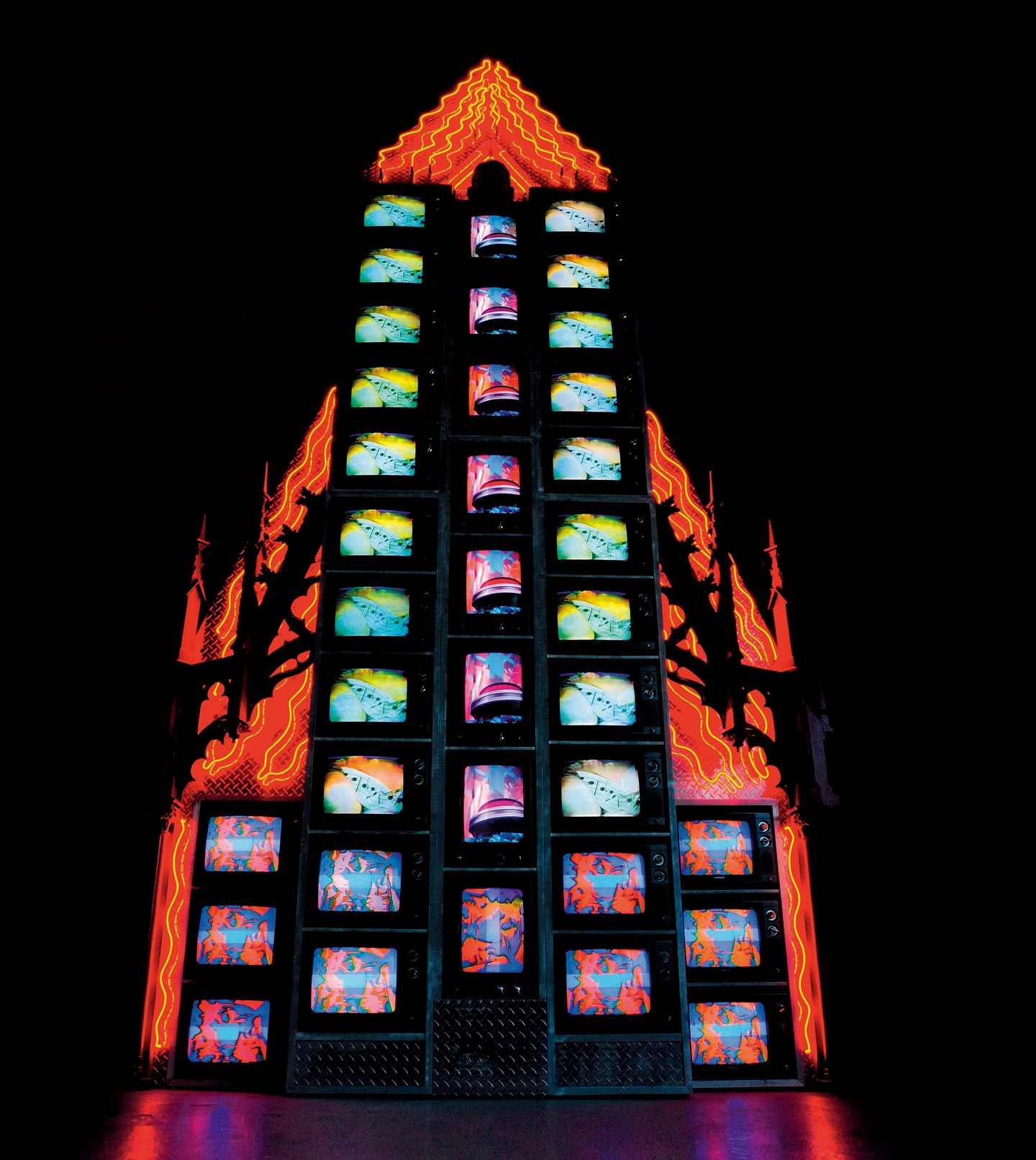
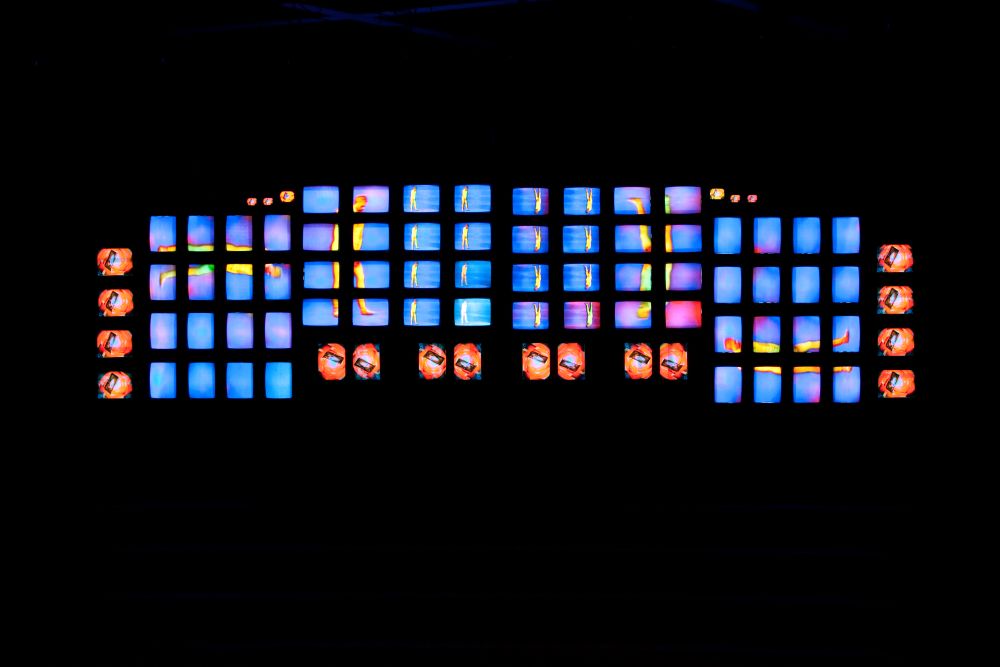
Nam June Paik, Rocketship to Virtual Venus, 1991, Video installation, Collection of Taikang Insurance Group © Nam June Paik Art Center
Exhibition
First, 《Stars,
Trigrams》, presented in Gallery 1 of the Nam June Paik
Art Center, explores Nam June Paik’s conception of the world. For Nam June
Paik, the world was an open circuit in which different beings and signals
continually form relationships and transform one another.
In 《Stars, Trigrams》, “stars” represent his cosmic vision extending beyond humanity and
Earth, while “trigrams” evoke an Eastern way of understanding the world through
shifting relationships and change. Where these two perspectives meet, the
exhibition unfolds Paik’s artistic universe of new connections between humans
and technology, nature and the cosmos.
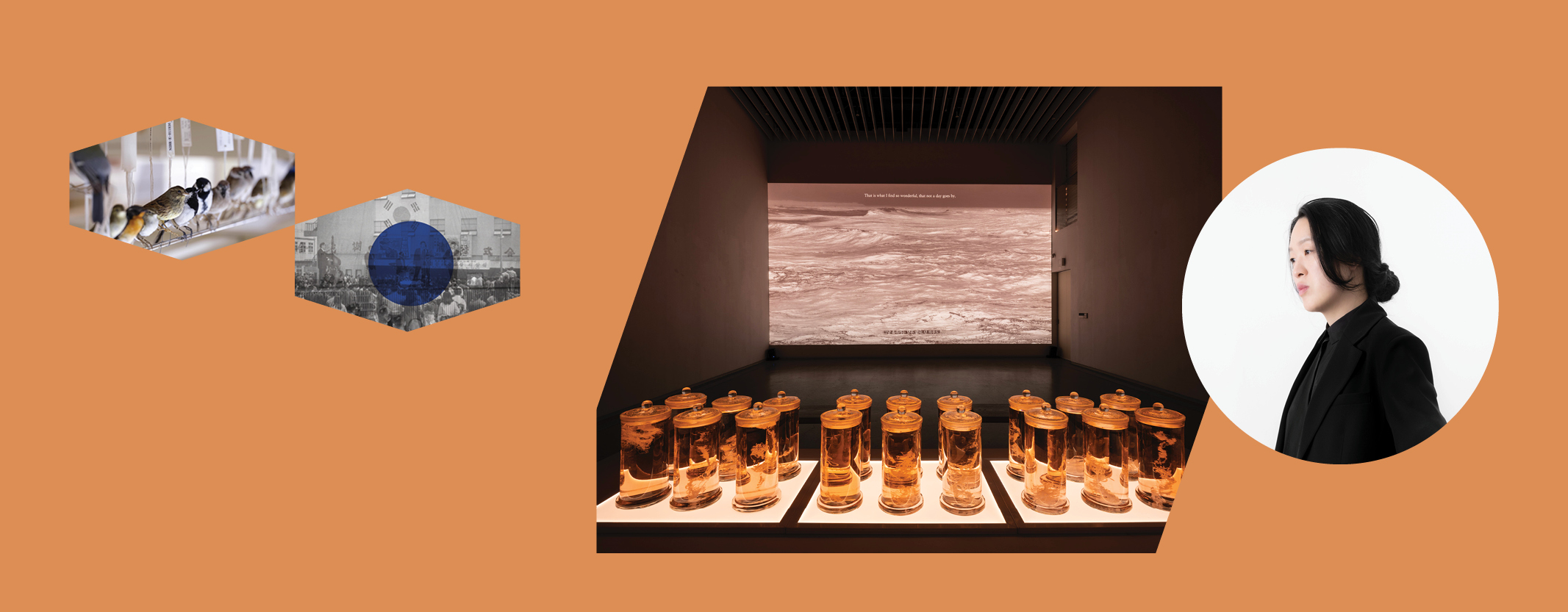
Second, 《Moons: The
Bright Rainbow Dots》, presented in Gallery 2 of the
center, connects the many perspectives that emerge when we contemplate the moon
as a “plural being,” from both inside and outside Earth, with Nam June Paik’s
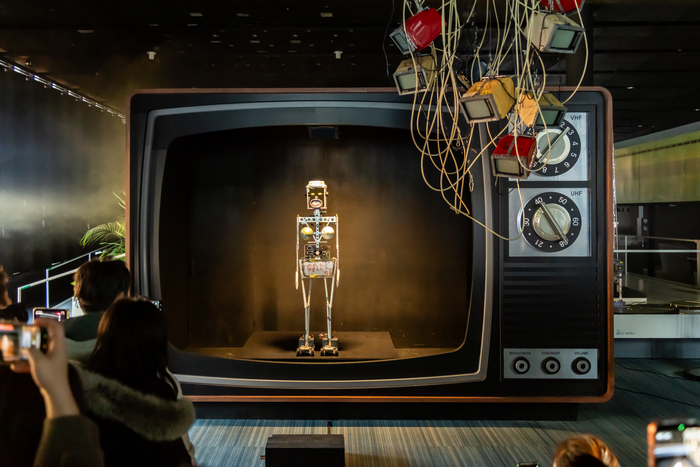
“planetary thinking,” and reopens The Moon is the Oldest TV
(1965/2000), Neptune (1991), and Turtle
(1993) to fresh interpretation.
Through the works of contemporary artists
who resonate with Paik’s thought, it then proposes a new vision of the cosmos
as Paik saw it.
The exhibition space, which begins from the
vantage point of Neptune rather than Earth, moves beyond a geocentric view; it
becomes a device that honors the artistic worlds of ten artists, Paik among
them, and draws them into connection.
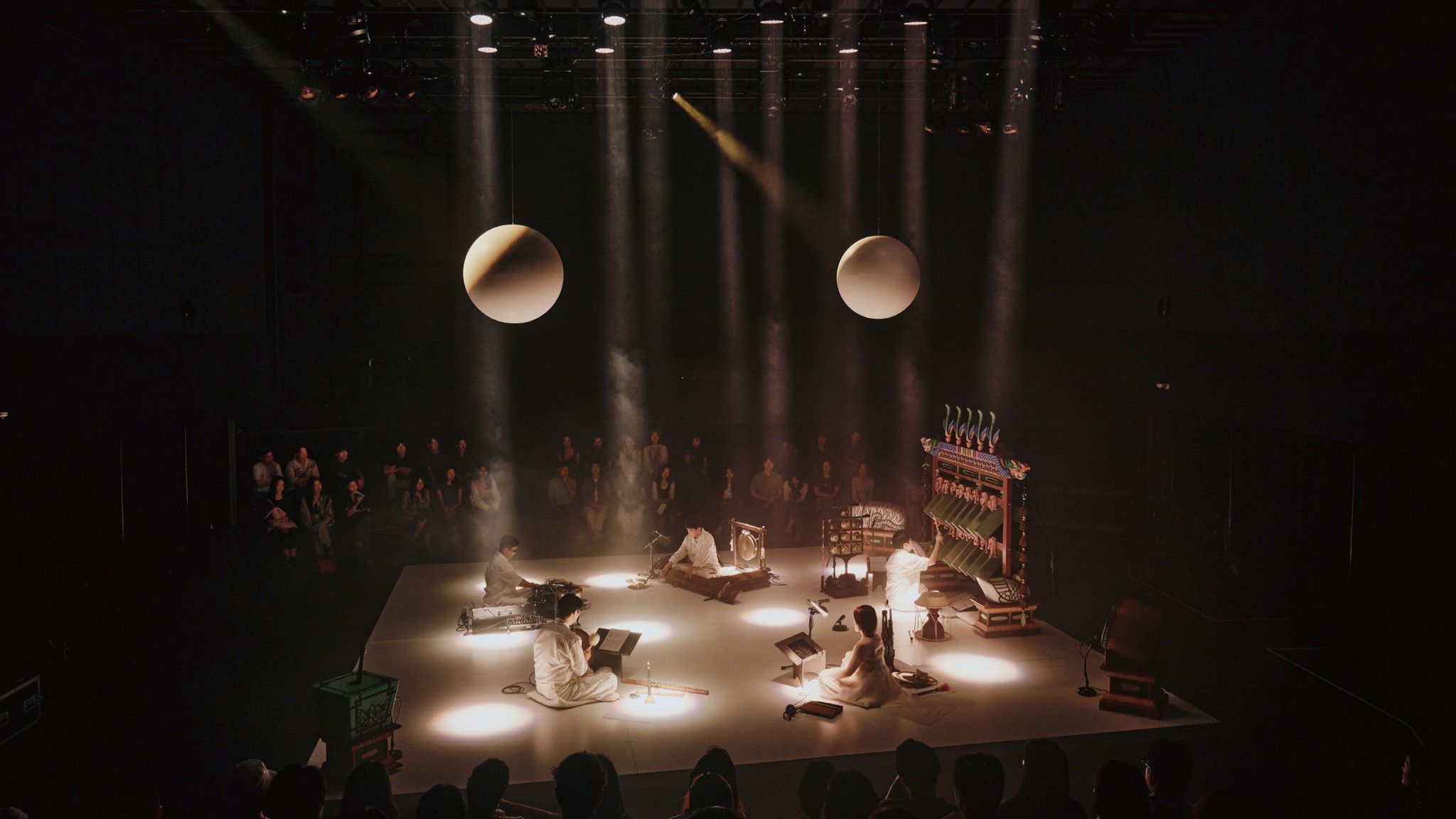
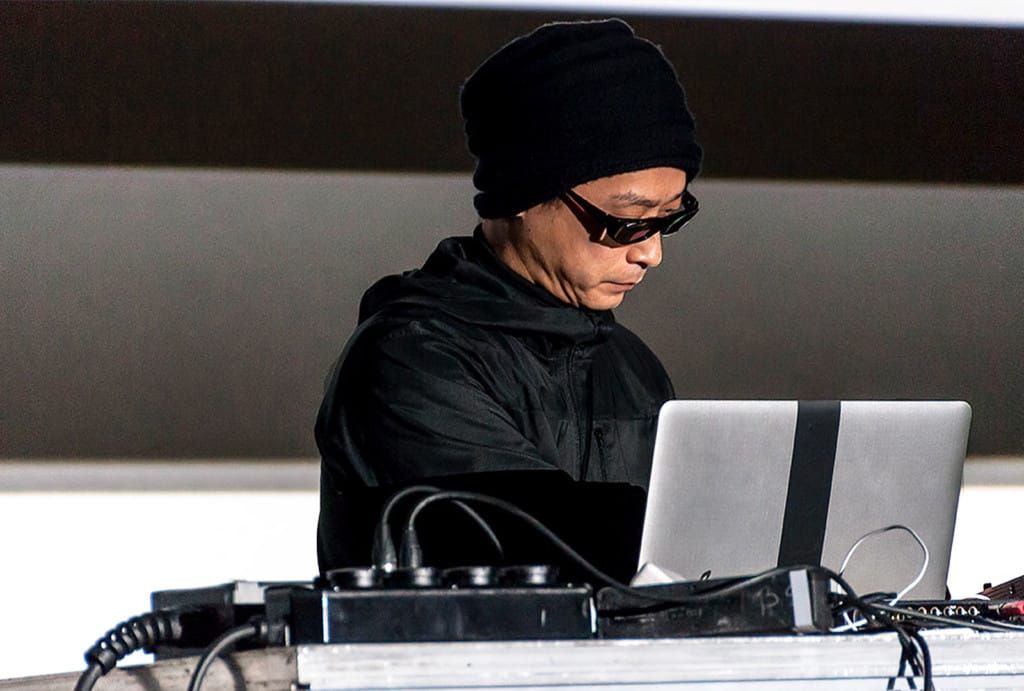
Performance by Limyongju Future Sound Lab, Gweng: Cosmic Human Symphony, to be held at 2:00 p.m. on July 16 in the lobby of the Nam June Paik Art Center. © Nam June Paik Art Center
Performance
The Nam June Paik Art Center will present a
diverse program of performances as part of the inaugural Nam June Paik Media
Art Festival.
Bringing together music, dance, live
coding, laser performance, theatre, and ritual, the program explores the
intersections of body and technology, sound and light, ritual and media.
The performance program will take place
from the festival’s opening day, the 16th, through the 20th. Detailed
schedules, venues, and registration information are available on the Nam June
Paik Art Center website.
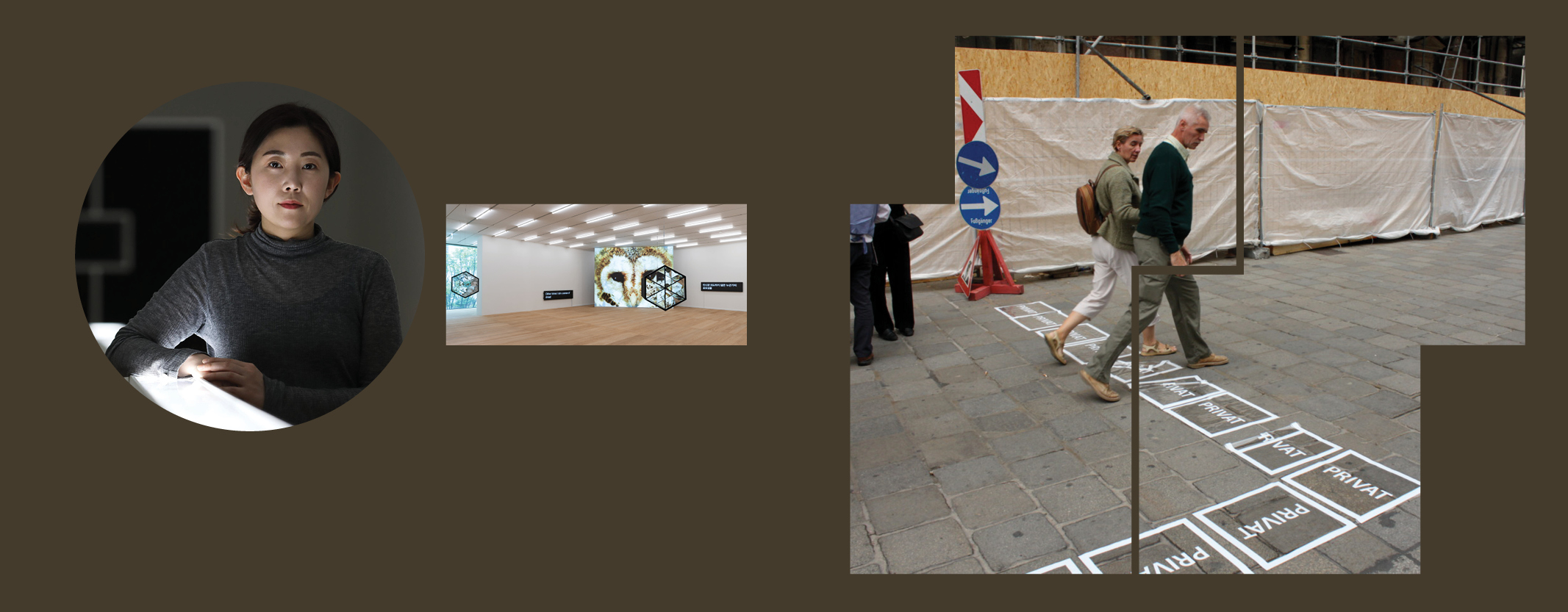
Participating Artists: Limyongju Future
Sound Lab, Chae-Eul aka In-Jung Jun, Dahee Park, Glanz, ummeeeonn, Bang Ji Won
& Gut Ensemble
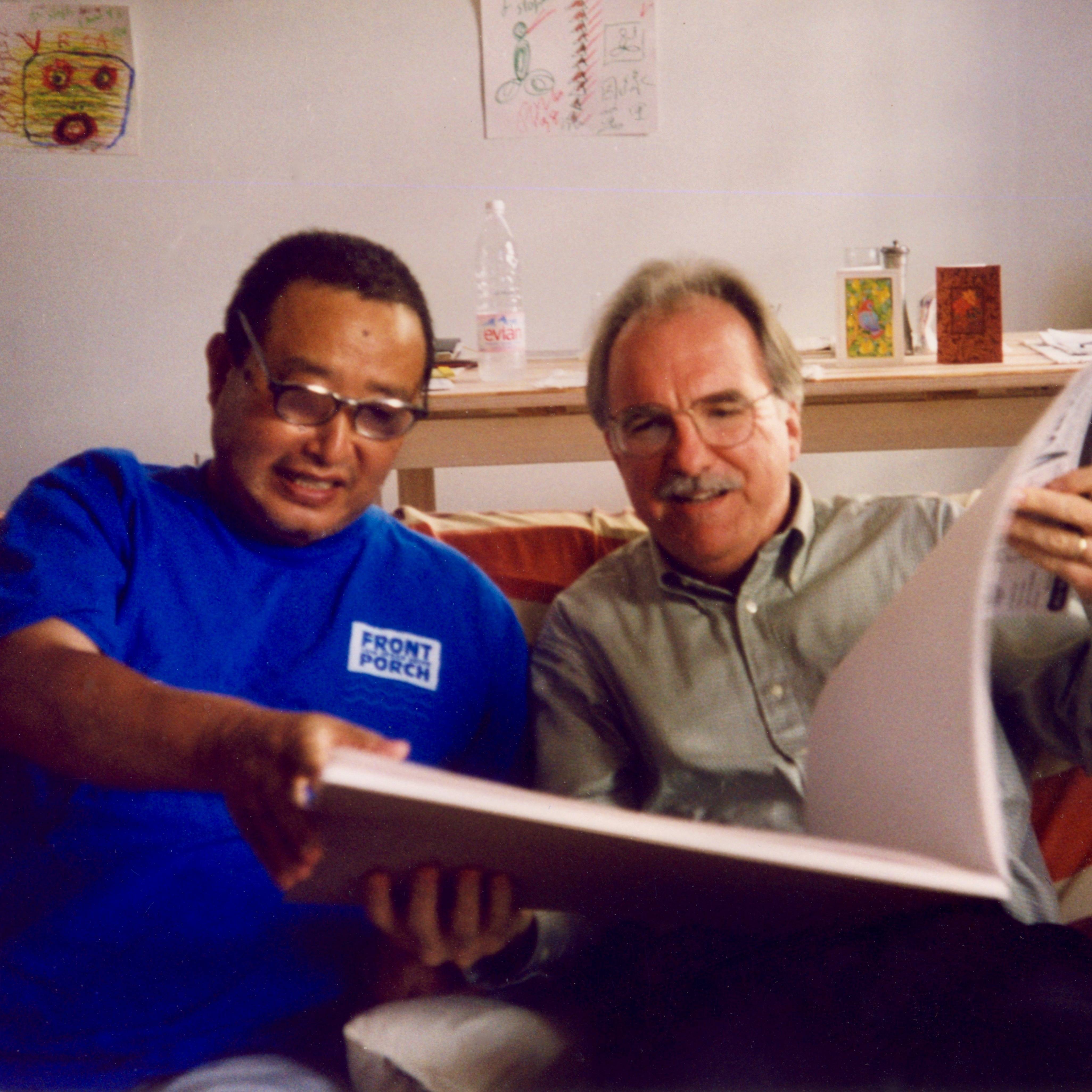
Nam June Paik with John G. Hanhardt © Nam June Paik Art Center
Special Lecture
Special lecture programs have also been
organized, offering new perspectives on Nam June Paik’s artistic legacy.
The first lecture, “Curating Nam June Paik:
John G. Hanhardt & Sook-Kyung Lee in Conversation,” will be held on the
17th at 1:00 p.m. in the Random Access Hall at the Nam June Paik Art Center.
Presented by the distinguished art
historian and curator John G. Hanhardt, who closely witnessed Paik’s artistic
career in the United States, the lecture explores the artist’s practice and the
cultural landscape of his time.
Hanhardt has played a significant role in
introducing Paik’s artistic vision to international audiences through the
organization of major exhibitions in the United States, including the landmark
retrospective 《Nam June Paik》
at the Whitney Museum of American Art and 《The Worlds
of Nam June Paik》 at the Guggenheim Museum during the
artist’s lifetime, as well as the posthumous exhibition 《Nam June Paik: Global Visionary》 at the
Smithsonian American Art Museum.
The talk will be moderated by Sook-Kyung
Lee, Director of the Whitworth and curator of 《The
Future Is Now》, the first international touring
exhibition devoted to Nam June Paik.
Together with Lee, who organized the
exhibition as it traveled from Tate Modern to major museums around the world,
the discussion will examine the contemporary significance and future legacy of
Paik’s art.
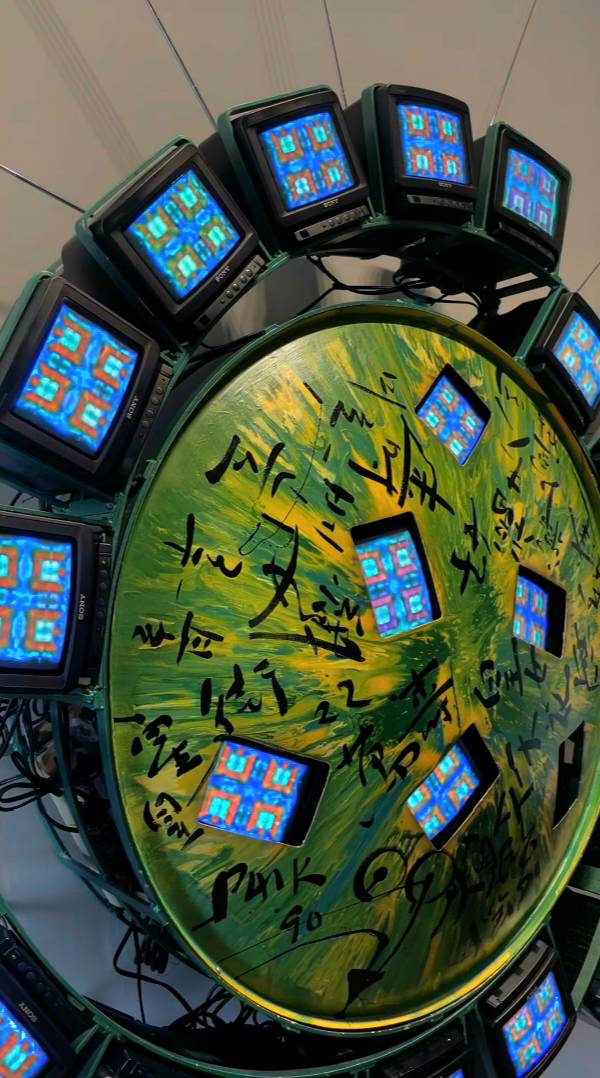
Nam June Paik, Venus, 1990 © Nam June Paik Art Center
This will be followed, in the same venue,
by “As Long as It Springs Forth, It Is Always Spring: Reading the East Asian Philosophical
Thought in Nam June Paik’s Works,” presented by Hyang-joon Lee, Research
Professor at the Center for Philosophy Research and Education, Chonnam National
University.
In Nam June Paik’s works, stars, planets,
satellites, and televisions are far more than recurring motifs. They function
as devices that connect distant entities, reconfigure the order of time and
space, and attune us to a world in constant transformation.
This lecture examines these characteristics
through the lens of East Asian philosophy, particularly the I Ching's
hexagrams, the principles of yin and yang, and concepts of change and cyclical
transformation.
Rather than interpreting Paik’s works as
direct expressions of specific philosophical doctrines, the lecture explores
the ways in which language and images, objects and signals, and human actions
enter into relationships that generate meaning. In doing so, it highlights the
structural resonances between Paik’s artistic practice and Eastern modes of
thought.
Through this perspective, Paik’s work can
be understood not simply as technological experimentation or media-based
form-making, but as a distinctive mode of thinking that reads a changing world
and forges connections among disparate forms of existence.
In addition, the festival will feature a
range of programs, including presentations on the restoration of major works
from the Nam June Paik Art Center collection, as well as technical
demonstrations that recreate the operating principles of Nam June Paik’s early
experimental television works, reconstructed in the 1990s. A variety of public
participation programs will also be offered.
Further information about the festival,
including program details and participation guidelines, is available on the Nam
June Paik Art Center’s website and social media channels.