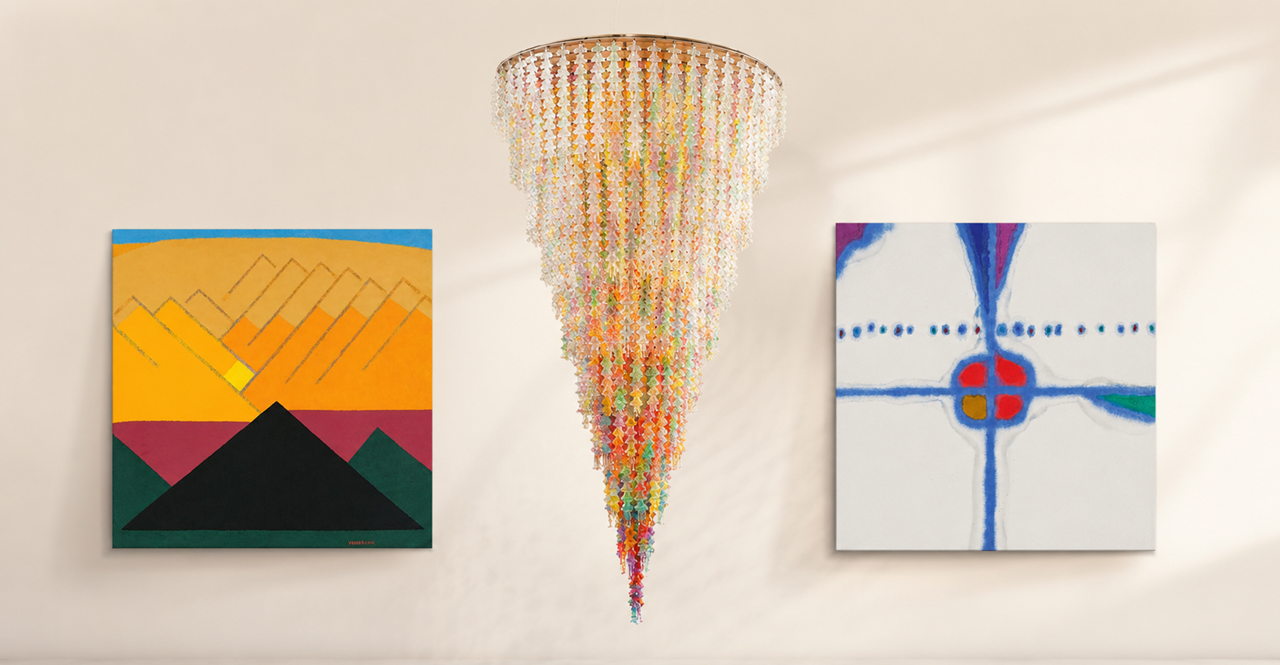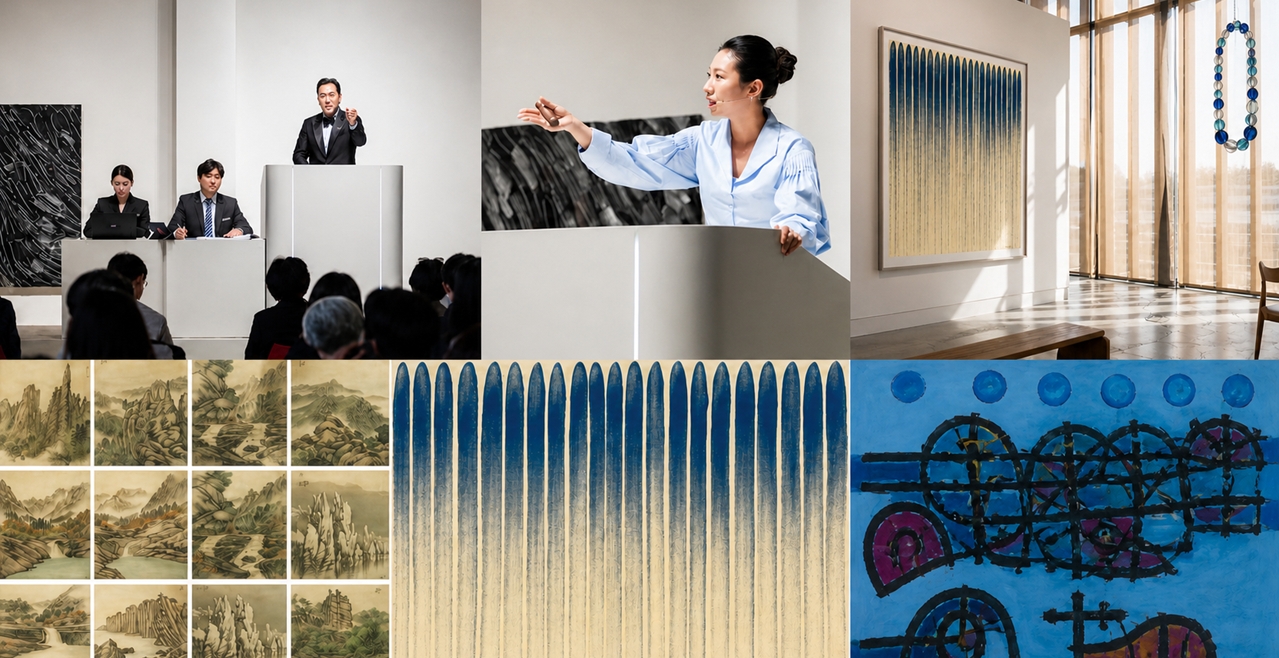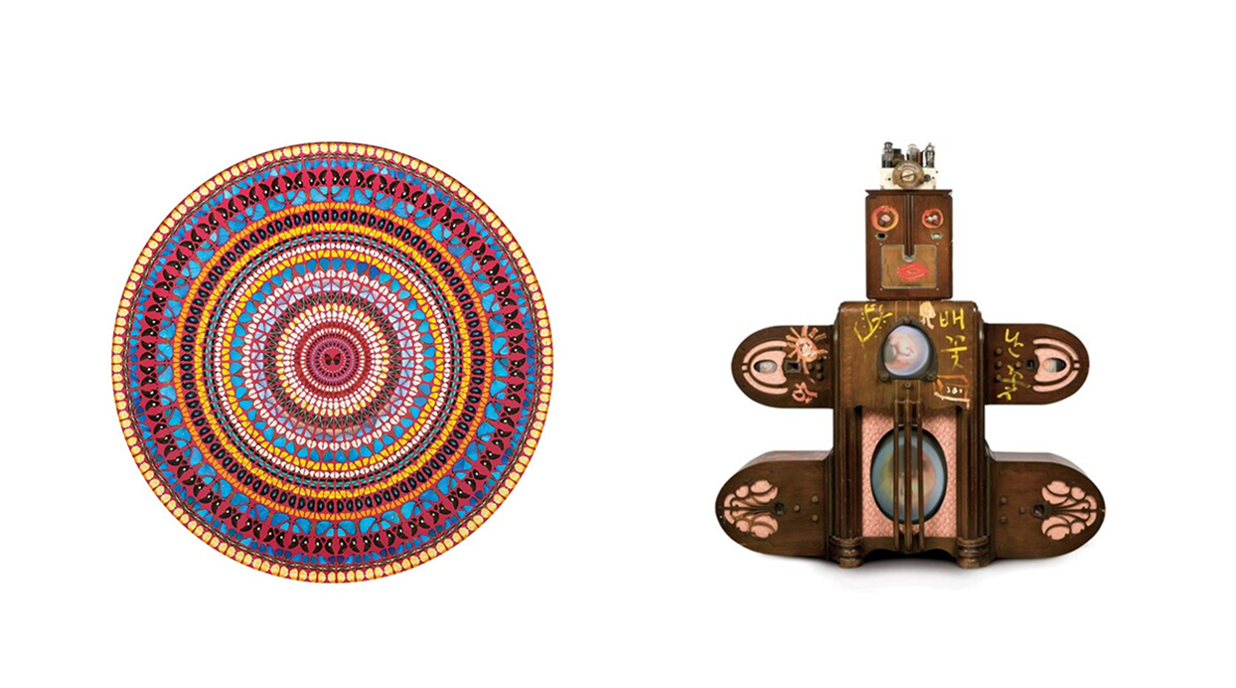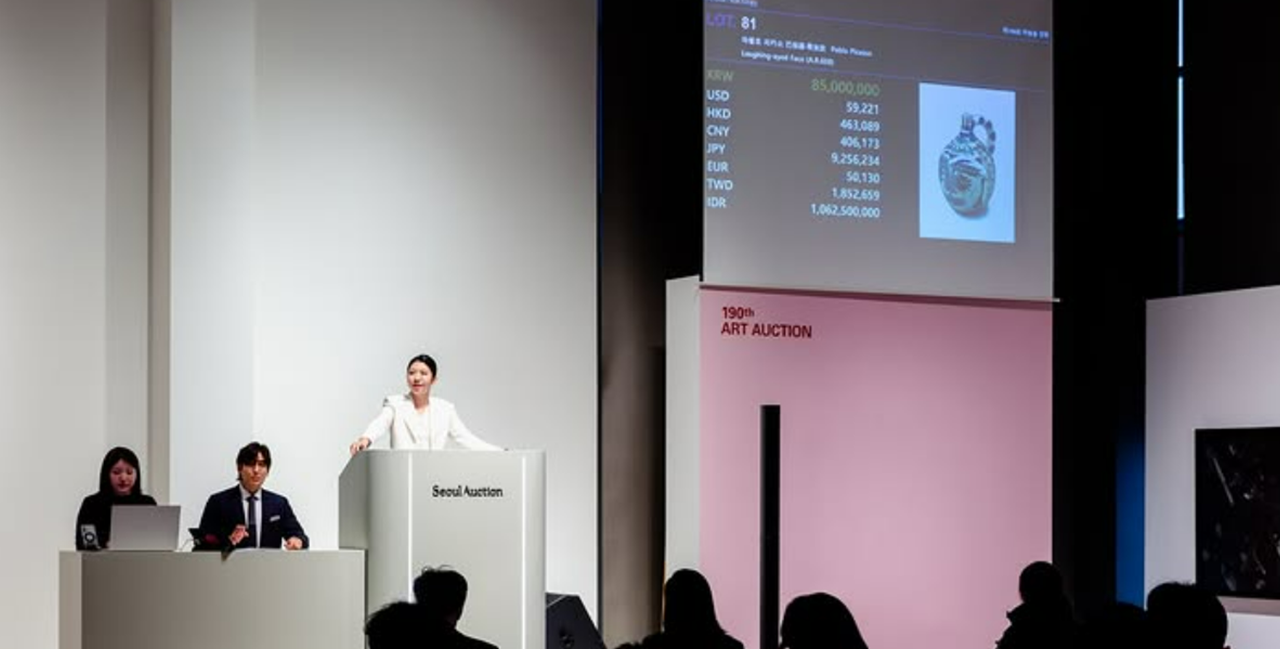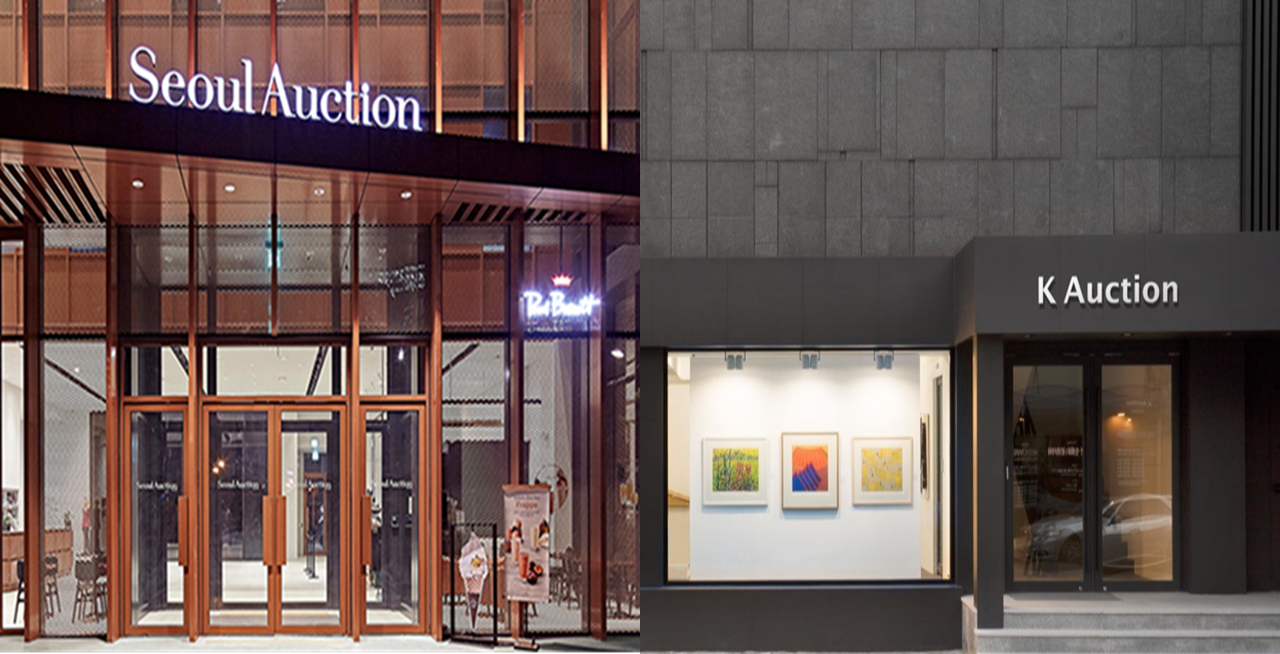

In the final week of May 2026, major sales
by Korea’s two leading auction houses, K Auction and Seoul Auction, will take
place one day apart. K Auction will hold its May sale at its headquarters in
Sinsa-dong, Gangnam-gu, Seoul, at 4 p.m. on May 27, while Seoul Auction will
hold its 192nd Art Auction at the Seoul Auction Gangnam Center at 4 p.m. on May
28.
K Auction will present a total of 83 works,
with an estimated value of approximately KRW 10.4 billion (about USD 6.84
million). Seoul Auction will offer a total of 145 works, with a combined low
estimate of approximately KRW 10.3 billion (about USD 6.77 million).
The central point of these May auctions
lies less in large-scale expansion than in a selective structure built around
proven artists and rare works.
K Auction’s May Sale Centers on
Park Soo-keun and Do Ho Suh
K Auction’s May sale presents a structure
that brings together stable demand for Korean modern art and the broader
possibilities of global contemporary art.
The sale includes works by major Korean
modern and contemporary artists such as Park Soo-keun, Kim Whanki, Yoo
Youngkuk, Lee Jung-seob, Lee Ungno, Nam June Paik, Yun Hyong-keun, Park Seo-bo,
and Lee Ufan. Works by contemporary and international artists, including Do Ho
Suh, Angel Otero, Ayako Rokkaku, and Anna Park, will also be offered.
The most notable work is Park Soo-keun’s On
the Way Home, painted in 1964. The work is returning to the
market after about 12 years, following its appearance in the 2014 exhibition
commemorating the centennial of Park Soo-keun’s birth. Bidding will begin at
KRW 850 million (about USD 559,000).
Showing the formal characteristics of Park’s
late period, the work reflects the rarity and stable demand that continue to
define the Korean modern art market, particularly through the artist’s
distinctive granite-like surface texture and restrained figural composition.
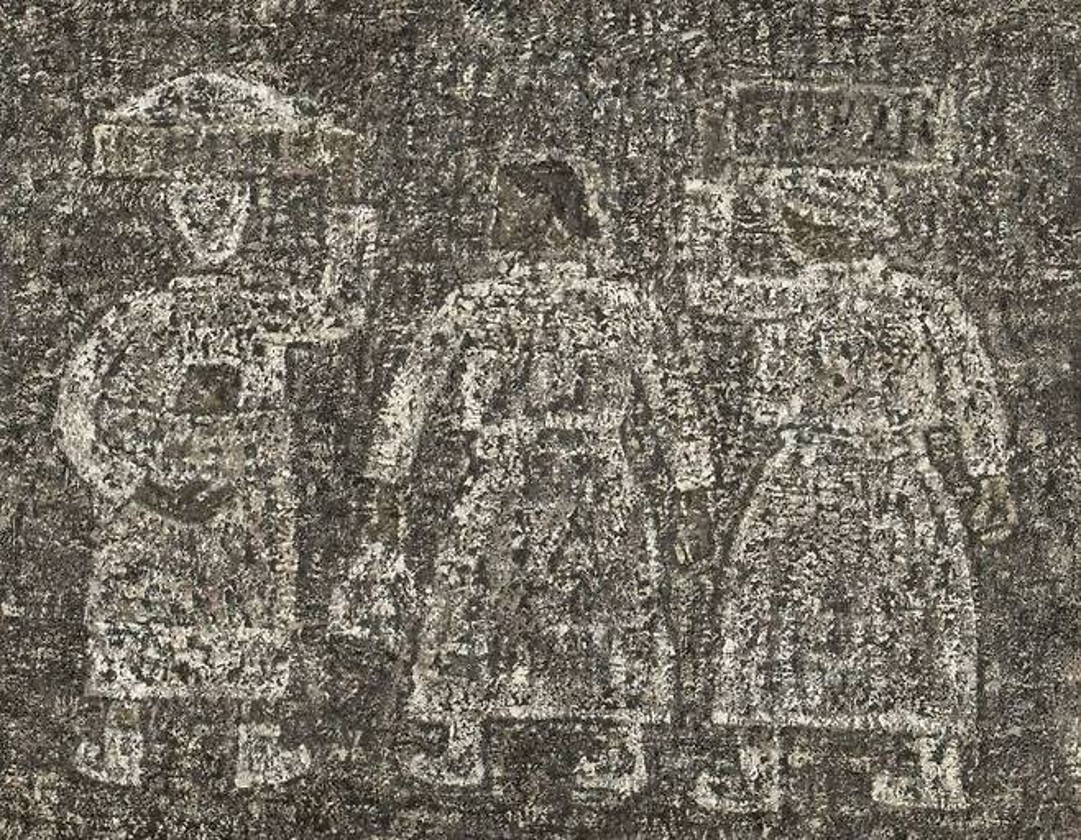
Park Soo-keun, On the Way Home. Low estimate: KRW 850 million (about USD 559,000). / Photo: K Auction
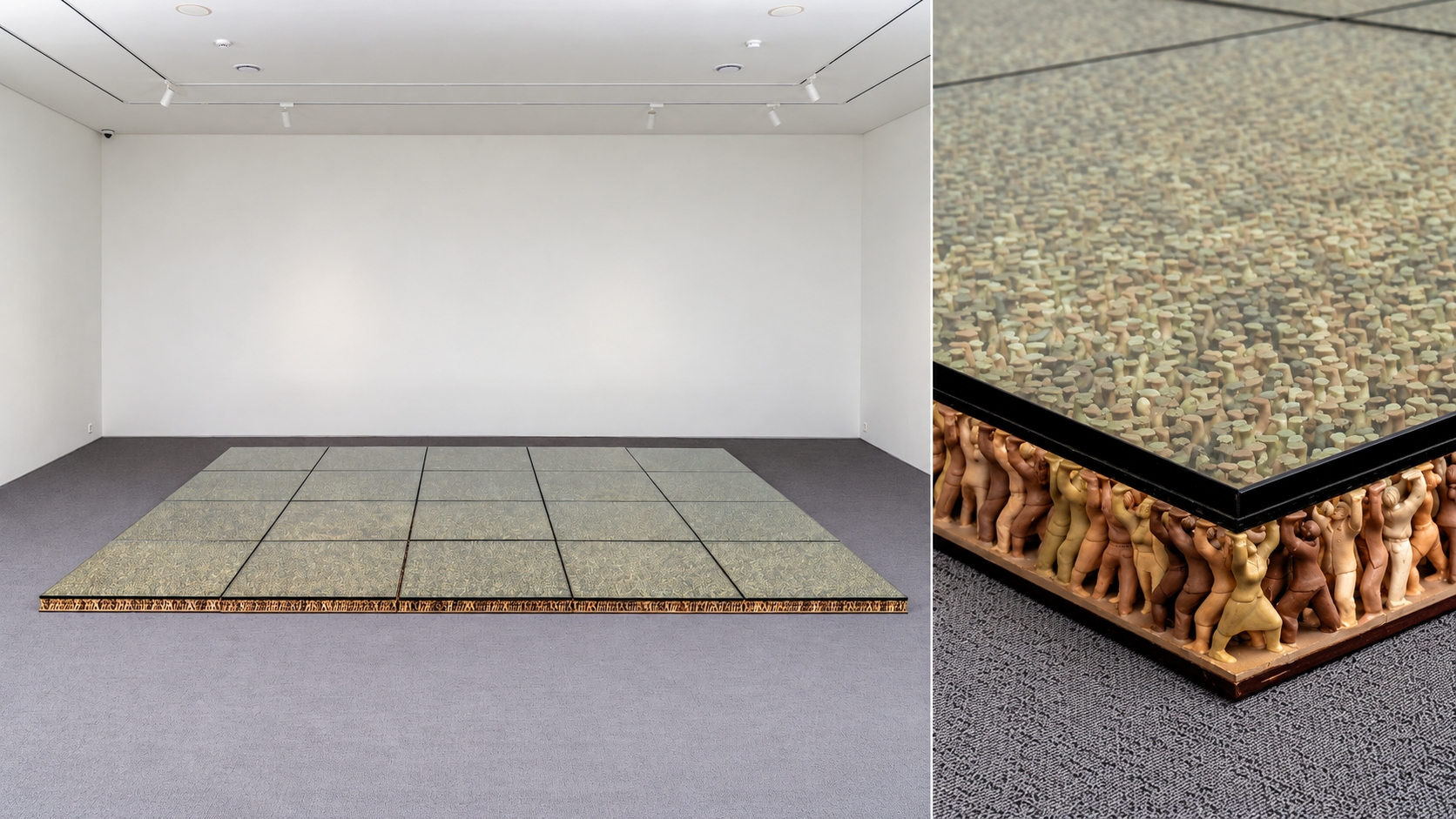
Do Ho Suh’s large-scale installation Cause
& Effect is also among the major works in the sale. Measuring
164 cm in diameter and 300 cm in height, the installation has been presented as
a key work in the contemporary art section of K Auction’s May sale.
Do Ho Suh has established a strong position
in the international art world, and this offering may serve as a reference
point for assessing how much bidding interest a large-scale installation can
generate in the Korean auction market.
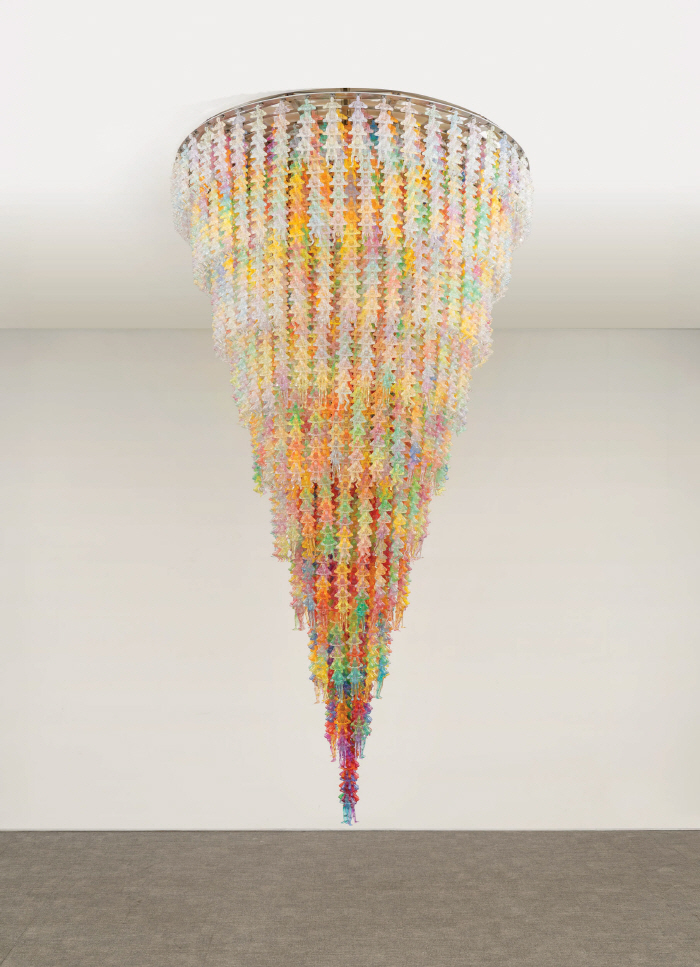
Do Ho Suh, Cause & Effect. High estimate: KRW 600 million (about USD 395,000). / Photo: K Auction
Yoo Youngkuk’s 1988 work Mountain
will also be offered, with an estimate of KRW 400 million to KRW 800 million
(about USD 263,000 to USD 526,000). Kim Whanki’s 1969 work Untitled
will be offered with an estimate of KRW 780 million to KRW 1.5 billion (about
USD 513,000 to USD 986,000). Both works belong to the core category of the
Korean abstract art market, and factors such as the artist’s production period,
the work’s series, and the realism of the estimate are expected to play an
important role in determining bidding interest.
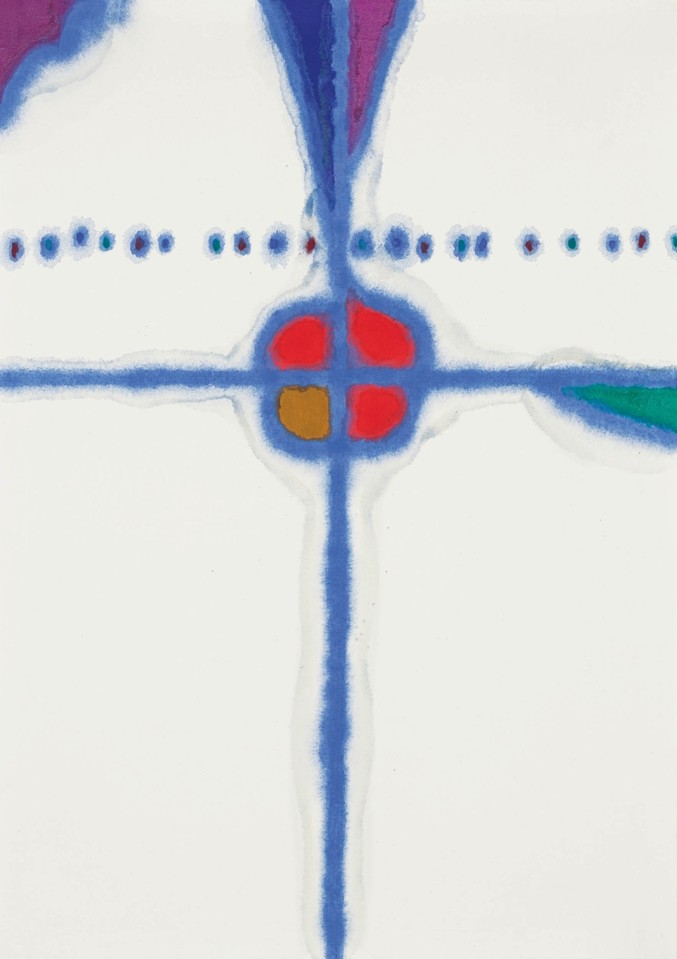
Kim Whanki, Untitled. Estimate: KRW 780 million–1.5 billion (about USD 513,000–986,000). / Photo: K Auction
K Auction’s composition is less a simple
lineup of well-known names than a strategy aimed at securing stability through
artists and price ranges with relatively strong transaction potential in the
current market.
Works by Korean modern masters support
market confidence, while internationally recognized artists such as Do Ho Suh
and Nam June Paik address demand for contemporary art and global collecting.
This suggests that the domestic auction market is currently operating less as a
broad upward cycle than as a structure in which limited liquidity is
concentrated around proven artists and works.
Seoul Auction Foregrounds
Antique Art and Modern Korean Abstraction
Seoul Auction’s 192nd Art Auction is
structured around both modern and contemporary art and antique art.
The most symbolic work in Seoul Auction’s
May sale is the hand-colored manuscript copy of Daedongyeojido,
designated as a National Registered Cultural Heritage. The work will be offered
with a low estimate of KRW 2 billion (about USD 1.32 million).
Based on the Sinyu edition published by Kim
Jeong-ho in 1861, the hand-colored manuscript copy consists of 22 folded
sections. When fully opened, it measures approximately 390 cm in width and 685
cm in height. Its academic value and rarity are particularly highlighted by the
inclusion of “Usan” (于山), referring to present-day
Dokdo, a notation that is difficult to find in woodblock editions.
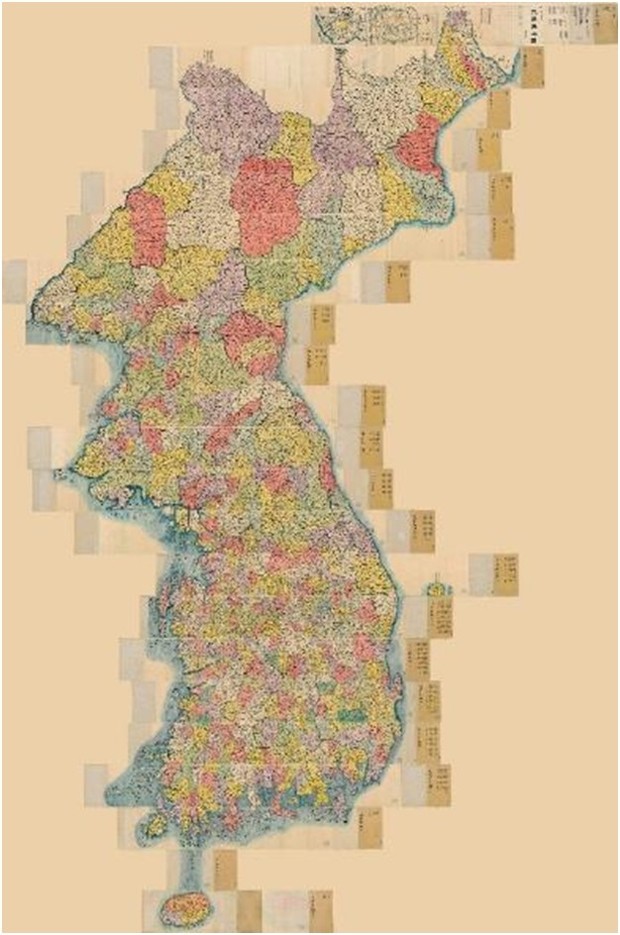
Hand-colored manuscript copy of Daedongyeojido. Low estimate: KRW 2 billion (about USD 1.32 million). / Photo: Seoul Auction
In the modern and contemporary art section,
Kim Whanki’s 1971 work 7-Ⅲ-71 is a notable offering.
The work is an oil-on-paper piece from the all-over dot painting style that the
artist pursued during his New York period, with an estimate of KRW 500 million
to KRW 1 billion (about USD 329,000 to USD 658,000). Kim Whanki’s New
York-period works form one of the most stable areas of demand in the Korean
abstract art market.
Although this work differs from his
large-scale canvas all-over dot paintings in medium and scale, it is likely to
draw market attention because it belongs to the period in which the artist’s
core formal language was established.
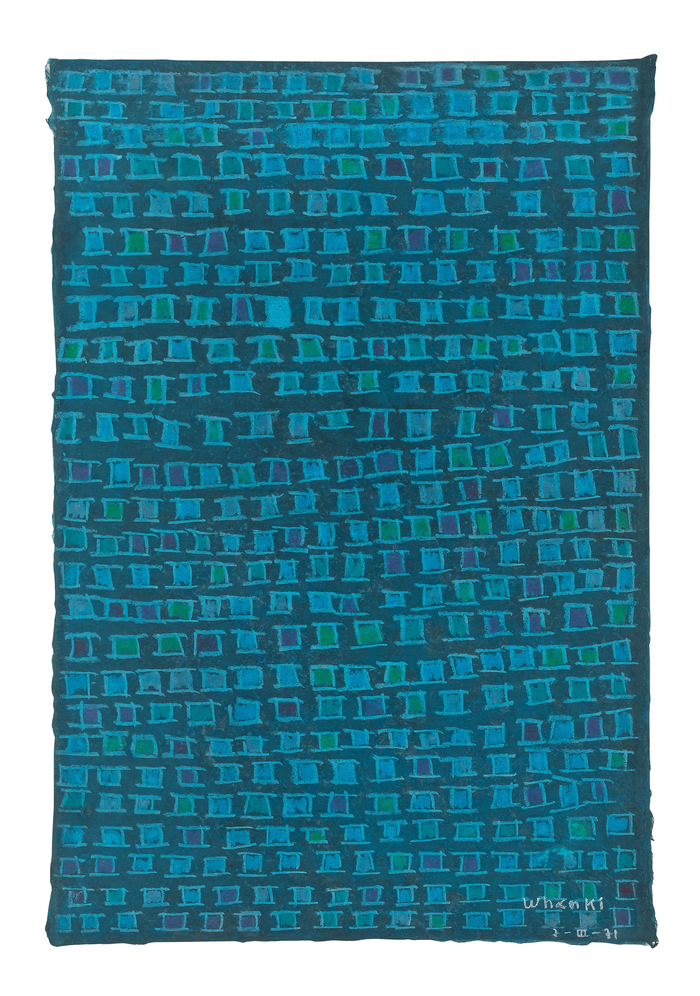
Kim Whanki, 7-Ⅲ-71, 1971. Oil on paper, 93 × 63 cm. Estimate: KRW 500 million–1 billion (about USD 329,000–658,000). / Photo: Seoul Auction
Yoo Youngkuk’s 1978 work Work
is also included as a major offering. The work will be offered with a low
estimate of KRW 1 billion (about USD 658,000). Yoo Youngkuk is a key figure in
Korean abstract art, and recent museum exhibitions and market reassessment have
both contributed to renewed attention around his work. The result of this work
may serve as an indicator of the price level at which current demand for Korean
abstract art is willing to accept Yoo Youngkuk’s market value.
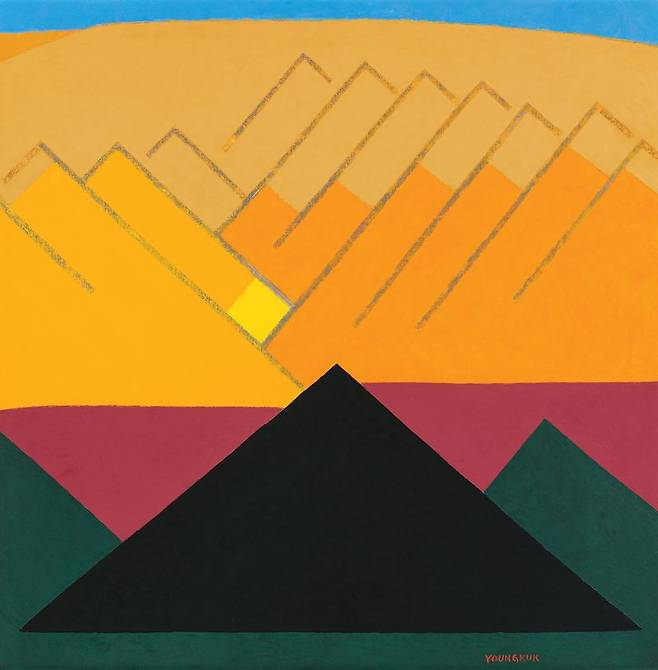
Yoo Youngkuk, Work, 1978. Low estimate: KRW 1 billion (about USD 658,000). / Photo: Seoul Auction
Seoul Auction’s May sale differs from K
Auction in that it combines antique art with modern Korean abstraction. While K
Auction builds a two-part structure around the modern and the contemporary
through Park Soo-keun and Do Ho Suh, Seoul Auction emphasizes both historical
rarity and art-historical stability through the hand-colored manuscript copy of
Daedongyeojido and works by Kim Whanki and Yoo
Youngkuk.
This is not merely an expansion of
categories. It also indicates that collector interest is being divided across
different value systems within antique art, modern art, and contemporary art,
rather than being grouped under a single art-market trend.
Key Points to Watch in the May
Auctions
The May major auctions can be viewed less
as a measure of what the Korean art market is newly expanding into, and more as
a way to identify which artists and categories of works the market currently
places confidence in. In a rapidly rising market, experimental demand tends to
increase for new artists, genres, and price ranges. In a period of adjustment,
however, art-historical validation, rarity, and the realism of the estimate
function as key criteria in determining whether bidding takes place.
From this perspective, K Auction’s Park
Soo-keun On the Way Home and Seoul Auction’s Kim
Whanki 7-Ⅲ-71 and Yoo Youngkuk Work
serve as indicators of basic demand for Korean modern art and abstract art. The
results of these works may show, beyond the success or failure of individual
works, the price levels at which art-historically validated artists can
currently be accepted in the auction market. In particular, production period,
work series, medium and size, exhibition history, and frequency of circulation
in the market are factors that directly affect bidding strength.
By contrast, Do Ho Suh’s Cause
& Effect and Seoul Auction’s hand-colored manuscript copy of Daedongyeojido
point to different possibilities for market expansion. Do Ho Suh’s work will
allow observers to see the extent to which a large-scale installation by an
internationally recognized contemporary artist can secure market acceptance in
Korea’s auction sector. Because installation works involve more complex
conditions for storage, installation, and resale than paintings or other
two-dimensional works, the outcome and bidding range may provide useful
reference material for assessing the scope of acceptance for contemporary art
collecting.
The hand-colored manuscript copy of Daedongyeojido
is a case that shows how antique art and historical materials may be evaluated
within the current collecting market. The significance of this work’s result
lies not simply in whether it achieves a high price, but in whether demand for
the rarity, academic value, and collection stability of a cultural
heritage-level material can translate into an actual transaction.
Therefore, the central issue in these
auctions lies not in setting a highest-price record for a particular work, but
in the differentiation of demand by type of work. Modern masters, Korean
abstraction, global contemporary art, and antique art each have different
price-forming logics and collector bases. The May major auctions at Seoul
Auction and K Auction offer a point of comparison for examining how much
transaction potential these different market layers currently possess, and
where bidding is most concentrated.
Auction Information
K Auction
Date & Time: May 27, 2026, 4 p.m.
Venue: K Auction Headquarters, Sinsa-dong, Gangnam-gu, Seoul
Works Offered: 83 works
Total Value: Approximately KRW 10.4 billion (about USD 6.84 million)
Website: k-auction.com
Seoul Auction
Date & Time: May 28, 2026, 4 p.m.
Venue: Seoul Auction Gangnam Center
Works Offered: 145 works
Total Value: Approximately KRW 10.3 billion based on the low estimate (about
USD 6.77 million)
Website: seoulauction.com