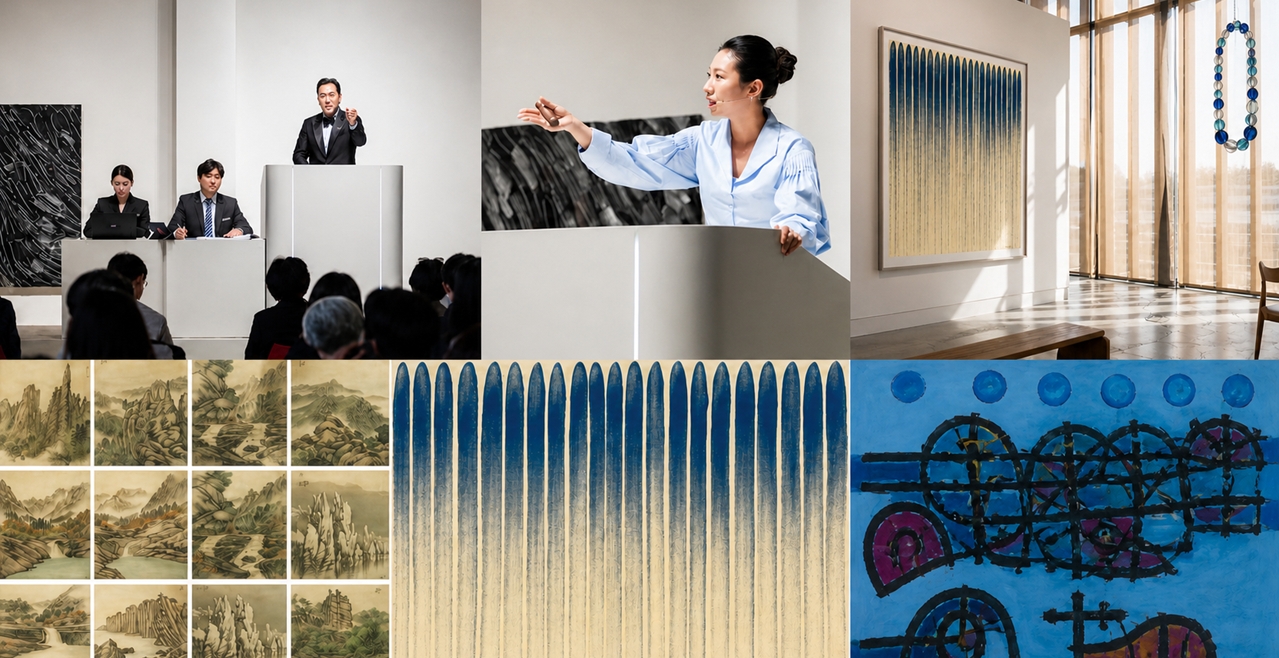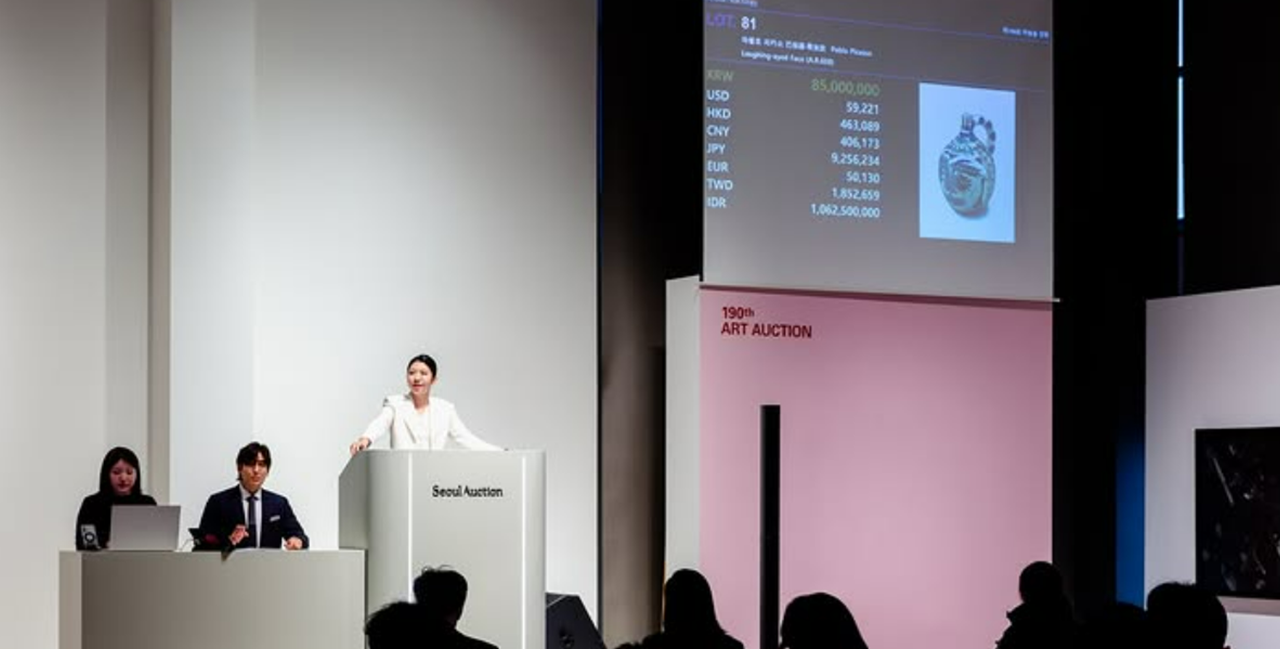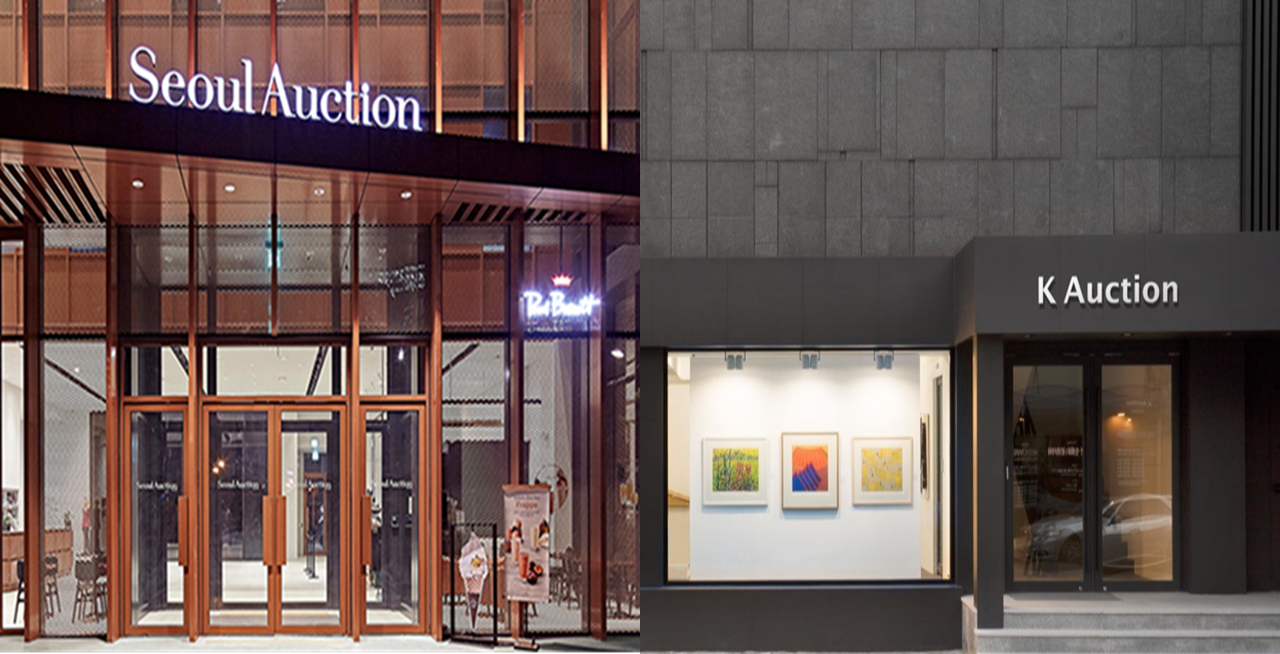

Seoul Auction has
announced 141 lots for its 191st sale on April 28, with a low estimate total of
approximately KRW 8.6 billion (about US$5.85 million),
while K Auction is preparing a 101-lot sale on April 29 with an estimated total
of approximately KRW 10.4 billion (about US$7.07 million).
Based on the
currently disclosed lineup, this sale is centered on transactions supported by
established artists and already-formed demand.
Different
Operating Strategies
One of the main
characteristics of the two April sales is the difference in how each auction
house is responding to the current market. Seoul Auction has adopted a
structure that combines modern and contemporary art with antiques, while
attempting to distribute its total hammer volume across a relatively broad
price range. K Auction, by contrast, has organized a more concentrated sale by
foregrounding internationally recognized artists and works tied to
institutional exhibition momentum.
If Seoul Auction
can be described as closer to a stable, distributed format, K Auction appears
to be more sharply weighted toward higher-priced headline consignments. The two
approaches are different, but both are similarly organized around artists and price
bands that are already legible within the current market.
Seoul Auction’s
Distributed Structure
Seoul Auction’s
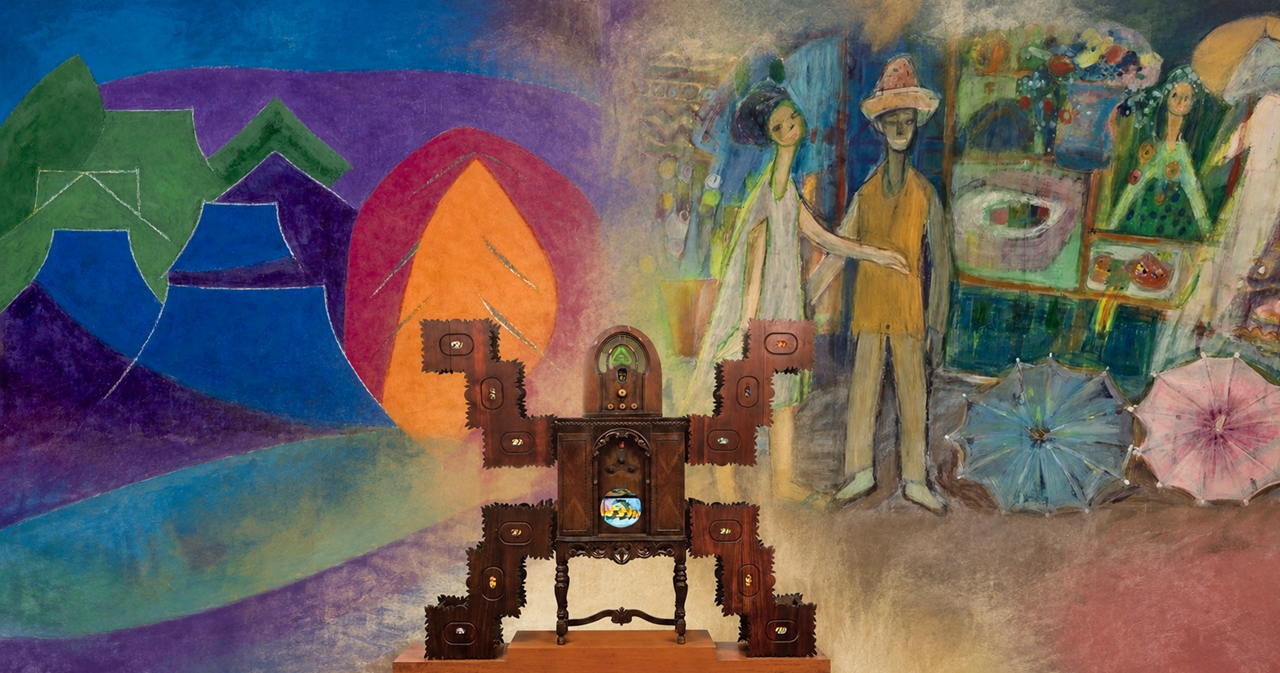
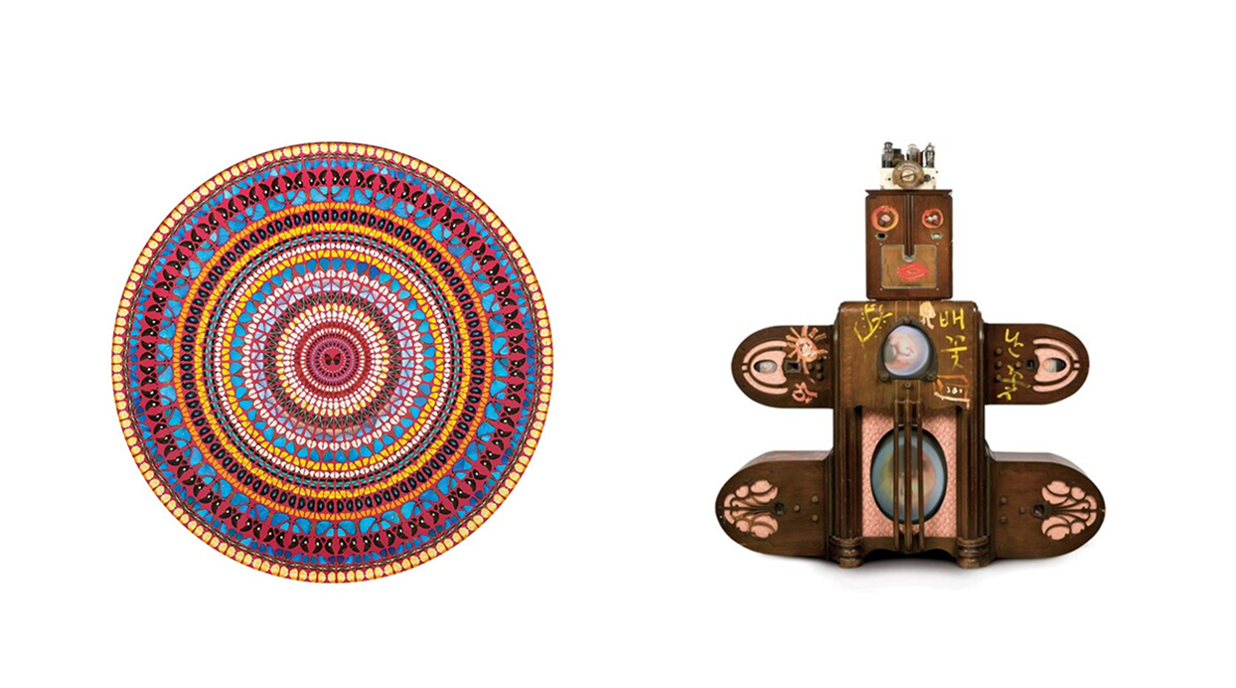
April sale includes works such as Nam June Paik’s Dr. Kim Hwal-lan,
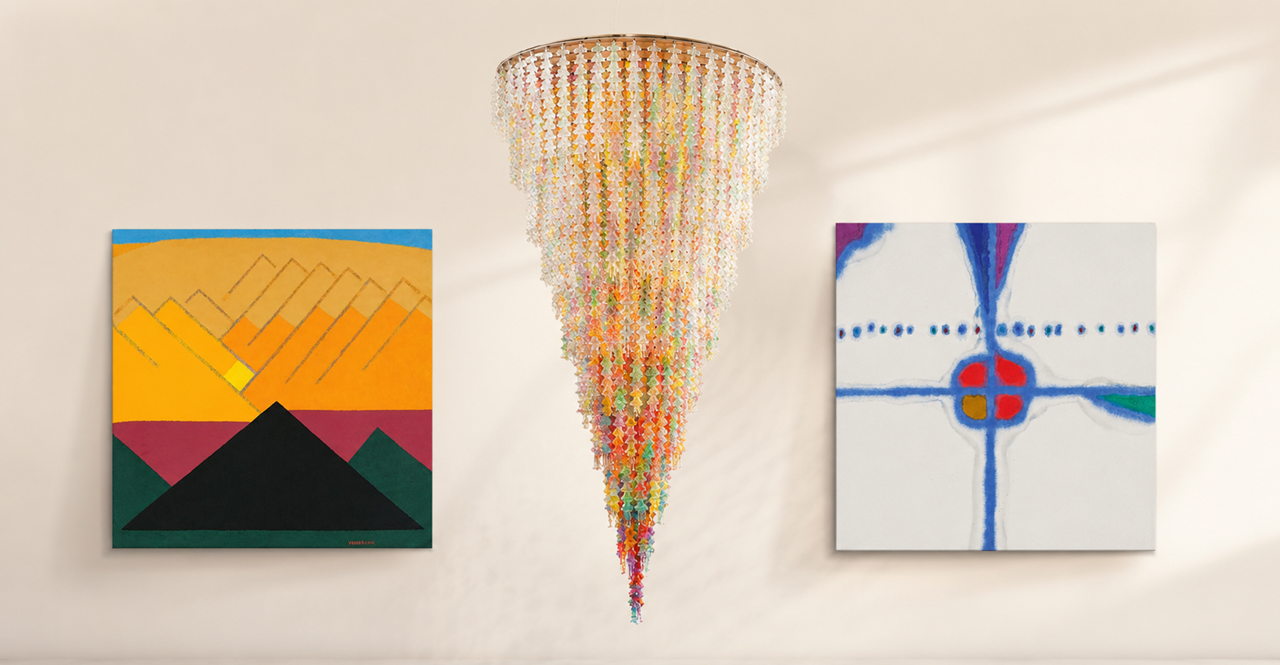
Lee Bae’s Issu du Feu (White Lines) W-42, and Lee
Ufan’s Correspondance, as well as works by Jang
Ukjin, Yoo Youngkuk, and Park Goseok. In the modern and contemporary section,
painting and installation, abstraction and figuration, and several trajectories
of Korean modern art are presented together. In the antiques section, works
such as Cheongjeon Lee Sang-beom’s Twelve Scenic Views of
Geumgangsan and the Joseon-period White Porcelain Jar
with Underglaze Blue Rock, Flower, and Bird Design are also
included.
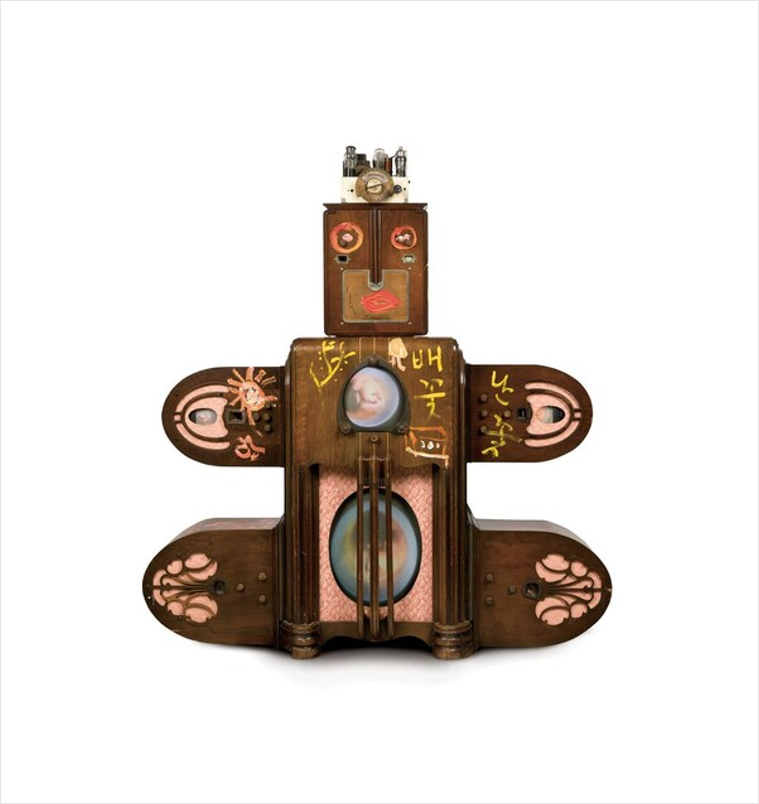
Lot 59. Nam June Paik, Dr. Kim Hwal-lan, 1997. Single-channel video, 7 televisions, antique radio, USB, media player, video splitter, and various objects, 51 × 148.5 × 162.3 (h) cm. KRW 150 million–300 million (about US$102,000–204,000). / Photo: Seoul Auction
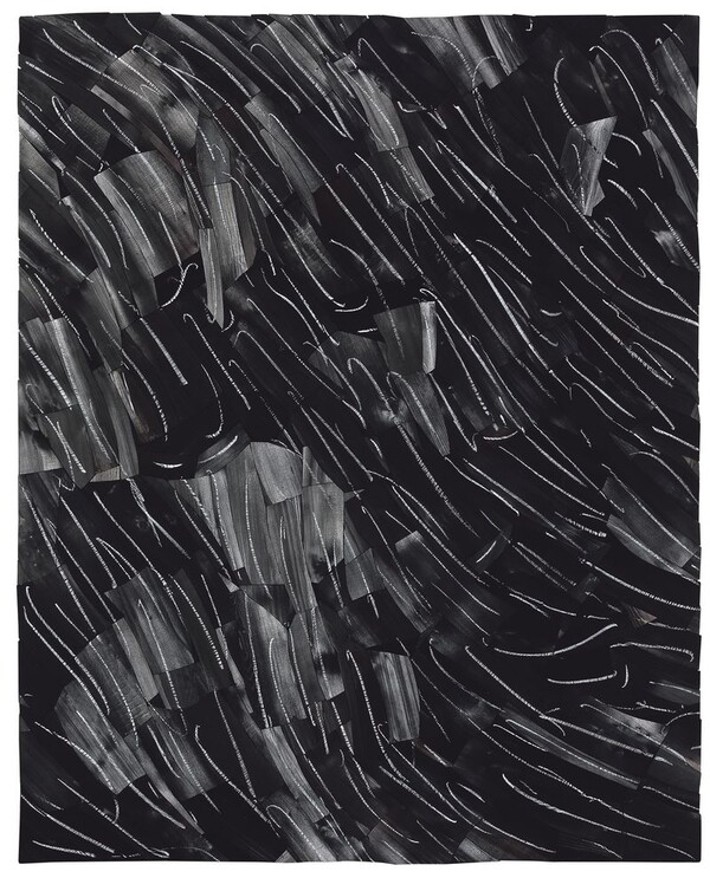
Lot 51. Lee Bae, Issu du Feu (White Lines) W-42, 2022. Wooden charcoal and oil pastel on canvas, 163.9 × 132 cm. KRW 260 million–450 million (about US$177,000–306,000). / Photo: Seoul Auction
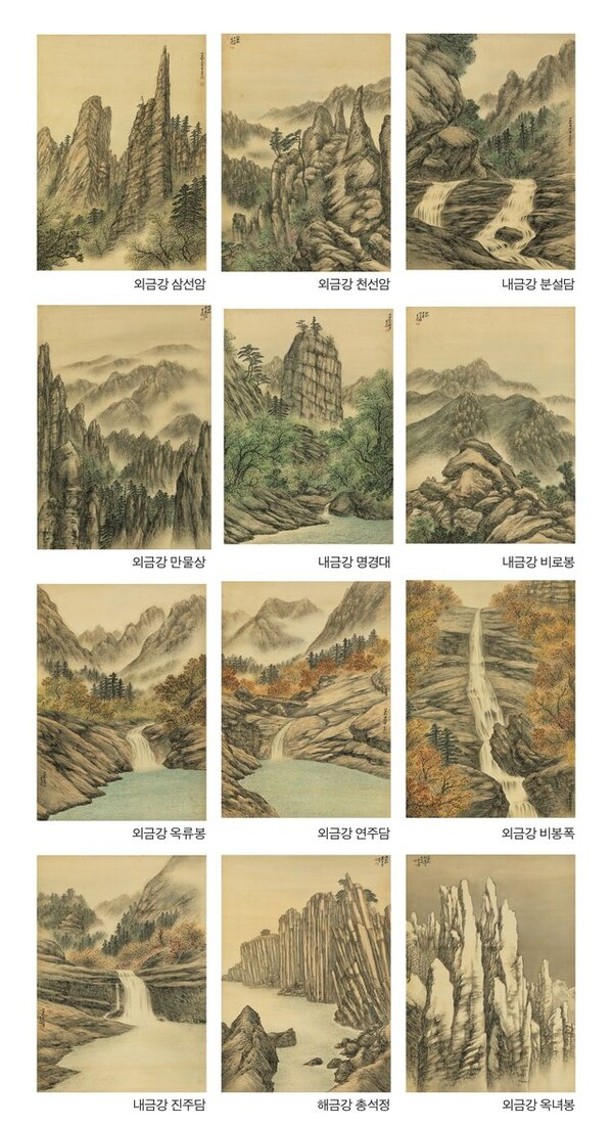
Lot 102. Lee Sang-beom (1897–1972), Twelve Scenic Views of Geumgangsan, n.d. Ink and color on silk, 50.5 × 70.6 cm (12 pcs). KRW 300 million–500 million (about US$204,000–340,000). / Photo: Seoul Auction
Overall, the sale
is structured less around placing excessive weight on a few ultra-high-value
consignments and more around distributing works with established recognition
across multiple price tiers. For that reason, this sale will need to be read
not only through the outcome of several representative works, but also through
the density of transaction formation in the mid-price segment.
K Auction’s
Concentrated Structure
K Auction is
offering Damien Hirst’s Resurgam, Ed Ruscha’s Spasm,
additional works by Hirst, and works by Kim Yun Shin, Nam June Paik, Yun
Hyong-keun, Park Seo-Bo, Chung Sang-Hwa, Ha Chong-Hyun, Yoo Youngkuk, Kim
Whanki, and Lee Ufan.
Also included are
overseas artists expected to appeal to relatively younger demand, including
Ayako Rokkaku, Yuichi Hirako, Egami Etsu, and Mayuka Yamamoto. In the antiques
section, the sale also includes Gyeomjae Jeong Seon’s Landscape
with Figures, Hyeonjae Sim Sajeong’s Bangye
Unrimsansudo, Chusa Kim Jeong-hui’s Cheonsang Okdang
Samboseo, and Roses and a Biwa, painted
jointly by Kim Ki-chang and Park Rae-hyun.
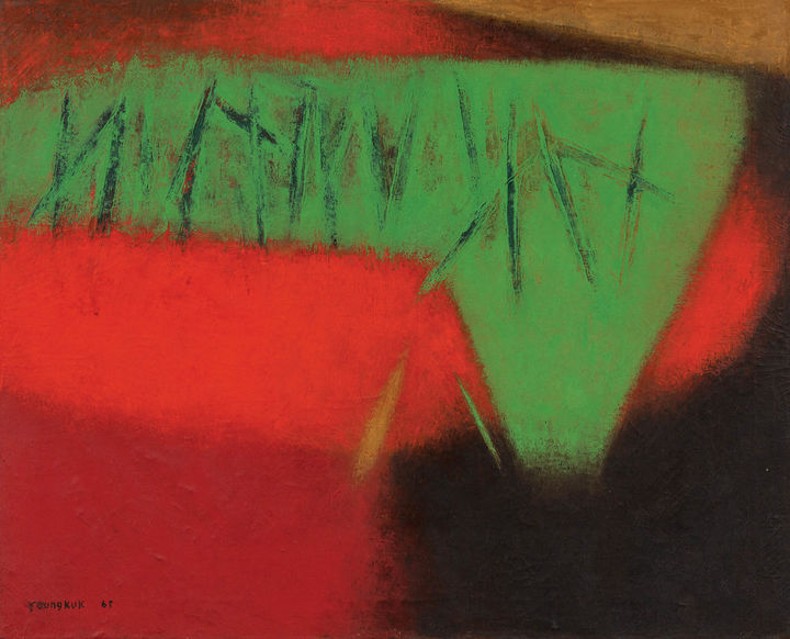
Yoo Youngkuk, Work, oil on canvas, 65.1 × 80.3 cm, 1965. Starting bid: KRW 500 million (about US$340,000). / Photo: K Auction
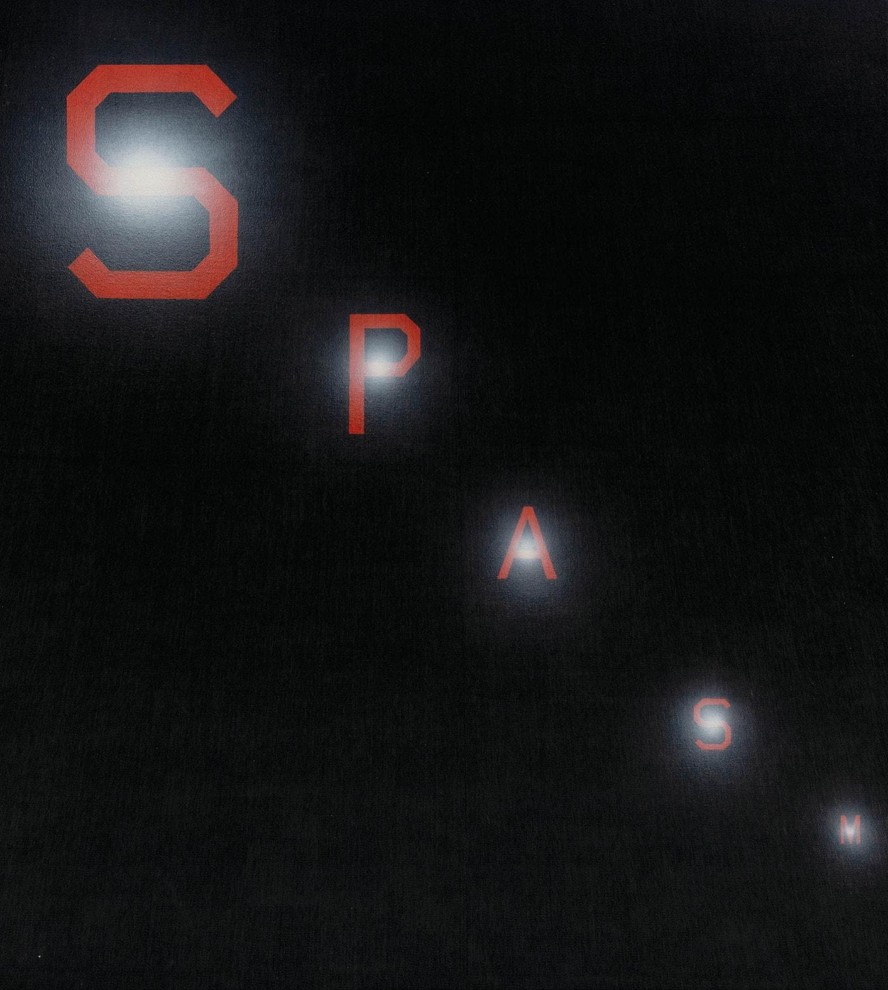
Ed Ruscha (b. 1937), American, Spasm, acrylic on canvas, 152.5 × 137.2 cm, 1987. KRW 900 million–2 billion (about US$612,000–1.36 million). / Photo: K Auction
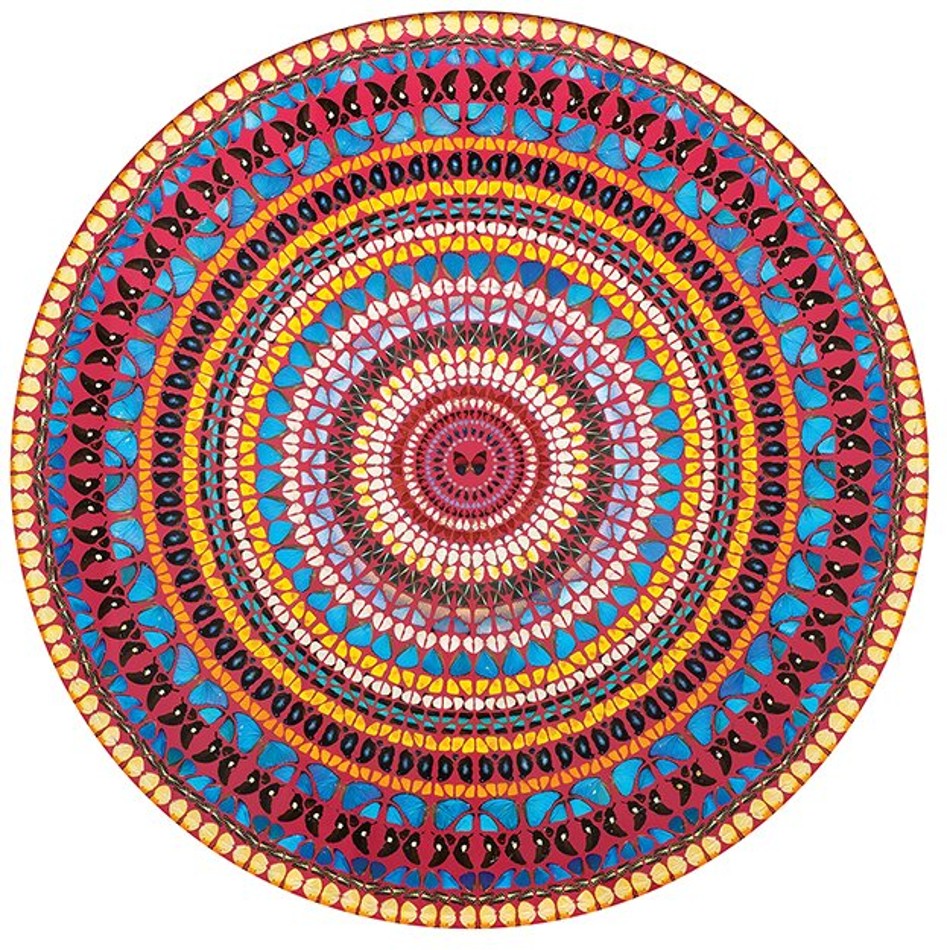
Damien Hirst (b. 1965), British, Resurgam, butterflies and household gloss on canvas, diameter 213.4 cm, 2019. KRW 700 million–1.3 billion (about US$476,000–884,000). / Photo: K Auction
In structural
terms, K Auction places international higher-priced artists at the front while
also positioning representative figures of Korean modern and contemporary art
alongside artists who may draw a broader demand base. For that reason, this
sale will need to be considered not only through the bidding strength for
higher-priced consignments such as Hirst and Ruscha, but also through how
mid-range works and works aimed at younger collectors are received.
A Market
Structure Shared by Both Sales
The two sales
differ in strategy, but the commonality between them is clear. Both are
ultimately concentrated on artist groups that are already legible within the
market and institutional framework.
Lee Ufan, Kim
Whanki, Nam June Paik, Dansaekhwa-affiliated artists, and certain overseas
artists with internationally established price bands form the main axis of both
sales. Each auction house then builds out the overall sale by adding antiques,
modern works, or artists positioned with younger demand in mind.
In the April
sales, the key point to watch at Seoul Auction will be whether transactions are
formed across multiple price tiers, while at K Auction the main variables will
be the bidding strength for higher-priced international artists and the
response to works in the mid-range segment. Accordingly, rather than reading
the sales only through total estimates or total sales value, it will be
necessary to look more closely at which artist groups and price levels actually
generate transactions.
References
Seoul Auction
Preview
Dates: April 18–28, 2026
Venue: Seoul Auction Gangnam Center
Address: 864 Eonju-ro, Gangnam-gu, Seoul
Hours: 10:00 AM–7:00 PM
Website: Seoul Auction homepage (https://www.seoulauction.com/)
K Auction
Preview
Dates: April 18–29, 2026
Venue: K Auction Exhibition Hall
Address: 7F, Namgang Building, 26 Eonju-ro 174-gil, Gangnam-gu, Seoul
Hours: 10:30 AM–6:30 PM
Note: Open every day during the preview period
Website: K Auction homepage (https://www.k-auction.com/)