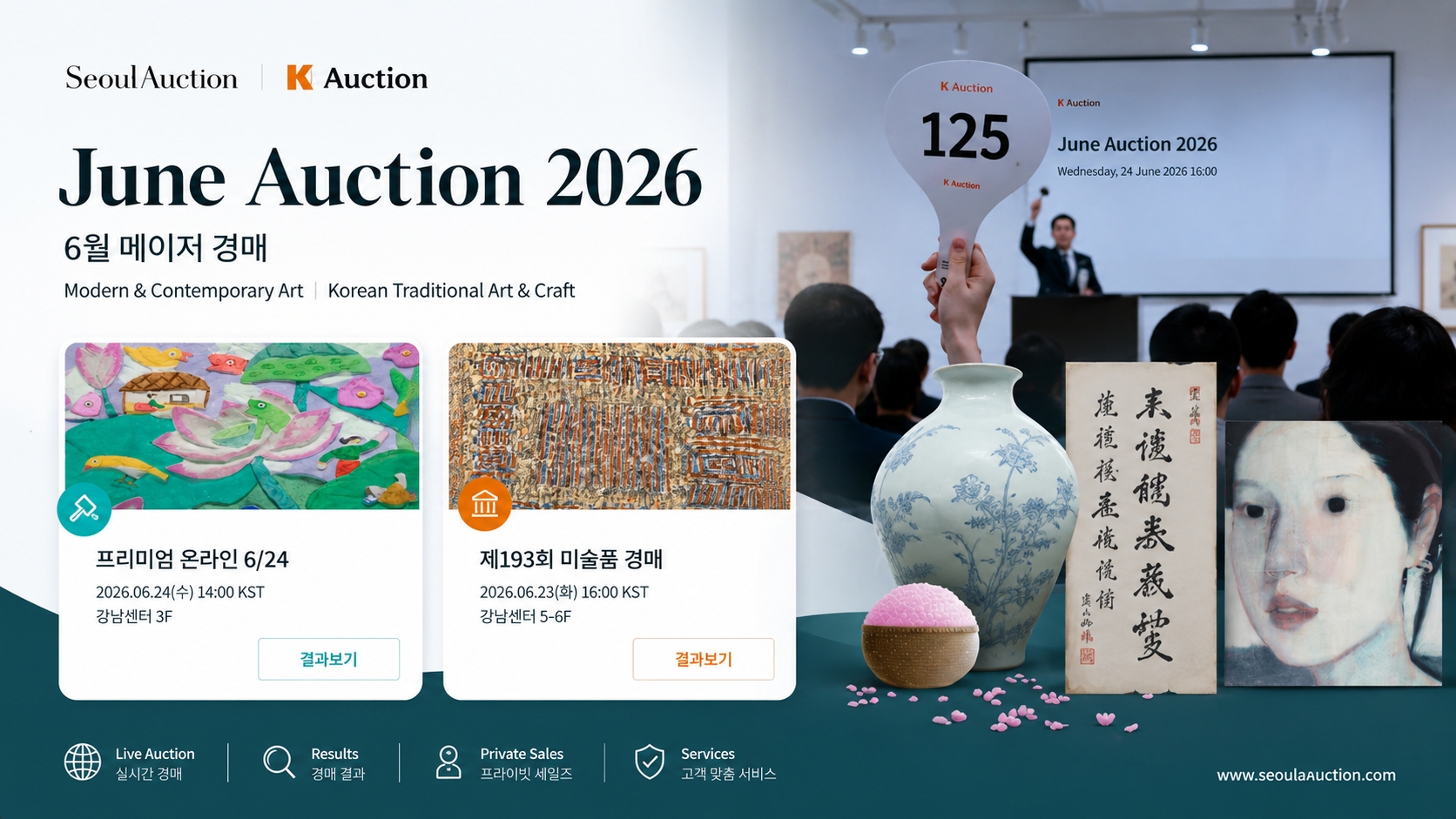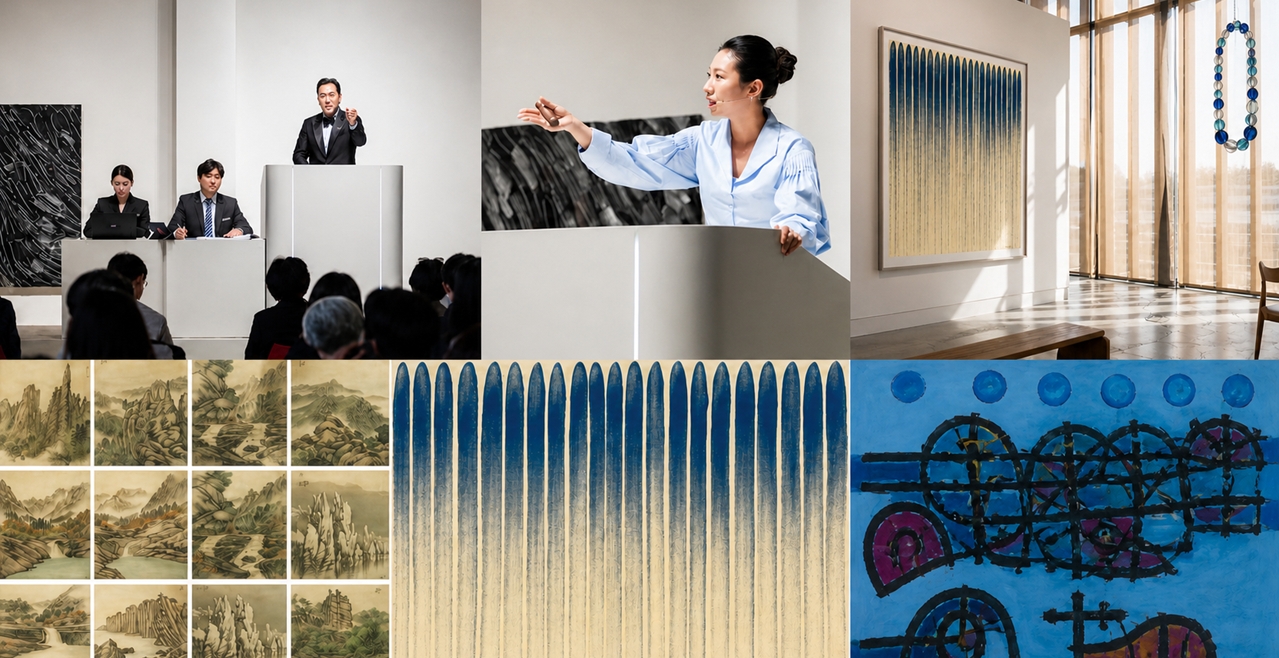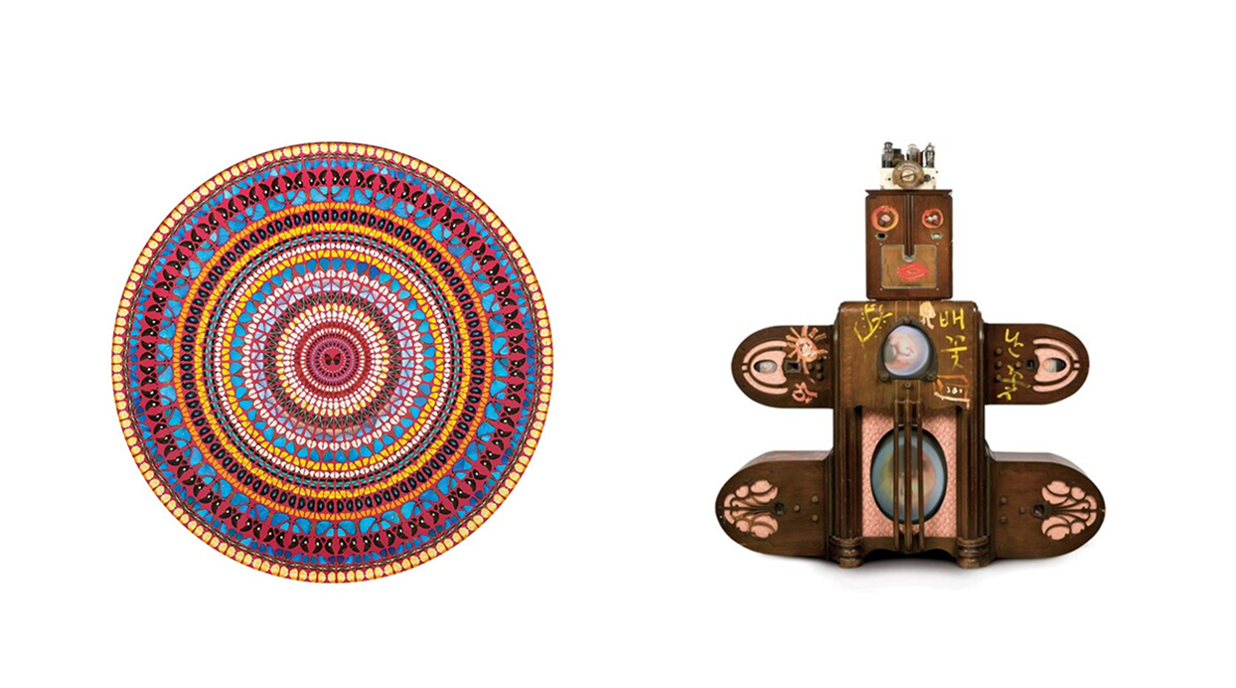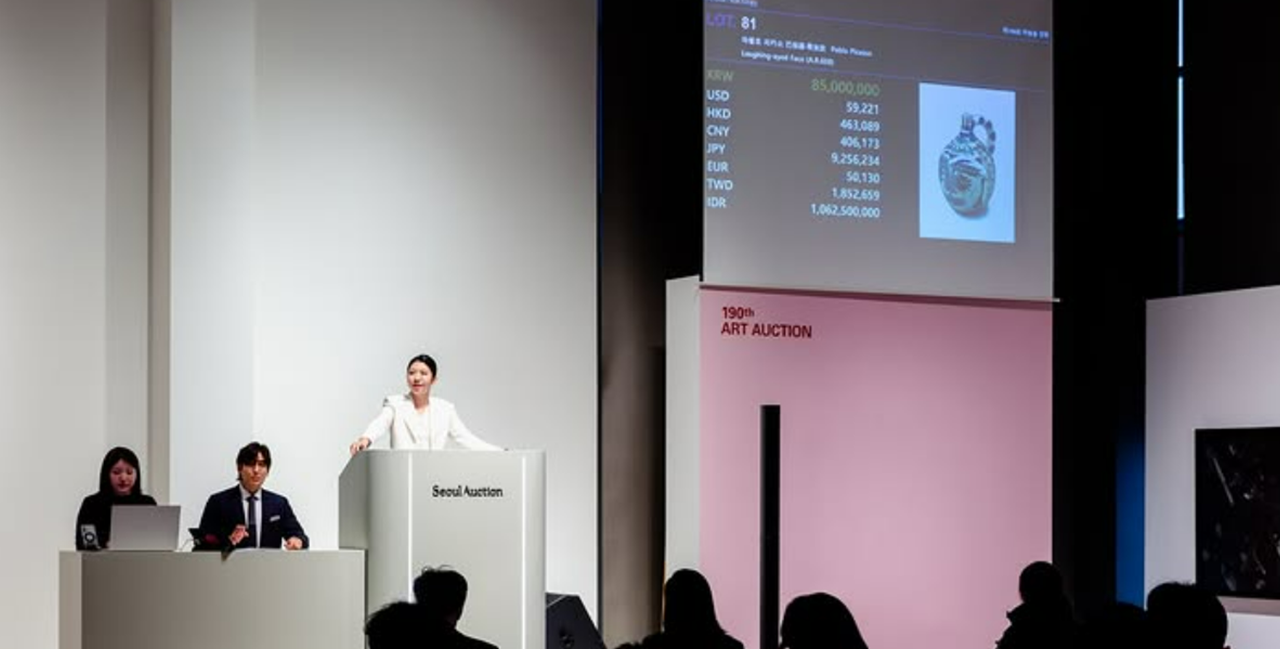

In June, South Korea’s two leading auction
houses, Seoul Auction and K Auction, each held their major seasonal sales. As
in previous auctions, the results were shaped less by an overall expansion of
the market than by the competitiveness of individual works.
Strong bidding was concentrated on works
with artistic quality, rarity, historical significance, and appropriate
pricing, while other lots attracted more cautious responses. These results
suggest that the Korean art market remains in a phase of ‘selective demand’.
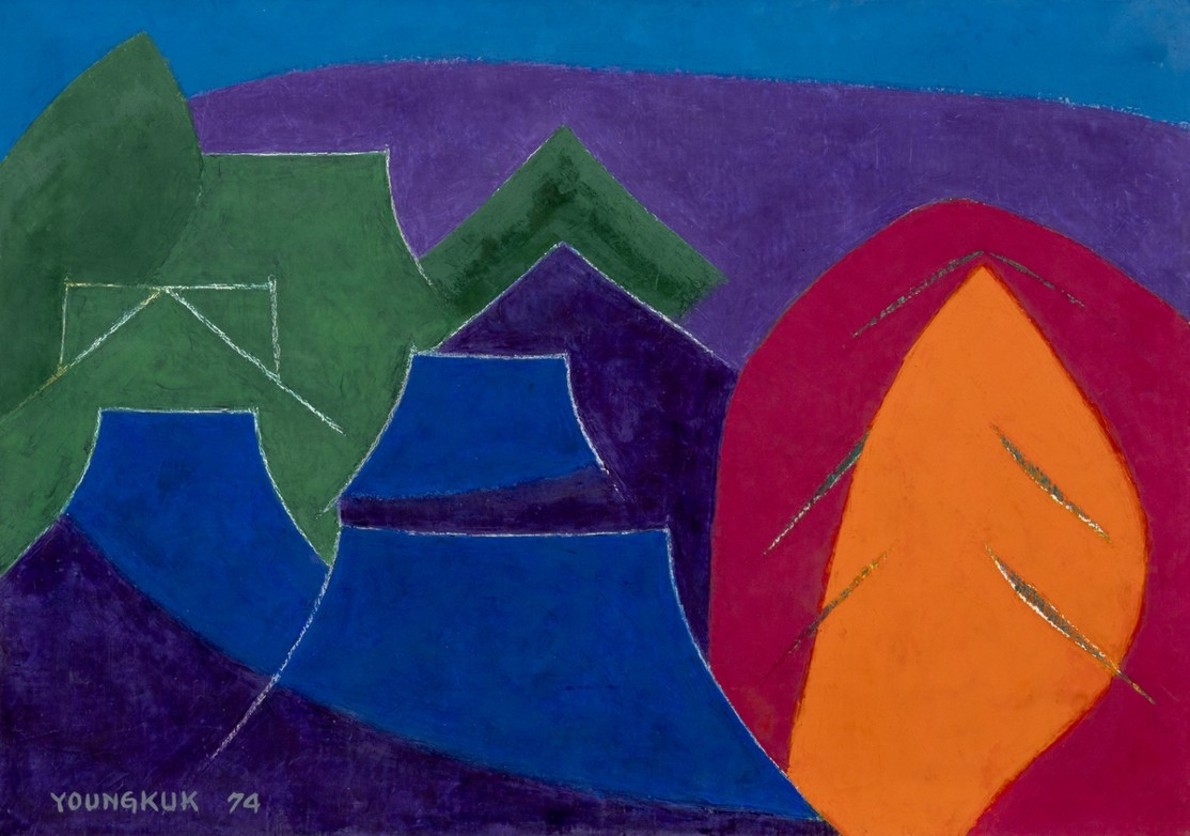
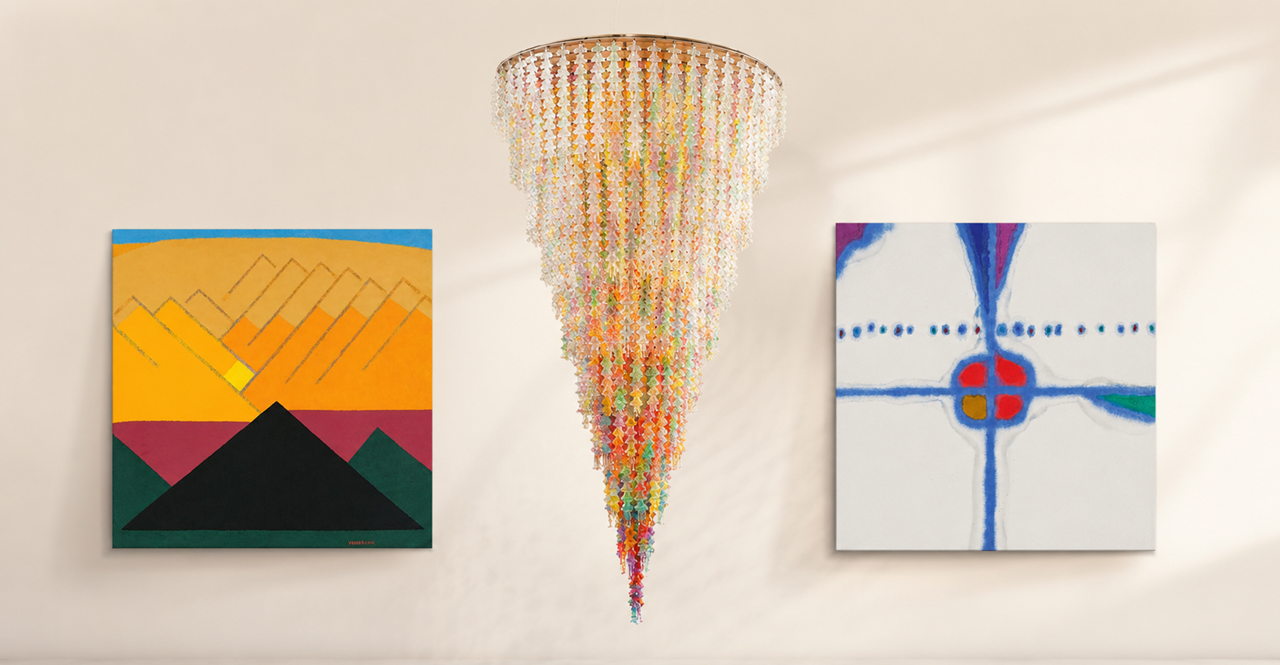
Yu Youngkuk, Mountain, 1974 / Courtesy of K Auction
Among the highly anticipated lots, Yu
Youngkuk’s Mountain was successfully sold at K
Auction for KRW 500 million (approximately USD 323,000).
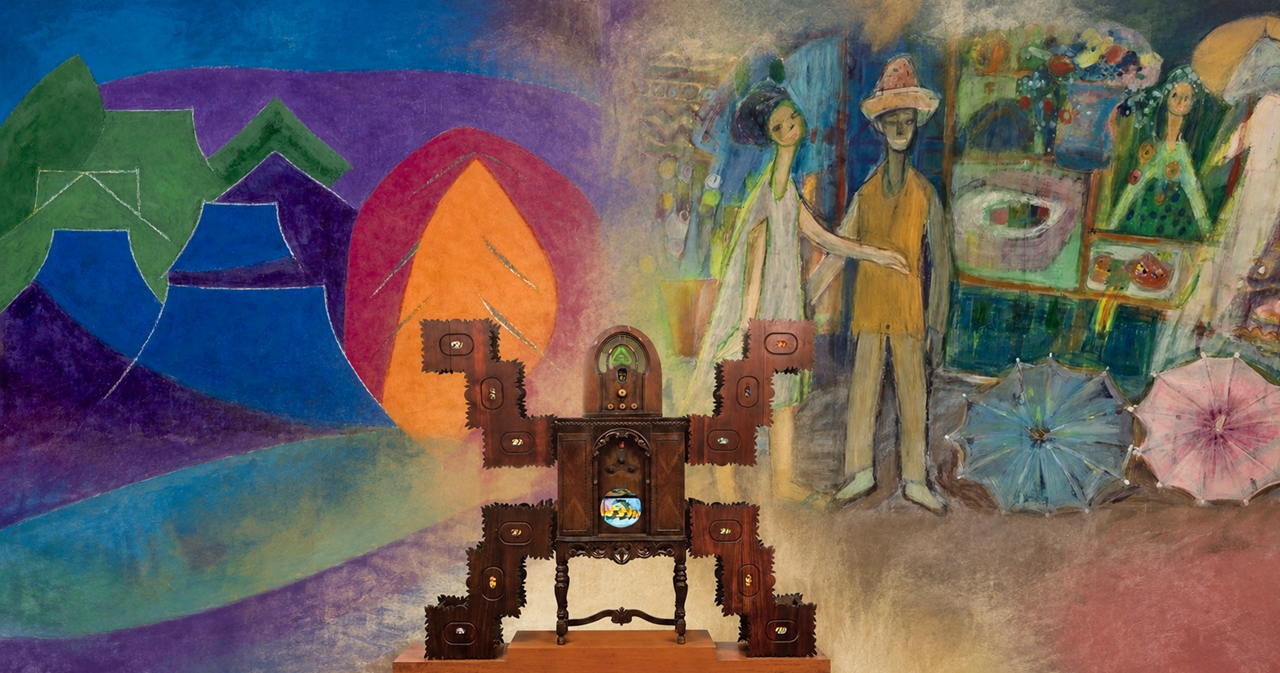
By contrast, Nam June Paik’s King Sejong and Chun
Kyung-ja’s Market, both highlighted as key lots at
Seoul Auction, were not included among the highlighted sales results announced
by Seoul Auction. The June auctions demonstrated that even highly anticipated
works must ultimately satisfy both artistic competitiveness and market pricing
in order to secure successful sales.
Seoul Auction, Balanced Demand
Across Dansaekhwa and Korean Antiques
Seoul Auction’s 193rd Major Sale, held on
June 23, demonstrated balanced demand across Dansaekhwa, international
contemporary art, and Korean antiques.
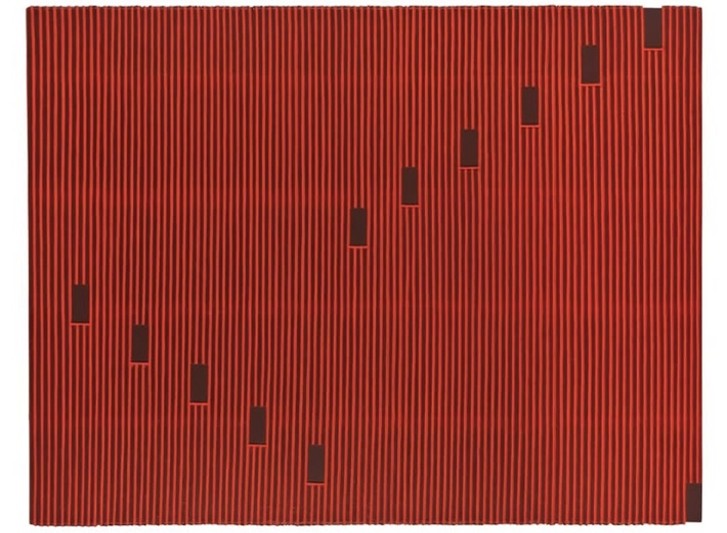
Park Seo-Bo, Écriture No.111017 (2011) / Courtesy of Seoul Auction
Among the auction house’s highlighted
sales, the highest price was achieved by Park Seo-Bo’s Écriture
No.111017 (2011), which sold for KRW 540 million
(approximately USD 349,000). Ha Chong-Hyun’s Conjunction
18-28 realized KRW 210 million (approximately USD
136,000), Ayako Rokkaku’s Untitled (ARP 09-017)
sold for KRW 180 million (approximately USD 116,000),
and Kim Tschang-Yeul’s Water Drops (2019) achieved KRW
175 million (approximately USD 113,000).
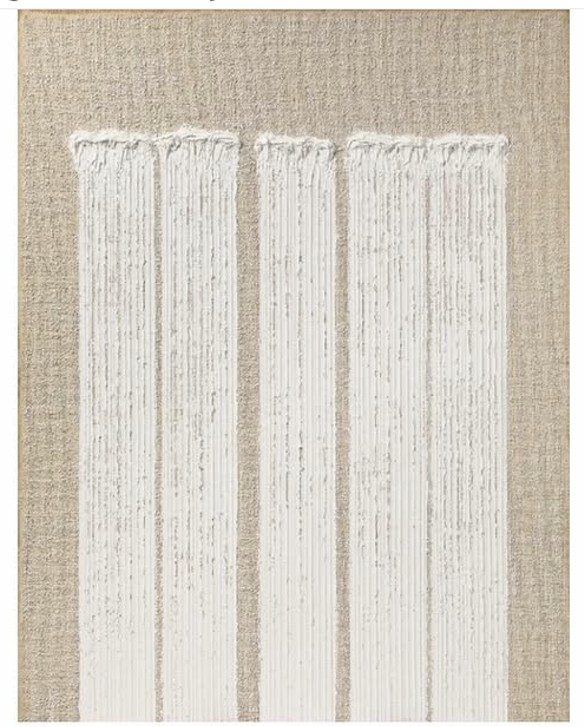
Ha Chong-Hyun, Conjunction 18-28 / Courtesy of Seoul Auction
One of the most remarkable results was a
Joseon Dynasty White Porcelain Blue-and-White Seven-Sided Bottle,
which sold for KRW 77 million (approximately USD 49,700)—approximately
8.6 times its low estimate, making it the most competitive lot of the sale. The
result reflects sustained collector interest in Korean antiques distinguished
by rarity and historical significance.
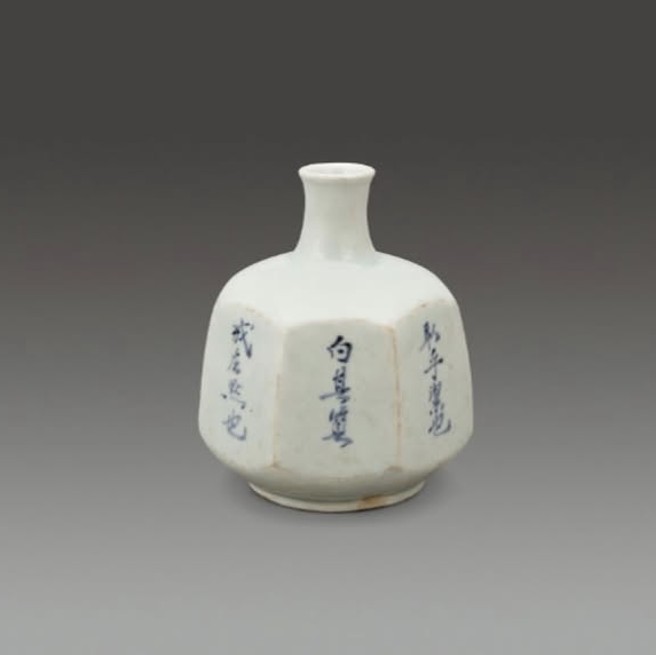
Joseon Dynasty, White Porcelain Blue-and-White Seven-Sided Bottle / Courtesy of Seoul Auction
Rather than being dominated by a single
category, the Seoul Auction sale demonstrated balanced demand across
Dansaekhwa, international contemporary art, and traditional Korean art.
K Auction, Historical
Significance and Cultural Value Drove the Top Sale
K Auction’s June Major Sale, held on June
24, was led by works of exceptional historical importance.
The highest-priced lot was Ahn Jung-geun’s
calligraphic work Baekin Dangjung Yutaehwa, which
carried a starting price of KRW 1.6 billion (approximately USD 1.03
million) and, after competitive bidding, sold for KRW
2.7 billion (approximately USD 1.74 million). It became the
highest-priced work sold across both major June auctions.
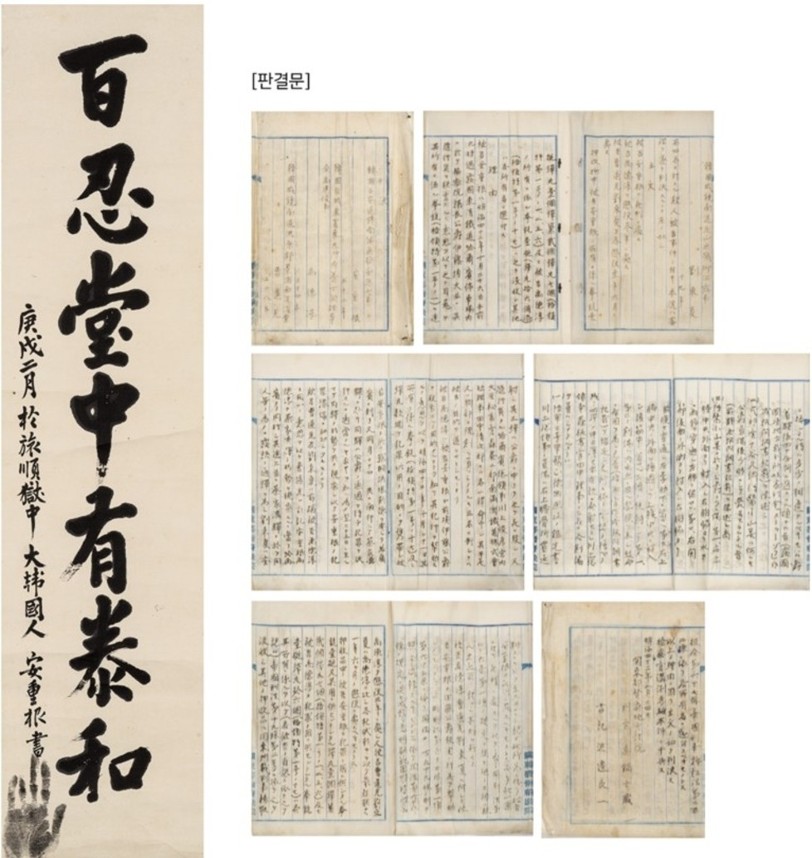
Ahn Jung-geun, Baekin Dangjung Yutaehwa, together with a printed copy of his death sentence / Courtesy of K Auction
According to K Auction’s official results,
contemporary works by Jung Young-joo, Lee Mok-ha, and Kim Chong-hak also
attracted active bidding. In the antiques and historical works category, Yeongbyeonbudo,
Sim Jeon Ahn Jung-sik’s Autumn Landscape, and Kim Gu’s
Gyotal Cheongong likewise generated strong collector
interest. These results demonstrate that collectors continue to value not only
contemporary art but also works with historical and cultural significance.
What the Market Revealed
The defining characteristic of the June
auctions was not the overall sell-through rate or total sales volume, but
rather the types of works that succeeded.
At Seoul Auction, balanced demand was
evident across Dansaekhwa, postwar abstraction, international contemporary art,
and Korean antiques. At K Auction, historically significant works, led by Ahn
Jung-geun’s calligraphy, attracted the strongest interest. Although the two
auctions differed in focus, both demonstrated that rarity, historical
significance, artistic quality, and market competitiveness have become decisive
factors in determining auction performance.
These results suggest that the Korean
auction market is gradually evolving beyond a simple preference for well-known
artists toward a more sophisticated evaluation that considers the individual
quality of each work, its rarity, provenance, historical importance, and
pricing.
Auction Review
Rather than signaling either a dramatic
recovery or a downturn, the June major auctions illustrated how the standards
by which the Korean art market evaluates works have become increasingly
refined.
The market no longer responds uniformly to
every blue-chip artist. Even works by the same artist can produce very
different results depending on their period, quality, rarity, and pricing.
Conversely, works possessing exceptional historical significance and cultural
symbolism continue to inspire strong competition regardless of category.
As the final major auctions of the first
half of 2026, the June sales demonstrated that while the Korean art market
remains cautious, collectors’ standards have become increasingly sophisticated
and selective. This trend is likely to remain one of the defining
characteristics of the domestic auction market in the second half of the year.