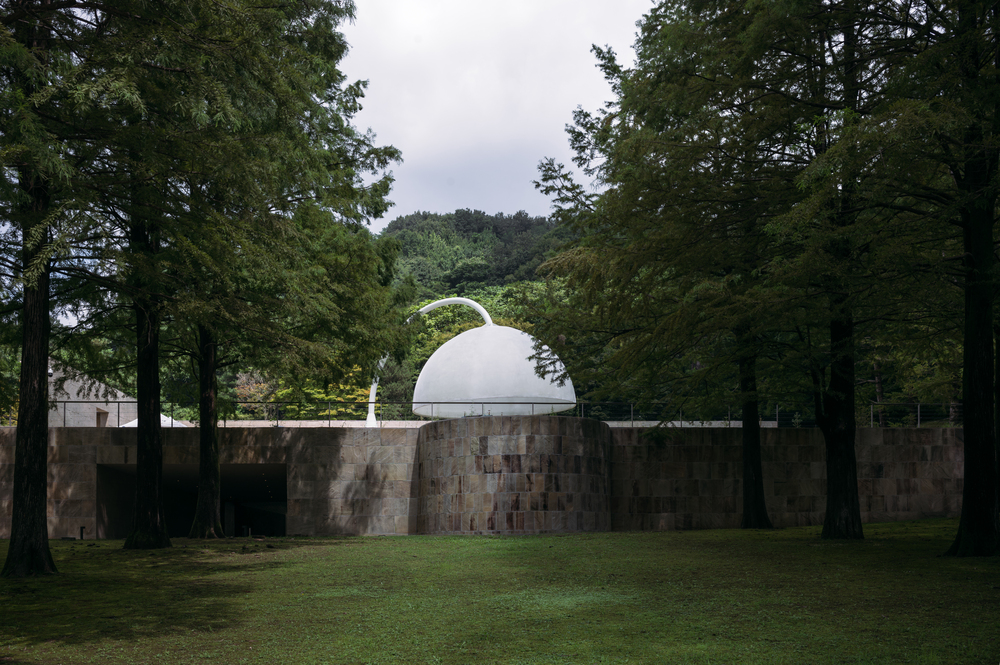

The
Damien Hirst exhibition held at the National Museum of Modern and Contemporary
Art carries a meaning that goes beyond that of a typical exhibition of a famous
overseas artist.
It is
an event that introduces a single artist, but at the same time it serves as an
occasion to reconsider how the system of contemporary art operates today and
what role a national museum should play within that structure.
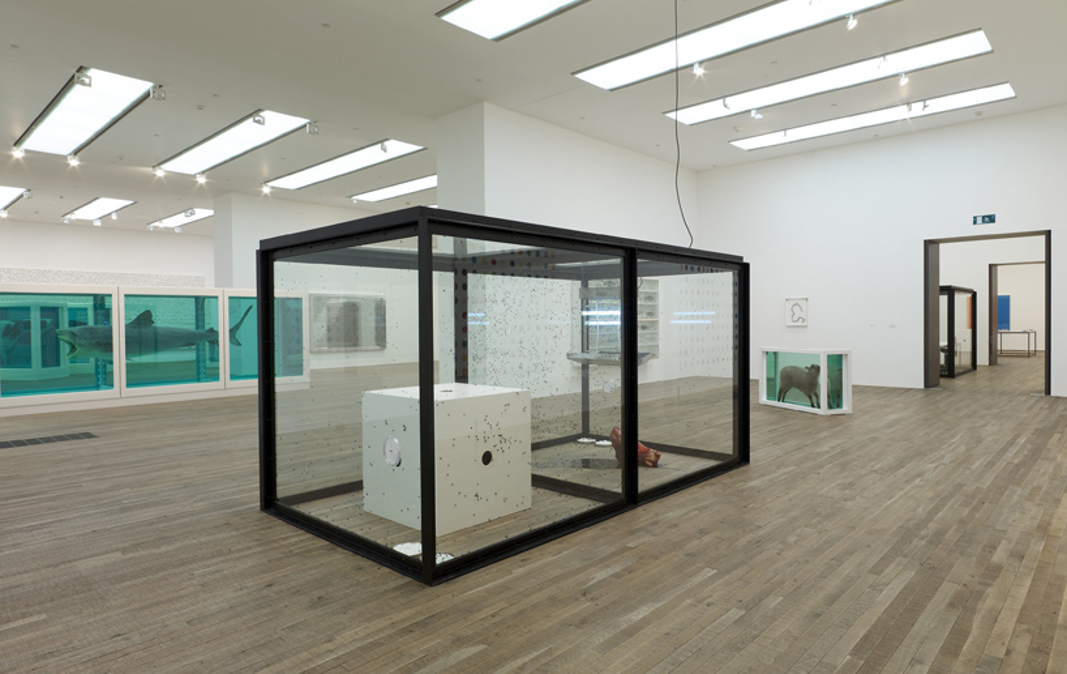
Tate Modern Exhibition View at 2012 / © Damien hirst and science ltd. all rights reserved, DACS 2012
In
contemporary art, what matters is not simply what is exhibited. What
matters more is the criteria and context through which it is selected.
Exhibitions are always the result of selection, and that selection reflects the
judgment of an institution. This is particularly true for national museums,
whose exhibitions represent public decisions rather than the programming
choices of private institutions. In this sense, exhibitions in national museums
reveal not personal taste but public direction.
Therefore,
the Damien Hirst exhibition should not be understood merely as a blockbuster
event featuring a famous international artist. Rather, it should be understood
as a concrete indicator of how a public cultural institution representing a
nation positions itself in the global context of the twenty-first century.
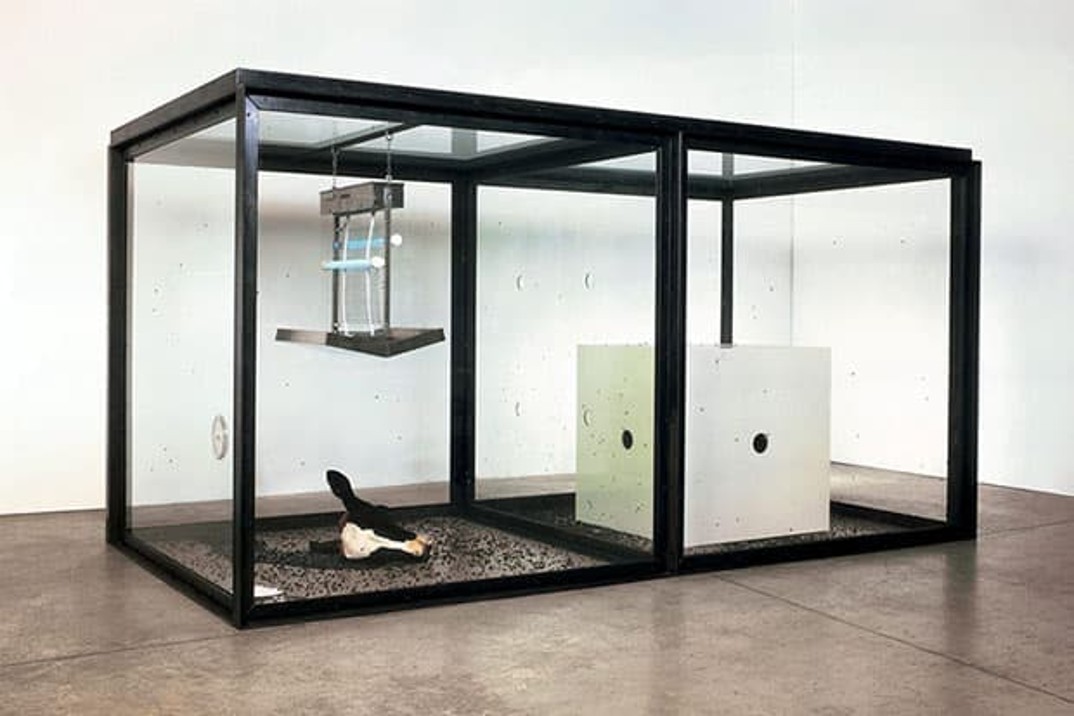
Damien hirst, A Thousand Years, 1990 (installation view), glass, steel, silicone rubber, painted mdf, insect-ocutor, cow’s head, blood, flies, maggots, metal dishes, cotton wool, sugar and water, photographed by prudence cuming associates © damien hirst and science ltd. all rights reserved, DACS 2012
Damien
Hirst as a Symbolic Artist
Damien
Hirst is widely regarded as one of the most powerful symbolic figures in
contemporary art and a representative artist of the Young British Artists (YBA)
of the 1990s. His
work dramatically exposes the relationship between death, consumption,
spectacle, and the intersection of art and capital, revealing how contemporary
art has combined social imagination with market structures.
His
iconic work The Physical Impossibility of Death in the Mind of
Someone Living (1991) transformed the image of death into a
visual event through the striking device of a shark preserved in formaldehyde.
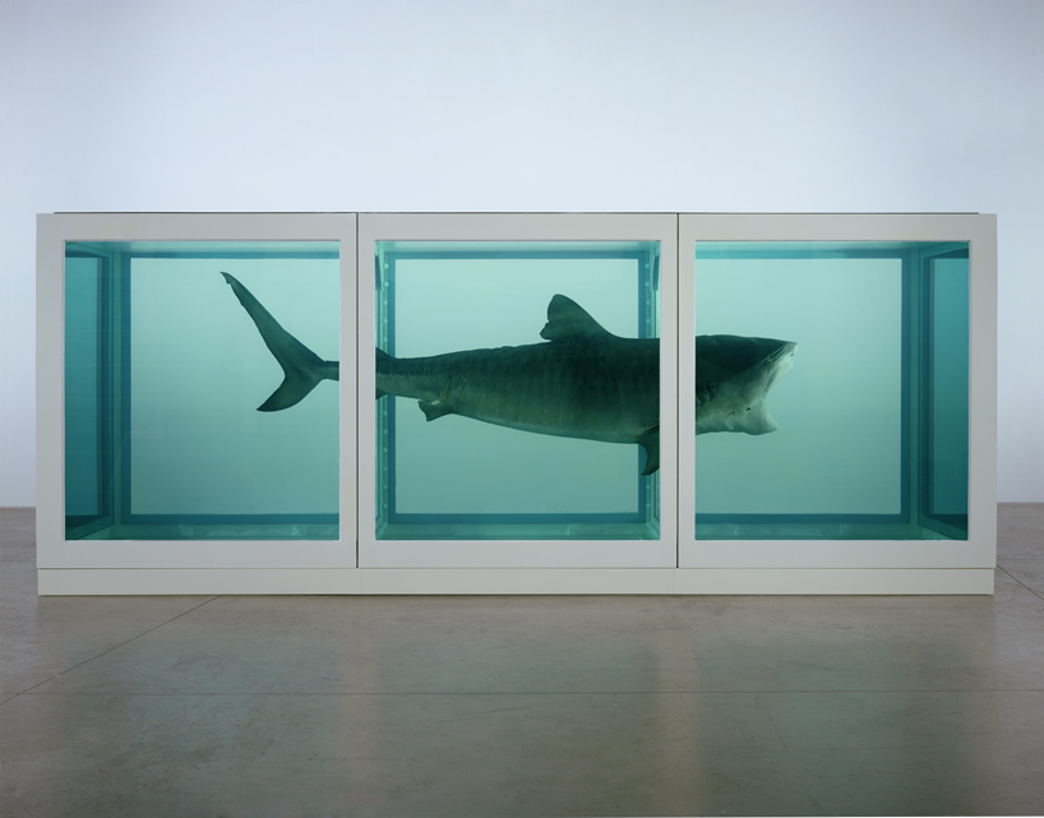
The Physical Impossibility of Death in the Mind of Someone Living, 1991, glass, painted steel, silicone, monofilament, shark and formaldehyde solution, photographed by prudence cuming associates © Damien hirst and science ltd. all rights reserved, DACS 2012
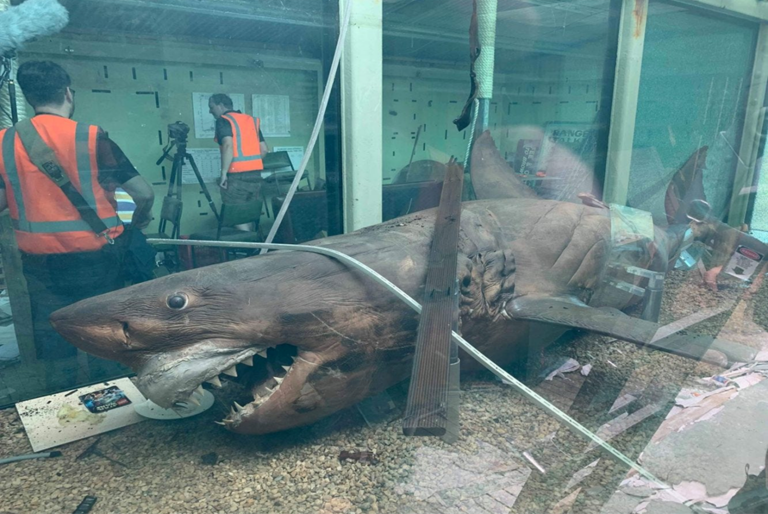
Image from Crystal World Exhibition Centre / source: Morbid Curiosity!
From
the Spot Paintings and medicine cabinets to the butterfly series and the
diamond skull For the Love of God (2007), Hirst’s
work has come to symbolize the convergence of art, market, spectacle, and
institutional power.
Today,
Hirst functions less as an individual artist and more as a form of symbolic
capital. His name does not merely refer to specific works but
rather invokes the art-historical narrative and cultural authority constructed
by contemporary art since the 1990s.
Two
Retrospectives and the Post-Contemporary Condition
Damien
Hirst’s retrospective at Tate Modern (2012) and Jeff Koons’s retrospective at
the Whitney Museum of American Art (2014) were symbolic events that revealed
the temporal structure of contemporary art institutions.
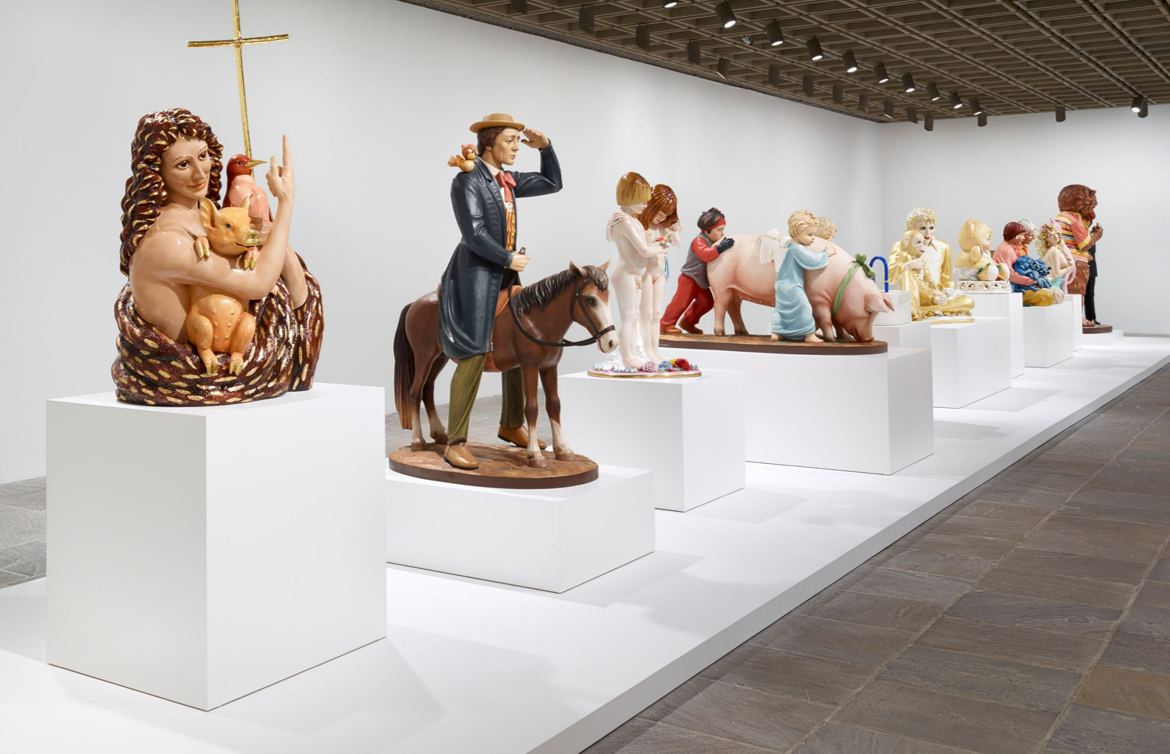
Installation view of Jeff Koons: A Retrospective at the Whitney Museum of American Art in New York (2014), 2014 / source: David Zwirner Gallery
Traditionally,
retrospectives were held toward the end of an artist’s life or after their
death. However, these two retrospectives were organized while both artists were
still actively producing work.
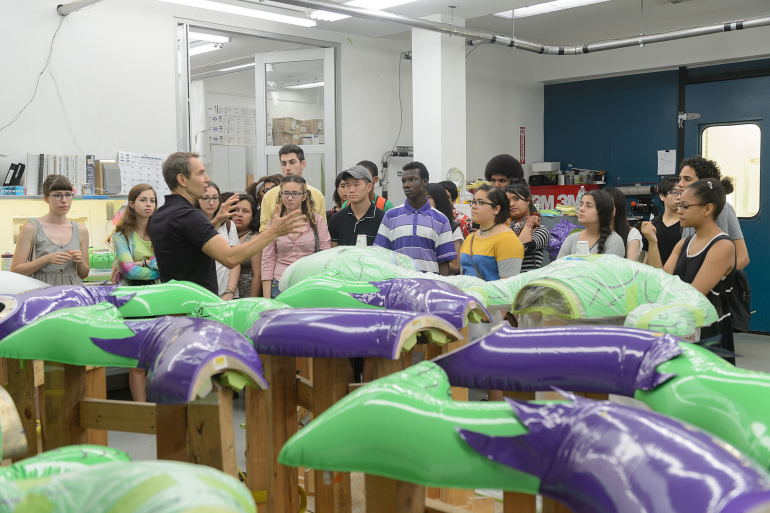
Jeff Koons describes his work to YI participants, July 2014. Photograph by Filip Wolak / source: Whitney museum official Website
What
this signifies is that an artist’s position is no longer formed gradually
through the long passage of time and historical verification. Instead, within a
contemporary art environment where market forces, institutions, and media
operate simultaneously, the process of historical recognition becomes
compressed into a deliberate institutional act.
In
other words, whereas in the past time transformed artworks into history, today
institutions move ahead of time and transform artists into history. This
situation represents a symbolic moment of the post-contemporary
condition that contemporary art now faces.
The
Experience This Exhibition Provides
This
exhibition offers an important experience for Korean audiences. While many
people recognize Hirst’s name, relatively few have encountered his work at its
full scale and within its proper context.
Experiencing
works such as the formaldehyde pieces, Spot Paintings, medicine cabinets, and
butterfly series together in one place provides a meaningful opportunity to
understand how Western contemporary art since the 1990s has combined shock,
imagery, market forces, and institutional structures.
At
the same time, the exhibition reveals a structural gap that frequently appears
within the Korean art world: the distance between the recognition of a
name and the understanding of the work itself. Knowing a famous
artist and understanding the world of that artist’s work are entirely different
experiences.
The
Meaning of ‘Temporality’ in the Korean Art System
At
the same time, this exhibition invites reflection on the meaning of temporality
within the Korean art system.
There
exists a certain temporal gap between the moment when Hirst’s work represented
the most powerful “present” in the global art world and the moment when the
National Museum of Modern and Contemporary Art in Seoul introduces his work on
a large scale.
This
phenomenon reflects the way in which the Korean art system absorbs global art
movements. Today, contemporary art is forming new discourses centered on issues
such as platform conditions, geopolitical shifts, ecological awareness, and
changes in technological environments and perception.
Under
such circumstances, the crucial question is not how to view something that has
already been historicized from the perspective of the past, but rather how to
organize and present it as a question of contemporary art that is unfolding
here and now in Korea—namely, a question of co-temporality.
The
1993 Whitney Biennial at the National Museum of Modern and Contemporary Art,
Gwacheon
The
Whitney Biennial in Gwacheon in 1993 was an event of a different nature. That
exhibition forcefully raised issues of race, gender, and identity within
American society and was presented at the National Museum of Modern and
Contemporary Art in Gwacheon in the same year.
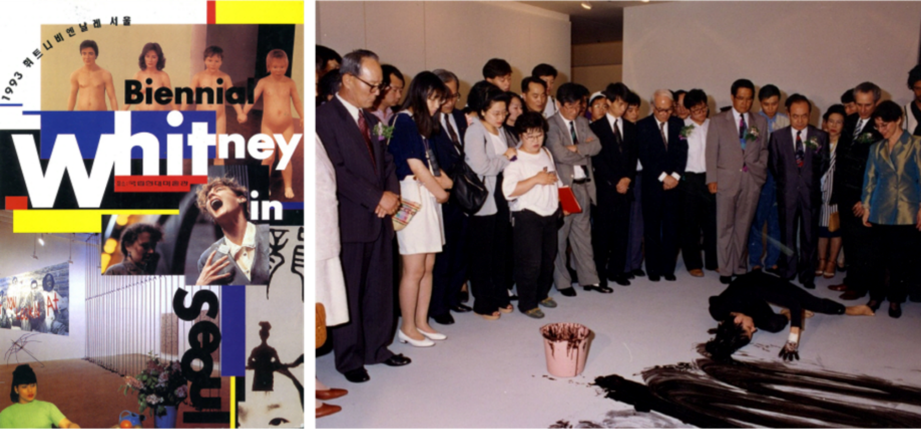
(Left) Poster for the “Whitney Biennial Seoul”, held at the National Museum of Modern and Contemporary Art in Gwacheon, Gyeonggi Province, in 1993. / Photo : courtesy of the National Museum of Modern and Contemporary Art, (Right) PerformanceLoving Care by American artist Janine Antoni at the opening of the 1993 “Whitney Biennial Seoul” / Photo: MMCA Research Center
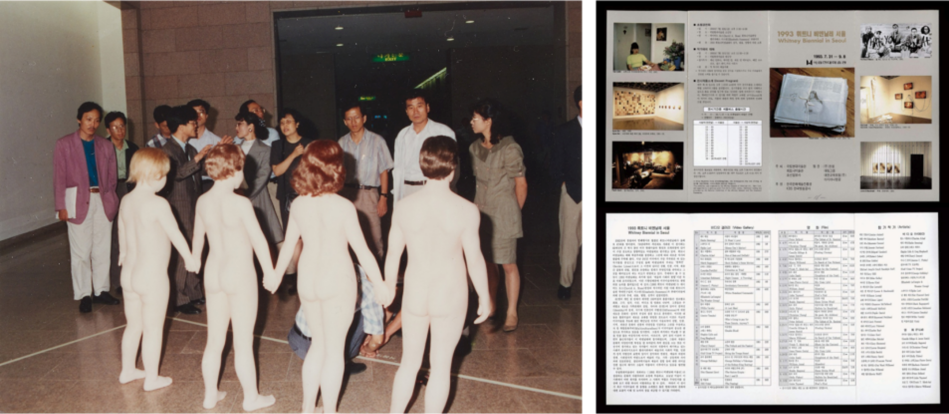
(Left) Opening view of the 1993 “Whitney Biennial Seoul" / Photo: MMCA Research Center, (Right) Leaflet and event guide from the “Whitney Biennial Seoul 1993” © National Museum of Modern and Contemporary Art
The significance of that event did not lie simply in
importing a foreign exhibition. Rather, it brought the most pressing debates of
contemporary art into Korean society.
It was not an event that consumed symbolic capital,
but one that shared the present moment of contemporary art.
Moving Forward
To summarize once again, the Damien Hirst exhibition
provides Korean audiences with a meaningful opportunity to experience an
important trajectory of contemporary art. At the same time, it also serves as a
valuable moment to reconsider how the National Museum of Modern and
Contemporary Art presents contemporary art and what role it should play moving
forward.
It is not difficult to repeatedly invoke names that
have already become symbolic capital within the global systems of art
institutions and markets.
However, the role that a national museum must perform
lies in a far more fundamental place. It lies in discovering questions that
have not yet been fully institutionalized, organizing those questions into a
public discourse, and enabling Korean contemporary art to establish a new
position within the global art landscape through that discourse.
Furthermore, if Korean contemporary art is to become a
center of the global art world, it cannot rely solely on exhibiting famous
artists. It must begin with producing the questions and agendas of our own time
from the reality in which we currently live.
And the task of generating and organizing those
questions is precisely the most urgent and pressing role of the National Museum
of Modern and Contemporary Art as a cultural strategic institution leading the
global era of the twenty-first century.
Jay Jongho Kim graduated from the Department of Art Theory at Hongik University and earned his master's degree in Art Planning from the same university. From 1996 to 2006, he worked as a curator at Gallery Seomi, planning director at CAIS Gallery, head of the curatorial research team at Art Center Nabi, director at Gallery Hyundai, and curator at Gana New York. From 2008 to 2017, he served as the executive director of Doosan Gallery Seoul & New York and Doosan Residency New York, introducing Korean contemporary artists to the local scene in New York. After returning to Korea in 2017, he worked as an art consultant, conducting art education, collection consulting, and various art projects. In 2021, he founded A Project Company and is currently running the platforms K-ARTNOW.COM and K-ARTIST.COM, which aim to promote Korean contemporary art on the global stage.