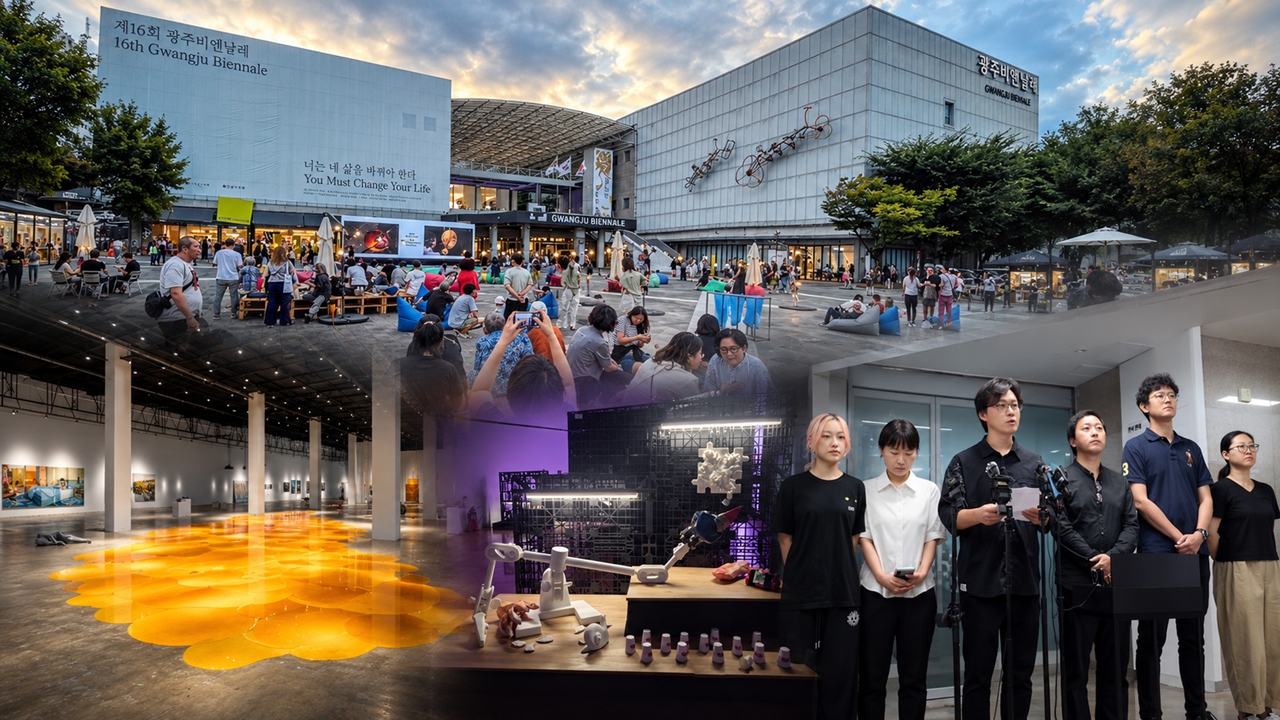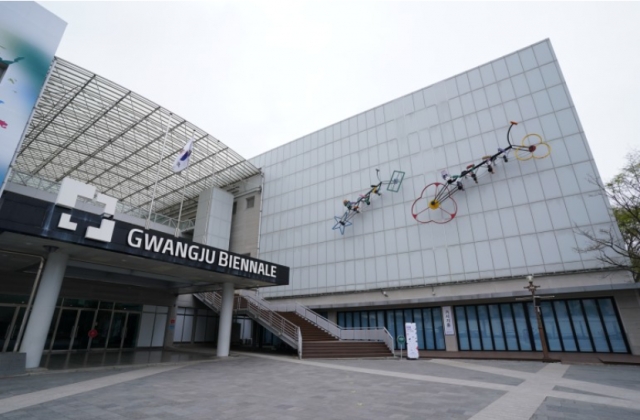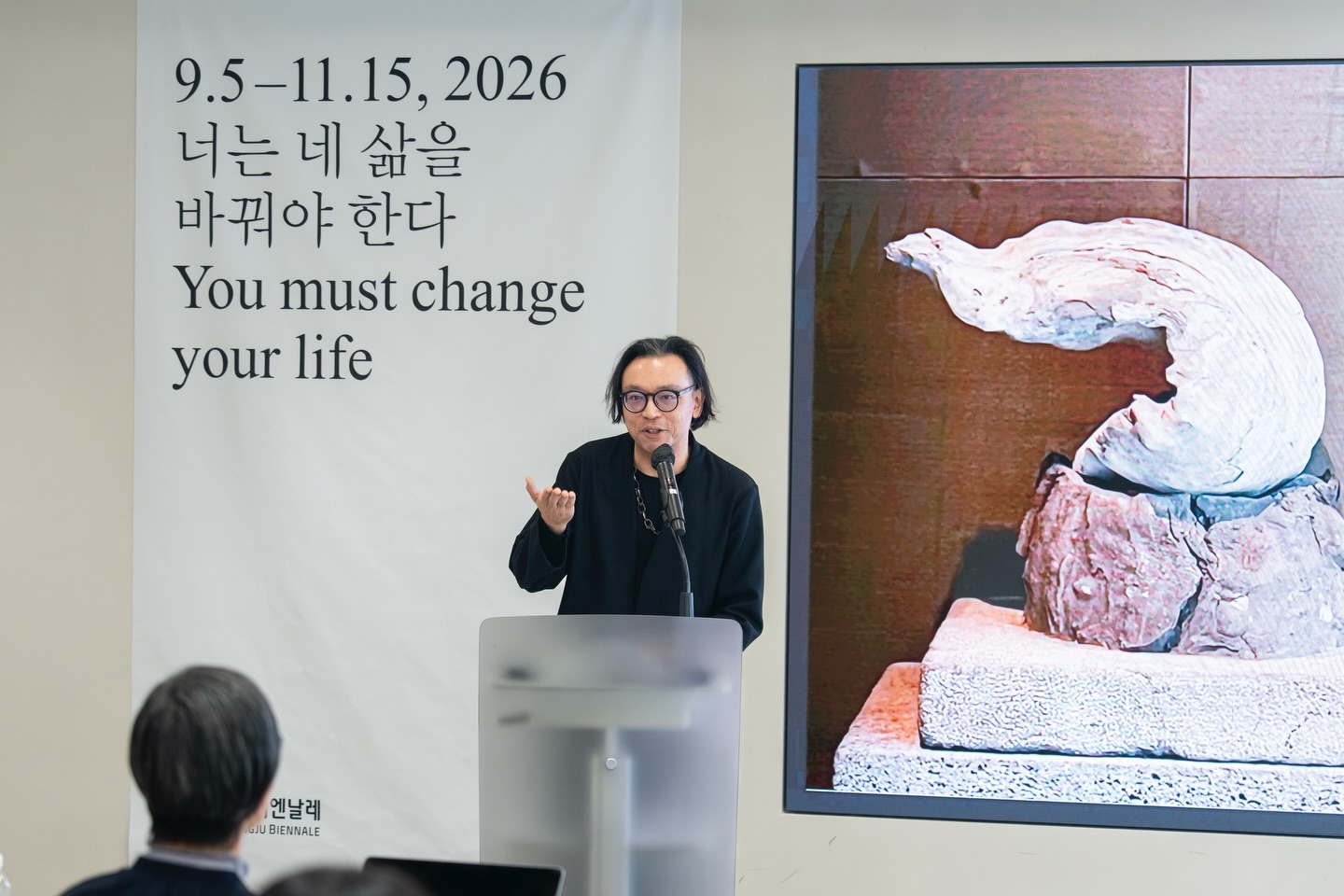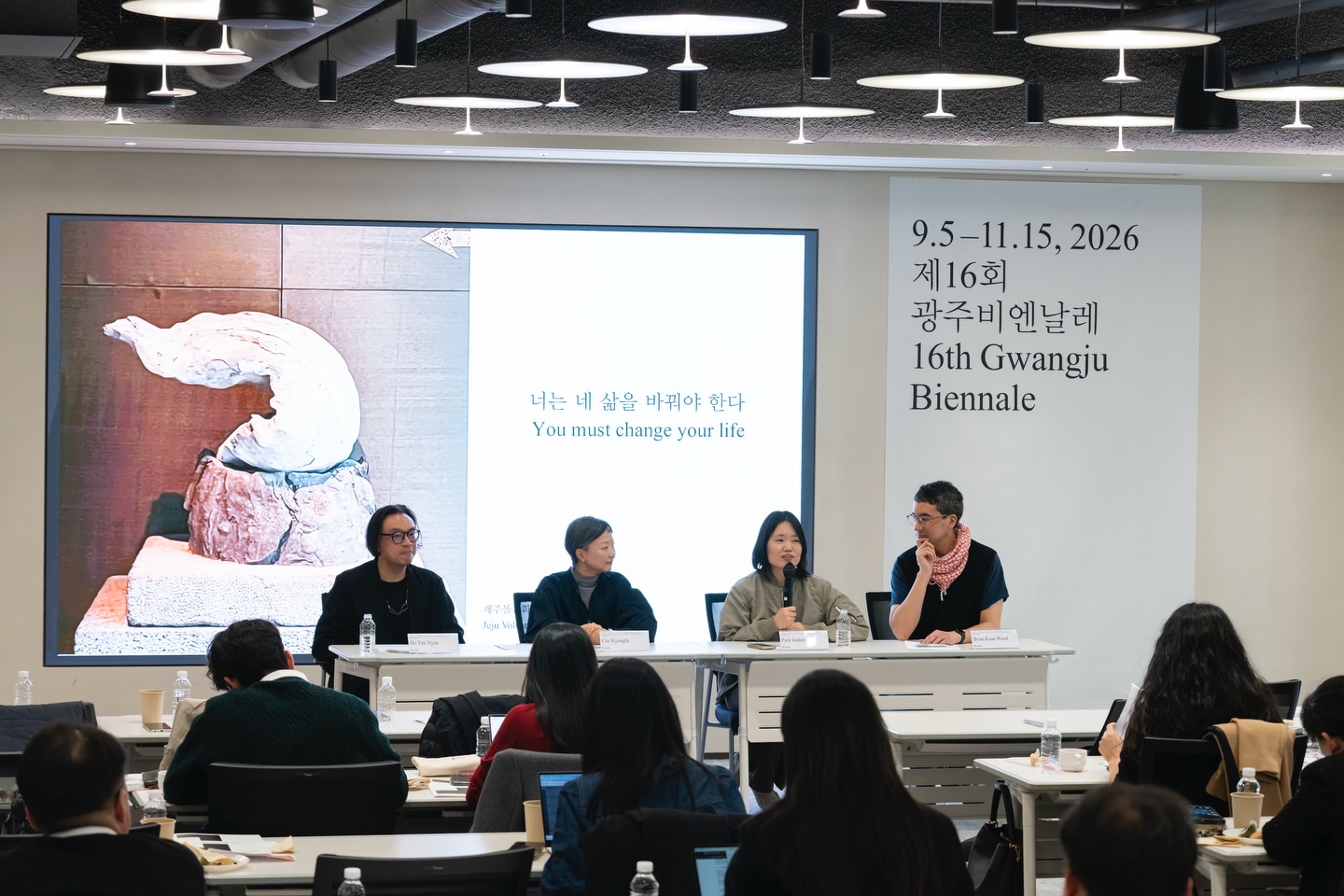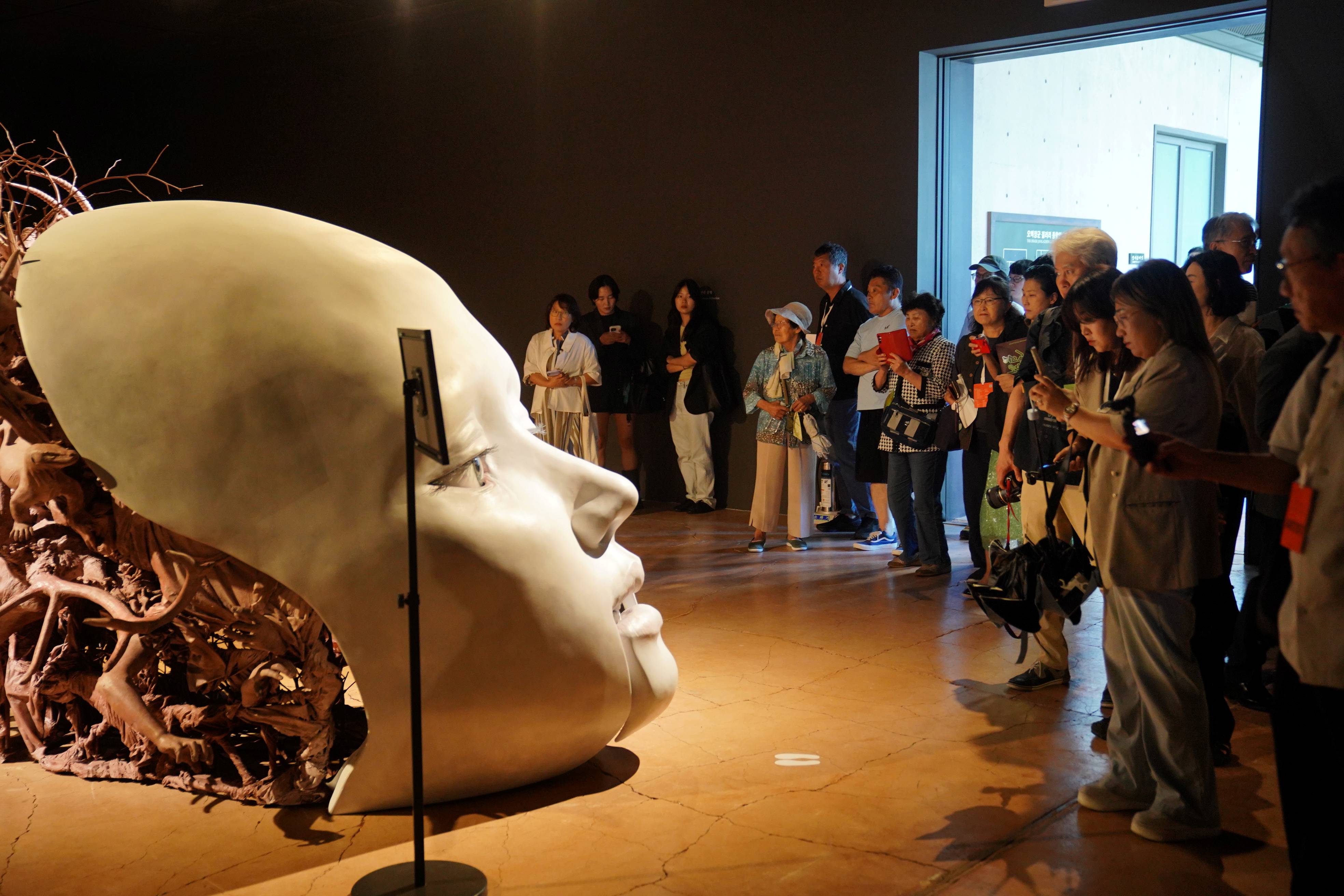

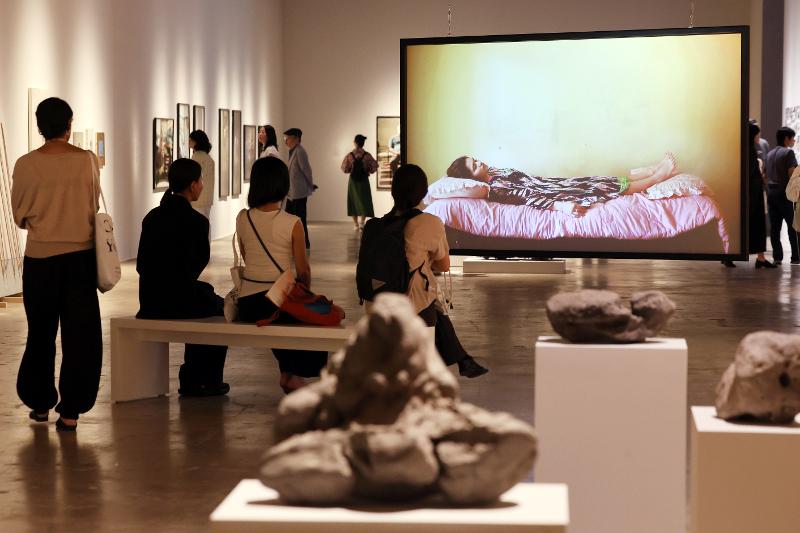
Press Day at the 16th Gwangju Biennale © Yonhap News
On September 4, the 16th Gwangju Biennale, 《You Must Change Your Life》, officially
opened with a ceremony, marking the beginning of its 72-day run.
Under the theme “You must change your
life,” the 16th Gwangju Biennale examines the meaning of “change” and “action”
through the lens of contemporary art, spanning the individual and extending to
society, history, and even the universe.
In particular, as Gwangju enters a period
of transition ahead of the launch of the Jeonnam-Gwangju Special Metropolitan
City, the Biennale seeks to strengthen its role as a cultural and artistic
platform connecting the global and the local, while presenting contemporary art
alongside the region’s cultural assets throughout the city.
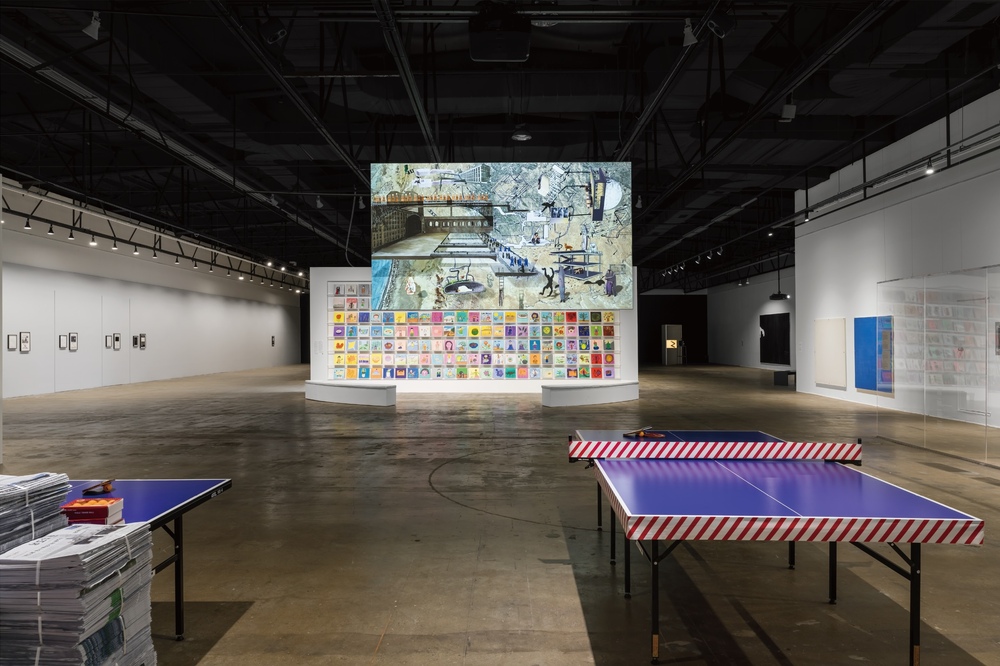
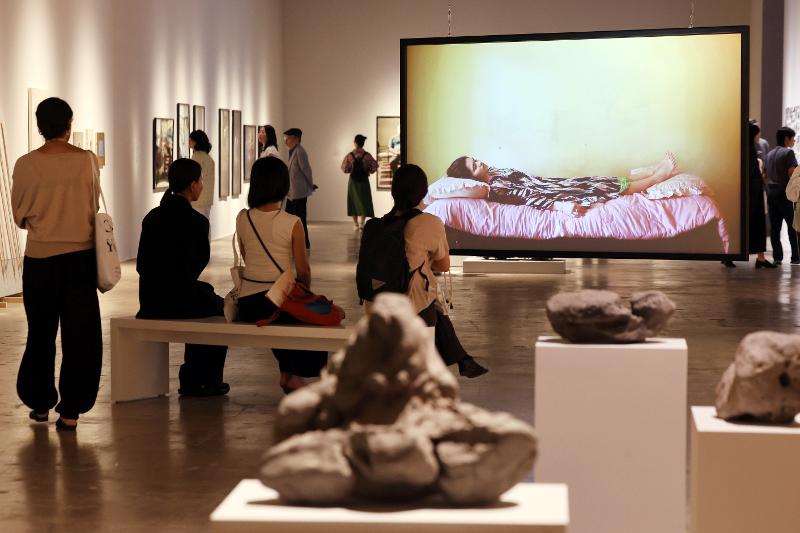
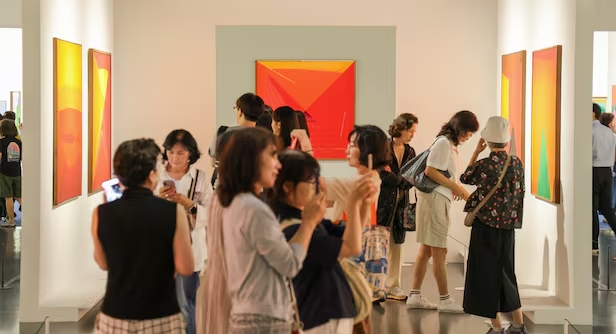
16th Gwangju Biennale, Gallery 2, Installation view. Photo: Jeon Byung Cheol. © Gwangju Biennale Foundation
The opening ceremony was attended by
approximately 500 people, including Hyung-bae Min, Mayor of Jeonnam-Gwangju
Special Metropolitan City; Bummo Youn, President of the Gwangju Biennale
Foundation; and artistic director Ho Tzu Nyen, as well as prominent figures
from the Korean and international art worlds, including Hans Ulrich Obrist,
Director of Serpentine Galleries, and Clara Kim, Senior Curator at the Museum
of Contemporary Art, Los Angeles (MOCA).
The opening performances began with an
improvisational performance featuring special instruments created fron the Kwon
Byungjun and Park Chan-kyong Bullim (Augmentation)(2026),
followed by electric duo Haepaary and DJ set by Rrose.
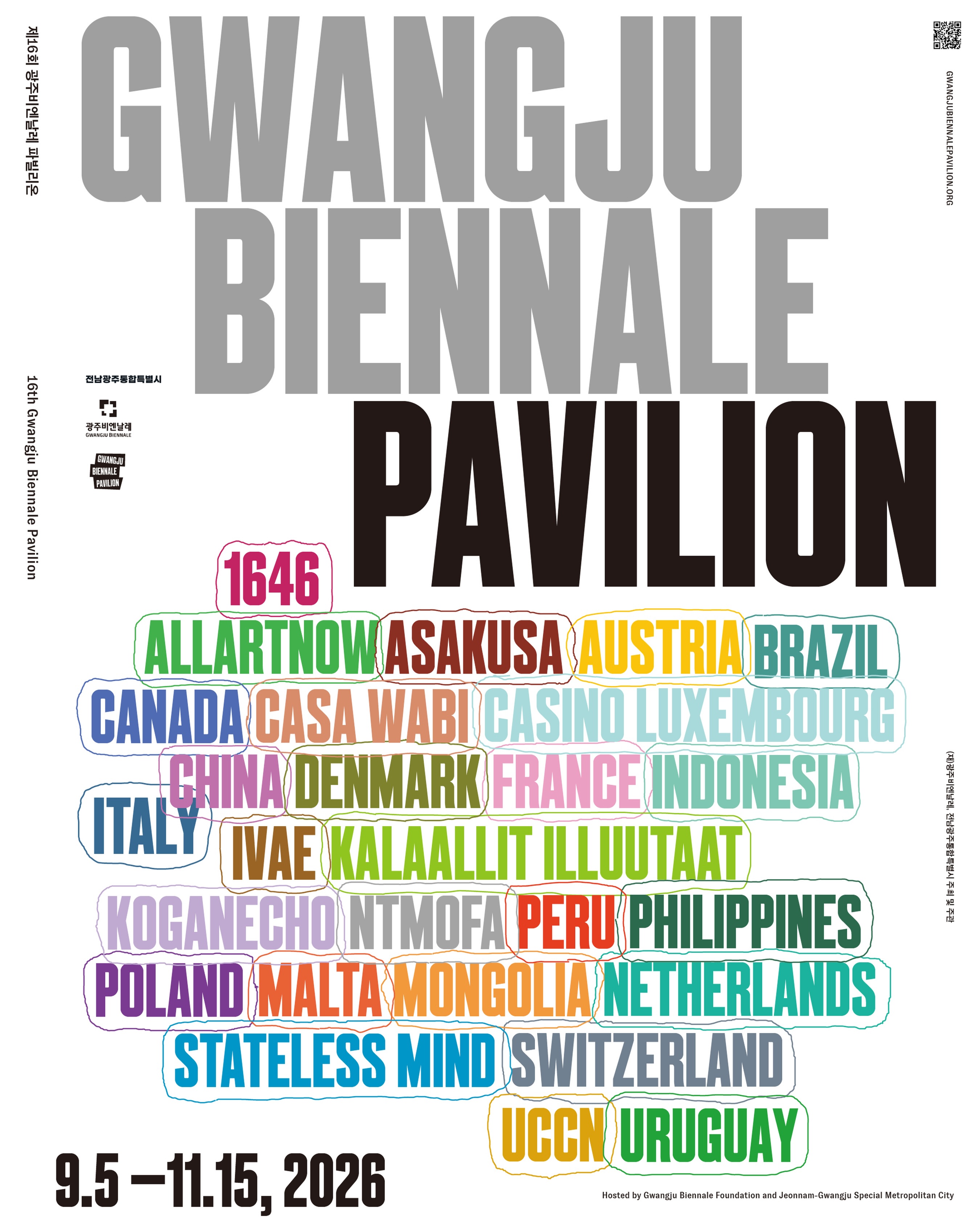
This year’s Biennale runs from September 5
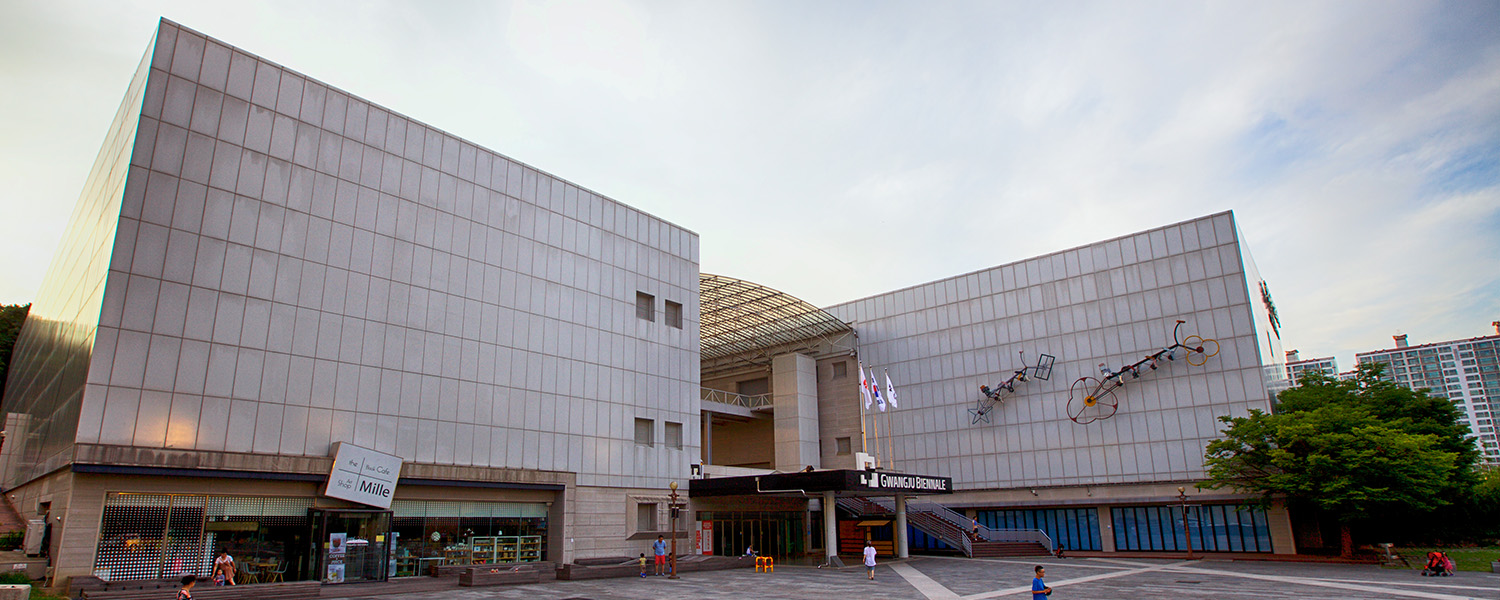
to November 15 at venues throughout Gwangju, including the Gwangju Biennale
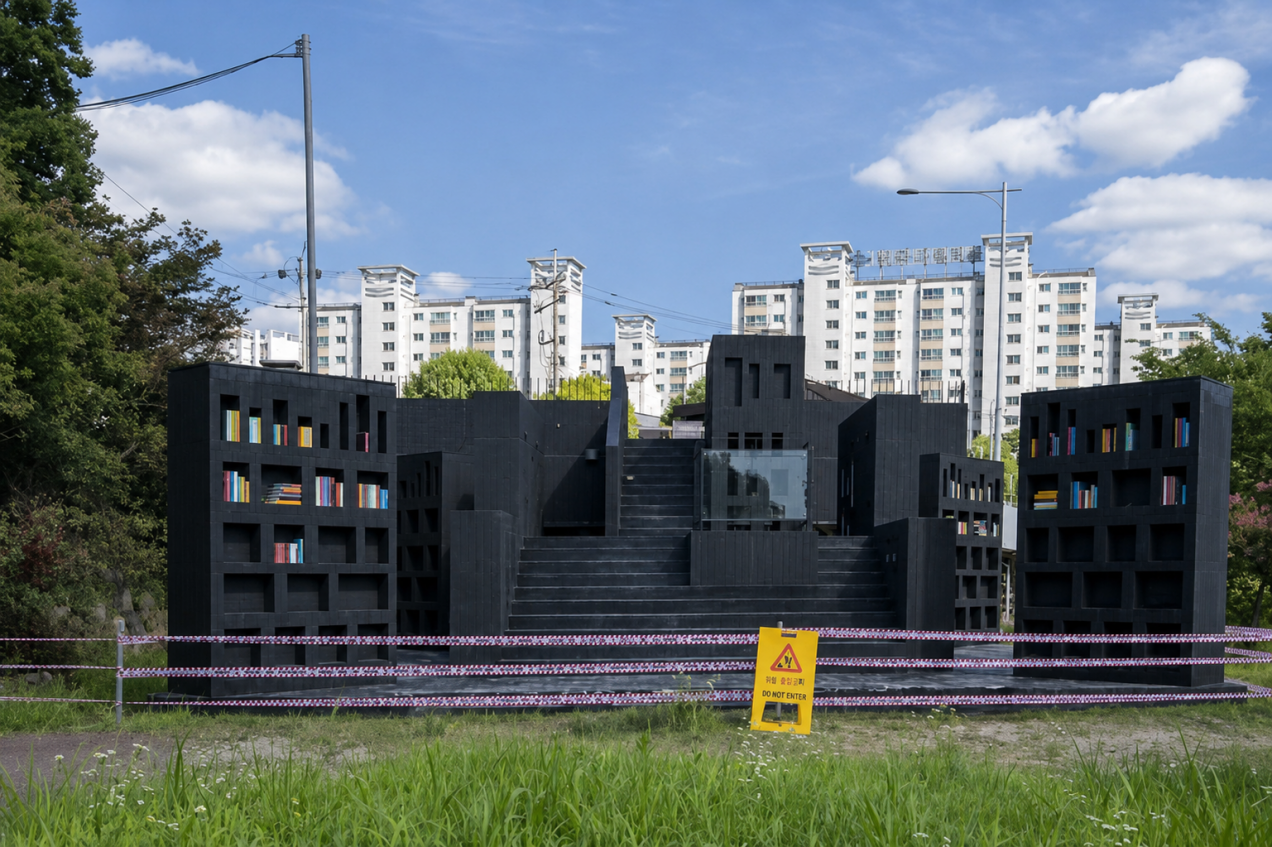
Exhibition Hall. Through a diverse range of programs, including the main
exhibition and pavilions, it presents new perspectives and practices in
contemporary art.
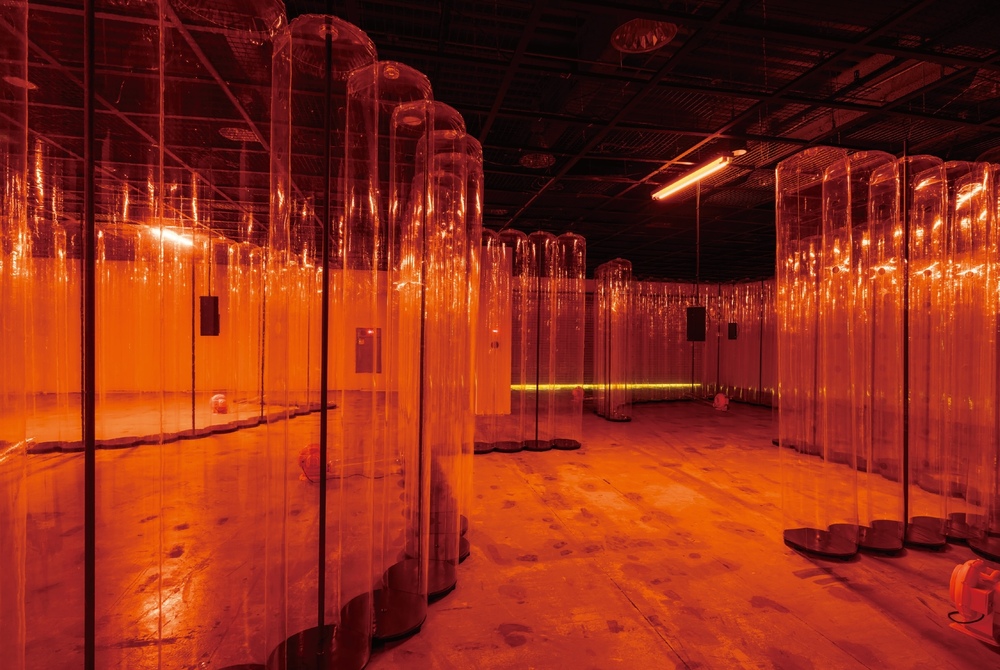
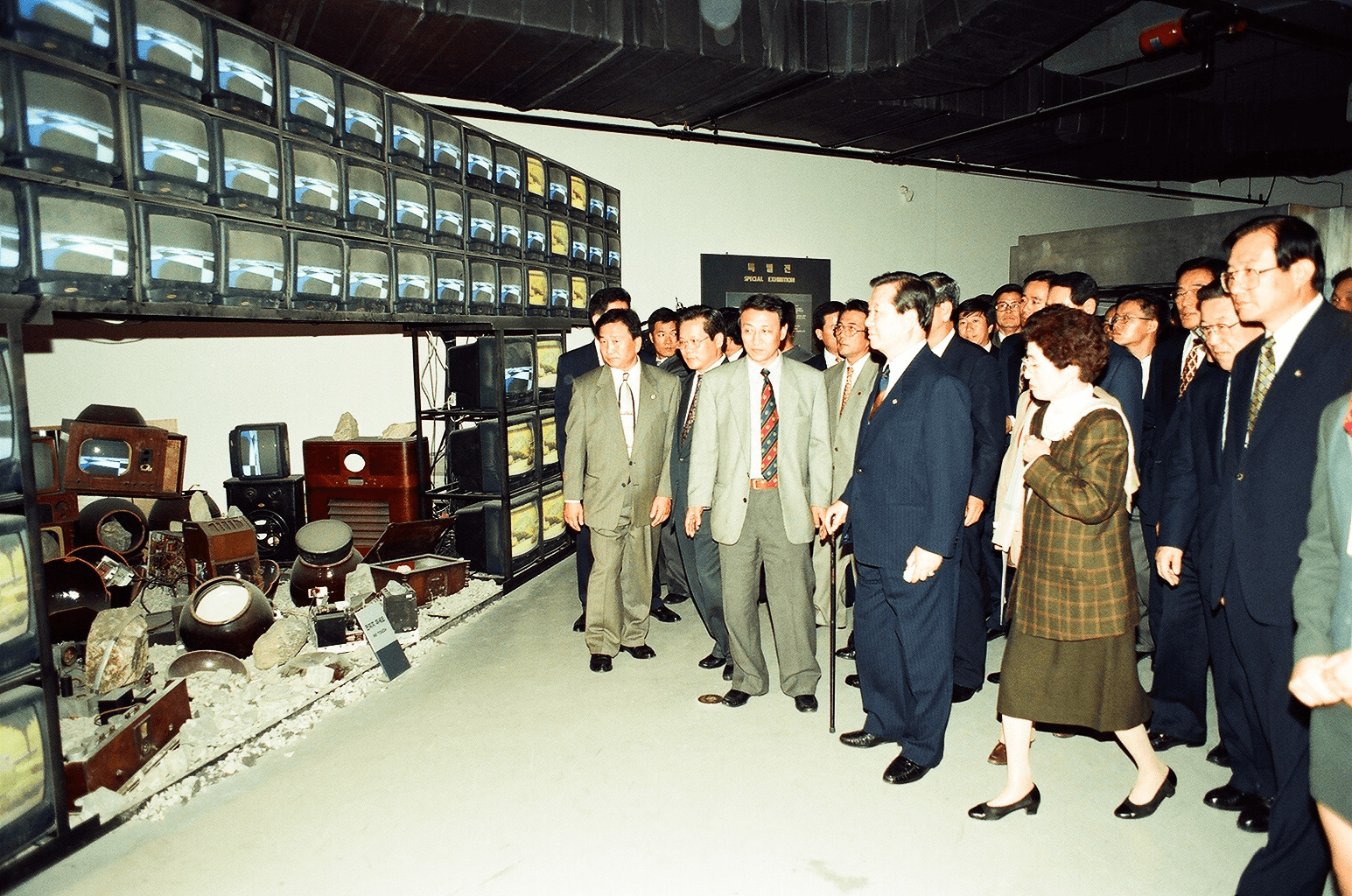
16th Gwangju Biennale, Gallery 5, Installation view. Photo: Jeon Byung Cheol. © Gwangju Biennale Foundation
Led by artistic director Ho Tzu Nyen, this
year’s Biennale brings together 43 artists and teams from 22 countries to
explore the conflicts and fractures confronting contemporary society, as well
as the possibilities of recovery and solidarity.
The participating artists ask how we might
connect with and transform one another through material conditions, lived
experiences, and evolving lives and relationships. Moving beyond mere
representation, art opens up new ways of thinking and new worlds, inviting us
to imagine possible futures.
This year, the Biennale has intentionally
reduced the number of participating artists while presenting multiple works by
each artist, allowing visitors to engage more deeply with individual works and
the artists’ practices.
For more information about the 16th Gwangju
Biennale, visit the Gwangju Biennale website and social media channels.