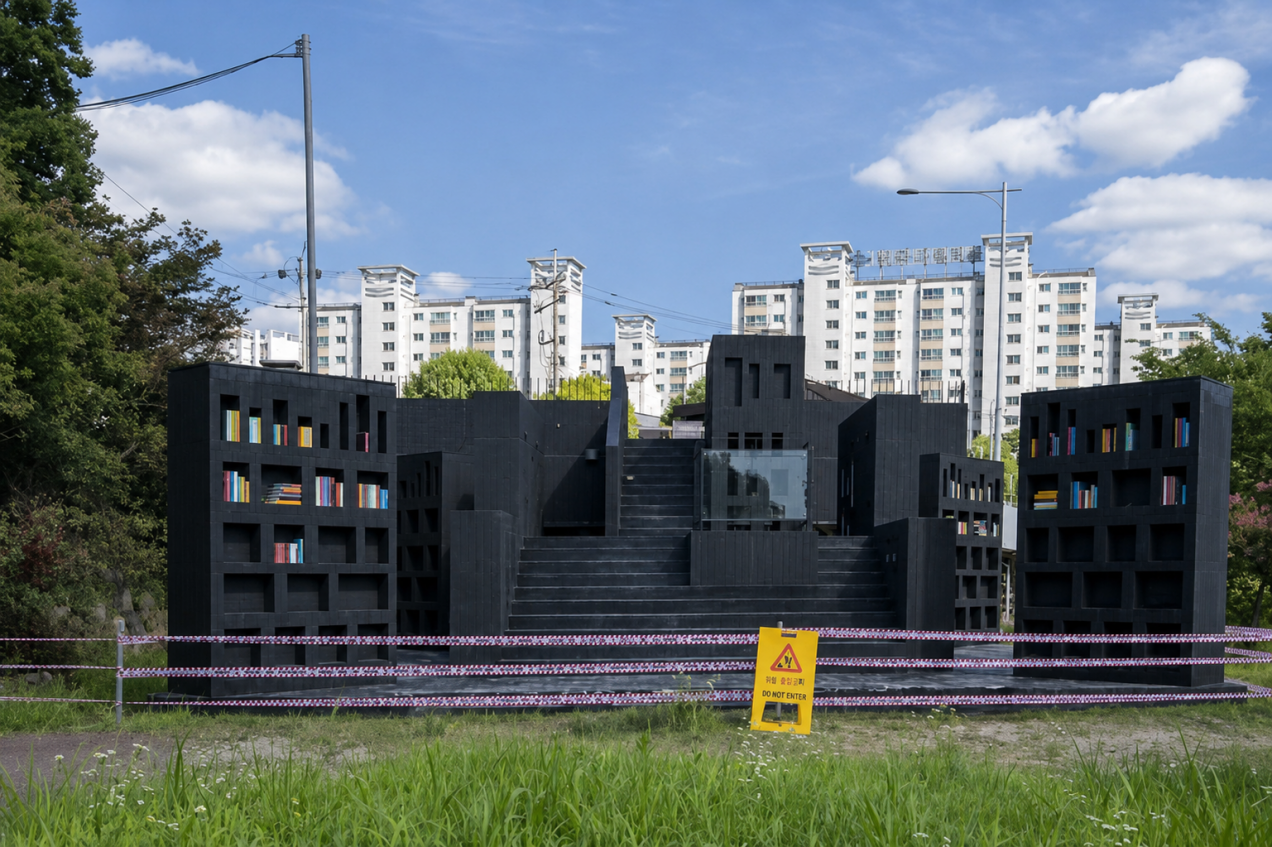

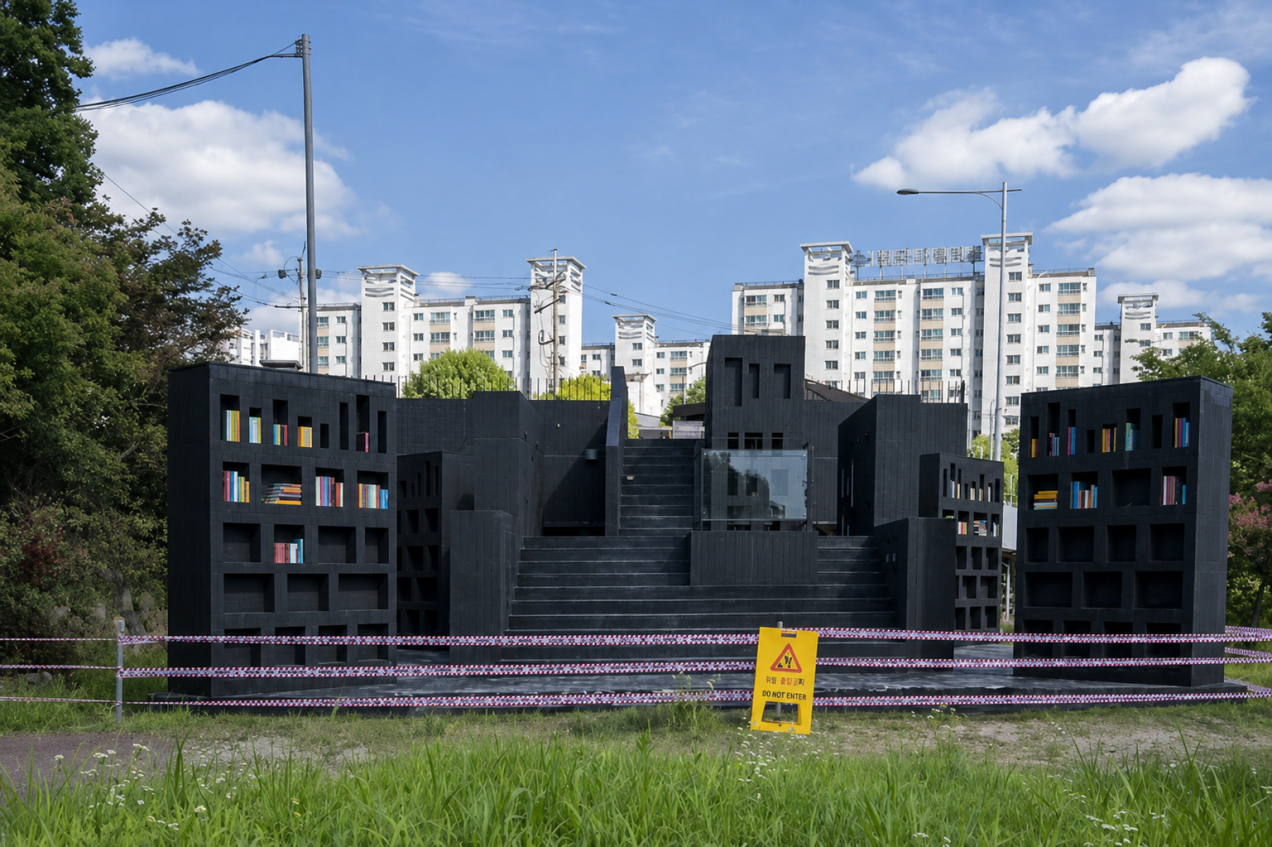
Gwangju Folly II: Gwangju River Reading Room, whose wooden roof was removed for safety reasons after part of it was damaged by heavy rainfall last year. © Gwangju Ilbo
The
public art project ‘Gwangju Folly,’ created with the aim of promoting urban
regeneration and cultural revitalization, has come under criticism as some of
its structures have been damaged or have lost their original functions due to
inadequate maintenance.
According
to the Gwangju Ilbo, several works have been left damaged, while restoration
efforts have been criticized for prioritizing administrative convenience over
the artistic significance of the works, weakening their value as public art
assets.
A
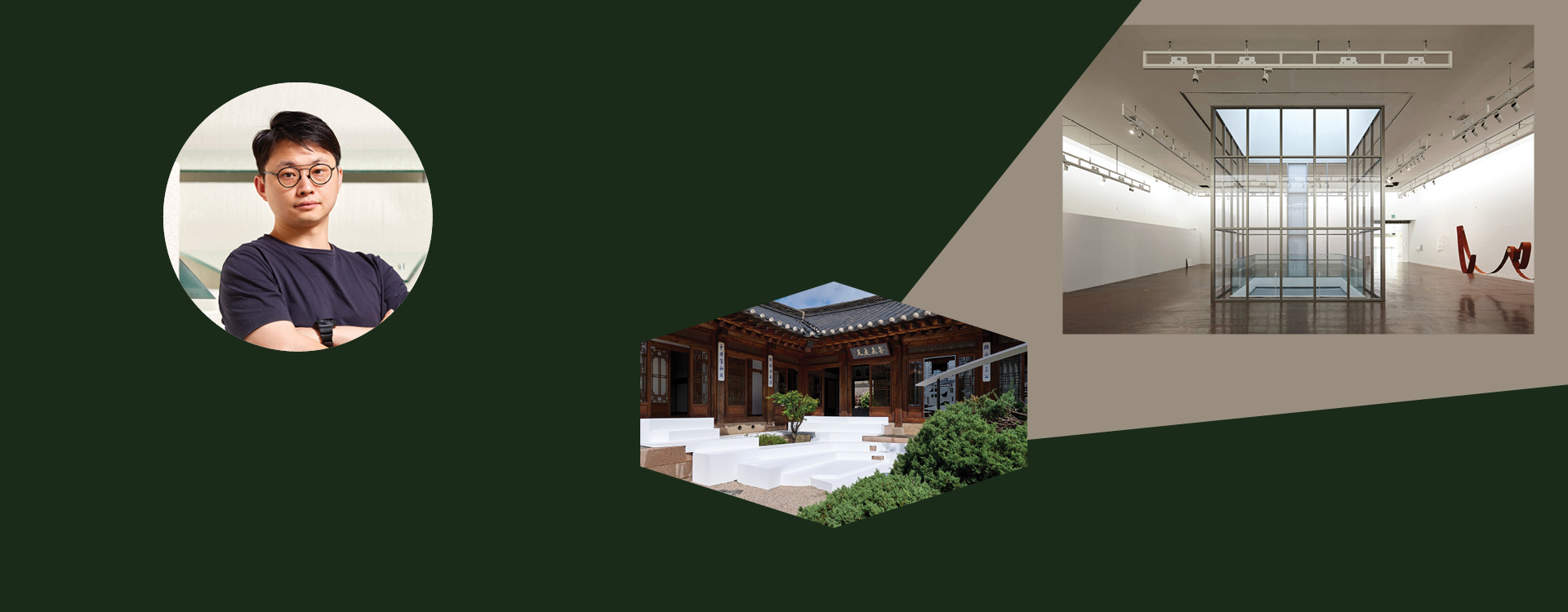
representative example is Gwangju River Reading Room,
installed in 2013 as part of Gwangju Folly II. Designed by architect David
Adjaye and novelist Taiye Selasi, the work was inspired by traditional Korean
pavilions and created as a space connecting the embankment of the Gwangju River
with the riverside promenade, where citizens could rest and read books.
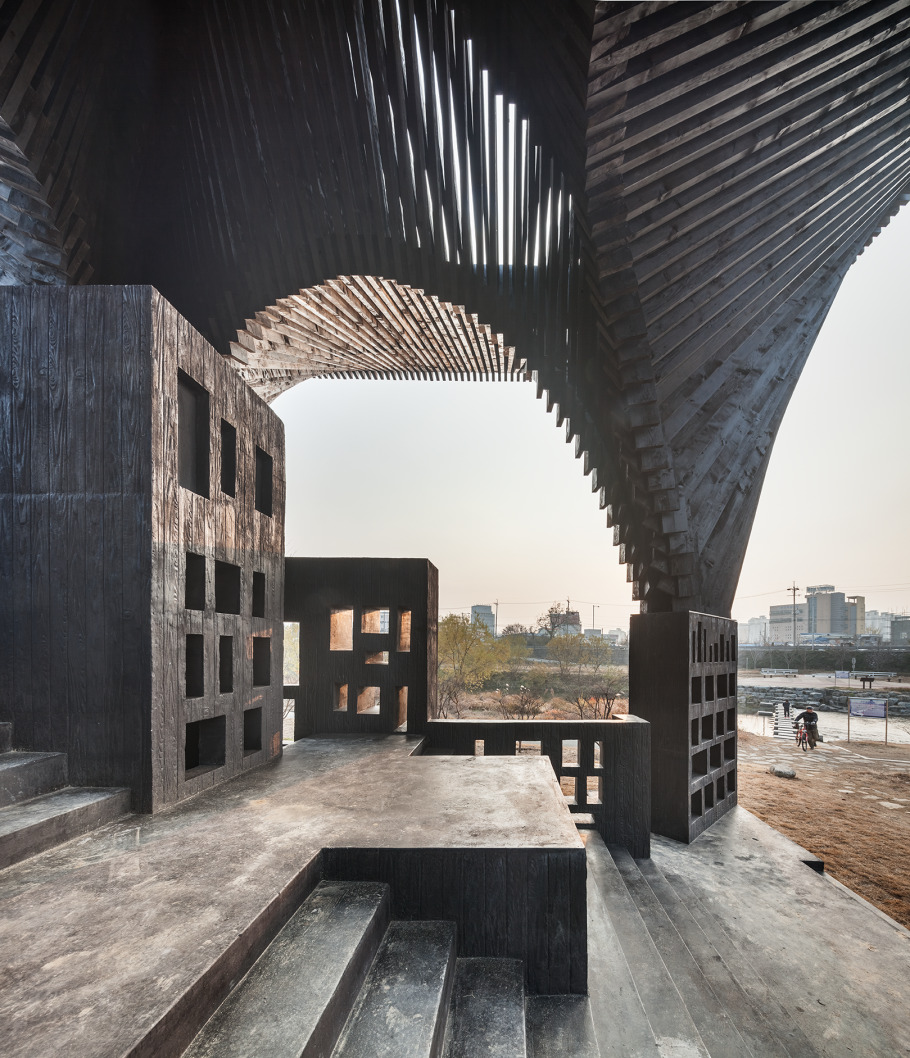
View of the original Gwangju Folly II Gwangju River Reading Room. © Gwangju Folly
However,
after part of the wooden roof was damaged by heavy rainfall last year and
subsequently removed for safety reasons, the work has been criticized for
losing a significant part of its spatial identity and symbolic meaning.
The
Gwangju Institute of Design Promotion, the organization responsible for its
management, explained that the roof was removed for safety following
consultation with the artists. However, citizens and experts have pointed out
that systematic maintenance and preventive inspections should have been
implemented earlier, as the removal resulted in the loss of a key element that
defined the work’s identity.
Other
Gwangju Folly works have also revealed ongoing maintenance issues. Roundabout
Revolution in Buk-gu has become a neglected site rather than a public
space for citizens, with overgrown weeds, deteriorated facilities, and stored
materials occupying the interior.
Meanwhile,
the restaurant-style follies Chungmijang and Congzib
in Sansu-dong, Dong-gu, have also suffered from insufficient maintenance and
facility repairs following the suspension of their operations. Both spaces
initially drew attention as cultural venues aimed at revitalizing the old
downtown area, supporting youth entrepreneurship, and promoting tourism, but
they now require new plans for their future use.
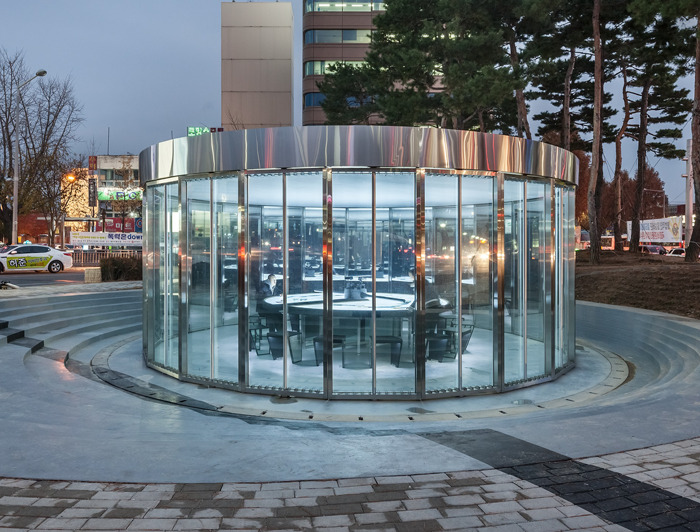
Roundabout Revolution by Eyal Weizman, expressing various social and political contexts ranging from intersections that have become origins of civic spirit to the roundtable politics envisioned as spaces of post-revolution. © Gwangju Folly
Since
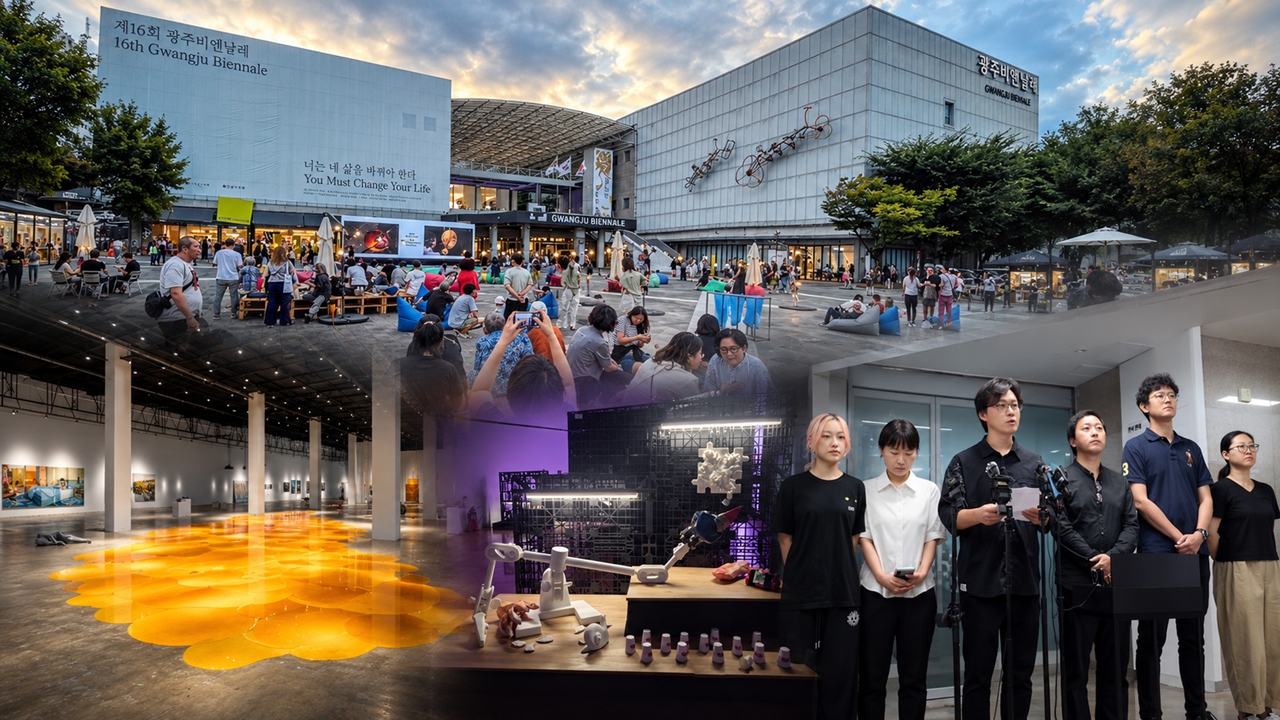
its launch in 2010 as a special project of the Gwangju Biennale, Gwangju Folly
has established a total of 32 works through 2024. Last year, responsibility for
its maintenance and management was transferred from the Gwangju Biennale to the
Gwangju Institute of Design Promotion. However, insufficient budget has limited
the ability to properly maintain the entire collection and carry out
restoration and revitalization projects.
Cultural
professionals emphasize that Gwangju Folly should not be regarded as merely a
collection of public facilities, but as a cultural asset that embodies the
city’s history and artistic significance. They argue that securing stable
funding and establishing a long-term preservation and management system are
essential.