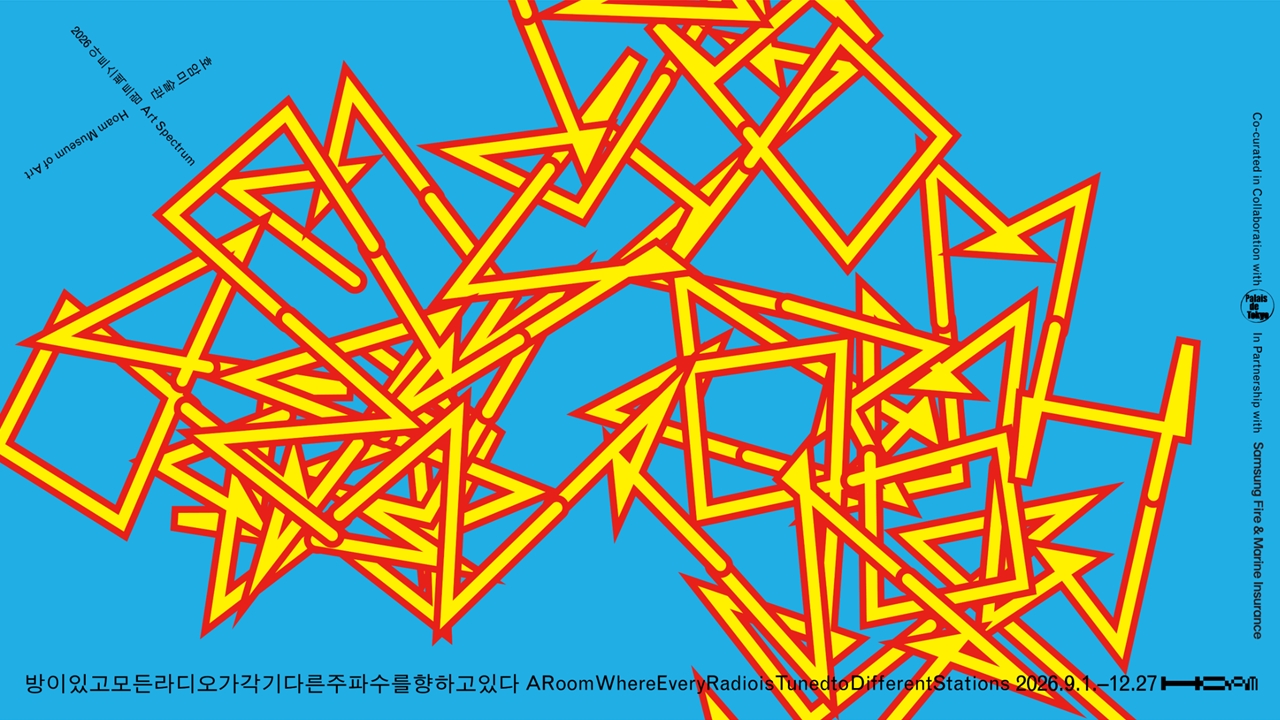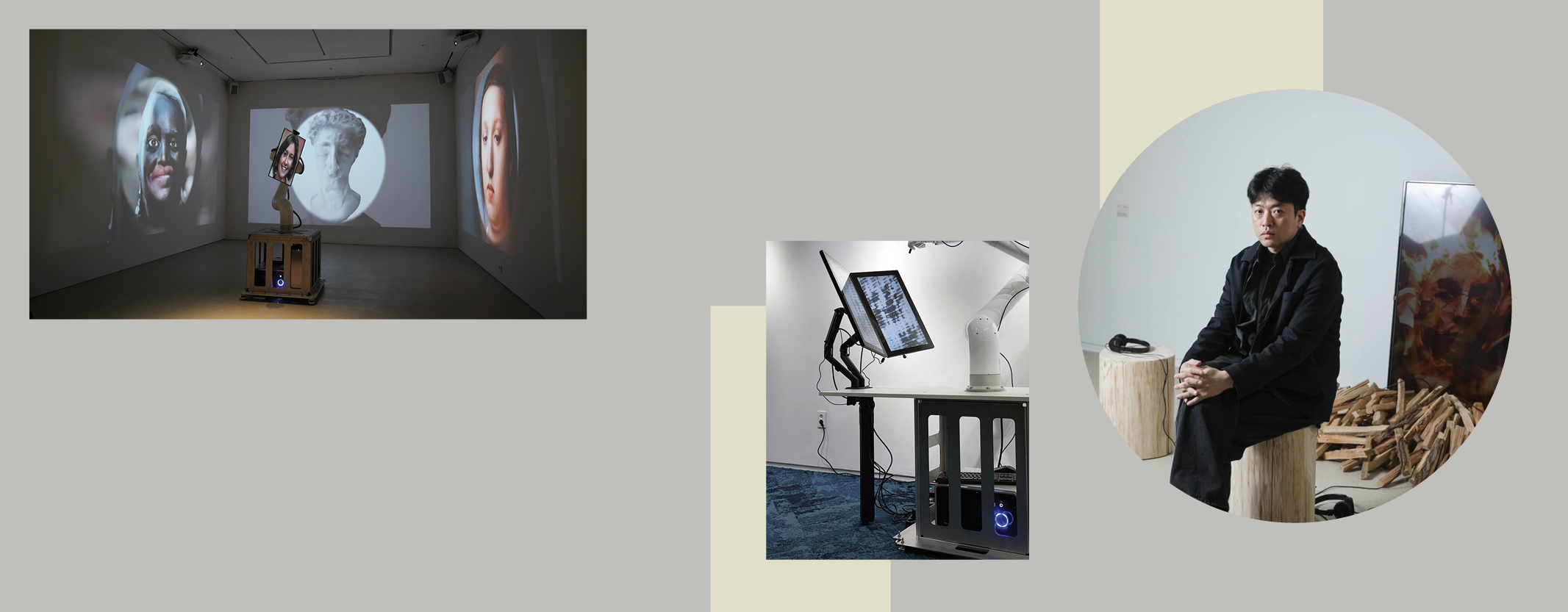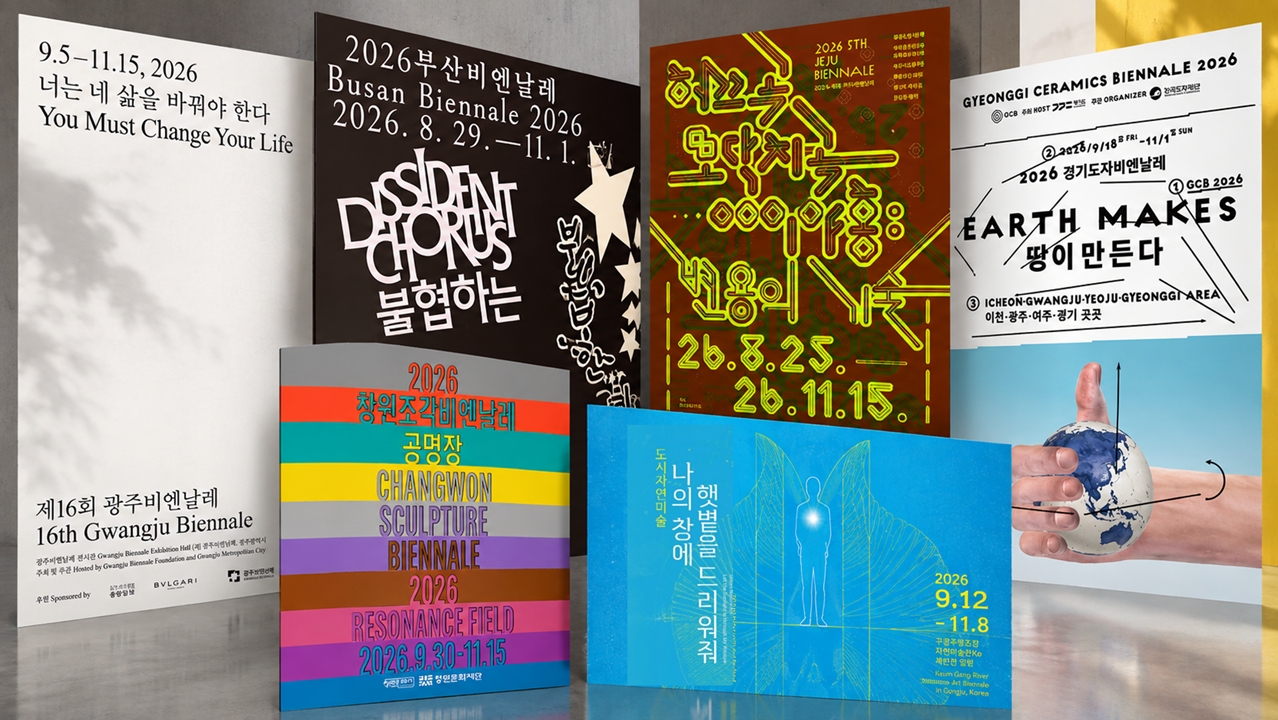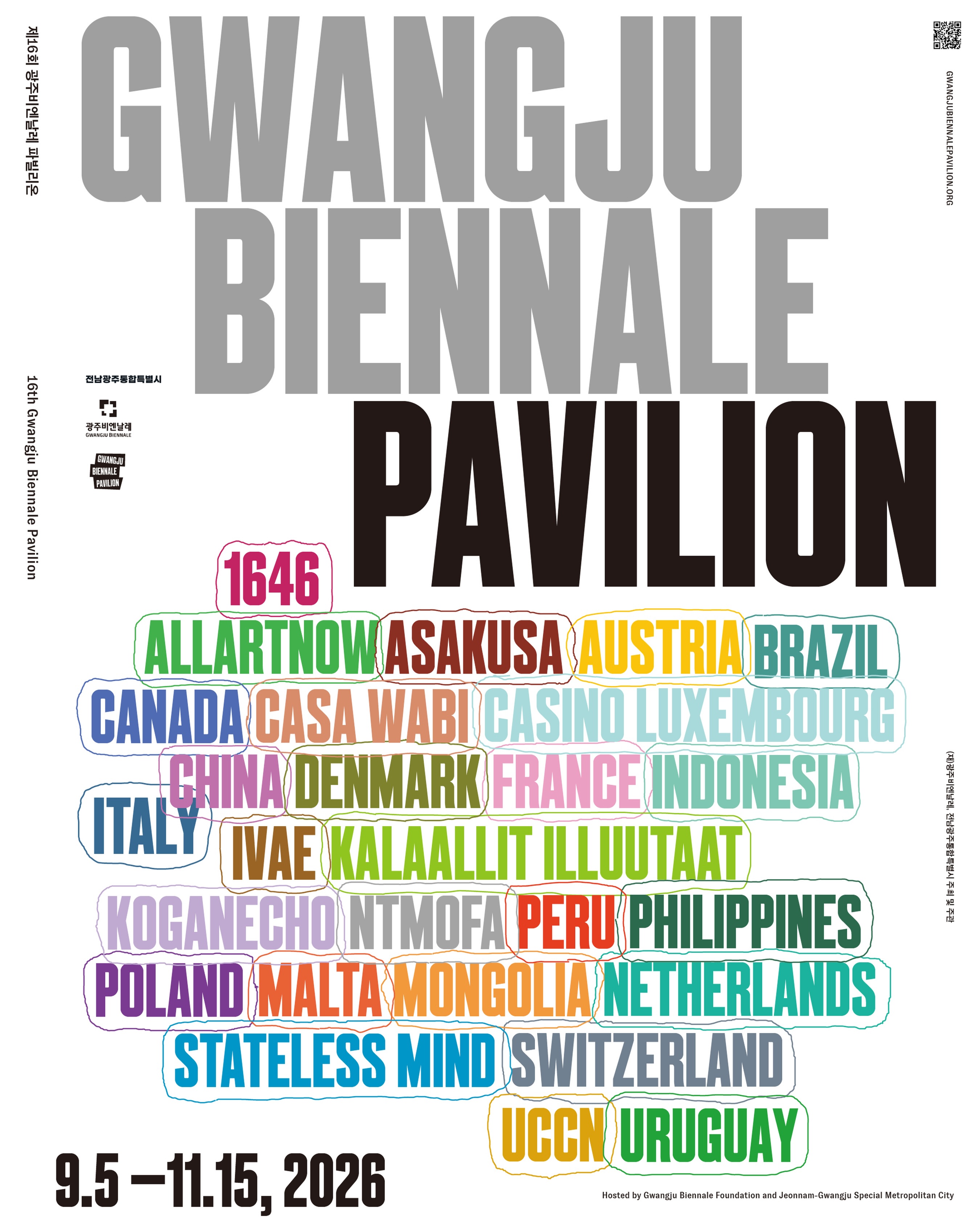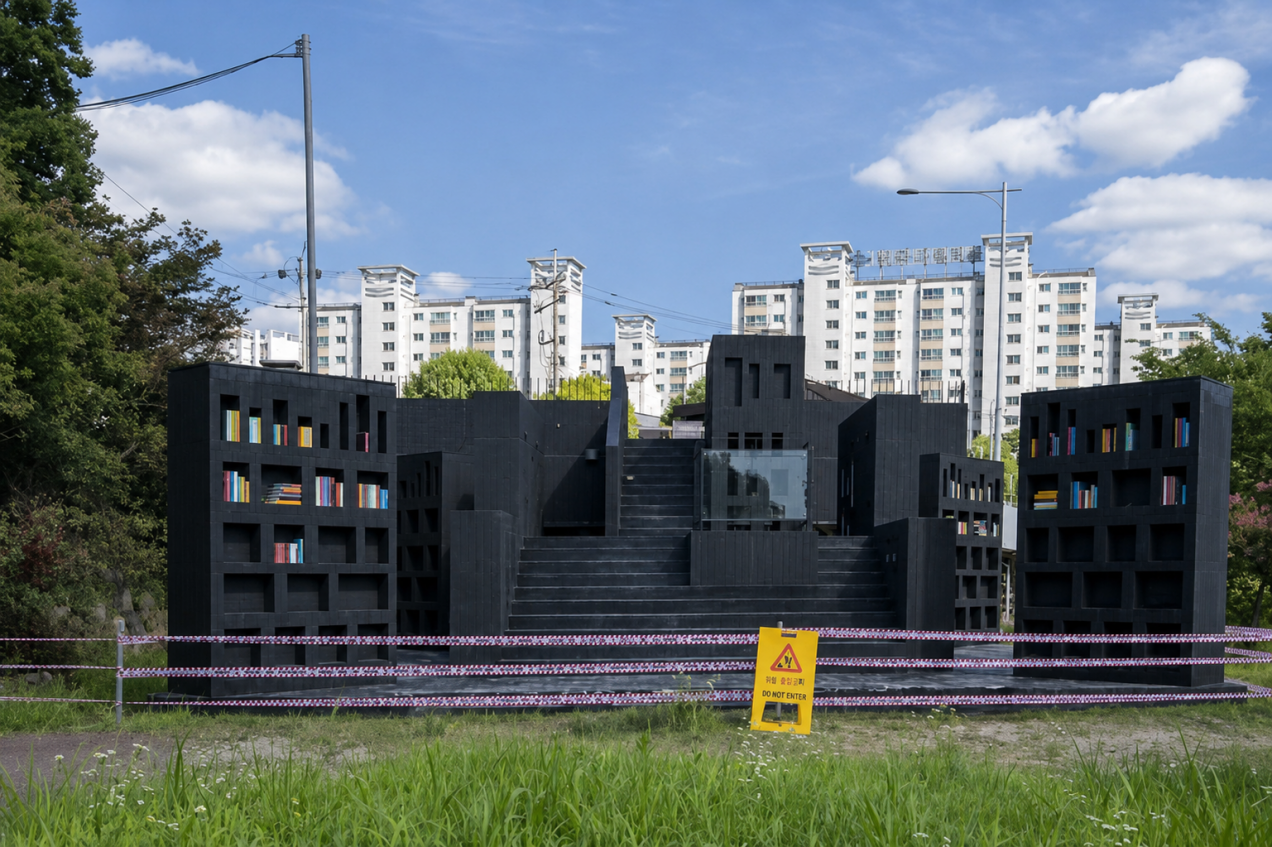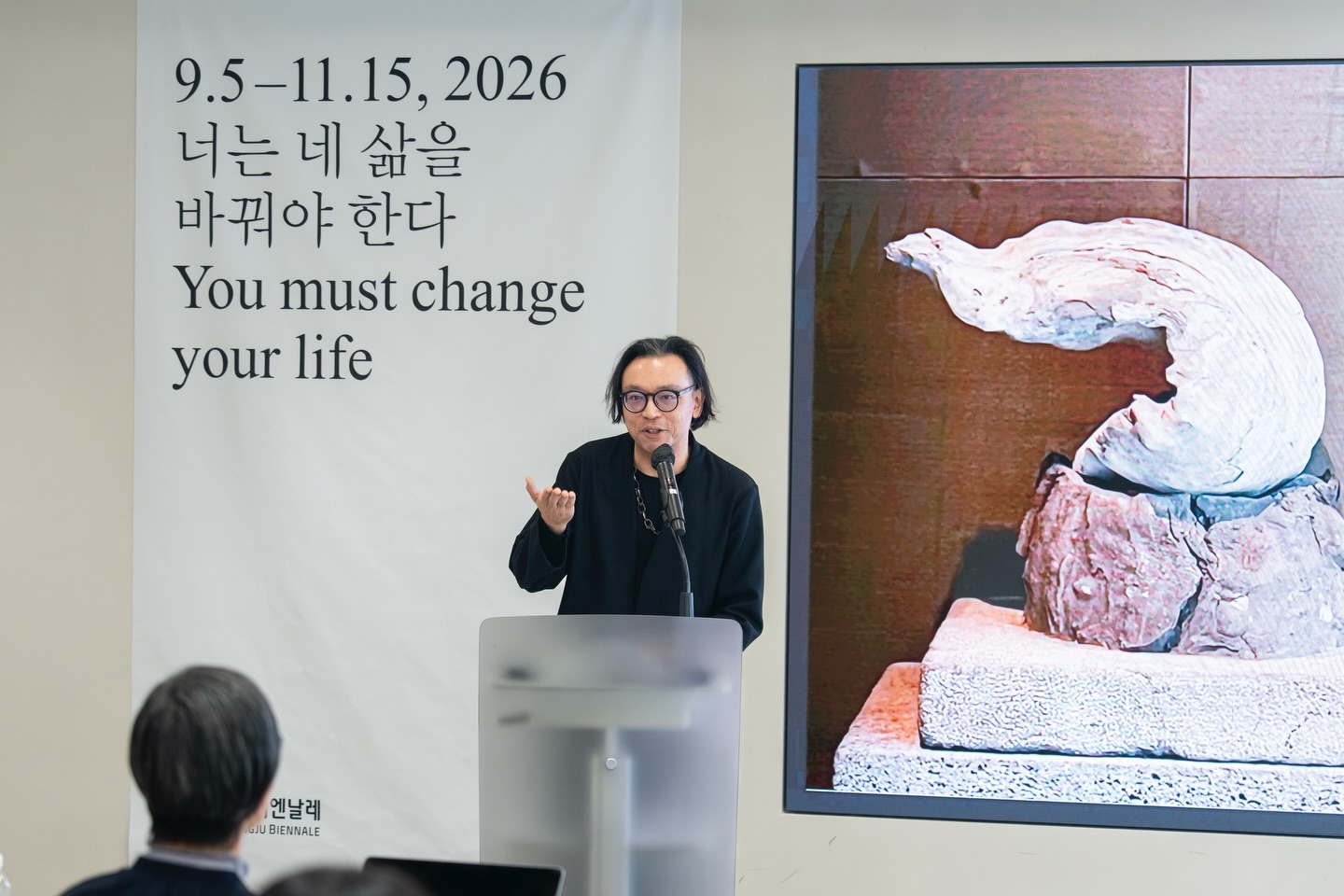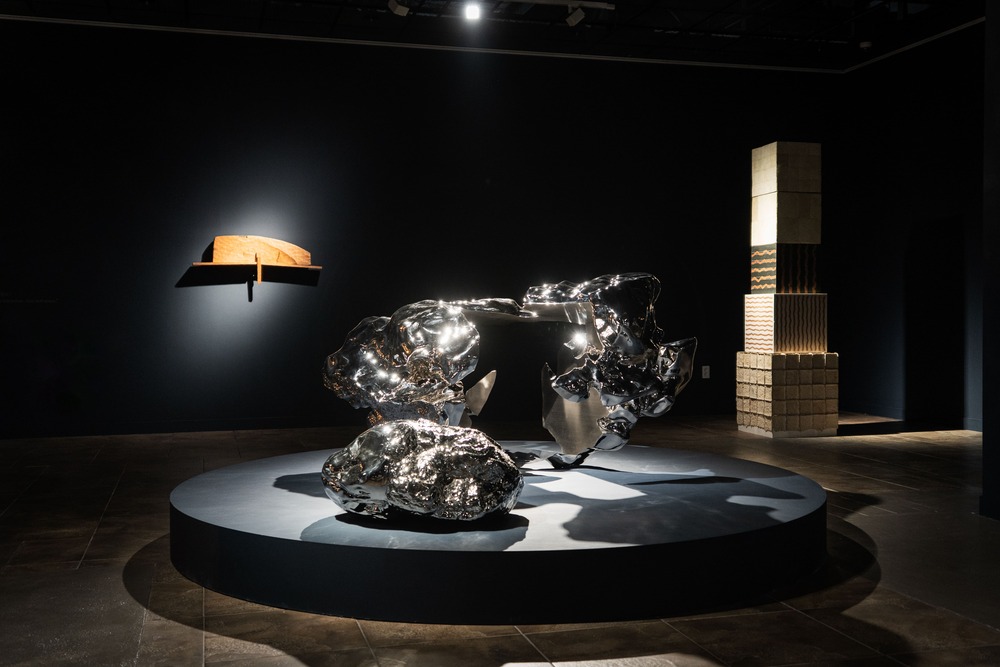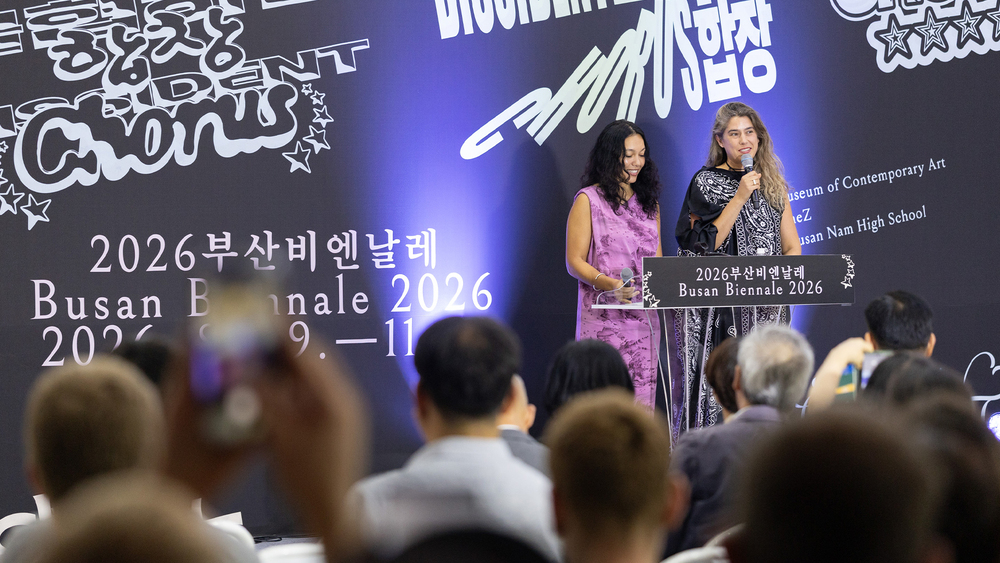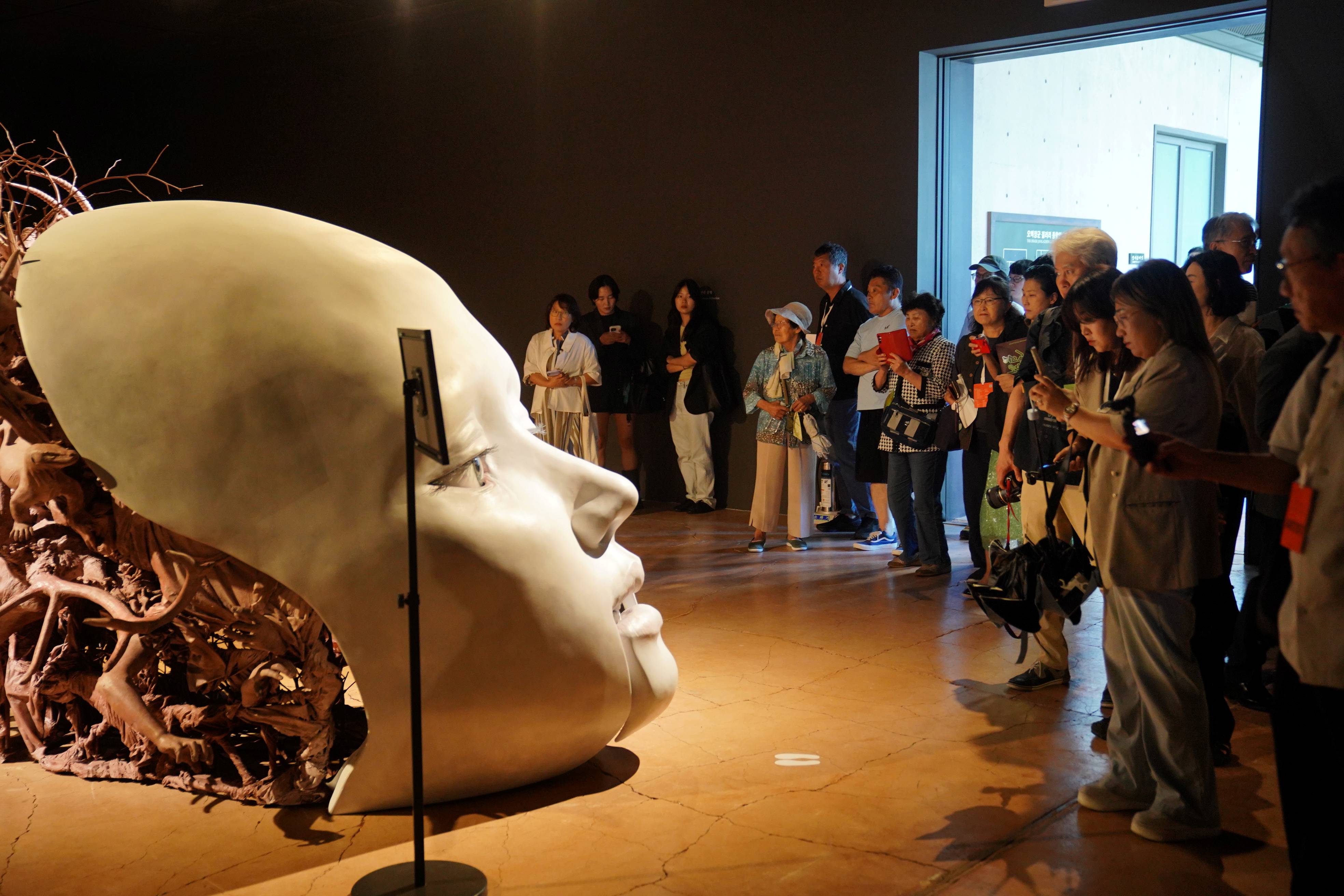

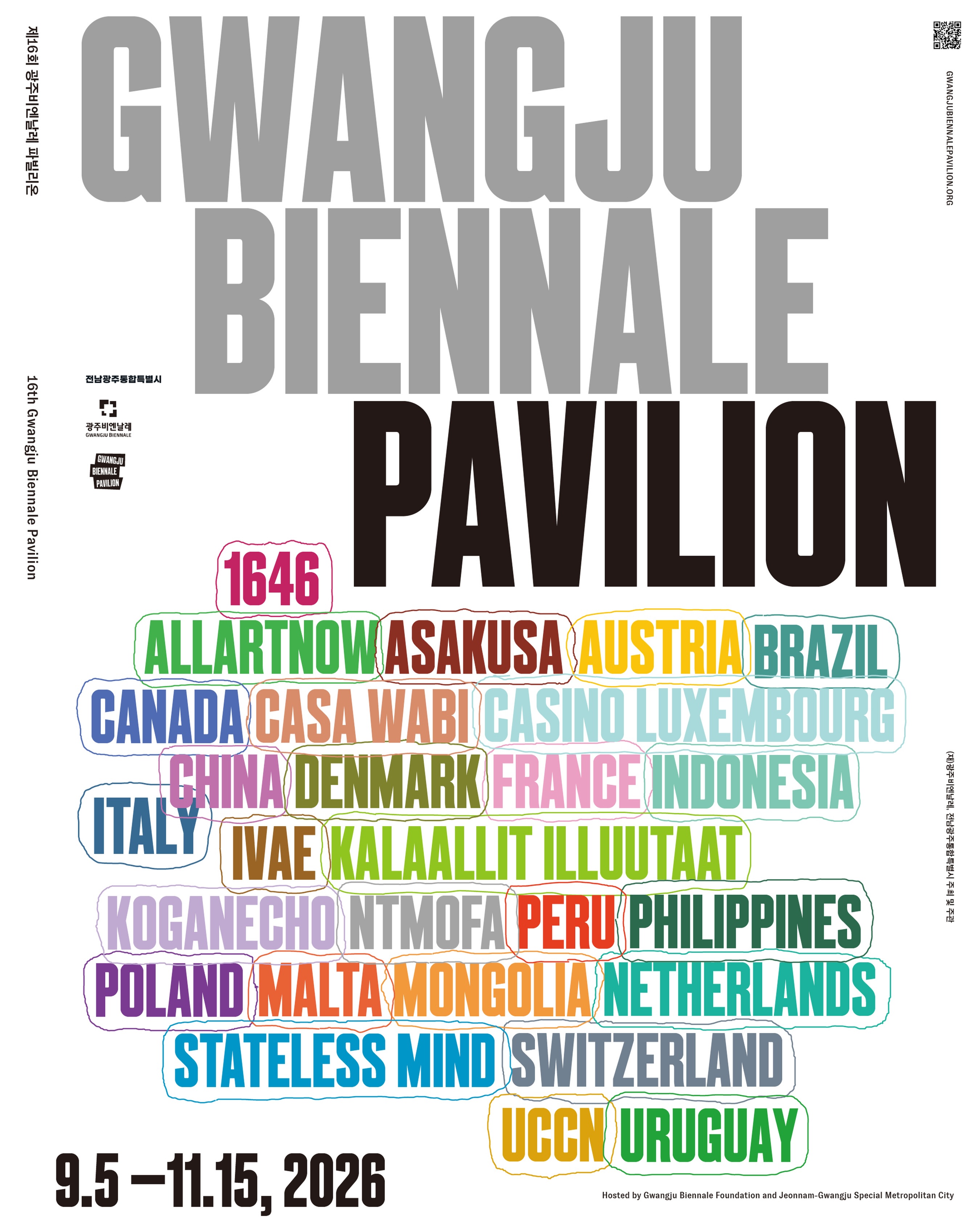
Poster image of. The 16th Gwangju Biennale Pavilion © Gwangju Biennale
With
the Gwangju Biennale set to open on September 5, controversy over censorship
has emerged after the “Taiwan Pavilion” was identified by an institutional name
rather than by the name of the country.
The
controversy came into the public spotlight on the 15th, when the curators and
artists participating in the Taiwan Pavilion of the 16th Gwangju Biennale
Pavilion Project issued an official statement titled A Pavilion under
Censorship.
According
to the statement, the country name “Taiwan” was unilaterally removed from the
Gwangju Biennale Pavilion Project without the consent of the Taiwanese side. In
response, voices of solidarity have grown among domestic and international
members of the art community, including the Artists’ Solidarity Against
Censorship, as well as members of the general public.
As
of August 19, the posters and website for the Pavilion Project released by the
Gwangju Biennale Foundation display only “NTMoFA,” the abbreviation for the
National Taiwan Museum of Fine Arts, in place of the country name “Taiwan.”
Taiwan’s
Ministry of Culture stated that it had submitted its proposal to the Gwangju
Biennale Foundation earlier this year under the name “Taiwan Pavilion” and
signed an agreement with the Foundation, but that the pavilion’s name was
subsequently changed.
The
Taiwanese side said it had repeatedly raised objections to the Foundation’s
unilateral change of the name and attempted to engage in discussions, but
received no official response. It has since stated that it will take the
necessary measures. Some artists participating in the exhibition have also
expressed their intention to withdraw from the project.
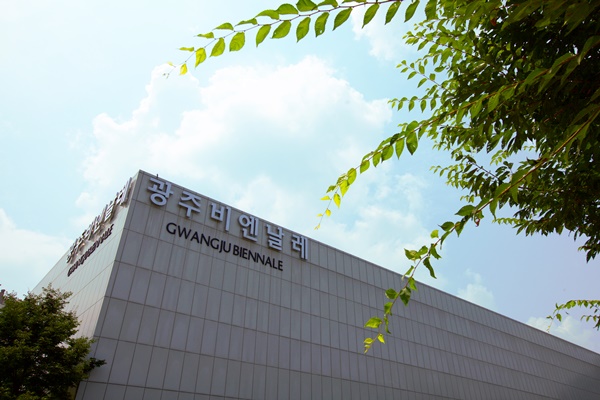
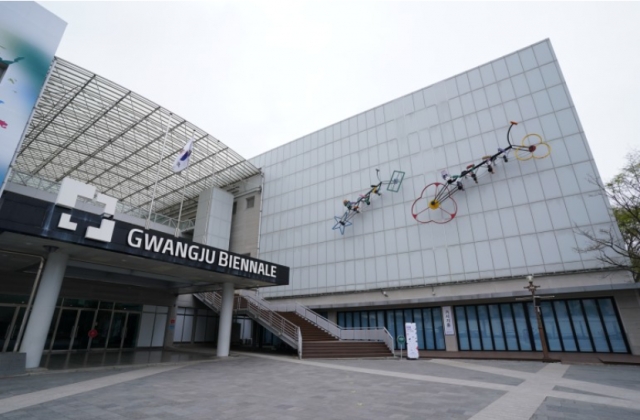
Exterior view of Gwangju Biennale Exhibition Hall © Gwangju Biennale
Amid
growing criticism that the Gwangju Biennale, rooted in the values of democracy
and human rights, has infringed upon participants’ right to define and name
their own identity, the Gwangju Biennale Foundation issued an official
statement on the 19th.
The
Foundation stated that the issue “does not concern the content of the
exhibition or freedom of expression, but rather a disagreement over
administrative procedures regarding the type of participation and the
designation of the pavilion,” firmly denying that it had “intervened in or
censored the exhibition’s planning or content in any way.”
The
Gwangju Biennale also explained that “NTMoFA proceeded with its participation
in the Pavilion Project under the name of the institution and signed an
exhibition agreement with the Foundation on January 12 in its institutional
capacity.”
Accordingly,
the Foundation maintained that the pavilion was designated by the institution’s
name, NTMoFA, rather than by the name of a country.
The
Gwangju Biennale Pavilion Project is an external initiative operated separately
from the main exhibition, through which countries, cultural and artistic
institutions, cities, and curators voluntarily propose exhibitions.
Launched
in 2018 with three participating institutions, the Pavilion Project expanded to
31 pavilions in 2024, comprising 22 national pavilions and nine institutions or
cities. This year, 16 national pavilions and 11 institutions are participating.
References
- [성명] 검열당한 국가관 ([Statement] A Pavilion under Censorship)
- 검열에 반대하는 예술인 연대, [성명] 누가 ‘Taiwan Pavilion’이라는 이름을 두려워하는가 (Artists’ Solidarity Against Censorship, [Statement] Who Is Afraid of the Name of “Taiwan Pavilion”)
- 뉴시스, 광주비엔날레, 대만 파빌리온 '검열' 논란 반박…"기관명 표기일 뿐", 2026.08.19
- 광주MBC, '대만' 이름 지운 광주비엔날레.. 대만 작가들 "불참", 2026.08.19