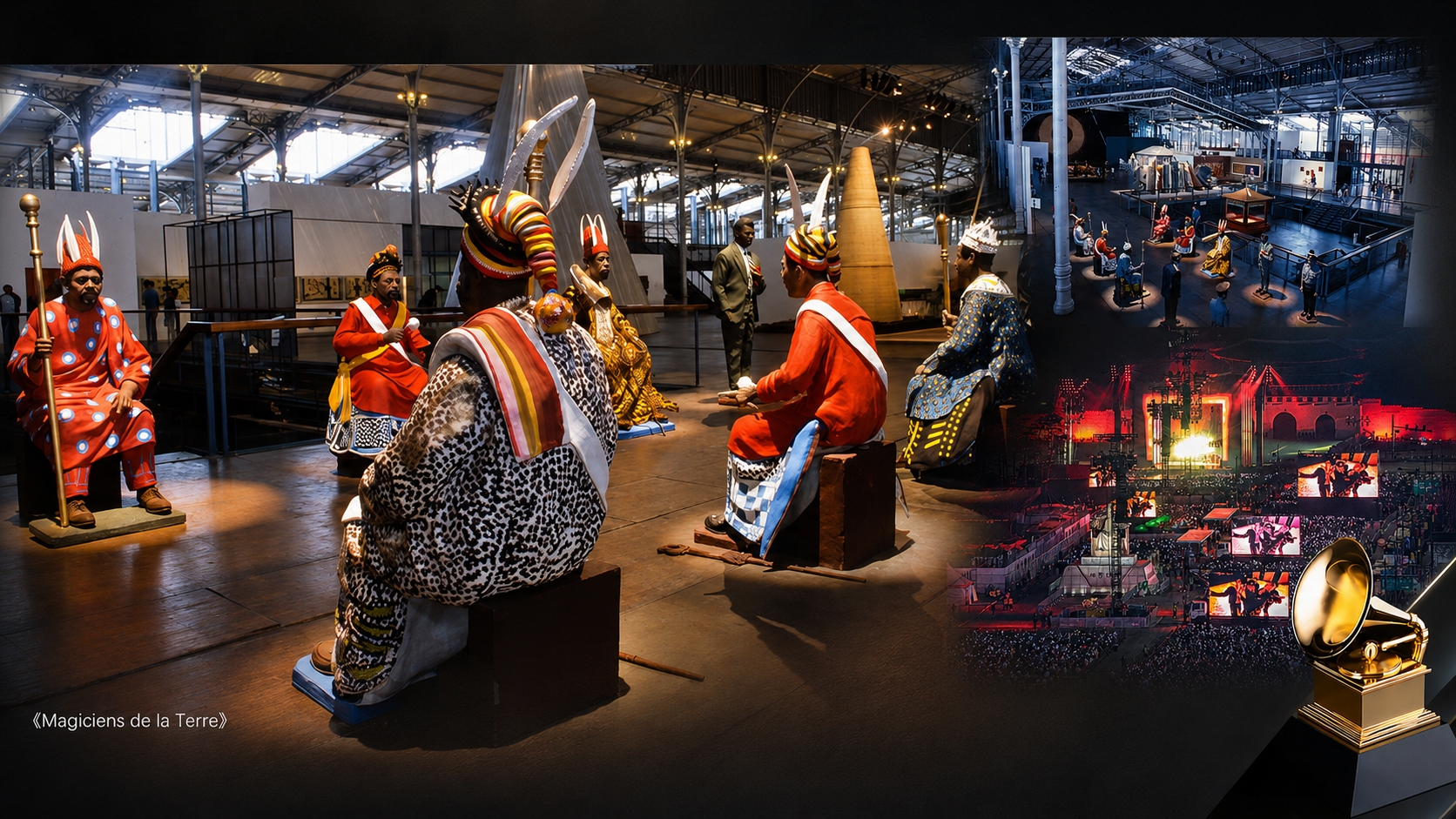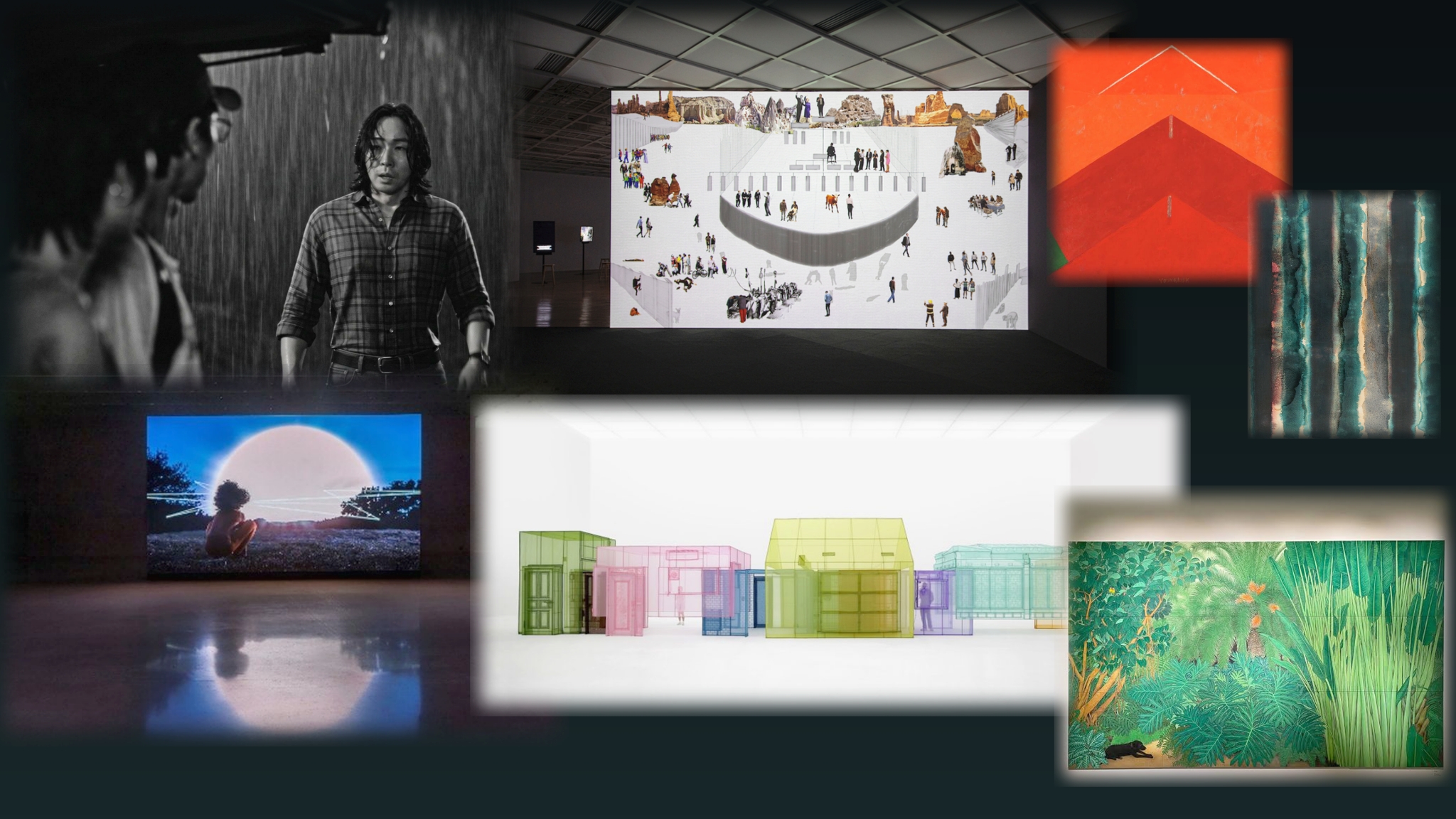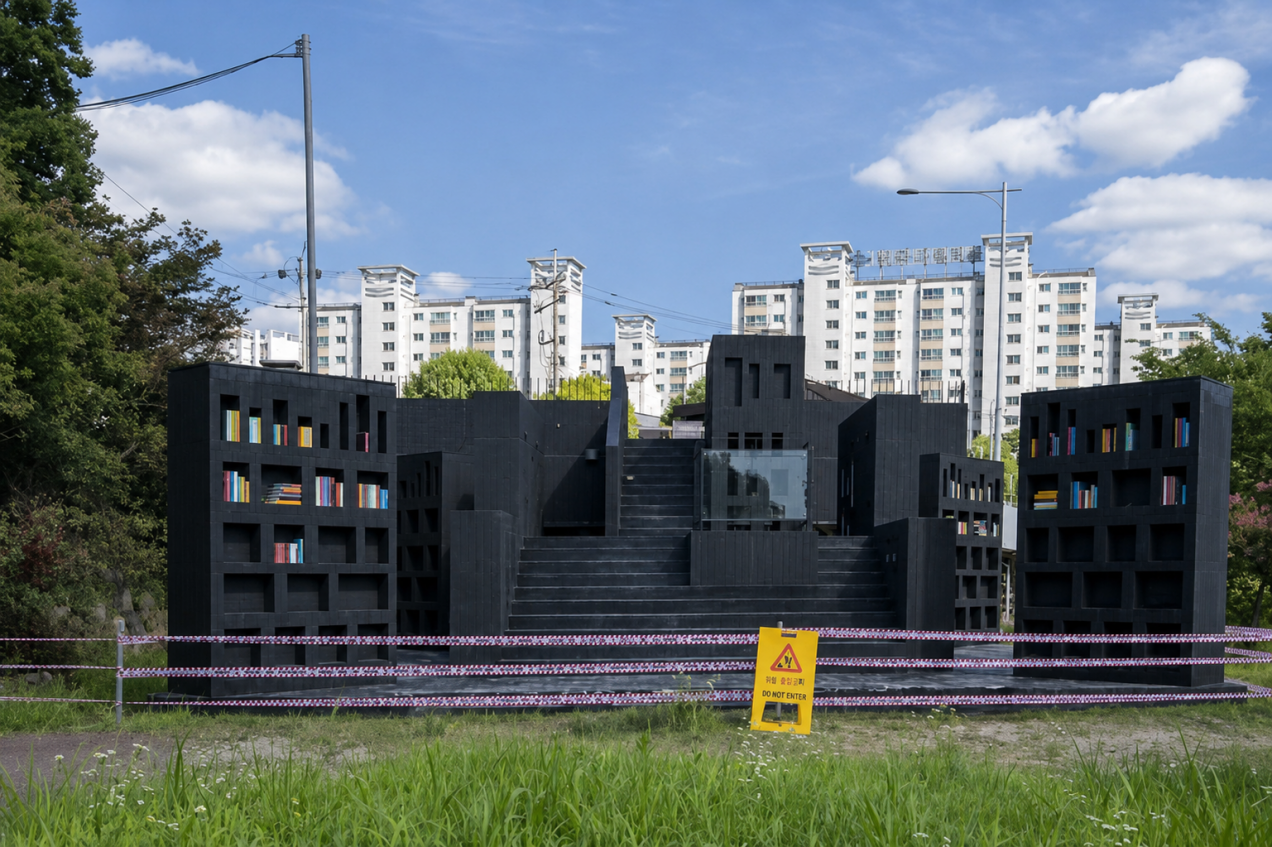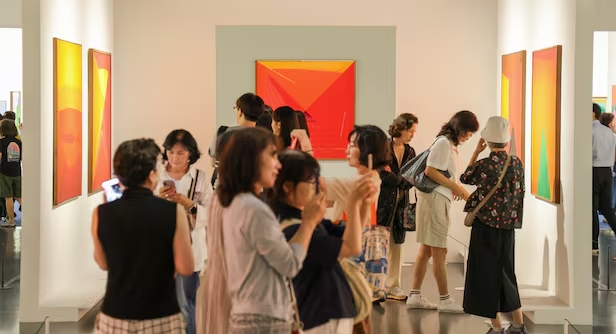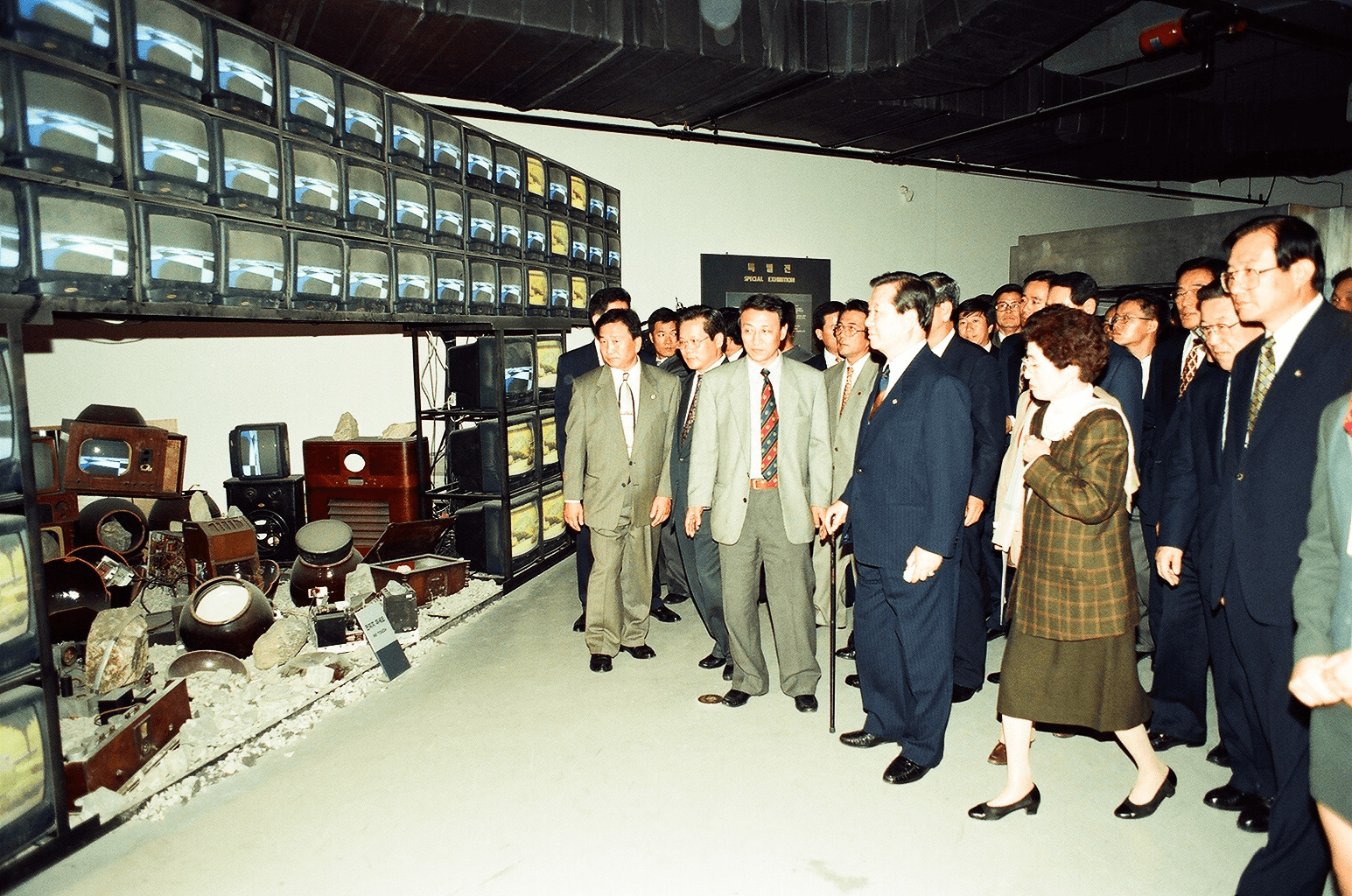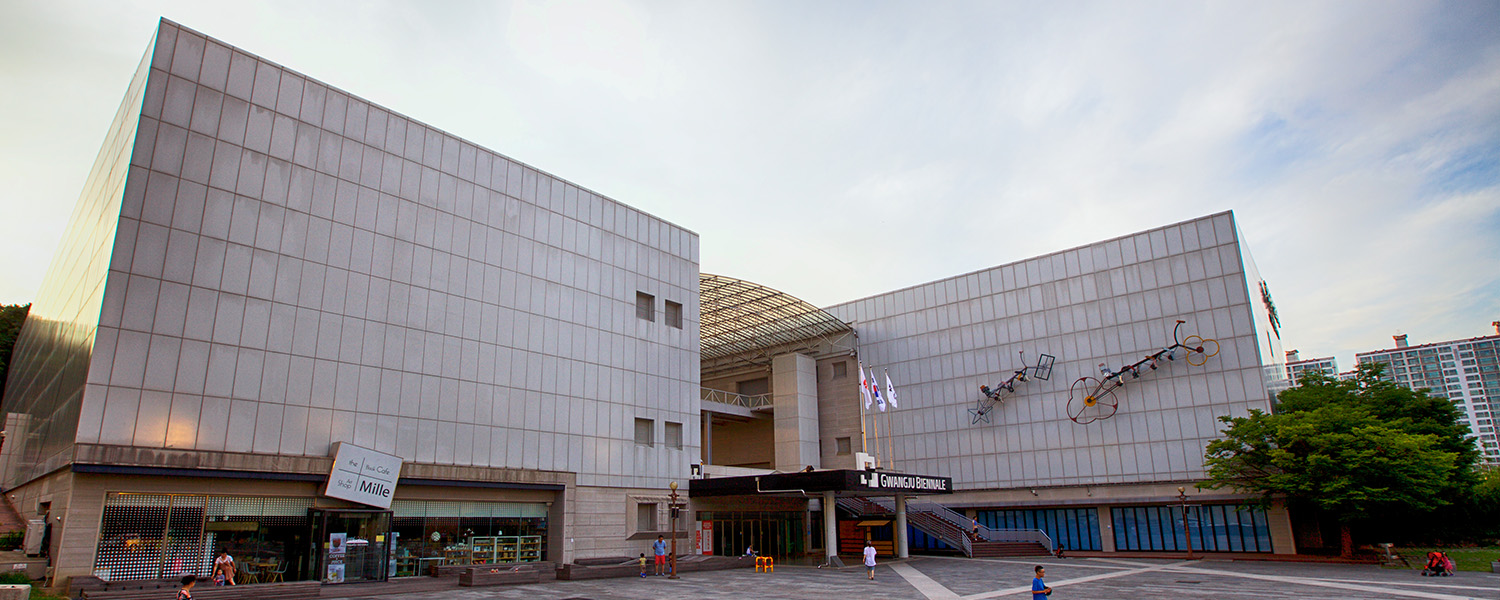

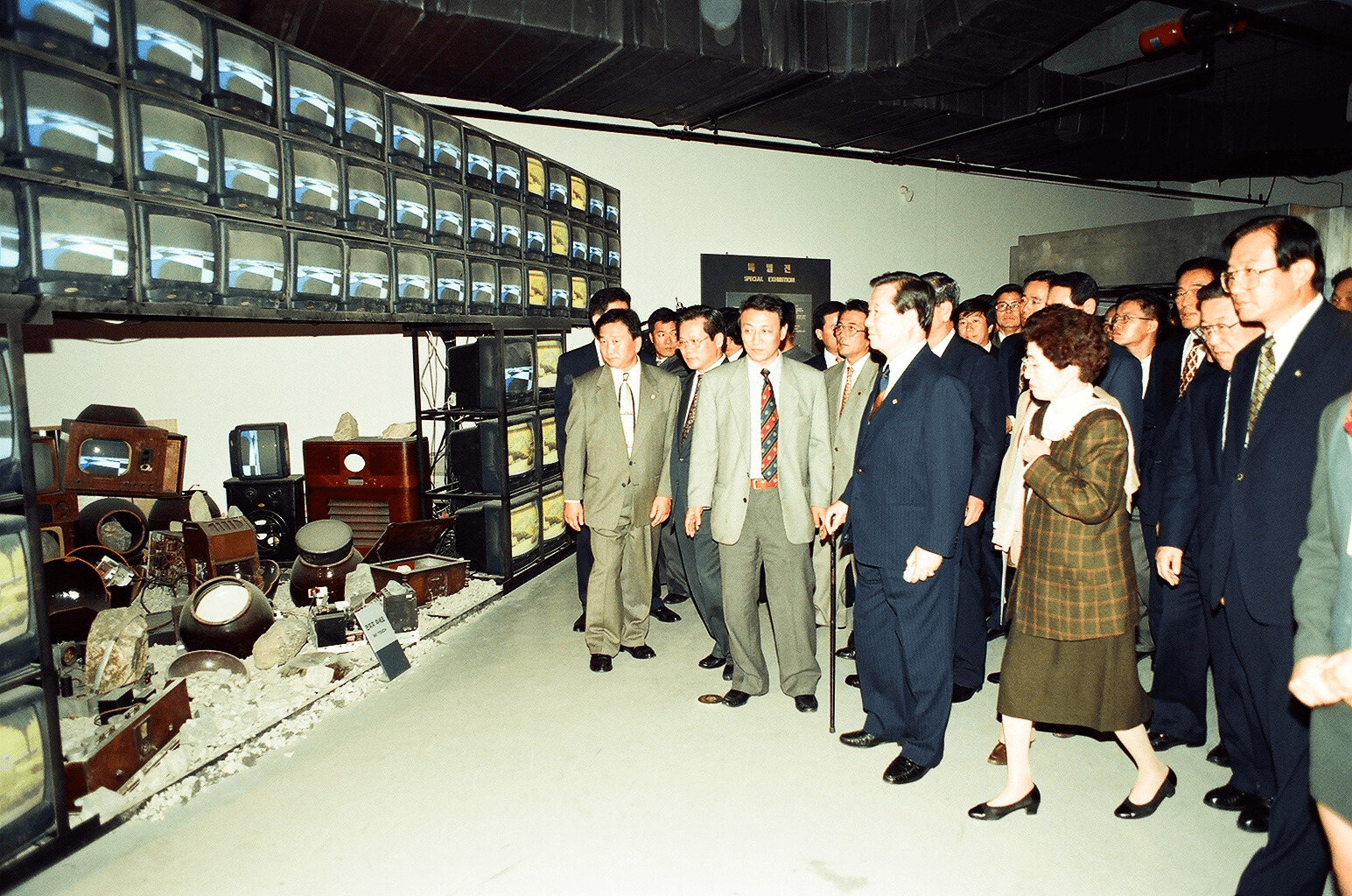
Exhibition view of the 1st Gwangju Biennale (1995) © WEBZINE ACC
The Gwangju Biennale Foundation, led by
President Youn Bummo, is launching an open call for privately held archival
materials documenting more than three decades of the Gwangju Biennale's history
since its establishment in 1995.
This initiative is part of the Foundation's
ongoing "AI Larchiveum Project," which aims to build an archive that
extends beyond the Gwangju Biennale's official records by incorporating
privately owned materials preserved by individuals.
The Foundation is seeking all types of
records related to the Gwangju Biennale, including audiovisual materials
(photographs, videos, and audio recordings), documents (memoranda, letters,
postcards, and faxes), and objects (artworks submitted to student art
competitions organized by the Gwangju Biennale, commemorative items, and
uniforms).
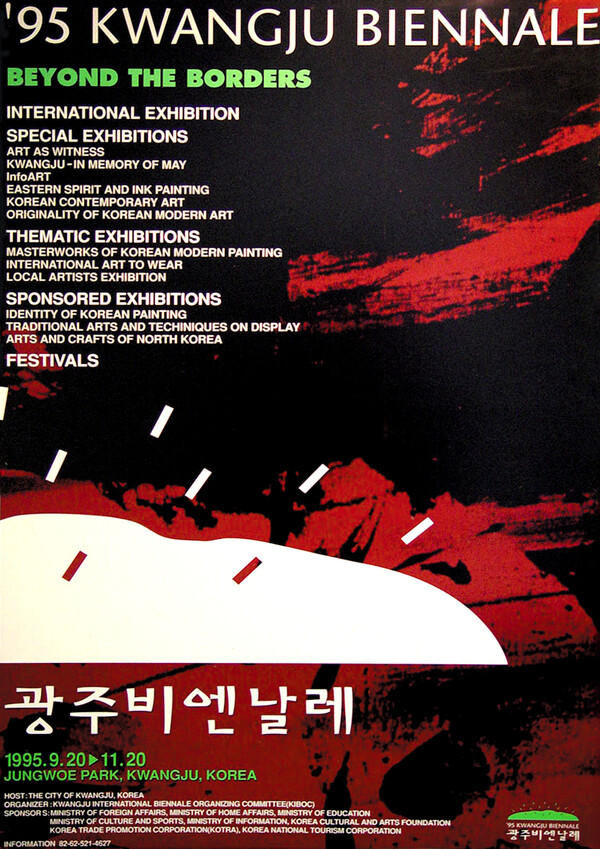
Poster image of the 1st Gwangju Biennale © Gwangju Biennale
Since the opening of its inaugural
exhibition in 1995, the Gwangju Biennale has been shaped by countless artists,
curators, and visitors.
A wide range of participants—including
government agencies and corporate sponsors, as well as designers, technicians,
art handlers and transport workers, volunteers, docents, journalists, magazine
editors, and owners of local hotels and restaurants—have all contributed to the
making of the Gwangju Biennale.
The world connected to the Gwangju Biennale
has continued to expand and accumulate in diverse ways. For a time, a
now-defunct nightclub in Gwangcheon-dong served as the venue for the Biennale's
opening-night after-party, becoming one of the many unexpected sites woven into
its history.
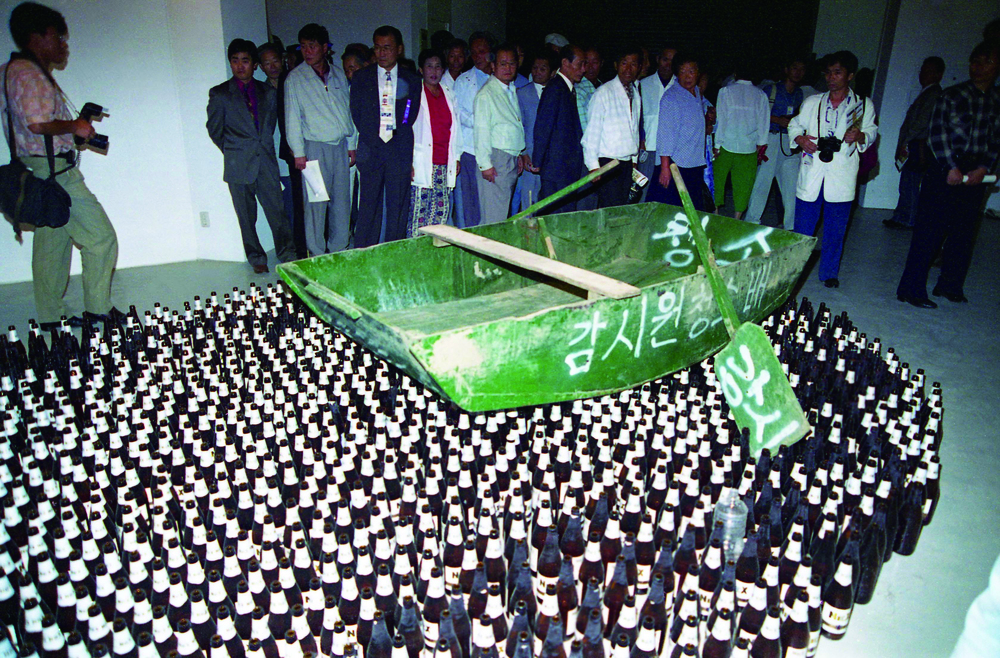
Grand Prize-winning work of the 1st Gwangju Biennale, Para Olvidar by Alexis Leyva Machado © e-History Hall
As part of the ongoing archival research
project conducted by the Gwangju Biennale's Private Archives Research Team
(Chonnam National University Industry-Academic Cooperation Foundation, led by
Professor Kyungwoon Chung), the Foundation has recently acquired a collection
donated by Ha Jung-woong, Honorary Director of the Gwangju Museum of Art.
Ha Jung-woong served as an Honorary
Committee Member of the Organizing Committee for the 1st Gwangju Biennale, an
Overseas Honorary Committee Member for the 2nd edition, and an Honorary
Ambassador and member of the Special Exhibition Committee for the 3rd Gwangju
Biennale.
Comprising more than 800 archival
items—including personal letters, faxes, photographs, videos, memorabilia,
posters, and domestic and international newspaper materials—the collection has
been recognized as an invaluable record documenting the informal collaborations
and international exchanges that shaped the establishment and operation of the
Gwangju Biennale.
In addition, Kim Young-heon, who was a
public official at Buk-gu District Office during the inaugural Gwangju Biennale
in 1995, has contributed rare archival materials that offer insight into the
significance of the Biennale within the local community.
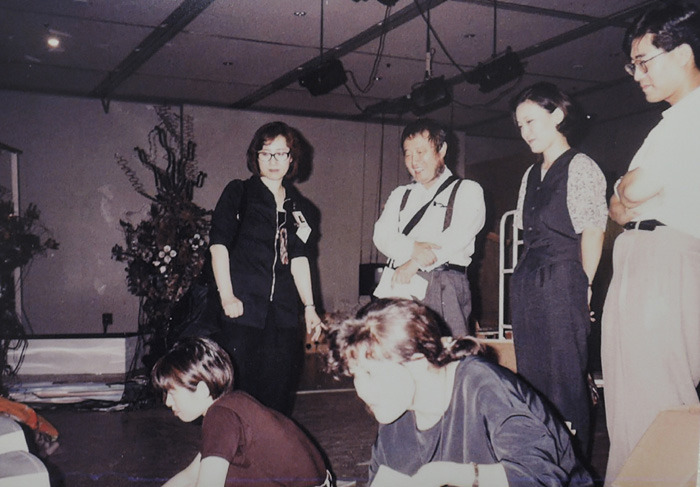
Kim Hong-hee, former Director of the Seoul Museum of Art and curator of 《Info ART》, a special exhibition of the 1st Gwangju Biennale, with Nam June Paik © Seoul Economic Daily
Youn Bummo, President of the Gwangju
Biennale Foundation, stated, “Privately held archival materials carry even
greater significance in today's rapidly evolving AI environment. In particular,
records related to local culture risk being forgotten or lost if they are not
systematically collected and studied. The preservation and digital
transformation of these records will help support the future of the
Gwangju–Jeonnam Integrated Special Metropolitan City and the Gwangju Biennale.”
The privately held archival materials
collected through this initiative will serve as core resources for the Gwangju
Biennale's AI Larchiveum Project. They are expected to provide a foundation for
illuminating the history of the Gwangju Biennale, regional culture, and the
broader cultural and artistic exchanges between Korea and the international
community from multiple perspectives.
Archival materials may be submitted via
email or post between July 15 and August 14, 2026. Further details are
available on the official Gwangju Biennale website.
All submitted materials will undergo
procedures related to copyright, portrait rights, personal data protection, and
acquisition review in consultation with their donors. They will subsequently be
utilized for a wide range of archival content, including exhibitions,
educational programs, research, and public services.