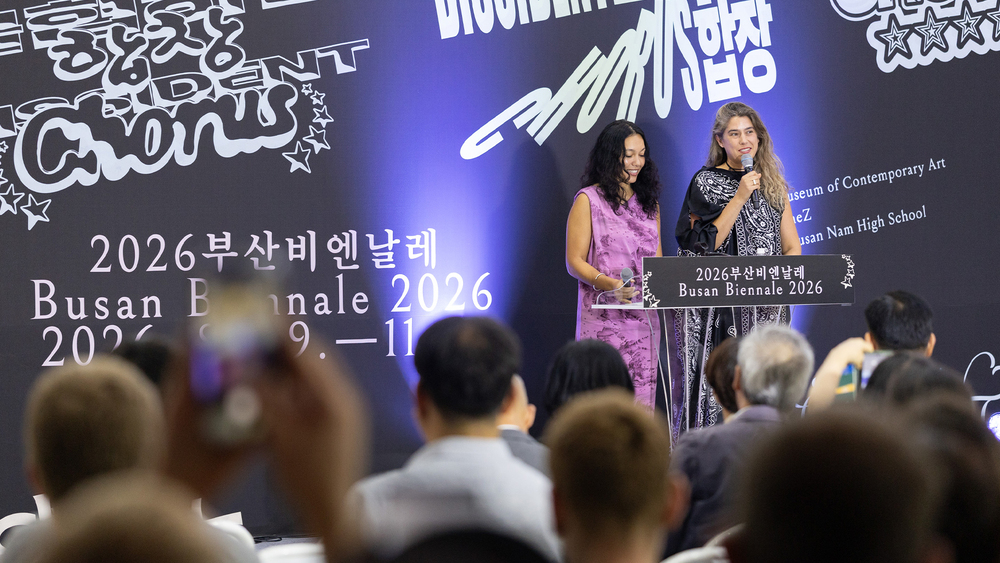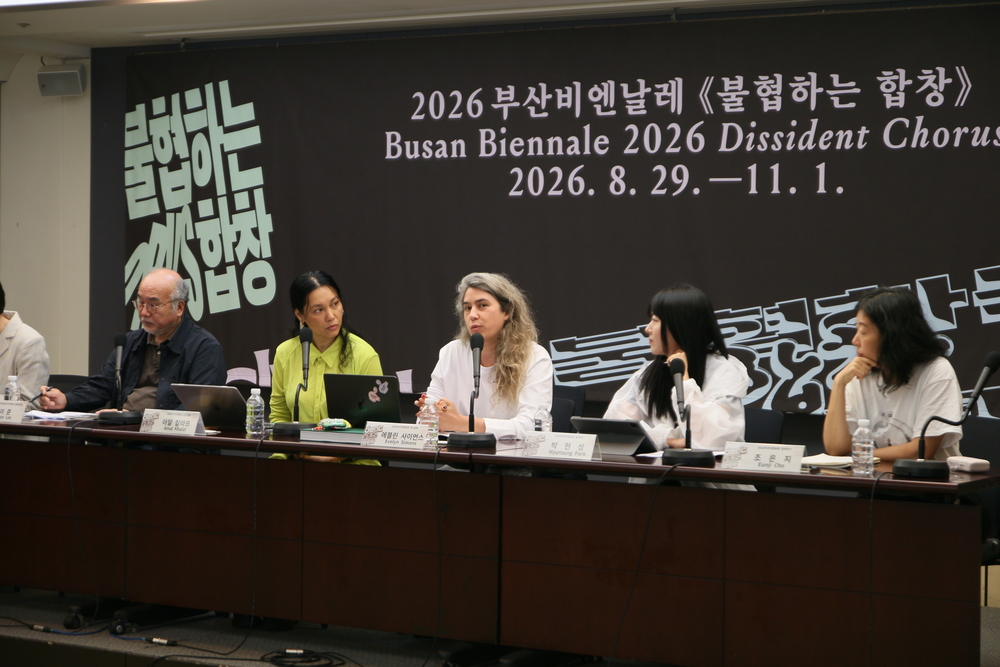

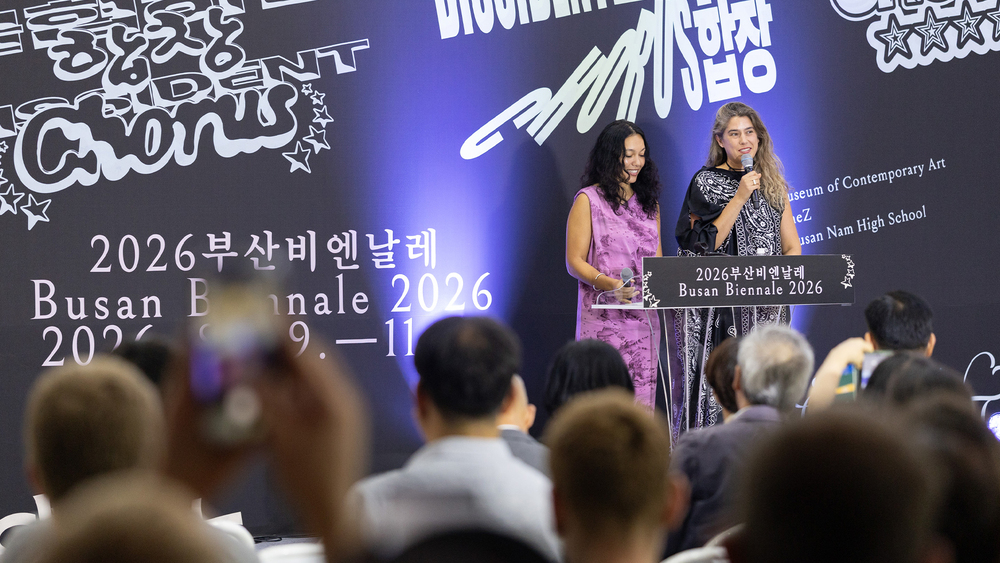
Opening ceremony of 2026 Busan Biennale © Busan Biennale
The
Busan Biennale Organizing Committee announces the opening of Busan Biennale
2026, 《Dissident
Chorus》, which will take place from 29 August to 1
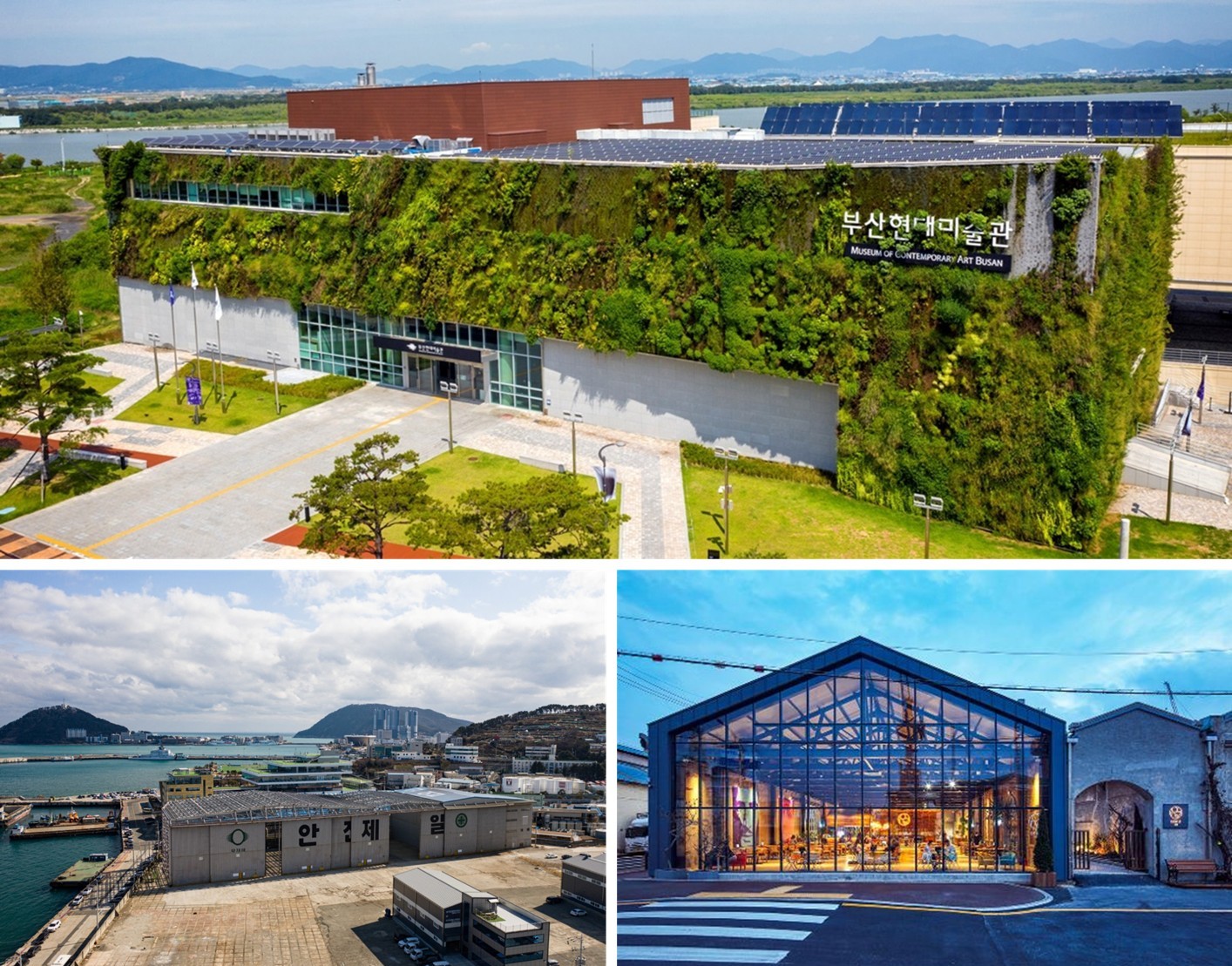
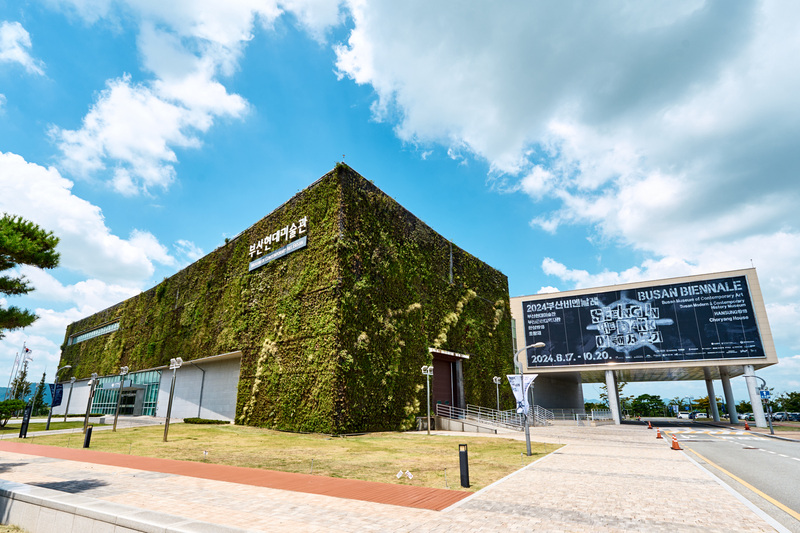
November 2026 across Busan Museum of Contemporary Art, Space OneZ and Former
Busan Nam High School.
Bringing
together 46 Artists/Teams from 22 countries, the exhibition spans installation,
sound, performance, moving image, sculpture and other media.
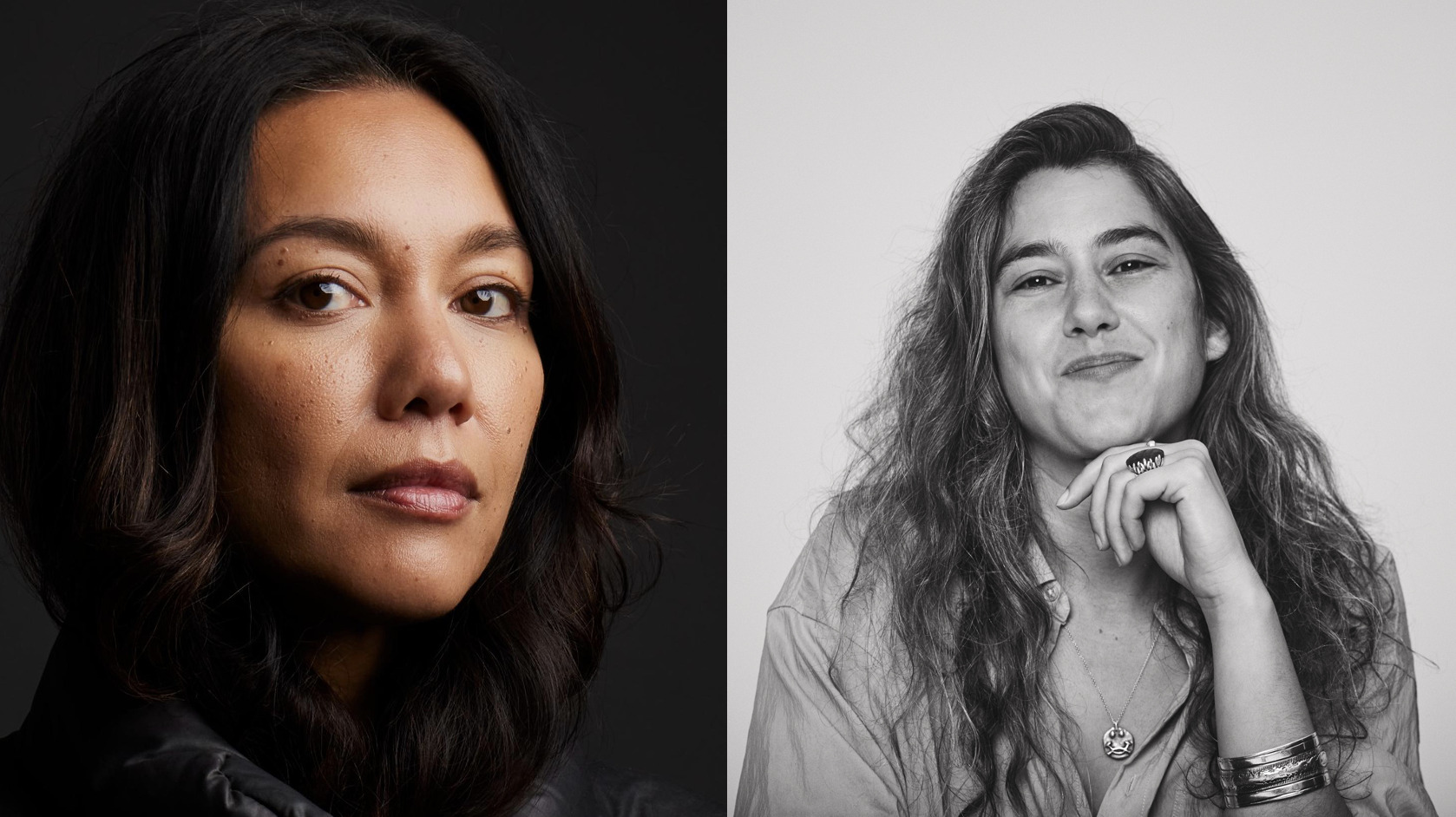
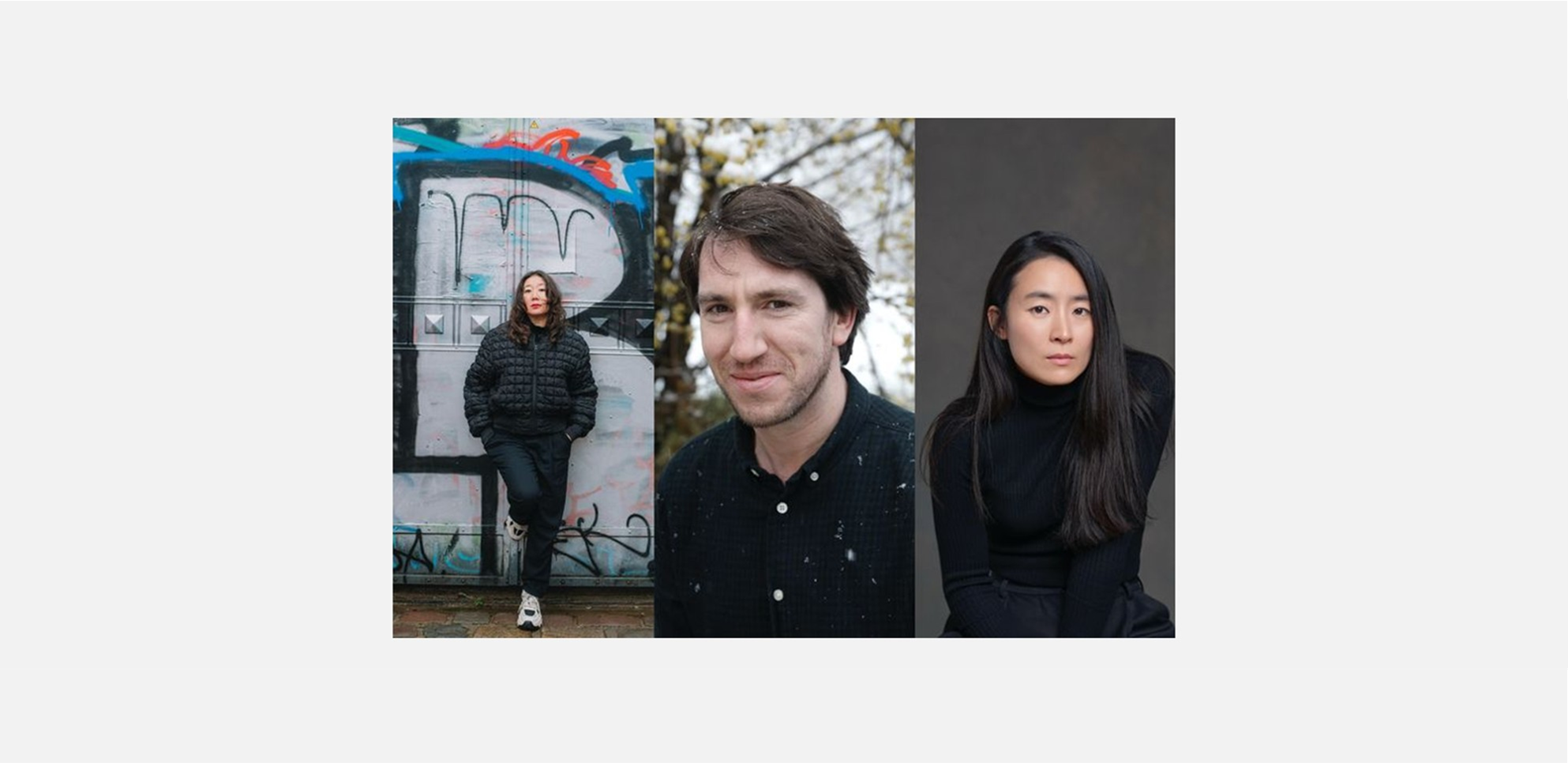
Co-Artistic
Directors Evelyn Simons and Amal Khalaf, selected through an international open
call that attracted more than 70 applications, have developed the exhibition
through their respective practices across contemporary art, performance, sound
and community-based work.
Sound,
bodies and gathering as tools for connection and resistance
《Dissident Chorus》 explores how different
bodies and voices can come into relation through sound. Across the three
venues, audiences encounter practices that consider how sound gathers people,
carries memory, and has historically generated forms of resistance and
solidarity.
At
a time when public language is often emptied out through repetition or softened
until it conceals violence, 《Dissident Chorus》 turns
instead to sound, song and embodied expression: to breath, rhythm and the
simple act of gathering.
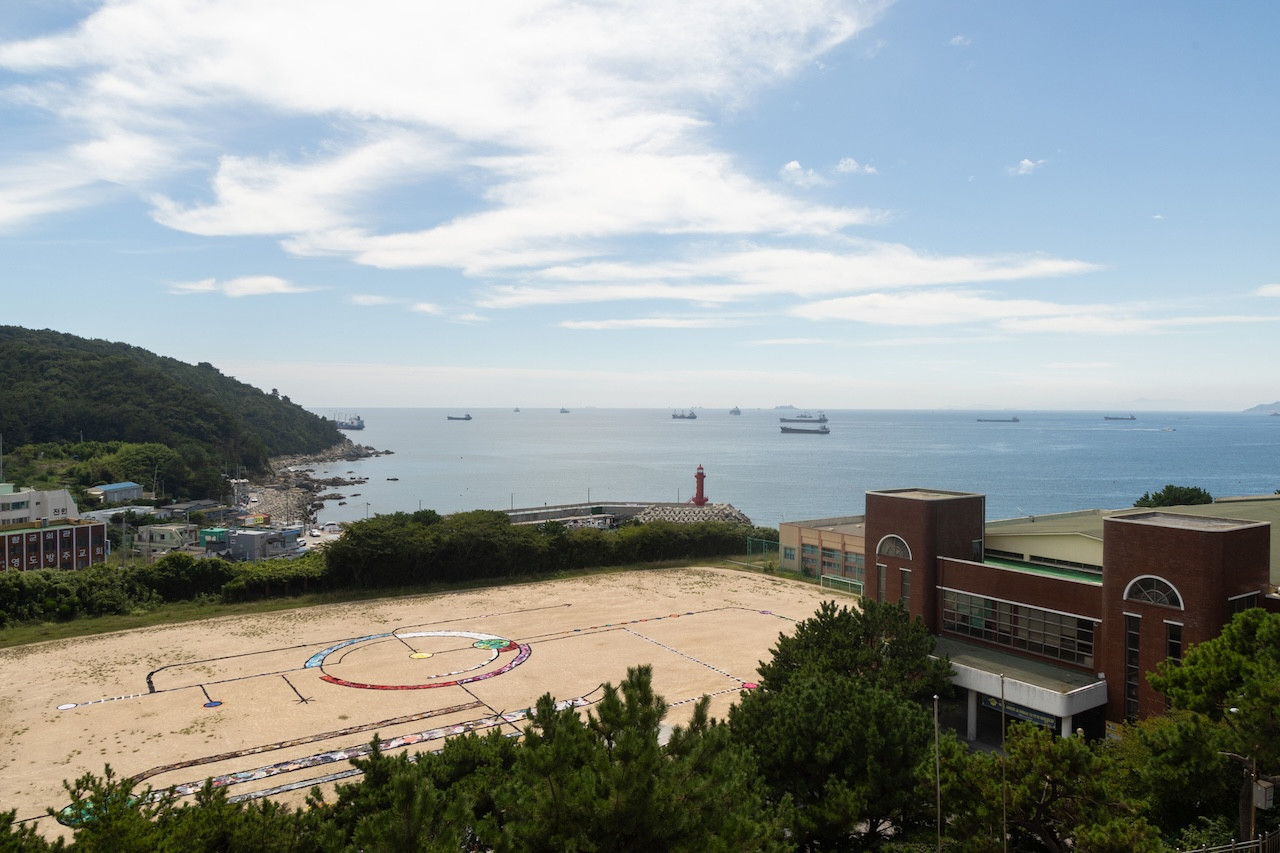
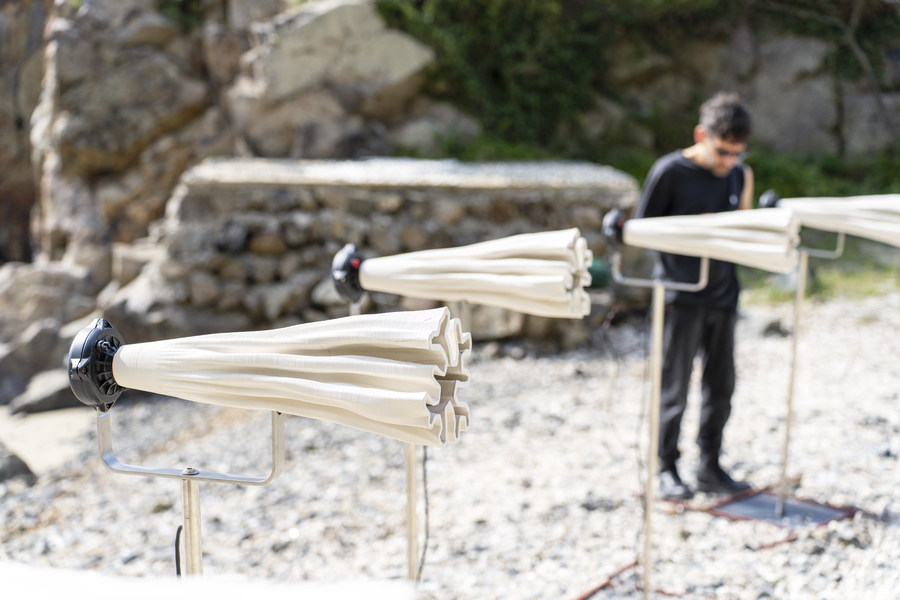
Aliaskar Abarkas, Spell, 2026 © Busan Biennale
Artists
from different geographical and cultural contexts respond to these questions
through their own approaches to sound, bodies, labour, movement and memory,
taking Busan itself as an active context for the exhibition.
Aliaskar
Abarkas, based between Iran and the UK, presents the site-specific work Spell,
connecting the schoolyard of Former Busan Nam High School with Busan Museum of
Contemporary Art.
Across
the schoolyard, recycled textiles in three tonal variations unfold like an
expansive musical score. Visitors move across geometric patterns, symbols and
motifs associated with protection, encountering the work through their own
movement across the site.
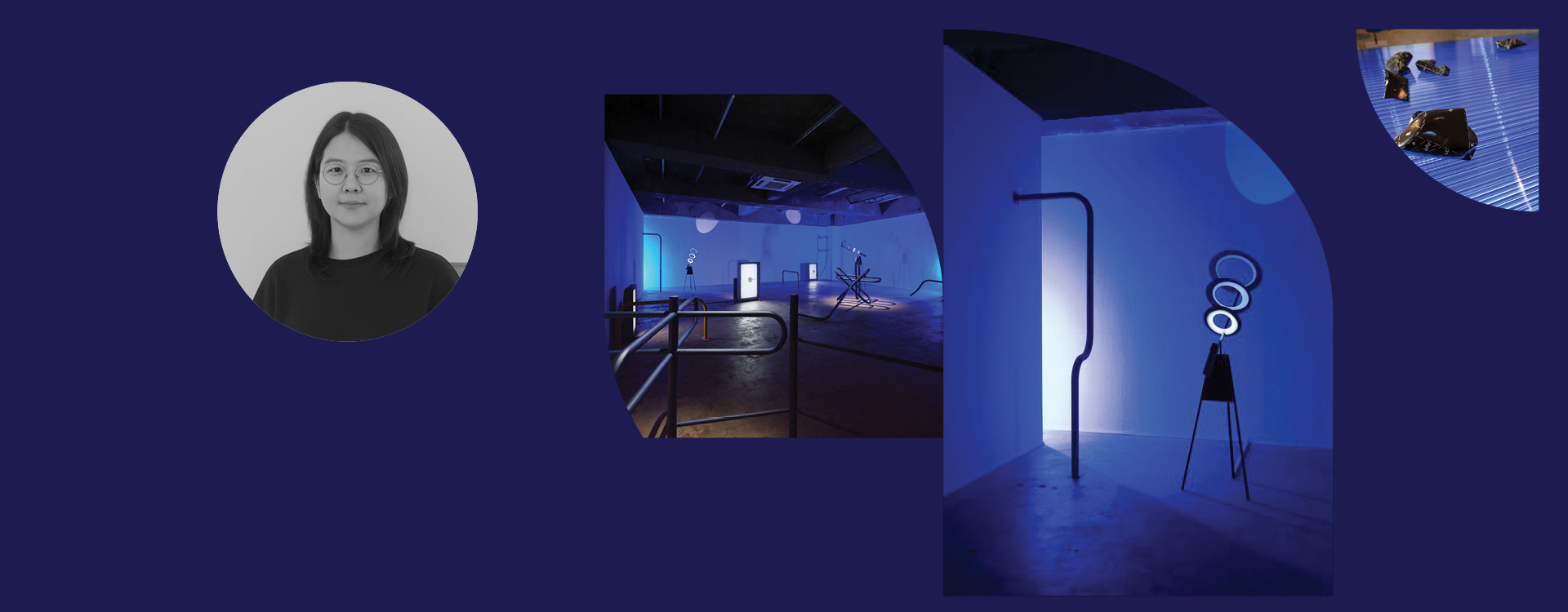
Busan-based
artist Hyunsung Park transforms the former cafeteria of Former Busan Nam High
School through blue light, sculpture and sound. Tubes and lighting follow the
old pipes and architecture of the space, while sculptural forms resembling
marine organisms turn the disused cafeteria into an unfamiliar underwater
landscape.
At
Busan Museum of Contemporary Art, renowned science fiction author Ursula K. Le
Guin and artist collective 5D (Sammy Lee, Mark Lowe, Sarah Shin) present
Festival, an installation developed from Le Guin’s original maps and drawings.
Deep-blue maps, two towers, moving image and textiles come together in an
environment that extends Le Guin’s mapmaking into a shared process of
world-building.
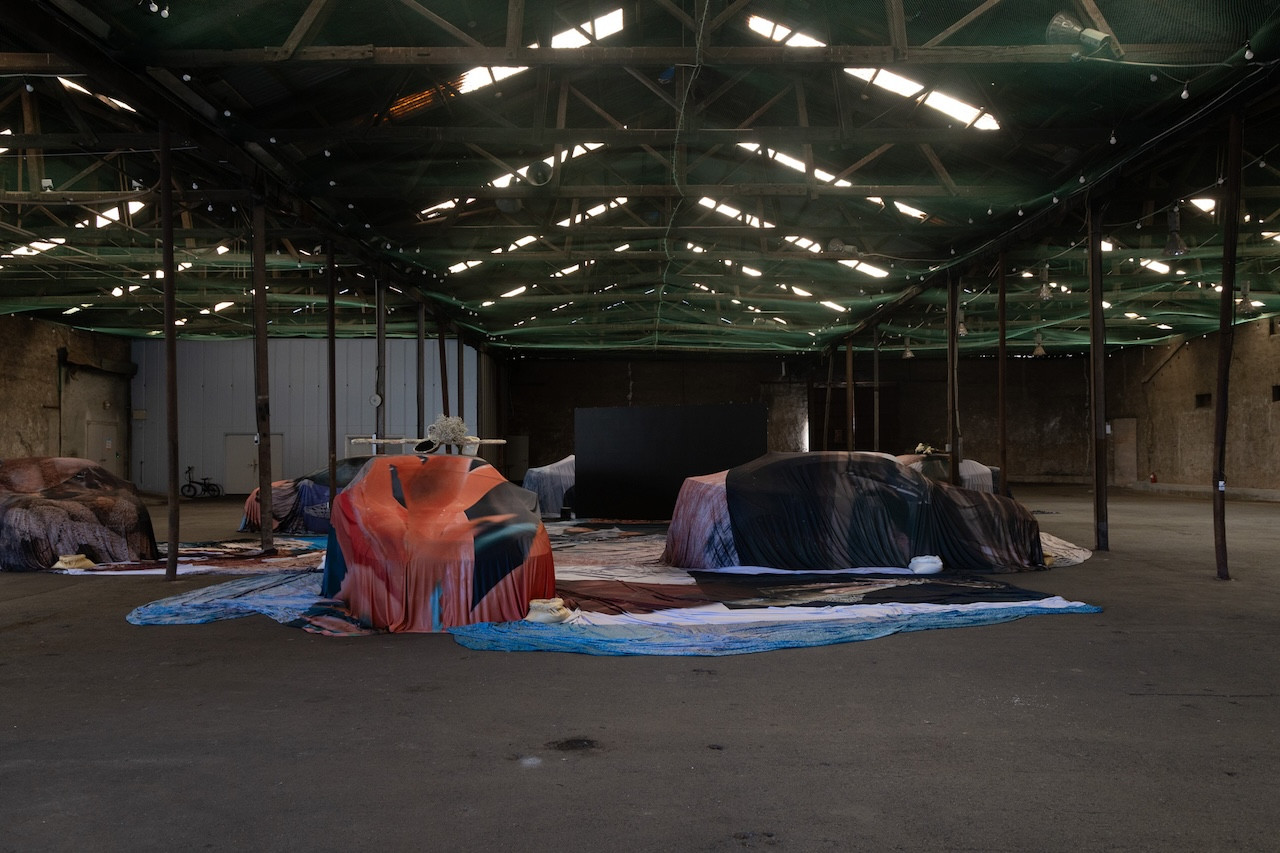
Julien Creuzet’s artwork, installed at Space OneZ © Busan Biennale
Julien
Creuzet, the Martinique-born artist who represented France at the 2024 Venice
Biennale, presents an installation bringing together sculpture, moving image,
poetry and sound, tracing histories of memory, migration and resistance across
the Atlantic, including through the legacy of Zumbi dos Palmares, the historic
anti-colonial resistance leader in Brazil.
Filipino
artist Joar Songcuya draws on his experience as a seafarer to translate
memories of life and labour at sea into painting, drawing and sound. Presented
across Busan Museum of Contemporary Art and Space OneZ, his ongoing ‘Seamanship
Project’ comprises more than 100 paintings recording people encountered at sea
and scenes of labour on deck.
Some
of Songcuya’s drawings have also been adapted into transportation card designs
in collaboration with Busan Transportation Corporation, extending the project
into the everyday movements of visitors and residents across the city.
Mongolian
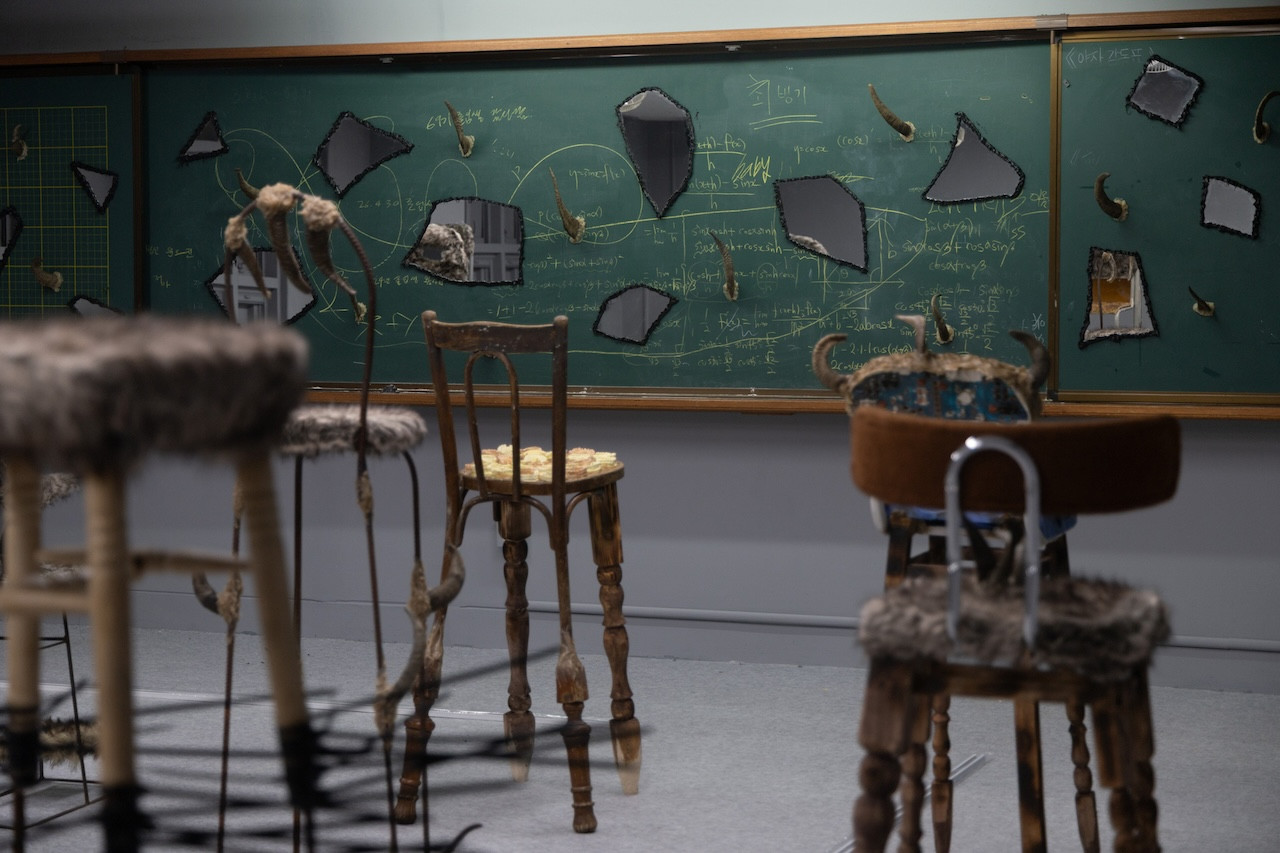
artist Jantsankhorol Erdenebayar takes over a former classroom at Former Busan
Nam High School. Fourteen chair-like sculptures made from wood, metal,
synthetic fur and materials collected in Mongolia occupy the grey classroom as
if awaiting students.
Chairs
sourced from an outdoor market in Ulaanbaatar and field recordings from the
site bring everyday rhythms into the room, turning the classroom into a space
where traces of memory, labour and learning coexist.
Jantsankhorol Erdenebayar, Resonance of the Vernacular, 2026 © Busan Biennale
Performances
and programmes extend Dissident Chorus beyond the exhibition space
Public
programmes form an integral part of Busan Biennale 2026. From the opening
weekend through the closing of the Biennale, performances unfold across Busan
Museum of Contemporary Art, Former Busan Nam High School, Eulsukdo Cultural
Center, Gadeokdo and the waters of Busan.
Workshops,
talks and radio programmes invite artists and audiences to listen, converse and
generate new rhythms together.
In
October, Eunji Cho’s street parade will travel from the Cheonghak Pier Area to
Former Busan Nam High School, joined by the Dadaepo Hurisori Preservation
Association and art spaces and cultural practitioners based in Busan.
Further
programme include Lee Dong-Keun’s Gadeokdo Birdsong Music Festival, which
brings participants together to listen to the natural sounds of Gadeokdo and
create a collective sound work, and Joon Yoo’s noise score, a participatory
workshop for children aged four to six at Busan Museum of Contemporary Art.
Throughout
the Biennale, Radio Revolution will present DJ mixes, live broadcasts,
interviews, conversations and podcasts with participating artists and
musicians, extending the exhibition’s concerns to audiences beyond the venues.
During
Frieze Seoul, Busan Biennale × Frieze Film Seoul 2026 will take place at
SONGEUN in Seoul, presenting moving-image works by artists participating in
Busan Biennale 2026 and extending the curatorial concerns of Dissident Chorus
into the city.
Further
programmes details and registration information are available via the official
Busan Biennale 2026 website(https://busanbiennale2026.com/).