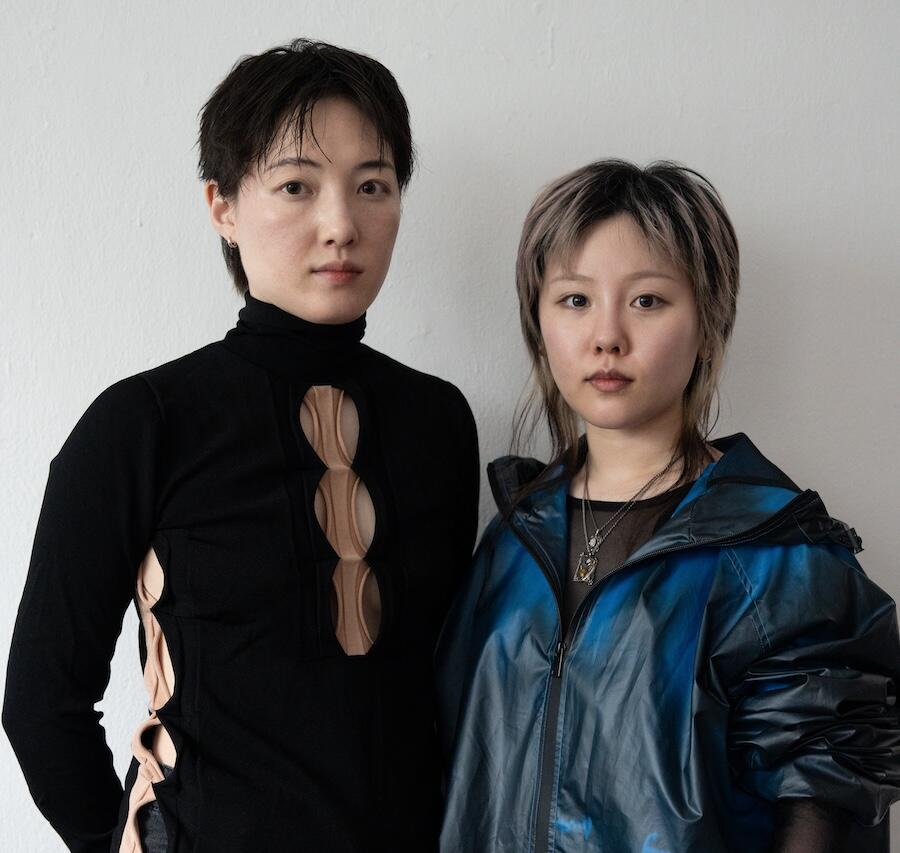

One Korean artist whose name
appears on two major international stages this year is Yo-E Ryou, born in 1987.
Ryou is currently presenting Breath Orchestra in 《In Minor Keys》, the International
Exhibition of the Venice Biennale. Her selection as an individual artist for
the Biennale’s International Exhibition, rather than a national pavilion, is
particularly significant. At the same time, her sound project 《Echoes of the Tides》 is on long-term
view at the Musée du quai Branly – Jacques Chirac in Paris through February
2027.
Connecting these two exhibitions is the “breath”
of Jeju’s sea and its haenyeo, or women divers.
How did a practice rooted in such a
specific place as Jeju reach the international stages of Venice and Paris? Ryou’s
recent trajectory offers an intriguing example of how a new generation of
Korean artists is transforming locally grounded experience into a distinctive
artistic language and entering the international art world on its own terms.
A Practice That Began in Jeju
A significant turning point in Ryou’s
practice came with her move to Jeju.
After living abroad for many years, the
artist relocated to the island in 2021 and began learning to swim and dive. She
trained at a haenyeo school and entered the sea alongside local women divers,
becoming increasingly interested in how the body experiences time and sensation
underwater, as well as in the embodied knowledge passed down through
generations within haenyeo communities.
What drew Ryou’s attention, however, was
not the iconic image of the haenyeo itself.
Rather, she focused on the moments when the
divers regulate their breathing before entering the water, the time spent
holding their breath underwater, the distinctive “sumbisori” exhalation
heard when they resurface, and the process through which the body recovers its
rhythm of breathing. These forms of knowledge and memory are rarely recorded
through written or verbal language; instead, they are transmitted from body to
body. Ryou has translated them into sound, video, performance, drawing, and
installation.
One of the major projects to emerge from
this ongoing research is Breath Orchestra.
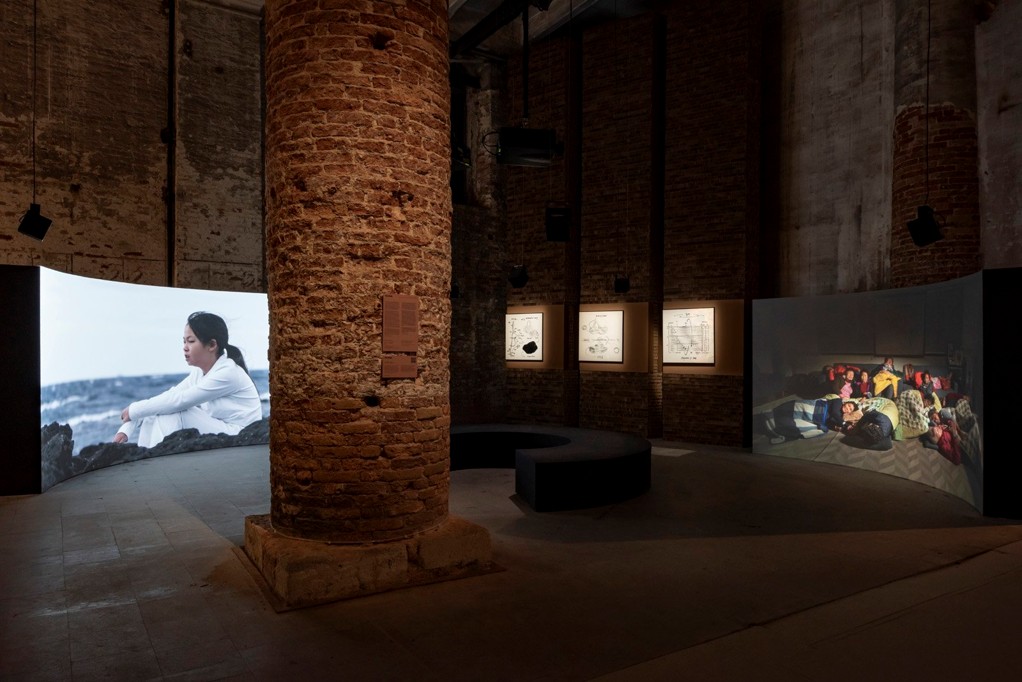
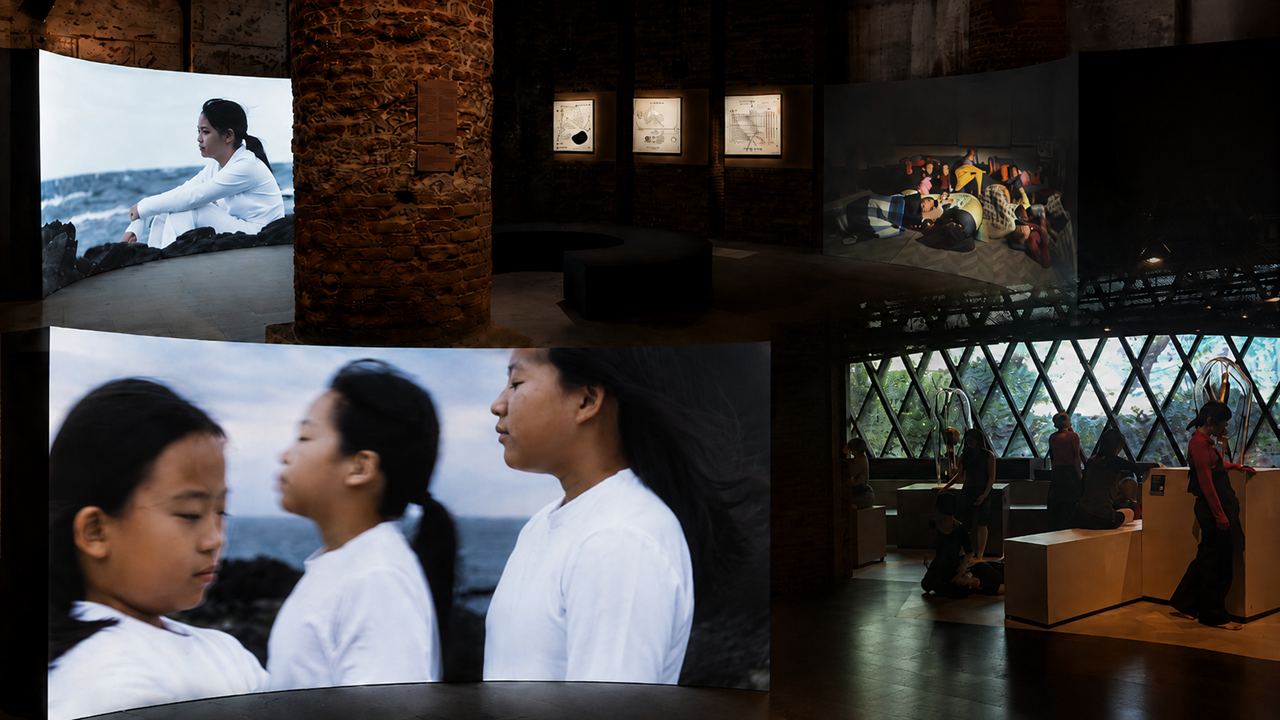
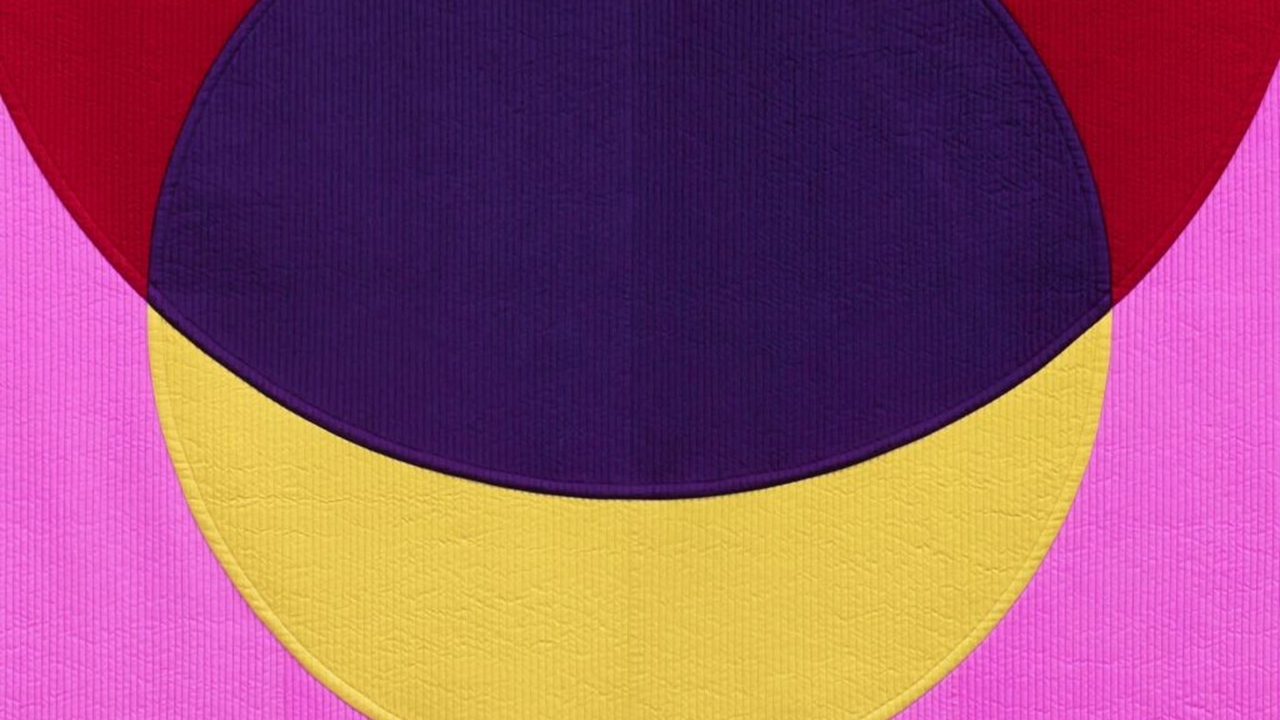
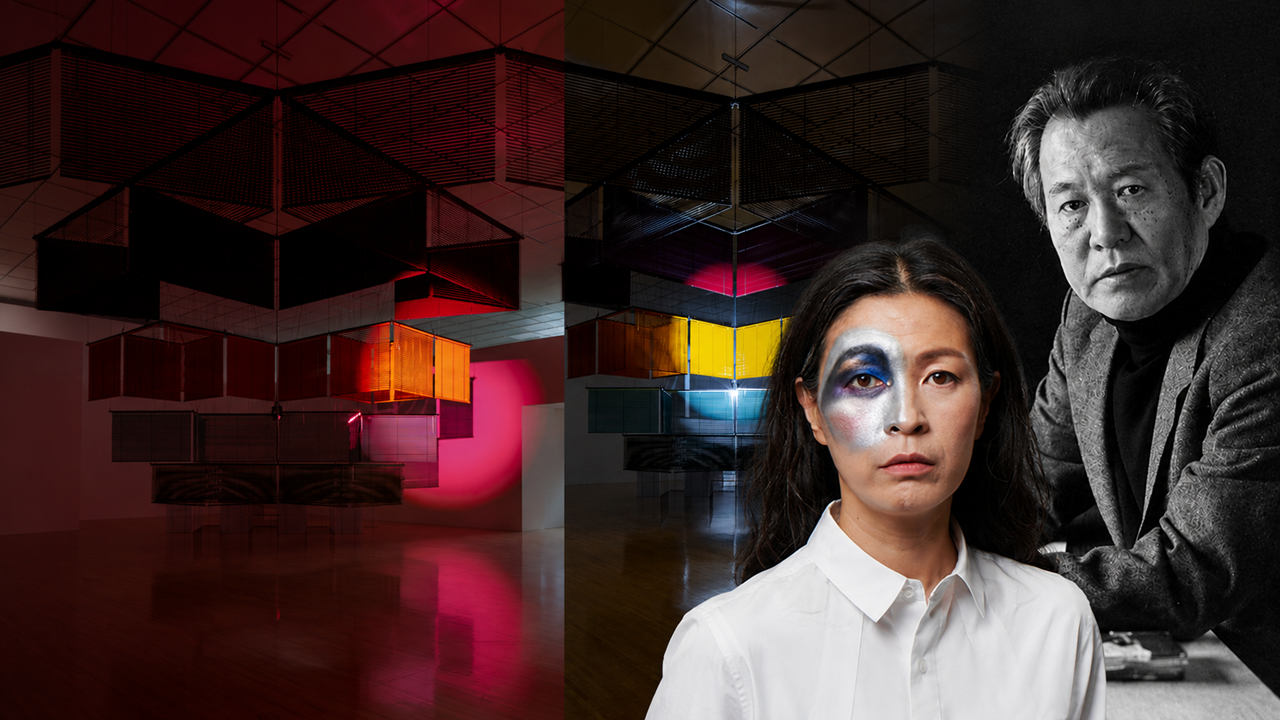
Breath Orchestra / Ellipses 0 — Practice & Ellipses I — Sleep, 2-channel video, 9-channel sound installation, 2026.
《In Minor Keys》, The 61st International Art Exhibition – La Biennale di Venezia, Venice, Italy, 9 May–22 November 2026. / Photo: Artist’s website
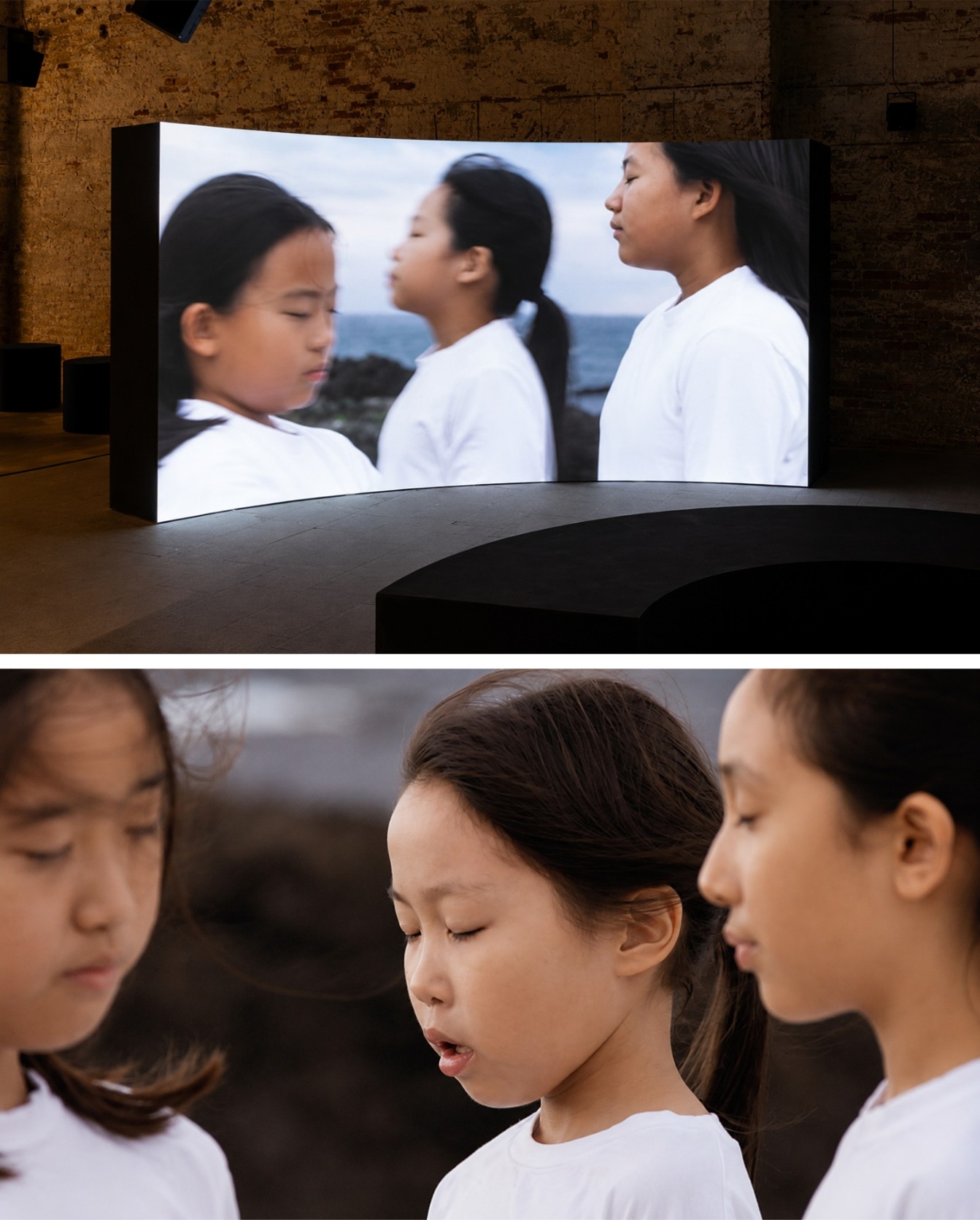
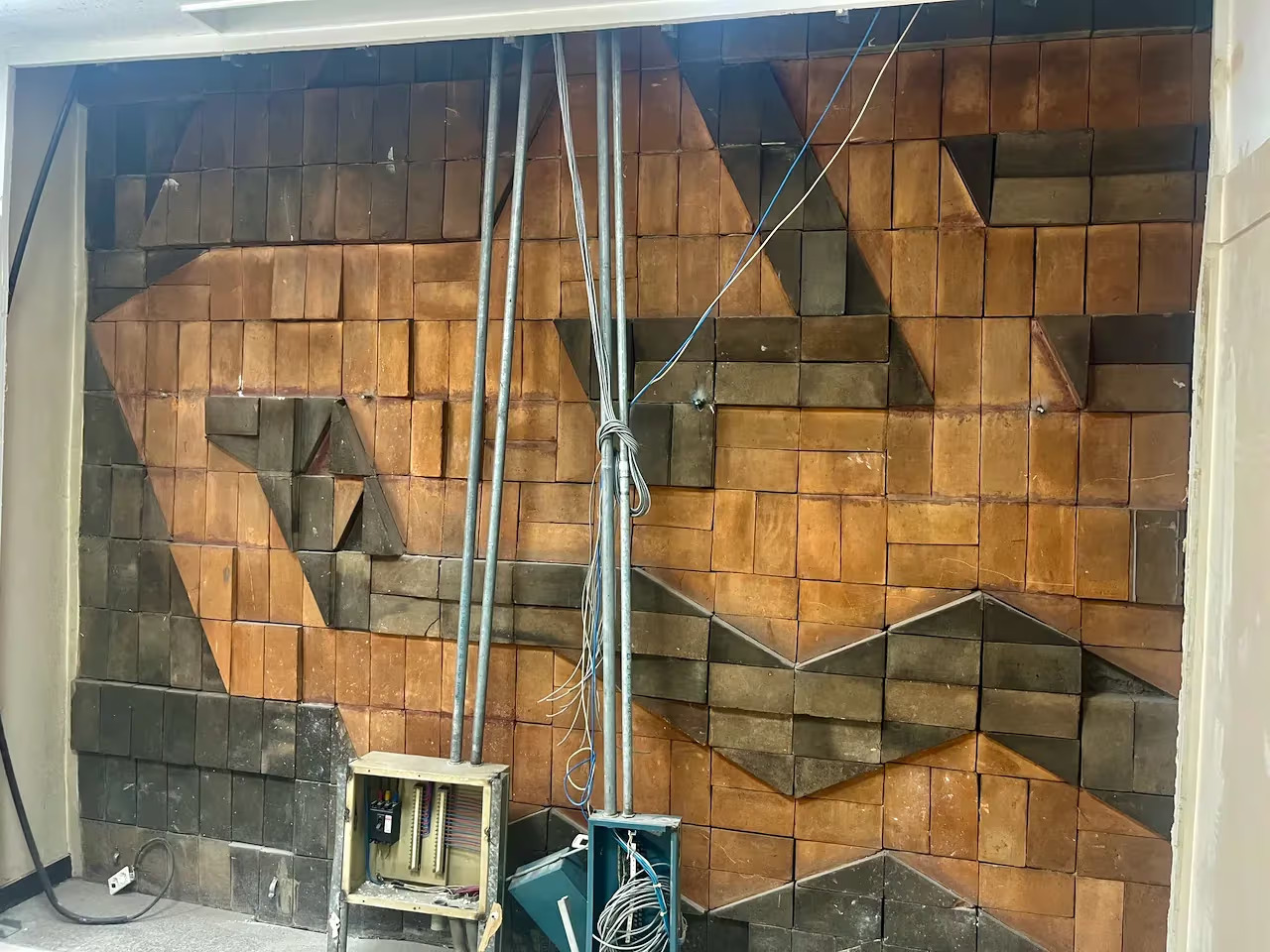
Still from Breath Orchestra (detail) / Photo: La Biennale di Venezia website
When a Single Breath Becomes an
Orchestra
In Breath Orchestra,
breathing is more than a physiological act.
Ryou focuses on the different rhythms of
breath that recur throughout the haenyeo’s diving process: the controlled
breathing that prepares the body before entering the sea, the time spent diving
and working underwater, and the breaths through which the body recovers after
resurfacing.
At the Venice Biennale, Breath
Orchestra expands this structure across drawing, video,
multichannel sound installation, and performance. The space occupied by the
audience also takes inspiration from the Jeju “bulteok”, a communal
space where haenyeo traditionally warmed themselves and exchanged stories
before and after diving.
Crucially, Ryou does not attempt simply to
reproduce or document the lives of the haenyeo.
For the artist, their breathing is at once
a trace of labor, a technique of survival, and a form of knowledge transmitted
from one body to another over generations. Although the work begins with Jeju’s
women divers, it gradually opens onto broader questions: How are
knowledge and memory transmitted through the body? How do we listen to the
breath and silence of another being?
Continuing in Paris: 《Echoes of the Tides》
The research that began in Jeju is now
unfolding in another form in Paris.
Currently presented at the Musée du quai
Branly – Jacques Chirac, 《Echoes of the Tides》 developed from Ryou’s selection as the museum’s 2025 sound
artist-in-residence.
Over an extended period, the artist has
researched haenyeo oral narratives, the rhythms of diving, breathing, and
underwater sound. Here again, visually representing the haenyeo is not the
primary focus of the work.
Instead, sound becomes a means of conveying
less visible experiences: waiting and resting, breathing and returning. Rather
than observing a single event, viewers are invited to remain in the space and
experience the sense of time created by water and the body, and by the
breathing of others alongside their own.
As a result, the breath of the Jeju haenyeo
is transformed in Paris from a culturally specific or folkloric image into a sensory
language connecting body and water, memory and labor, and individual and
community.
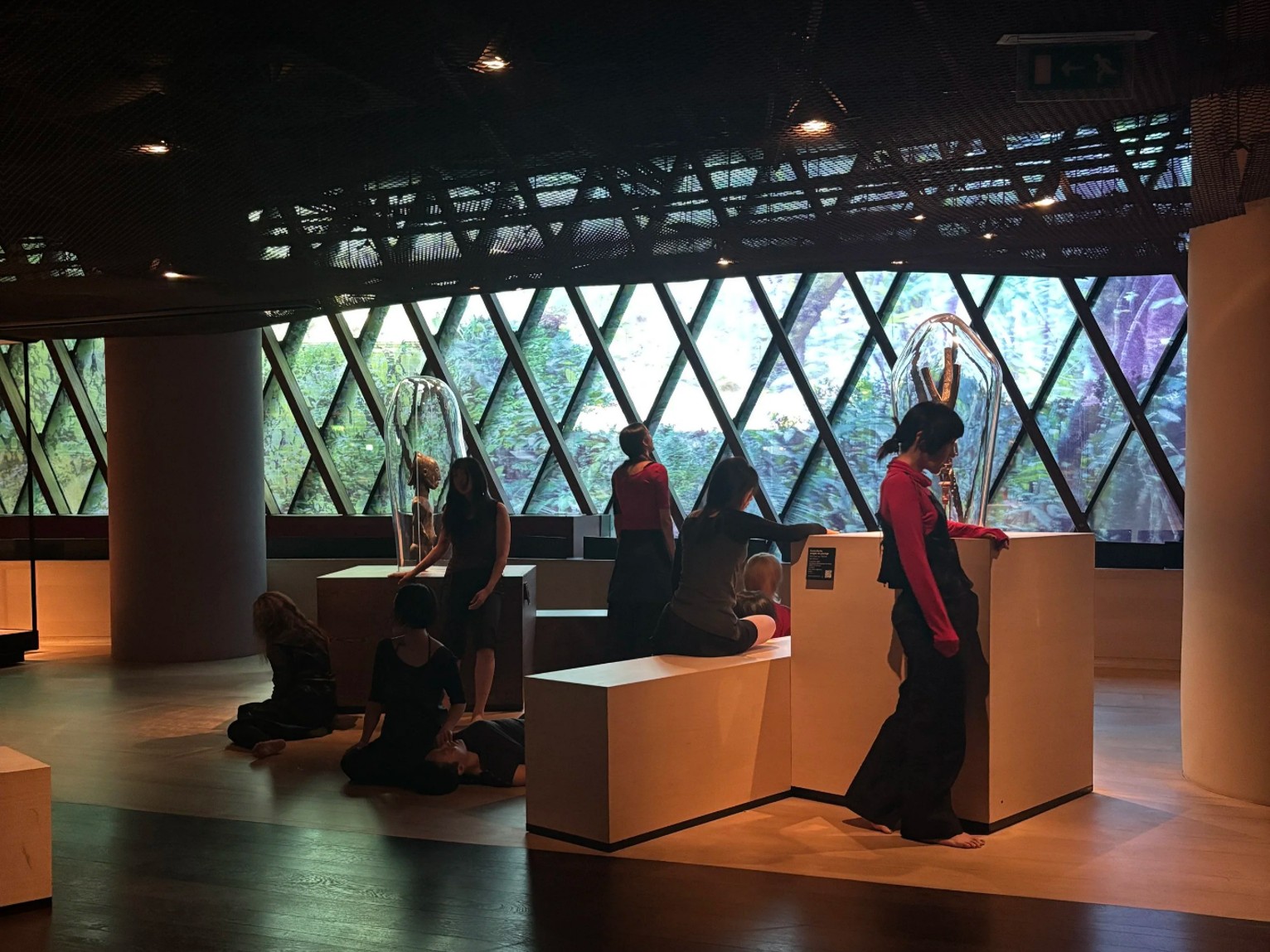
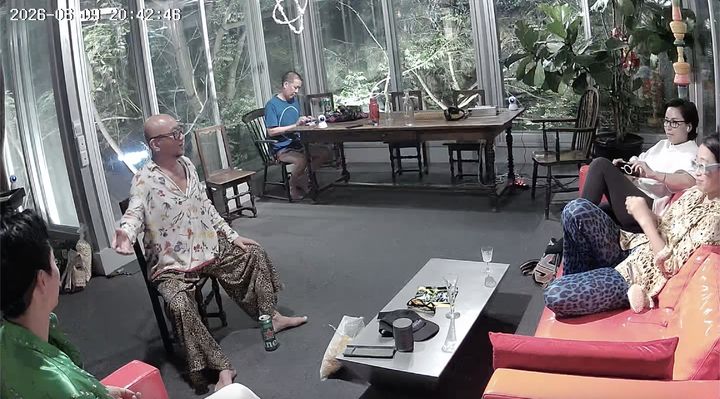
Breath Orchestra, Act 7, Performance, Musée du quai Branly, Paris, June 6, 2026 / Photo: Artist’s website
Turning the Local into a
Language of the World
One of the most compelling aspects of Ryou’s
work is the way she approaches what might be understood as “Koreanness.”
As international interest in Korean art
continues to grow, works addressing Korean history, tradition, and regional
identity are increasingly being presented around the world. Yet using local
subject matter and transforming it into a contemporary artistic language are
two very different things.
Rather than placing the powerful cultural
symbol of the Jeju haenyeo at the forefront, Ryou begins with bodily experience—swimming,
diving, and entering the sea herself.
From those experiences, she identifies
breathing and silence, labor and rest, water and the body, and translates these
relationships into her own language of sound, video, and performance.
Jeju therefore never disappears from the
work. On the contrary, it remains intensely specific. Yet the questions that
emerge from this place expand outward: how humans form relationships with their
environments, how knowledge and memory are transmitted through the body, and
how different beings might coexist.
A New Korean Artist in the
Venice Biennale’s International Exhibition
Ryou’s participation in this year’s Venice
Biennale is especially significant because she was selected not for the Korean
Pavilion, but for 《In Minor Keys》, the Biennale’s International Exhibition.
Jeju remains unmistakably present in Ryou’s
work in both Venice and Paris, but it is never reduced to an exotic landscape
or cultural symbol. Instead, the deeper the artist enters into the specific
realities of a local community, the wider her questions become—about body
and nature, labor and rest, the individual and the collective.
The small breath that began in the waters
of Jeju thus travels into other places and other bodies. In the exhibition
spaces of Venice and in the museum galleries of Paris, viewers ultimately
become aware not only of another person’s breathing, but also of their own.
The international presence of Korean
artists is no longer confined to national pavilions or the regional category of
“Korean art.” A growing number of artists are entering international curatorial
discourse directly through the specificity of their own practices and concerns.
This is precisely where Yo-E
Ryou’s work becomes most compelling. The breath of the Jeju haenyeo is no
longer simply a sound that records someone else’s life. It becomes a sensory
language for asking how different beings might coexist.
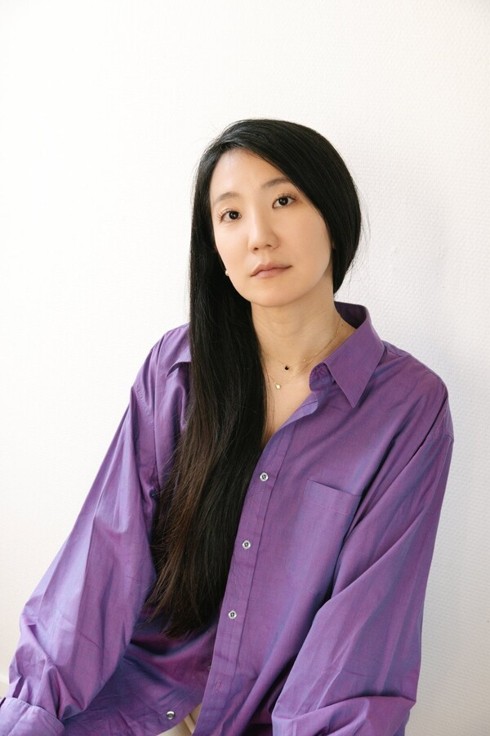
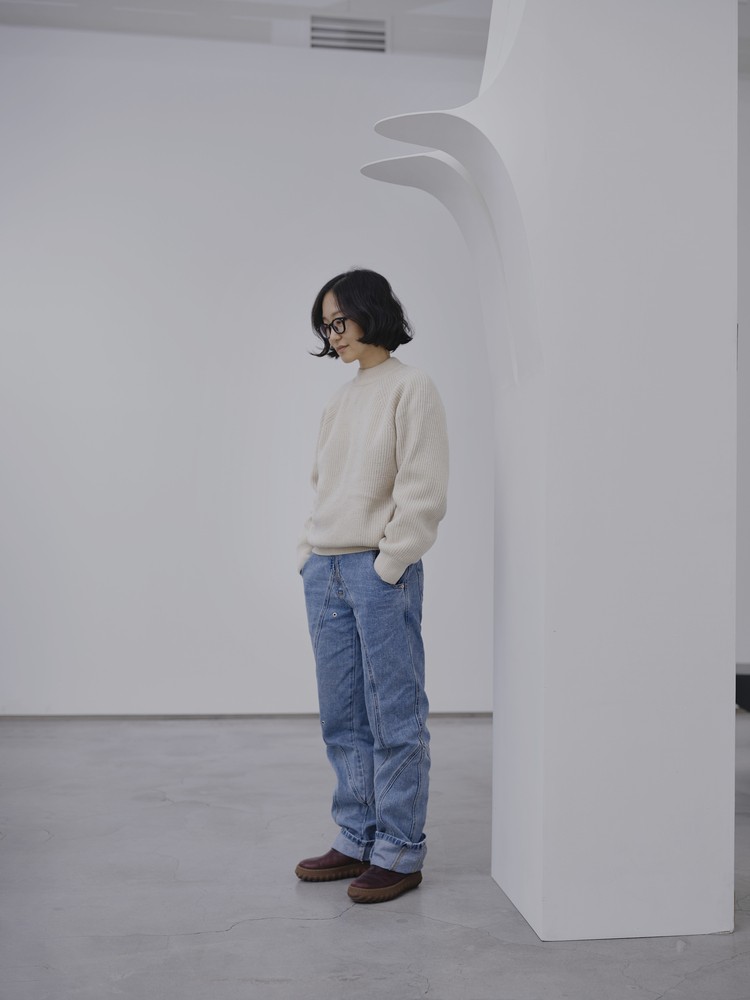
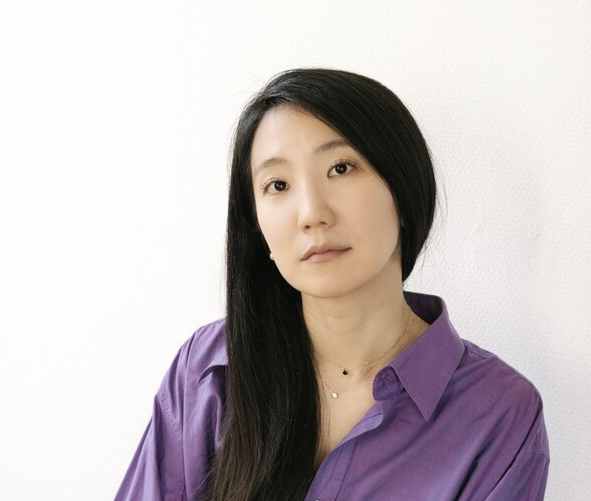
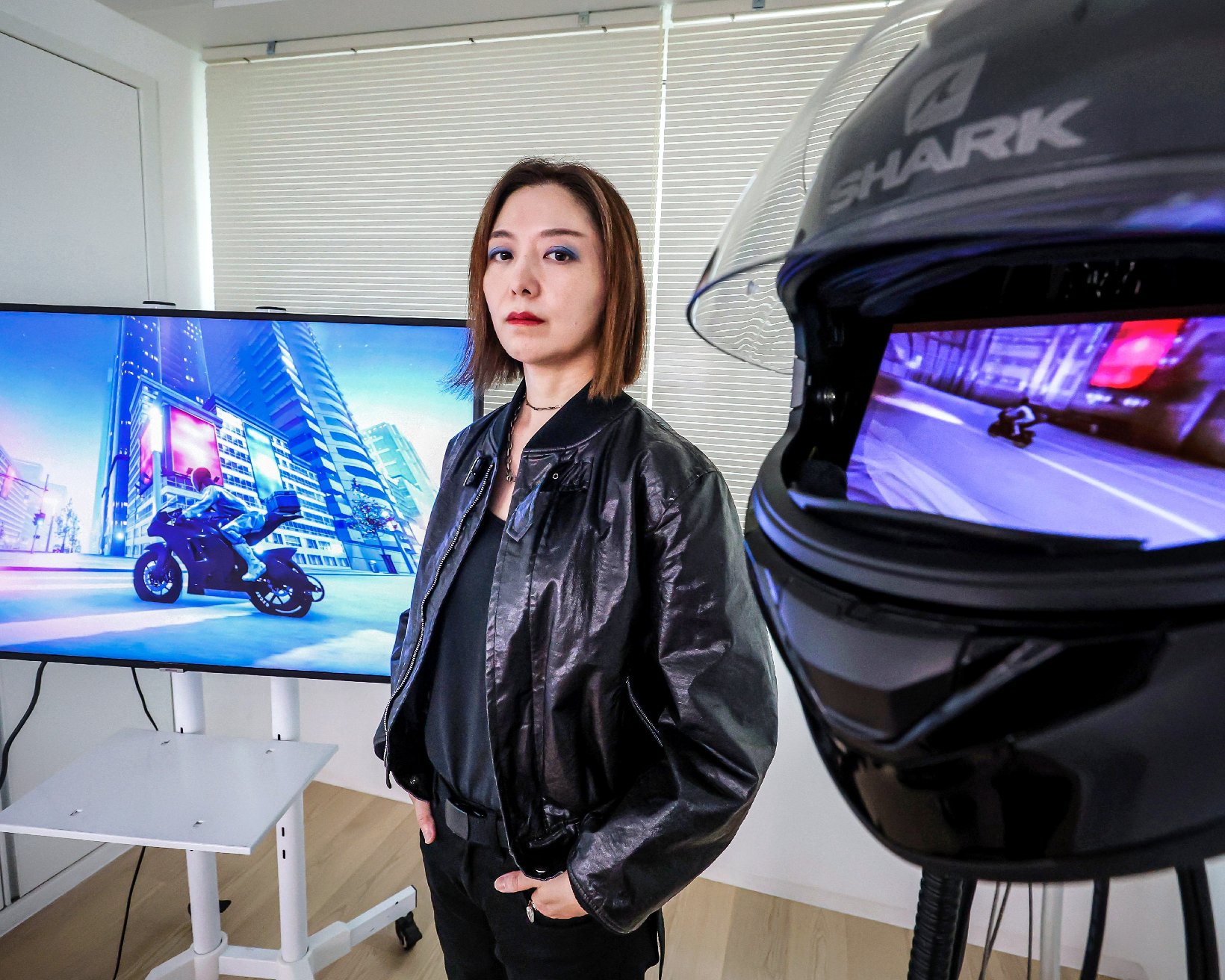
Yo-E Ryou / Photo: Ilwoo Foundation
Artist | Yo-E Ryou
Yo-E Ryou (b. 1987) was born in Seoul and is currently based in Jeju. She received her
BFA from the Rhode Island School of Design (RISD) and her MFA from the Yale
University School of Art.
Working across sound, video, installation,
performance, and drawing, Ryou explores relationships among water and the body,
embodied knowledge, memory, and ecology. Since relocating to Jeju, she has
developed swimming, diving, breathing, and listening into key methodologies
within her practice through her ongoing engagement with haenyeo communities.
She was selected as a sound
artist-in-residence at the Musée du quai Branly – Jacques Chirac in 2025 and is
participating in 《In Minor Keys》, the International Exhibition of the 61st Venice Biennale, in 2026.
In Jeju, she also runs “Unlearning Space”, a platform
for island-based artistic research and exchange.
Exhibition Information
The 61st International Art Exhibition –
La Biennale di Venezia 《In Minor Keys》
Dates: May 9 – November 22, 2026
Venue: Arsenale, Venice, Italy
Participating Artist: Yo-E Ryou
Work: Breath Orchestra
Website: Official Venice
Biennale page for Yo-E Ryou
Yo-E Ryou: 《Echoes of the Tides》
Dates: March 12, 2026 – February 21, 2027
Venue: Musée du quai Branly – Jacques Chirac, Paris, France
Developed through the museum’s 2025 Sound Residency
Website: Musée
du quai Branly – Jacques Chirac
Artist
Yo-E Ryou Official Website