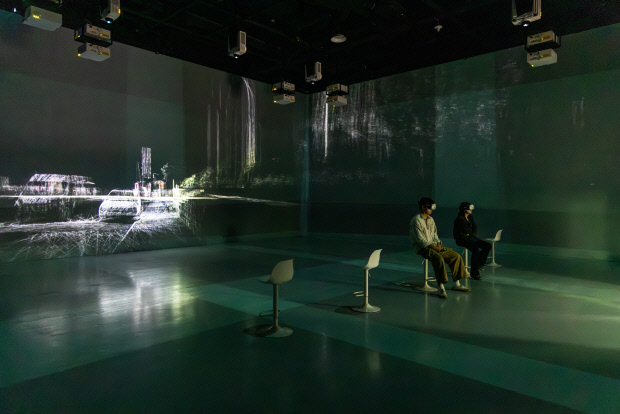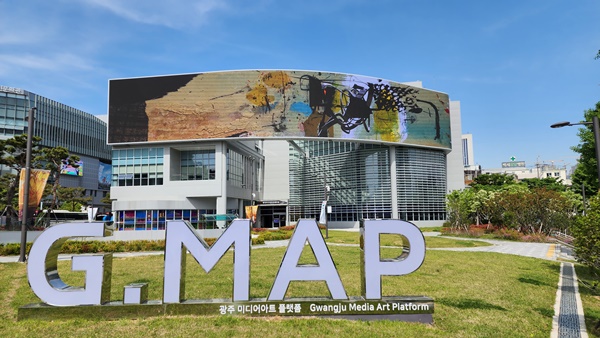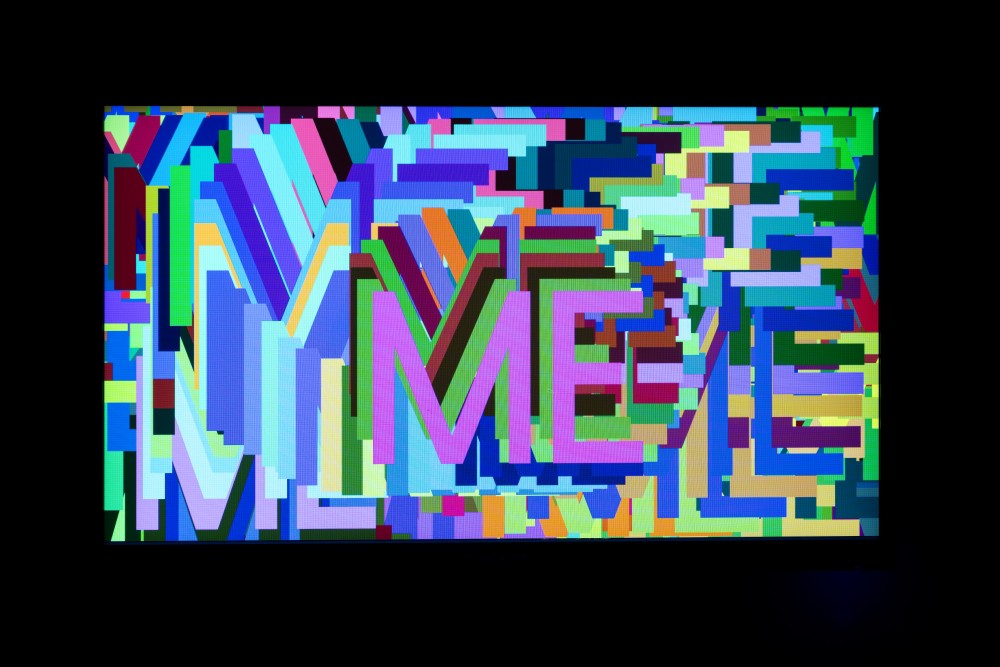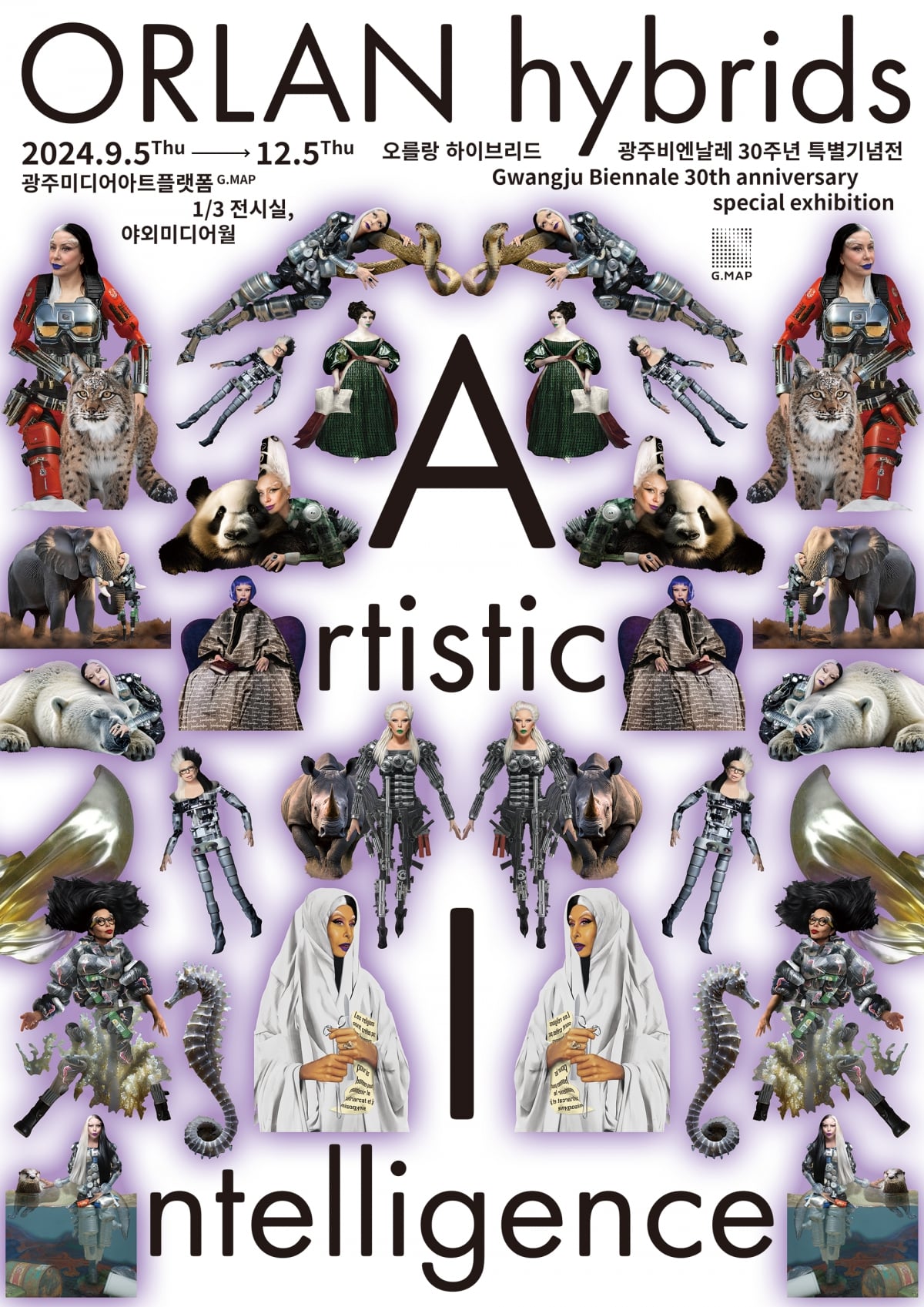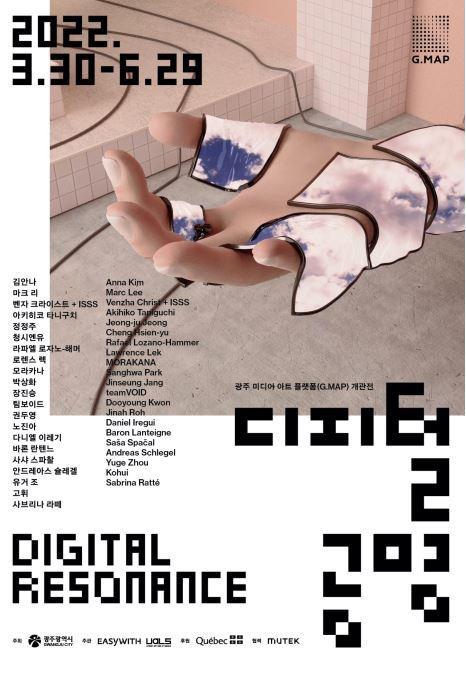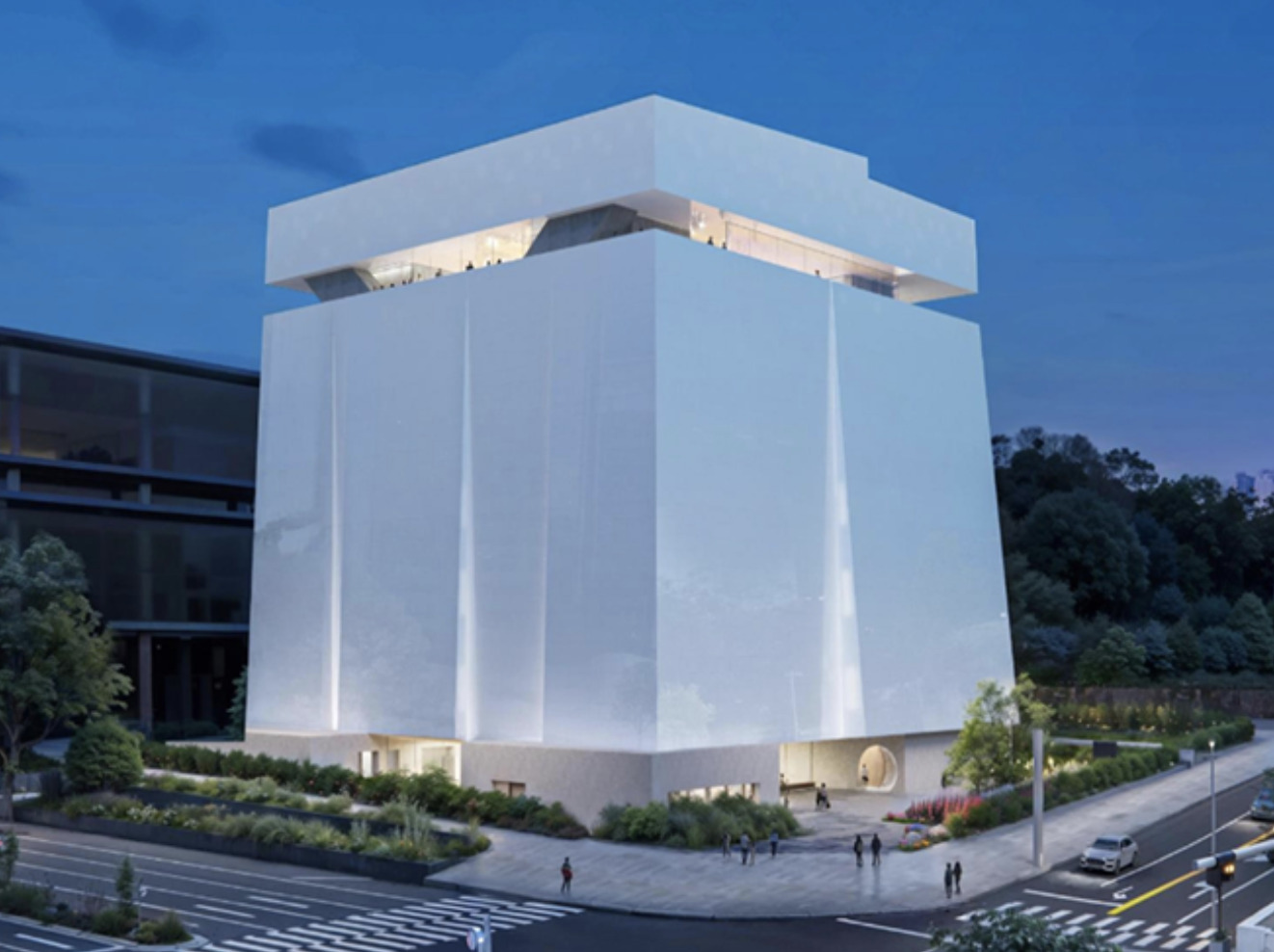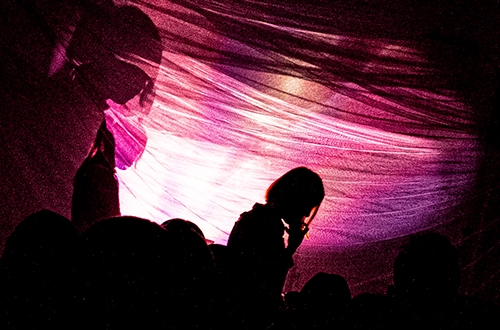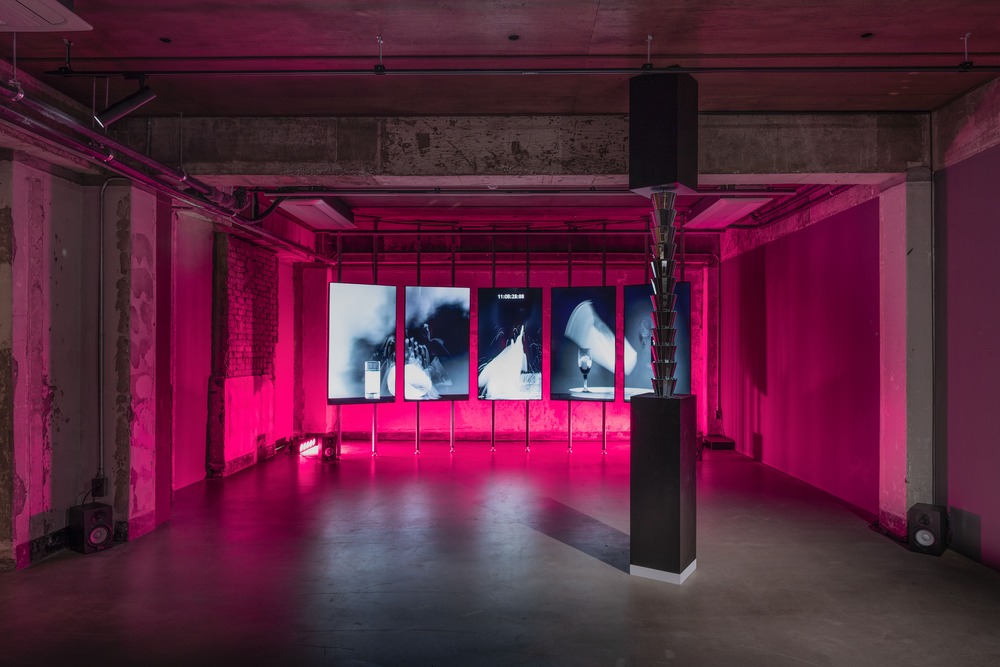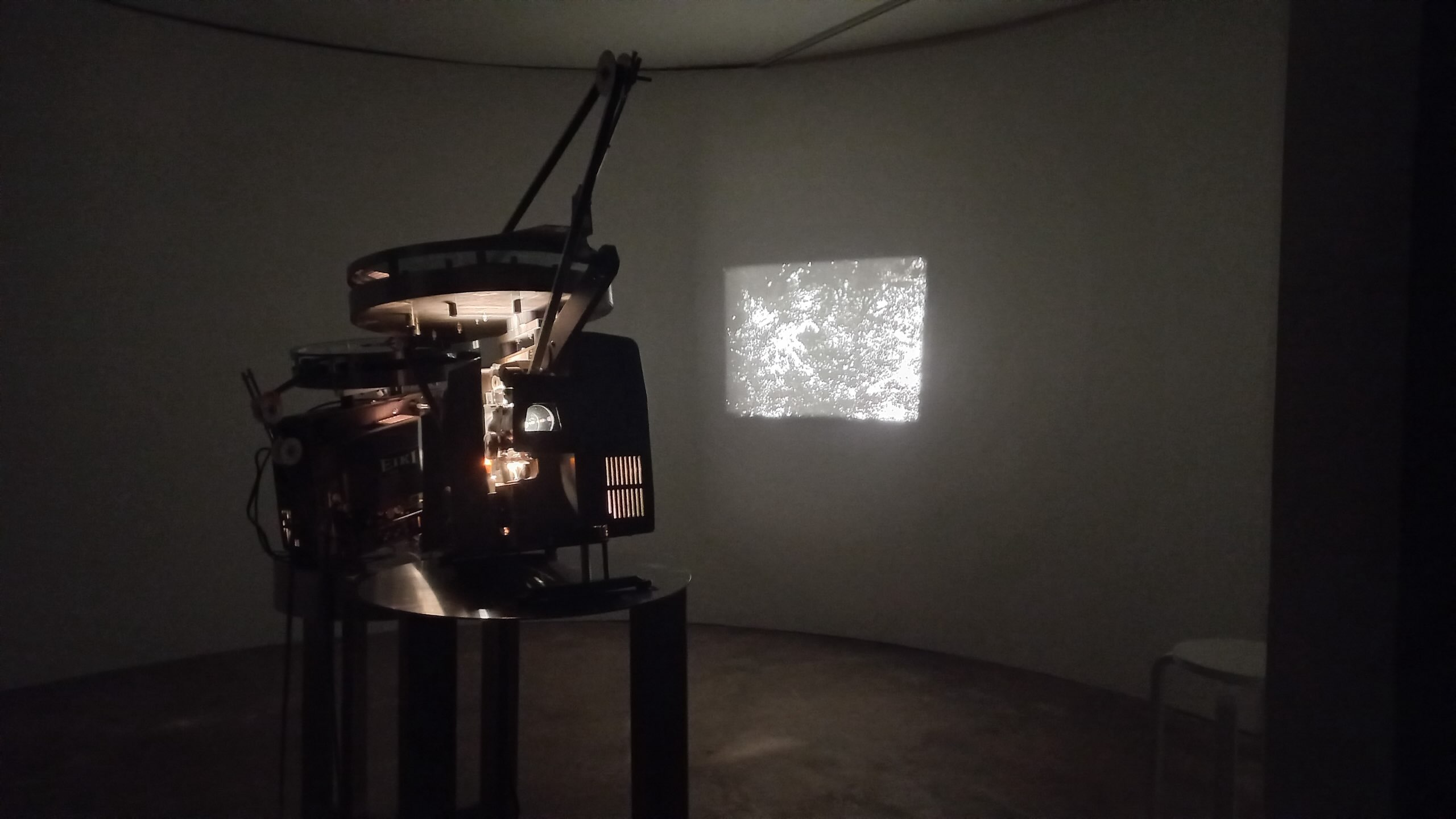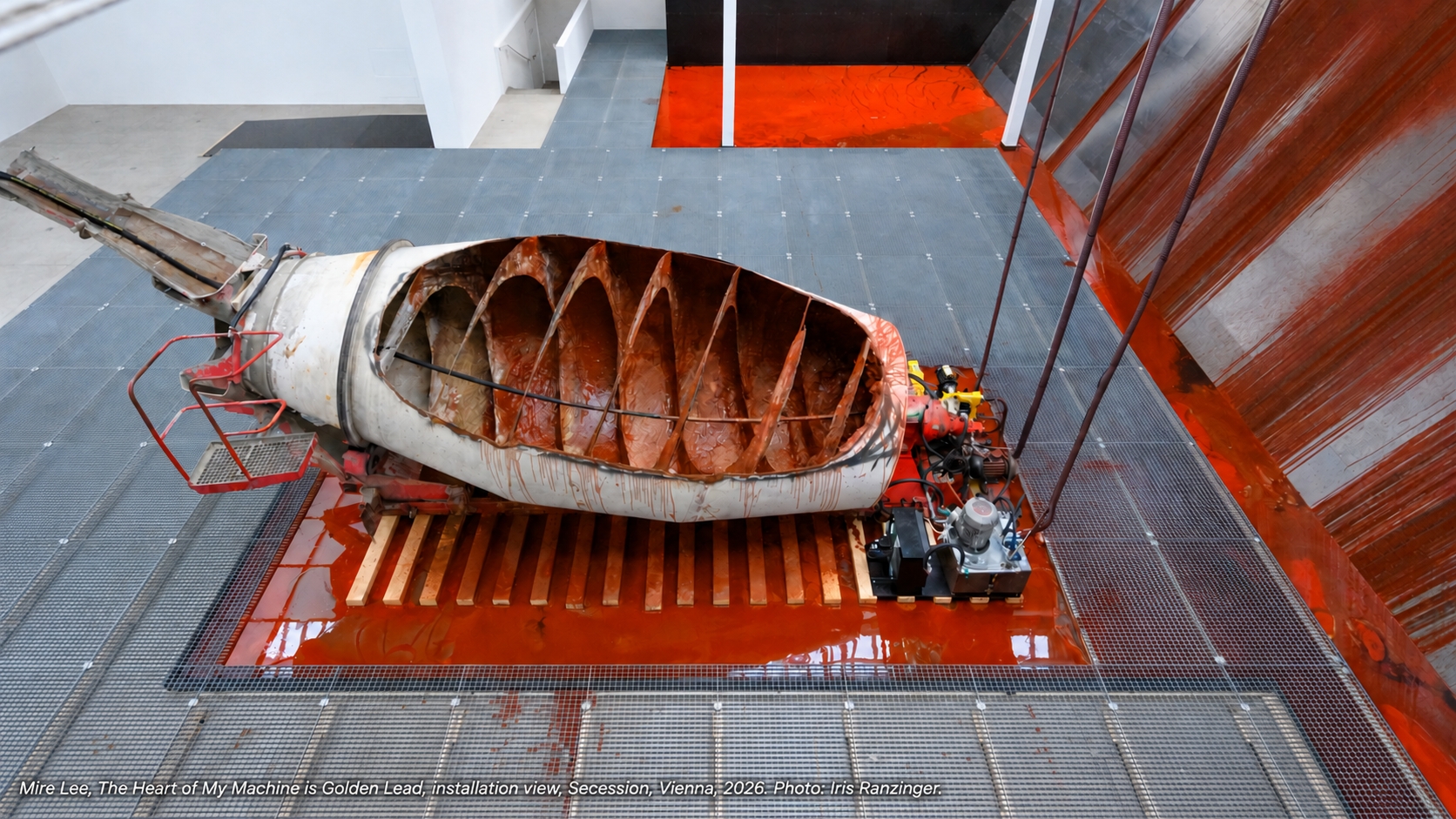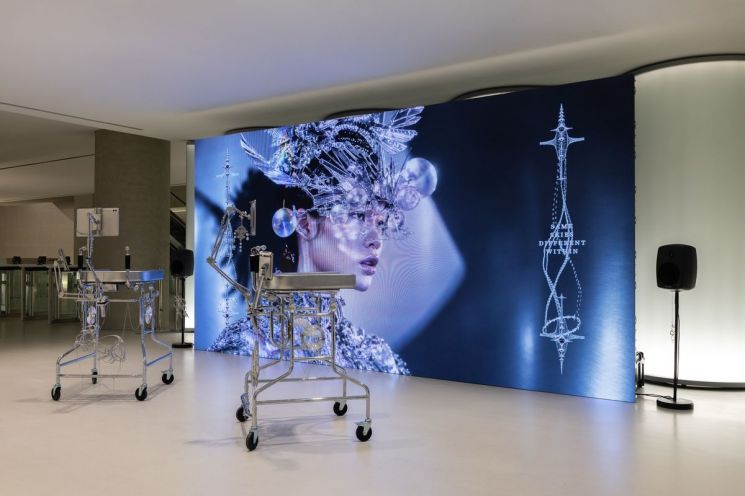

Installation view of the UCCN Pavilion exhibition at the 16th Gwangju Biennale, currently on view at Gwangju Media Art Platform. © Gwangju Media Art Platform
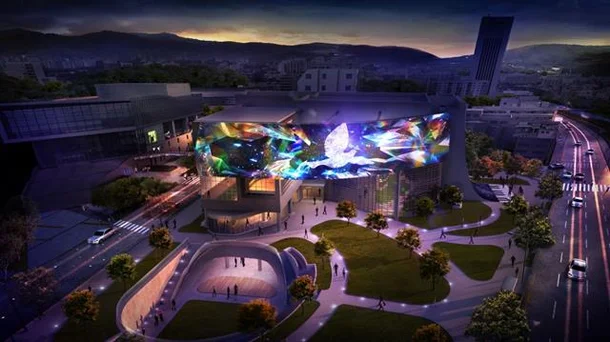
On
November 12, Gwangju Media Art Platform (G.MAP) will host the 2026 UNESCO Media
Arts Creative Cities International Forum to mark the launch of the newly
established UNESCO Media Arts Creative Cities Pavilion at the 16th Gwangju
Biennale.
Since
joining the UNESCO Creative Cities Network as a Media Arts City in 2014,
Gwangju Metropolitan City has pursued various programs and infrastructure
initiatives to foster creativity through media art and expand public access to
culture. Currently, 27 cities across 26 countries are members of the network in
the field of media arts.
The
pavilion marks the first project developed through a collaboration within the
UNESCO Creative Cities Network (UCCN). It is particularly significant as a
genre-based pavilion that brings together creative cities from around the
world, transcending national boundaries.
As
part of this collaboration, G.MAP will host the international forum under the
theme “Coded Memories, Living Heritage: The Existential Coexistence of AI Media
Art and Cultural Resources.” The forum will take place at Gwangju Theater, a
venue that retains the historical and cultural atmosphere and distinctive sense
of place of modern Gwangju.
The
forum begins by approaching artificial intelligence and digital technologies
not merely as tools, but as a new ontological language through which human
memory and cultural heritage can be documented and reinterpreted.
Moving
beyond technological spectacle, it will explore the possibilities of combining
the unique cultural heritage of local communities and humanity at large with
cutting-edge AI-based techno-art, transforming it into a sustainable public
resource.
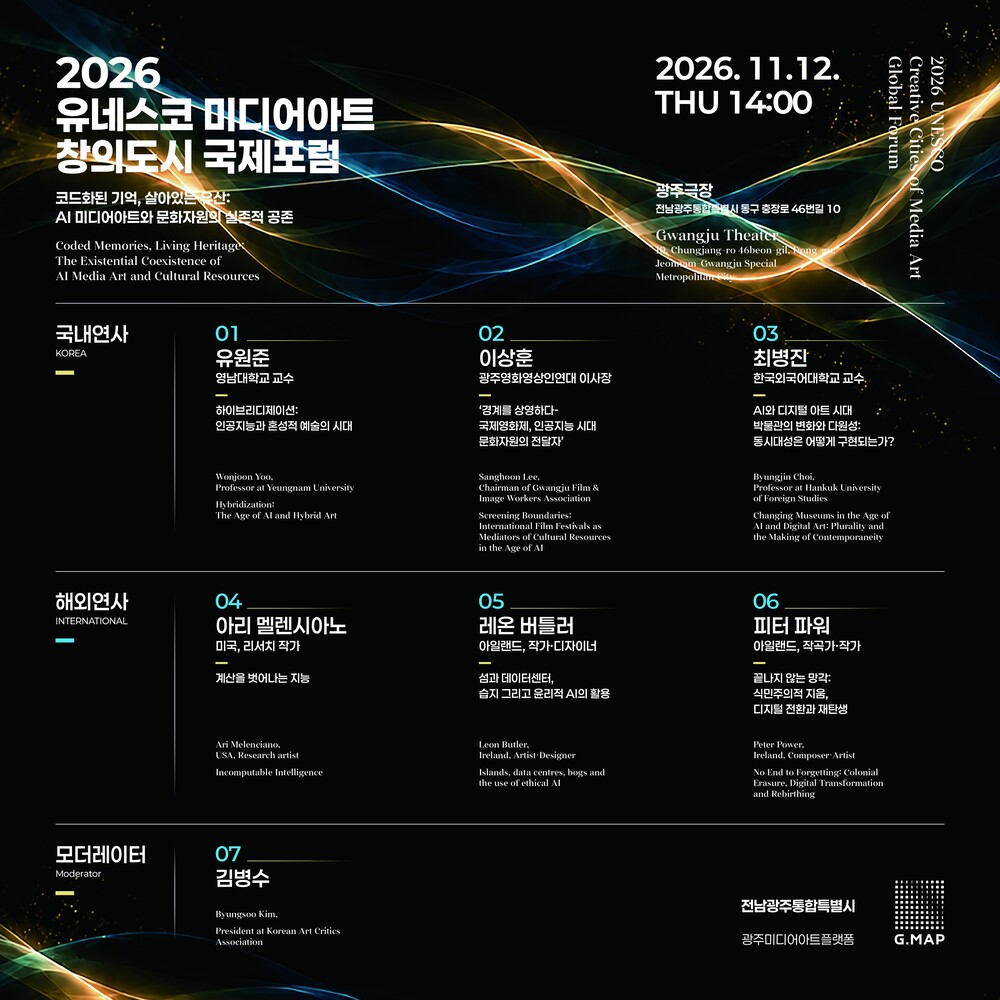
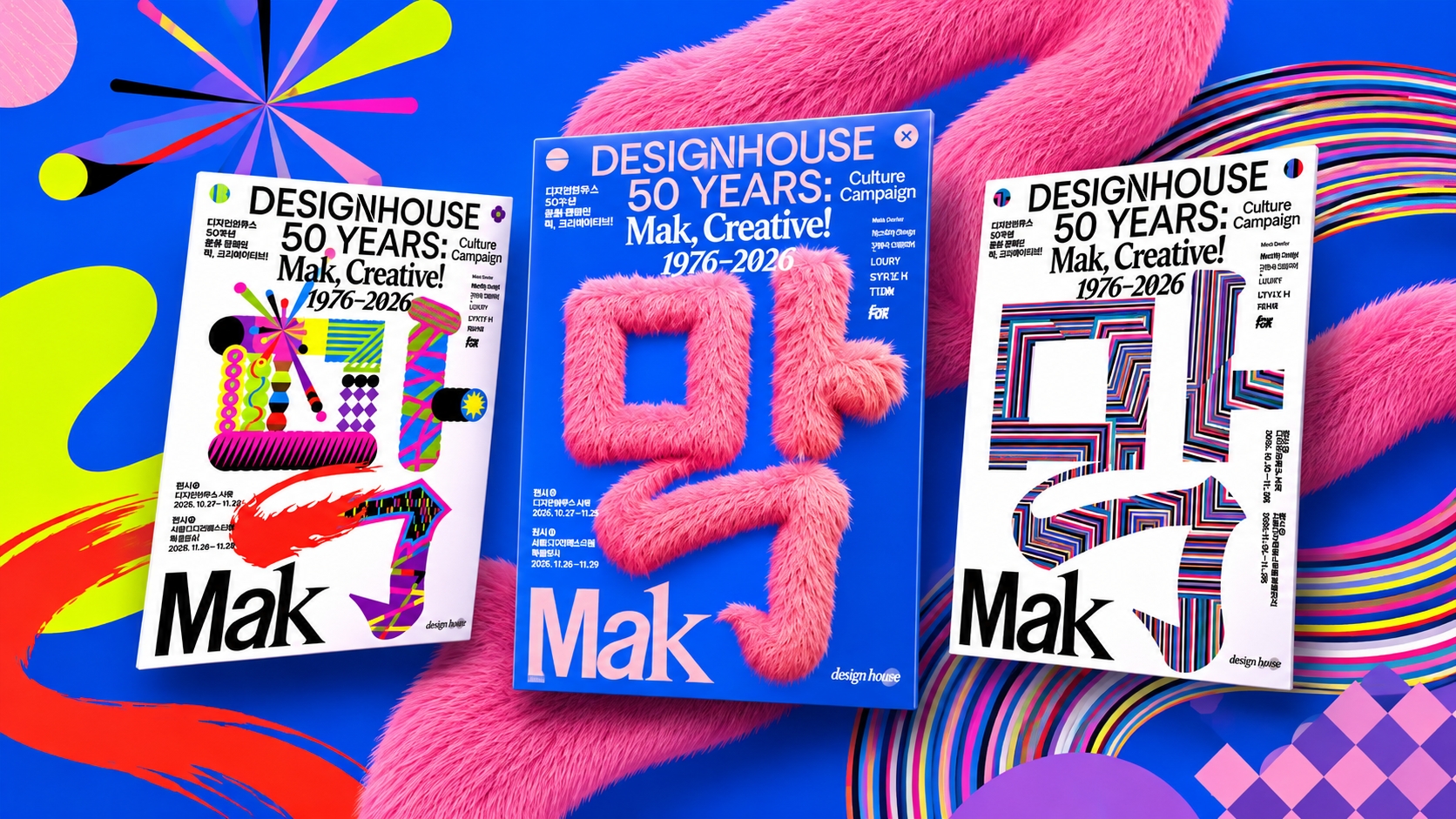
Overview of the 2026 UNESCO Media Arts Creative Cities International Forum © Gwangju Media Art Platform
The
presentation sessions will feature six experts from Korea and abroad, who will
examine the relationships among cultural resources, technology, and art from
multidisciplinary perspectives.
Wonjoon
Yoo, art critic and professor at Yeungnam University, will present
“Hybridization: The Age of AI and Hybrid Art.” Sanghoon Lee, chairman of the
Gwangju Film & Image Workers Association, will speak on “Screening
Boundaries: International Film Festivals as Mediators of Cultural Resources in
the Age of AI.” Byungjin Choi, professor at Hankuk University of Foreign
Studies, will present “Changing Museums in the Age of AI and Digital Art:
Plurality and the Making of Contemporaneity.”
The
sessions will continue with presentations by international speakers: Ari
Melenciano, a research artist from the United States, will explore
“Incomputable Intelligence”; Leon Butler, an artist and designer from Ireland,
will discuss “Islands, Data Centres, Bogs and the Use of Ethical AI”; and Peter
Power, an Irish artist and composer, will address “No End to Forgetting:
Colonial Erasure, Digital Transformation and Rebirthing.”
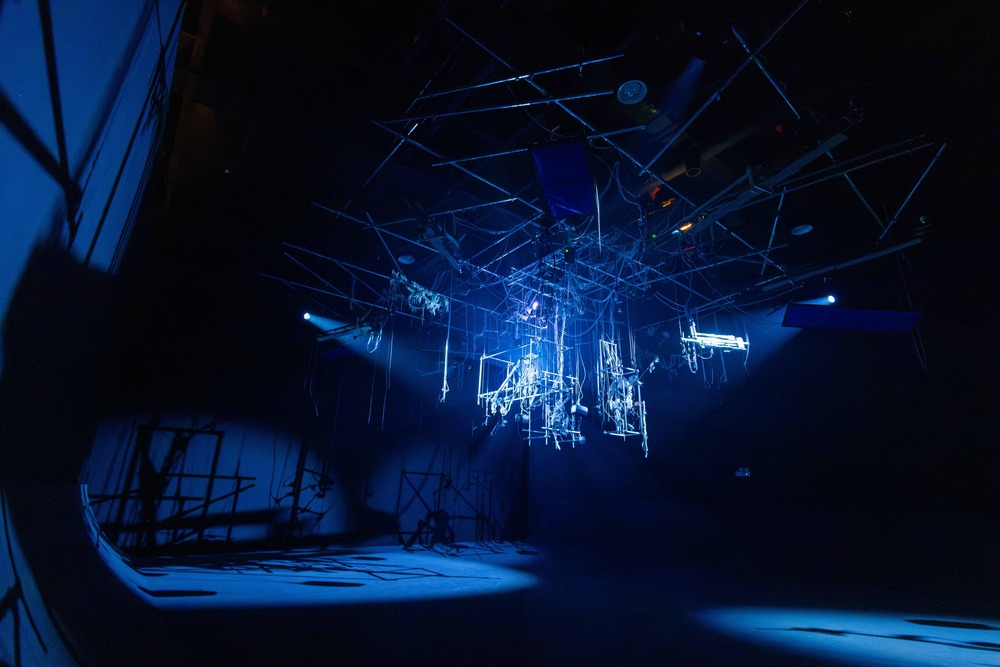
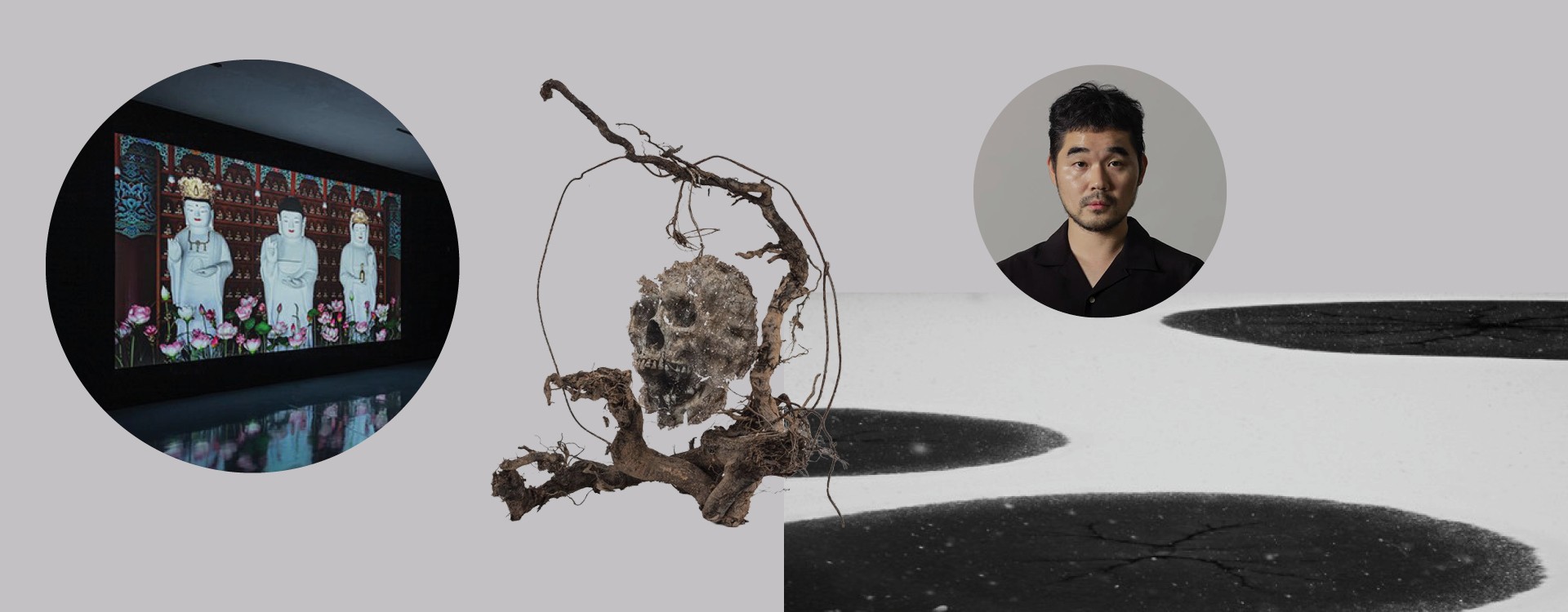
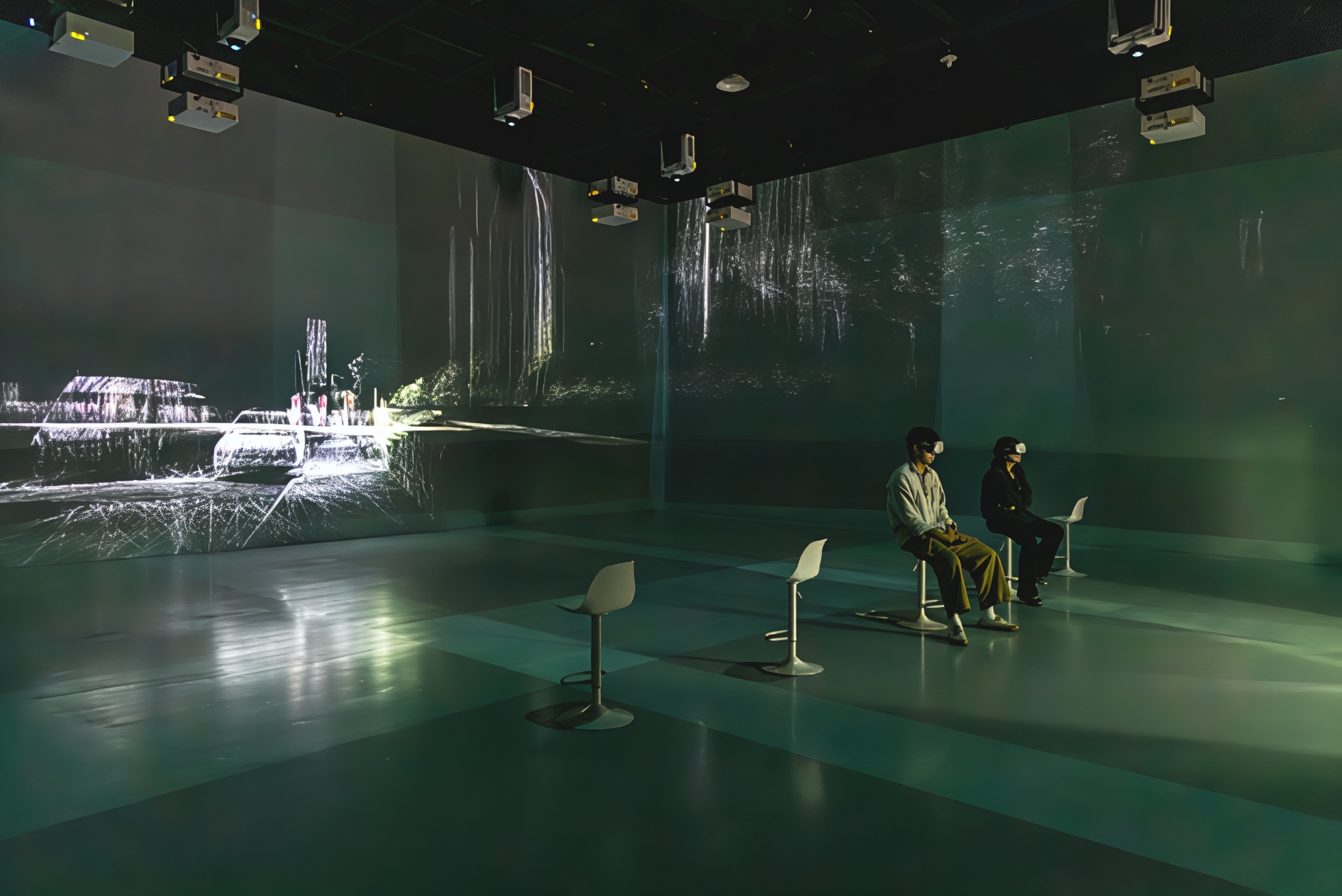
Kim Hankyul’s Shore, presented at the UCCN Pavilion of the 16th Gwangju Biennale. © Gwangju Media Art Platform
Kim
Hana, curator at G.MAP, explained, “The UCCN Pavilion exhibition, currently on
view at G.MAP in conjunction with the international forum, was made possible
through the collaboration of ten cities, including Linz, Austria, home to the
Ars Electronica Festival, a major festival of art, technology, and society;
Karlsruhe, Germany, home to the renowned ZKM Center for Art and Media; and
Enghien-les-Bains, France, a UNESCO Creative City of Media Arts.”
She
added, “The exhibition also marks the first presentation in Korea of works such
as KATÁBASIS by Ugo Arsac, which received the Best Work
Award in the Immersive Competition at this year’s Cannes Film Festival, and Shore
by Kim Hankyul, who was selected as Artist of the Year by the Munchmuseet in
Norway.”
The
international forum is expected to provide a platform for intellectual exchange
among experts and researchers from Korea and abroad, sharing the latest
developments in AI-driven digital art, as well as related policies and creative
production practices. It will also offer the public a valuable opportunity to
encounter the expanding horizons of contemporary media art.