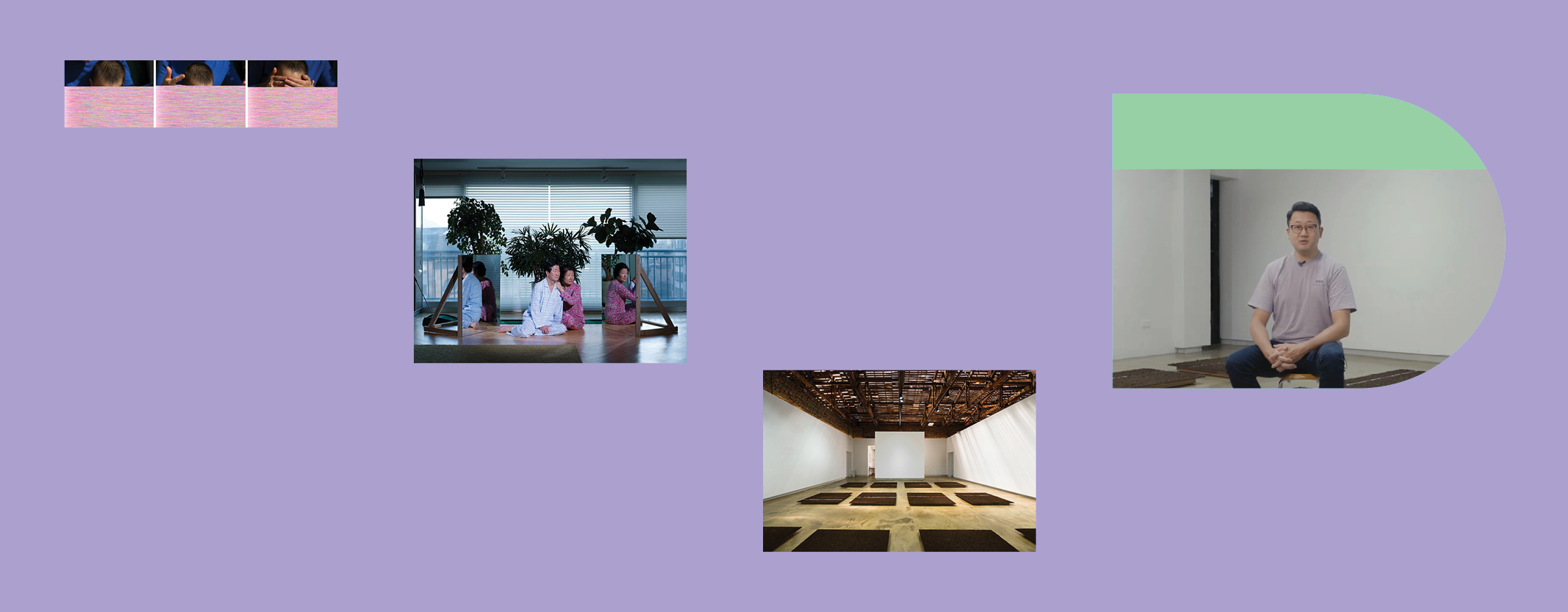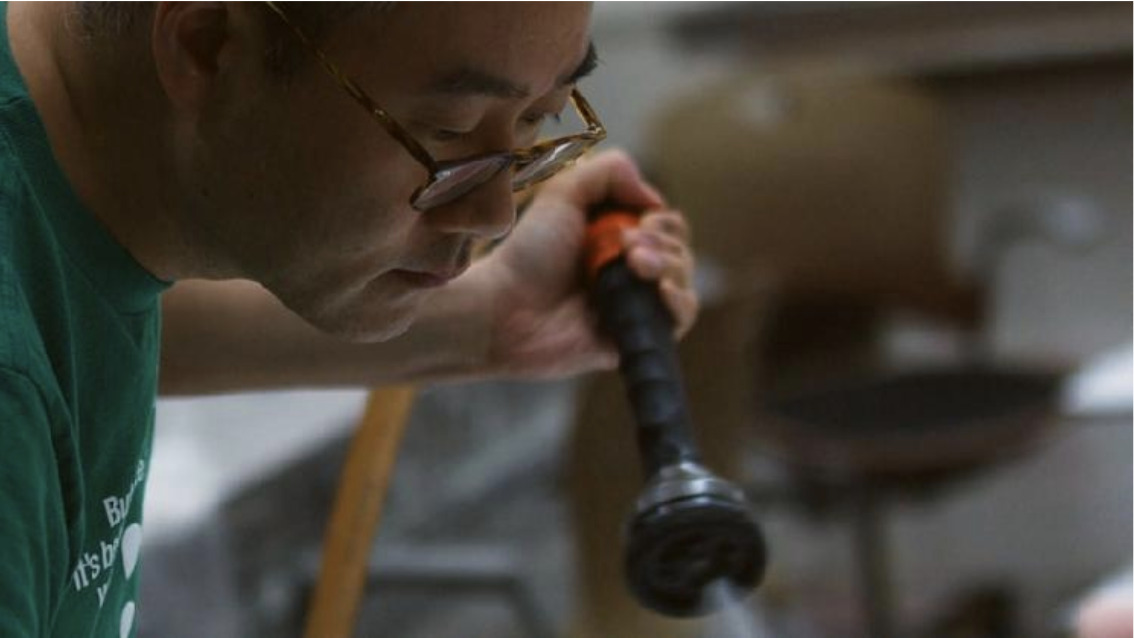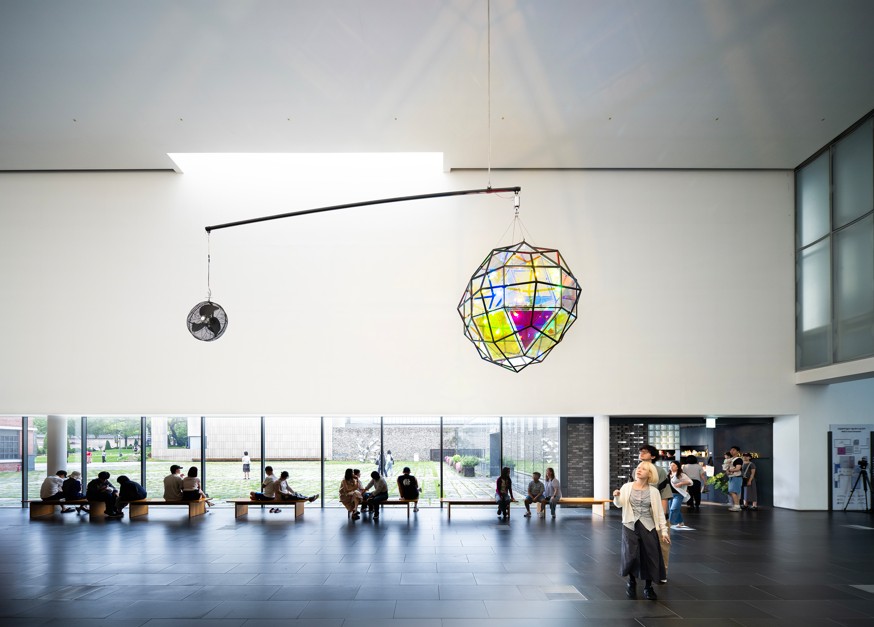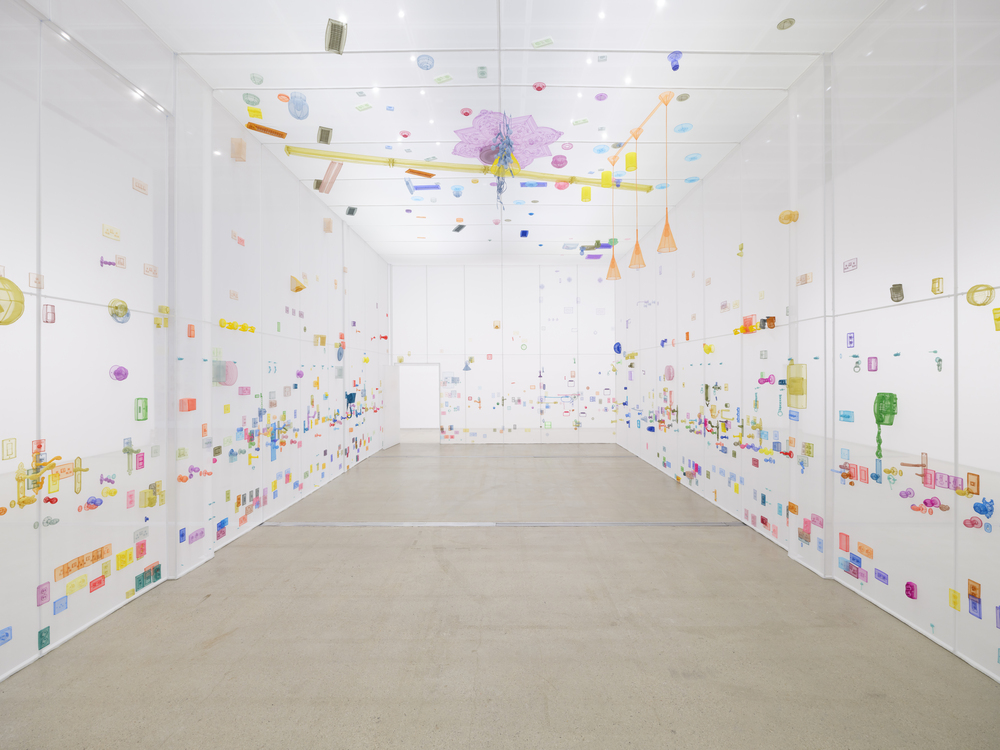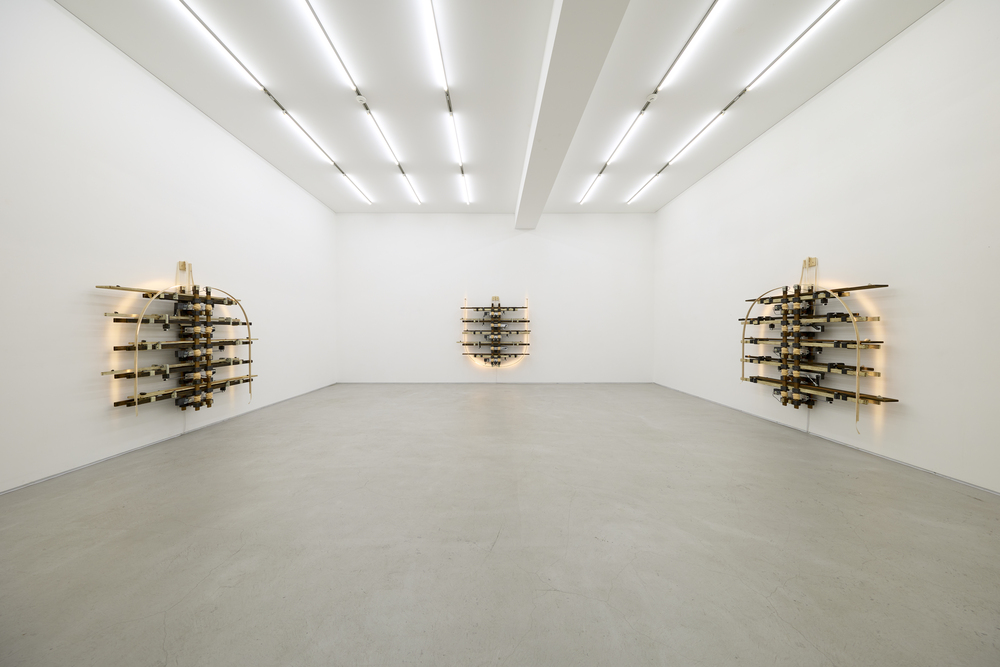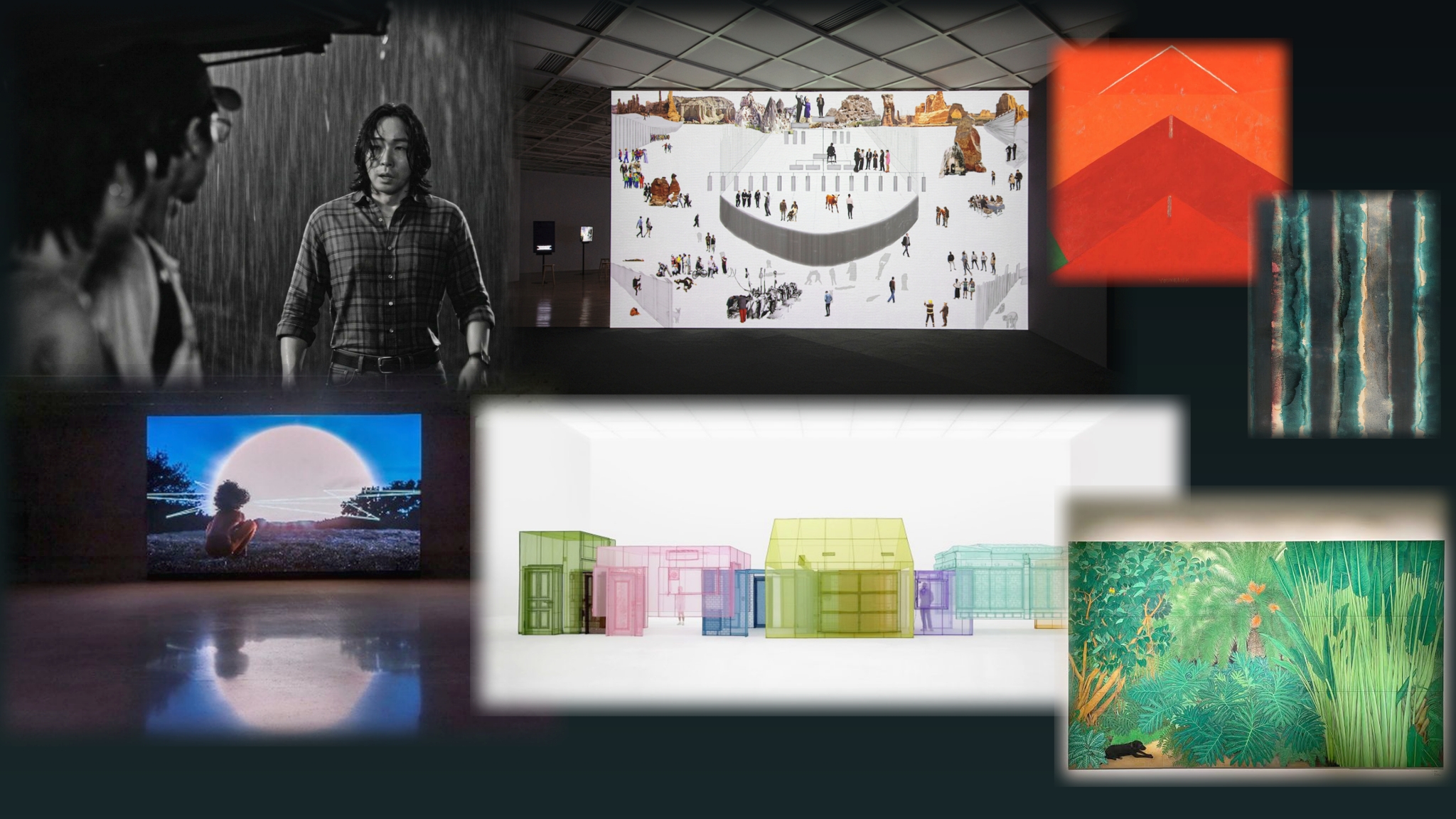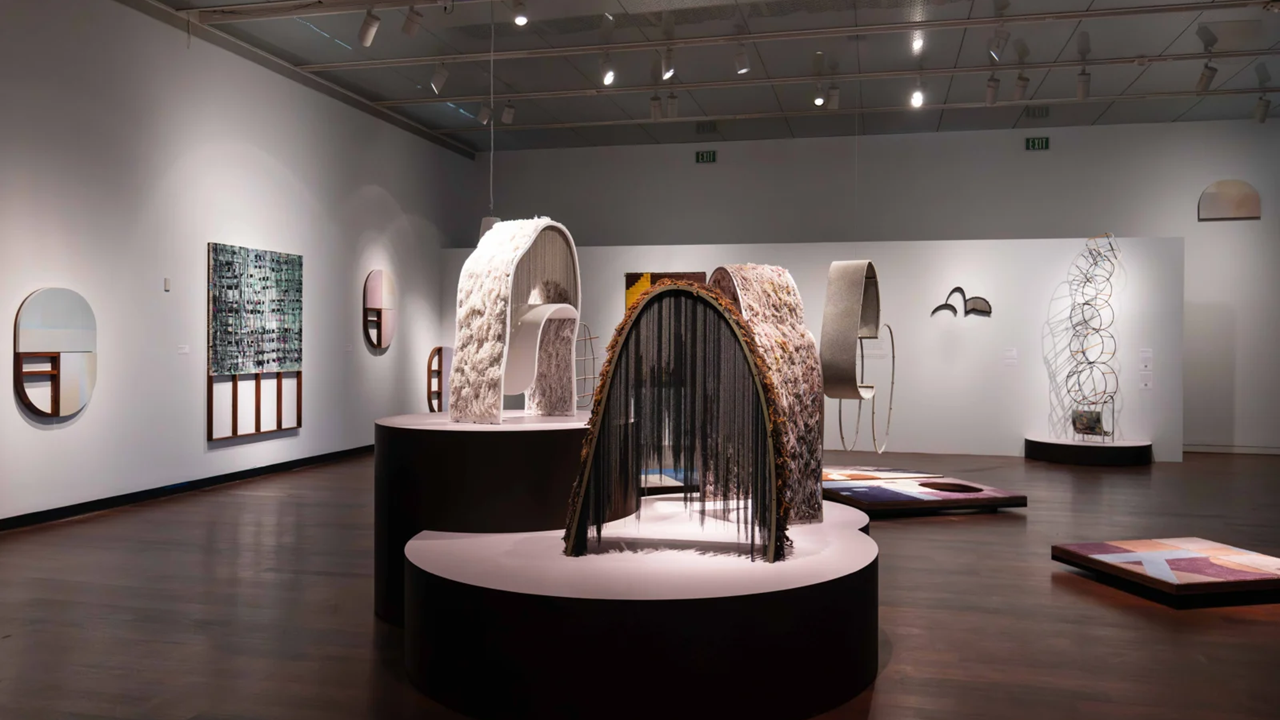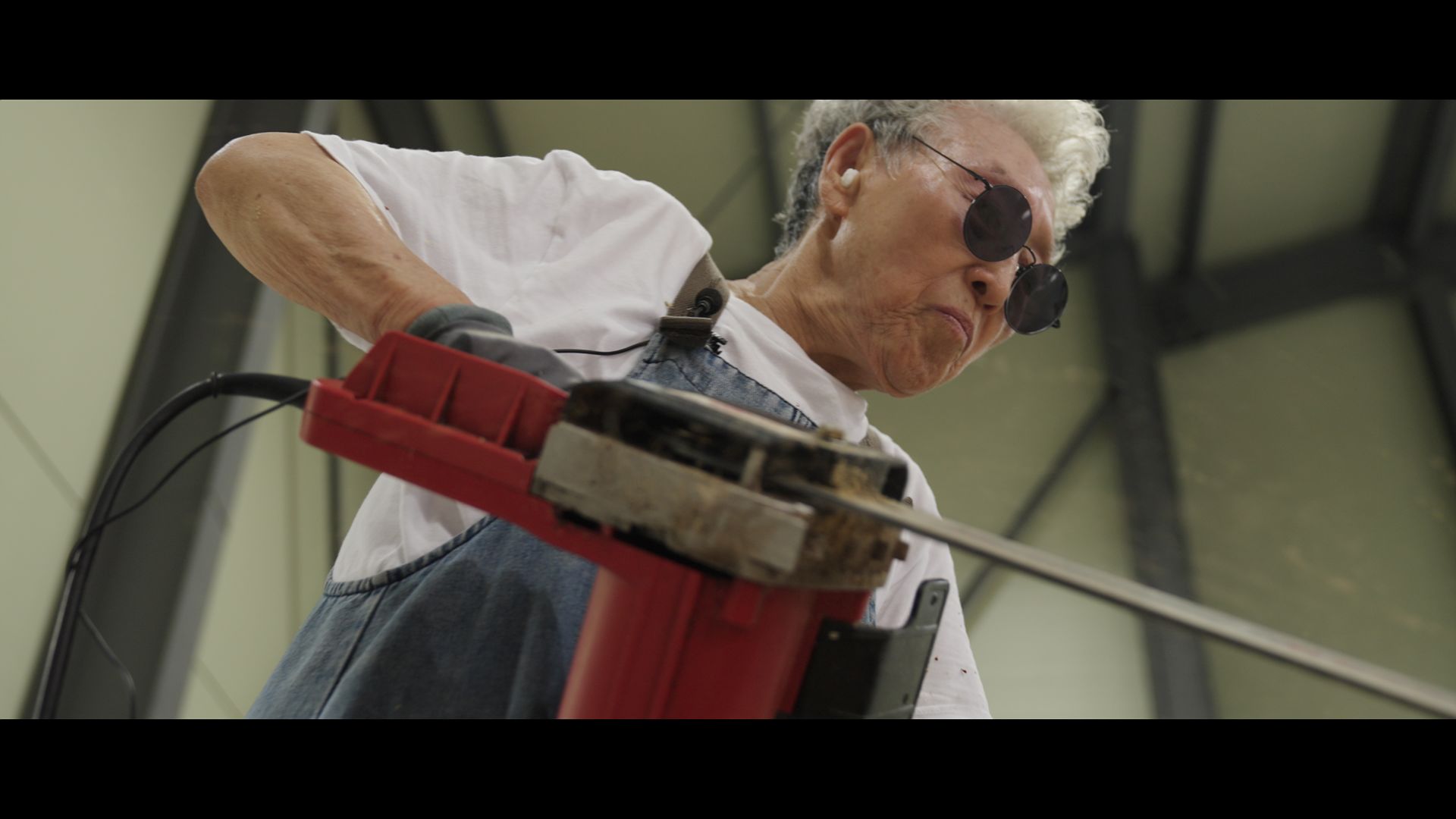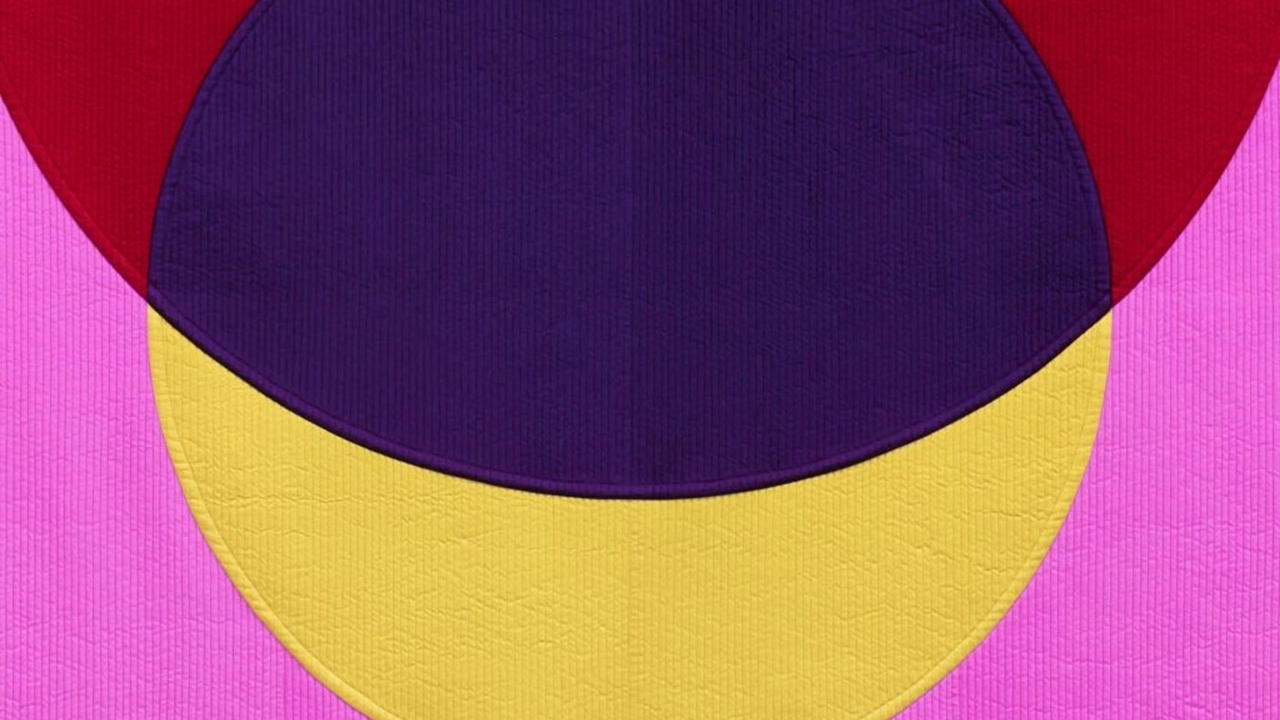

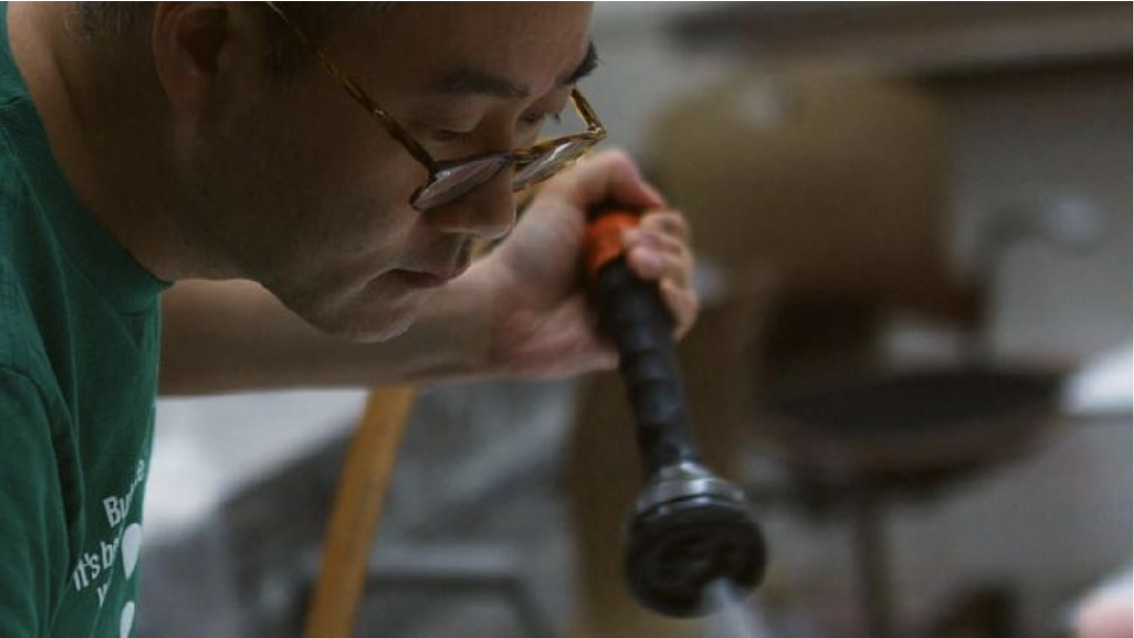
Do Ho Suh, STPI, 2011 © MMCA
A documentary series documenting the
production and installation of works by leading Korean contemporary artist Do
Ho Suh will be screened at the MMCA Film and Video program of the National
Museum of Modern and Contemporary Art, Korea (MMCA).
Presented as part of the MMCA Film and
Video program, 《Do Ho Suh: On Site》 features 13 documentary films from November 11 (Wednesday) through
January 10 (Sunday) next year, in conjunction with the ongoing exhibition 《Do Ho Suh》, which has drawn considerable
interest from art audiences.
The program traces the processes through
which Suh’s works take shape, from site-specific installations in locations
around the world to collaborative projects with anthropologists, architects,
engineers, and workshop artisans. By following the relationships between spaces
and people that inform each work, the films offer insight into the essence of
the artist’s practice.
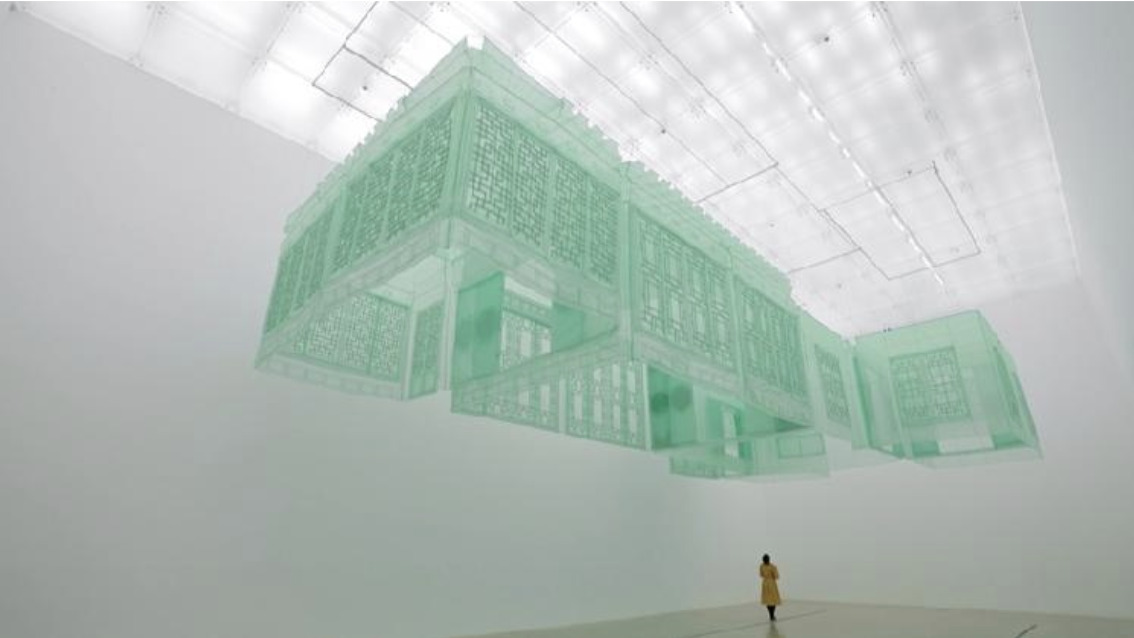
Do Ho Suh, Moving Homes, 2023 © MMCA
The 13 films include Fallen
Star (2016), which documents the installation of a commissioned work
for the Stuart Collection at the University of California, San Diego (UCSD).
Bridging Home, Liverpool
(2010) and Bridging Home, London (2024) capture the
precarious placement of a hanok modeled after the artist’s childhood home in
urban settings in different cultural contexts.
In-Between Hotel (2015)
follows a mobile, one-person hotel that wanders through the interstices of the
city, while Karma (2015) documents the casting of a
monumental bronze sculpture installed outdoors at the Albright-Knox Art Gallery
in Buffalo.
The program also features films on Suh’s
‘Fabric Architecture’ series, a central part of his practice. Moving
Homes (2023) brings together scenes of his translucent fabric houses
unfolding at the National Museum of Modern and Contemporary Art, Korea (MMCA),
Leeum Museum of Art, and the 21st Century Museum of Contemporary Art in
Kanazawa.
Staircase (2011)
documents the installation of a red fabric staircase at Tate Modern, while
30 Avenue Montaigne: Façade + Passage + Dior (2015) captures
the process of recreating the façade of the Parisian fashion house Maison Dior.
Proposal for Sach’ŏnwang-sa
(2021) traces the lineage of fabric architecture back thousands of years,
exploring the site of an ancient temple in Gyeongju said to have been built
with “colorful silk.”
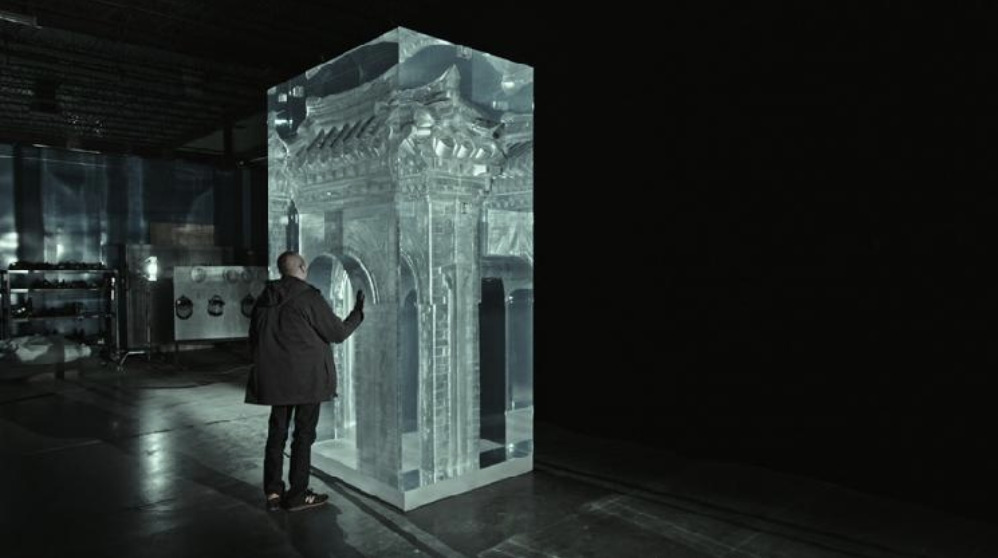
Do Ho Suh, Portal, 2024 © MMCA
It is also fascinating to see the artist
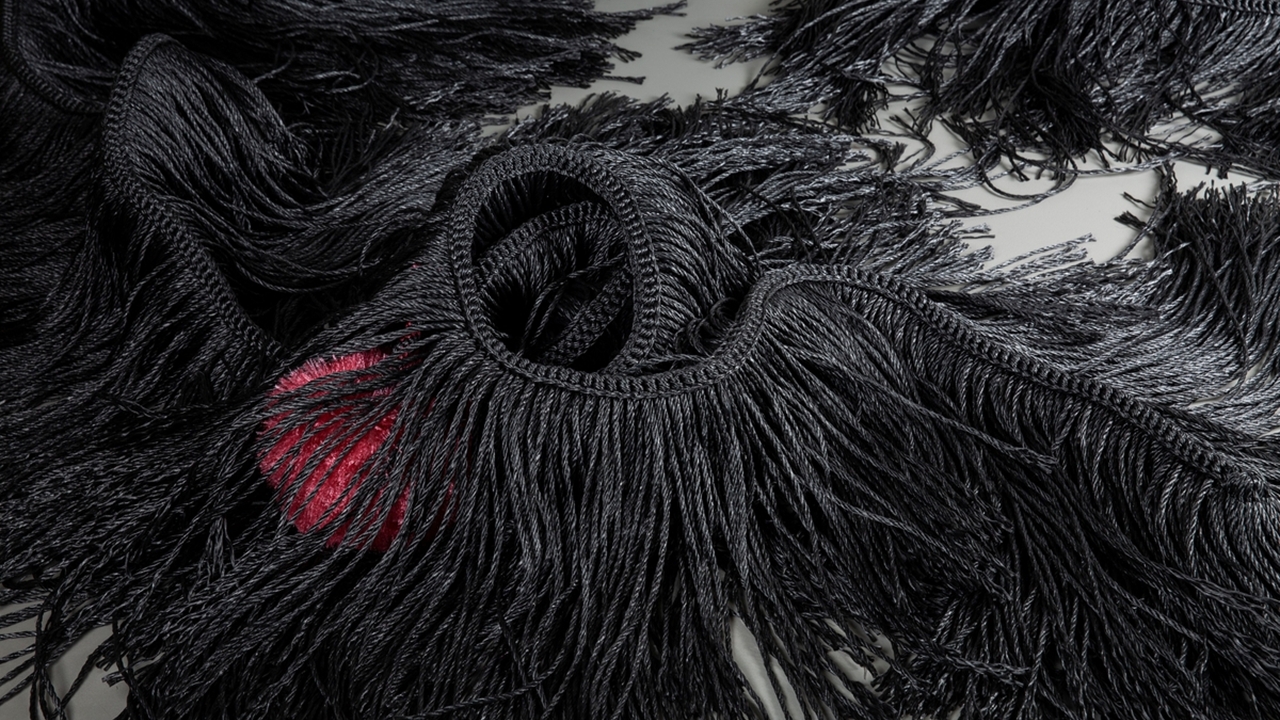
mastering new techniques along the way. STPI (2011)
documents his experiments with thread drawing in collaboration with artisans at
a workshop in Singapore, while Portal (2024) follows the
arduous process of creating an intaglio impression of the void within a
traditional Korean door through a combination of 3D scanning and casting.
Doreen Nutaaq Simmonds
(2025) and A Bridge to Where? (2025) document the latest
journey of the Bridge Project (1999–), an ongoing project
through which Suh has sought a “perfect home” since 1999.
For this speculative project, which
imagines a house located at a point in the Arctic Ocean equidistant from Seoul,
New York, and London, anthropologist and filmmaker Hugh Brody transformed
letters envisioning life in that place into films, conveying the voice of an
Inupiaq elder who lives there.
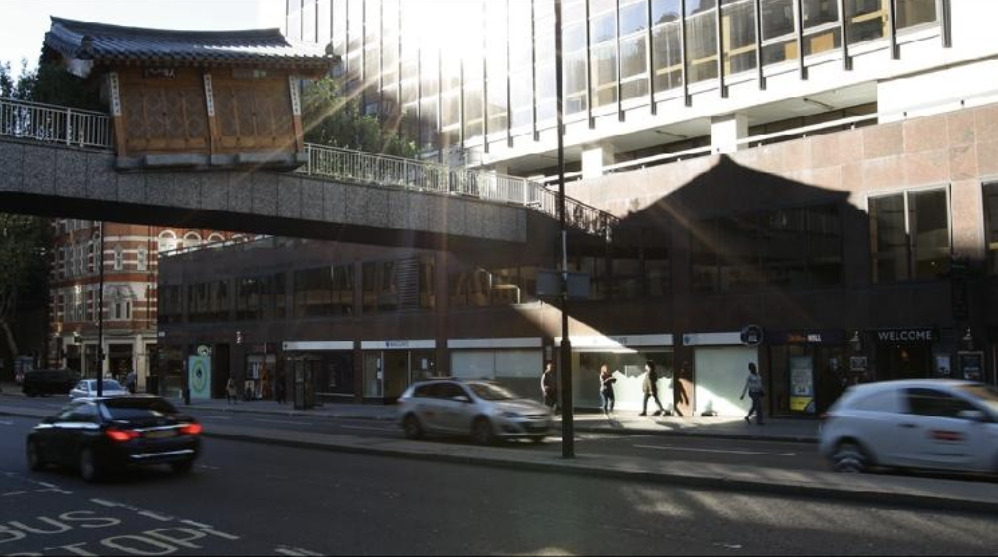
Gautier Deblonde, Bridging Home, London, 2024 © MMCA
A series of conversations will also
accompany the screenings, offering audiences an opportunity to gain a deeper
understanding of Suh’s artistic practice. Art historian Chun Young-Paik,
architectural historian Jeon Bonghee, philosopher of science Kang Hyeong-gu,
and architect and curator Kyong Park will be invited to discuss the artist’s
trajectory from a range of perspectives.
The conversations will take place at the
MMCA Film and Video on December 11 (Friday) at 3 p.m., December 12 (Saturday)
at 6 p.m., and December 16 (Wednesday) at 3 p.m. Registration opens at 10 a.m.
on December 2 (Wednesday) through the museum’s website (mmca.go.kr). Admission
is free, with capacity limited to 100 participants on a first-come,
first-served basis.