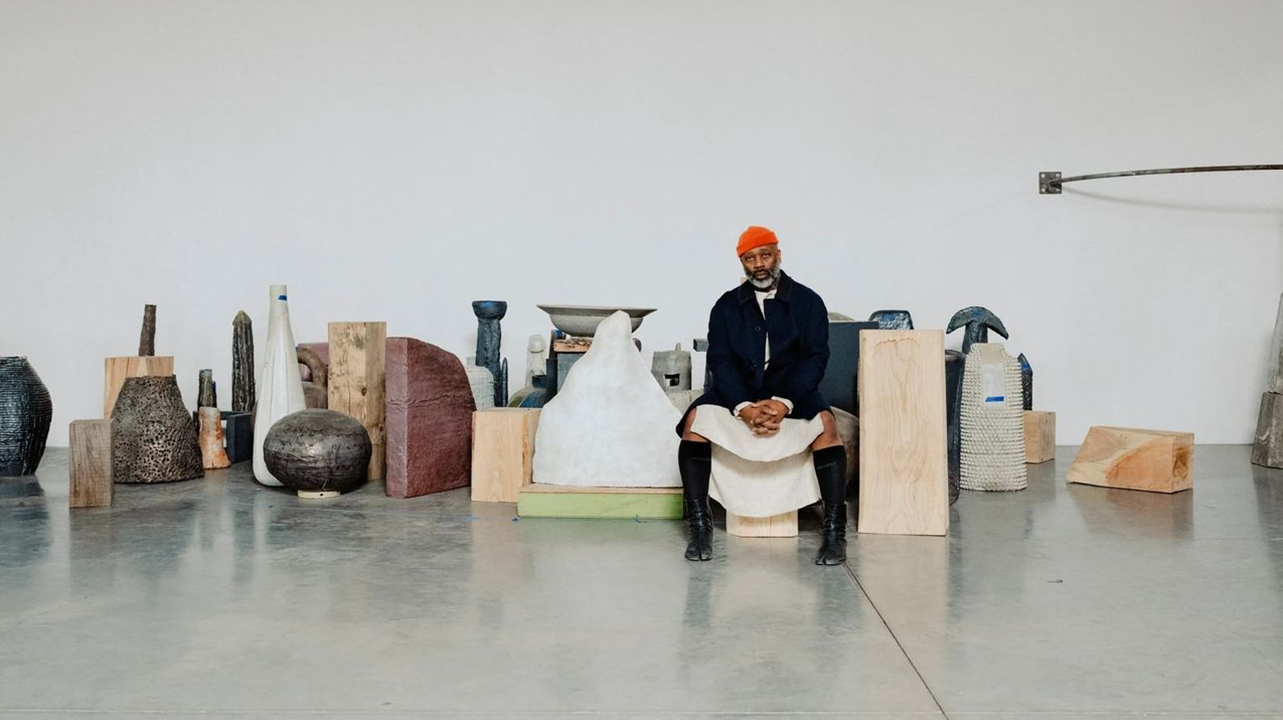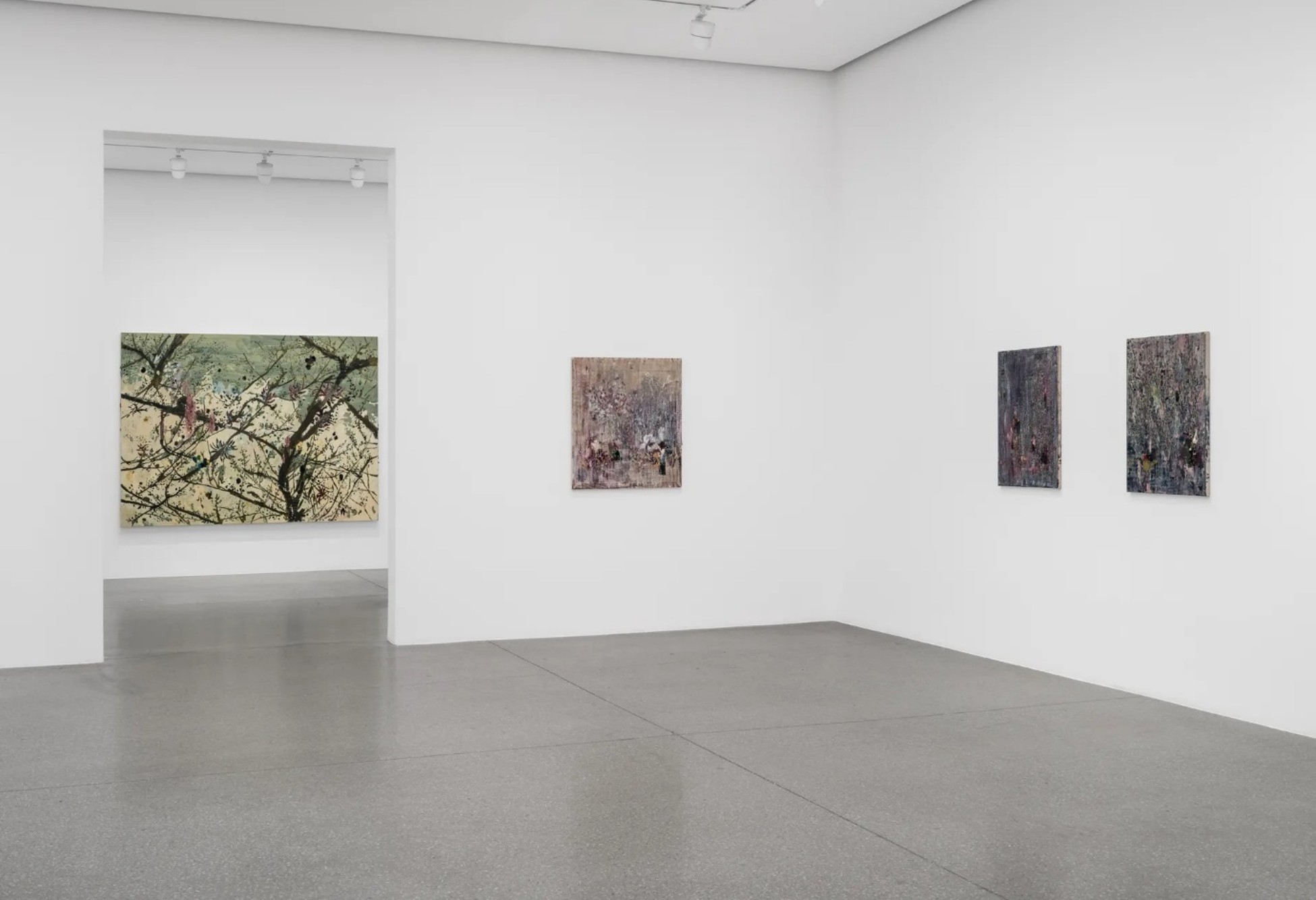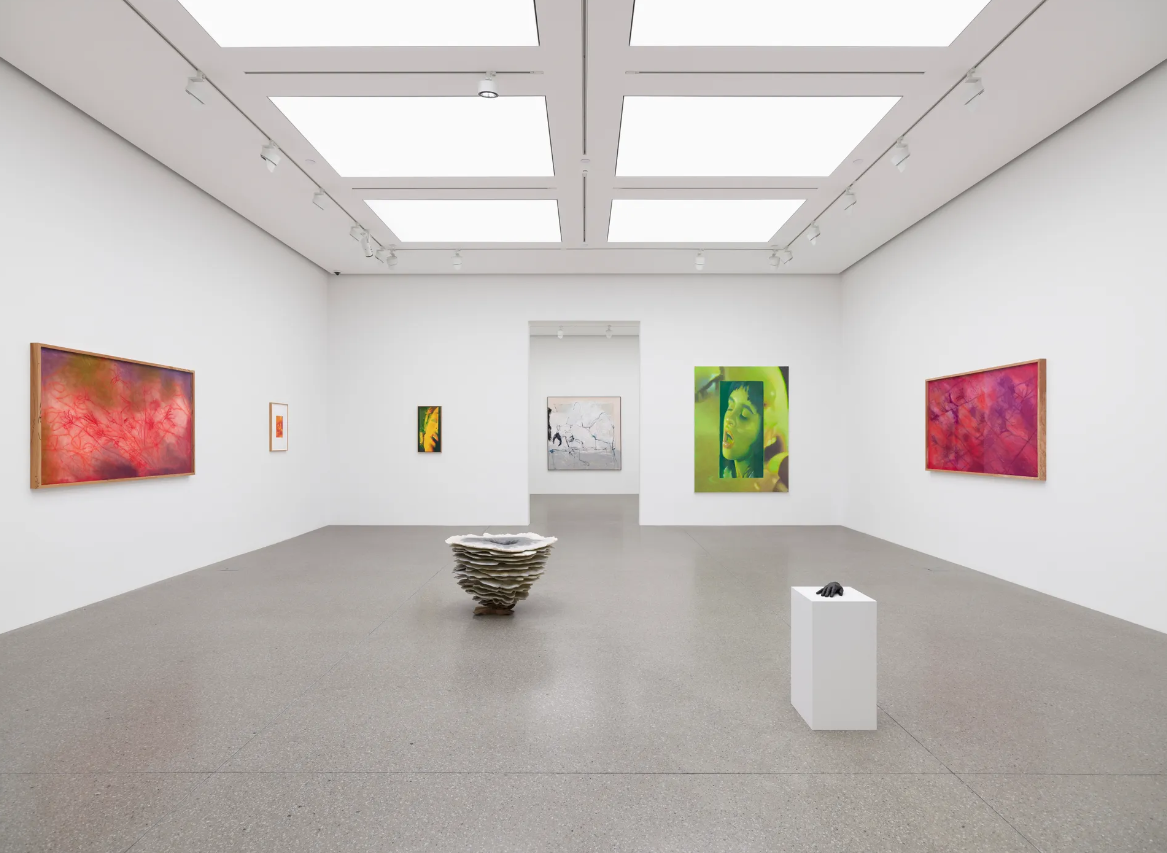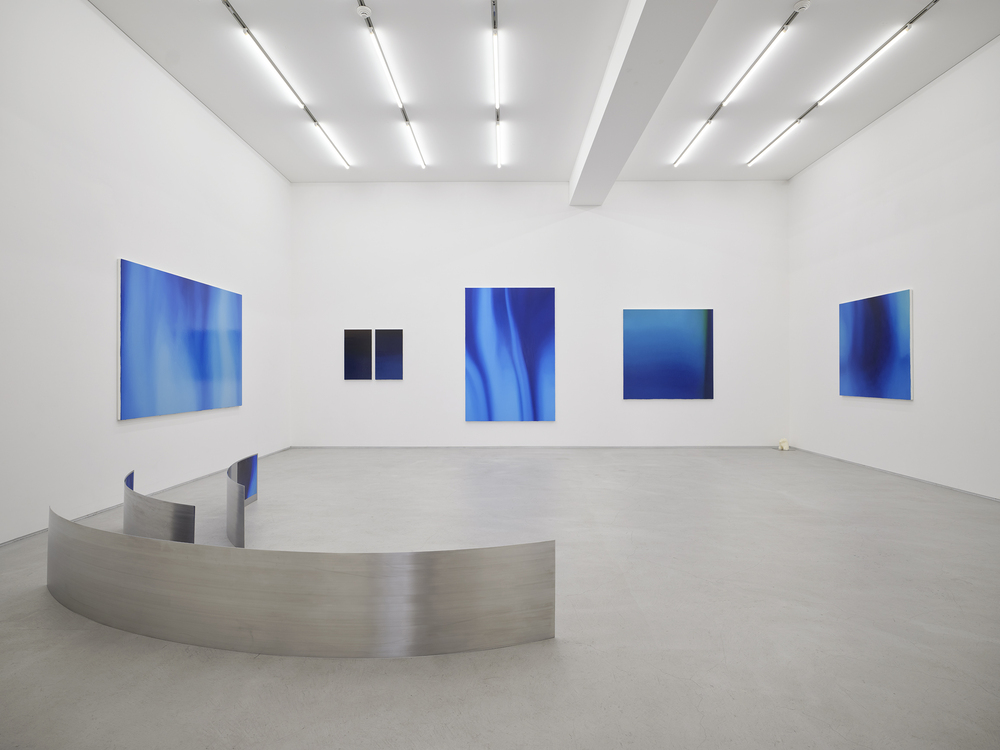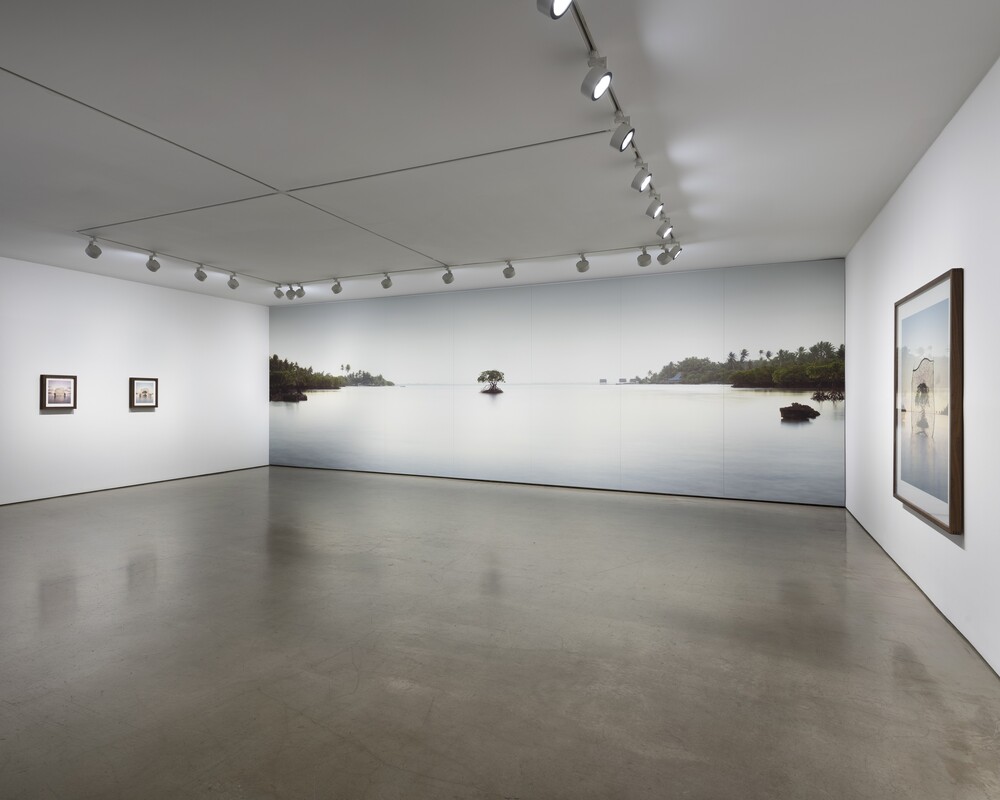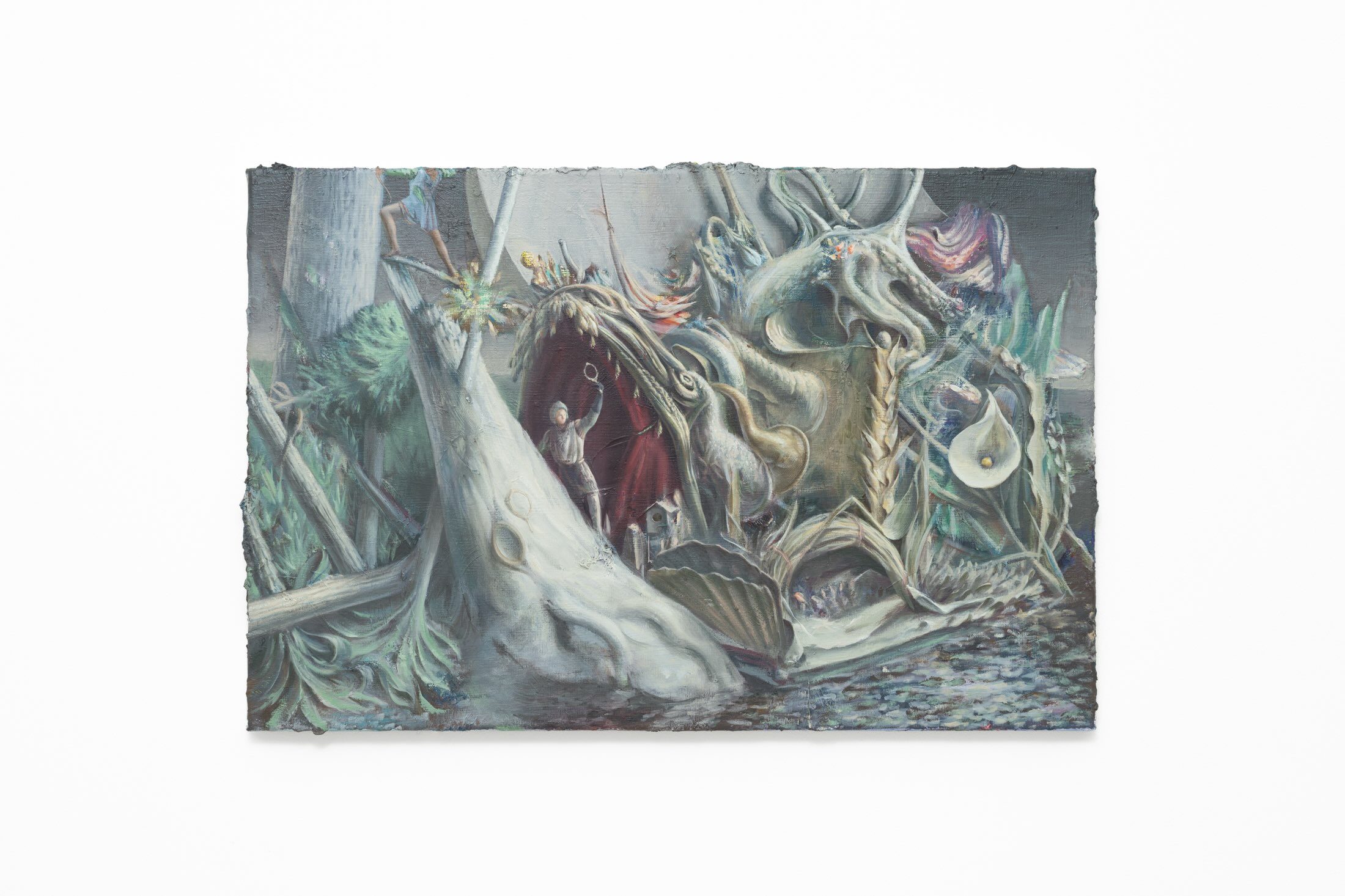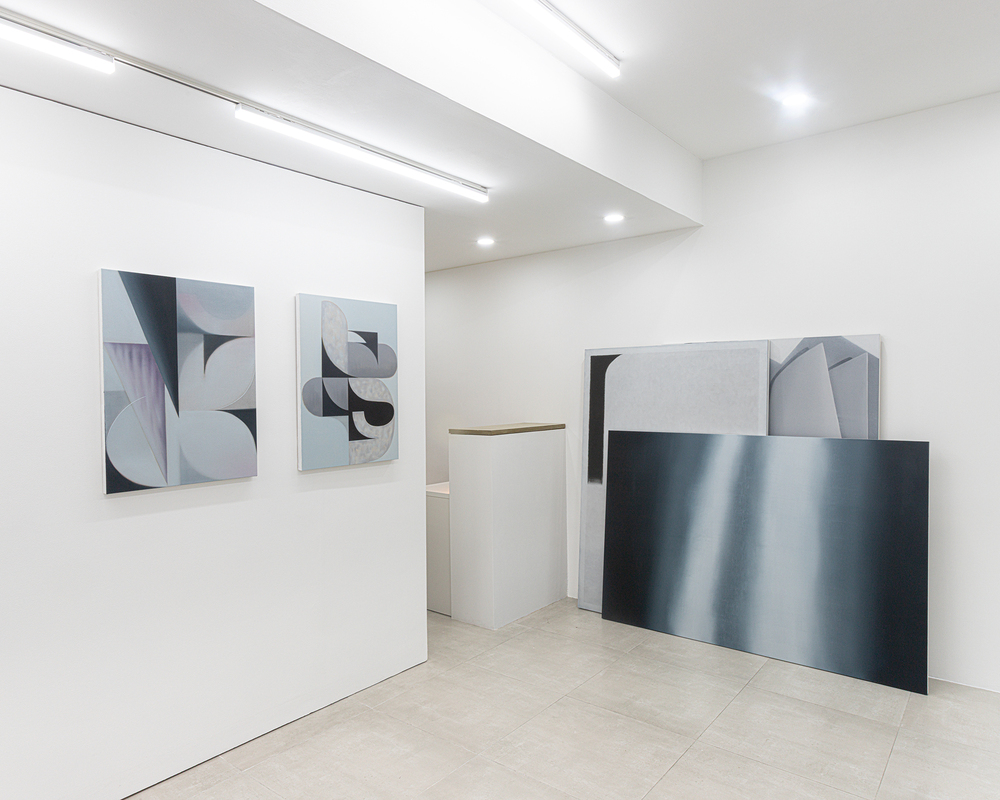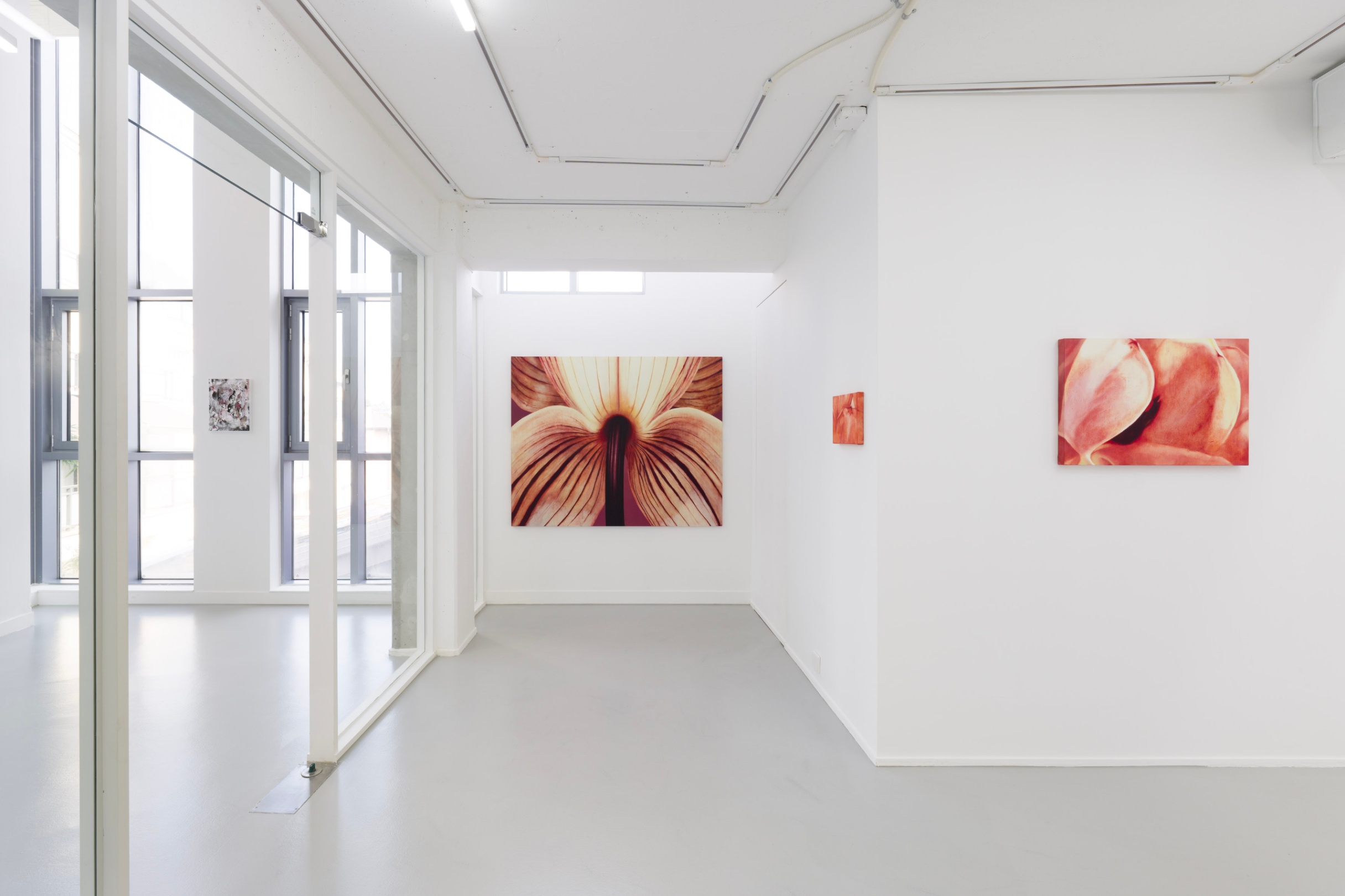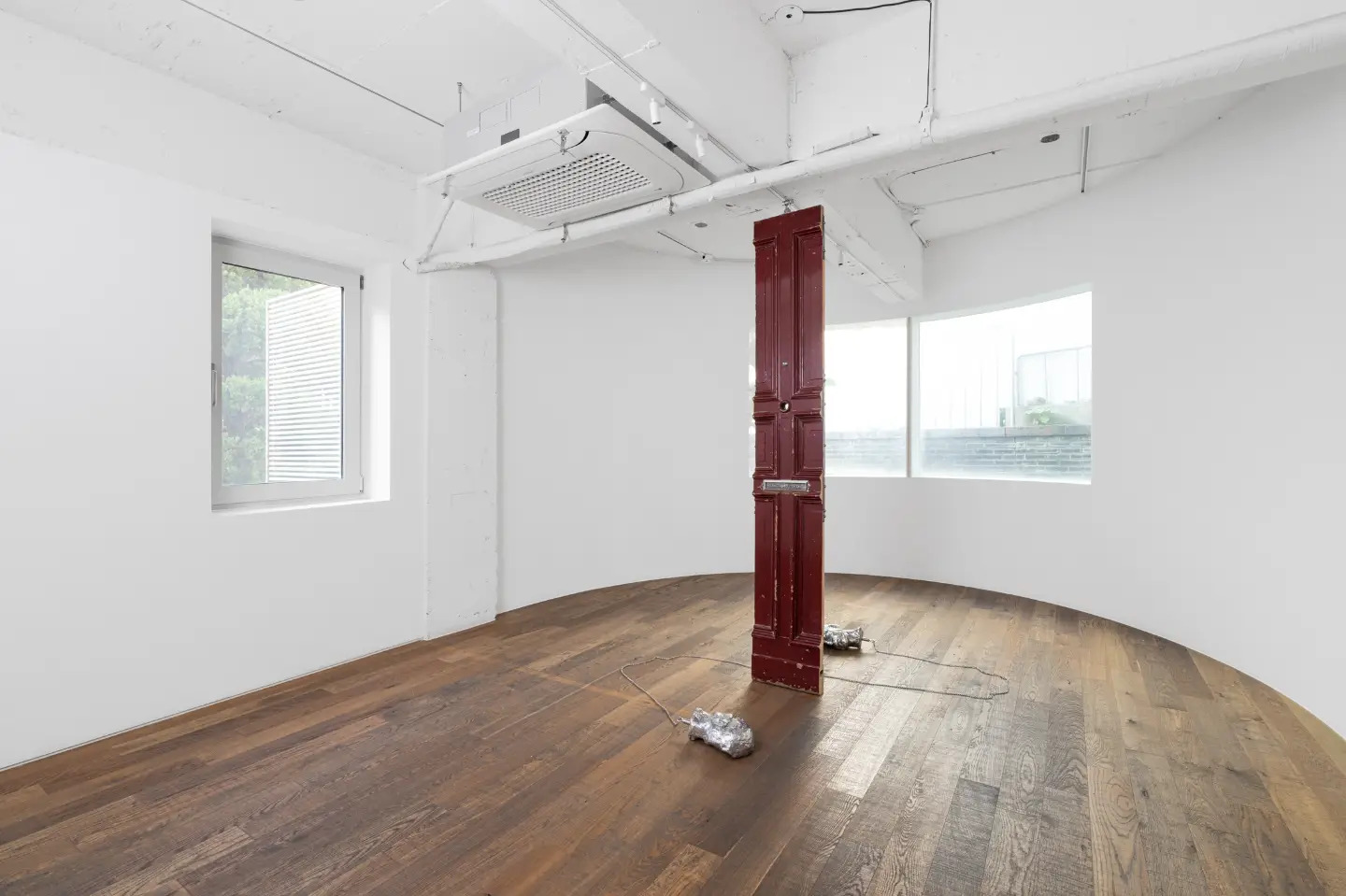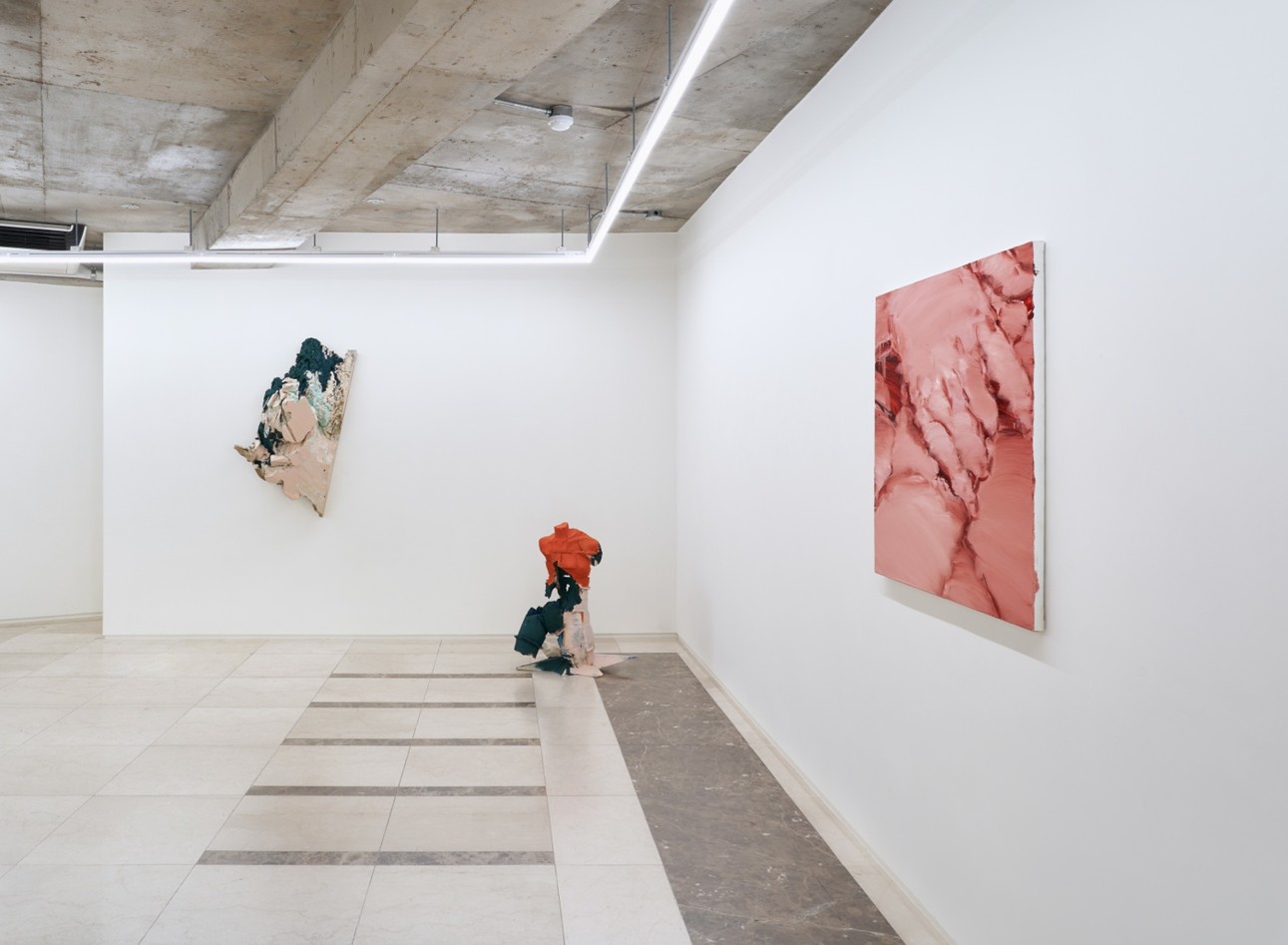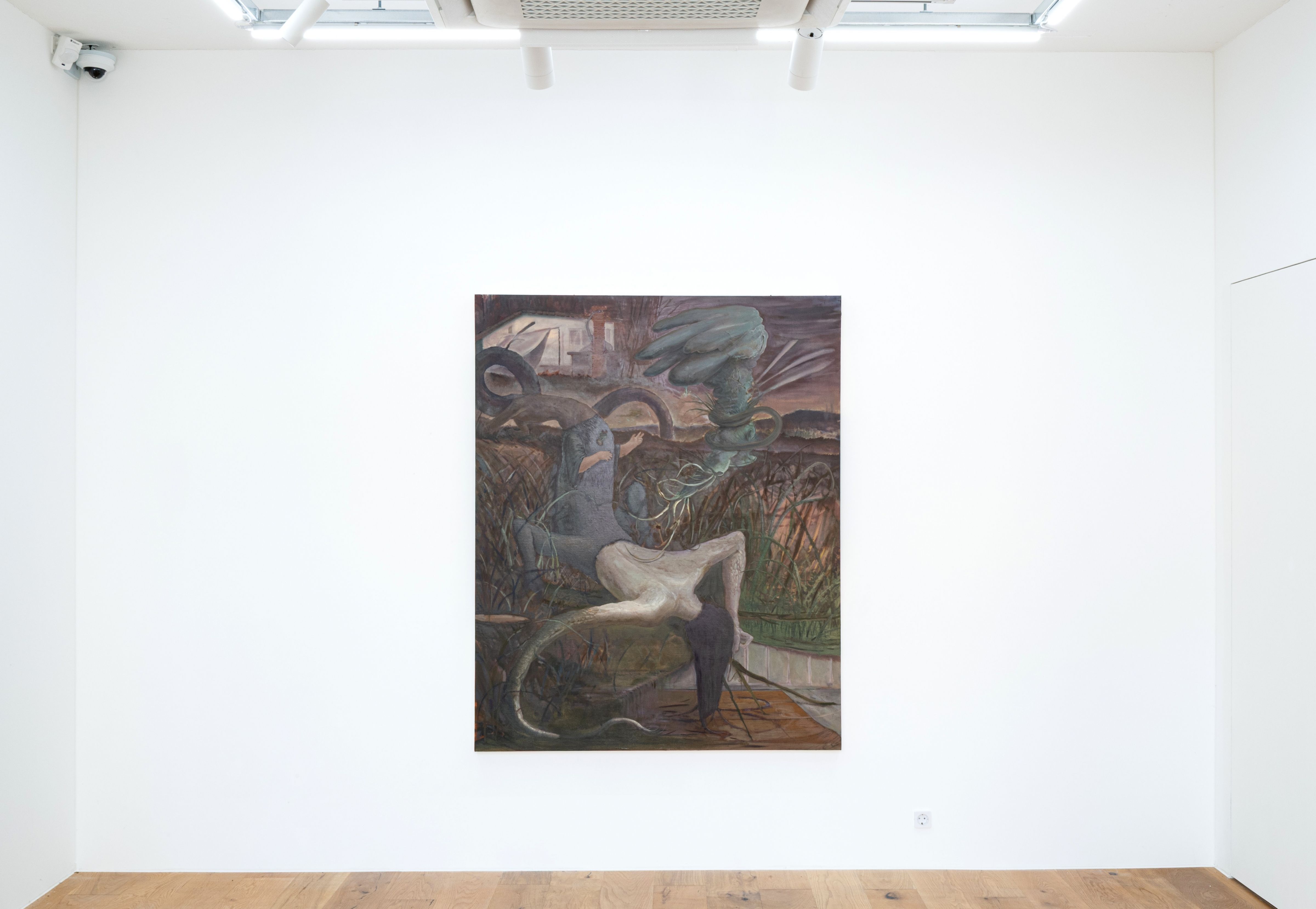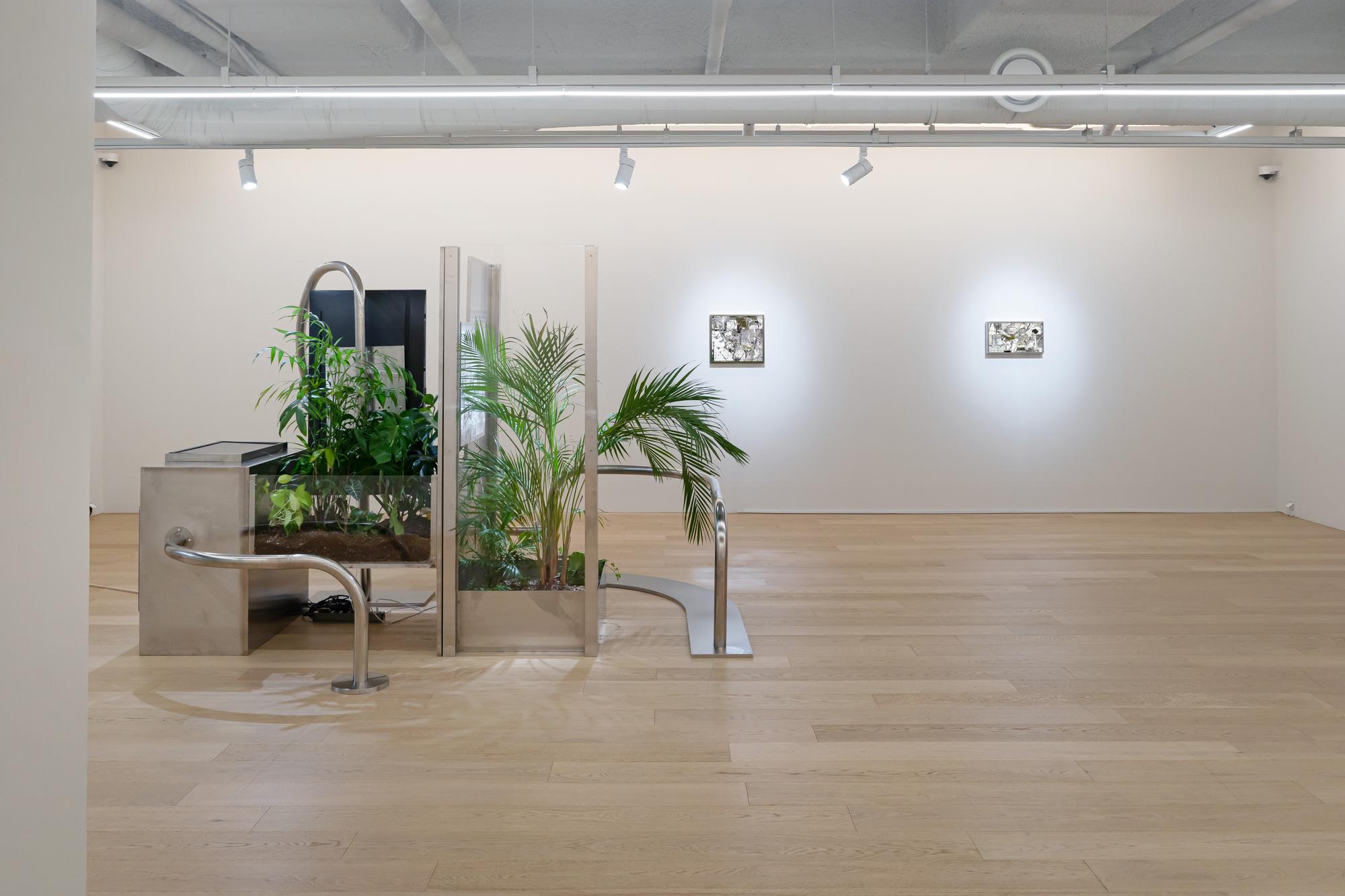

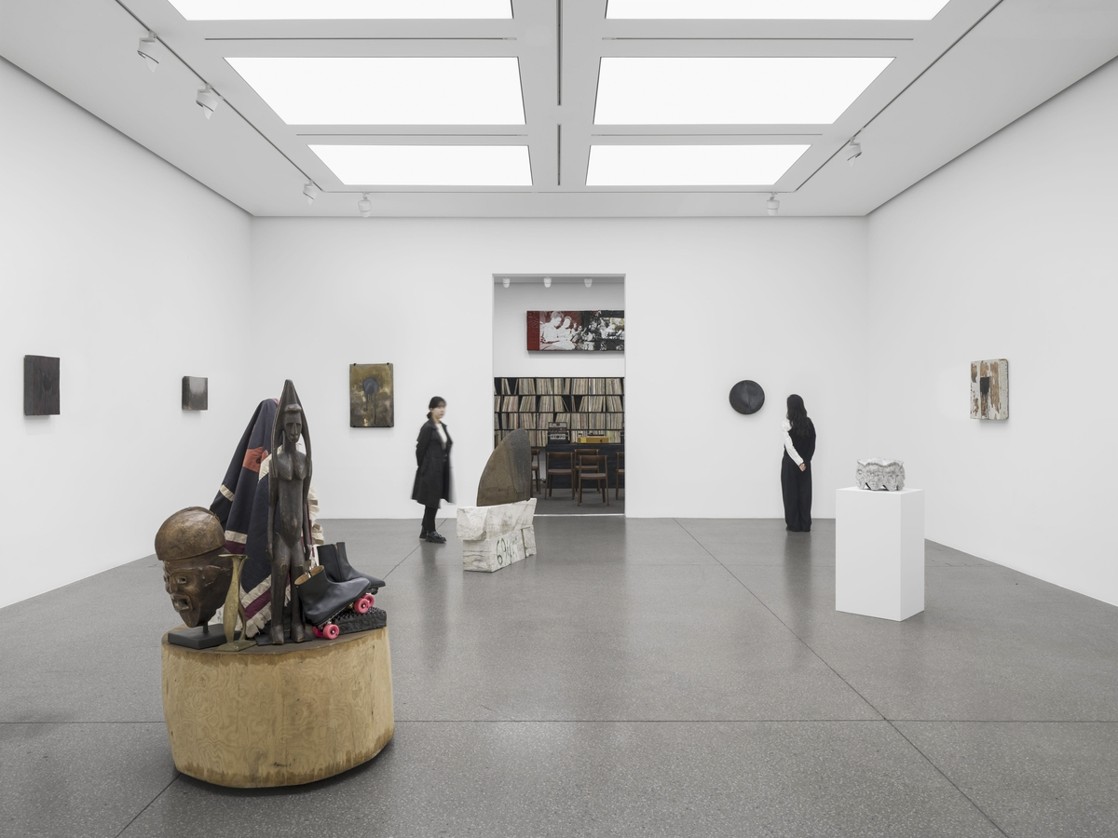
Installation view of 《African Still Life》, White Cube Seoul. / Photo: White Cube
American contemporary artist Theaster Gates
(b. 1973) presents his solo exhibition 《African
Still Life》 at White Cube Seoul from November 4 to
December 18, 2026.
His first solo exhibition in South Korea
explores how the histories and memories of Black culture are translated into
the visual language of contemporary art through ceramic sculpture, music, and
archival practices.
Gates is known for an artistic practice
spanning sculpture, installation, performance, architecture, and urban
regeneration, through which he investigates the relationship between art and
society. Working primarily on Chicago’s South Side, he has collected and
repurposed abandoned buildings and cultural materials, transforming them into
spaces that preserve the memories of communities whose histories have been
marginalized while creating new opportunities for cultural engagement.
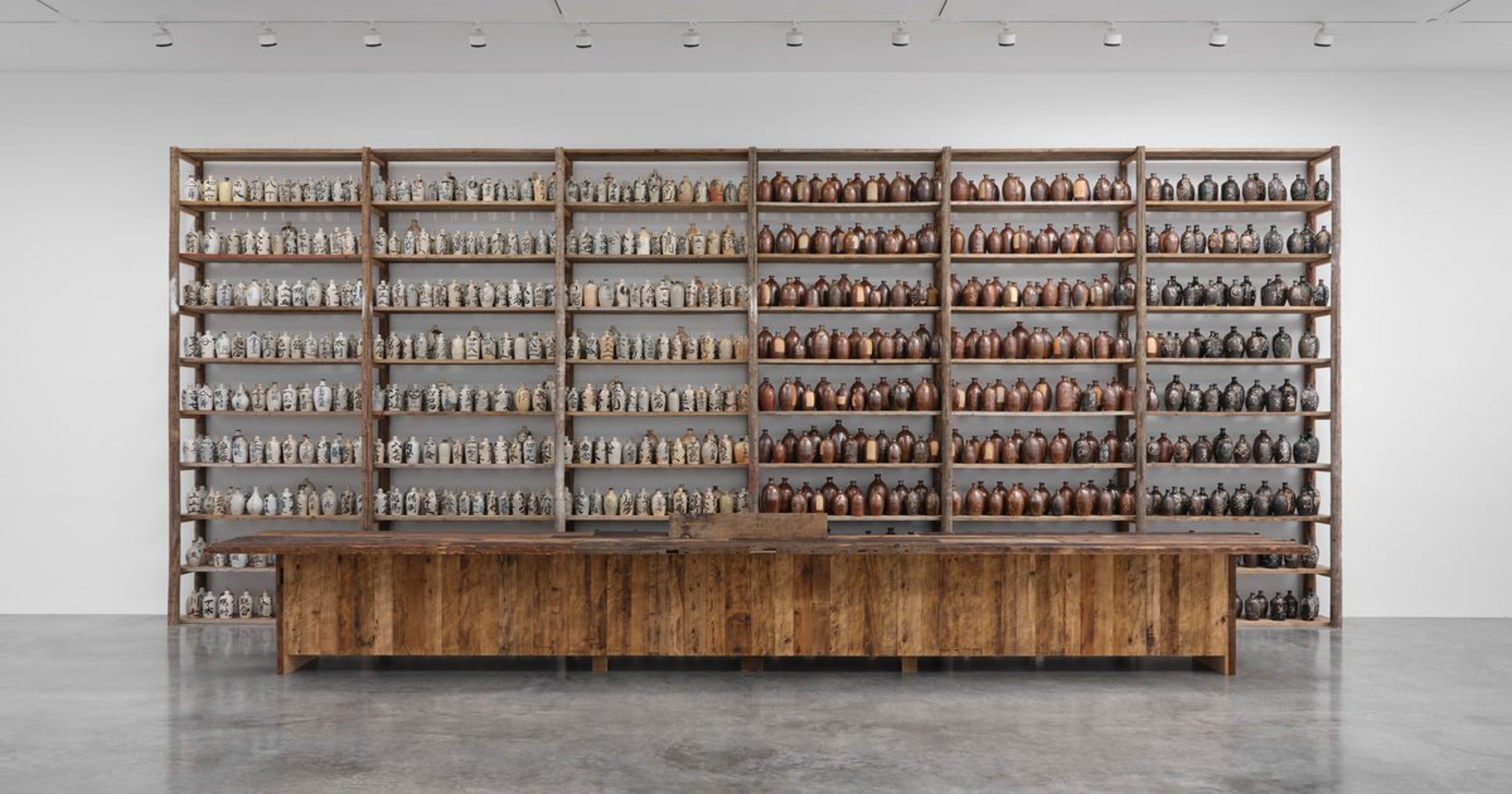
Reference image: Theaster Gates, A Libation in Uncertain Times, 2024. / Photo: White Cube website.
Ceramics and Music: Two Mediums
for Holding Memory
Ceramics occupies a central place in Gates’
practice. Rather than confining it to the traditional realm of craft, he
approaches ceramics as a sculptural medium in which material, labor, time, and
history accumulate. The process of shaping and firing clay is not merely a
physical transformation of material but also an act of reconfiguring traces of
the past into new forms in the present.
In 《African
Still Life》, Gates brings this ceramic practice
into dialogue with music. Taking the traditional artistic genre of still life
as a point of departure, the exhibition explores how objects, through the
cultural memories and historical experiences they embody, can move beyond their
conventional role as subjects of representation.
The musical archive presented in the
exhibition conveys cultural memory in ways distinct from visual objects. Unlike
physical artifacts, sound cannot be fixed in a single material form, yet it
remains an important medium through which the experiences of particular periods
and communities can be preserved and transmitted. Visitors encounter ceramic
works while listening to music, experiencing how objects and sounds construct
memory through different sensory registers.
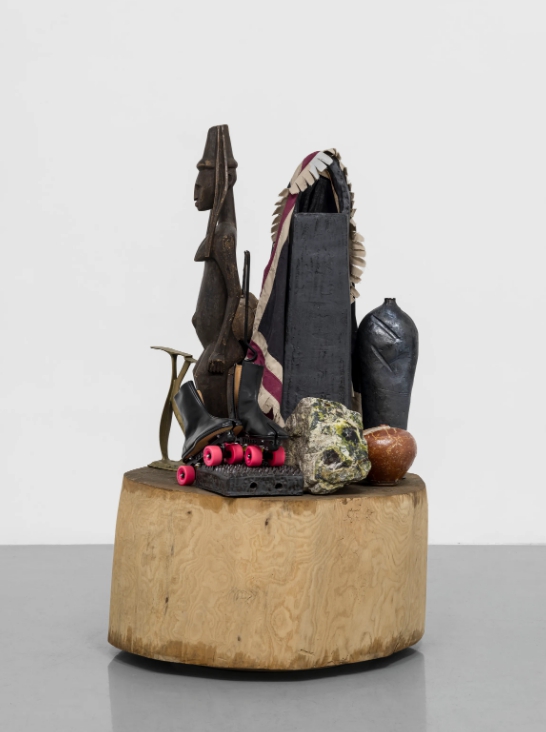
Installation view of African Still Life #4, White Cube Seoul. / Photo: White Cube.
Reading Cultural Identity
Through the Arrangement of Objects
One of the notable works in the exhibition
is African Still Life #4 (2026), which brings
together East Asian scholar’s rocks, an antique brass shoeshine stand, a
memorial flag, and Maison Margiela Tabi roller skates.
Objects originating from different
historical periods and cultural contexts establish new relationships within a
single sculptural composition. In particular, the combination of traditional
Japanese Tabi footwear with Chicago’s Black roller-skating culture suggests
that Gates is less concerned with tracing a singular, culturally pure origin
than with exploring how different traditions intersect, transform, and generate
new meanings.
Gates understands such arrangements as both
a form of self-portraiture and a structure resembling an ancestral altar. Here,
still life becomes more than an assemblage of objects placed before the viewer.
It emerges as a site where personal experience, collective history, and
cultural lineage overlap.
In new works such as Receding
Cloud at the Golden Time of Day and Black Moon
(2026), Gates also explores sculptural structures reminiscent of Buddhist
mandalas and stupas through geometric forms and ceramic surfaces. These works
demonstrate how his practice, while rooted in African American cultural
experience, continues to engage with Asian religious and aesthetic traditions.
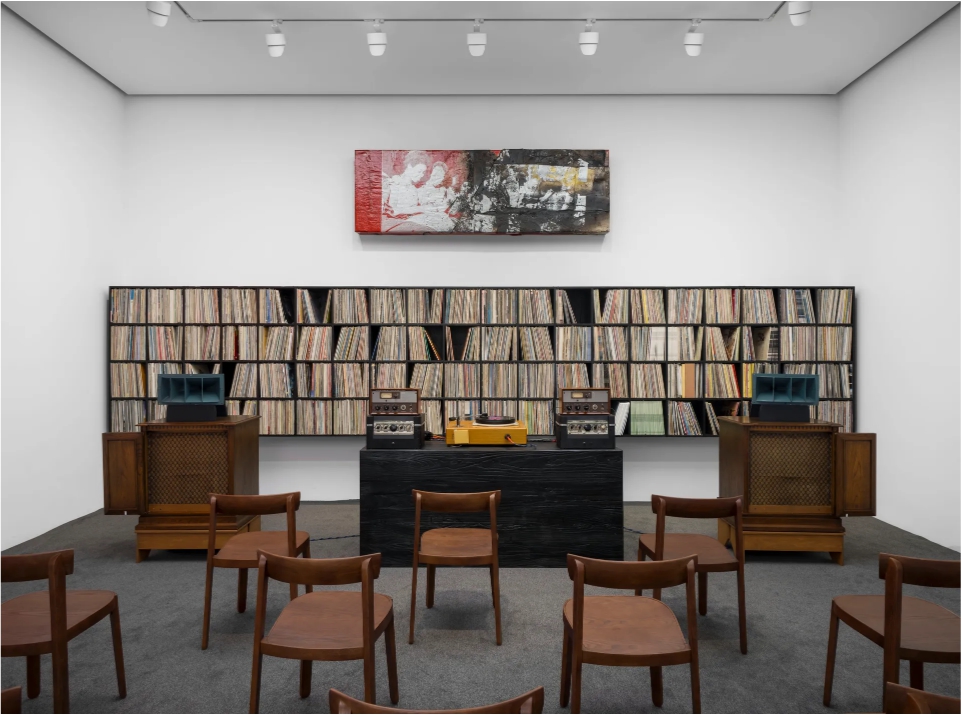
Installation view of 《African Still Life》, White Cube Seoul. / Photo: White Cube.
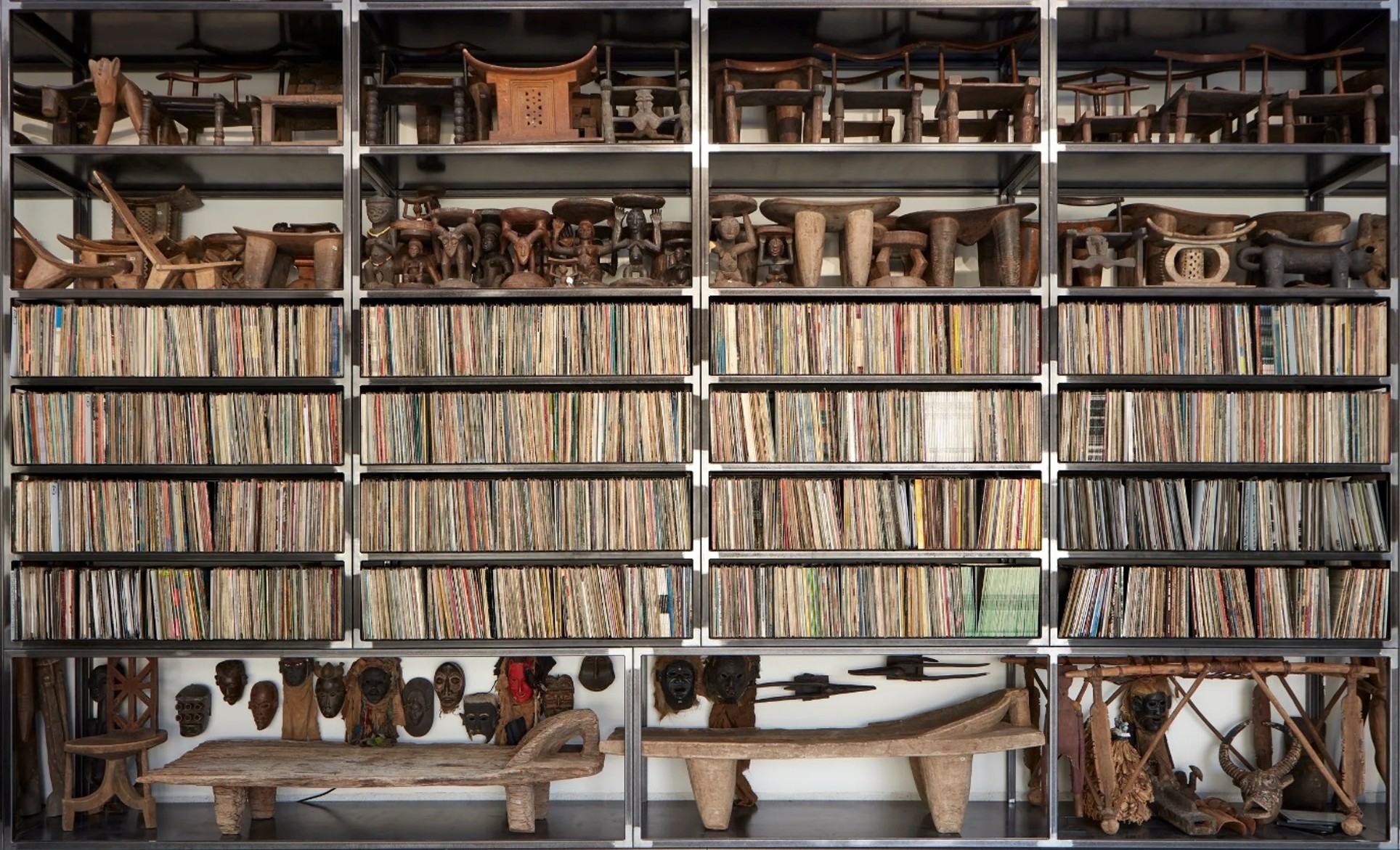
Reference image: Installation view of Theaster Gates, 《Unto Thee》, Smart Museum of Art, University of Chicago, Illinois, 2025. / © Theaster Gates. Photo: Sara Pooley.
The Archive of Sound: Bringing
the Past into the Present
The exhibition’s second space is conceived
as a listening environment. It presents an archive of more than 14,000 sound
recordings collected by Dinh Nguyen, a French-Vietnamese DJ and record
collector.
Nguyen’s collection encompasses a wide
range of musical traditions, with particular attention to music from Réunion
and Mauritius in the Indian Ocean, as well as the Caribbean. Following Nguyen’s
death in 2022, questions surrounding the preservation and inheritance of his
collection raised broader concerns about how these cultural materials could be
maintained and shared in the future.
Rather than keeping the collection as a
private archive, Gates transforms it into a shared cultural experience by
allowing visitors to listen to the recordings. Inspired by Korea’s
listening-bar culture, the space invites audiences not only to look at artworks
but also to spend time listening.
What Can Art Preserve, and What
Can It Bring Back to Life?
Gates’ artistic practice does not regard
cultural heritage merely as something to be preserved. What matters to him is
how objects and records from the past can generate new relationships and
experiences within contemporary society.
From this perspective, 《African Still Life》 is not only an
exhibition addressing the history and identity of Black culture but also an
inquiry into the ownership, preservation, and transmission of cultural
heritage. By bringing African and Asian cultural traditions into dialogue,
Gates’ work encourages viewers to understand cultural identity not as a fixed
origin or singular tradition, but as a set of relationships that are
continually formed and transformed.
At White Cube Seoul, 《African Still Life》 demonstrates how
contemporary art can move beyond remembering the past through objects and
records, transforming cultural memory into new forms of experience and social
connection.
About the Artist | Theaster
Gates
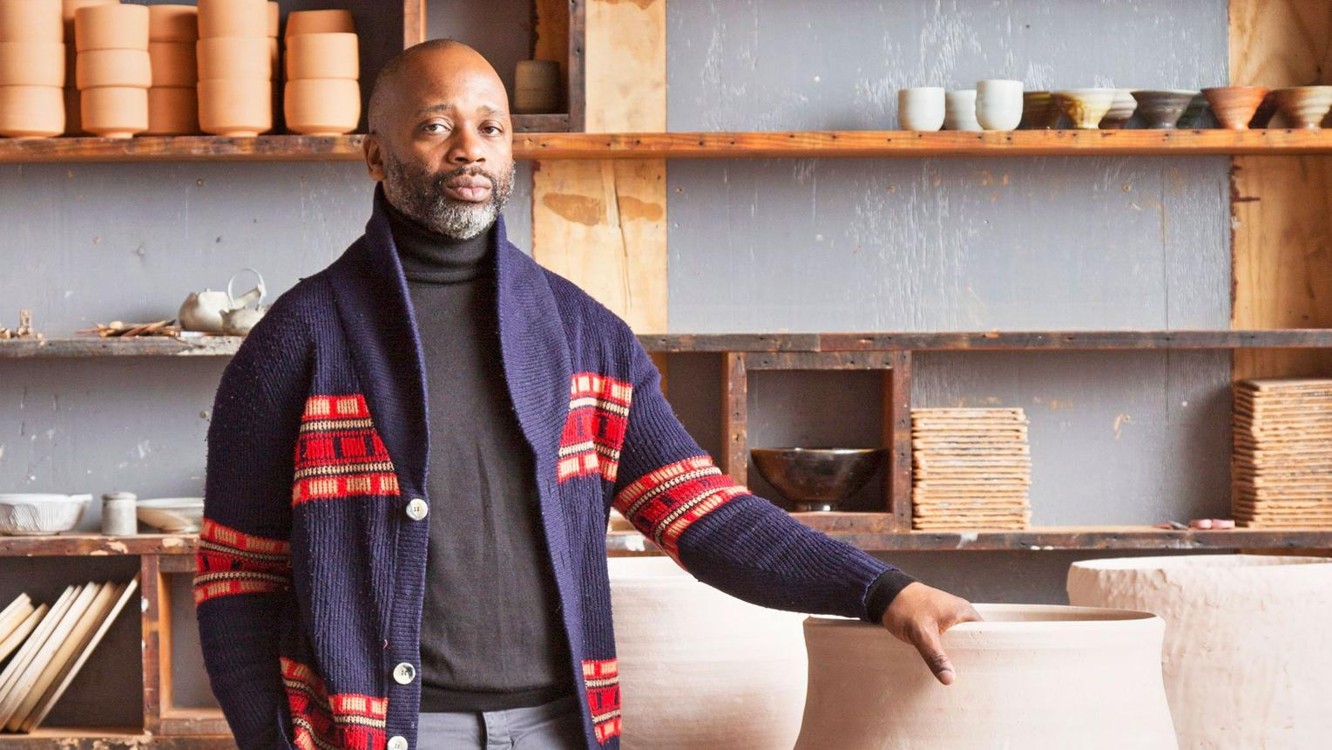
Theaster Gates (b. 1973). / Photo: Theaster Gates.
Theaster Gates is a Chicago-based American
artist, urban planner, and cultural organizer whose practice spans sculpture,
installation, performance, architecture, archives, and socially engaged art.
Beginning with ceramics, he has developed an interdisciplinary practice that
investigates the social role of art and the value of cultural heritage.
Gates studied urban planning and ceramics
at Iowa State University and pursued ceramic training in Tokoname, Japan. He
later earned a master’s degree in religious studies from the University of Cape
Town. These academic and cross-cultural experiences provided an important
foundation for his distinctive approach to connecting material, ritual,
community, and urban space.
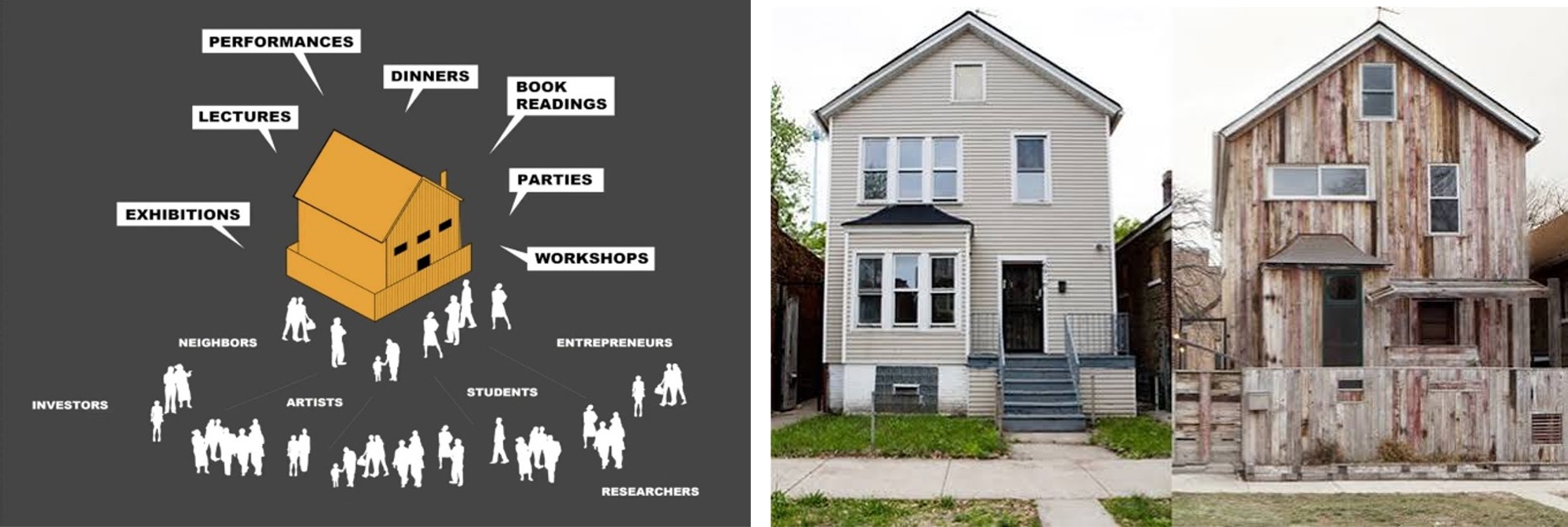
Conceptual diagram of Dorchester Projects and an actual project space (right). / Photo: artpublicsphere.
One of his best-known initiatives, Dorchester
Projects, is a long-term undertaking that has transformed
abandoned buildings on Chicago’s South Side into libraries, archives, and
cultural spaces. Building on this work, Gates founded the nonprofit Rebuild
Foundation in 2010 to preserve local cultural resources and promote community
development through art-led urban regeneration.
Through projects such as Black
Image Corporation and Black Archive,
Gates has also continued to engage with the preservation and accessibility of
Black cultural imagery and historical records, exploring how marginalized
histories can be recovered, reinterpreted, and made publicly accessible.
Gates participated in the 2010 Whitney
Biennial, documenta 13 in Kassel in 2012, and the 2015 Venice Biennale. His
work has been presented at major institutions including the Serpentine
Galleries in London, the Walker Art Center, and the New Museum in New York. In
2018, he received the Nasher Prize.
His practice is widely recognized for
demonstrating how art can operate beyond museums and galleries, taking on
meaningful social roles within cities and communities. By connecting the
production of sculptural objects with the preservation of cultural archives and
the regeneration of urban spaces, Gates has expanded the social and
institutional possibilities of contemporary art.
Exhibition Information
Exhibition: 《African
Still Life》
Artist: Theaster Gates
Dates: November 4–December 18, 2026
Venue: White Cube Seoul
Address: 6 Dosan-daero 45-gil, Gangnam-gu, Seoul, South Korea
Website: https://www.whitecube.com