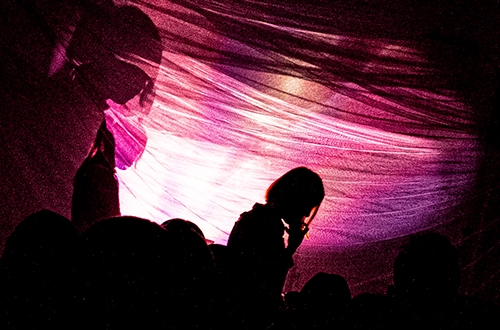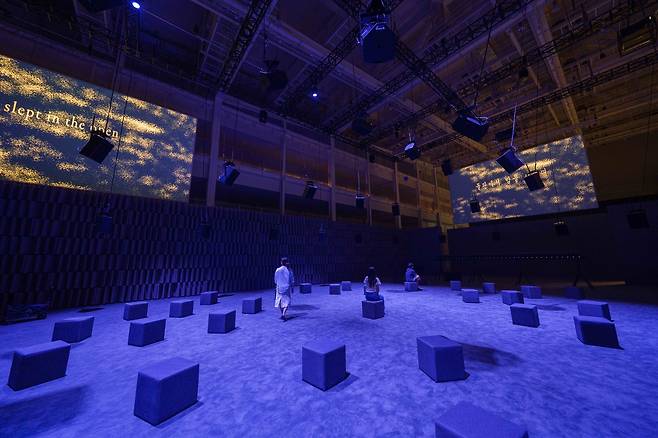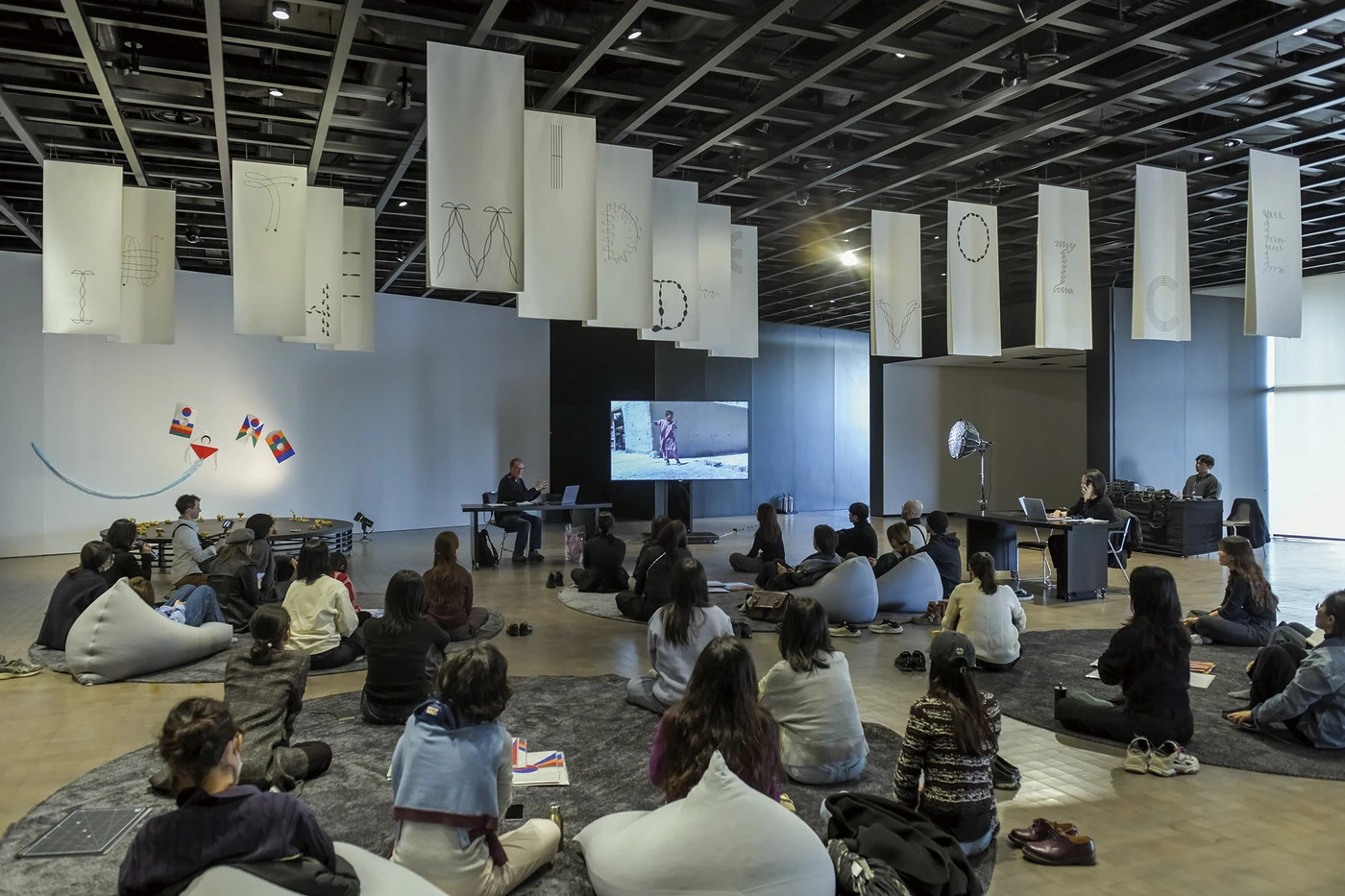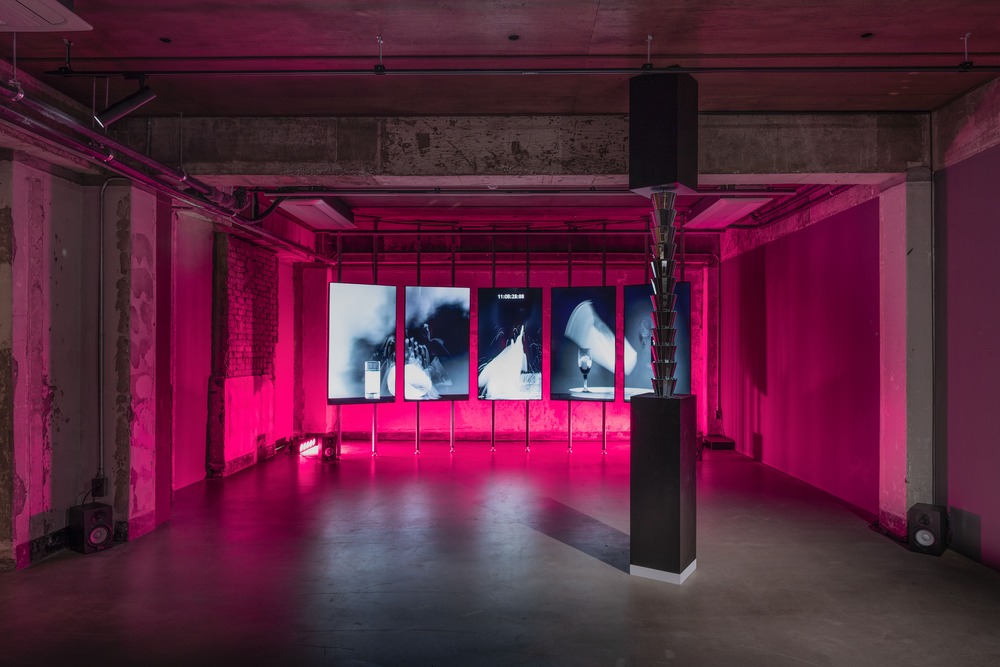

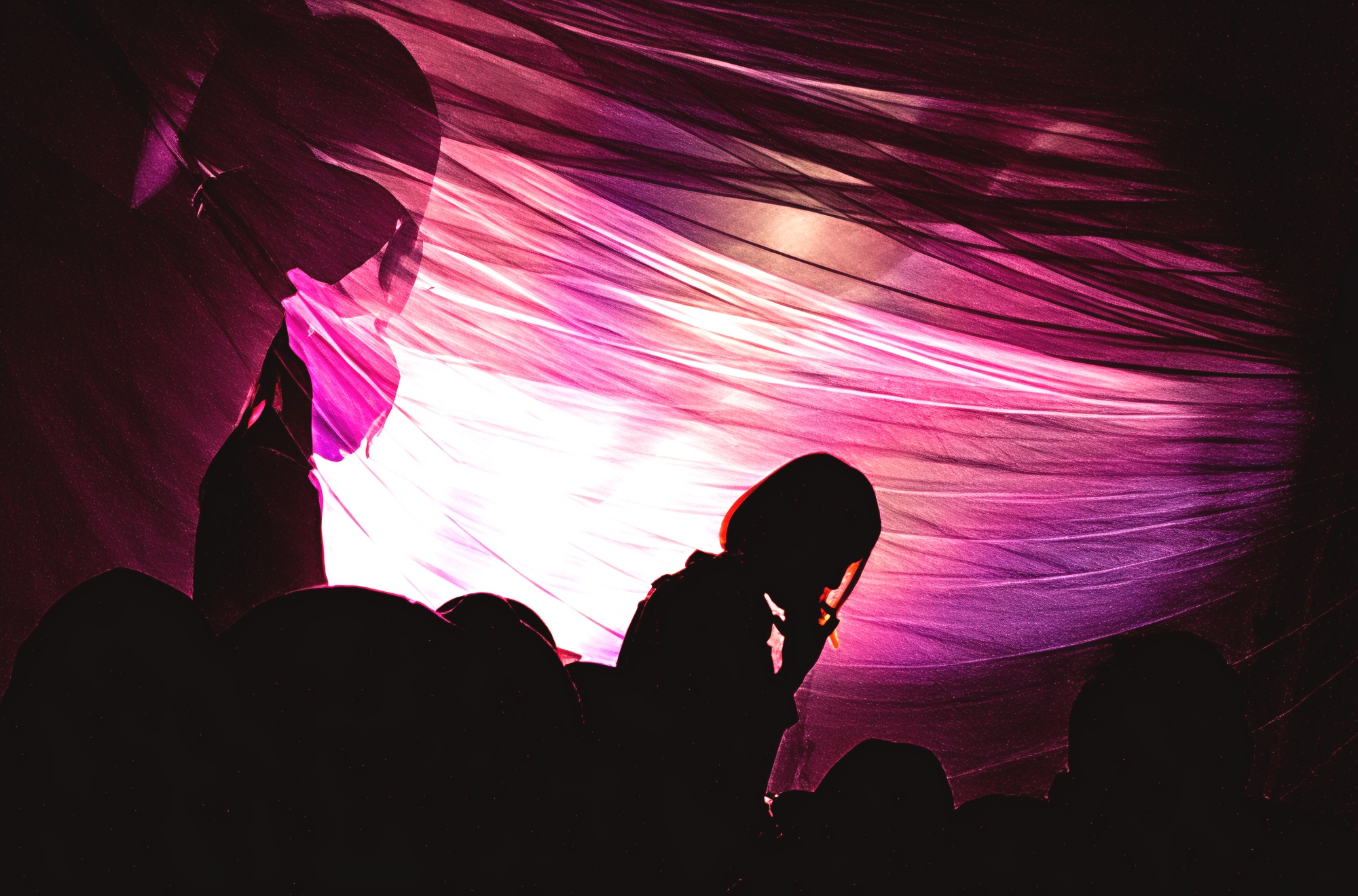
tamanaramen, DANCE IS BREATHING 2026, Performance © ACC
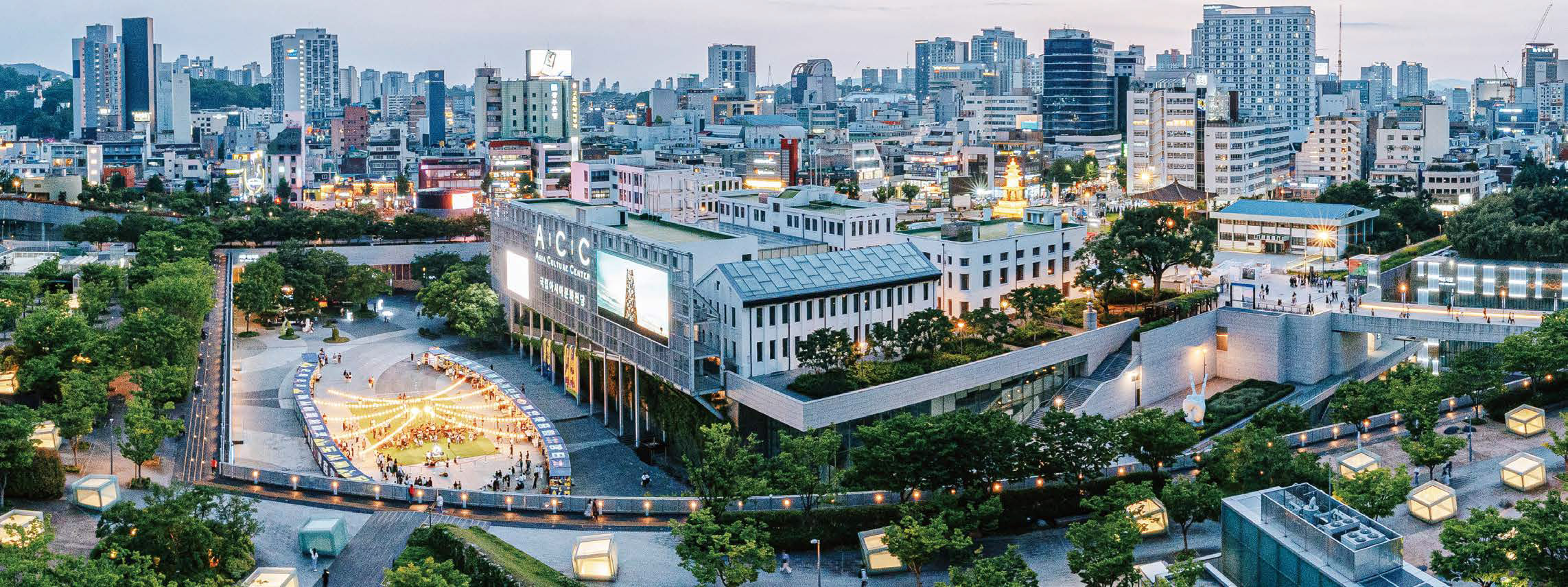
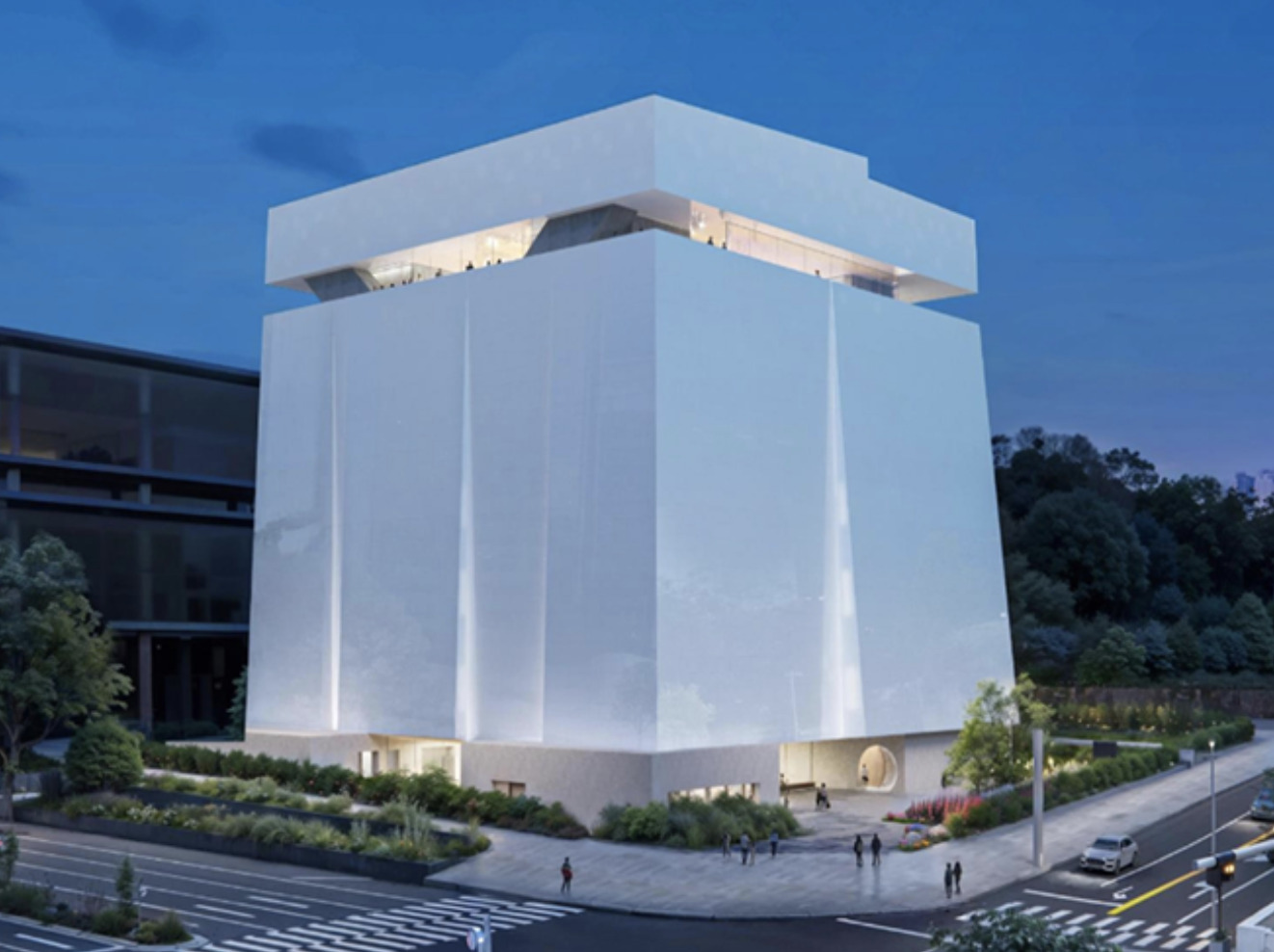
The National Asian Culture Center (ACC),
under the Ministry of Culture, Sports and Tourism, held the ‘ACT (Arts &
Creative Technology) Festival 2026’ from October 23 to November 8.
Now in its 11th edition, the ACT Festival
is one of the ACC’s flagship interdisciplinary arts festivals. Bringing
together art and cutting-edge technology, the festival has attracted
considerable public interest each year. This year’s edition was held under the
theme “I, Human: Responding to the Technecene” and featured 29 participating
teams and artists from 10 countries..
Technecene, a neologism coined for the ACT
Festival 2026, refers to an era in which technology (techne) has become the
dominant force shaping the world (-cene). This year’s festival explores
glitch—a term referring to technological malfunctions and disruptions—through
two categories: “cognitive glitches” and “physical glitches.”
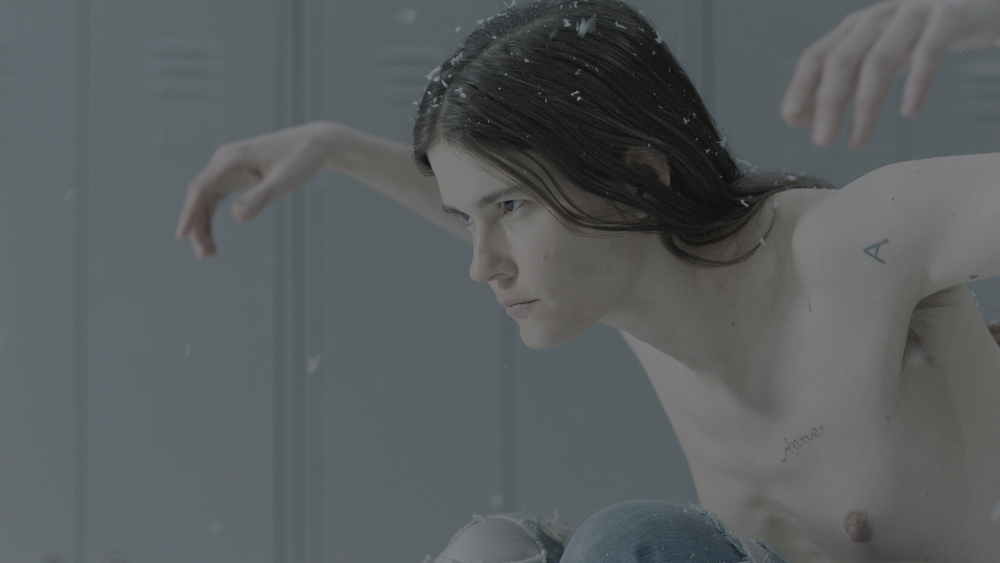
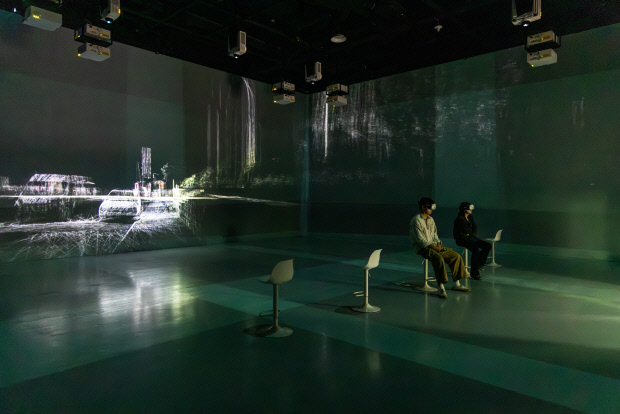
Anne Imhof, Avatar, 2022 © ACC
The festival drew particular attention for
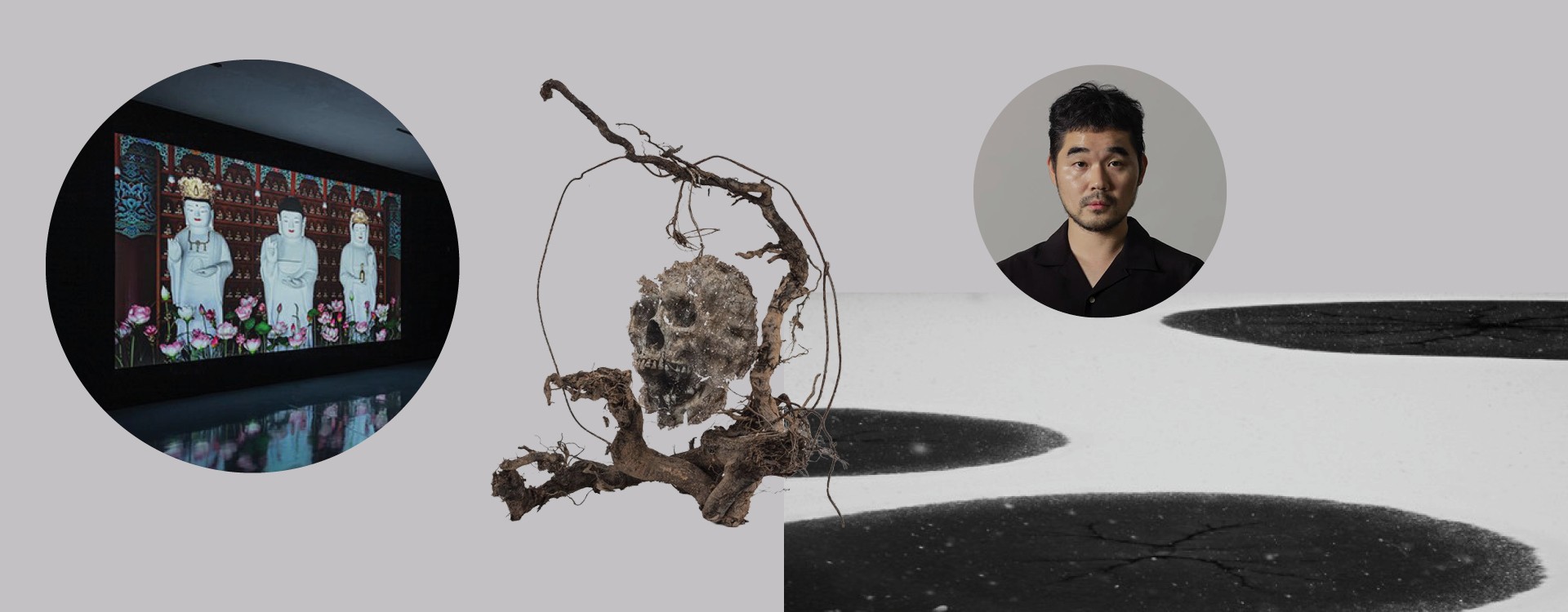
presenting Avatar, a video work by German artist Anne Imhof,
for the first time in Korea. Imhof represented Germany at the 2017 Venice
Biennale, where she received the Golden Lion, and is a leading contemporary
artist who has held solo exhibitions at institutions including Tate Modern and
Palais de Tokyo.
Following her first solo exhibition in Asia
at Tai Kwun in Hong Kong earlier this year, Imhof met Korean audiences for the
first time at the ACT Festival 2026. In Avatar, the background dissolves into
abstract colors and light, leaving only a single human body sharply visible for
32 minutes.
The work poses the festival’s central
question—“What remains irreplaceable in the age of technology?”—with particular
depth.

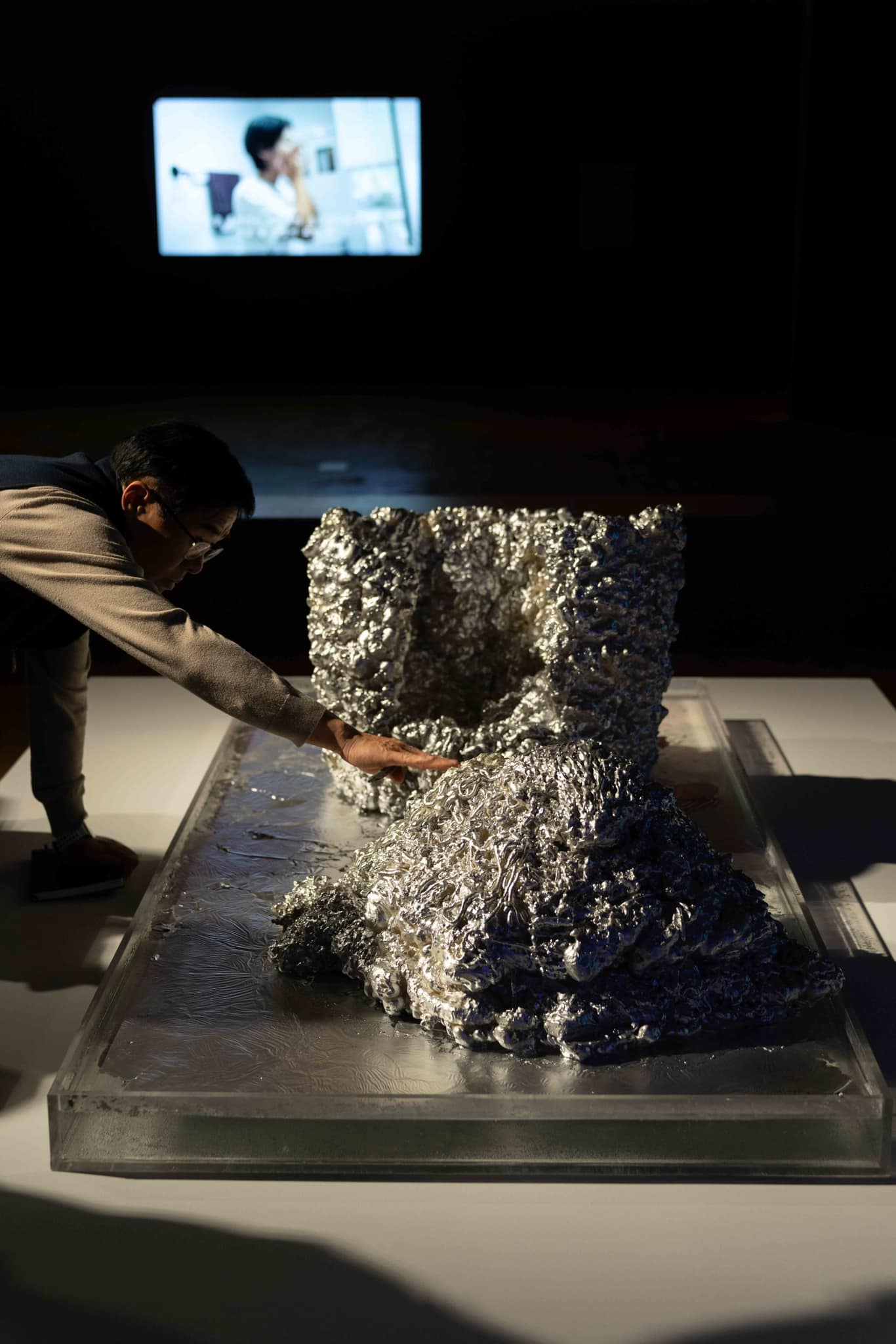
Wu Tien-chang, Farewell, Spring and Autumn Pavilions, 2015 © ACC
Another featured work, Wu Tien-chang’s
Farewell, Spring and Autumn Pavilions initially appears to
be an AI-generated video. Yet through the magic and manual techniques of
old-fashioned theater, it deliberately unsettles the viewer’s perception.
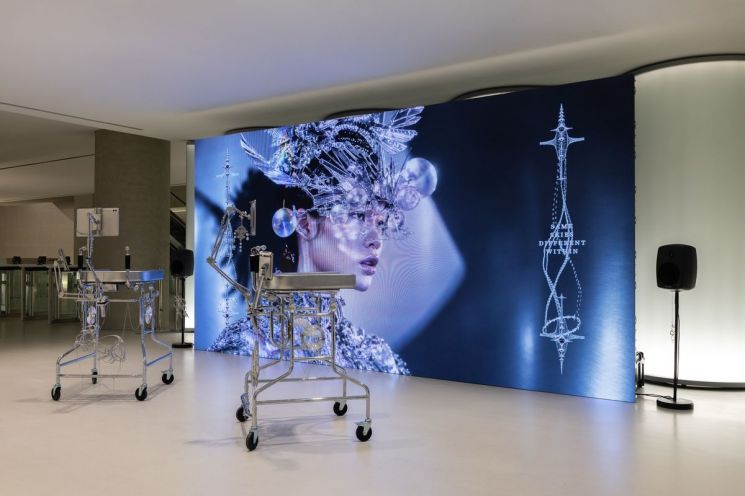
In contrast, Jinah Roh’s new work,
Nerva Artificia, presents a machine that is remarkably
talkative. Equipped with artificial intelligence, it converses fluently with
visitors like a close friend, yet its responses may include plausible-sounding
fabrications, or “hallucinations.”
Opposite it stands Robot
K-456, produced in 1996 based on the same design as Nam June Paik’s
original work, first presented in 1964. While the machine of more than 60 years
ago revealed itself through its own body and unsteady movements, today’s
machines speak so smoothly that their flaws are far more difficult to detect.
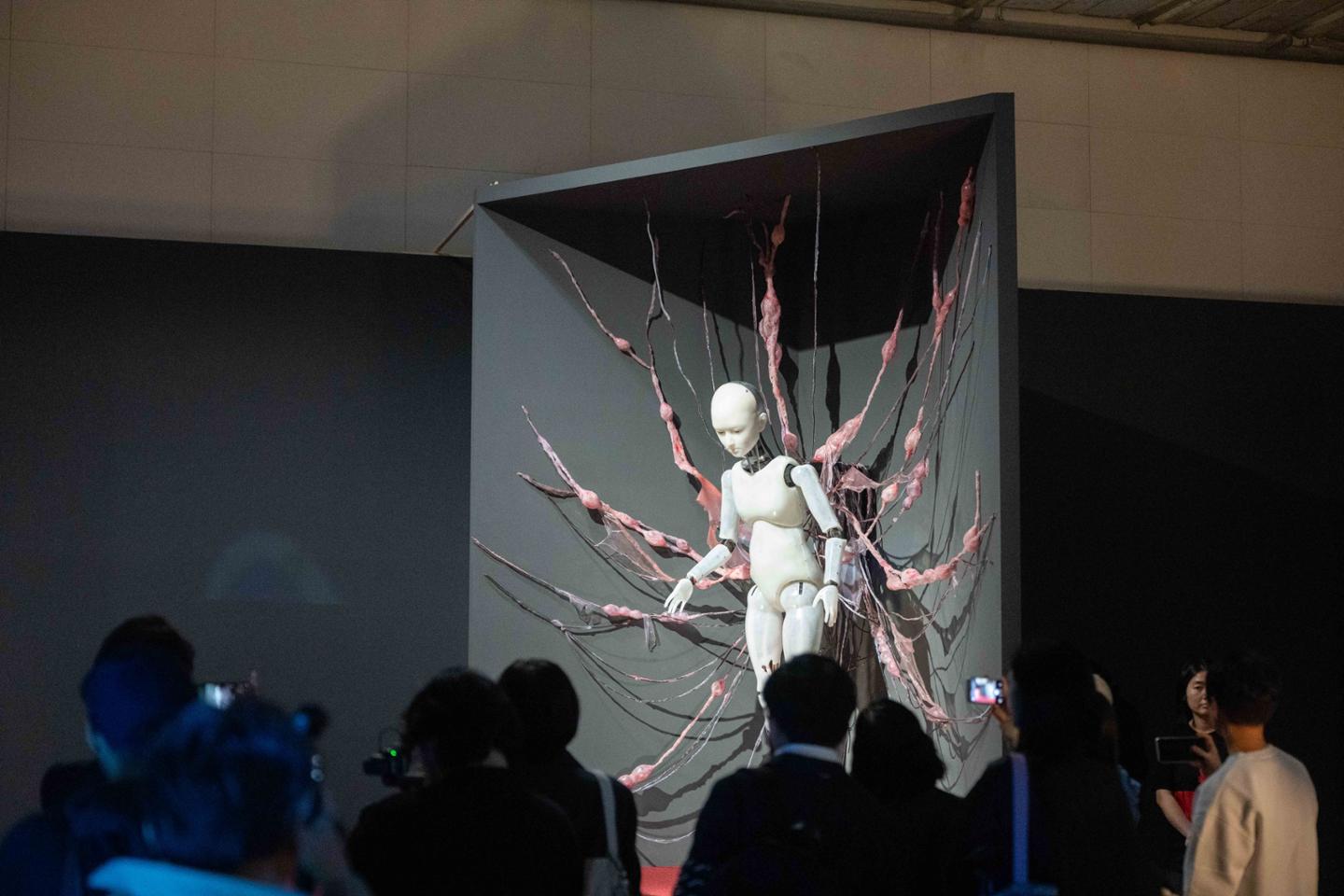
Jinah Roh, Nerva Artificia, 2026 © ACC
On the opening day, an audiovisual concert
featuring Tamanaramen, Zai Tang, and Kohui took place at the Big Door Theater
of the ACC Theater. On October 24, participating artists gathered for a
dialogue session featuring presentations and discussions.
At the ACC Media Wall in the Asia Culture
Plaza, 15 media facade works co-curated and produced in collaboration with
China’s City Digital Skin Art Festival (CDSA) will be screened daily from 4 to
5 p.m., except Mondays, through December 31.