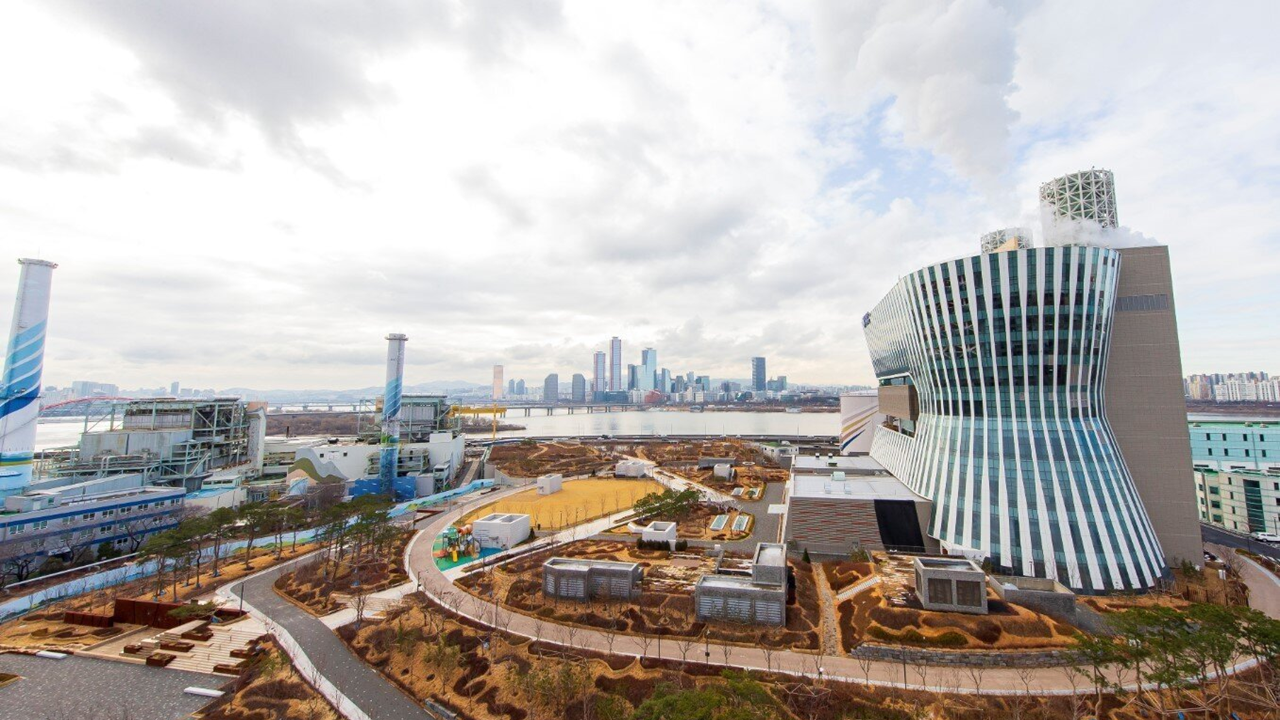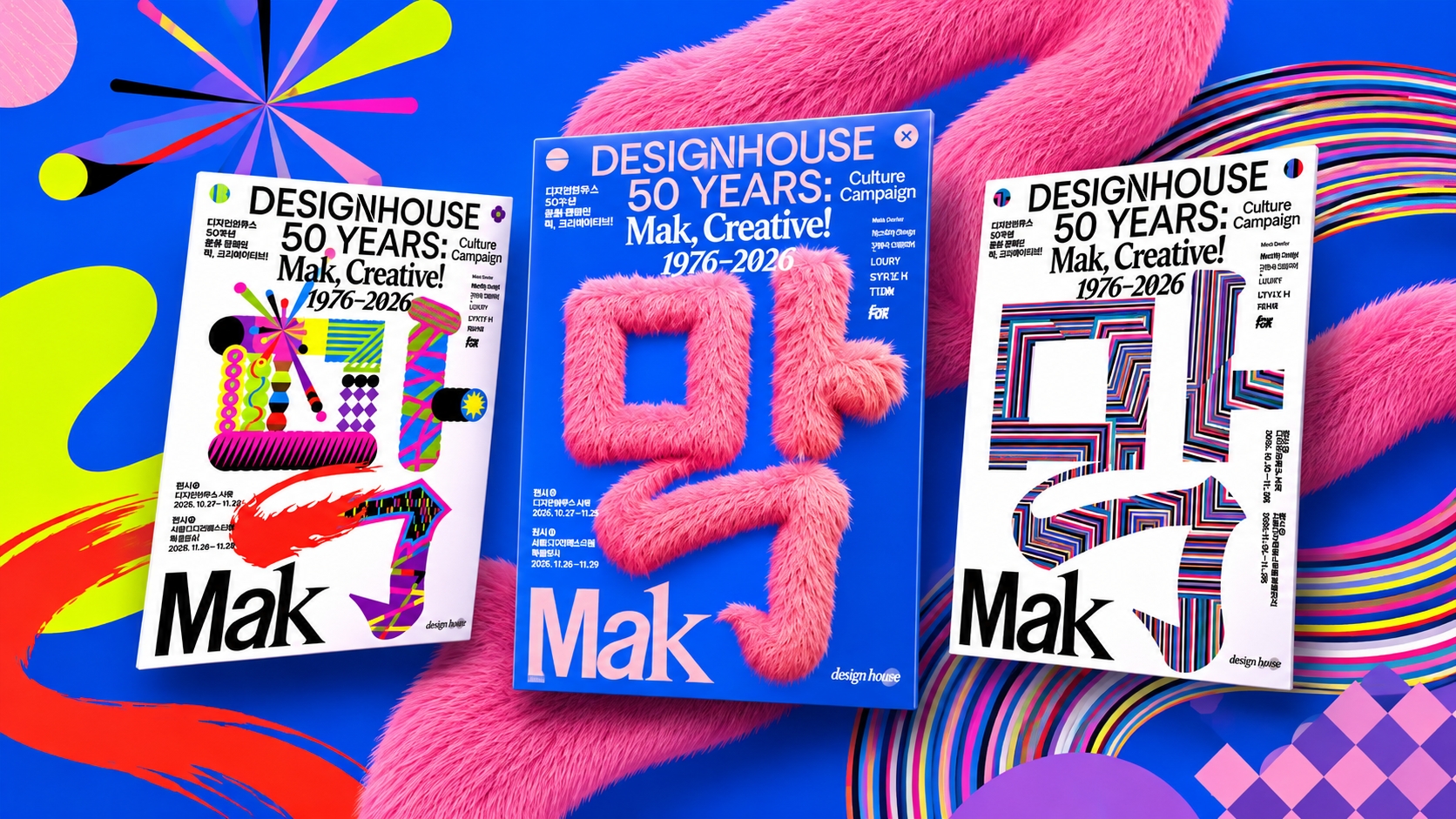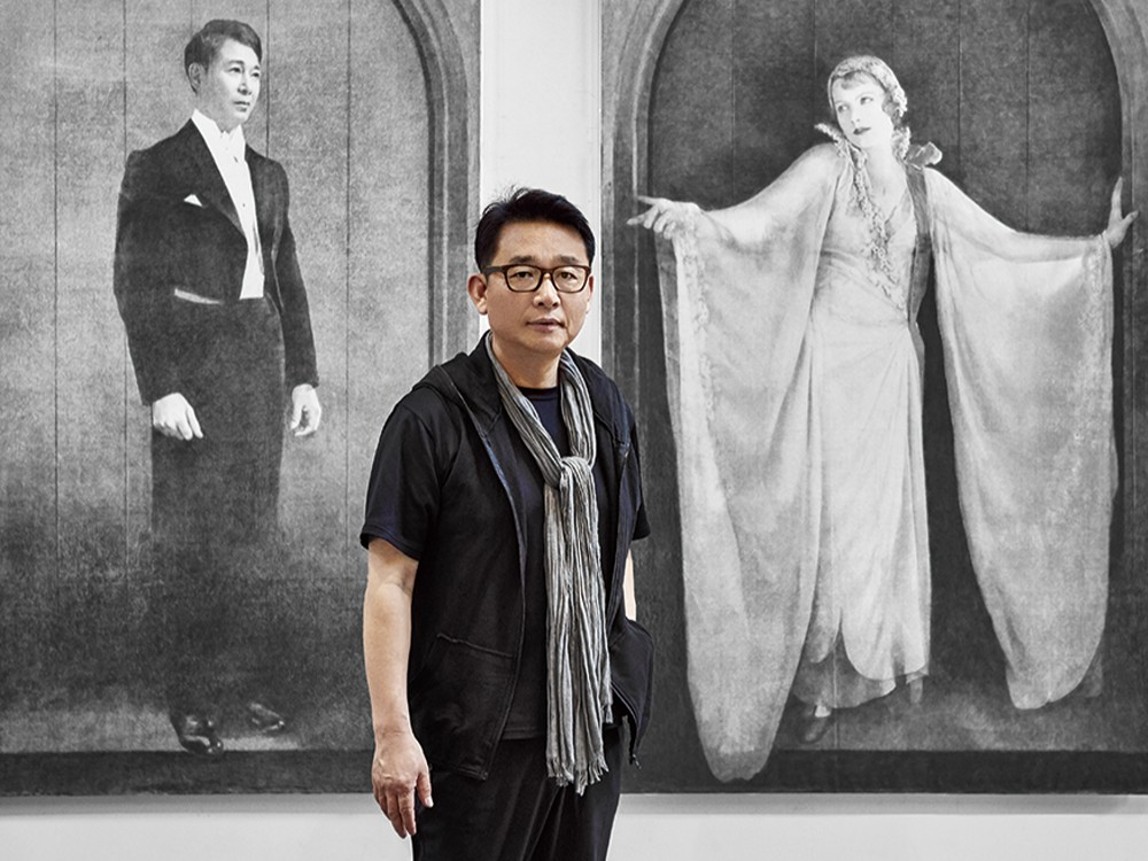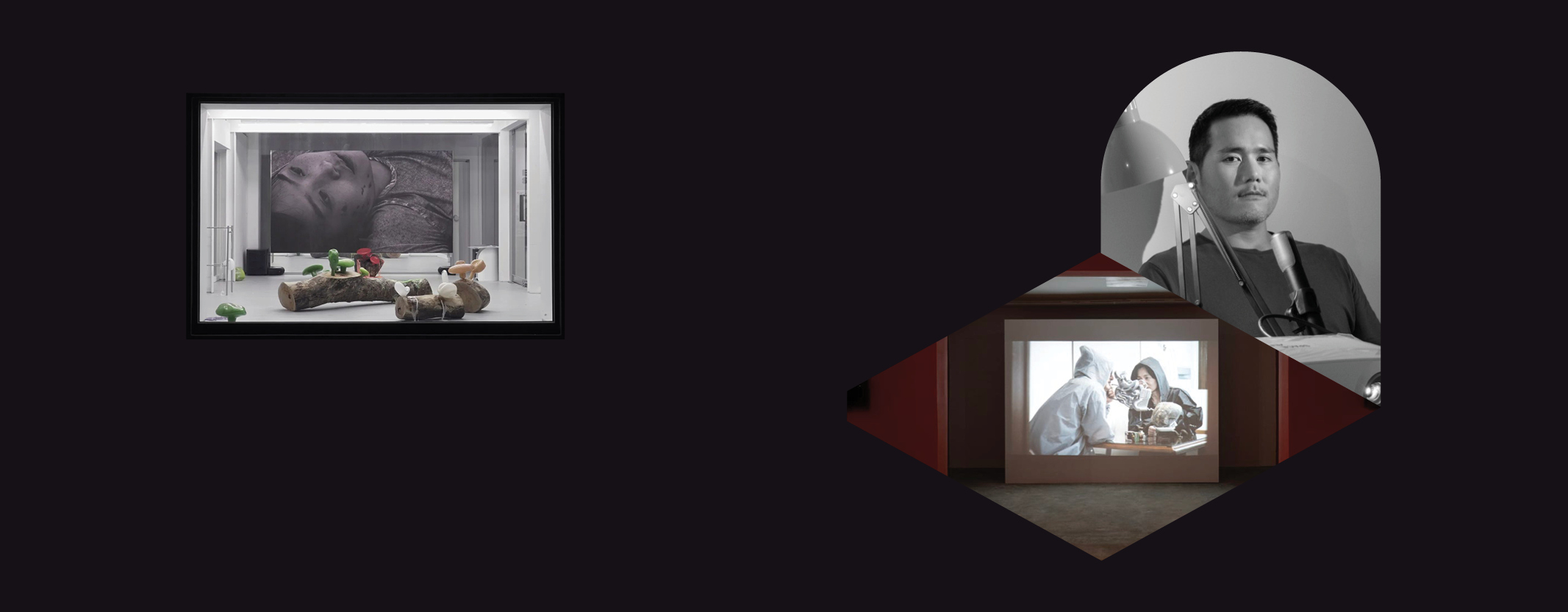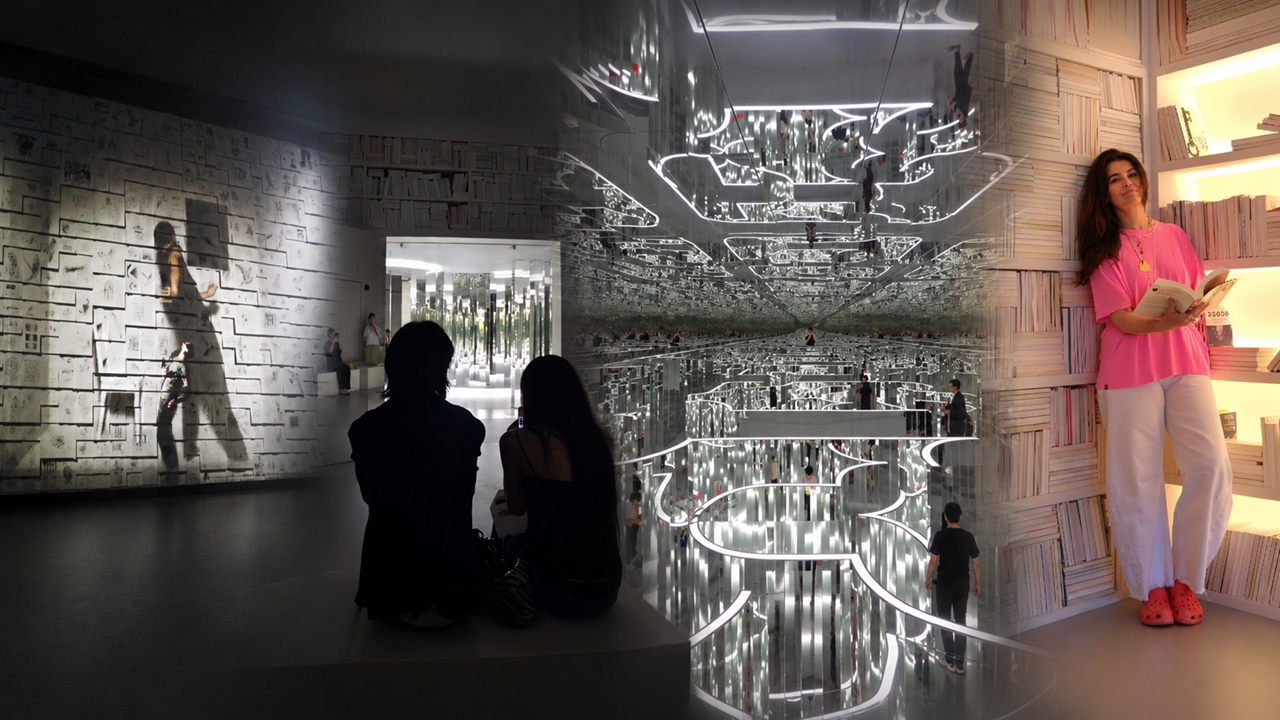

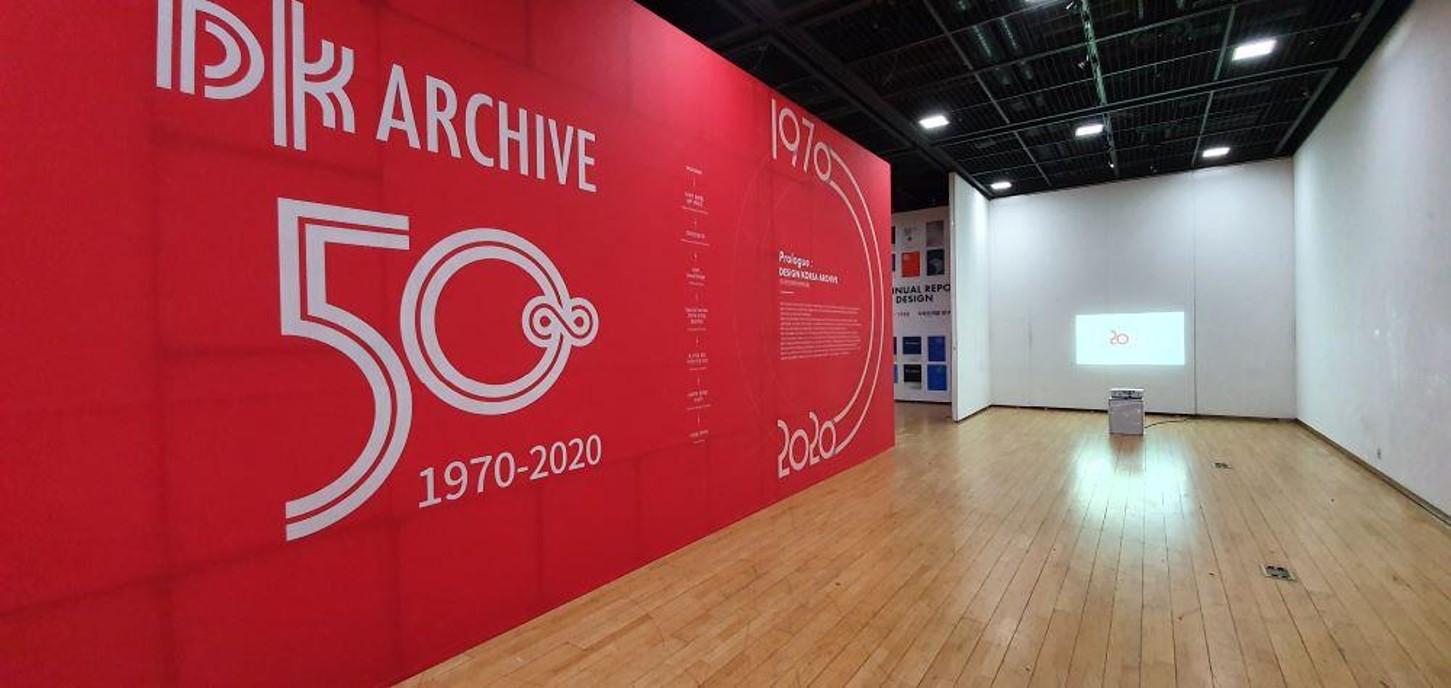
Entrance to the 《MAK》 exhibition / Photo: Design House
Design House,
which has contributed to the development of Korean design culture through
specialized publishing and cultural content, celebrates its 50th anniversary
with the exhibition 《MAK》.
Held from
October 27 to November 25, 2026, at Design House’s headquarters in
Jangchung-dong, Seoul, the exhibition brings together 26 creatives representing
18 teams across design, craft, architecture, graphic design, fashion, and food.
Their works explore new possibilities in materials, forms, and methods of
making.
The
exhibition title, “MAK,” draws on familiar Korean expressions such as maksabal
(a traditional Korean ceramic bowl associated with an unpretentious, informal
aesthetic), makgeolli (traditional Korean rice wine),
makguksu (buckwheat noodles), and makchum
(improvised dancing). In this exhibition, “mak” refers to an approach to
creativity characterized by freedom, experimentation, and a willingness to move
beyond established forms and conventions.
Reflecting on
50 years of Korean design culture, the exhibition examines how design has
expanded beyond industry and consumer products into craft, art, and everyday
life. Through works that reinterpret familiar materials and methods of making,
it explores the relationship between design and daily life while highlighting
the possibilities of contemporary creative practice.
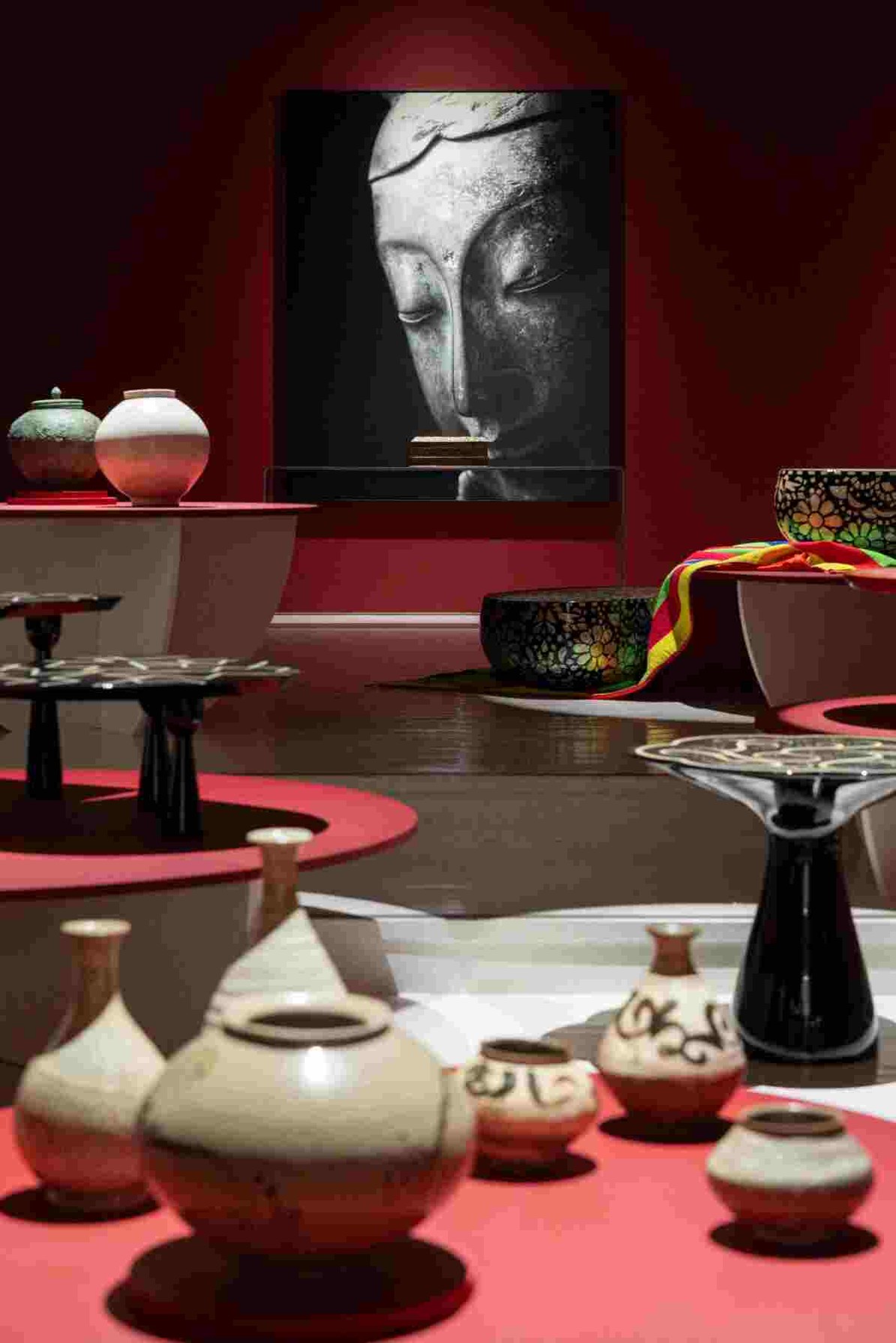
Installation view of 《MAK》, Design House’s 50th anniversary exhibition / Photo: Design House
Transforming
an Entire Building into an Exhibition Space
The
exhibition occupies 17 spaces throughout Design House’s headquarters, designed
by architect Seung Hyo-sang, including the entrance, lobby, garden, meeting
rooms, and café. The works are integrated into the building’s existing spaces,
allowing architecture, furniture, landscaping, and graphic design to interact
with their everyday functions.
Creative
director Jung Kuho presents Baekgoldong, a
transparent reinterpretation of a traditional Korean bandaji
chest, combining traditional metal fittings with Plexiglas. Spatial designer
Jonghwan Baek introduces Sambangtakja and Obangtakja,
reinterpretations of traditional Korean furniture, while industrial designer
Joongho Choi presents his new furniture series ‘New Perception’.
Designer and maker Park Giljong exhibits Yeogijeogi Igeotjeogeot
(Here and There, This and That), a collection of upcycled objects created from
discarded materials and objects.
Together,
these works demonstrate different approaches to design by combining traditional
furniture structures with contemporary materials and reinterpreting the
functions and forms of familiar objects.
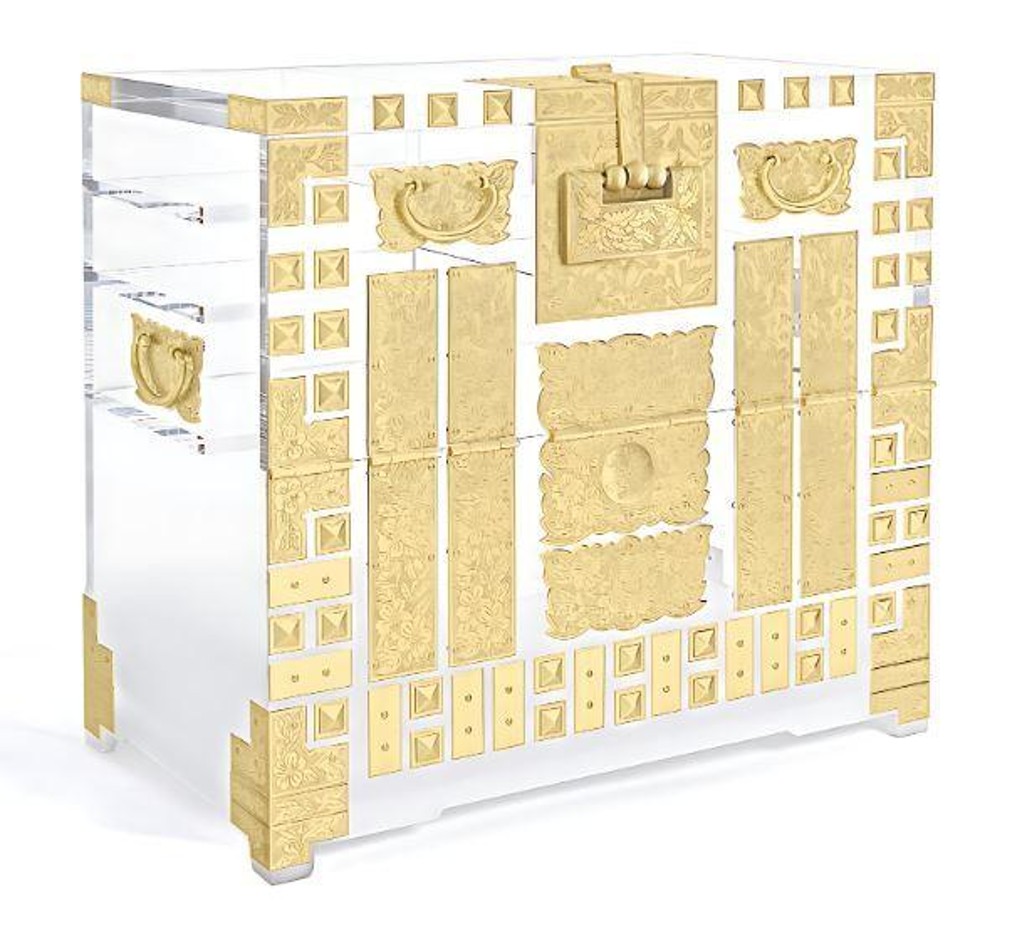
Jung Kuho, Baekgoldong, a transparent reinterpretation of a traditional Korean bandaji chest / Photo: Design House
Expanding
Design Through Material Reinterpretation and Participation
Textile
artist Eunha Kim presents fabric objects inspired by goimsang,
the elaborate ceremonial food arrangements of the Joseon royal court. Using
discarded clothing and fabric scraps, she recreates pomegranates, yugwa
(traditional Korean sweets), and okchun (decorative
sugar candies), alongside macarons and cakes. By transforming used textiles
into representations of food, her work connects traditional culinary culture
with contemporary approaches to materials.
The
collective Dada Friends, whose participants include architect Yoo Byungan,
actor and photographer Park Sangwon, photographer Kim Yongho, and architect
Choi Siyoung, reinterprets the Louis Ghost Chair,
designed by Philippe Starck for the Italian furniture brand Kartell. Using the
same industrially manufactured chair as a starting point, each participant
transforms it through an individual creative perspective, producing different
visual and sculptural interpretations.
Floral artist
Leo Kim presents an installation using seasonal plants and natural materials in
the headquarters’ persimmon-tree garden. Creative group Rebel9 introduces a
graphic work tracing Design House’s 50-year history through key activities and
themes, alongside Color Shake, an interactive digital
graffiti installation in which visitors contribute colors and text to transform
the screen.
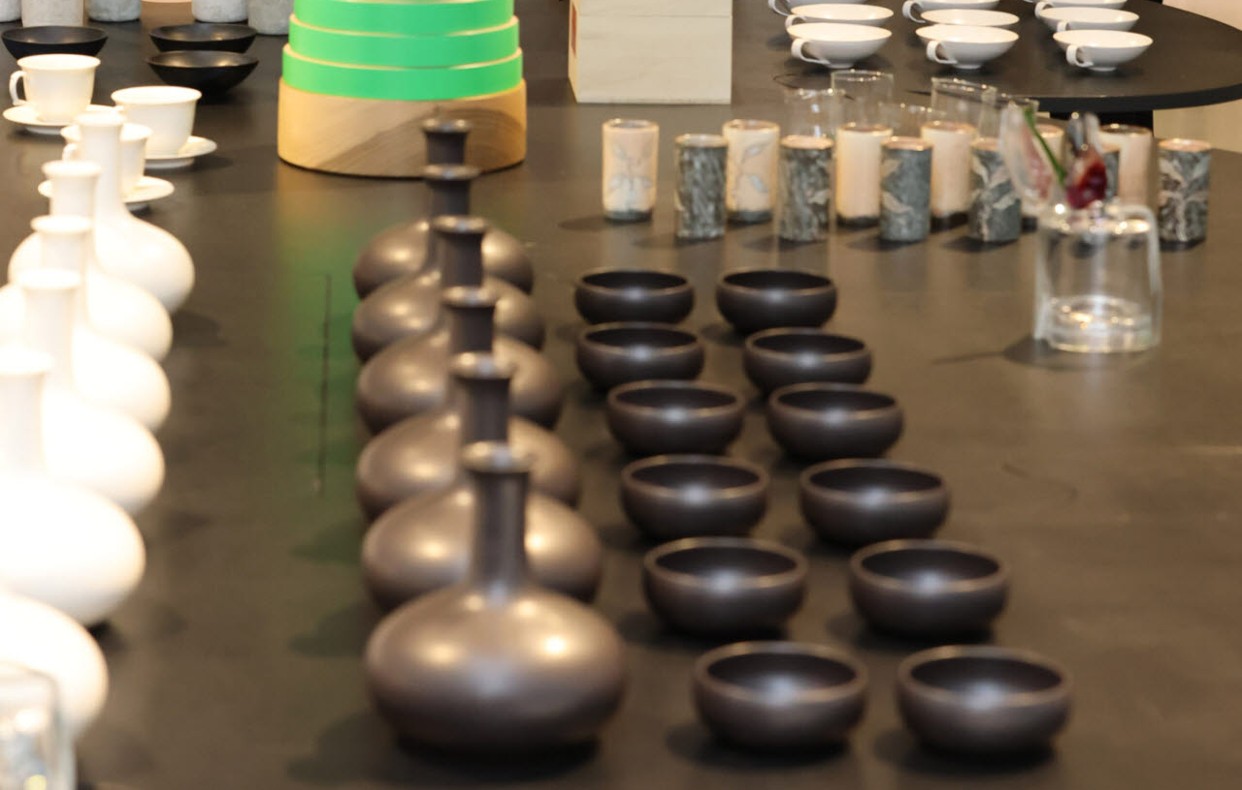
Makgeolli bottle and drinking cups / Photo: Design House
Connecting
Craft, Food, and Everyday Culture
Spatial
styling duo Seven Doors, consisting of Min Songyi and Min Deulle, oversees the
planning and visual direction of the café space. Chefs Kim Hee-eun and Yoon
Dae-hyun of restaurant SOUL present special dishes inspired by Korean food
traditions, including makguksu, makgeolli,
and gamjajeon (potato pancakes). The menu features
buckwheat capellini inspired by makguksu, steamed
rice cakes fermented with makgeolli, gnocchi inspired
by potato pancakes, and desserts incorporating traditional rice-cake mold
patterns.
Ingredients,
cooking methods, tableware, and spatial presentation together create a design
experience that engages sight, taste, and touch. These culinary interpretations
connect with other works in the exhibition through their reinterpretation of
traditional forms and methods using contemporary materials and sensibilities.
Exploring
Contemporary Design Through the Spirit of “MAK”
Over the past
50 years, Korean design has undergone significant changes. During the
industrialization of the 1970s and 1980s, greater emphasis was placed on
product functionality, production efficiency, and corporate visual identity. In
the 1990s, design expanded into new areas alongside changes in consumer culture
and lifestyles. Since the 2000s, digital technologies have supported
developments in graphic, interaction, spatial, and service design, while more
recent practices have increasingly engaged with traditional craftsmanship,
sustainability, and independent design.
Against this
backdrop, “MAK” gives tangible form to its central concept through the
reinterpretation of traditional furniture, the reuse of discarded materials,
the transformation of industrial design objects, and audience participation. By
bringing together creative practices from different fields, the exhibition
illustrates how contemporary design extends beyond function and form to engage
with everyday culture and artistic experimentation.
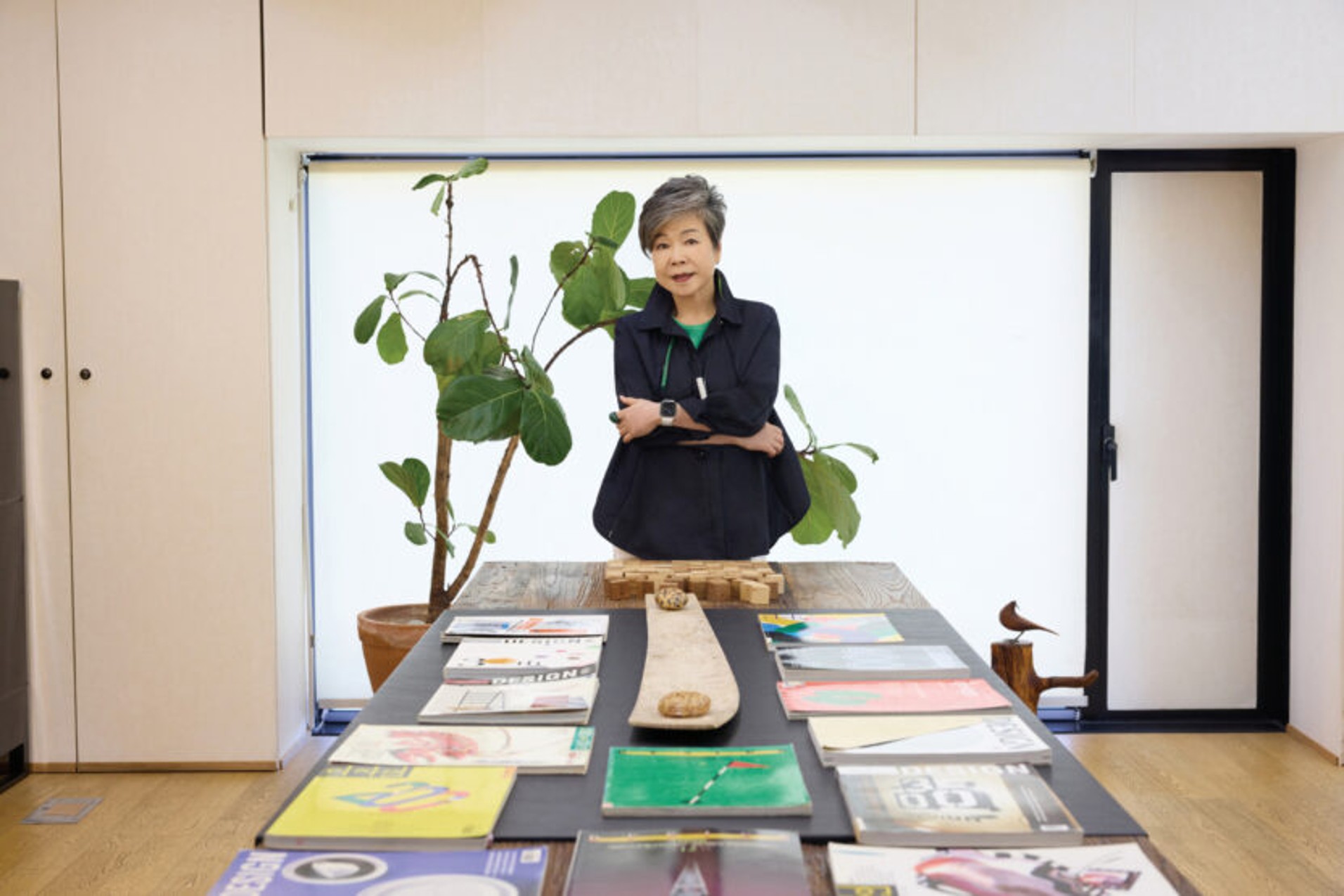
Younghye Lee, CEO of Design House / Photo: Design House
About
Design House
Founded in
1976, Design House is a Korean publishing and media company that has documented
domestic and international design developments and introduced the work of
designers and other creative practitioners, primarily through its flagship
publication, Monthly Design. The company subsequently
expanded its activities into architecture, interior design, and lifestyle
content, contributing to the development of Korean design culture.
Published
continuously over five decades, Monthly Design serves
as an important documentary resource for understanding the evolution of Korean
design and the activities of its creative practitioners.
Exhibition
Information
Exhibition:
Design House 50th Anniversary Exhibition 《MAK》
Campaign: 《Mak, Creative!》
Dates:
October 27 – November 25, 2026
Venue:
Design House Headquarters, 272 Dongho-ro, Jung-gu, Seoul, South Korea
Participants: 26
creatives representing 18 teams
Opening Hours:
Monday–Friday, 10:00 AM–6:00 PM (Closed Saturdays and Sundays)
Admission: KRW
10,000
Reservations: Naver
Booking
References
Design+, Article on Design House’s
50th Anniversary Exhibition
Luxury,
Exhibition Feature: 《MAK, Creative!》
Sports
Donga, Report on Design House’s 50th Anniversary Exhibition
NewsPim, Report on
the Opening of Design House’s 50th Anniversary Exhibition