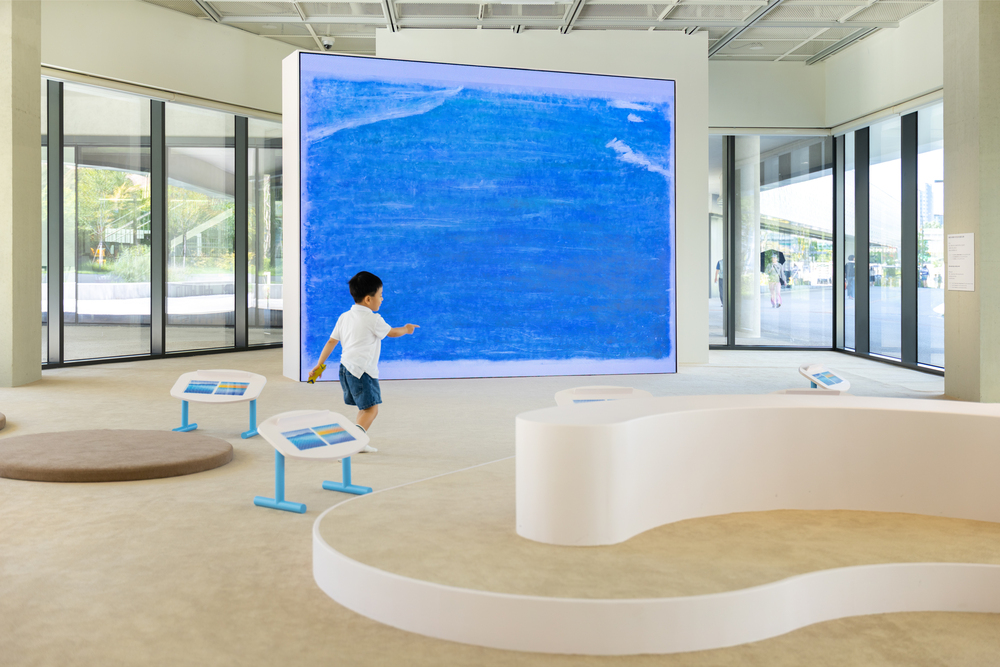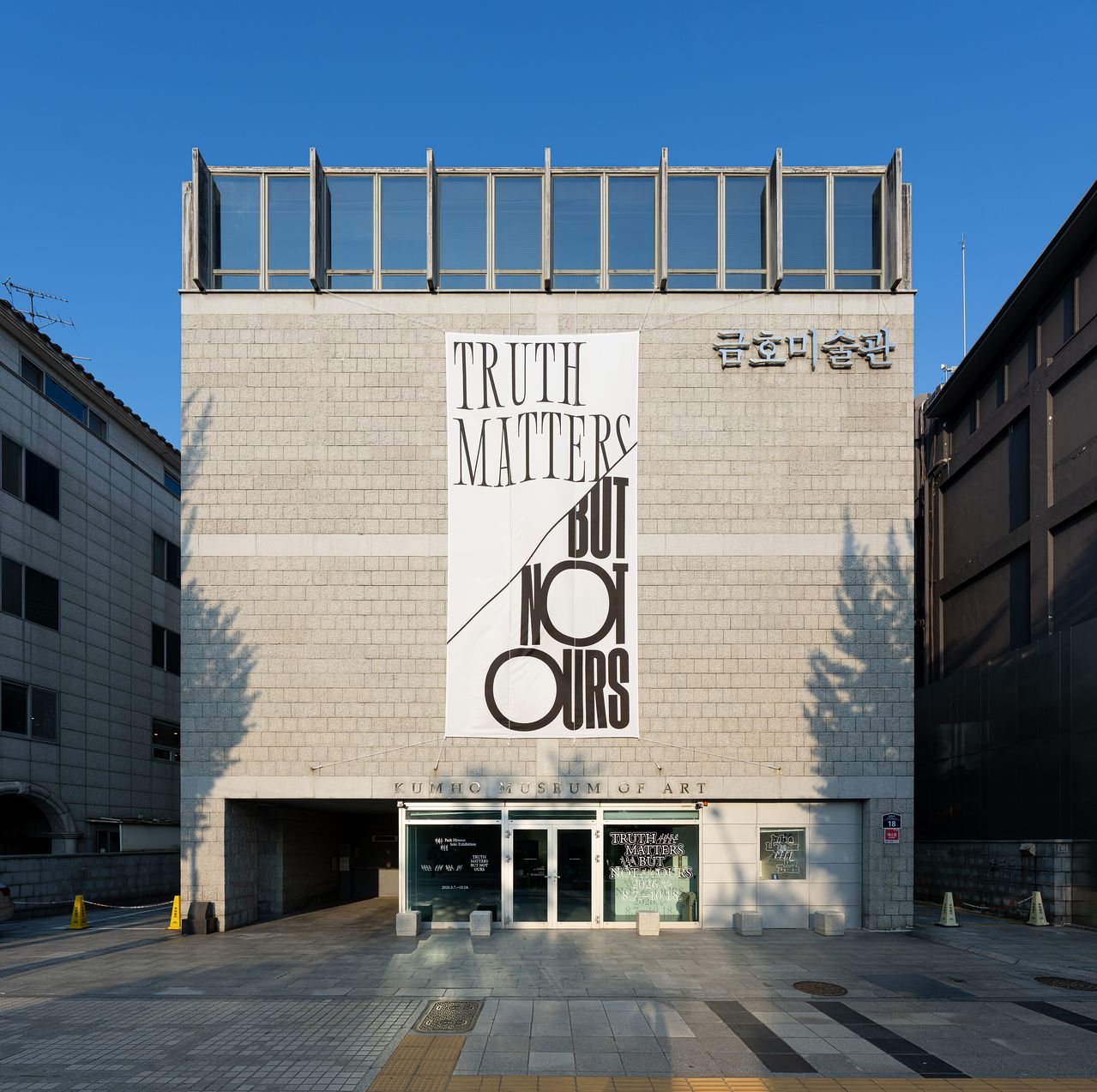


MMCA Art Search Center ⓒMMCA
The National Museum of Modern and
Contemporary Art, Korea (MMCA) announced that it will begin a project this year
to rebuild its standard art collection management system. Since 2011, the
museum has distributed its collection management system to a total of 57 public
art museums across the country.
The project is part of “MMCA Regional
Partnership,” a new initiative aimed at expanding public access to cultural
content by sharing resources nationwide rather than concentrating them in the
Seoul metropolitan area, while also strengthening the sustainability of
regional cultural ecosystems. Within this framework, the project seeks to
enhance the professional capacity of regional museums.
MMCA plans to upgrade the system so that
regional museums can manage the entire lifecycle of artworks—from acquisition
to utilization—in an integrated manner. In particular, it will establish a
practical system for sharing artwork information among national and public art
museums, thereby facilitating the exchange of exhibitions and artworks and
laying the groundwork for collaborative initiatives such as jointly curated
exhibitions.
Through this initiative, MMCA aims to
support regional museums in establishing themselves as key institutions for the
systematic preservation, use, and collaborative research of public art assets.

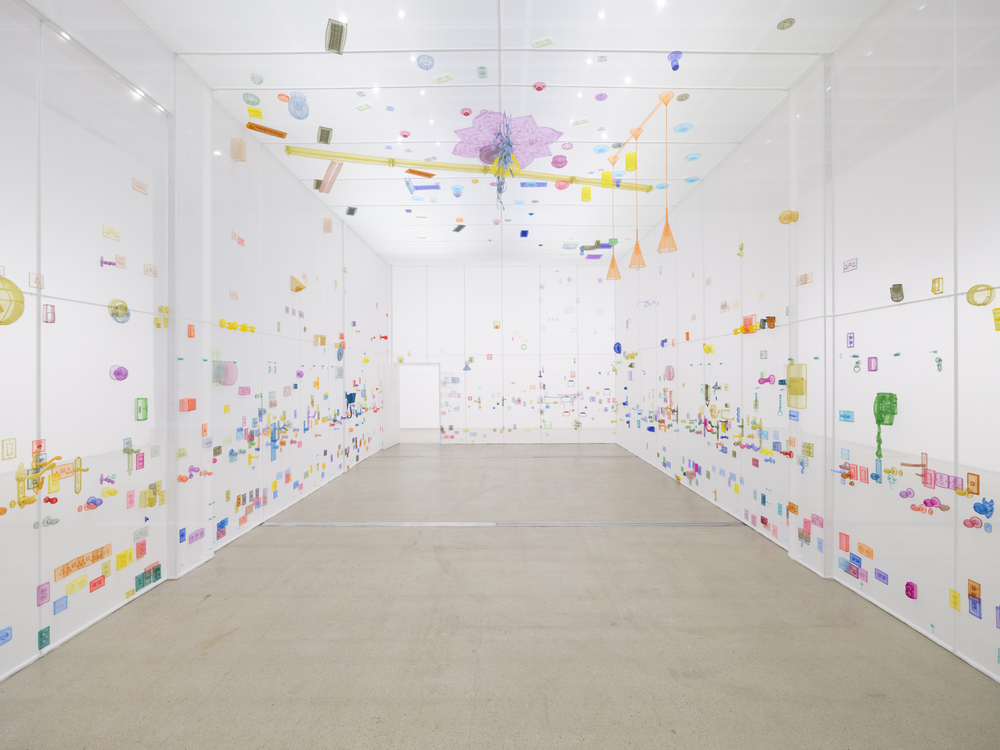
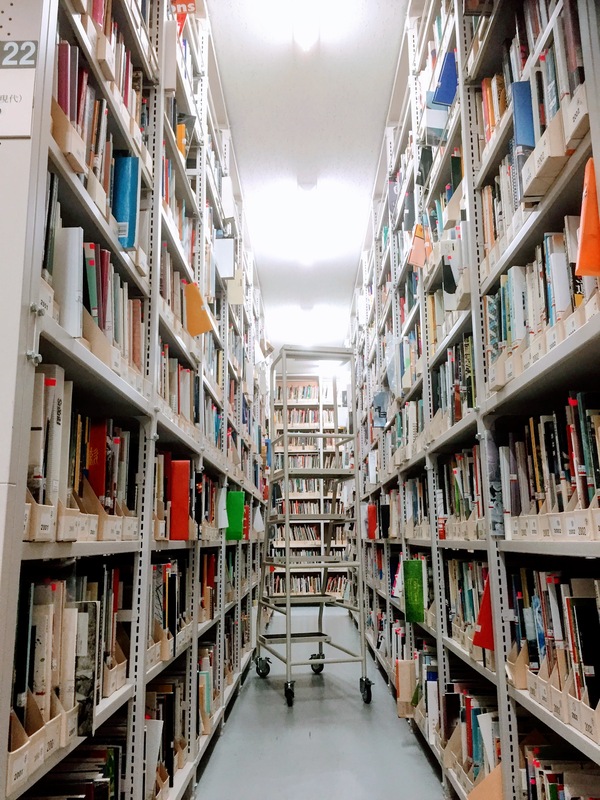
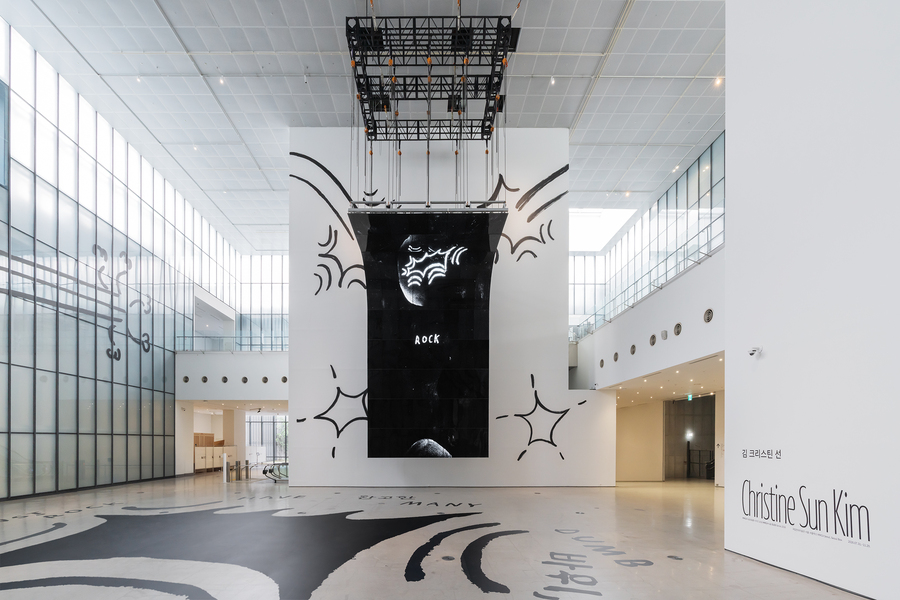
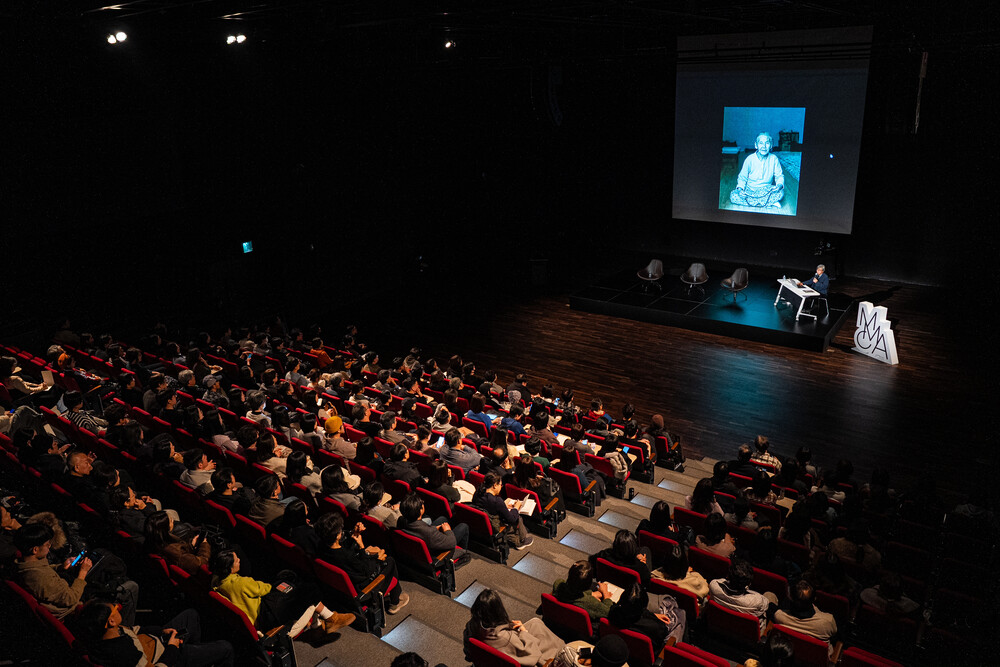
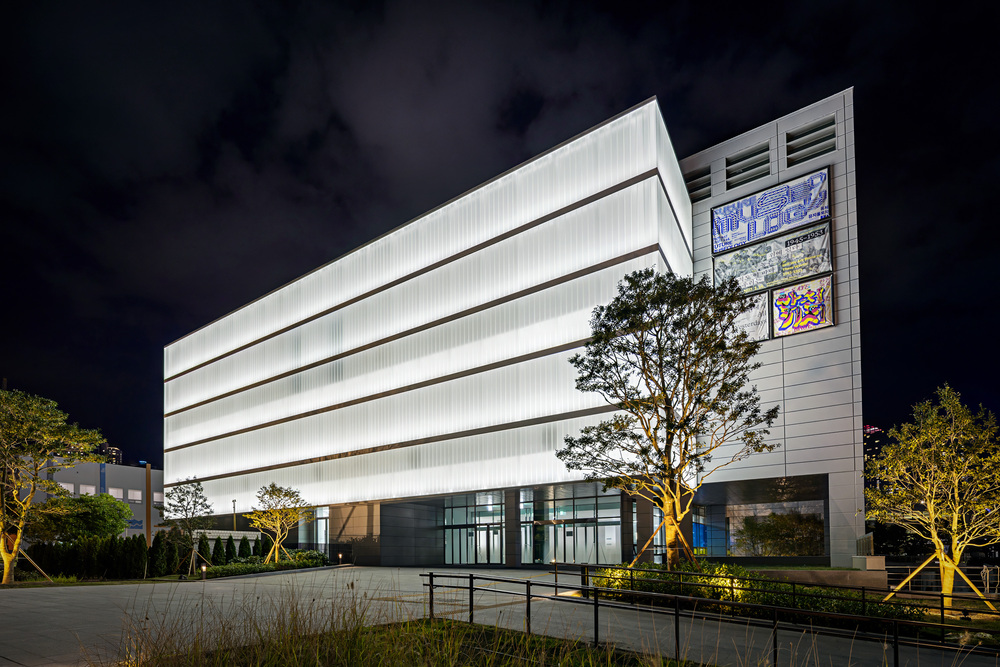
View of MMCA Art Search Center ⓒMMCA
In addition, the project will establish a
domestic standard for art data in accordance with international standards,
laying the groundwork for regional museums’ collection data to connect and
interact with global art databases.
The lack of standardized data on Korean
artists and artworks has long been pointed out as an issue. In particular, a
report published last year by the Korea Culture and Tourism
Institute—Current Status and Expansion Strategies for Korean Contemporary
Art in International Museums—also identified the need to improve the
organization of basic information on Korean artists.
Against this backdrop, the MMCA’s
initiative to rebuild the system is expected to provide an important foundation
for establishing a more systematic framework for Korean art data and for
supporting the international advancement of Korean artists.