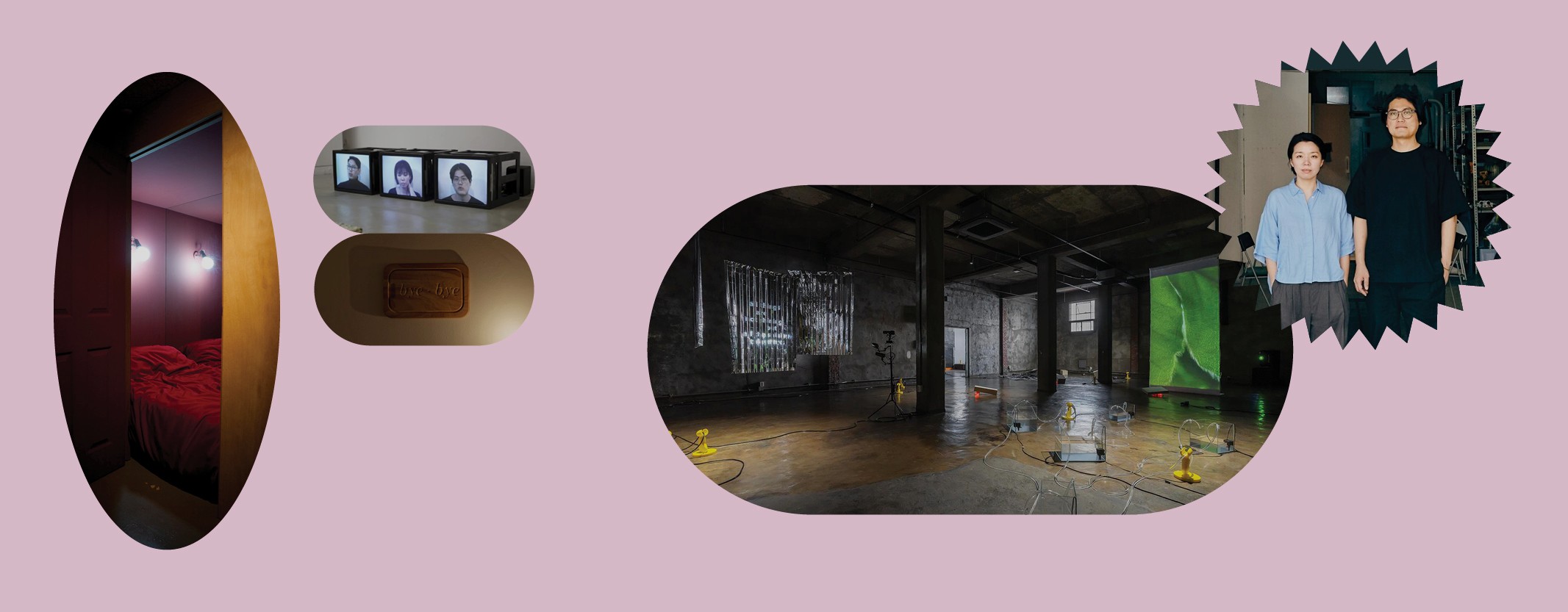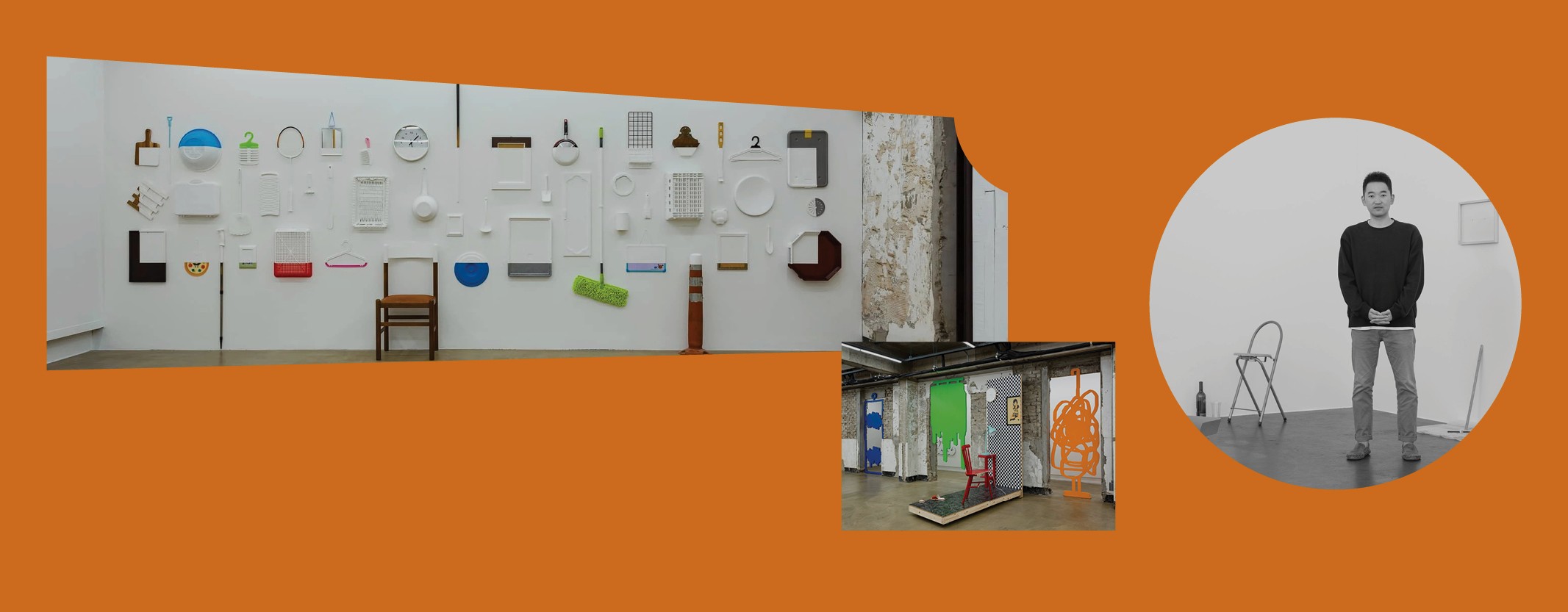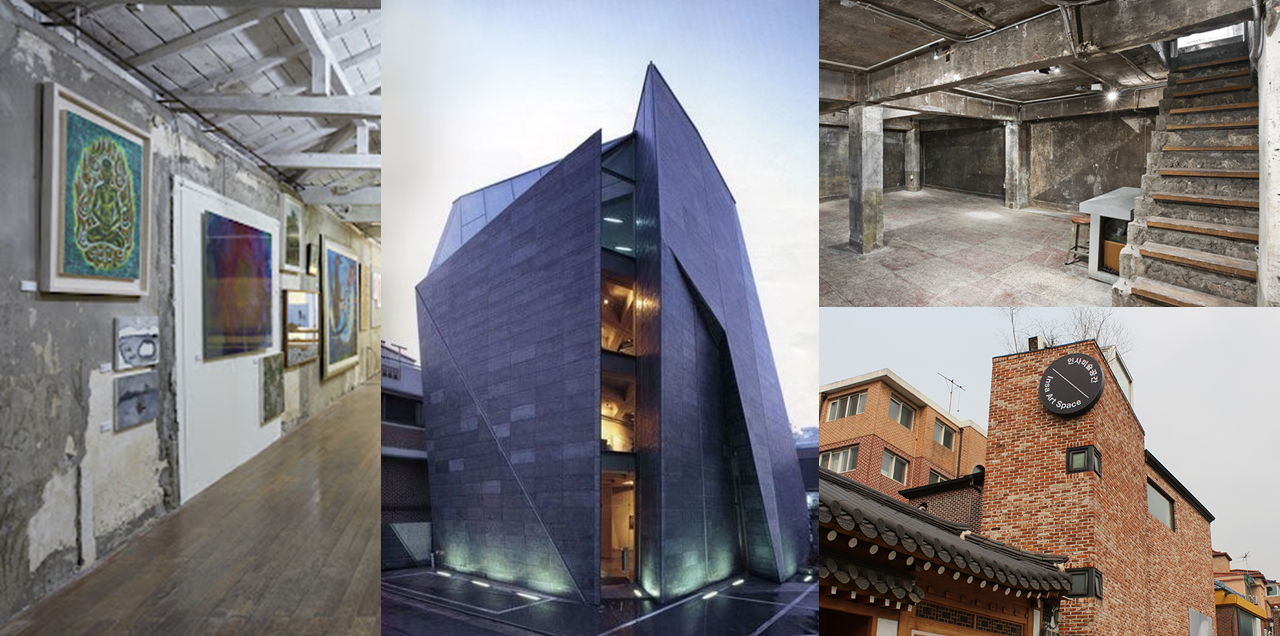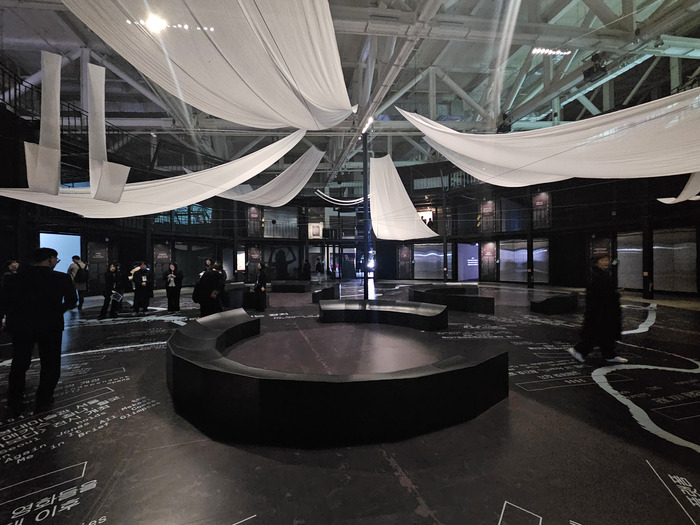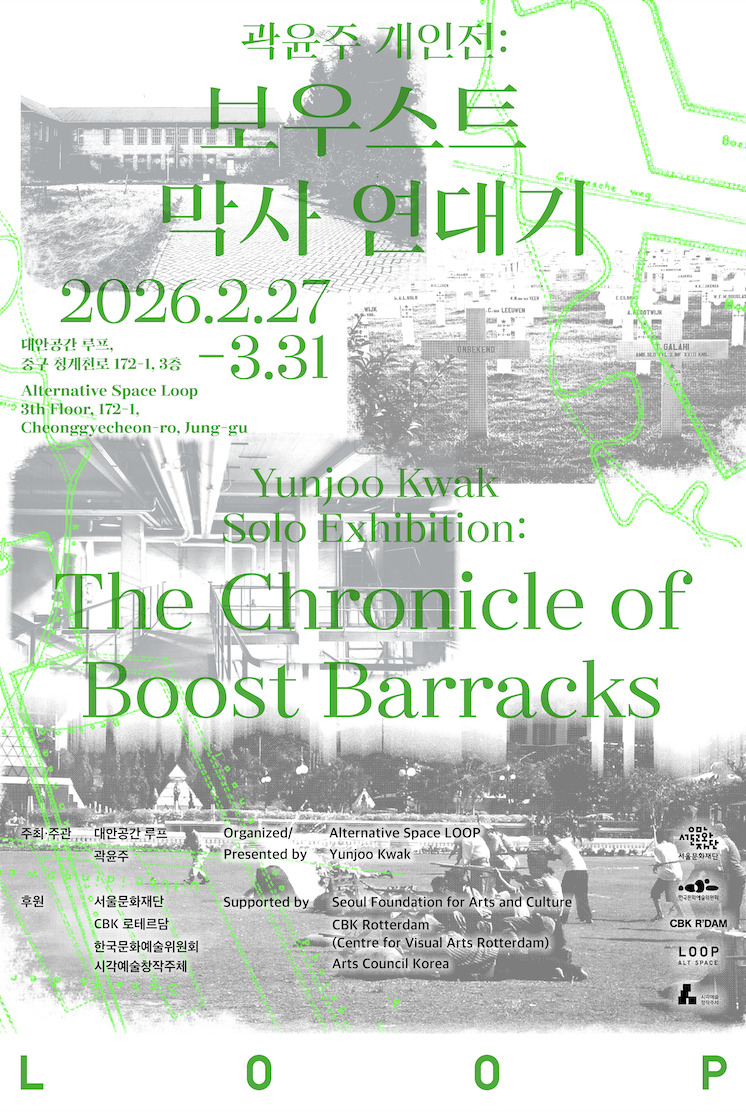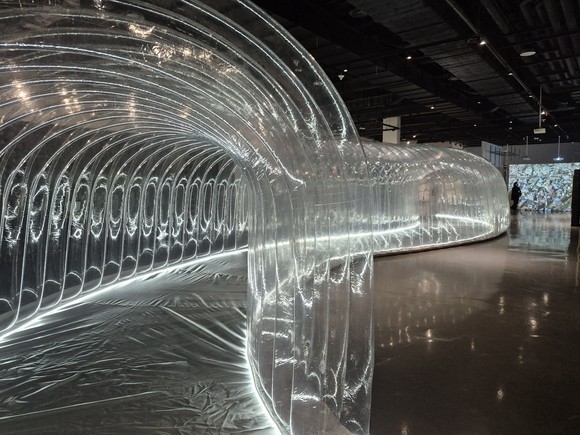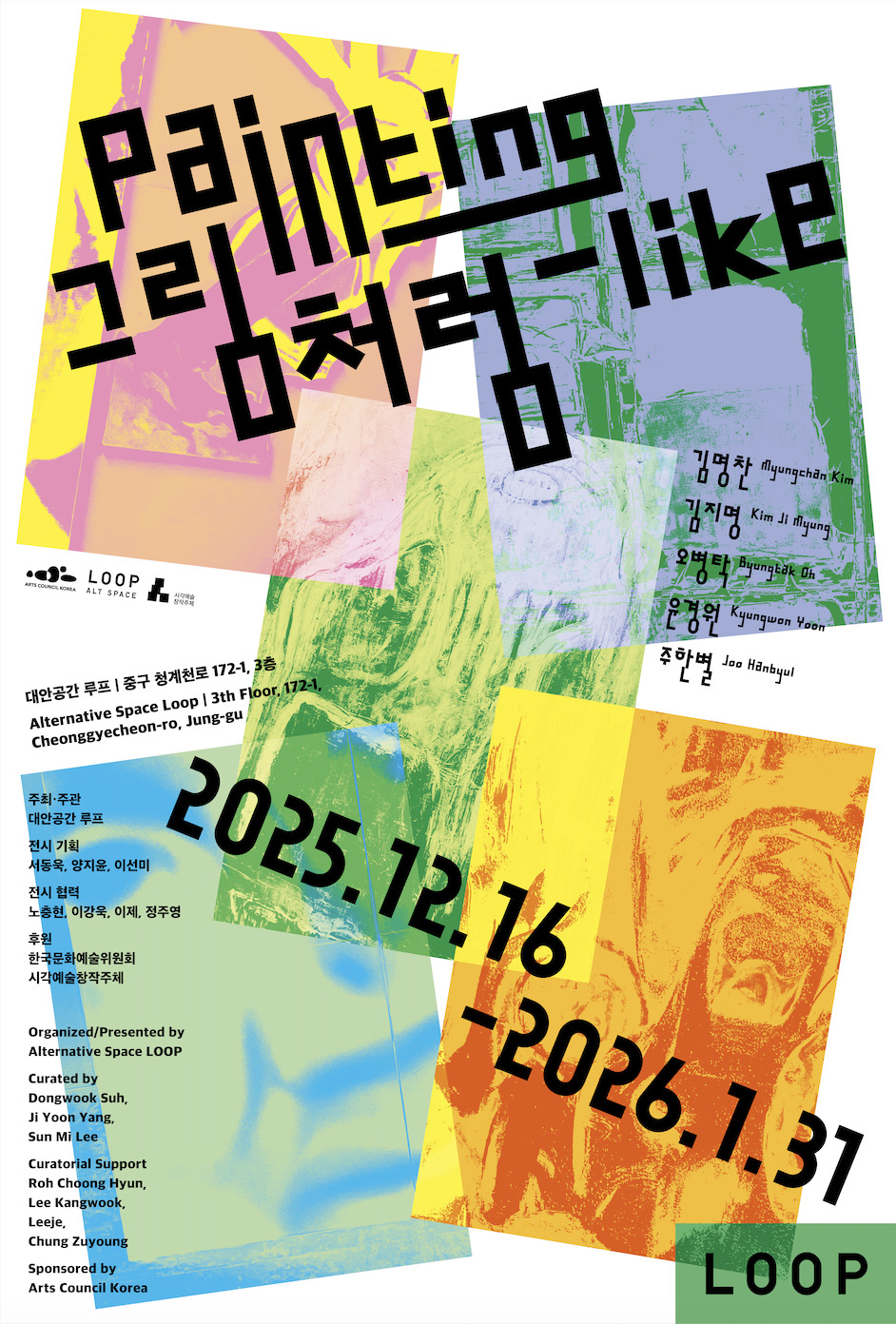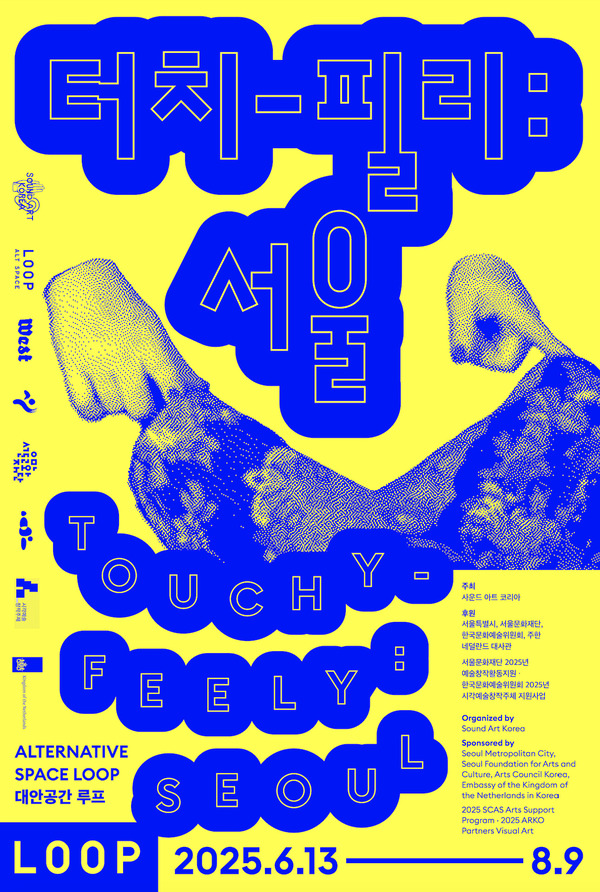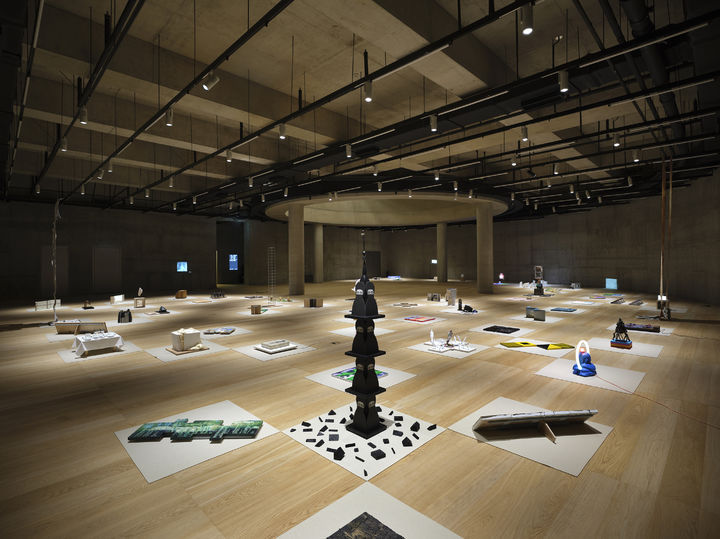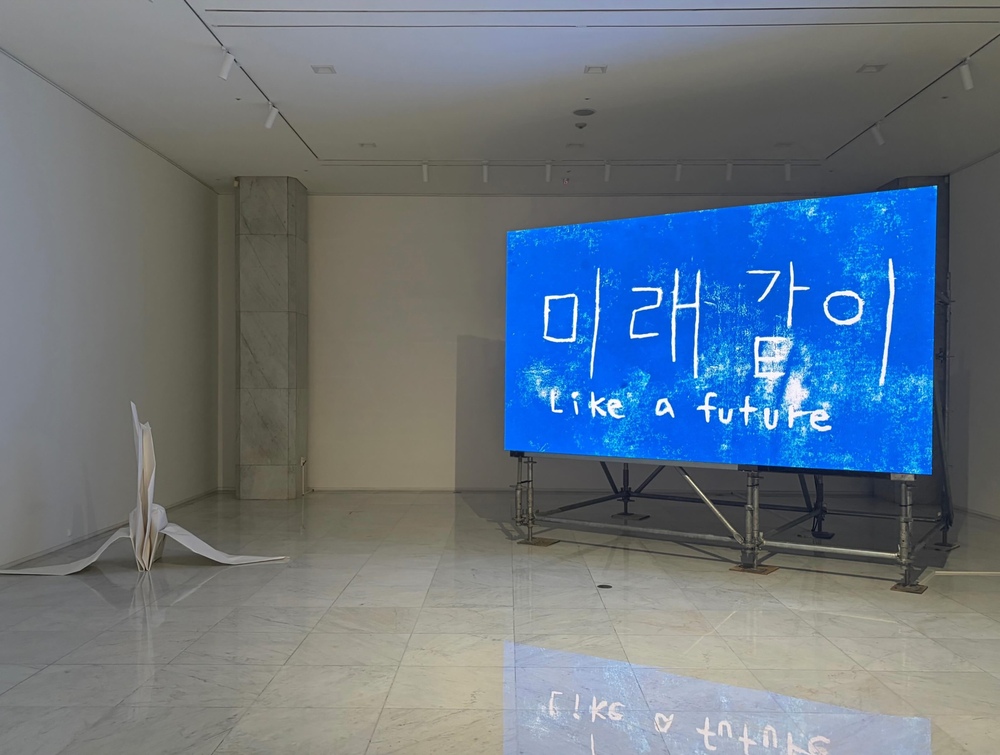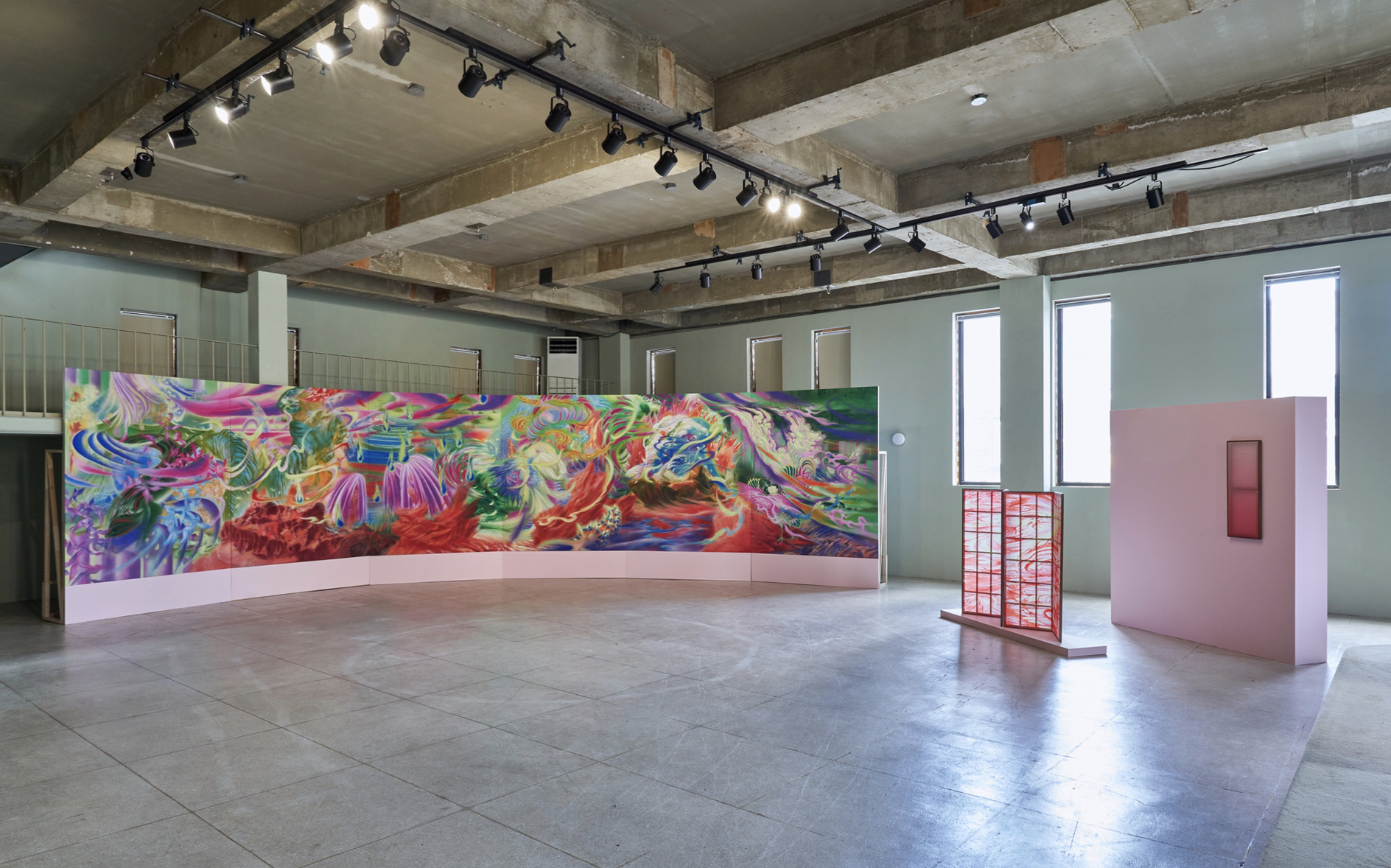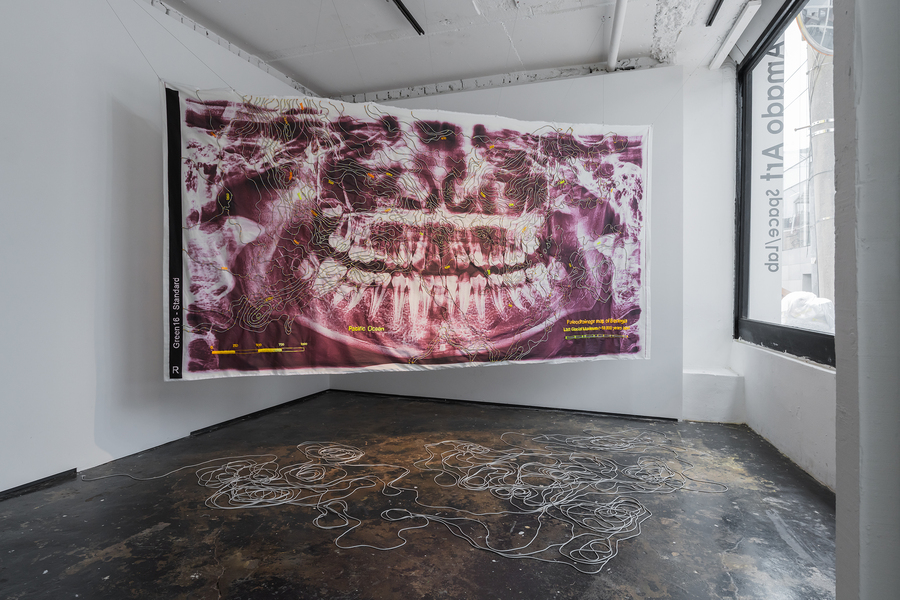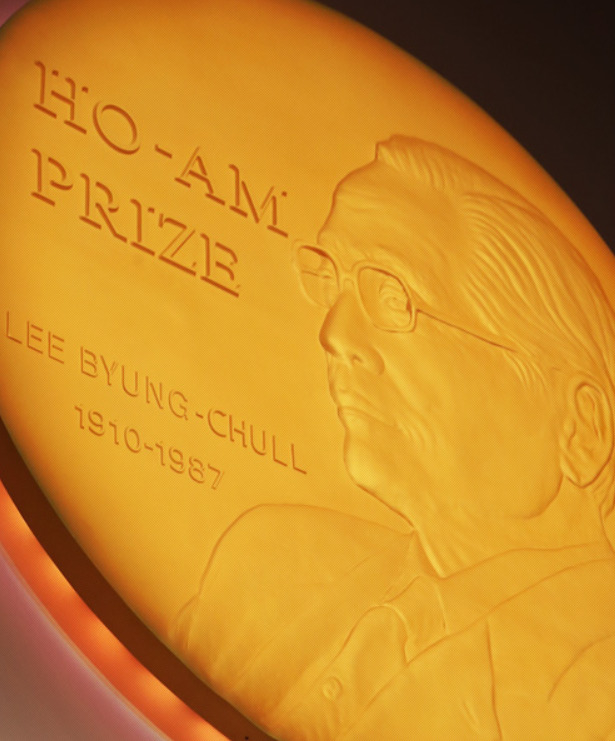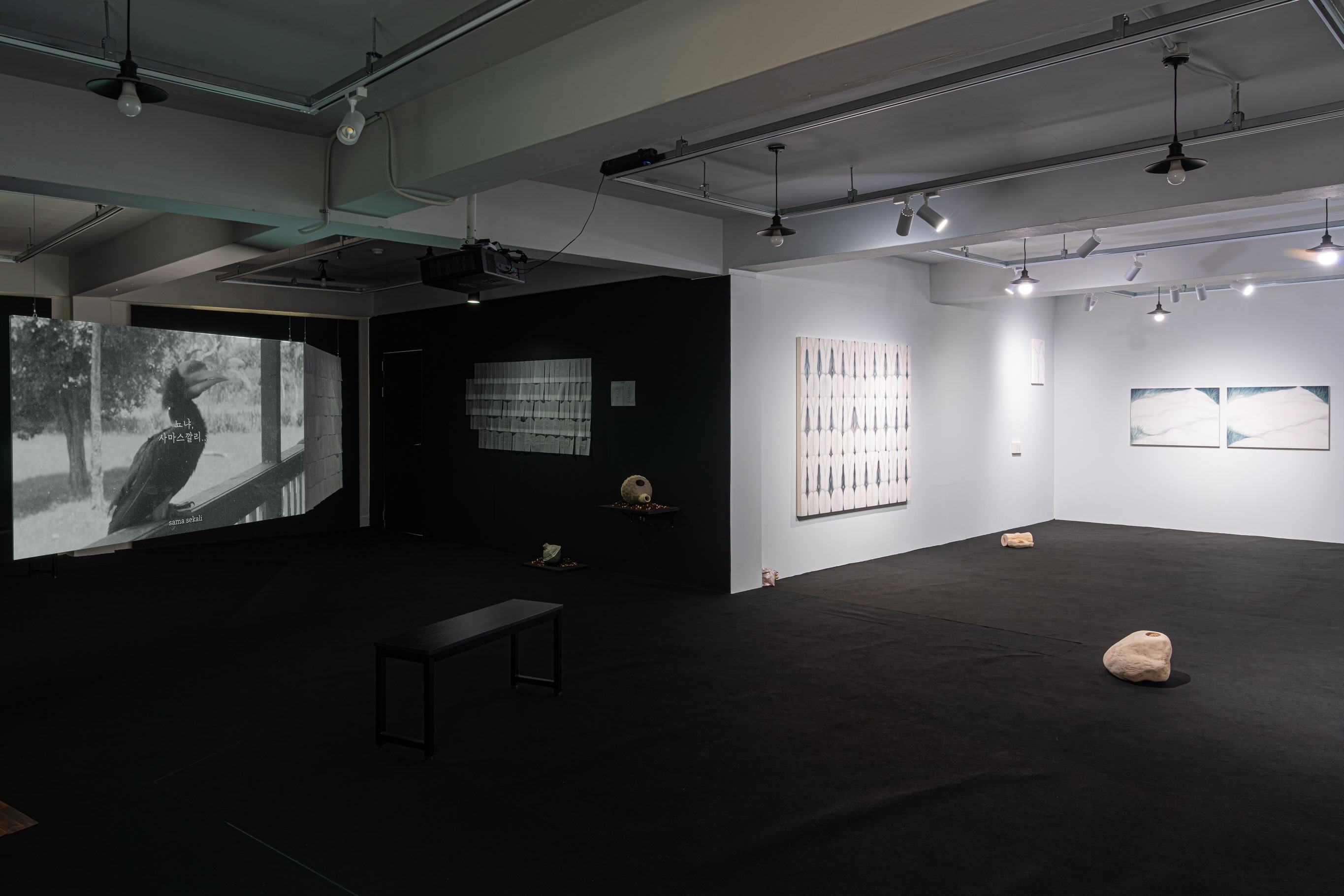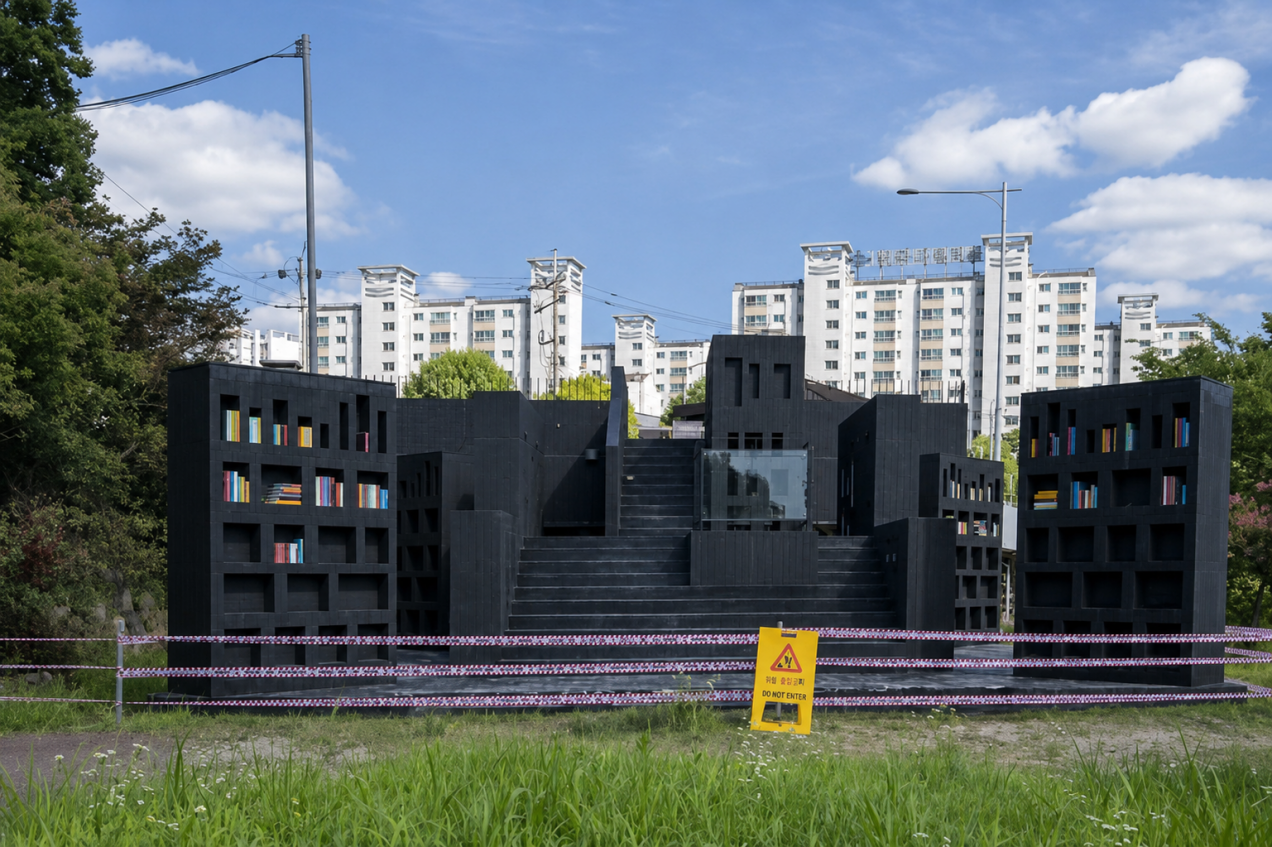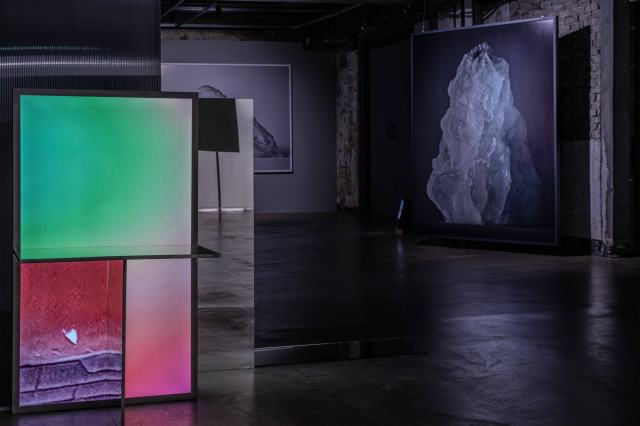

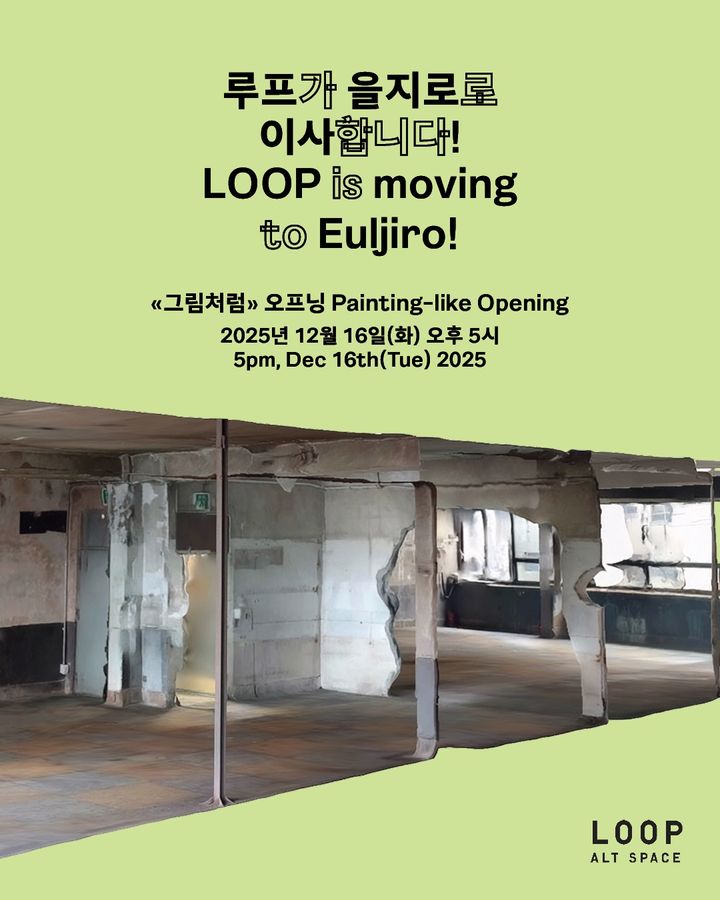
Promotional Poster for the Relocation of Alternative Space LOOP ©Alternative Space LOOP
Alternative Space LOOP (hereafter LOOP),
one of Korea’s first-generation alternative art spaces, which opened in 1999 in
Mapo-gu, Seoul, has announced a new beginning in Euljiro.
LOOP’s new home is located on the 1st floor
of 172-1 Cheonggyecheon-ro, Jung-gu, Seoul, along the Cheonggyecheon Stream.
Marking its reopening, LOOP inaugurated its first exhibition in the new space, 《Painting-like》, introducing five emerging
painters, which opened on the 16th and signaled the first step of this new
chapter.
In conjunction with the relocation, LOOP
also released a text outlining its direction for the next two years, “LOOP
Mission Statement 2026–27: Materializing Other Futures.” In this statement,
LOOP raises objections to the contemporary art world’s increasing fetishization
under capitalism—driven by investment and assetization—and declares its
commitment over the next two years to cultivate new practices grounded in
eco-socialism and feminism.
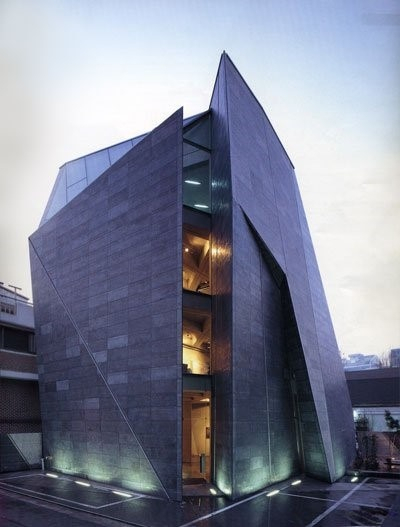
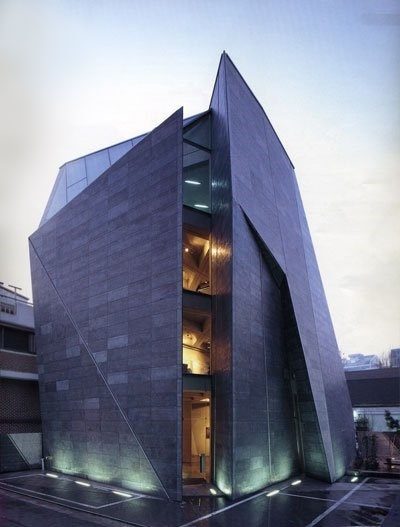
Exterior View of Alternative Space LOOP’s Former Building in Mapo-gu, Seoul ©Alternative Space LOOP
LOOP stated that, “Rather than merely
providing a venue for exhibitions, in 2026–27 we aim to intervene as an agent
that experiments with and reconfigures the synergies of institutions, markets,
and the city,” adding that it seeks to “build an open community—not an
exclusive one—of people who think together about where we are positioned now
and what we can do going forward.”
LOOP also emphasized that it will not
commodify Euljiro’s manufacturing ecologies, issues of migration, labor, and
housing, or the tensions and conflicts produced by redevelopment and
gentrification as raw material for cultural products. Instead, LOOP announced
its intention to collaborate with artists, curators, researchers, and
practitioners from diverse positions, as well as with institutions in Korea and
abroad, to conduct research, workshops, and art school programs—thereby
connecting artistic practice with local ecological practices.
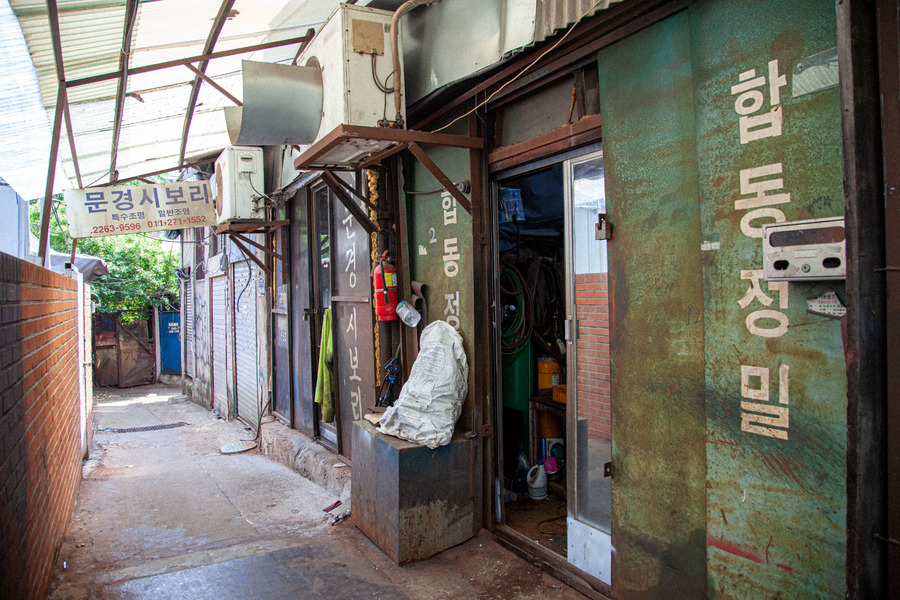
Street view of Sanrim-dong, Cheonggyecheon ©Listen to the City
Meanwhile, some have voiced concerns that
the relocation of LOOP—one of Korea’s most prominent cultural spaces—to Euljiro
could further intensify gentrification in the area.
According to an open letter published on
Instagram on the 15th by the Cheonggyecheon Anti-Gentrification Alliance,
Listen to the City, and FDSC (Feminist Designer Social Club), Sanrim-dong,
where LOOP has relocated, is one of the few remaining clusters of metal
manufacturing in Euljiro. The area is doubly exposed to the risks of
large-scale redevelopment and gentrification, and has long been a place that
activists, local residents, and citizens have worked to protect from these
threats.
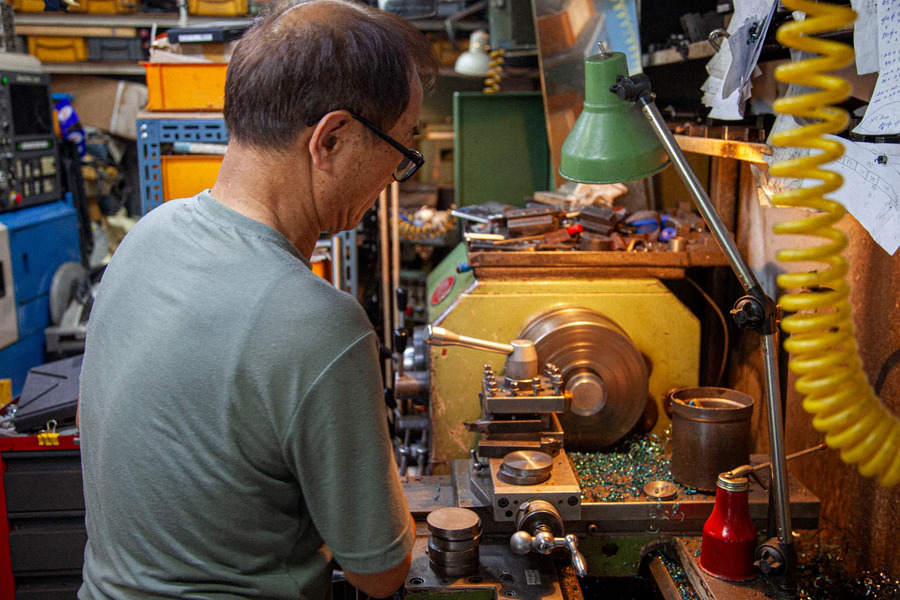
A Technician in Sanrim-dong, Cheonggyecheon ©Listen to the City
They also expressed concern that
gentrification triggered by cultural spaces often unfolds more quickly—and with
greater brutality—than large-scale redevelopment, increasing the likelihood
that existing merchants will be displaced.
Accordingly, the three organizations have publicly
requested that LOOP respond to a set of questions addressing: the background
and rationale behind its relocation to the Cheonggyecheon–Euljiro area; its
consideration for long-term residents and the existing local ecosystem in the
area of relocation; and its position and approach toward gentrification.