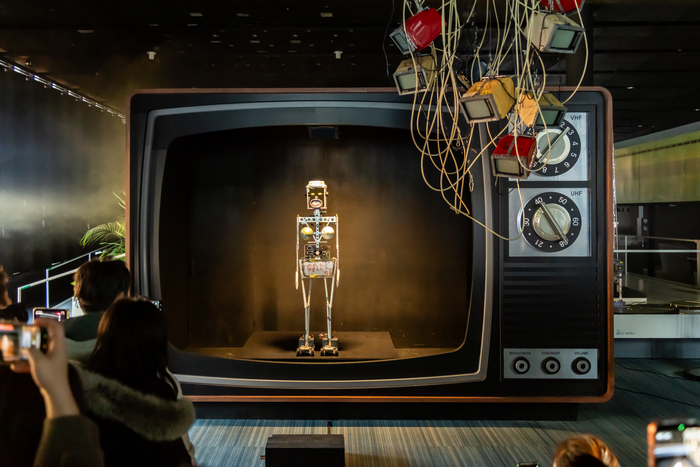

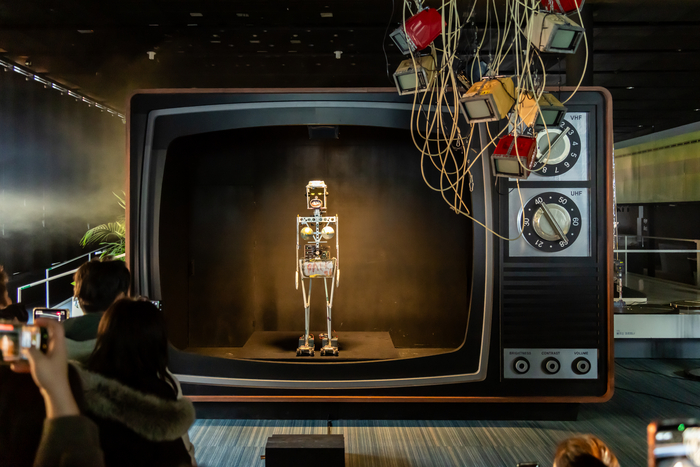
Nam June Paik’s Robot K-456, with its movement restored, unveiled at the Nam June Paik Art Center on January 28. © Nam June Paik Art Center
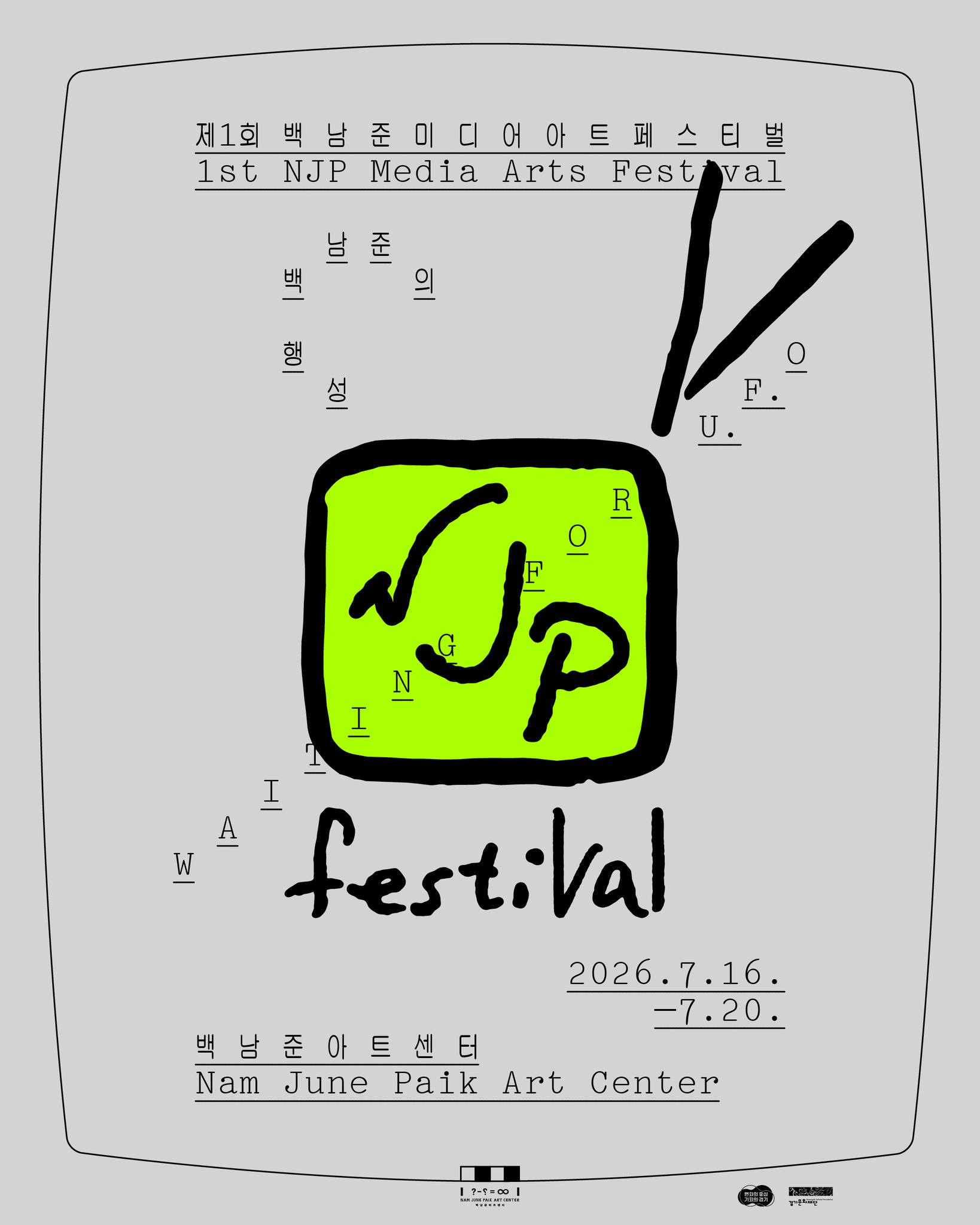
On January 28 and 29, marking the 20th
anniversary of Nam June Paik’s passing, the event 《AI
Robot Opera》 was held at the Nam June Paik Art Center.
The event takes its motif from
Robot Opera, a historic performance carried out by Nam June
Paik in New York in 1965. In that performance, Paik remotely controlled
Robot K-456 while collaborating with cellist Charlotte
Moorman, staging a street performance in which humans and robots performed
together. Through this, he realized a form of humanized technology as an
artistic practice.
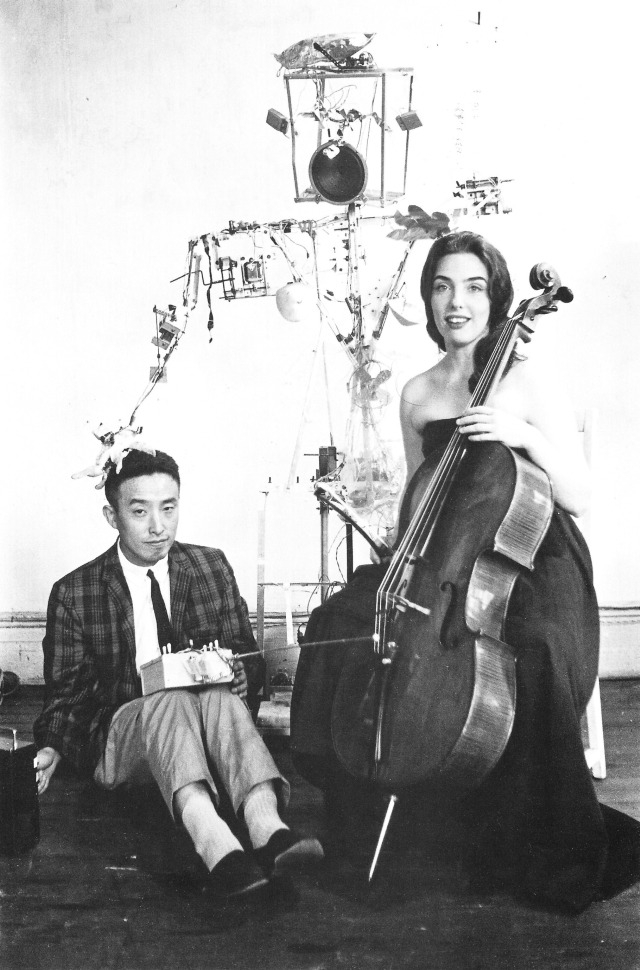
Nam June Paik with cellist Charlotte Moorman in front of Robot K-456, 1964. © Nam June Paik Art Center
Based on the technical manual provided by
Shuya Abe during his visit to the Nam June Paik Art Center several years ago,
as well as the guidelines presented in the Nam June Paik Art Center’s
Technical Report on the Art of Nam June Paik (2025), the
restoration process brought Robot K-456—which had been
dormant for 30 years—back to life. Reborn in a humanized form, the robot once
again walks, speaks, and even excretes.
Through 《AI Robot
Opera》, the Nam June Paik Art Center reactivated
Robot K-456 in front of the public for the first time,
staging yet another moment destined to be remembered in the history of Korean
contemporary art.
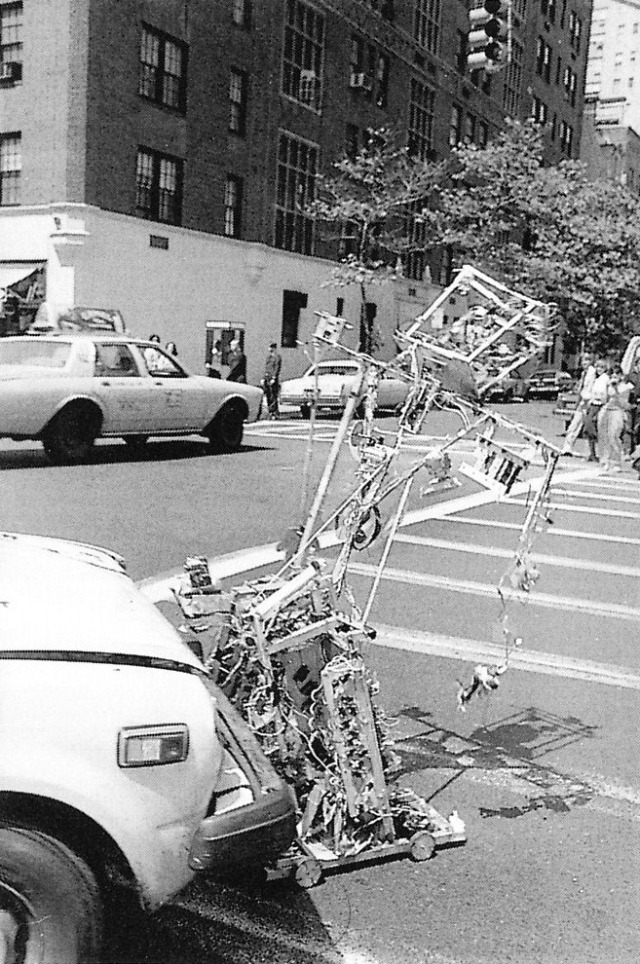
Nam June Paik’s Robot K-456 being struck by a car in front of the Whitney Museum of American Art, New York, 1982. © Nam June Paik Art Center
Robot K-456 is one of
Nam June Paik’s seminal works, encapsulating his vision of humanized
technology. Produced in collaboration with Japanese engineers, this work was a
20-channel remote-controlled robot, and was named Mozart’s Piano
Concerto No. 18 in B-flat Major, Köchel’s number 456. The robot could
walk around the street. Its mouth played a recording of President John F.
Kennedy’s speech, and its bottom dropped peas as if defecating.
Robot K-456 participated
in a number of performances with Paik. In 1982, as part of Paik’s retrospective
at the Whitney Museum of American Art, the robot appeared in an
accident-performance where it was struck by a car while crossing a road. Paik
called the performance as “the first catastrophe of the 21st century,” trying
to reveal the falsehood of mechanical rationality and propose a humanized
machine that possesses human anxiety and emotion, which also experiences life
and death.
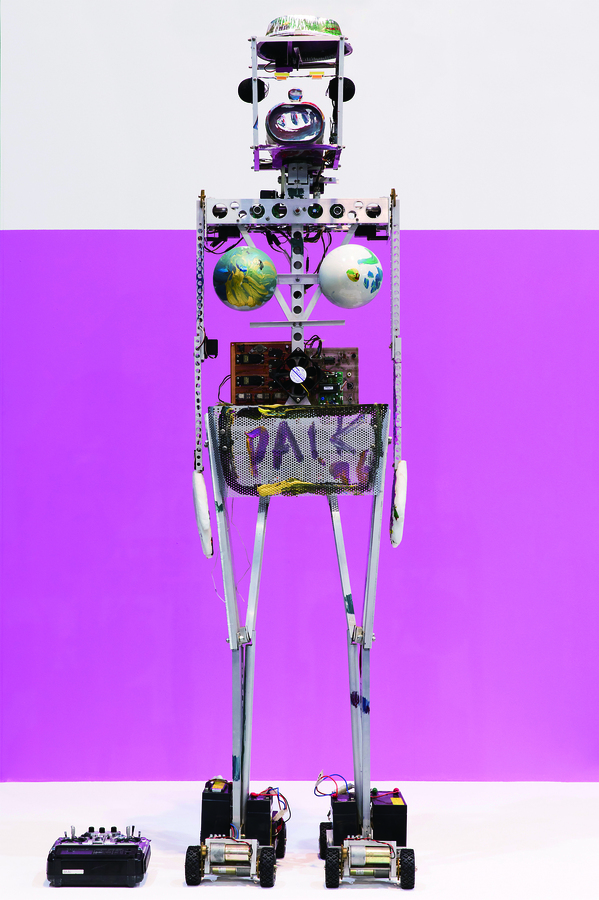
Nam June Paik, Robot K-456, 1964/1996, PCB, servomotor, sensor, amplifier, battery, remote controller, pan, steel structures, 185×70×55cm © Nam June Paik Art Center
The reborn Robot K-456
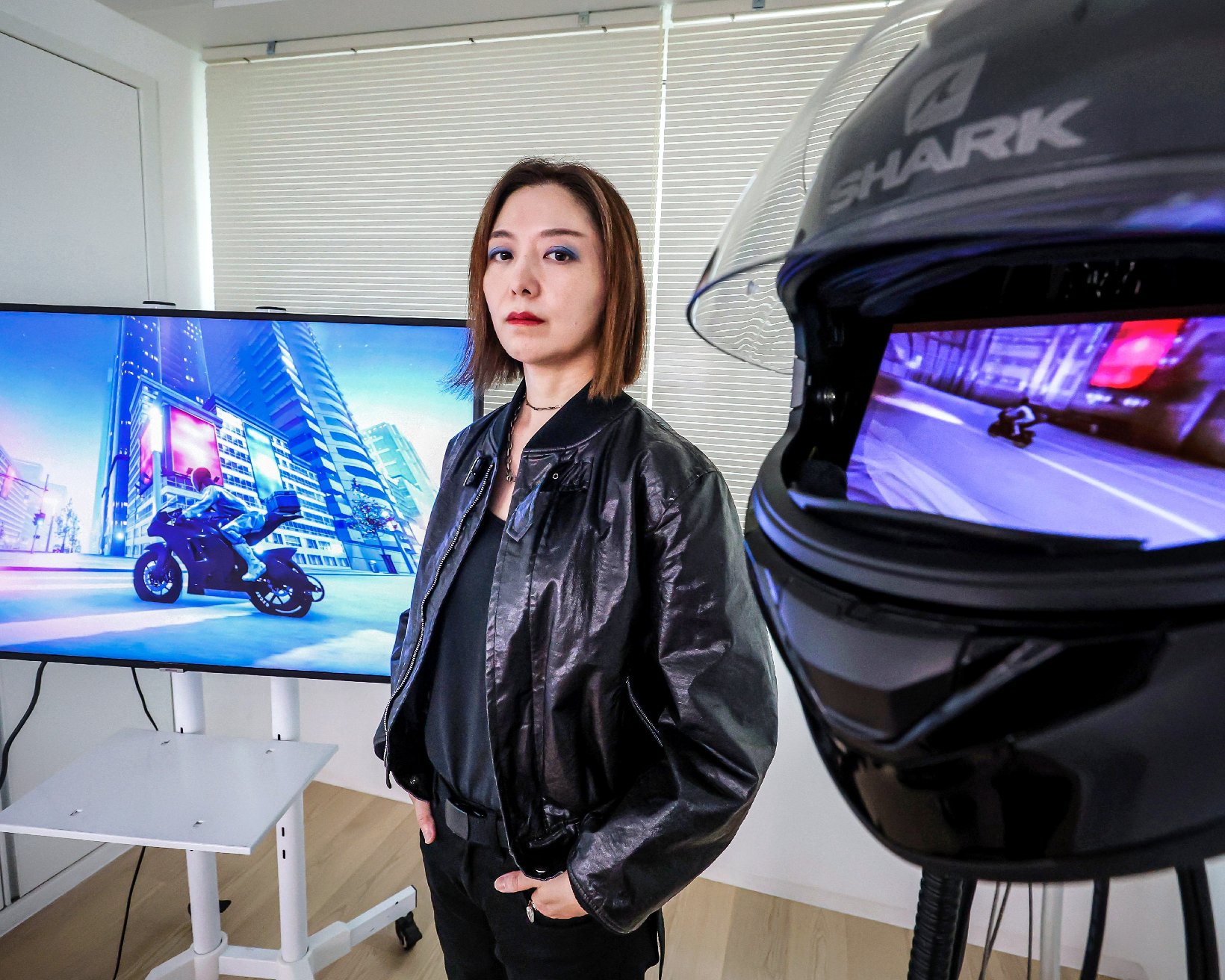
in 2026 came together with performances by two artists—Byungjun Kwon and Eunjun
Kim—who seek to carry forward Nam June Paik’s artistic spirit, creating a
special moment in which Paik’s art reconnects with contemporary sensibilities.
Park Nam Hee, Director of the Nam June Paik
Art Center, remarked, “At a time when technology is shaping sensibility beyond
knowledge, Paik’s art of experimentation and resistance invites us to reflect
on ontological insights into fragile and imperfect human beings, as well as on
coexistence with materiality.”
Commemorating the 20th anniversary of
Paik’s passing in 2026, she added that she hopes Paik’s art will “resonate as a
cosmic opera across time and space within these ‘re-energized circuits,’”
paying tribute to his legacy.