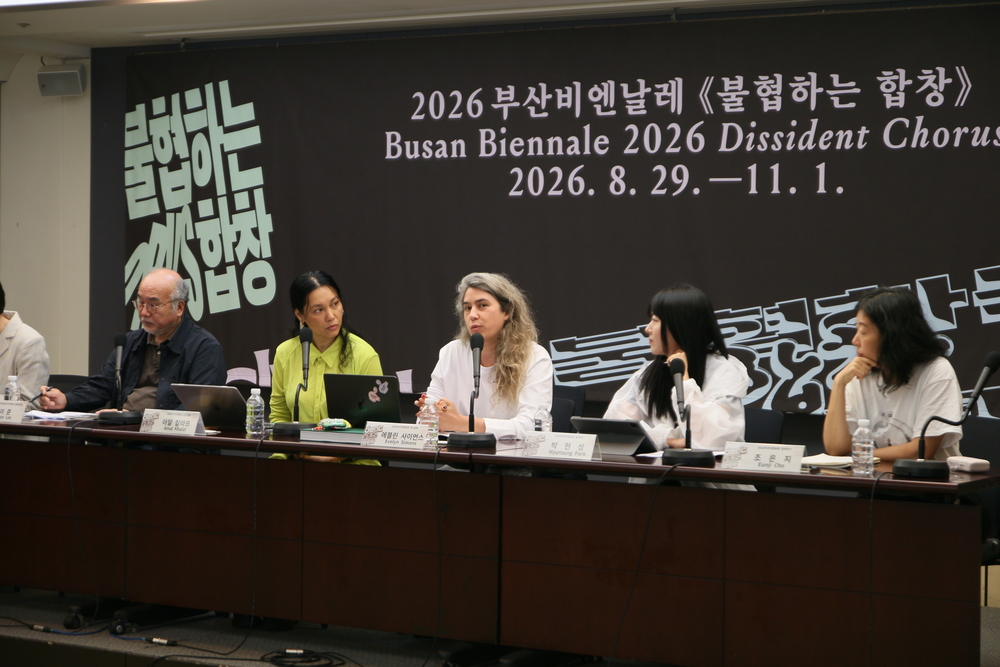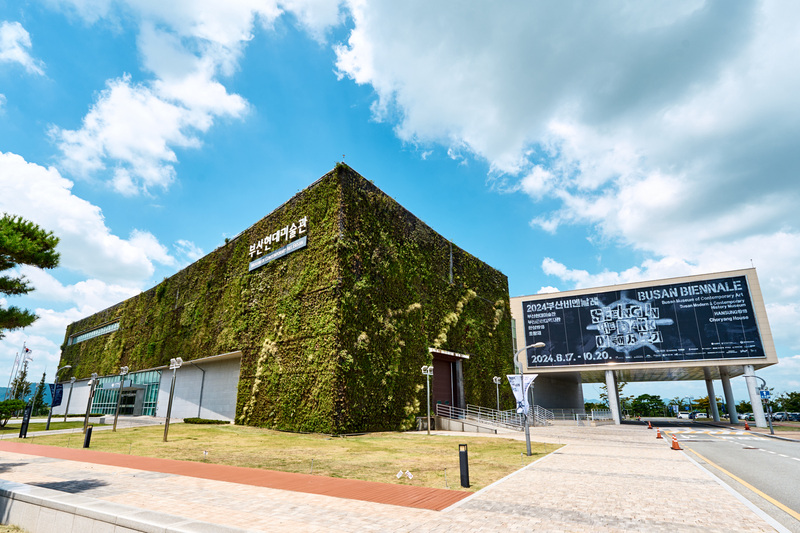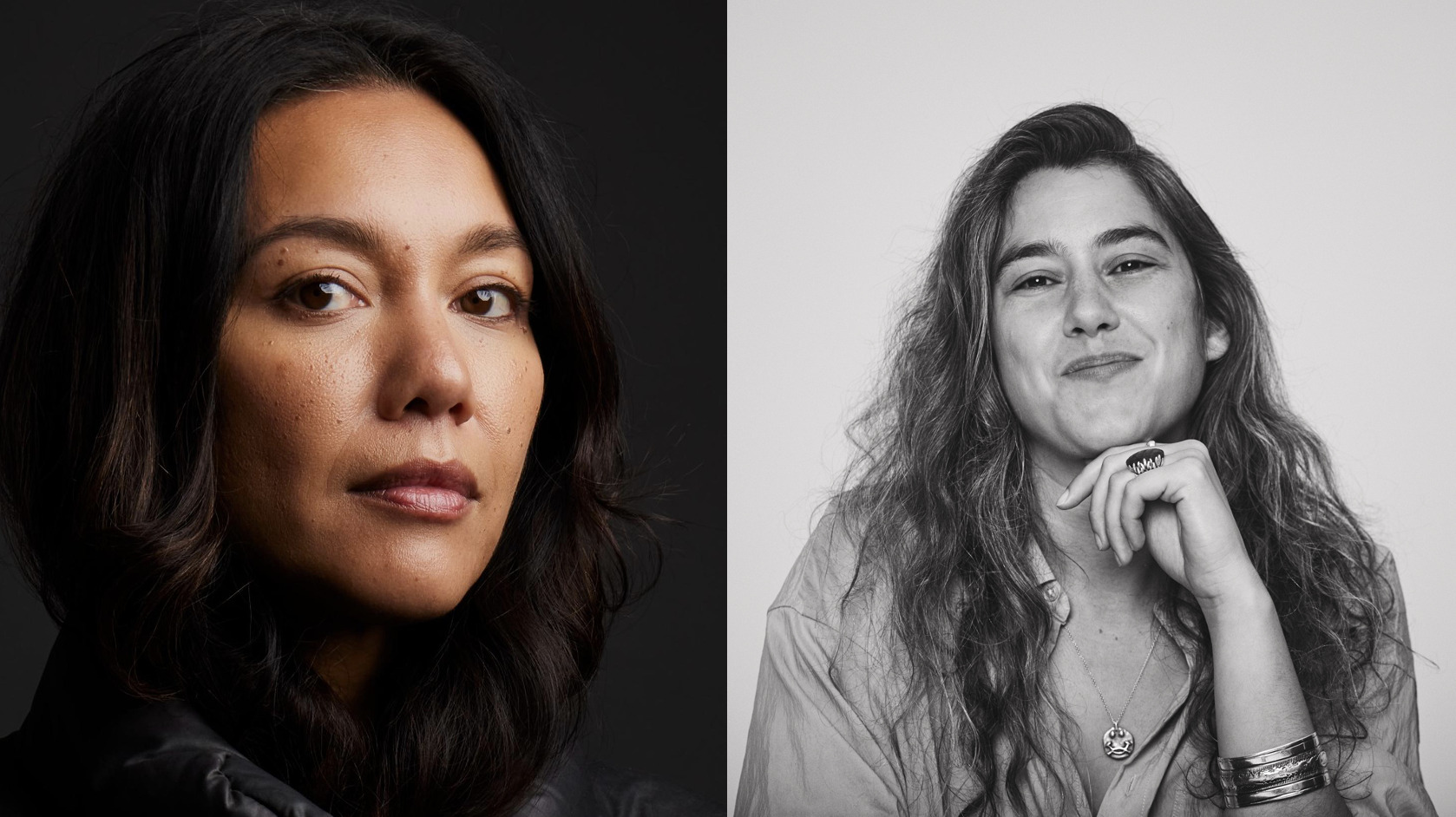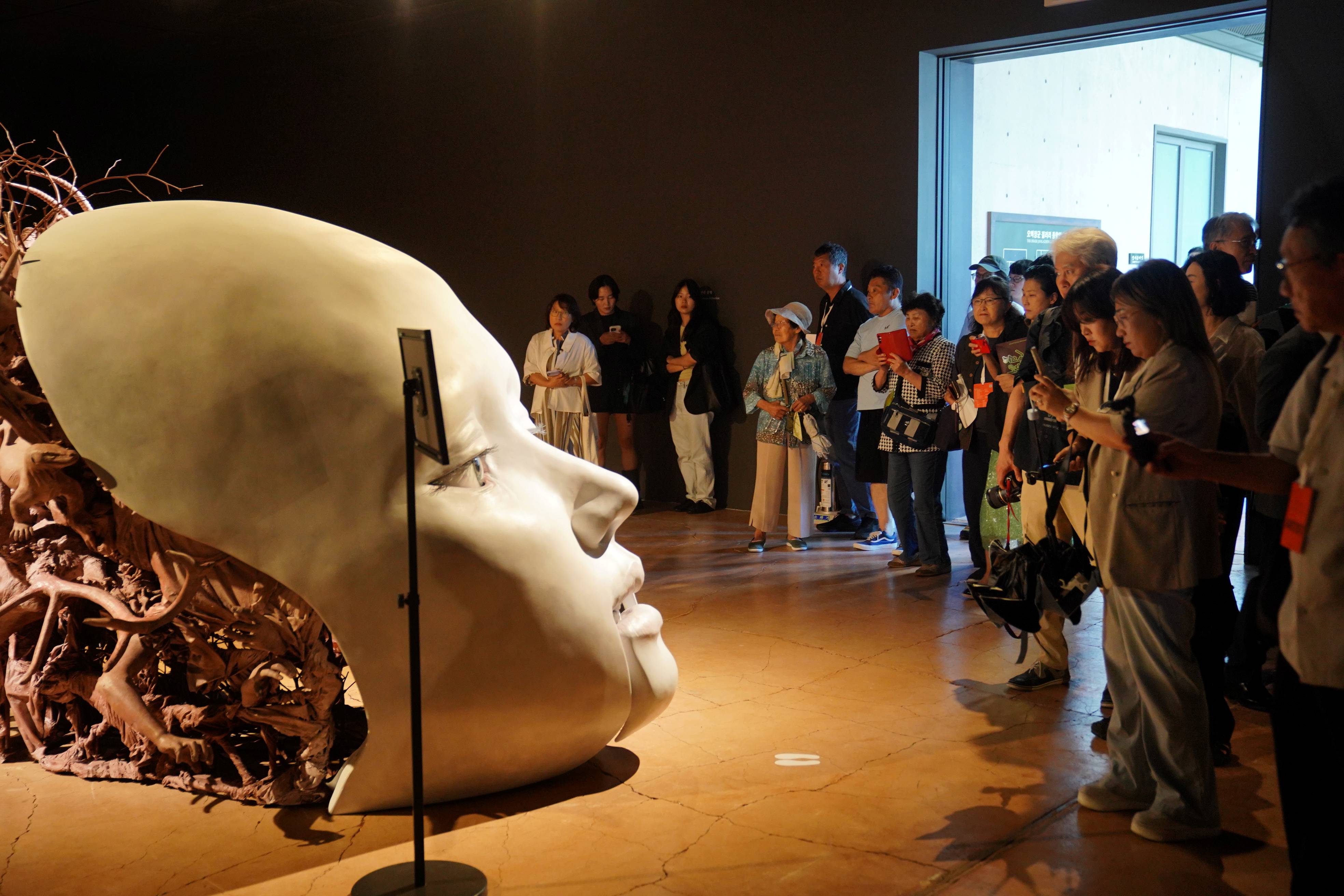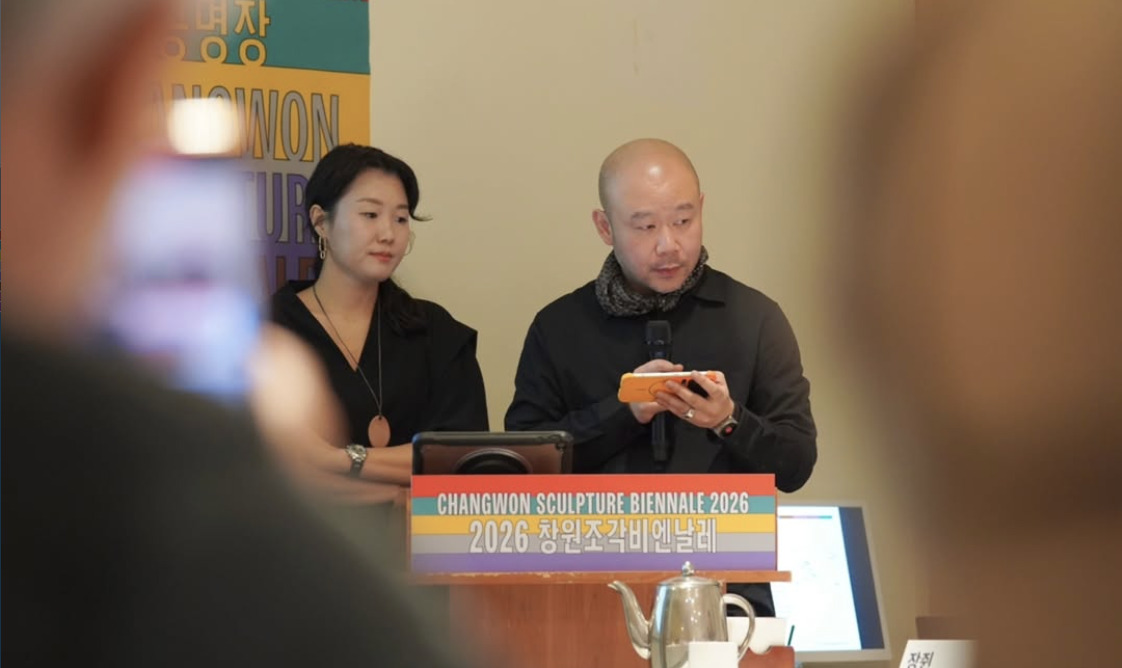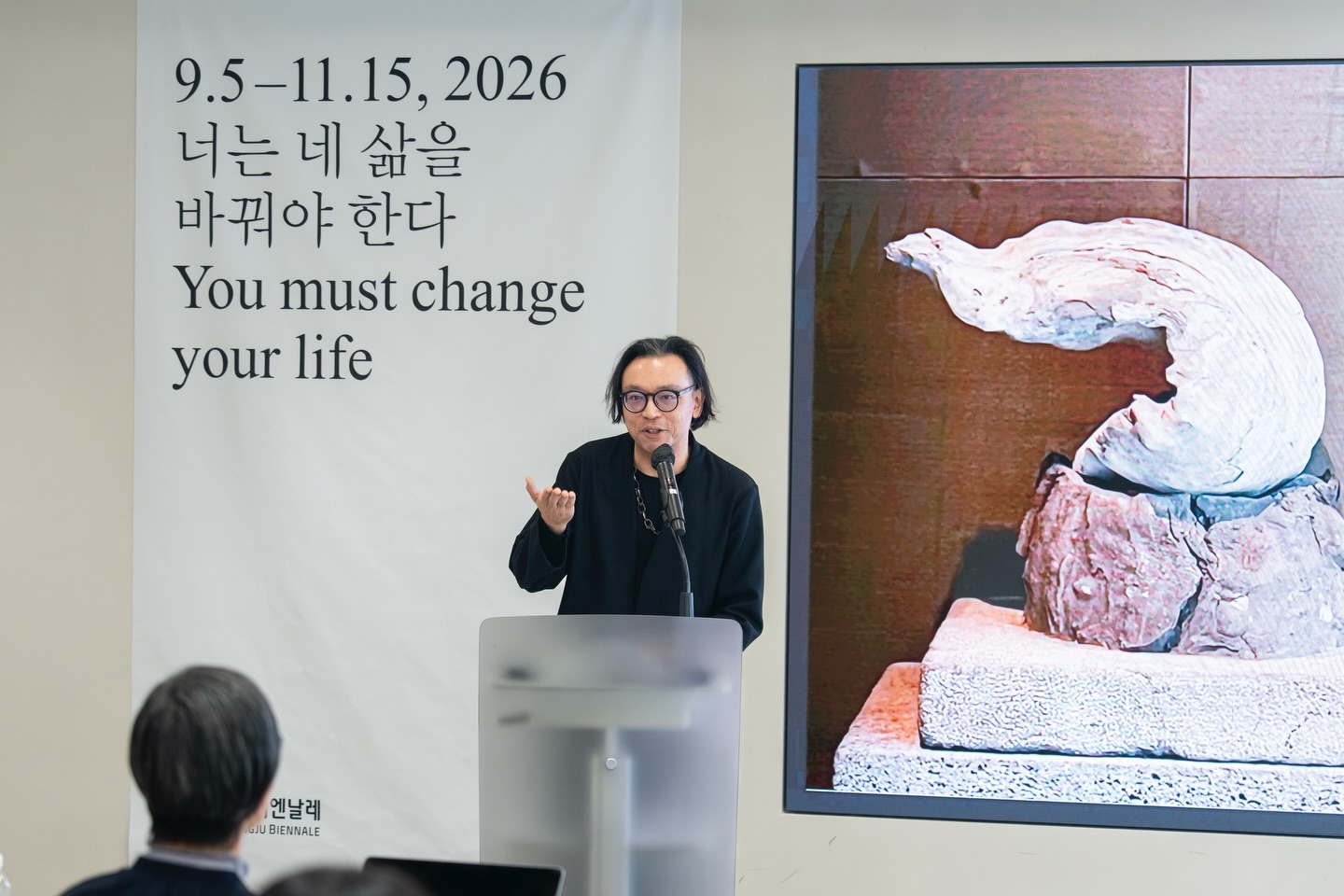

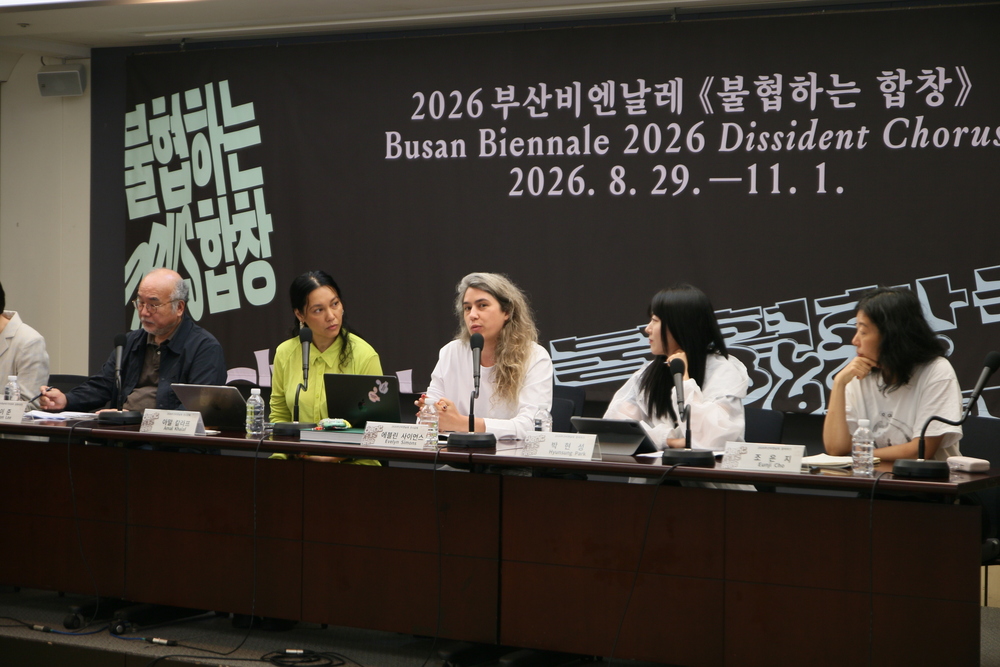
Press conference of 2026 Busan Biennale © Busan Biennale Organizing Committee
The Busan Biennale Organizing Committee
held a press briefing on May 27 to unveil the major curatorial framework for
the 2026 Busan Biennale, including 44 participating artists and collectives (47
individuals in total) from 23 countries, as well as the exhibition venues.
Led by co-artistic directors Evelyn Simons
and Amal Khalaf, the biennale will take place from August 29 to November 1
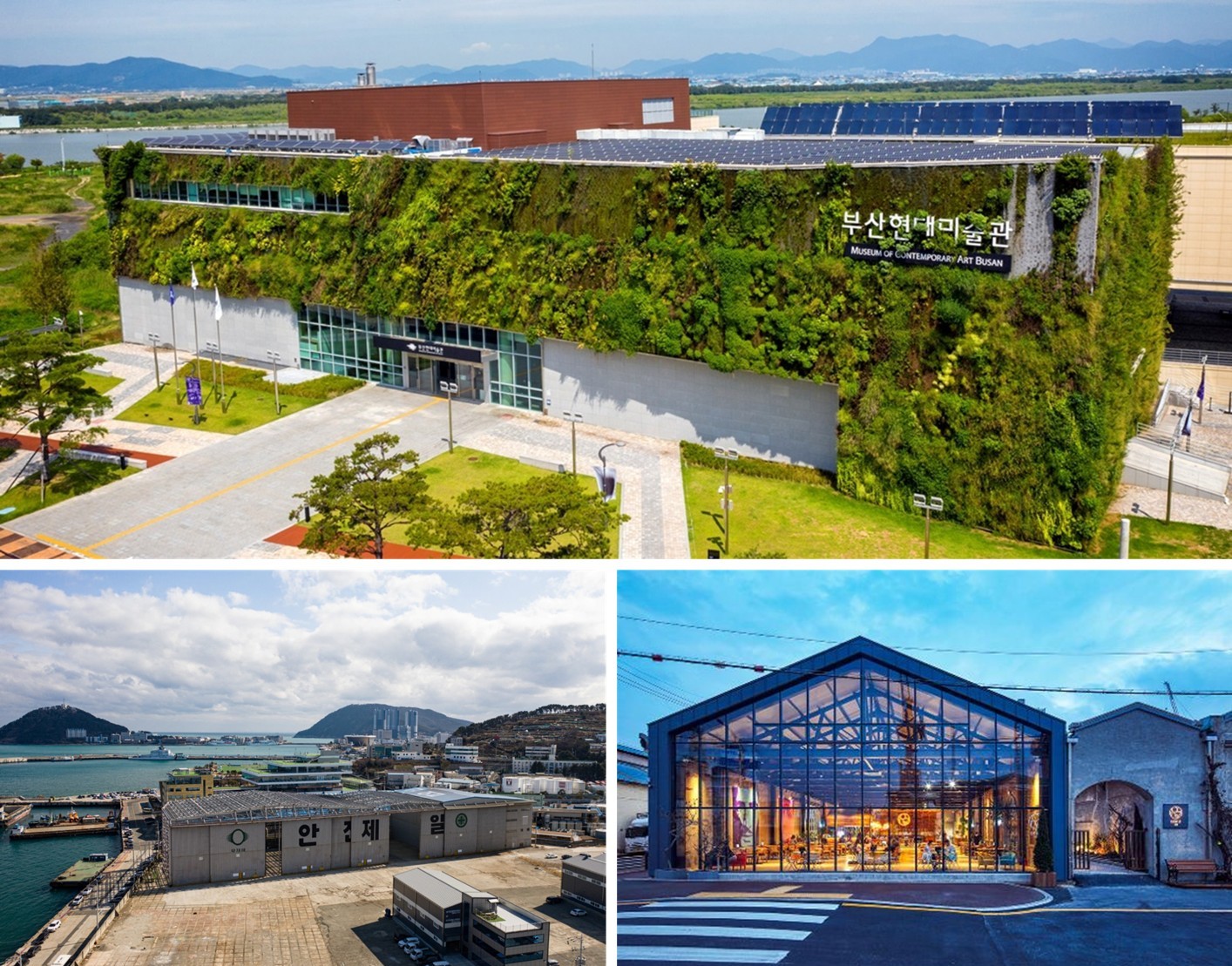
under the title 《Dissident Chorus》. The 65-day exhibition will unfold across Busan Museum of
Contemporary Art, Space Wonji, and the former Busan Nam High School.
One of the defining characteristics of the
2026 Busan Biennale is the strong presence of artists whose practices center on
collective forms such as sound, music, and performance.
Where previous biennales often focused
primarily on visual viewing experiences within exhibition spaces, 《Dissident Chorus》 is conceived as an
immersive environment in which visitors actively enter into the exhibition
through live performances, club culture, shared rhythms, and bodily movement.
With a large number of participating
artists working across the boundaries of visual art, music, choreography, DJ
culture, and social practice, the biennale notably attempts to transform the
exhibition space itself into a living collective stage.
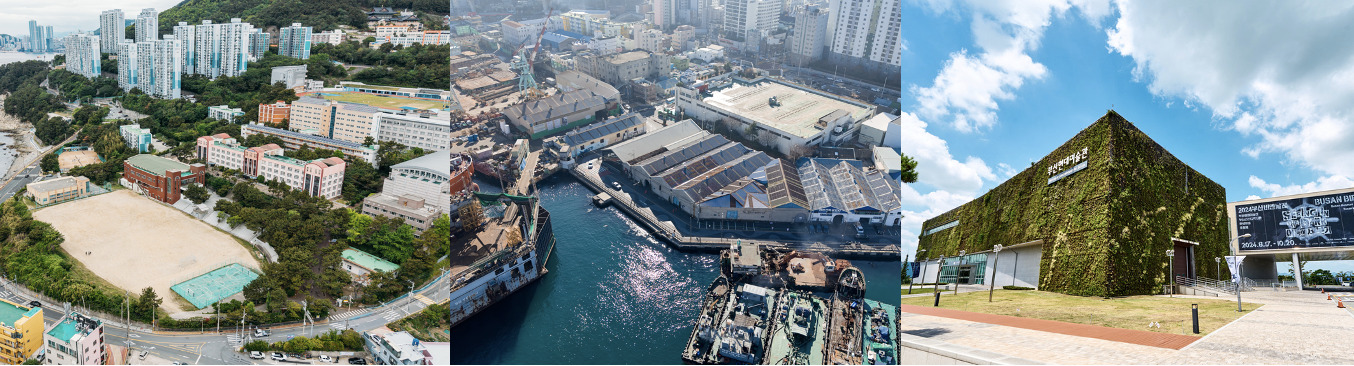
Exhibition venues for the 2026 Busan Biennale (from left: former Busan Nam High School, Space Wonji, and Busan Museum of Contemporary Art) © Busan Biennale Organizing Committee
Including the artists previously announced
in April, the 44 participating artists and collectives from 23 countries
presented this time together construct the multilayered narrative of 《Dissident Chorus》 through a wide range of
artistic practices.
Using sound as material, archiving bodily
movement and memory, and exploring forms of gathering and community, the
participants intersect the exhibition’s themes with the specificities of the
three venues through their own artistic languages. A final list of
participating artists — expected to include around seven additional artists or
collectives currently in the final stages of coordination — will also be
announced soon.
Meanwhile, following the release of the
final participant lineup, the Busan Biennale Organizing Committee plans to
sequentially unveil a range of related programs, including performances, sound
projects, and artist talks. In particular, live performances and music programs
will continue both inside and outside the exhibition venues throughout the
biennale.
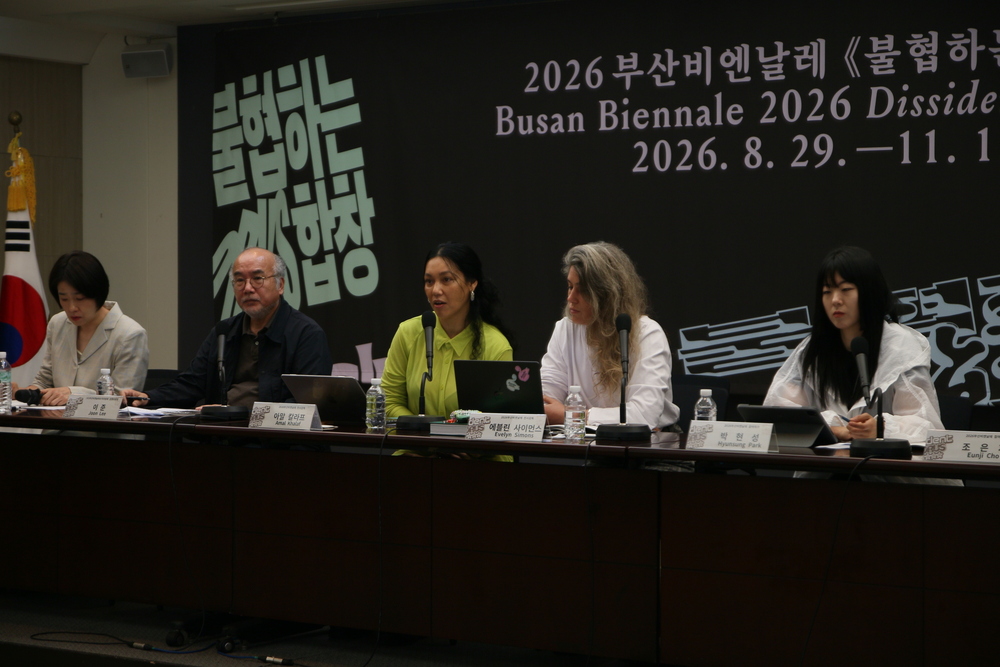
Press conference of 2026 Busan Biennale © Busan Biennale Organizing Committee
Co-artistic directors Evelyn Simons and
Amal Khalaf stated, “We hope this biennale will offer visitors a moment to slow
down, remain together, and sense one another’s presence.”
They continued, “In today’s world,
saturated with extractive images, violent language, and surveillance, we hope
to step back from the purely visual and instead attune ourselves to sound,
bodily sensation, poetic experience, and things that are not easily captured or
revealed. We hope audiences will allow themselves to be generously embraced by
the works, sharing experiences of comfort, resistance, and solidarity
together.”
Participating Artists of the 2026
Busan Biennale
Suki Seokyeong Kang, Guely Morató Loredo,
Sungeun Kim, Natasha Tontey, Dew Kim, Lara Ögel, Lala Rukh, Luiz Roque, Sungsil
Ryu, Moe Satt, Mira Mann, The House of Korean Protest Songs, Hyunsung Park,
Heaven Baek, Bhenji Ra, Brahim Tall, Shuang Li, Aliaskar Abarkas, Alison
Nguyen, Yazan Khalili, Jantsankhorol Erdenebayar, Ursula K. Le Guin, Éric
Baudelaire, Ultra-red, Umi Ishihara, Nkisi, Lee Dong-Keun, Minouk Lim, Zahra
Malkani, Sojung Jun, Joshua Serafin, Joar Songcuya, Eunji Cho, Jota Mombaça,
Julian Abraham “Togar”, Julien Creuzet, Kamala Ibrahim Ishag, Tanat
Teeradakorn, Tai Shani, Tianzhuo Chen, Tom Hallet, Fatima Kaleem Khan, R.I.P.
Germain, and 5D (Sammy Lee, Mark Lowe, Sarah Shin).