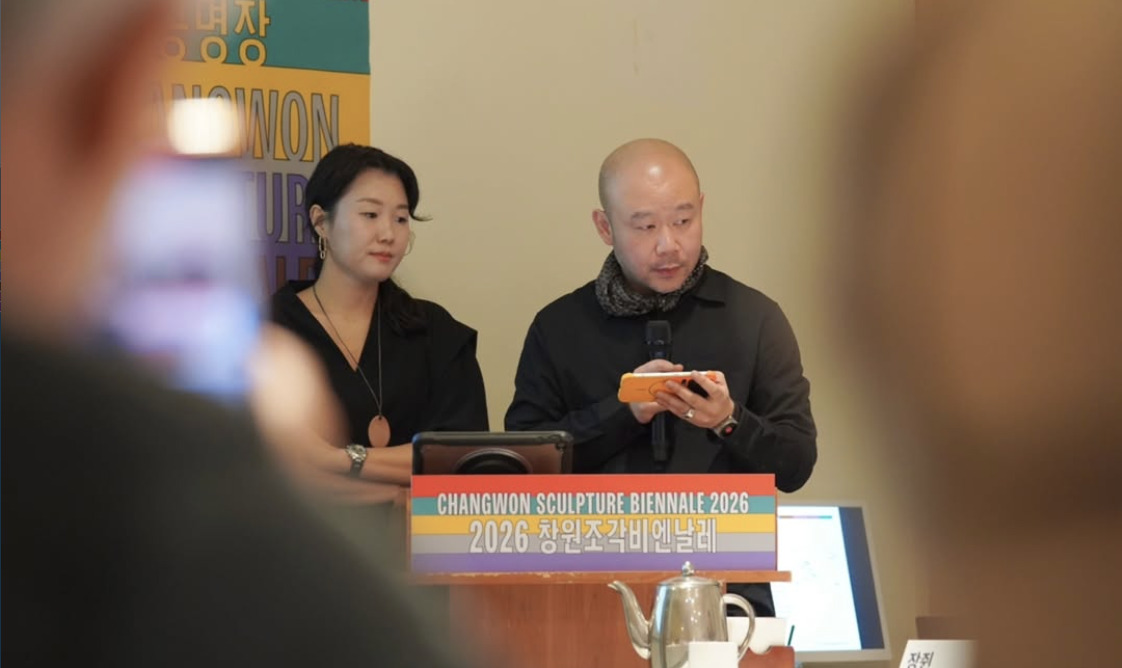

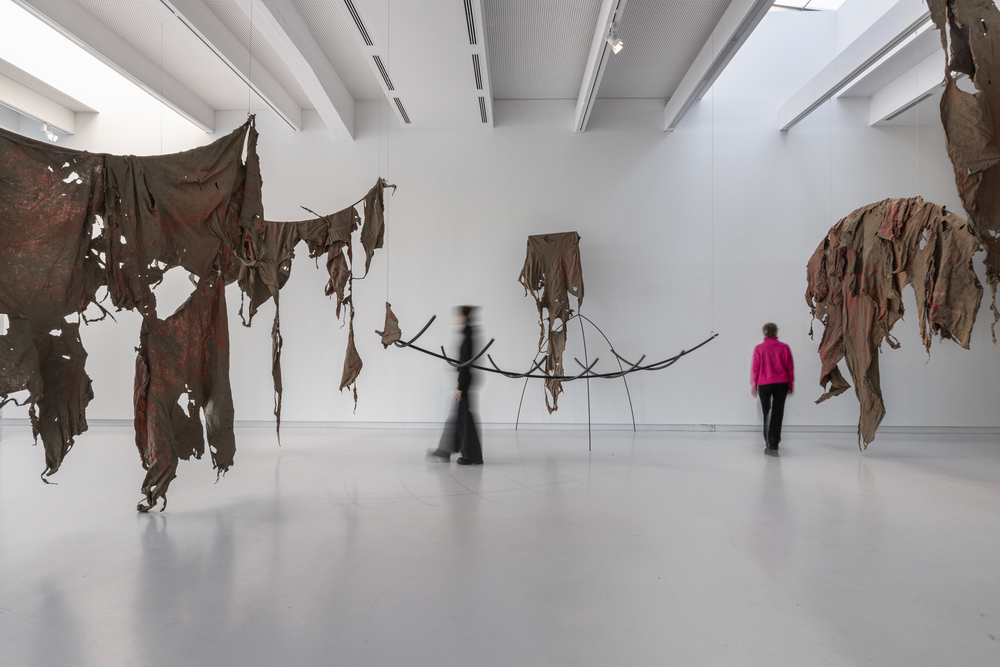
Jota Mombaça, GHOST 7 (#1 - #7): FRENCH HISTORICAL MALADIE, 2023, linen, iron bars, Exhibtion view, FRAC des Pays de la Loire, Carquefou, France. © Busan Biennale Organizing Committee
The
Busan Biennale Organizing Committee has unveiled the outline of the Busan
Biennale 2026 by pre-releasing its main exhibition venues and a selection of
participating artists.
The
initial list of artists includes figures who represent key currents in
contemporary Korean art, alongside internationally recognized practitioners who
have garnered significant attention on the global stage.
Dew
Kim explores the intersections of seemingly disparate elements—such
as religion, fandom, K-pop, and BDSM—developing a practice that exposes and
dismantles social norms and power structures. This approach closely resonates
with the exhibition’s thematic focus on voices, experiences, and subjectivities
that resist easy reconciliation.
Tai
Shani, a co-recipient of the 2019 Turner Prize, will also
participate. Drawing on mythological imagination, science fiction, and feminist
aesthetics, Shani has consistently challenged established orders; in this
exhibition, she is expected to present immersive works in which sensation and
voice are intricately interwoven.
Brazilian
artist Jota Mombaça engages language and sound as primary
mediums to explore opacity, resistance, and anti-colonial imaginaries,
questioning dominant anthropocentric perspectives. For this exhibition, Mombaça
will collaborate with music producer Anti Ribeiro to create an auditory
environment where human and non-human voices resonate together through
underwater acoustics and collective vocalization.
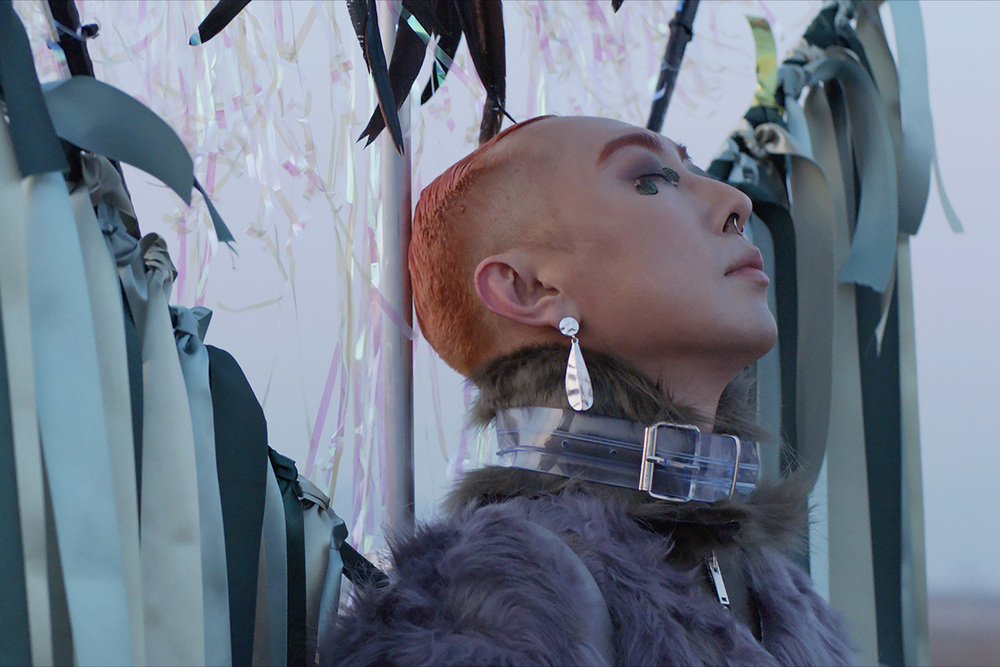
Dew Kim, Kiss of Chaos, 2020, single channel video, 4min. 18sec. © Busan Biennale Organizing Committee
Representing
the French Pavilion at the 2024 Venice Biennale, Julien
Creuzet draws on the histories and sensibilities of the Caribbean to
explore themes of the sea, migration, and identity through immersive
installations. His new site-specific work for this exhibition is expected to
enter into a close dialogue with Busan’s layered context—where urban, maritime,
and migratory histories converge—thereby shaping a distinctive rhythm within
the show.
Also
participating is Nkisi, a Congolese-Belgian artist whose
practice engages music and sound. By investigating phonographic archives, Nkisi
presents works that question the colonial dynamics embedded in the recording
and preservation of sound.
The
lineup further includes Australian artist Bhenji Ra, who
will present a video work, and Tanat Teeradakorn, whose
practice calls forth the reverberations of erased or silenced voices while
interrogating the politics of sound and state propaganda.
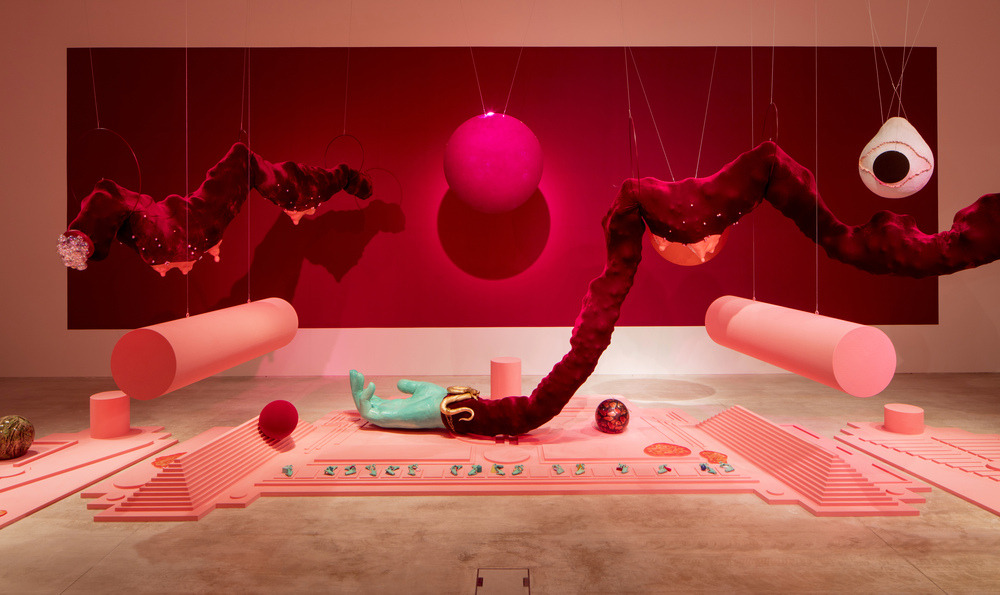
Tai Shani, DC Semiramis, 2019. Installation view, Turner Prize 2019 at Turner Contemporary. Courtesy of the artist (Photo: David Levene). © Busan Biennale Organizing Committee
Meanwhile,
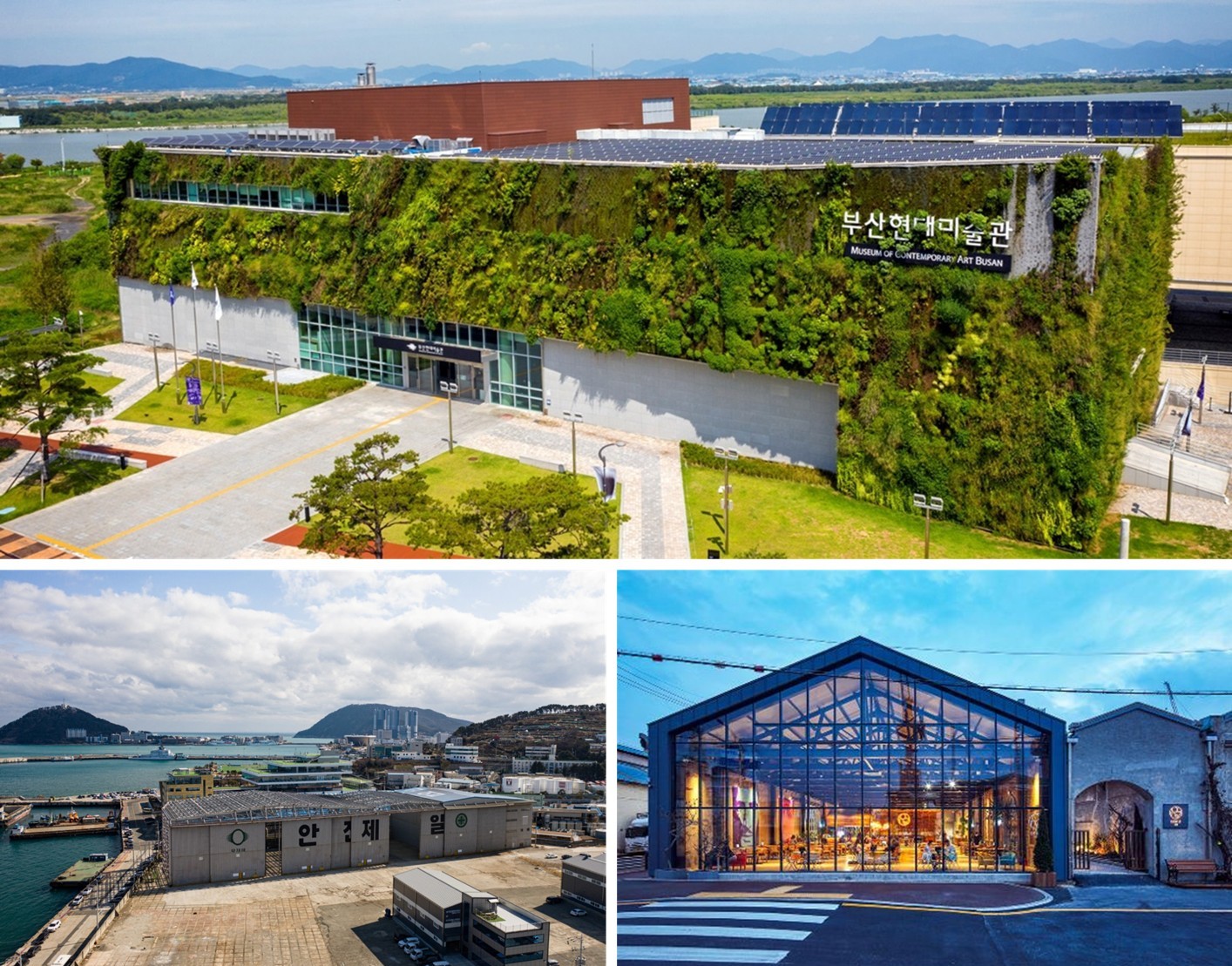
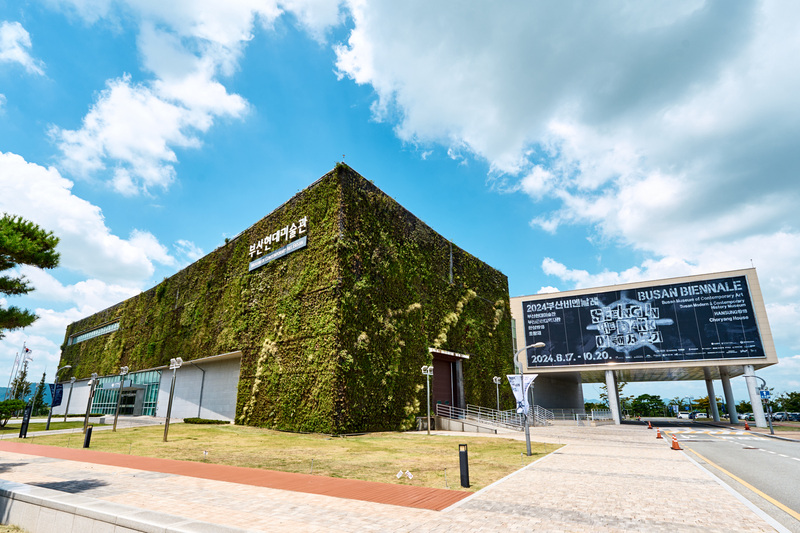
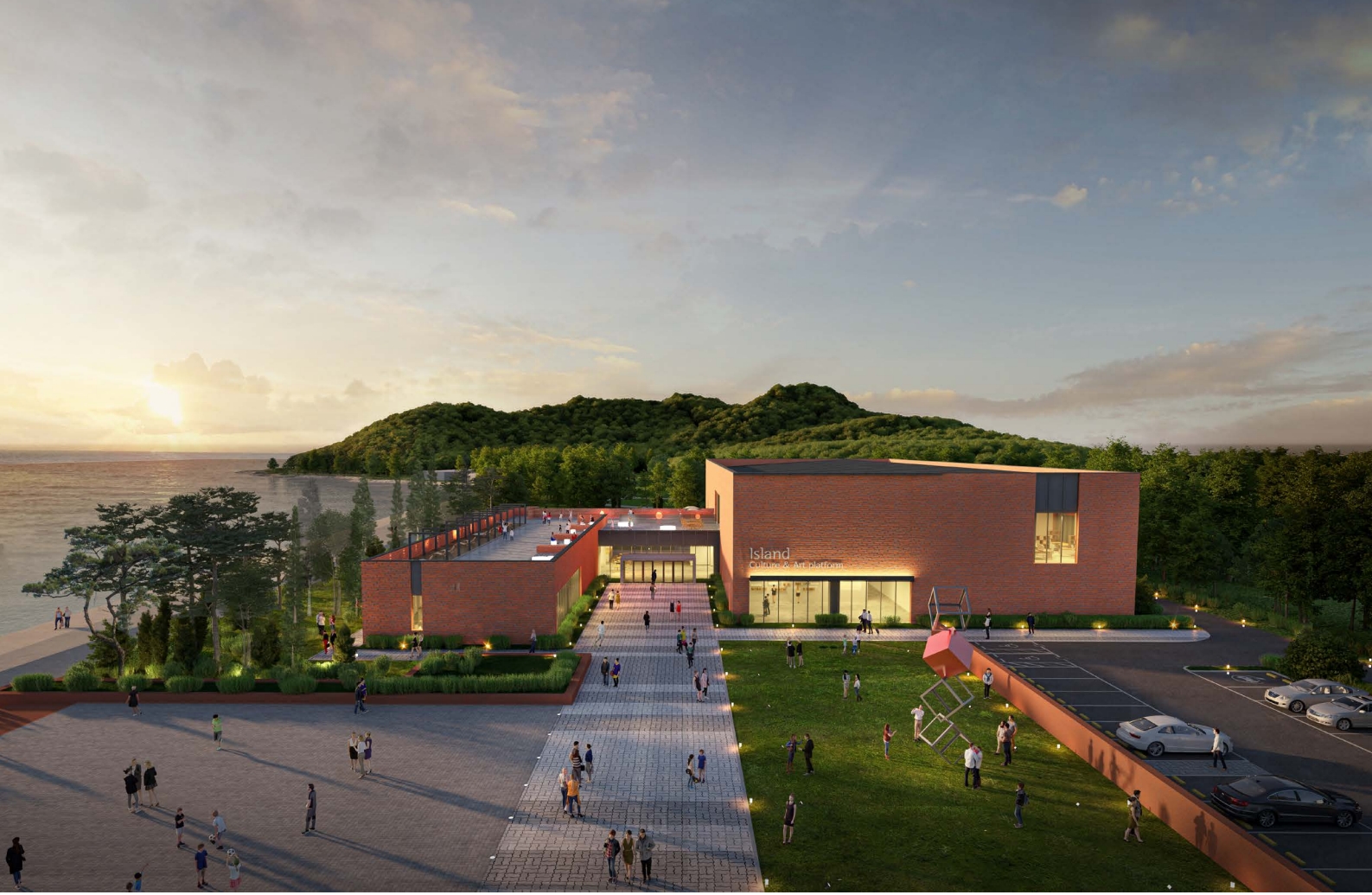
the exhibition will take place across three venues, centered on the Busan
Museum of Contemporary Art and extending to the former Busan Nam High School
and Space Wonji in Yeongdo. Yeongdo is a key area representing Busan’s old
downtown, where histories of refuge, migration, and settlement have accumulated
around its port and shipbuilding industries.
The
former Busan Nam High School, established in 1955, served as a site where the
voices and daily rhythms of students gathered for nearly 70 years, until its
final graduating class this February. This marks the first time the Busan
Biennale has repurposed a vacated school building as an exhibition venue. Such
an approach reveals the layered transformations of the city while offering a
particularly dense cross-section of contemporary Busan.
Now
functioning as a multidisciplinary cultural space, Space Wonji is an industrial
heritage site that retains traces of its past as a ship supply warehouse.
Within the ceaseless flow of goods and people that once defined the port, it
became a site where movement, exchange, and collective labor accumulated over
time. Today, it continues to operate as a space where diverse narratives,
rhythms, and sensibilities intersect.
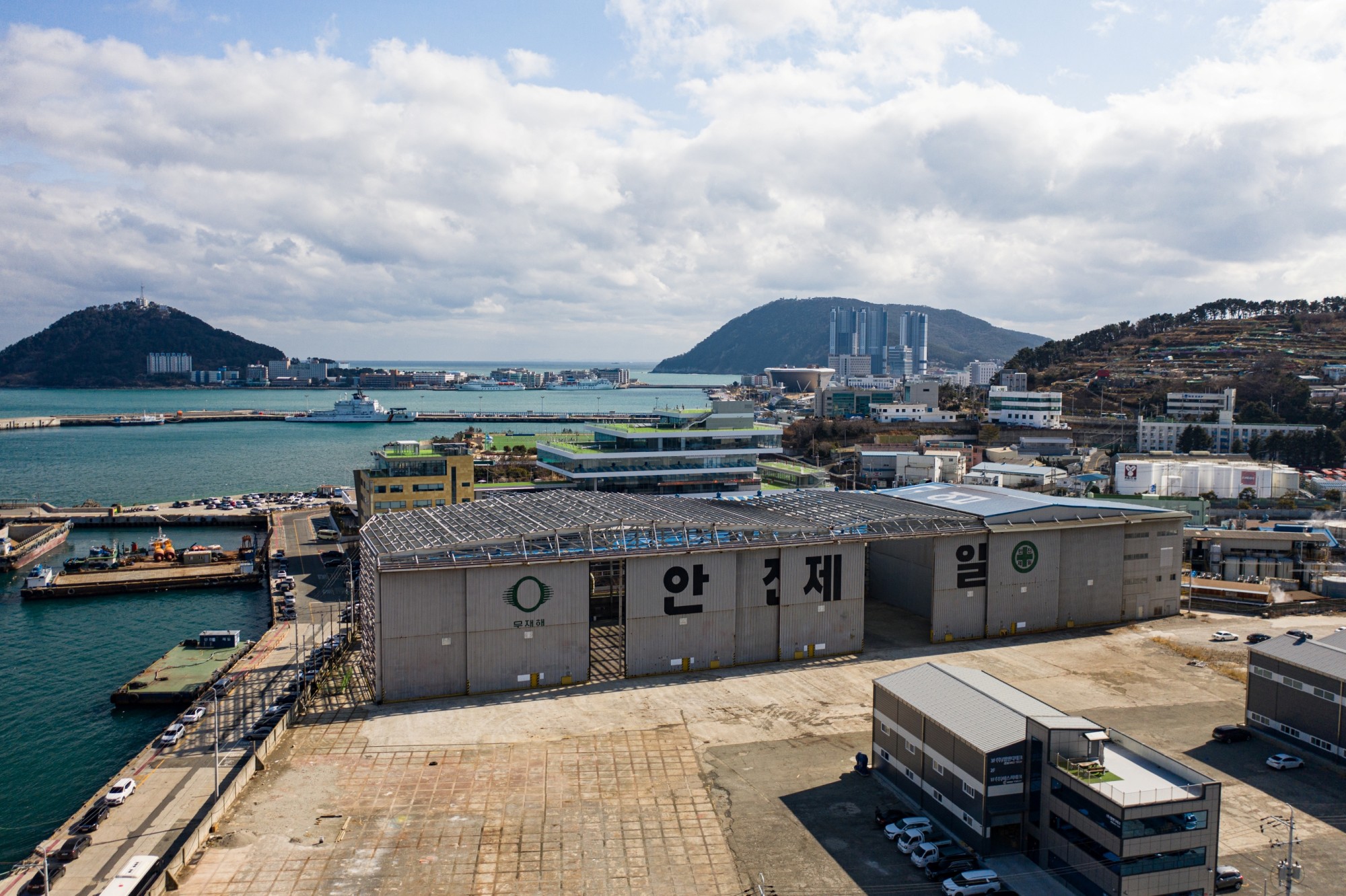
View of Yeongdo District, Busan © Busan Biennale Organizing Committee
The
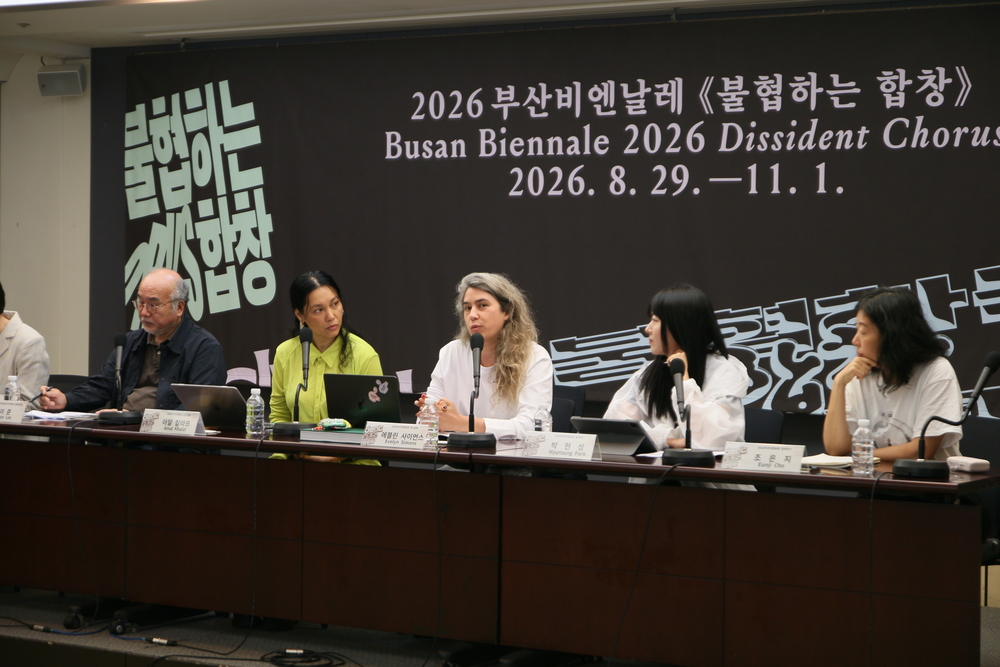
Busan Biennale 2026, 《Dissident Chorus》, envisions not a choir in which countless voices converge into a
single unified sound, but one that imagines newly produced resonances.
This
pre-release offers a first glimpse into how this curatorial concept moves
beyond an abstract proposition and takes concrete form through the interplay of
sites and artists. The organizing committee plans to sequentially announce the
full list of participating artists and detailed exhibition programs, gradually
revealing how the exhibition unfolds and expands throughout the city of Busan.
Pre-announced
Participating Artists
Suki
Seokyeong Kang, Dew Kim, Bhenji Ra, Shuang Li, Nkisi, Minouk Lim, Joar
Songcuya, Jota Mombaça, Julian Abraham “Togar,” Julien Creuzet, Tanat
Teeradakorn, Tai Shani, R.I.P. Germain