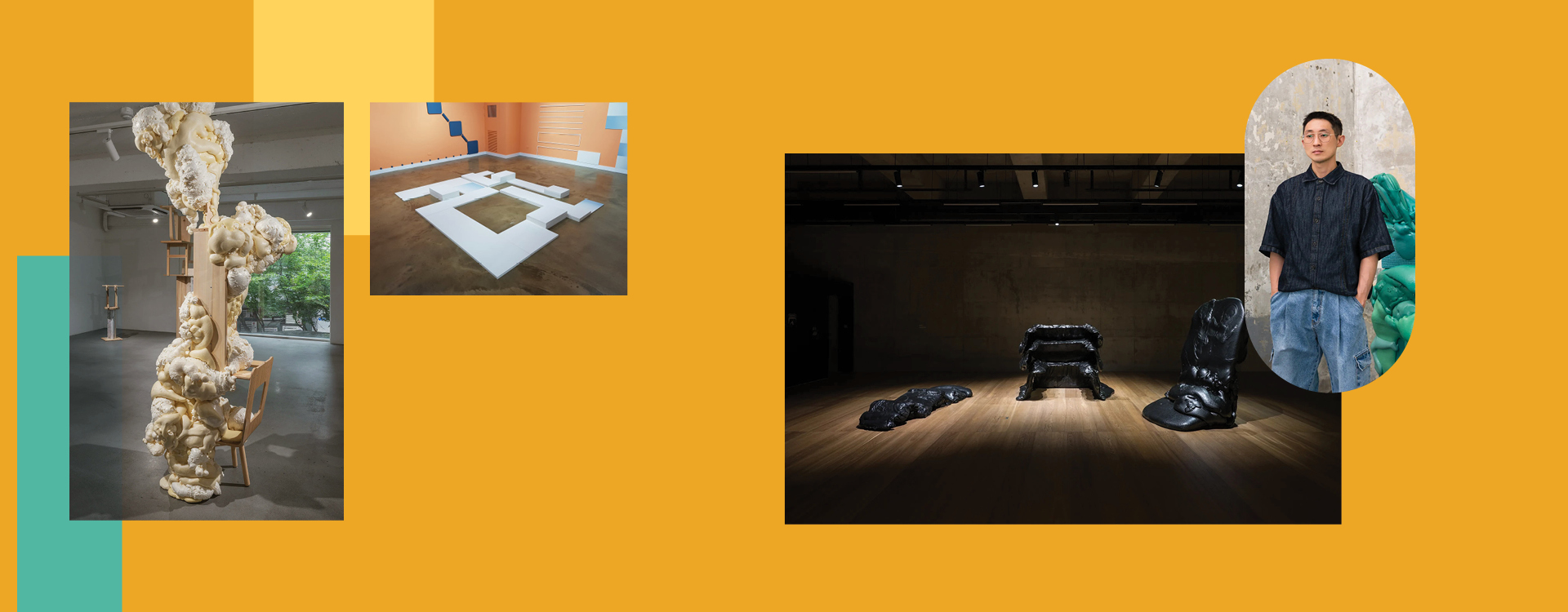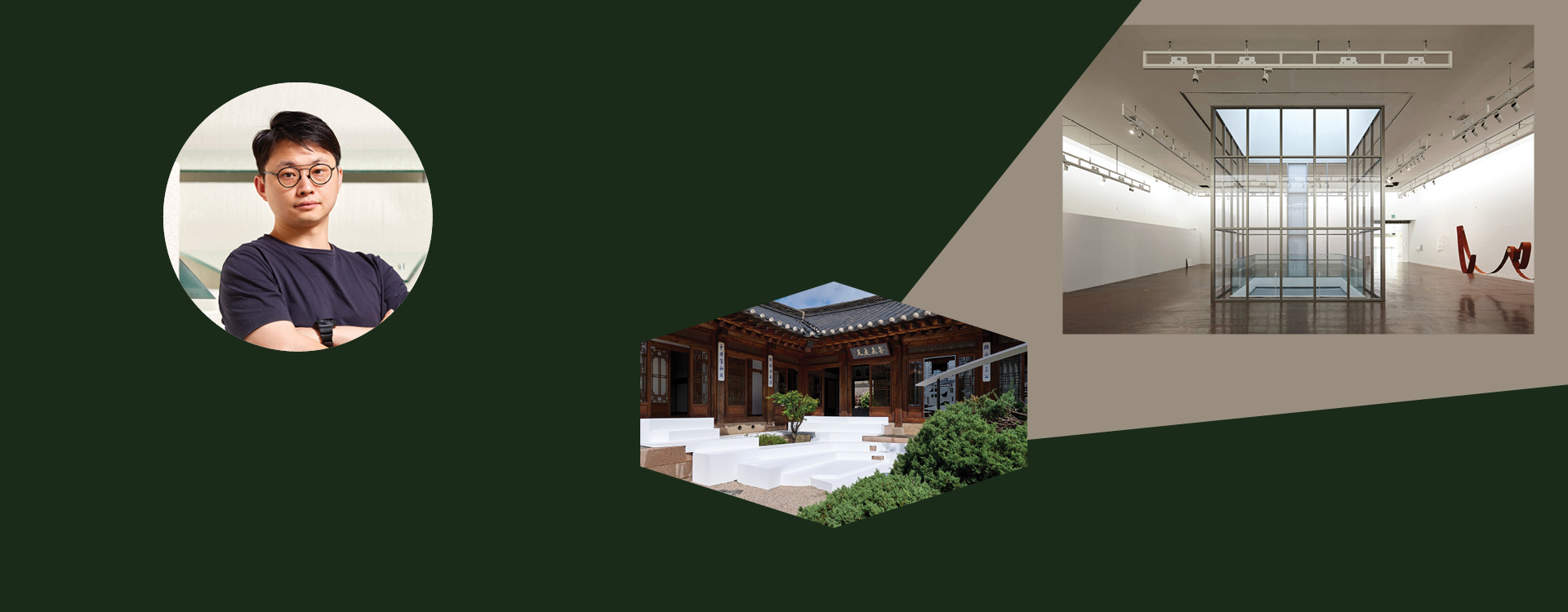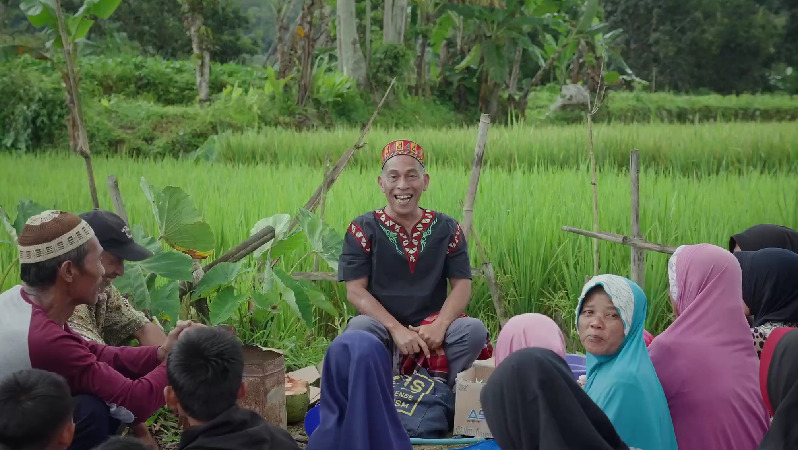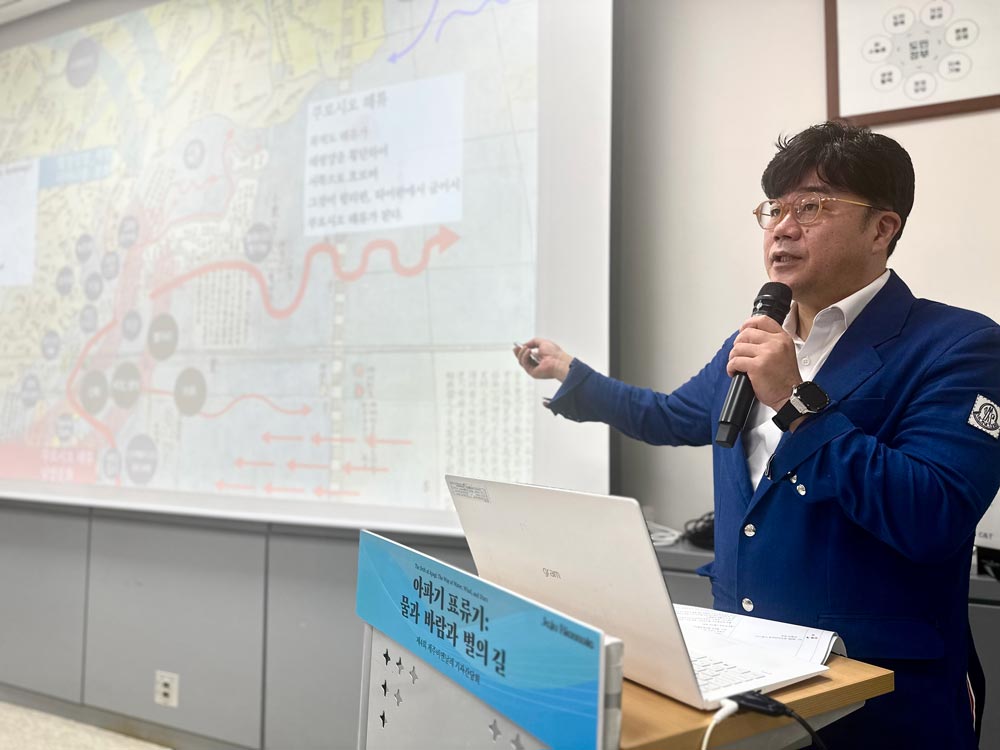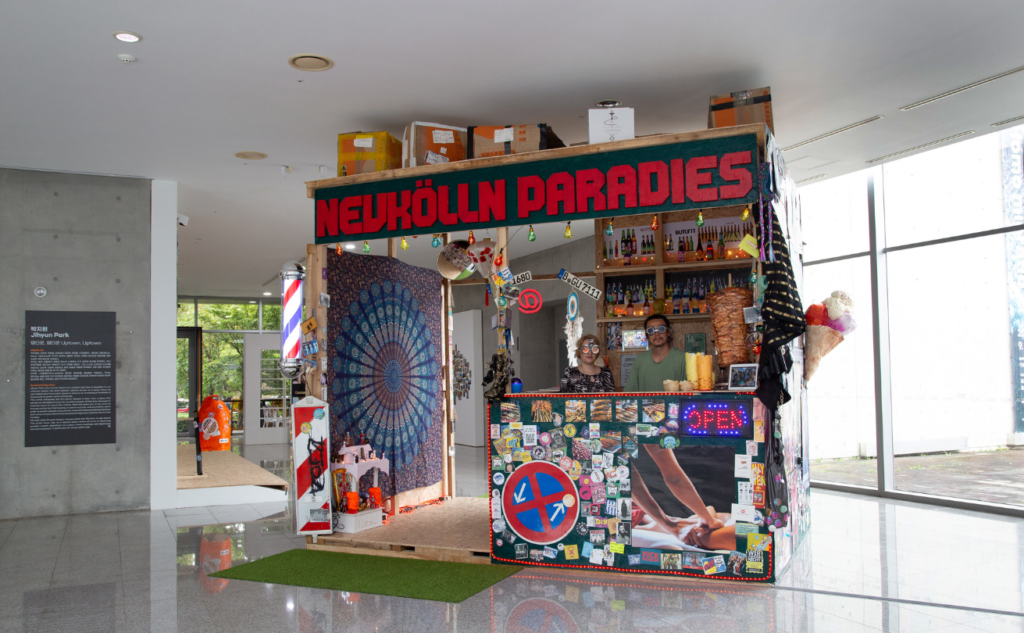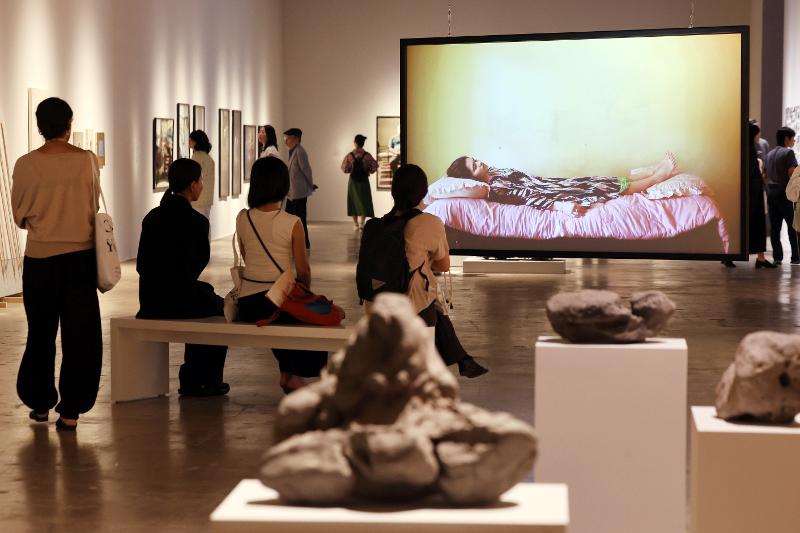

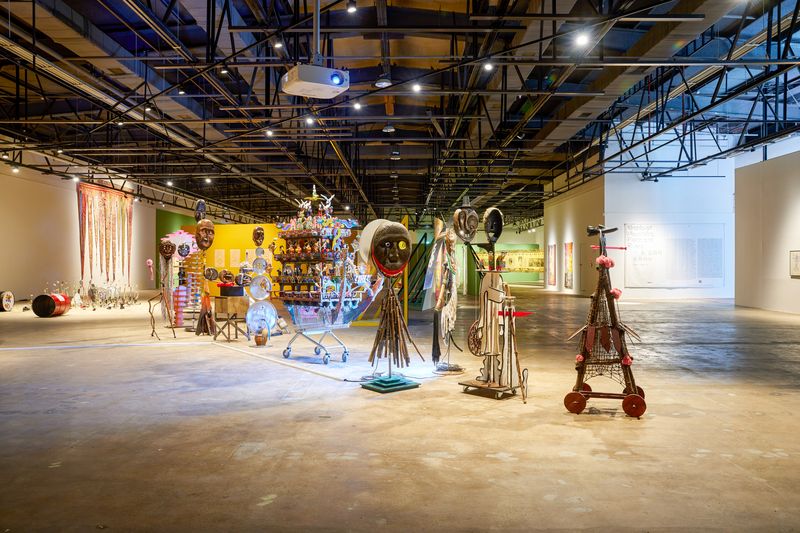
Sangdon Kim, March, 2021 © Jeju Museum of Art
The Jeju
Museum of Art is set to open a spectacular new chapter in an artistic festival
where leading figures of contemporary art from around the world intersect with
the nature and history of Jeju.
The
museum has announced the final list of participating artists for the 2026 5th
Jeju Biennale, which will open on August 25.
This
edition of the Biennale will bring together 69 artists and artist groups from
21 countries, presenting a diverse panorama of contemporary artistic practices
from across the globe.
Notably,
approximately 30 percent of the participating artists are from Jeju, reflecting
the Biennale’s commitment to weaving locally rooted perspectives together with
international concerns and discourses.
Artists
from a wide range of generations and regions will also take part, offering
multilayered interpretations of contemporary issues through the unique cultural
context of Jeju.
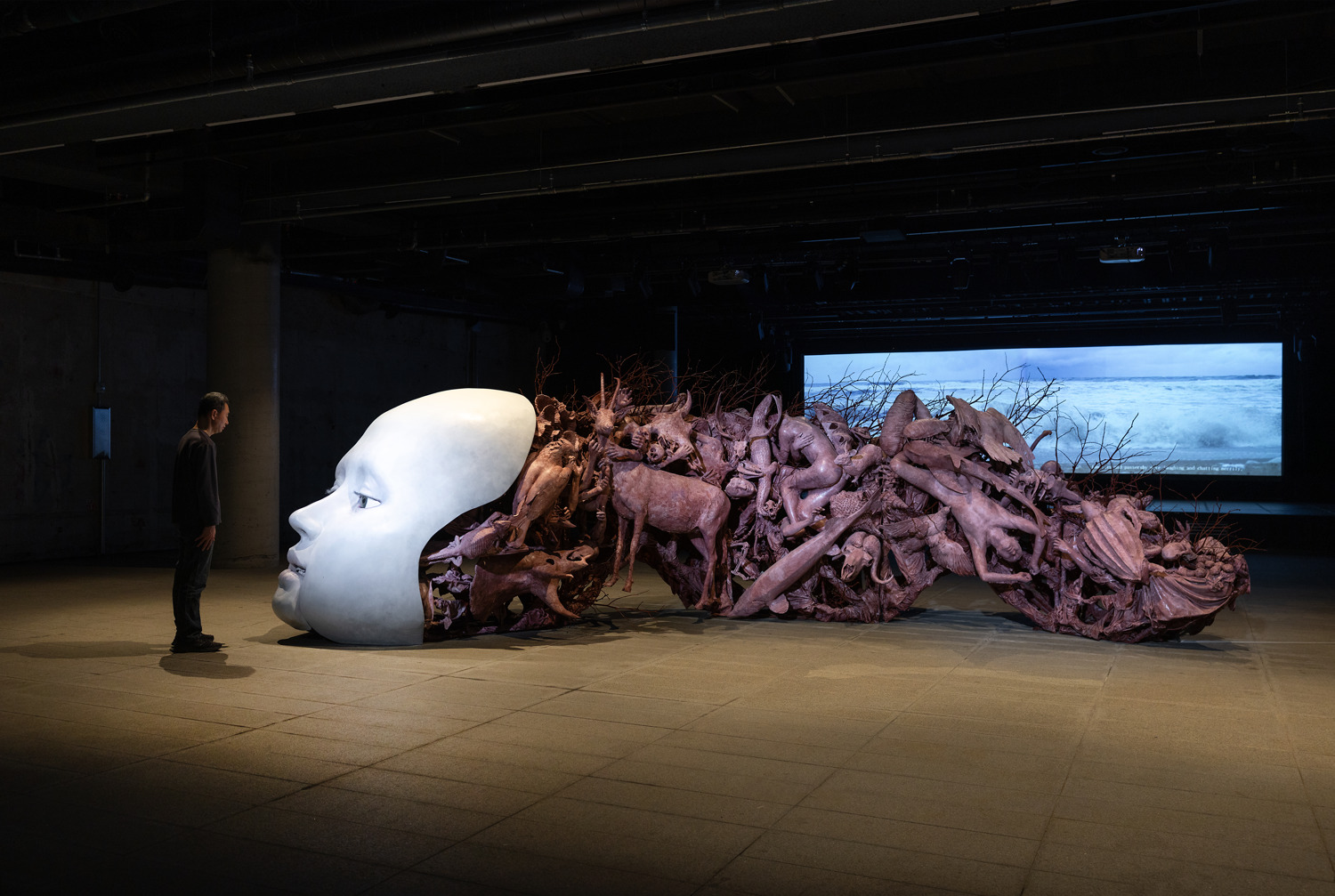
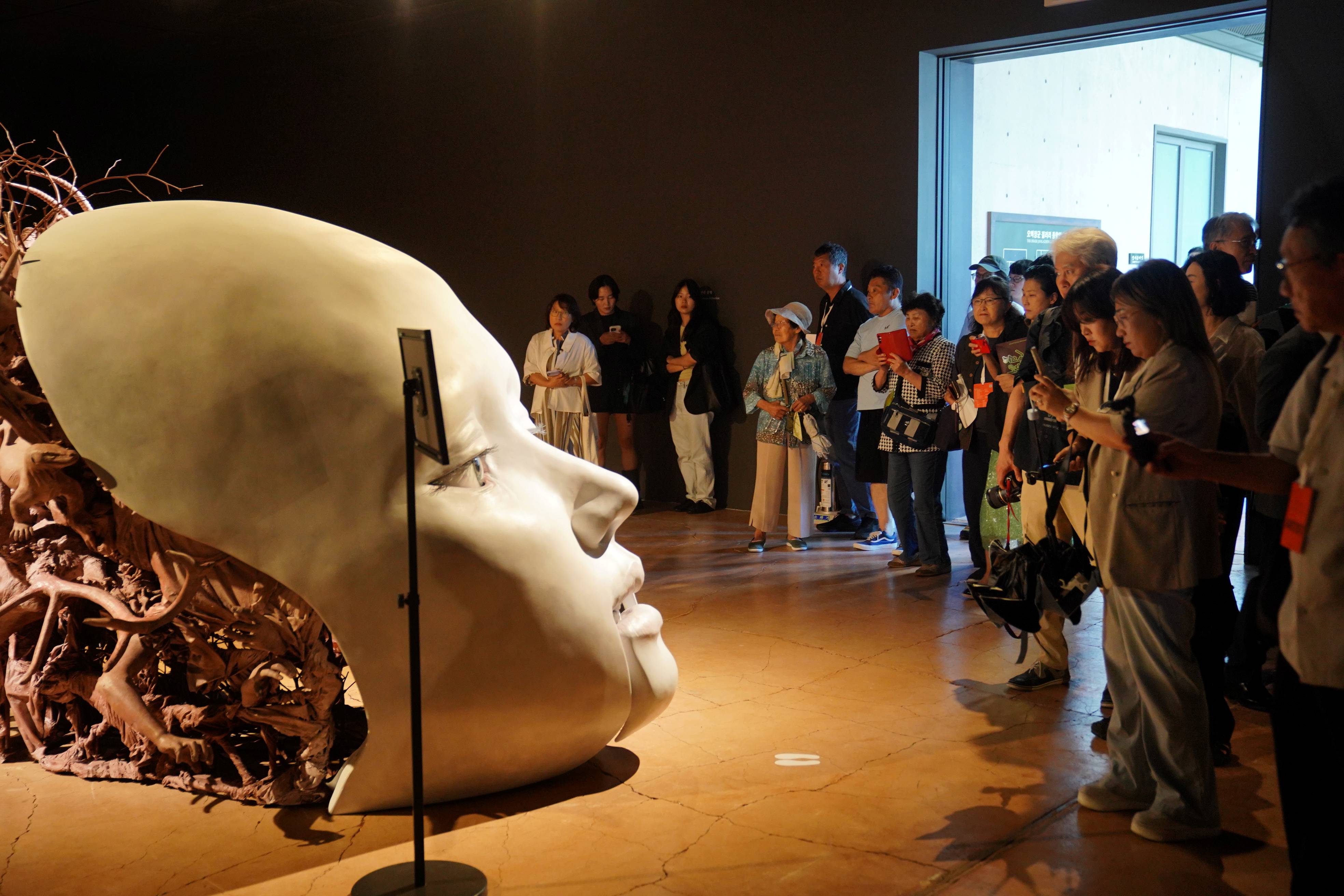
Jinah Roh, Evolutionary Chimera GAIA, 2024, Interactive bust using AI, PLA, steel, etc, 250x640x710cm © Jeju Museum of Art
This
edition of the Biennale brings together a broad spectrum of works, ranging from
masters who have shaped the history of Korean contemporary art to
internationally acclaimed contemporary artists.
Among
the participants are renowned figures of Korean art, including Lee Ufan, Yun
Hyong-keun, Lee Ungno, Suh Se Ok, and Theresa Hak Kyung Cha. They are joined by
internationally recognized artists such as Wael Shawky and Saodat Ismailova, as
well as leading Jeju-based artists including Byun Shi-Ji and Kang Yo-bae, whose
works illuminate the island’s distinct artistic identity.
The
Biennale also features artists from a wide range of cultural contexts,
including Ukraine, Canada, Japan, and Chile, introducing contemporary artistic
practices that are rarely encountered in Korea. Working across painting,
sculpture, installation, video, and other media, these artists will present
numerous new works responding to global issues such as historical violence and
the climate crisis.
In
addition, a dedicated Film Program will be presented at the Jeju Arts Platform,
featuring internationally acclaimed filmmakers and moving-image artists. Works
by Patricio Guzmán and Ben Rivers, among others, will offer audiences an
in-depth look at current developments in contemporary film and video art.
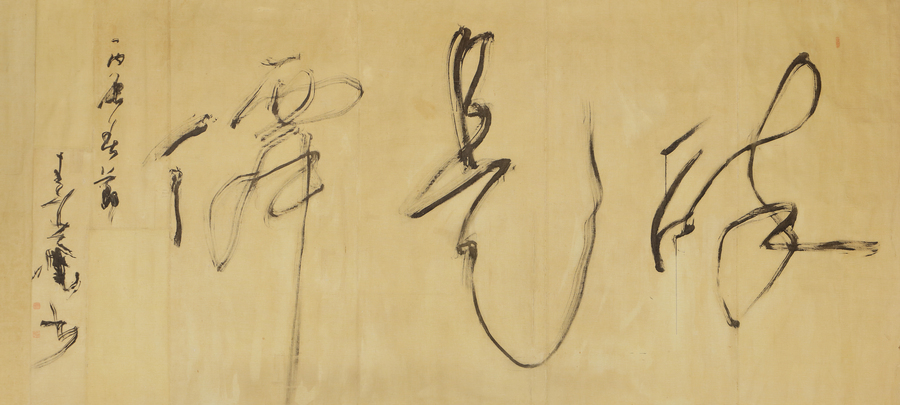
醉是僊, 1974, Ink on paper, 180x400cm, Collection of Soam Memorial Hall © Jeju Museum of Art
The
exhibition is structured across three distinct thematic sections, unfolding
across three venues: the Jeju Museum of Art, Jeju Stone Park, and exhibition
spaces in Jeju’s historic downtown district.
Jeju
Museum of Art ㅣ Human
This
section focuses on the genealogy of artistic forms and aesthetics that emerged
from the unique condition of exile in Jeju.
On view
are historical works including a reproduction of SEHANDO (Facsimile
edition) by Chusa Kim Jeong-hui and traditional Jeju character
paintings, alongside works by Nam June Paik, Lee Ufan, Yun Hyong-keun, Lee
Ungno, Suh Se Ok, Theresa Hak Kyung Cha, Kang Yo-bae, Byun Shi-ji, Pier Fabre,
and Aslan Goisum.
Jeju
Stone Park (Obaekjanggun Gallery) ㅣ Stone
Taking
Jeju’s basalt as a witness to time and history, this section explores how the
region’s northern megalithic traditions resonate within contemporary
aesthetics.
Participating
artists include Kim Jung-hun, Gala Porras-Kim, Masao Okabe + Chihiro Minato, Roomtone,
and Song Feel, presenting works that engage in dialogue with the rhythms of the
natural world.
Jeju
Old Downtown(Jeju Arts Platform, Art Space IAa, Gallery Remicon) ㅣ Deities
This
section boldly reinterprets the multilayered and inclusive nature of Jeju
mythology—rooted in the island’s identity as the “home of eighteen thousand
gods”—through a contemporary lens.
Presented
across Art Space IAa, Jeju Arts Platform, and Gallery Remicon, it features
works by Sangdon Kim, AES+F, Wael Shawky, Jane Jin Kaisen, and Choi Min-hwa,
among others.
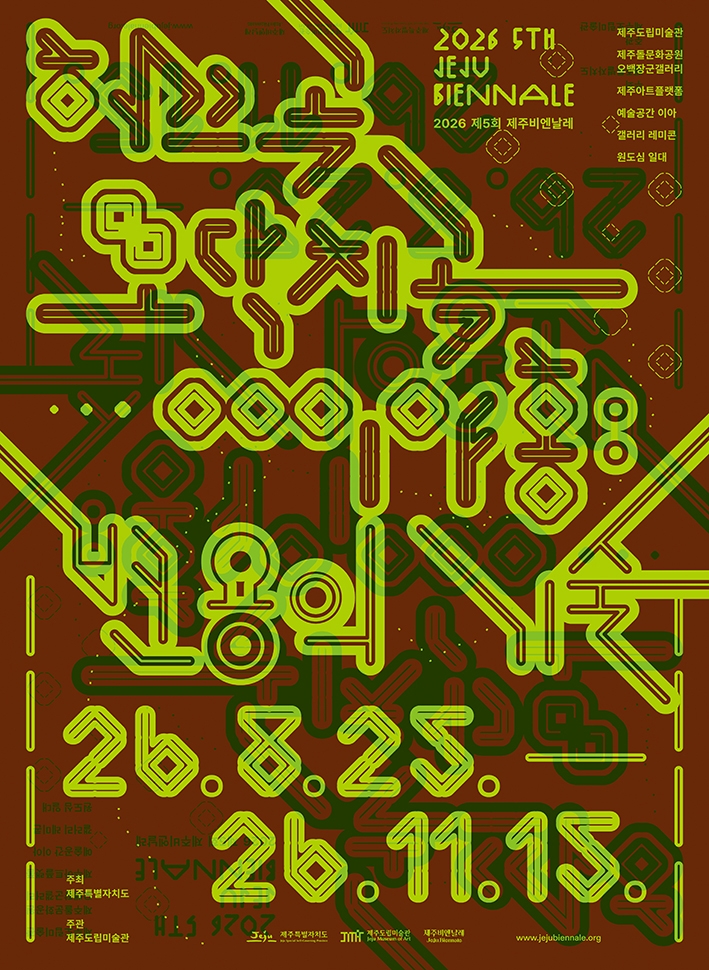
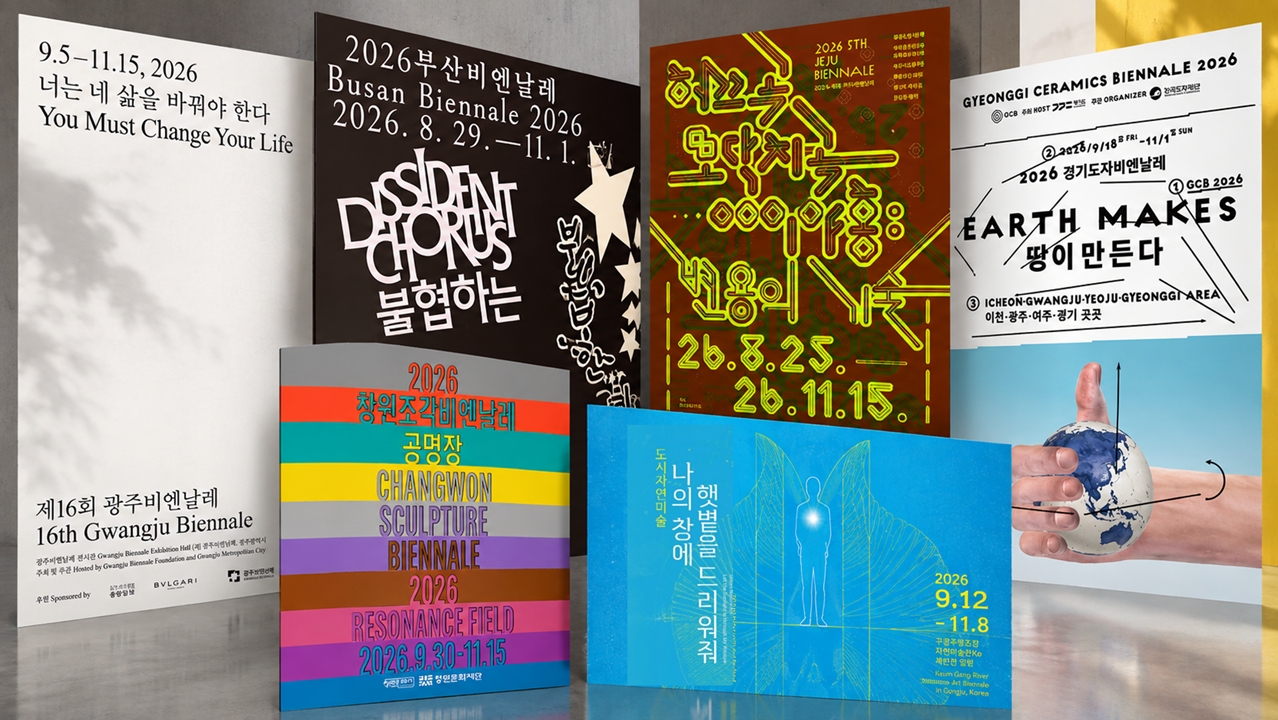
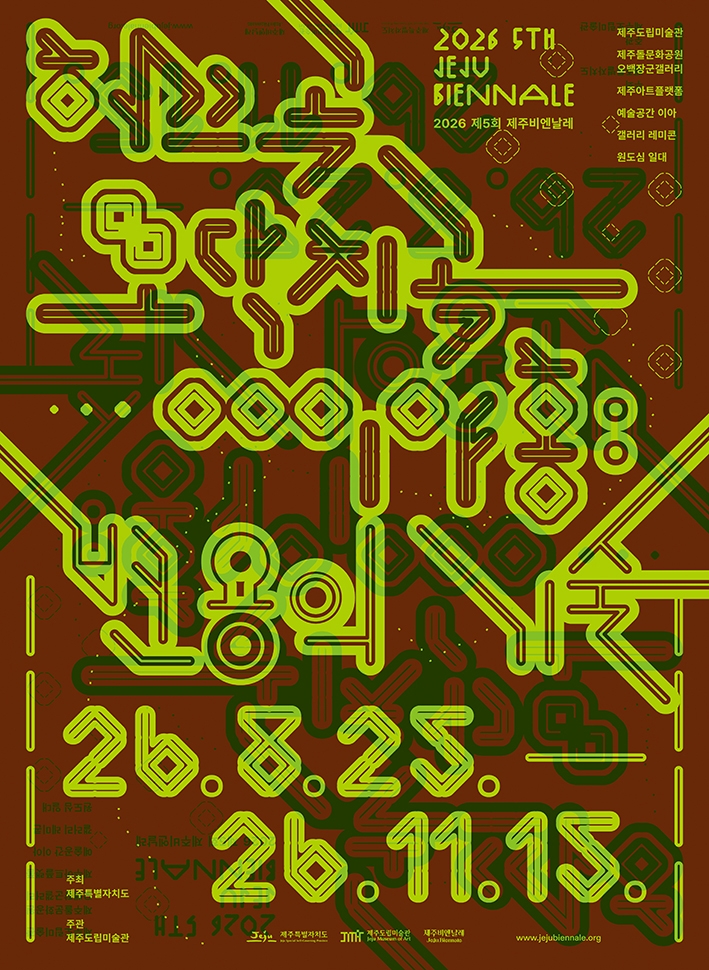
Poster image of the 5th Jeju Biennale © Jeju Museum of Art
Since
its launch in 2017, the Jeju Biennale has steadily built its identity over the
past decade. Drawing on this accumulated experience, the Biennale now aims to
present a concrete vision for its next stage of growth, positioning both Jeju
and the Biennale more prominently on the global art stage.
Lee Jong
Hoo, Director of the Jeju Museum of Art and Artistic Director of the Biennale,
remarked, “This edition of the Biennale carries particular significance as it
arrives at a moment of transition. We hope it will become a vibrant festival of
art and culture where visitors can fully experience, participate in, and engage
with art throughout Jeju’s historic downtown and natural landscapes—places
imbued with the lives and memories of its residents—and share in the joyful
spirit of heokkeugok, modakchigok, iyahong.”