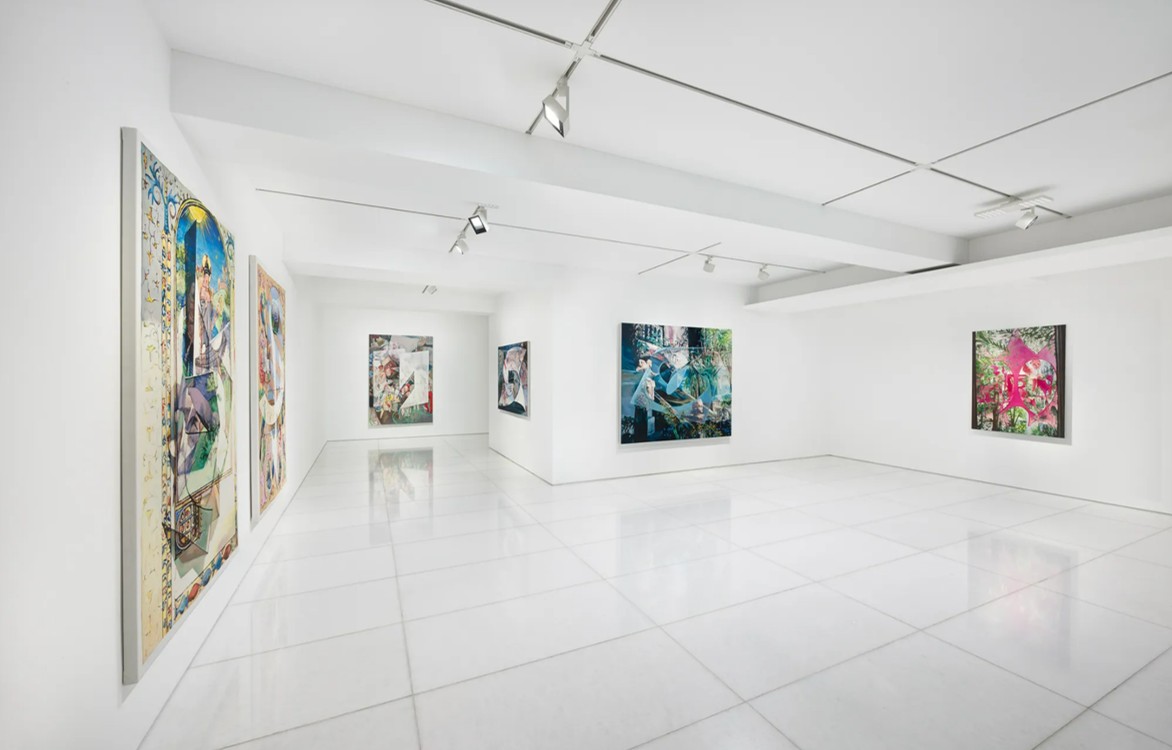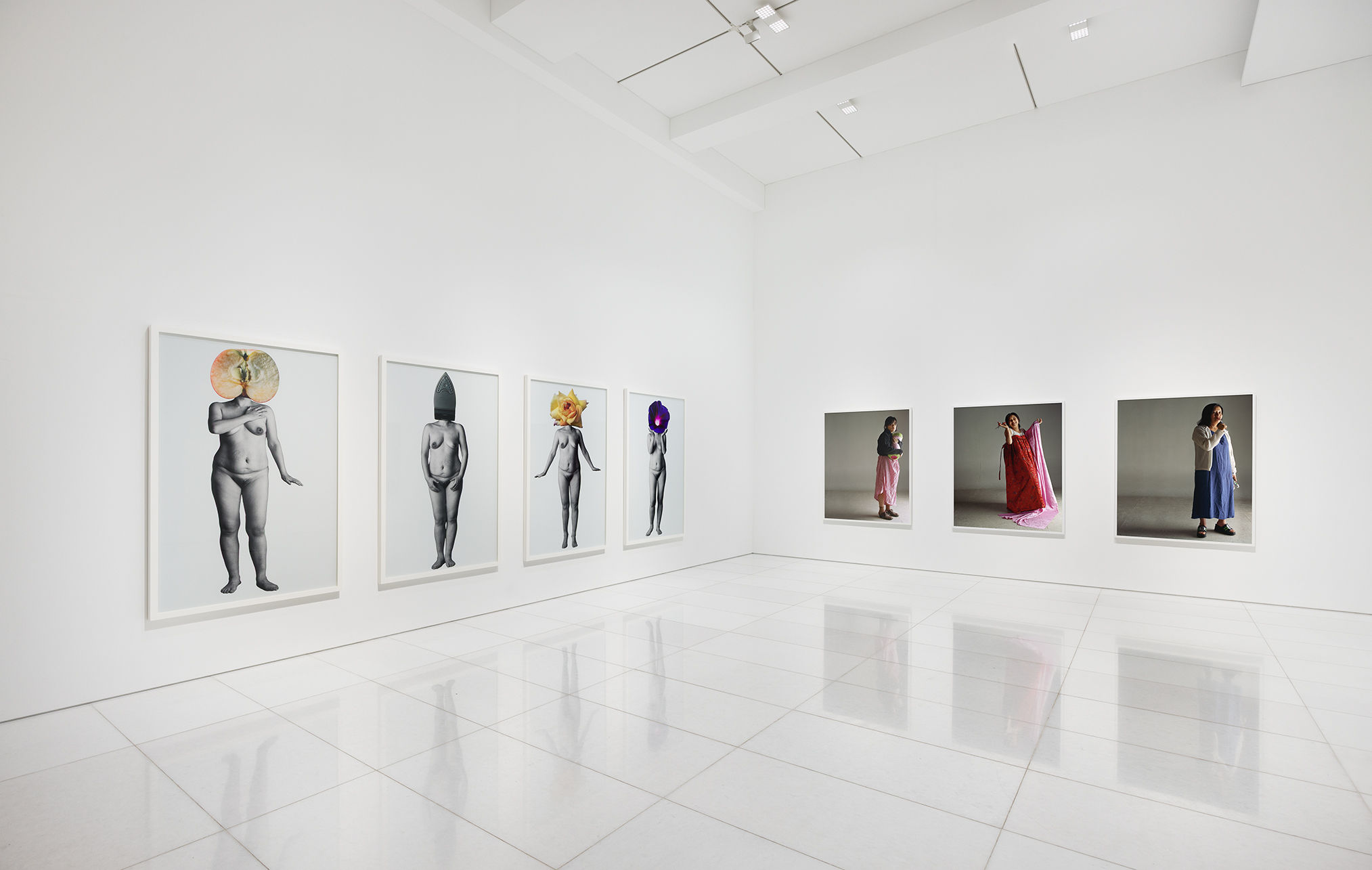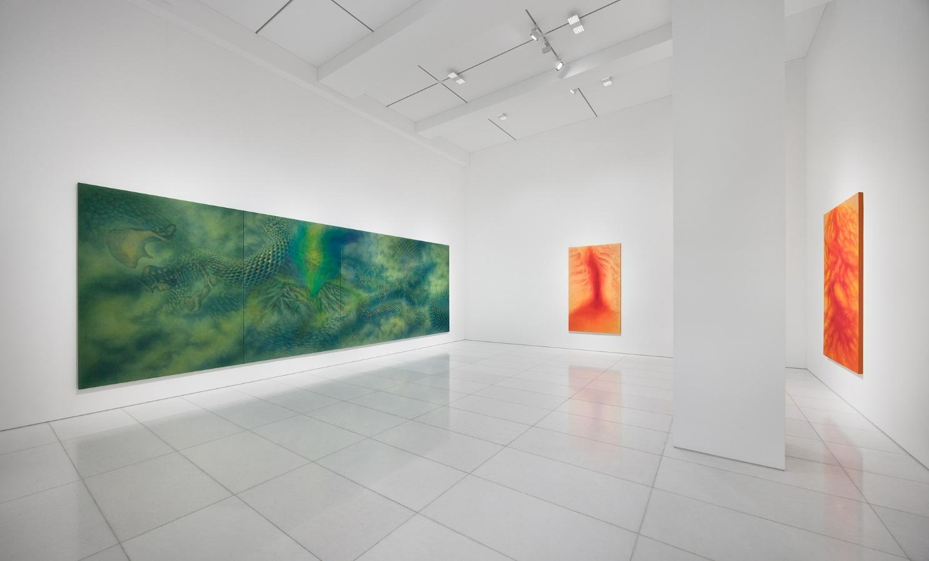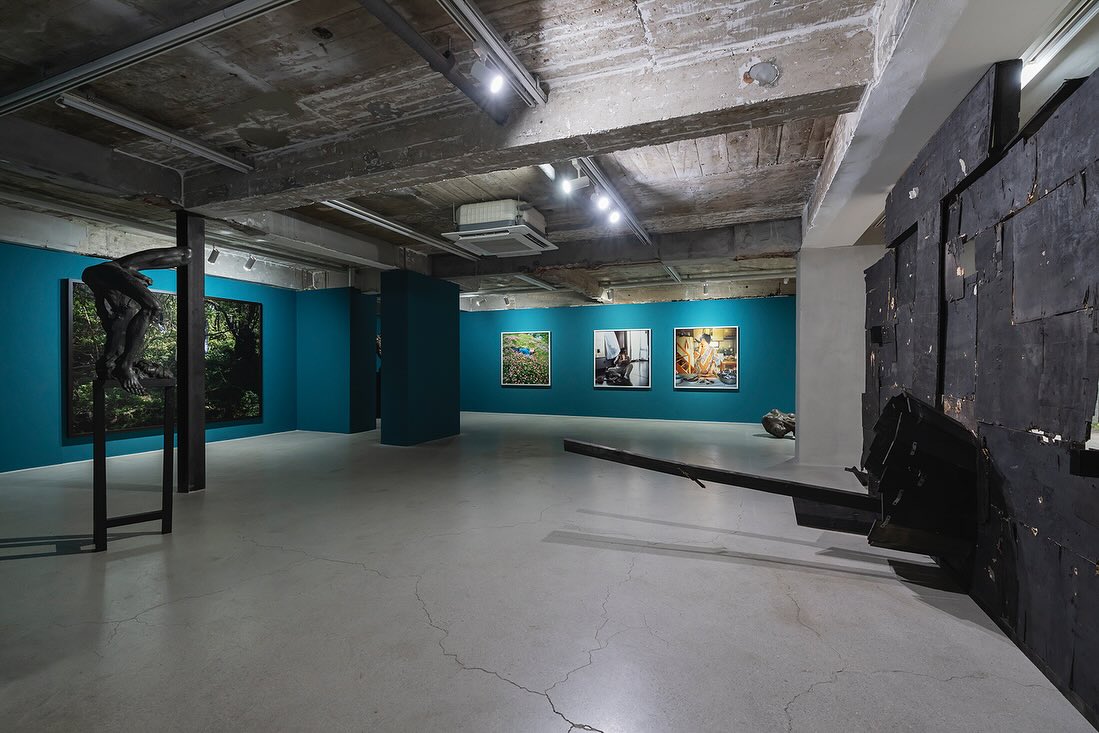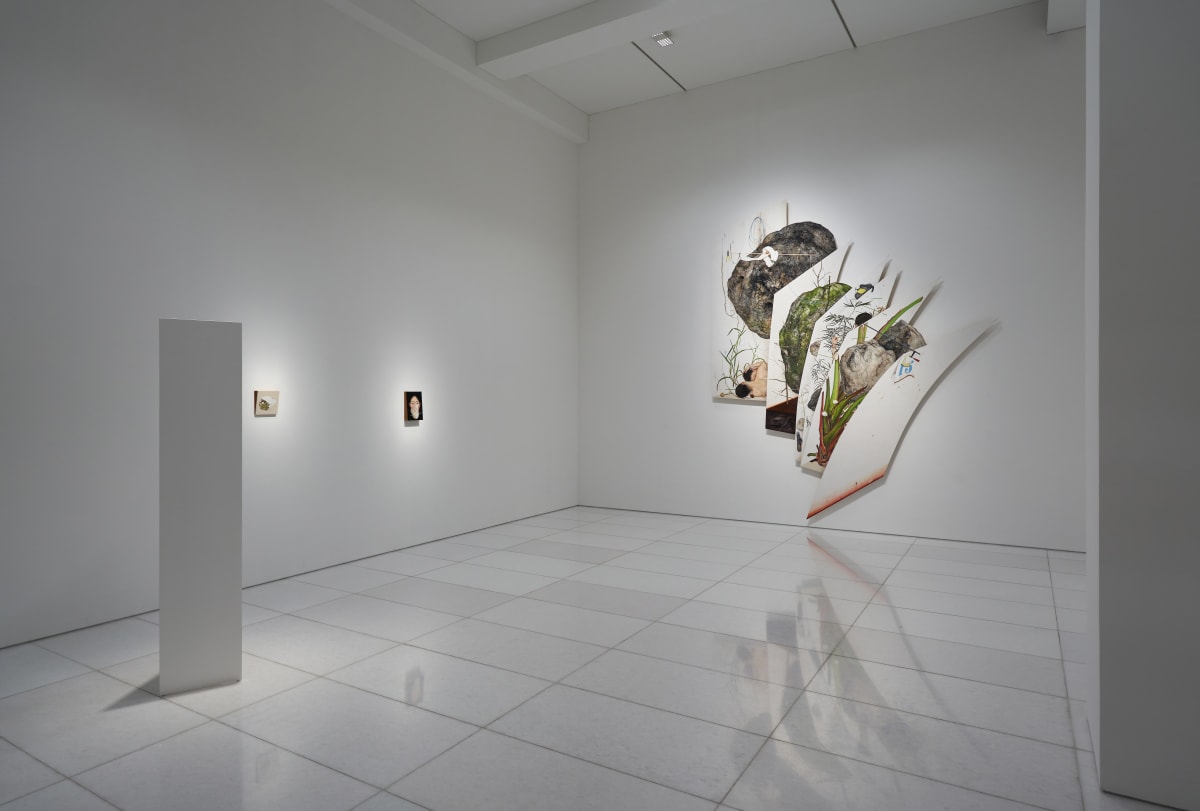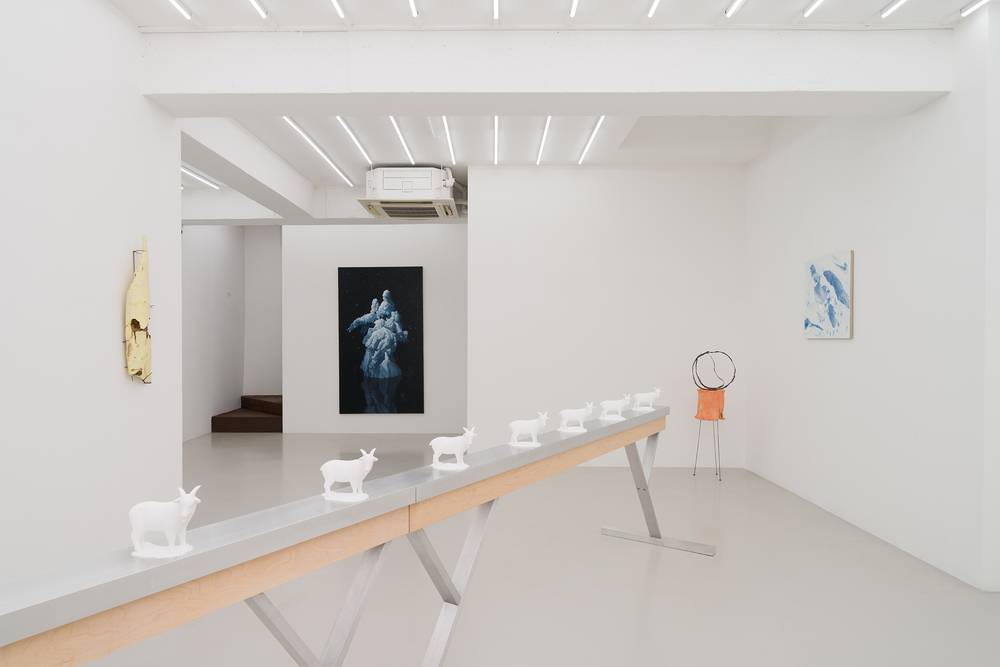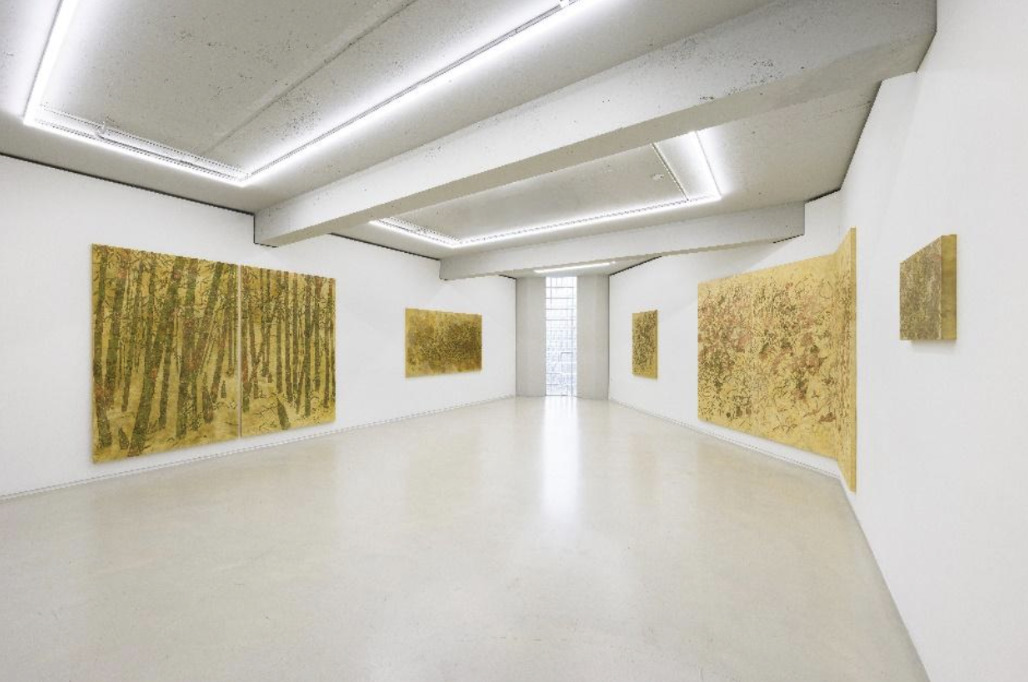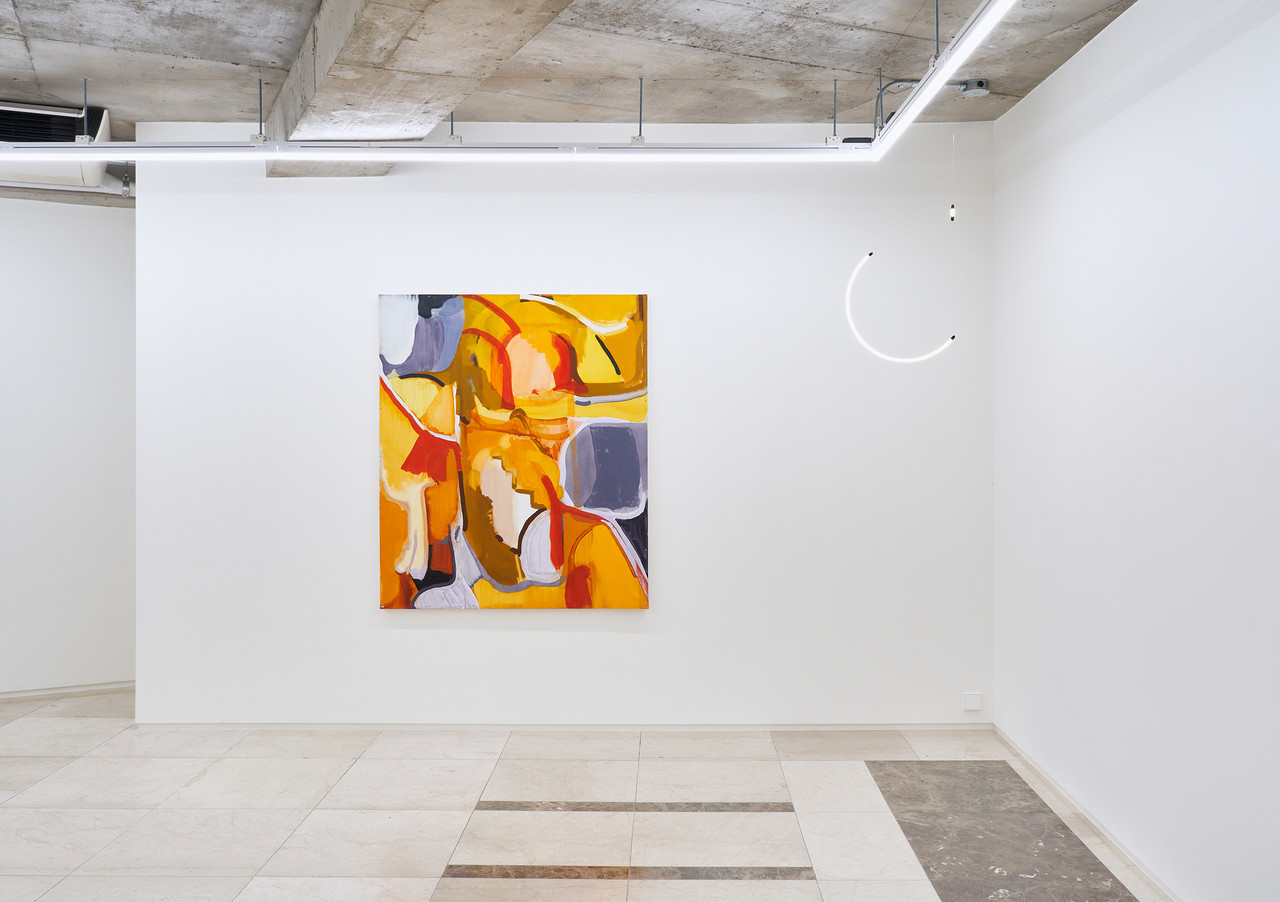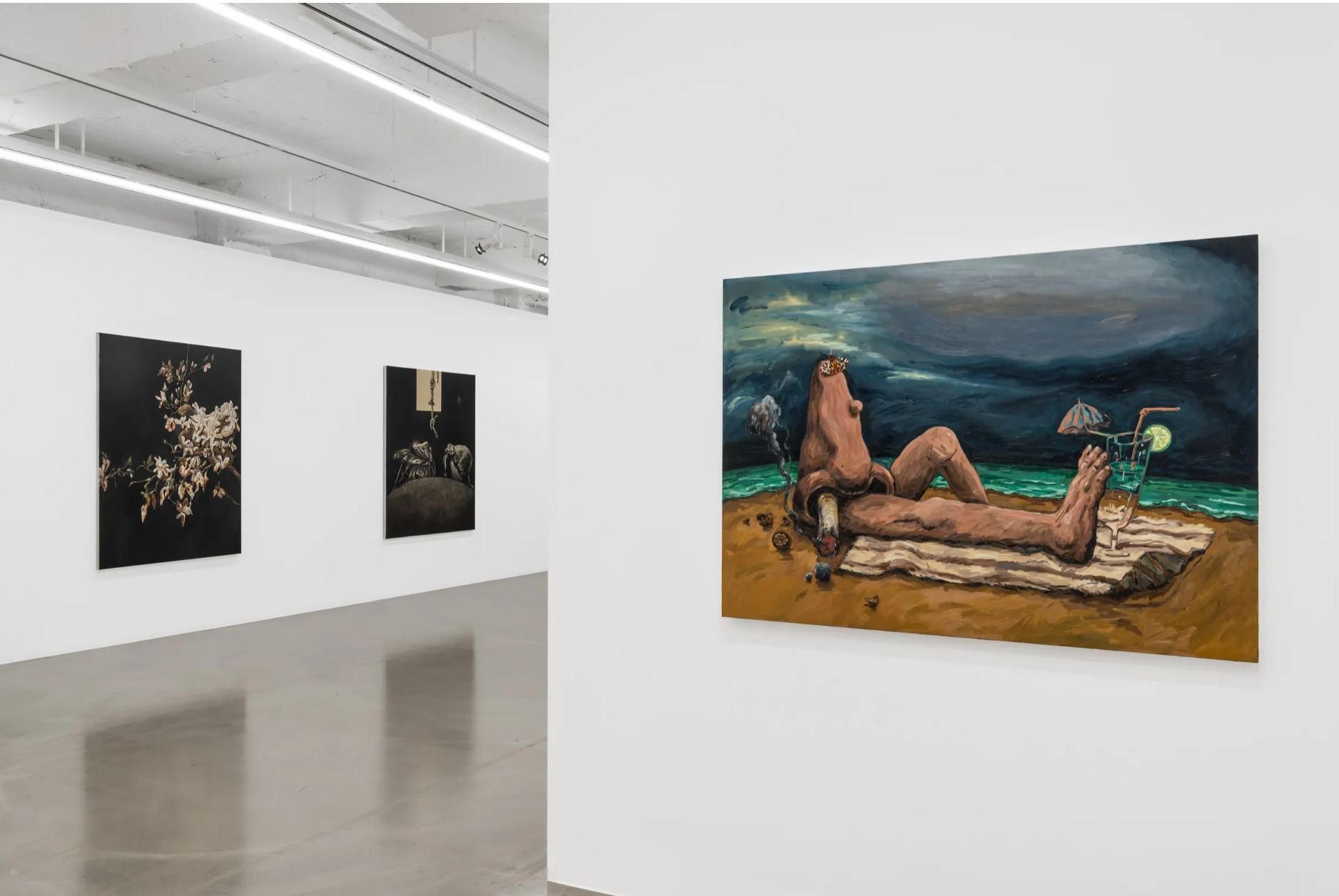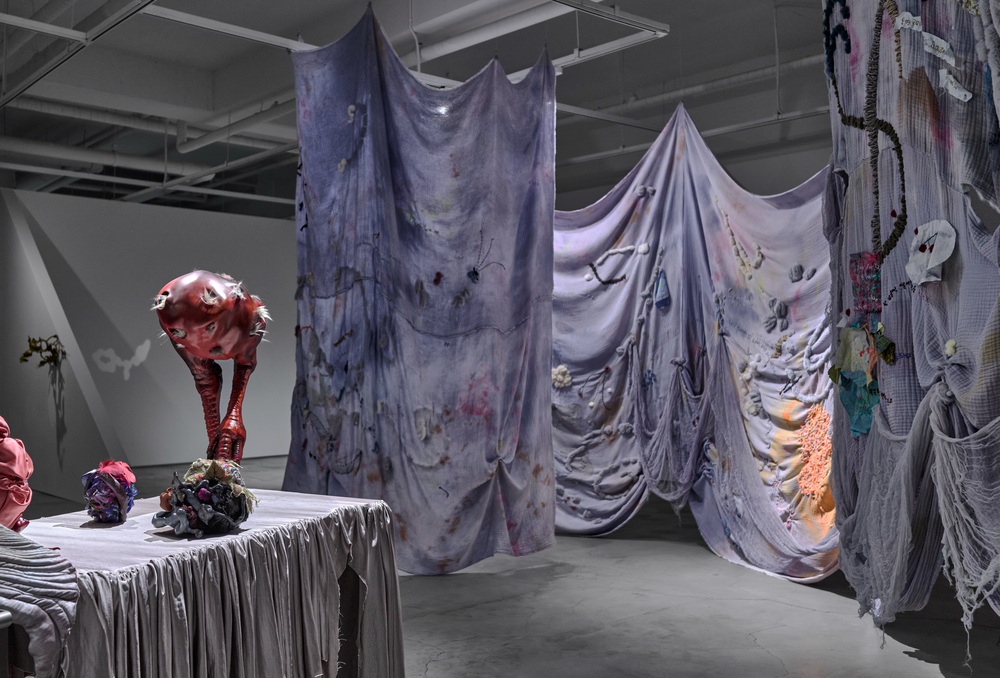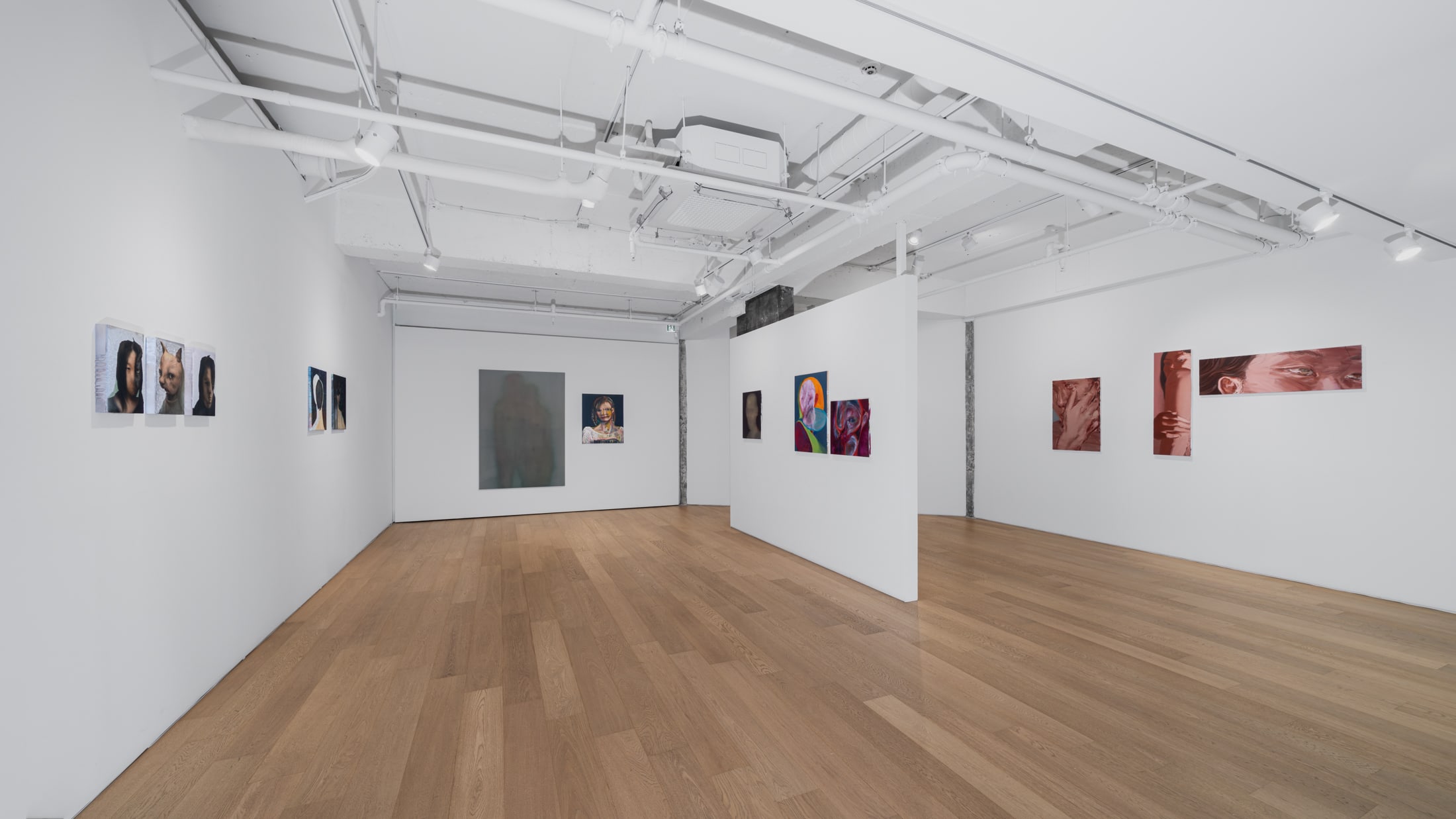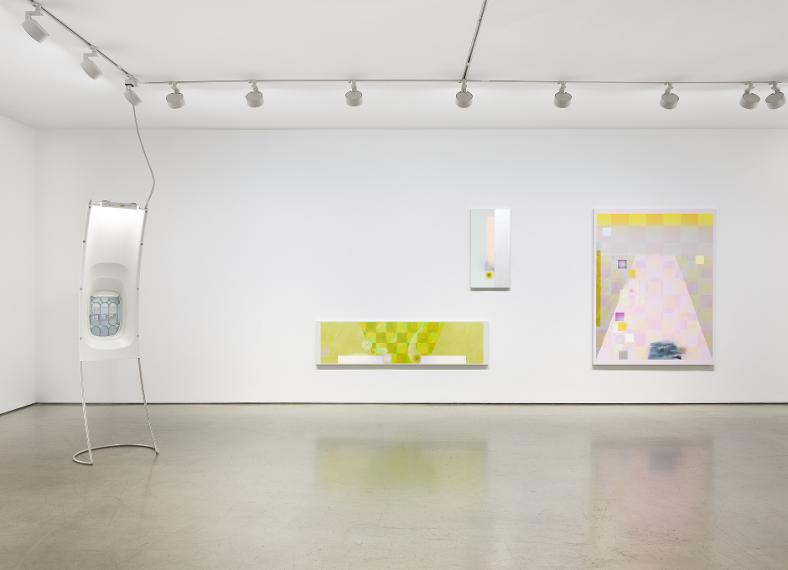

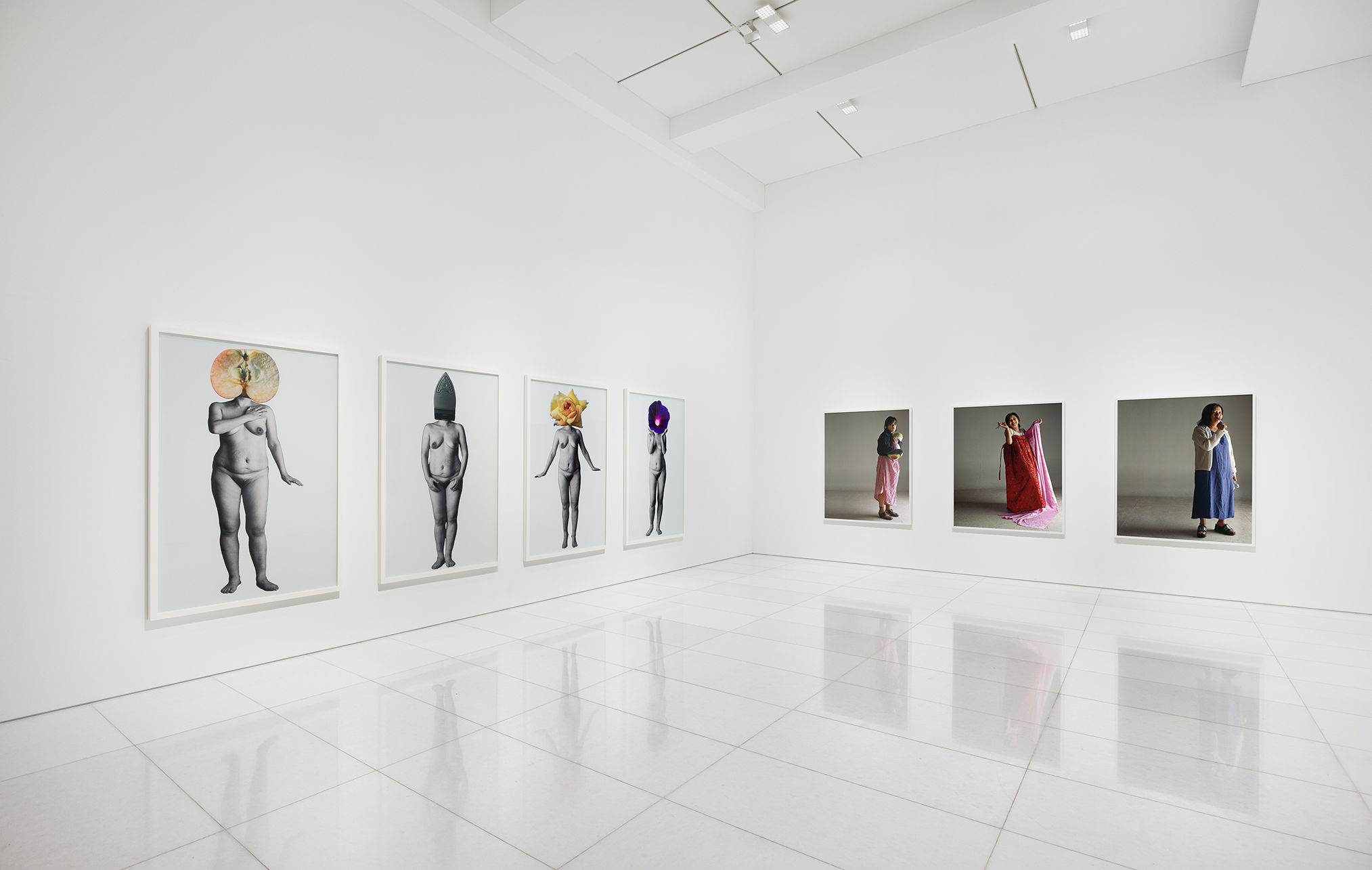
Installation view of 《Look, That Woman Sings and Dances》 ⓒ ARARIO GALLERY
ARARIO GALLERY SEOUL presents a solo
exhibition 《Look, That Woman Sings and Dances》 by artist Park Youngsook (1941-2025), on view through April 18.
Presented as the first solo exhibition of Park following her
passing, a figure who left an indelible mark on the development of Korean
contemporary photography and feminist art, this exhibition retrospectively
reflects on the subjectivity of the “woman” captured in her photographs.
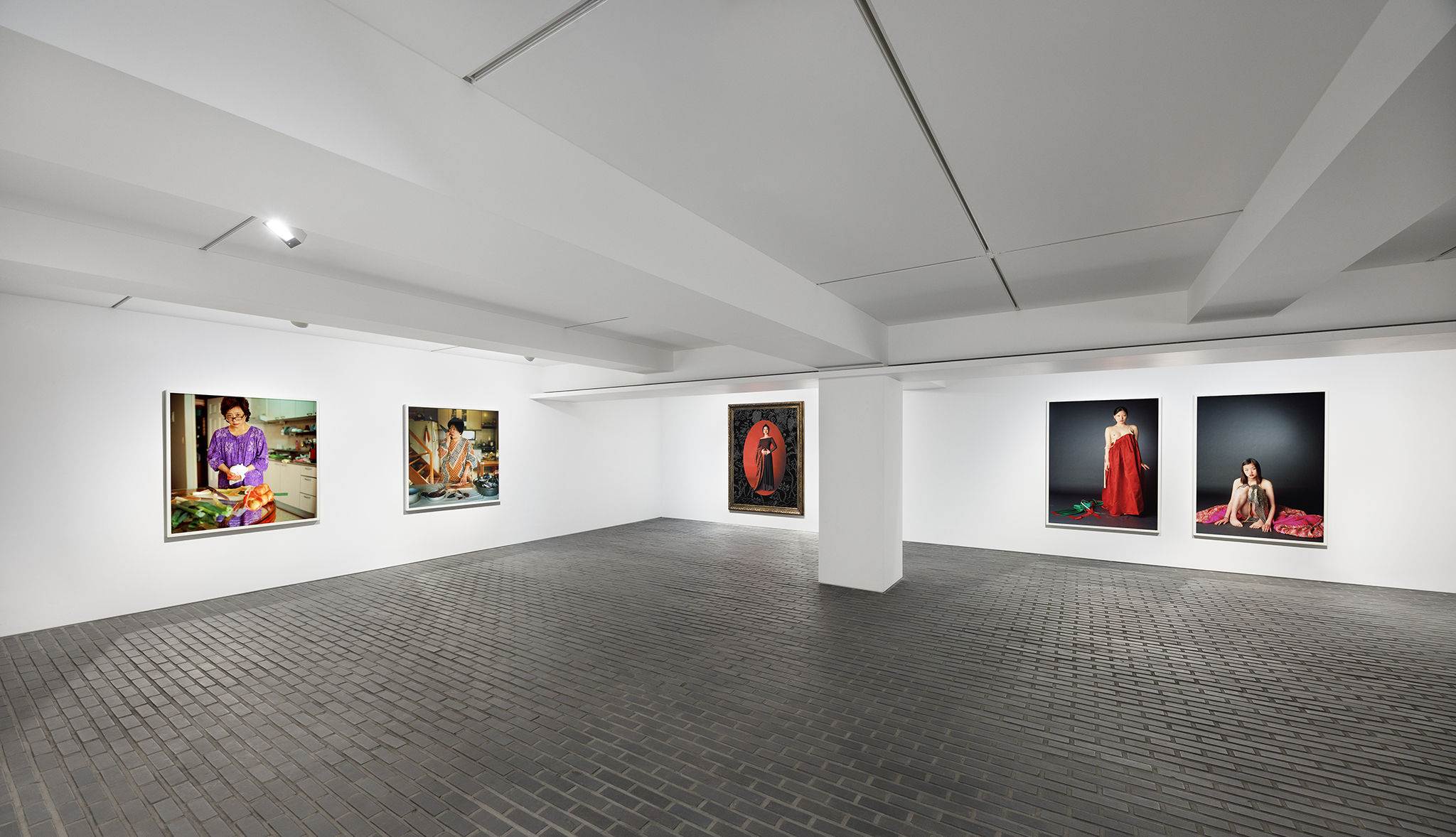
Installation view of 《Look, That Woman Sings and Dances》 ⓒ ARARIO GALLERY
The exhibition serves as an occasion to
reflect on the artist’s lifelong practice, through which she challenged
patriarchal conventions and unjust power structures by foregrounding women in
her photographs. In Park Youngsook’s work, women—long objectified throughout
the history of photography—are elevated to the status of authors of their own
narratives and subjects of enunciation. Women who have shed socially prescribed
identities and reinterpreted themselves are summoned into today’s exhibition
space.
The exhibition title is borrowed from a
line in the poem A Flower Shakes Her by the poet Kim
Hyesoon, which she gifted to the artist. The poem likens the vital force of the
earth that brings forth flowers to a kind of madness blooming from a woman’s
body. The phrase “that woman” in the poem refers not only to Park Youngsook
herself, but also to all women who have been objectified throughout
history—past, present, and future.
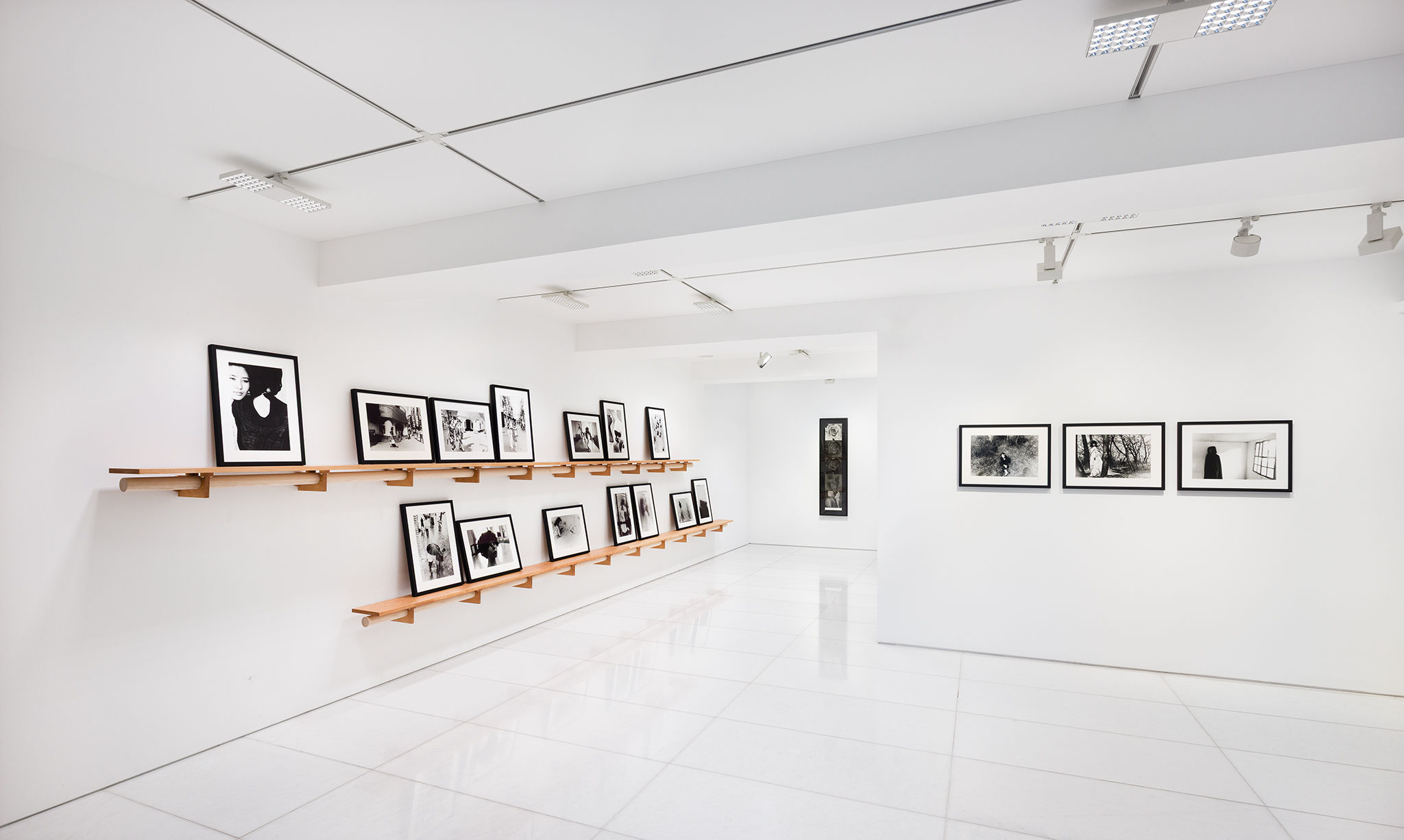
Installation view of 《Look, That Woman Sings and Dances》 ⓒ ARARIO GALLERY
On the first floor and basement level of the gallery, visitors
can encounter major series produced between 1998 and 2005, including ‘Body and
Sexuality’ (1998), ‘Mad Women’ (1999), ‘Sexuality Is Lost for Women’ (2001), ‘Imprisoned
Body, Wandering Spirit’ (2002), ‘Witch Within Me’ (2005), and ‘A Flower Shakes
Her’ (2005).
The third floor traces the formative trajectory of the artist’s
thematic concerns through works from the 1960s to the mid-1990s. At its core
are black-and-white photographic series from the 1960s to the 1980s, such as ‘Scenes’
(1963–67)—where one can witness the archetype of the frenzied “woman” that
permeates her oeuvre—along with ‘Witch’ (1988) and ‘Rose’ (1988).
In addition, the video work Song of the Uterus: As the
Great Mother Sleeps and Rises (1994; digitally remastered in 2026),
originally produced using an analog slide film projection method, is presented
on the same floor in a newly restored digital format.