《Still Life:
Objects of Our Time》, the first exhibition of the year
at Esther Schipper Seoul, is a group presentation featuring fifteen artists
based in South Korea.
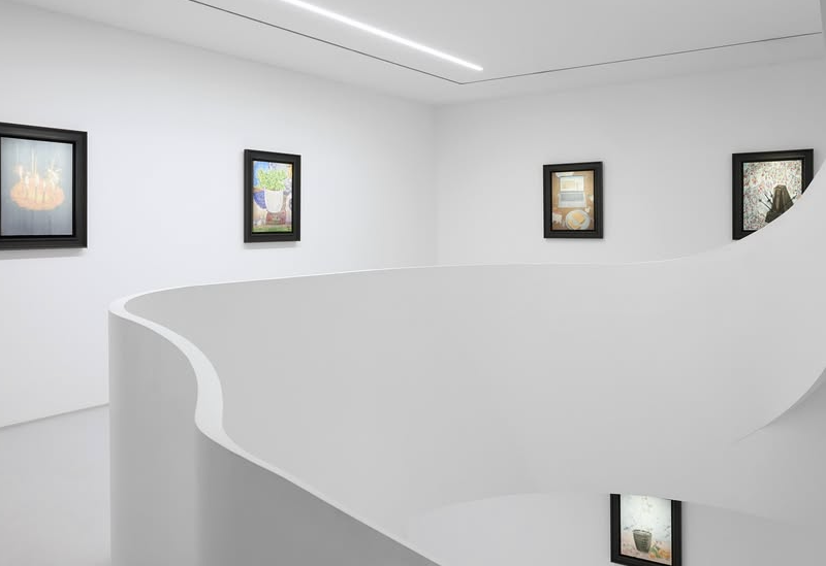
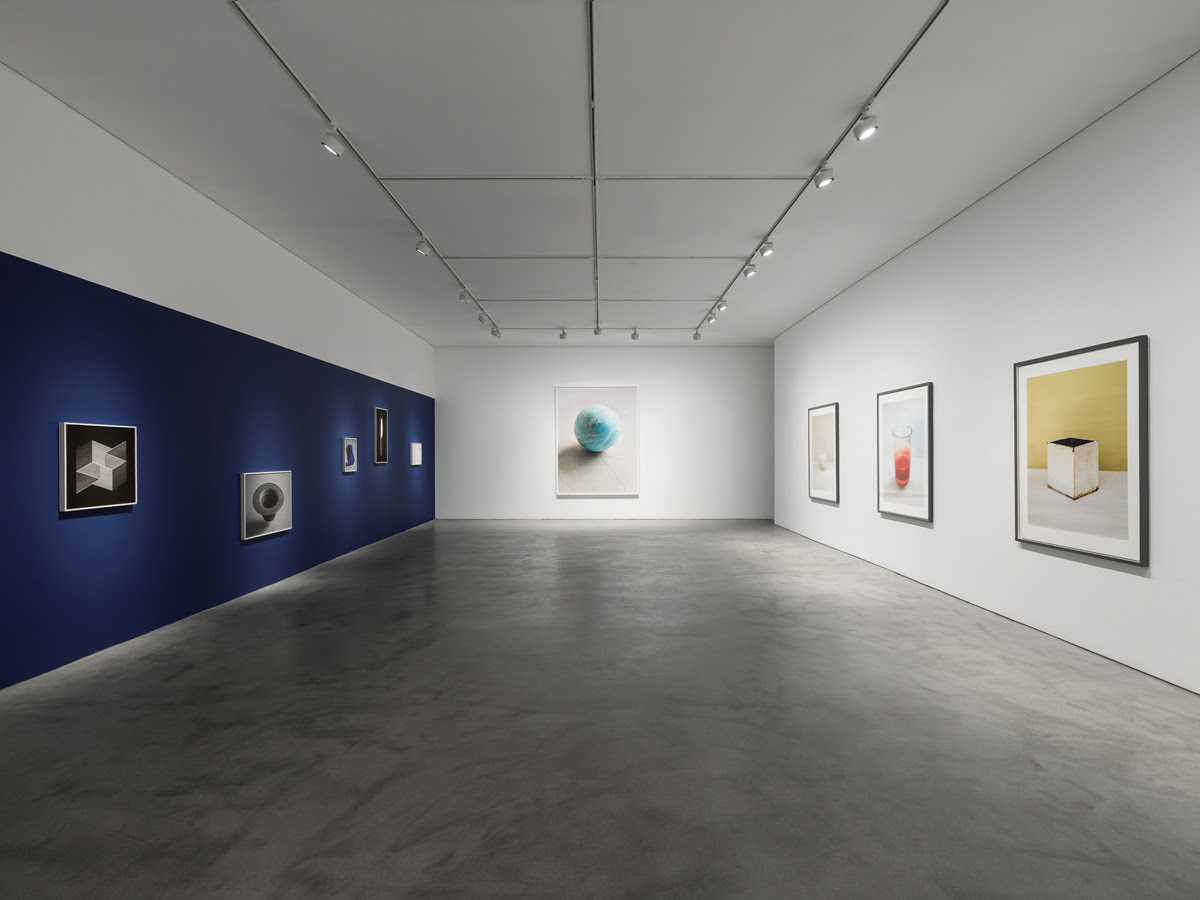
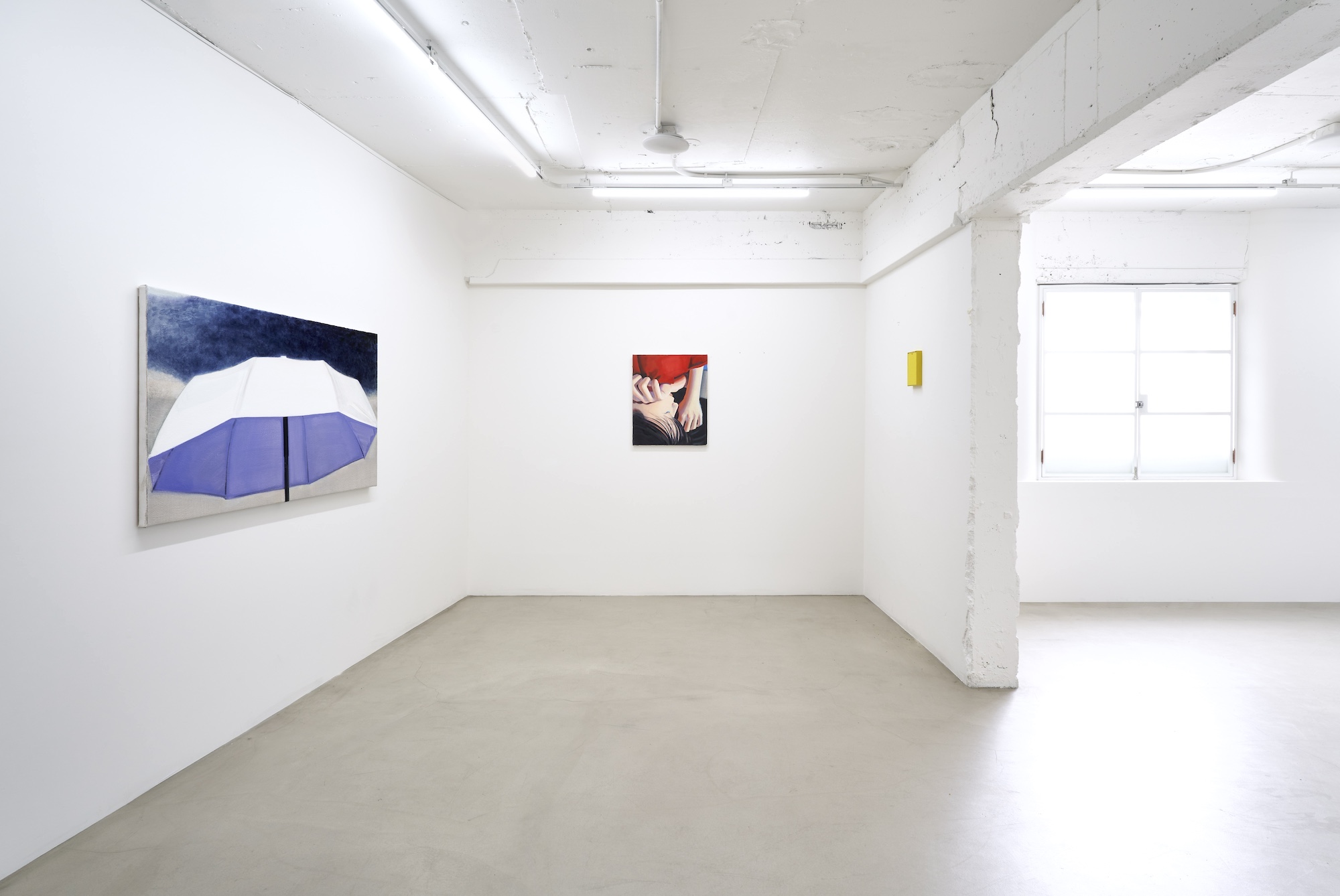
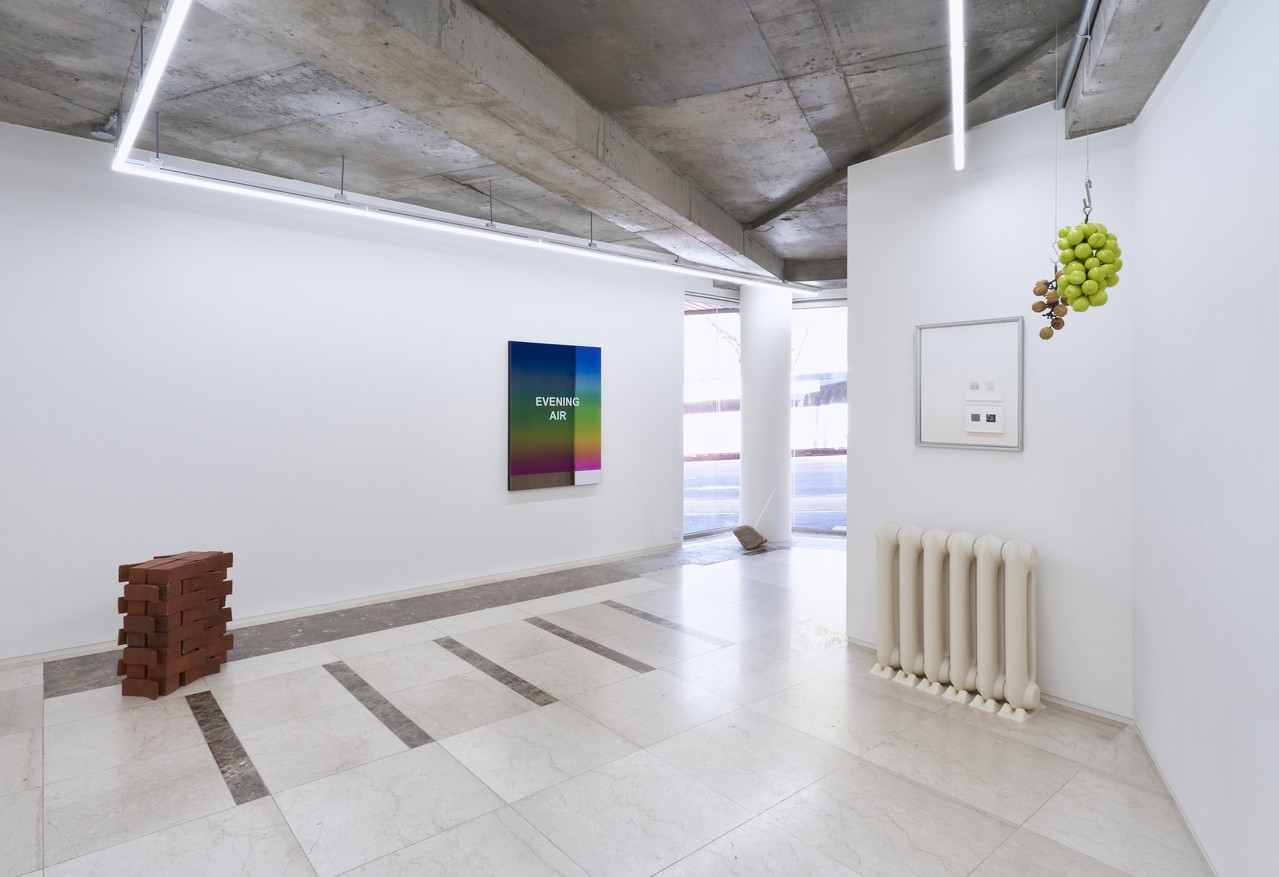
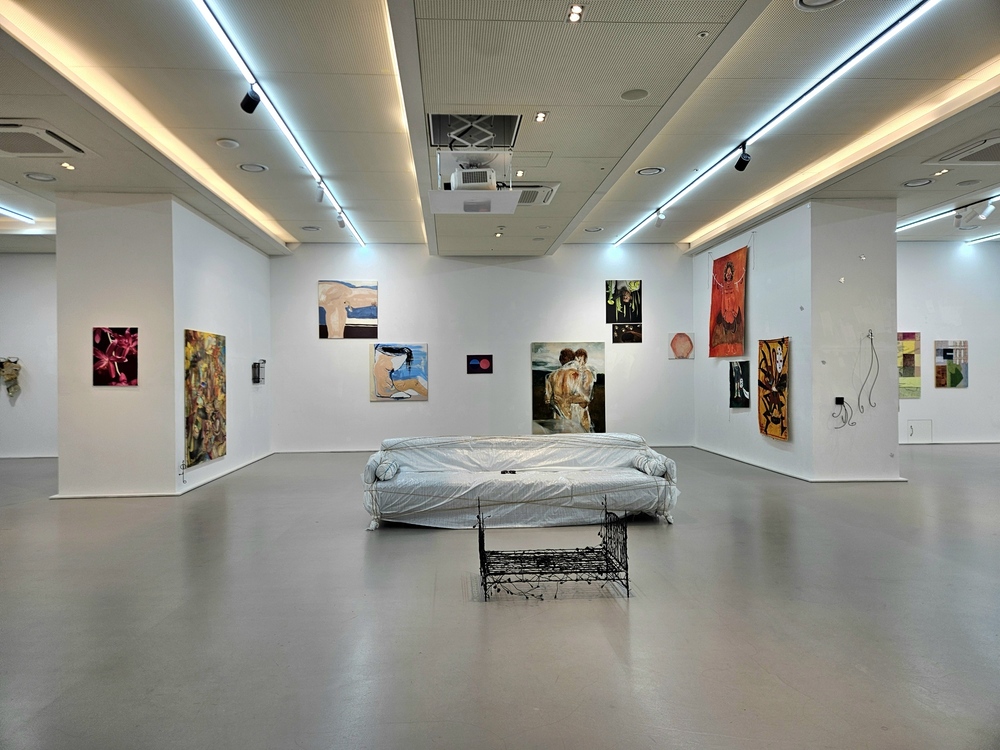
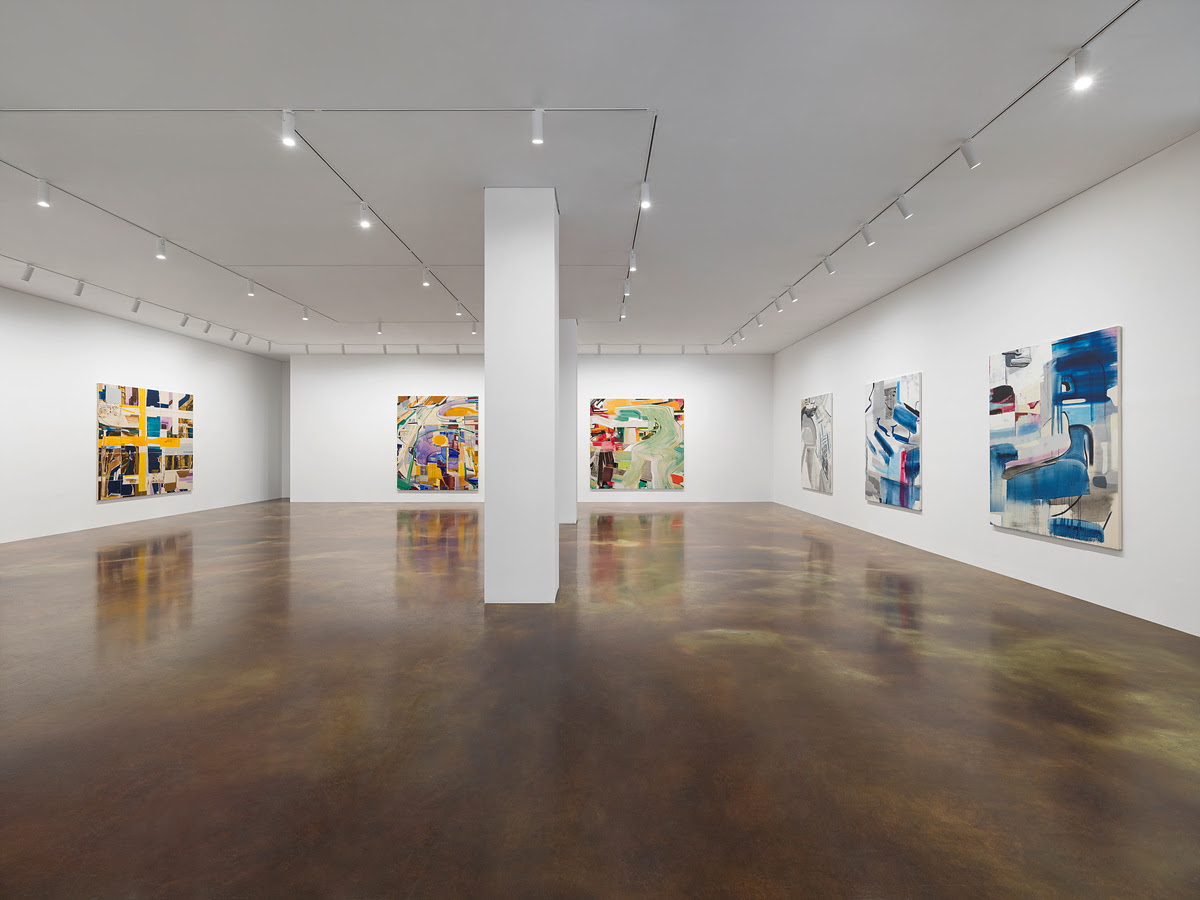
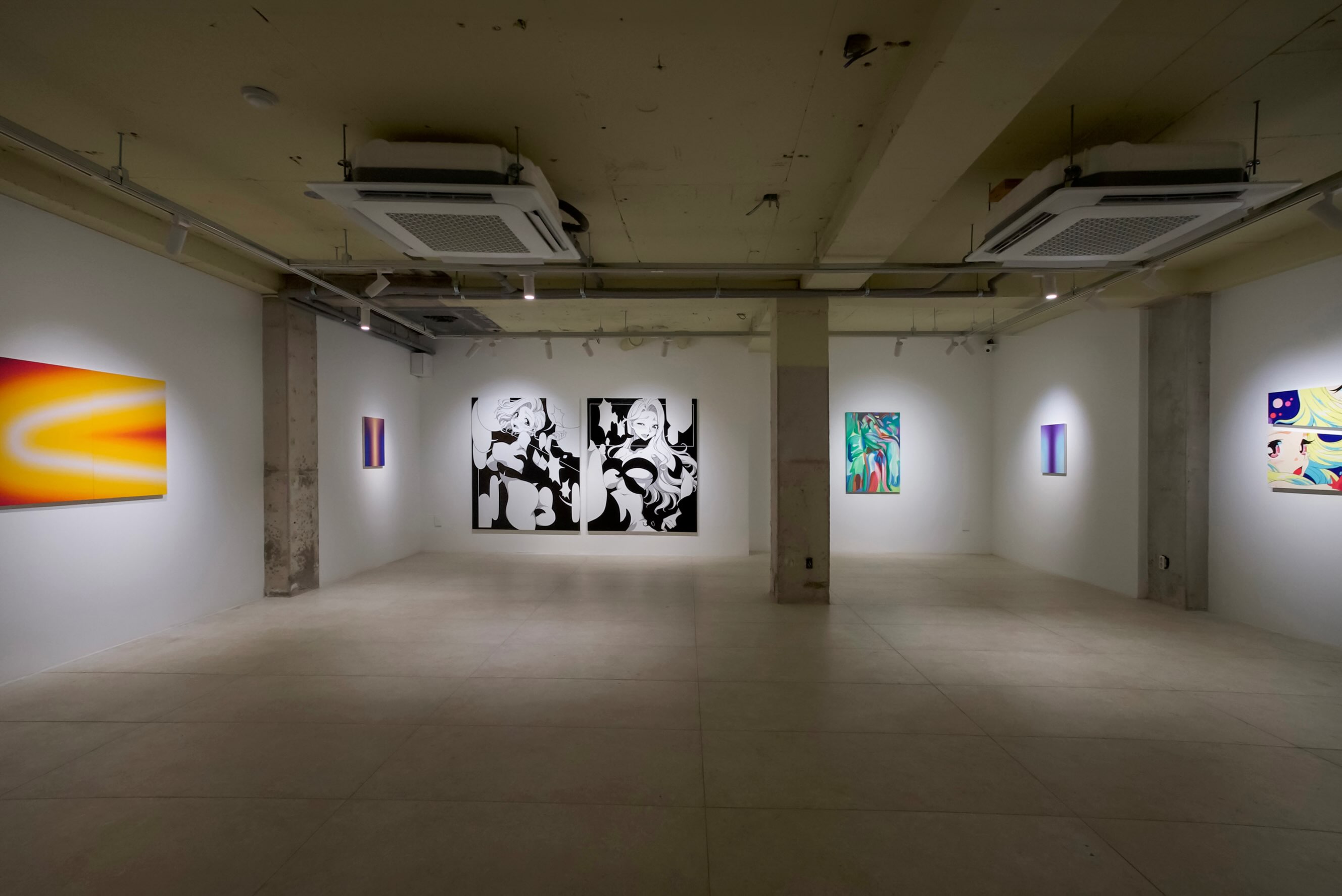
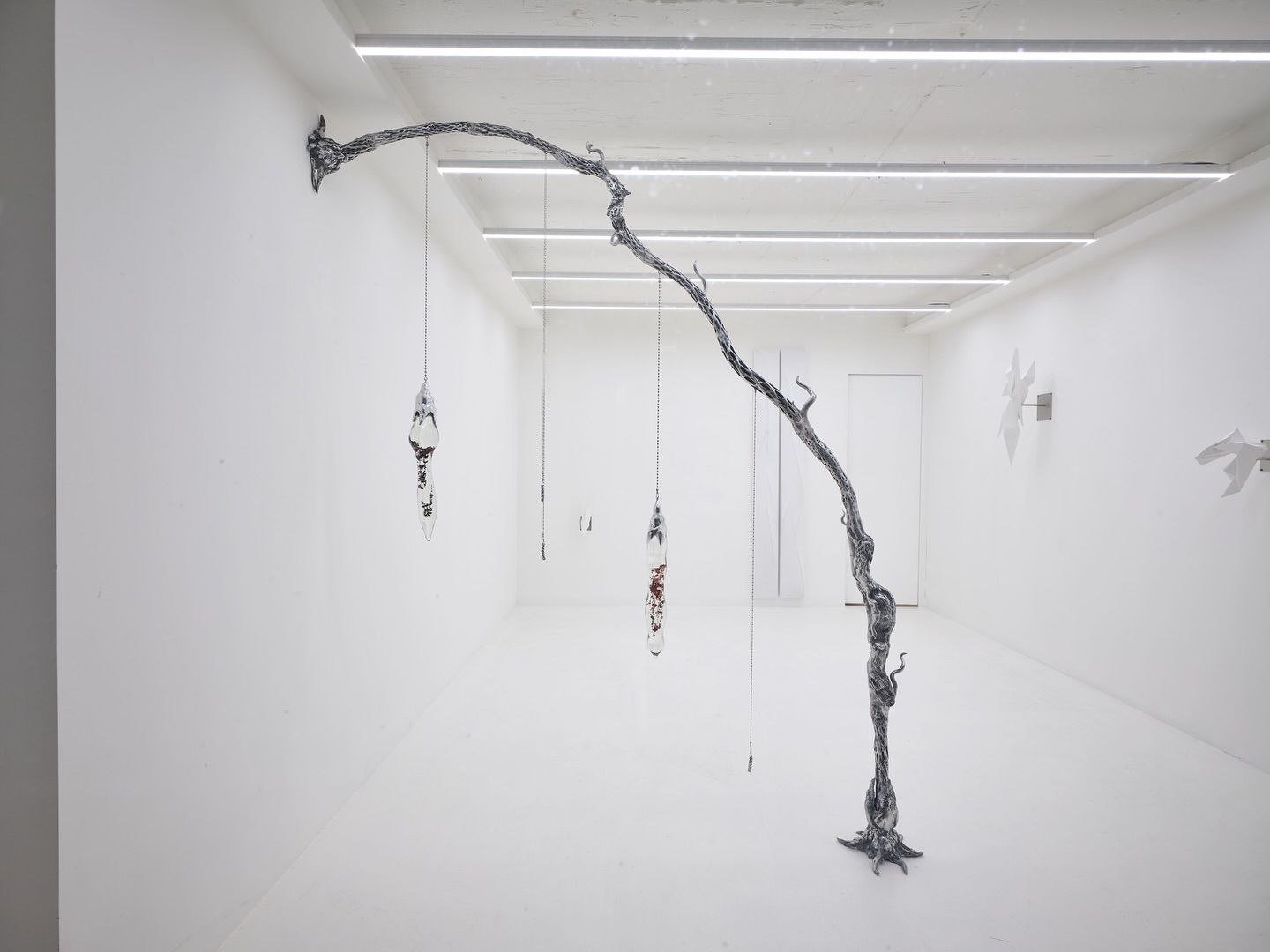
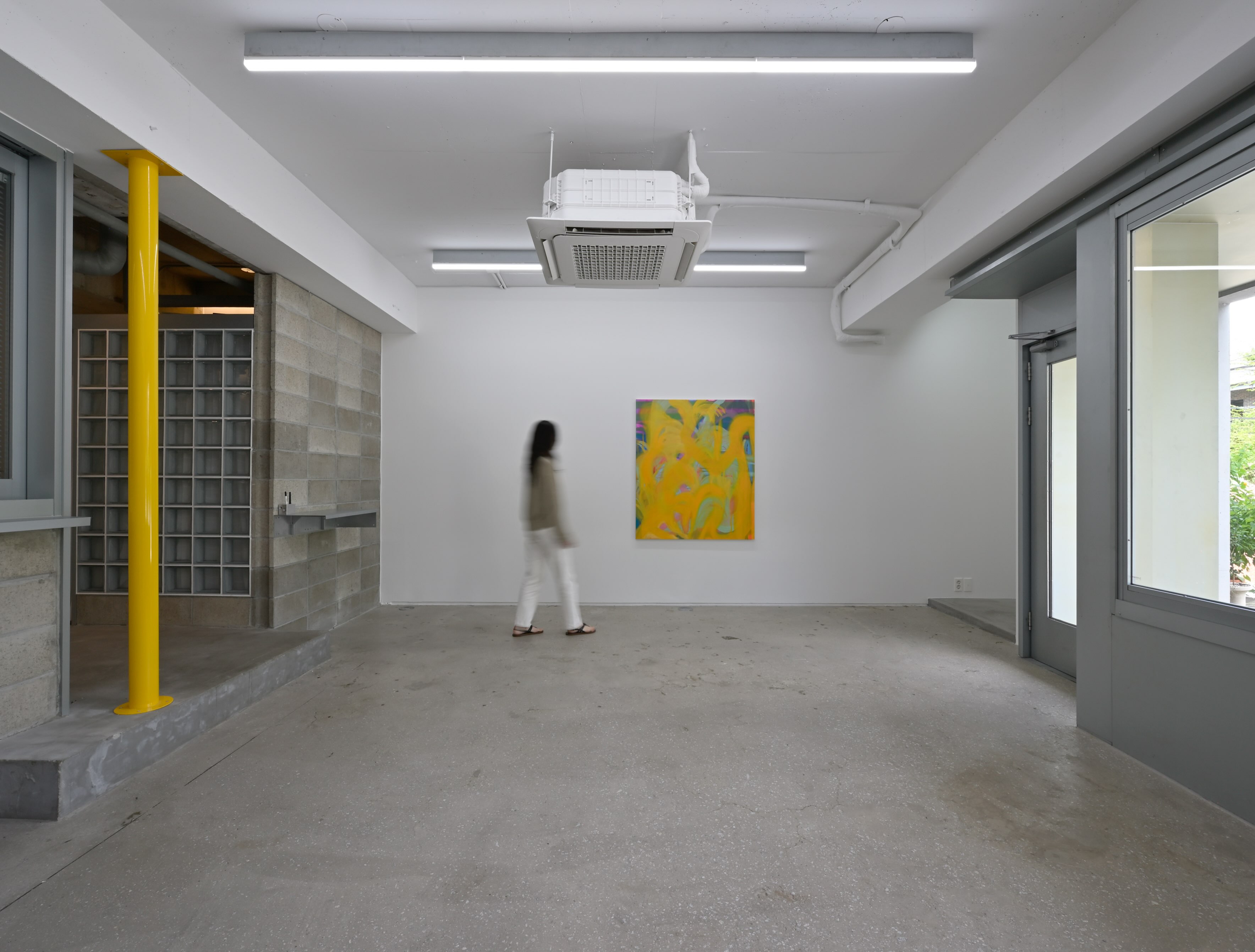
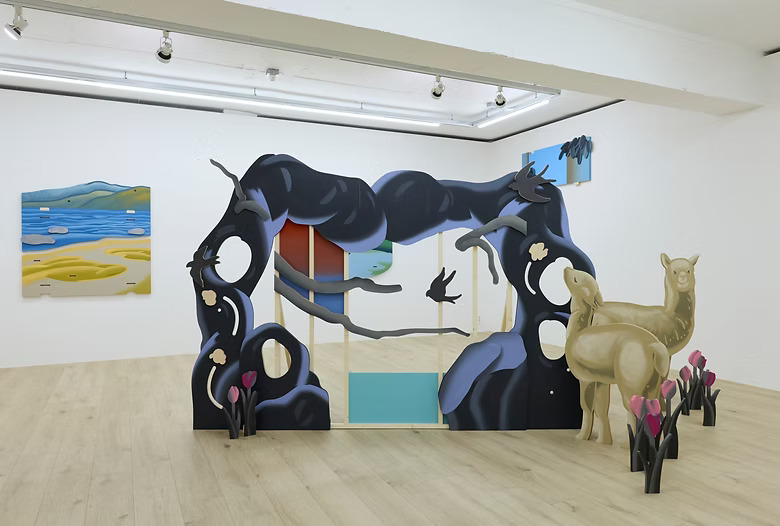
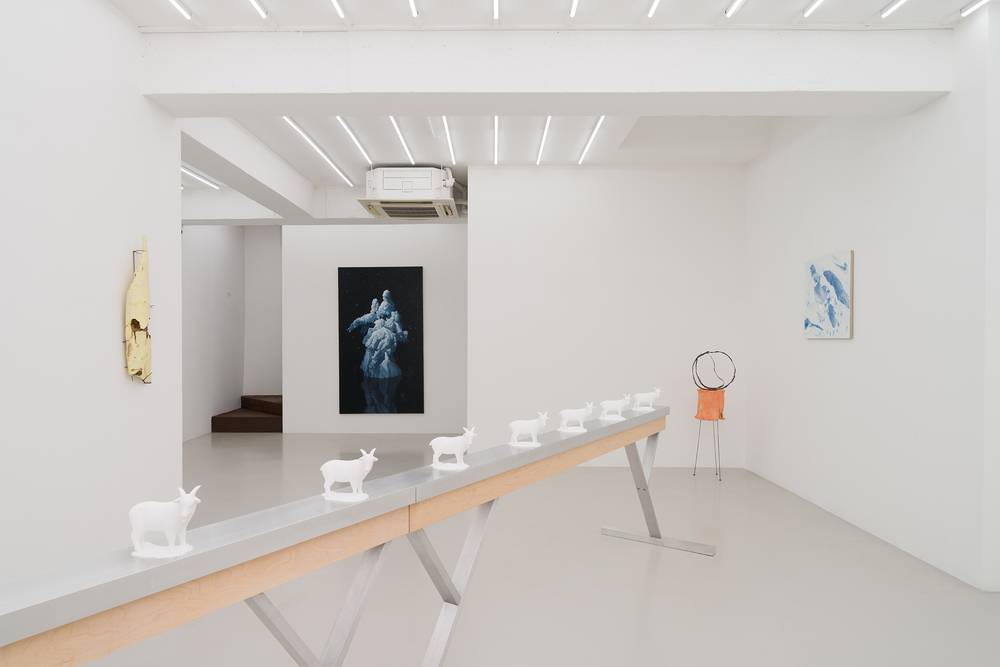
Exhibition view / Photo courtesy of Esther Schipper Gallery
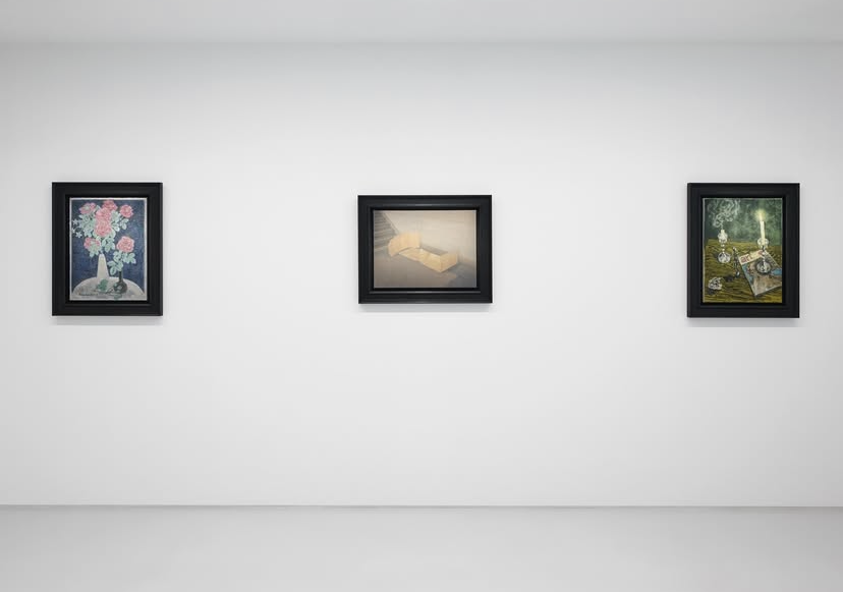
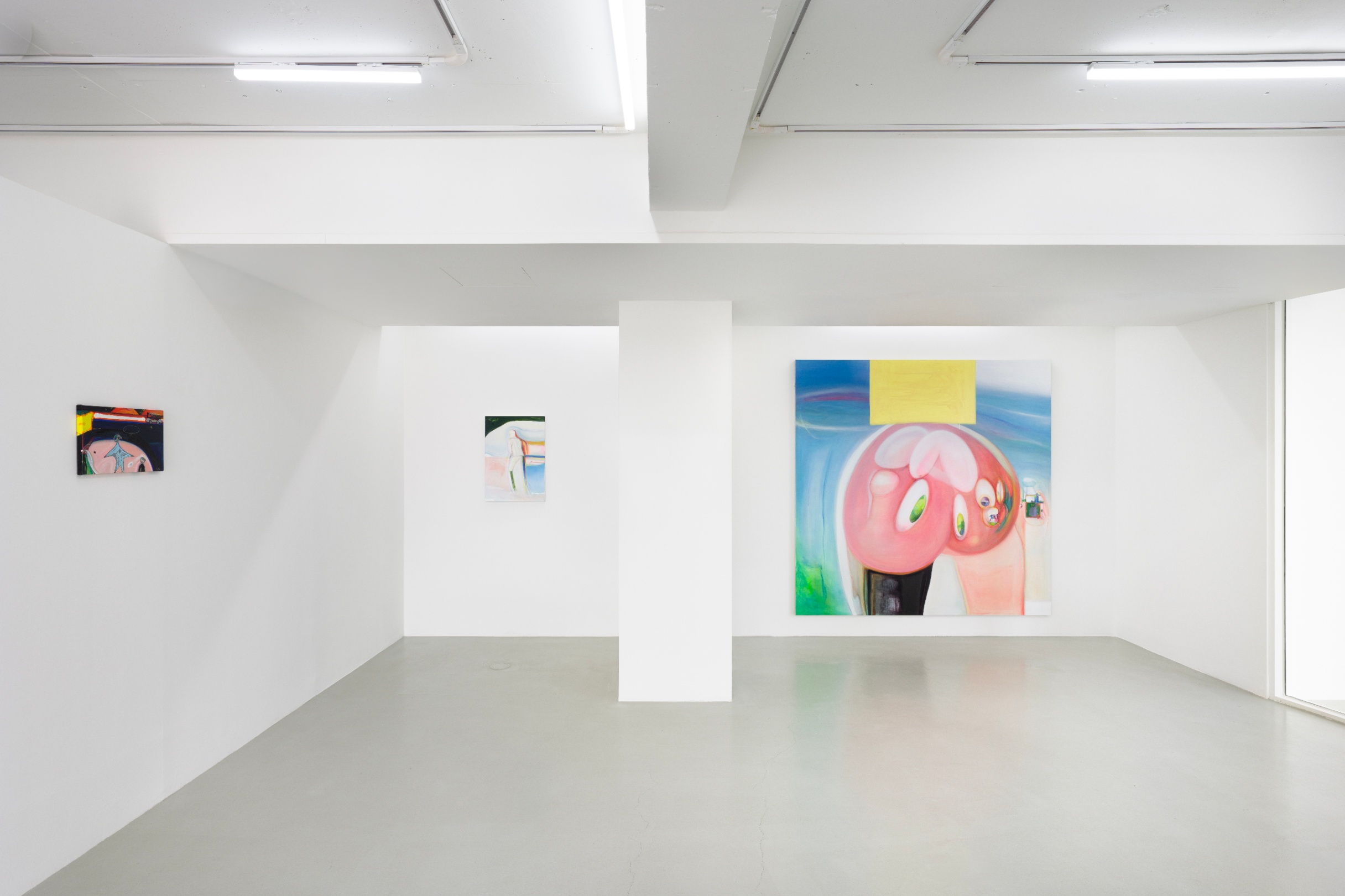
Exhibition view / Photo courtesy of Esther Schipper Gallery
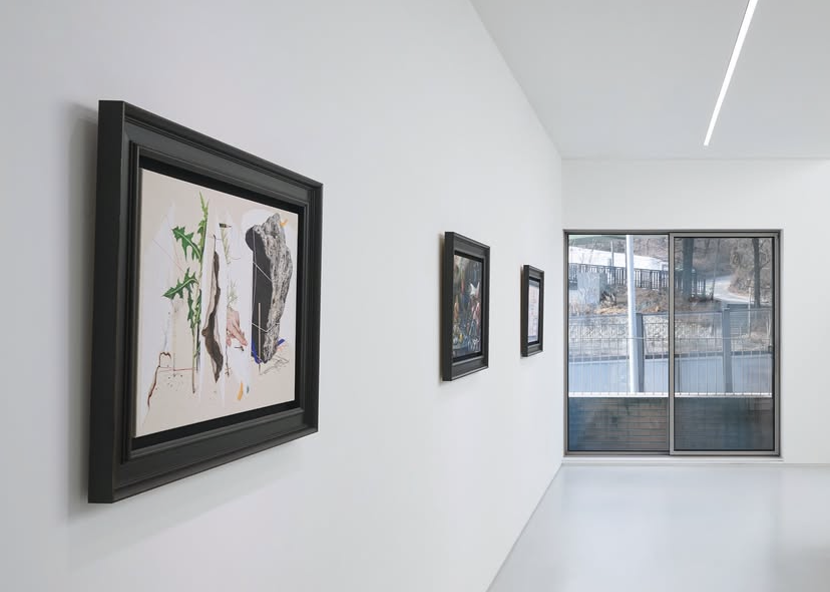
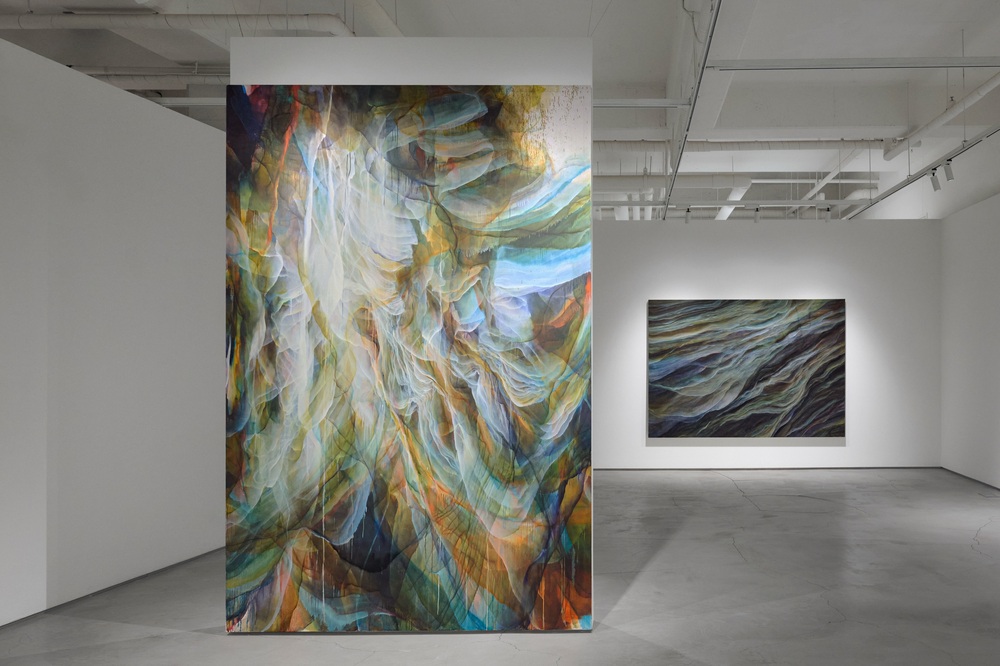
Exhibition view / Photo courtesy of Esther Schipper Gallery
Revisiting the
long-standing tradition of still life painting, the exhibition repositions the
genre within contemporary conditions, asking how objects may be sensed,
interpreted, and reconsidered today.
Spanning multiple
generations, the participating artists each produced a new still life painting
specifically for this exhibition. Rather than treating still life as a mere
mode of representation or as a historical convention, the exhibition focuses on
how objects—situated within Korea’s modern history and contemporary culture—carry
memory, emotion, and social context. Here, still life no longer functions as a
static depiction, but as a site where the personal and the collective, the past
and the present intersect.
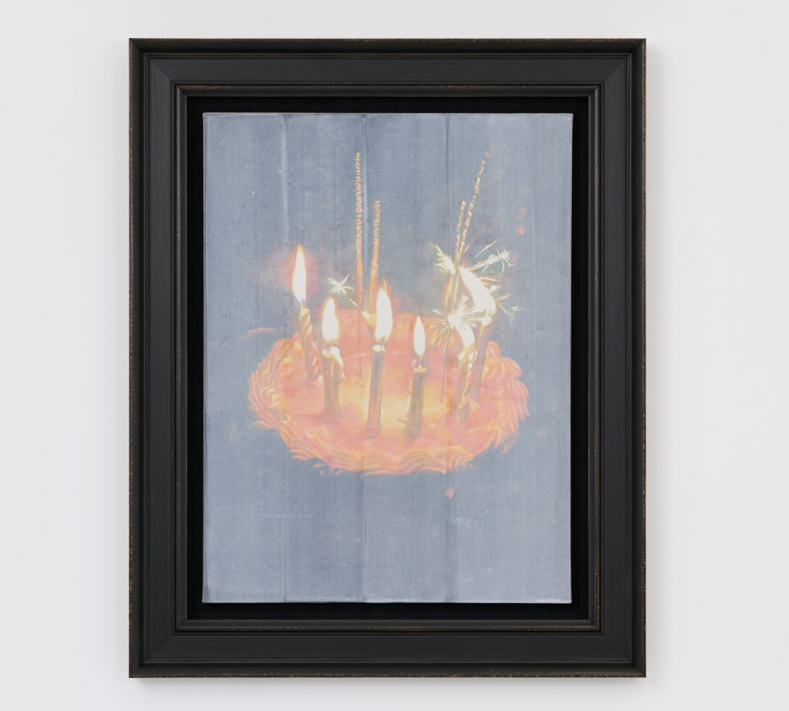
Sejin Kwon, Memory Scape_cake, 2025, Acrylic on Korean paper, 60 x 45 cm / Photo courtesy of Esther Schipper Gallery
Sejin Kwon’s Memory
Scape_cake readily evokes familiar scenes of celebration through
the image of a cake topped with candles, along with the emotions and
conventions such imagery typically signifies. Yet by layering white pigment
over this recognizable motif and leaving visible traces of brushstrokes, Kwon
deliberately pushes the image away from familiarity. In this work, the object
ceases to function as a commemorative symbol and instead becomes a blurred,
shifting landscape of memory.
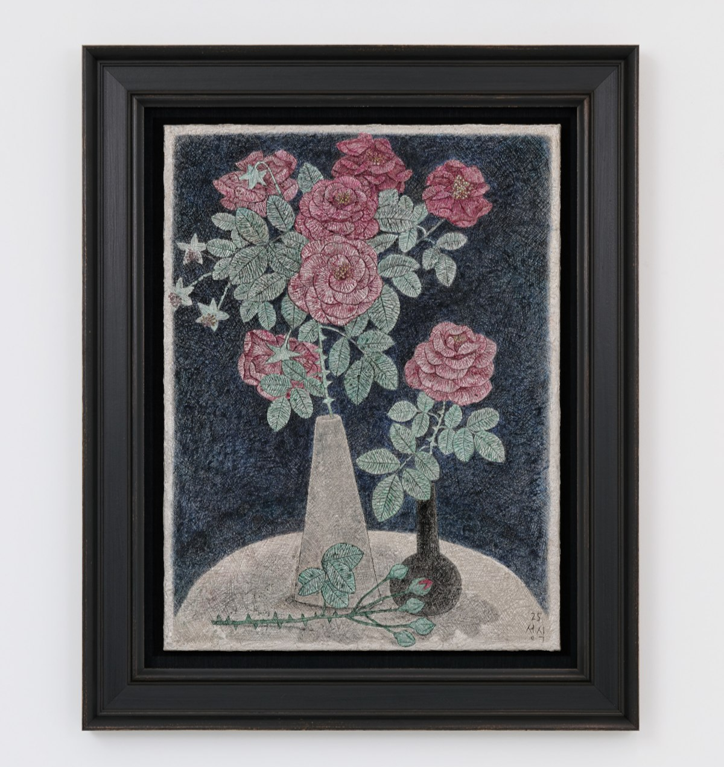
Sungsic Moon, Still Life with Red Roses, 2025, Light modeling paste, silver leaf, aluminum foil, charcoal powder, gouache, acrylic on linen, 60.6 × 45.5 cm / Photo courtesy of Esther Schipper Gallery
In Still
Life with Red Roses, Sungsic Moon extends his ongoing rose series
by introducing aluminum foil as a new pictorial surface, fundamentally
recalibrating the relationship between artist and motif. Unlike the direct
reflection of bodily movement seen in his earlier works, the lines drawn on
foil—requiring careful control of pressure and speed—inevitably reveal a
distance between the artist and the object. The painting foregrounds tension
and separation inherent in the act of depiction, rather than intimacy with the
motif.
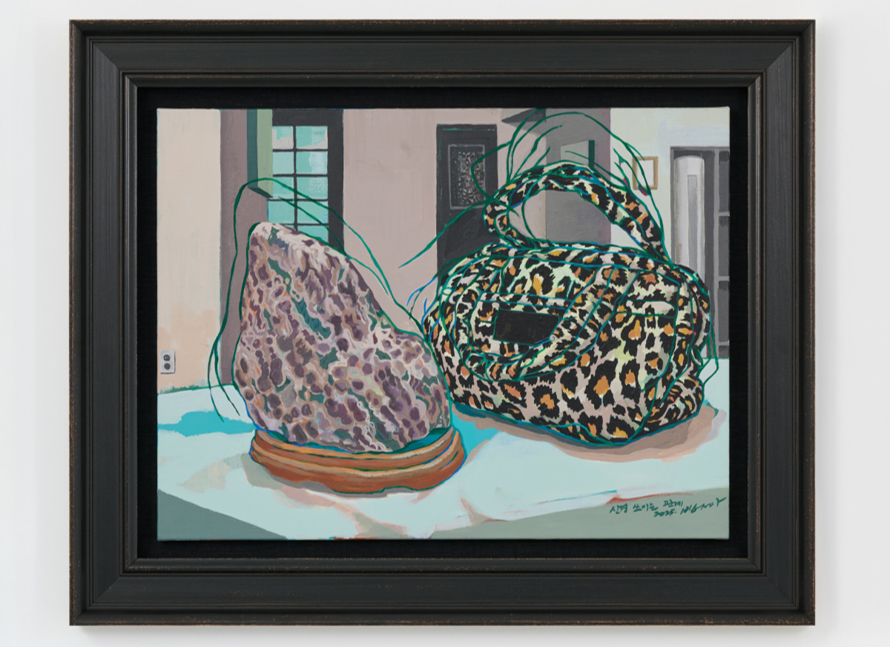
Jeong-A Bang, You Look Like Me and Feel Bad, 2025, acrylic on canvas, 45 × 60 cm / Photo courtesy of Esther Schipper Gallery
Jeong-A Bang’s You
Look Like Me and Feel Bad focuses on the peculiar relationship
formed between two objects that resemble one another. Here, the relationship
between objects unfolds as an event that precedes the human gaze. The viewer is
no longer positioned as a detached observer, but rather stands as another
entity confronting an already established relational field.
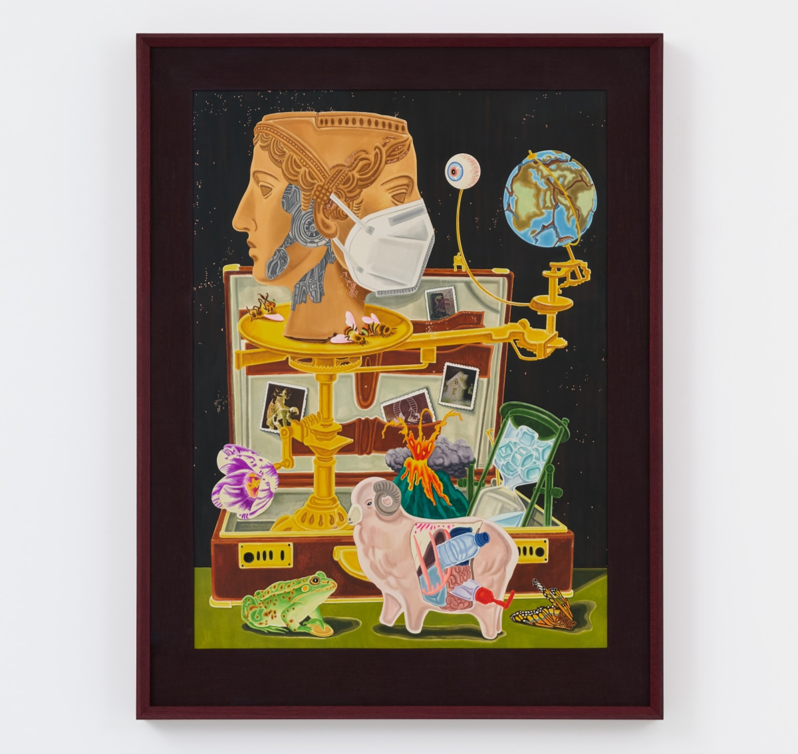
Shinyoung Park, What Lies Before Us, 2025, silkscreen, silkscreen monotype & watercolor on paper, 60.8 × 45.5 cm / Photo courtesy of Esther Schipper Gallery
Shinyoung Park’s What
Lies Before Us condenses both the structural chaos of the
contemporary moment and the residual traces of historically accumulated events
into the form of still life. The objects depicted function as warning signs—symbols
that allude to present-day precarity and instability—reaffirming still life
painting as a genre that has long indexed the ominous symptoms of its time.
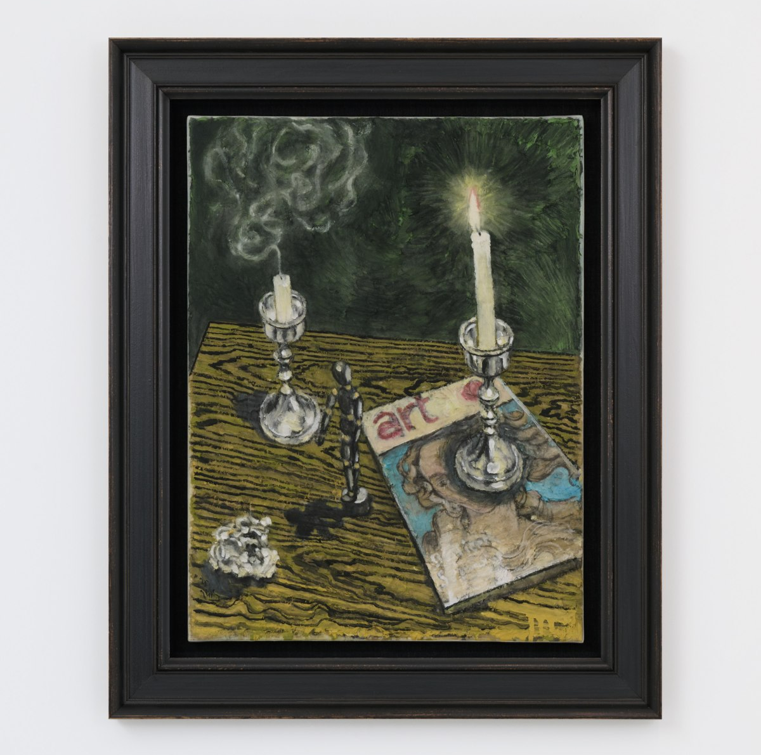
Geun-Taek Yoo, Candlelight with Smoke, 2025, Korean paper, oil on canvas, 60.8 × 45.5 cm / Photo courtesy of Esther Schipper Gallery
Beyond these
works, the exhibition further expands the possibilities of still life through
diverse artistic approaches.
Jinhee Kim and
Jiwon Kim attend to repetition and layering as structural principles, exploring
how objects absorb accumulated time and traces of use. In their works, still
life appears less as a completed form than as the residue of repeated actions
and rhythms, with the sense of labor and temporality embedded in compositional
structure.
Min Joung-Ki and
Nosik Lim intersect still life and landscape, personal memory and social
context, situating objects within a broader historical gaze. Though the objects
emerge from everyday life, their placement and context evoke the temporal and
spatial layers of Korean society.
Lee Jinju and
Soojung Jung fine-tune the emotional atmosphere of objects through subtle
compositional balance and chromatic sensitivity. Their still lifes do not
assert clear narratives, but instead generate affective currents through
density, spacing, and tonal nuance.
Yaerim Ryu
focuses on materiality and sensory layers, treating objects less as visual
signs than as sites of tactile and perceptual experience.
The works of
Byungkoo Jeon, Sun Woo, and Jin Han similarly explore issues of vision and
relational structure through the arrangement and composition of objects,
extending still life into a contemporary pictorial language.
《Still Life:
Objects of Our Time》does not fix still life as a genre
of the past. Rather, it demonstrates how objects continue to serve as viable
agents for producing contemporary questions. Silent within the frame, these
objects nonetheless carry within them the memory and present of Korean society,
as well as the ongoing possibilities of painting as a medium.
Exhibition
Information
Title :《Still Life: Objects of Our Time》
Curated by : Minjin Chae
Artists : Sejin Kwon, Jinhee Kim, Jiwon Kim, Min Joung-Ki, Sungsic Moon,
Shinyoung Park, Jeong-A Bang, Nosik Lim, Lee Jinju, Geun-Taek Yoo, Yaerim Ryu,
Byungkoo Jeon, Soojung Jung, Sun Woo, Jin Han
Exhibition
Dates : January 14 – February 14, 2026
Opening Hours : Tuesday–Saturday, 11:00 AM–6:00 PM
Venue : Esther Schipper Seoul (24 Hannam-daero 46-gil, Yongsan-gu, Seoul)
Website / Instagram :
estherschipper.com / @estherschipper