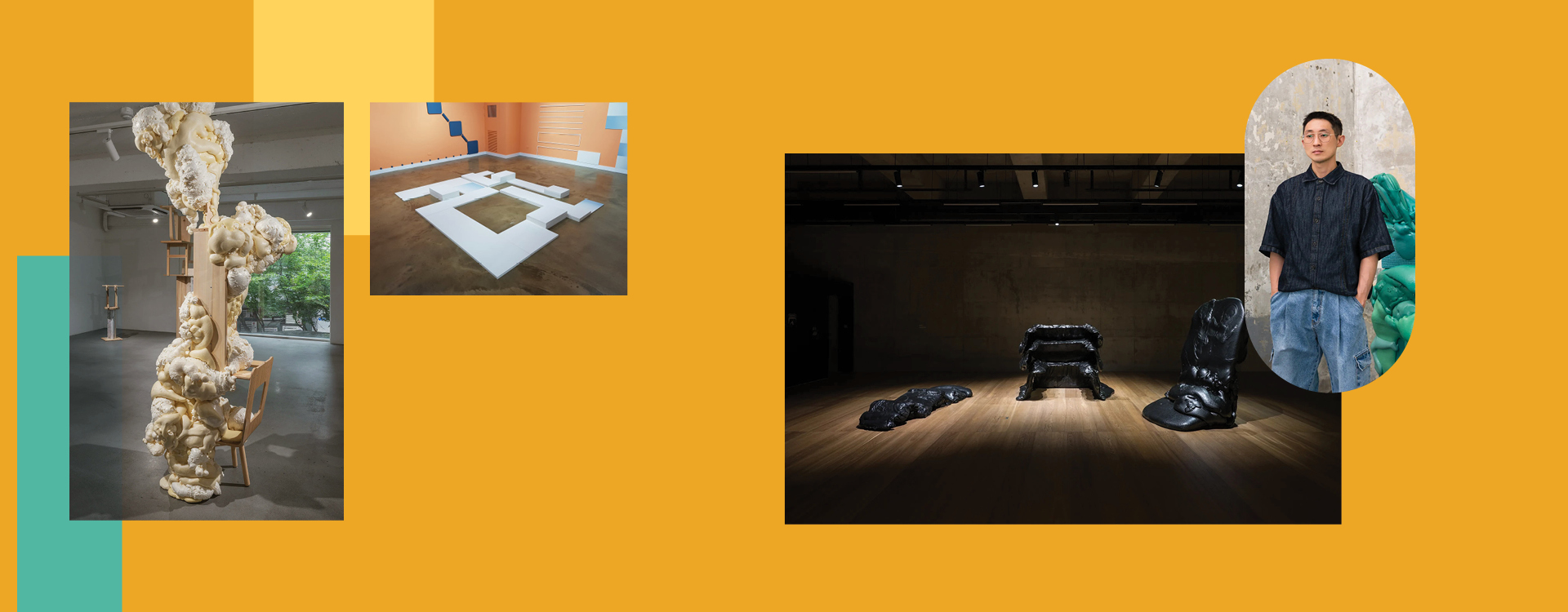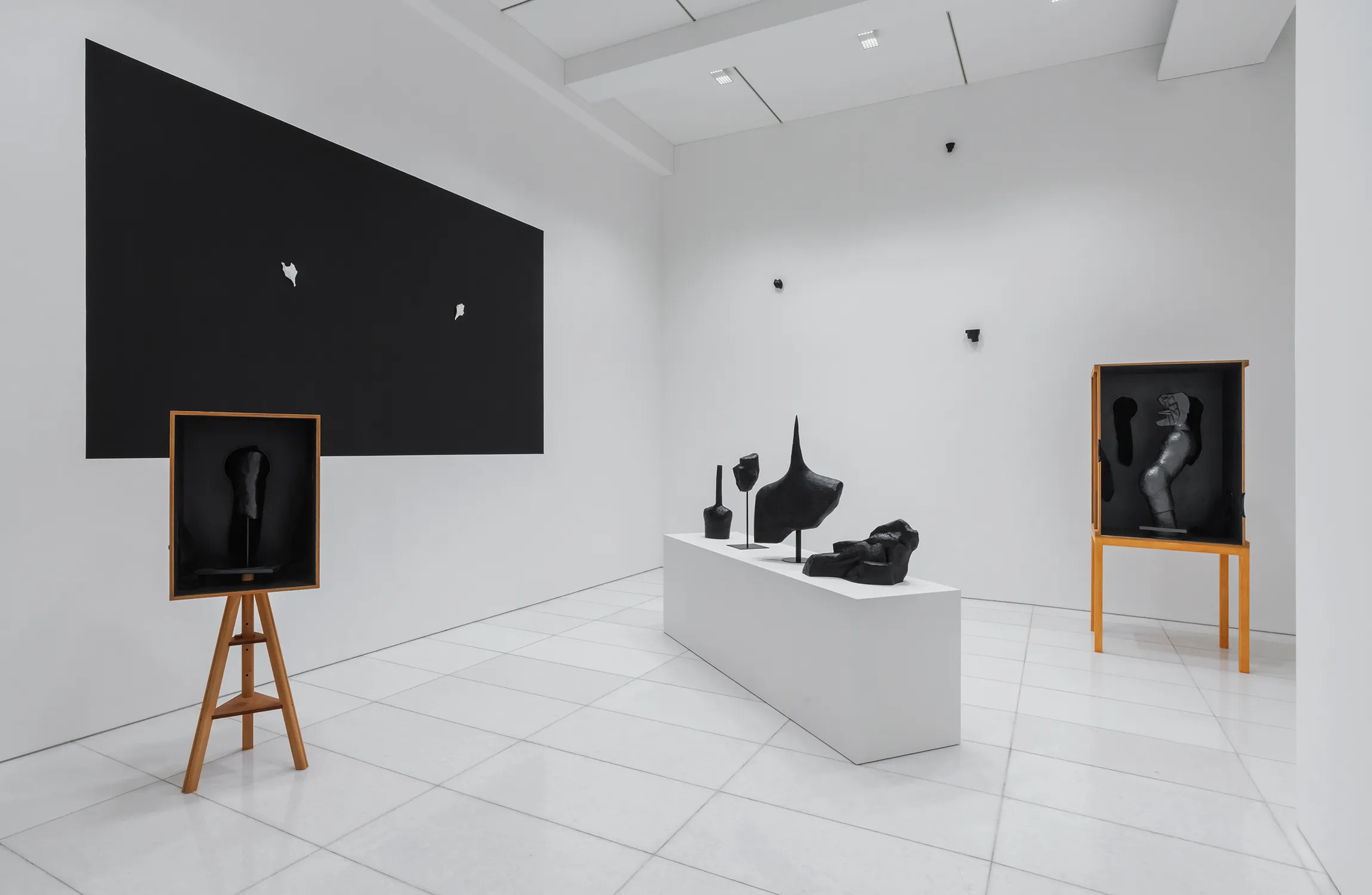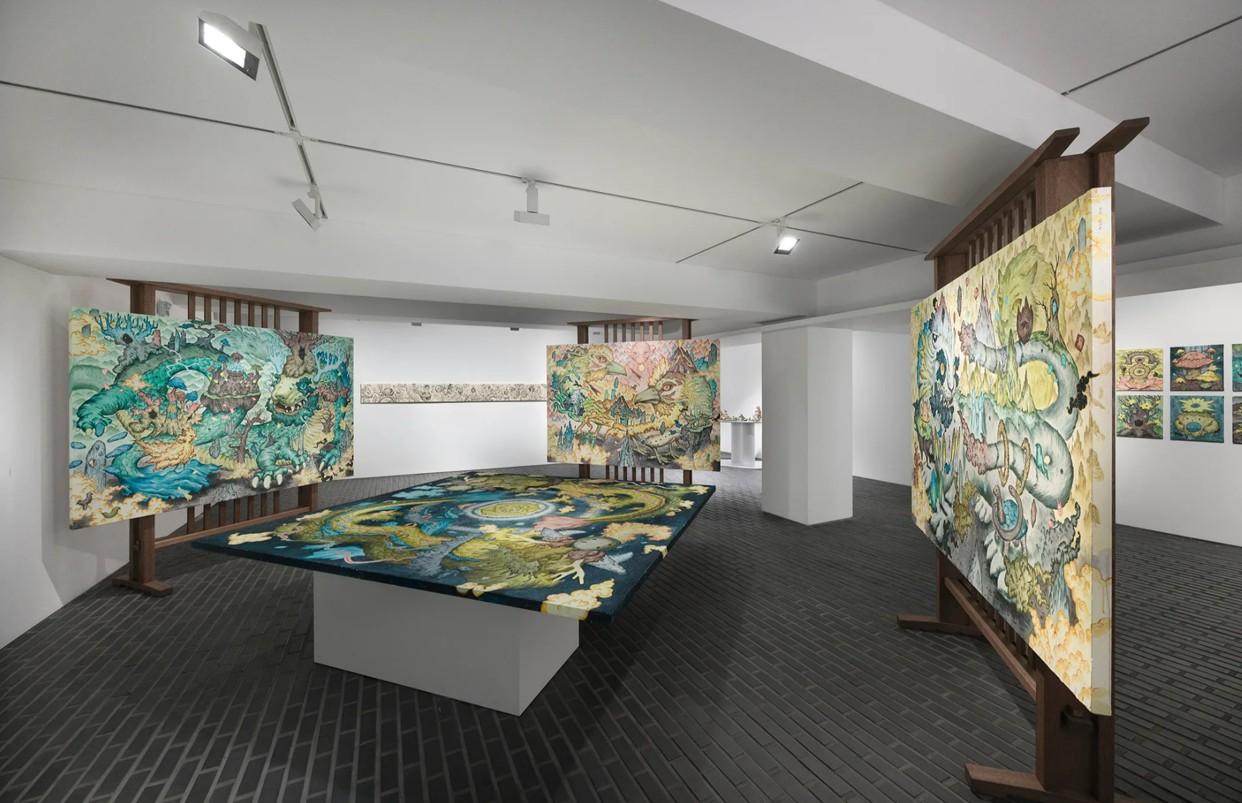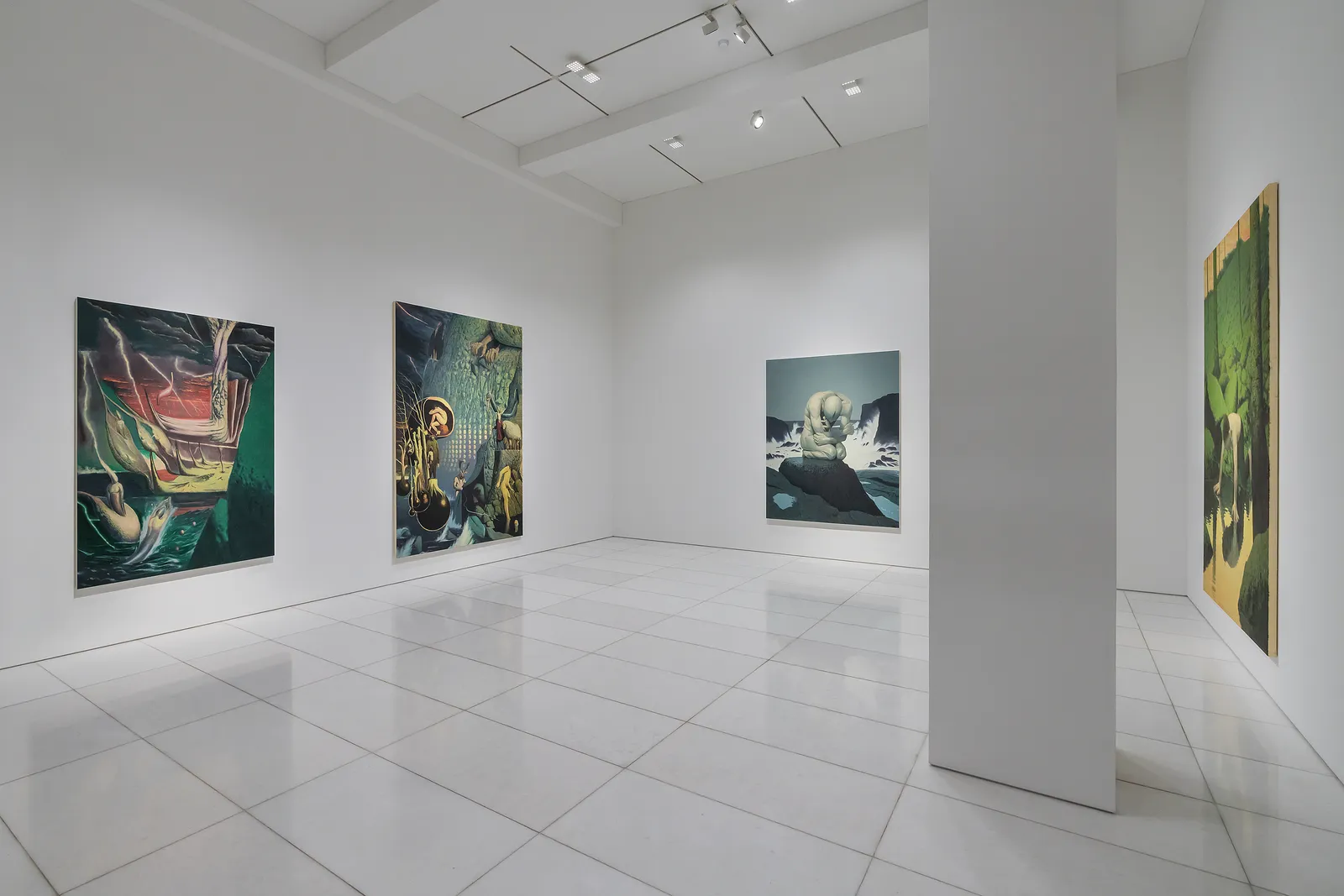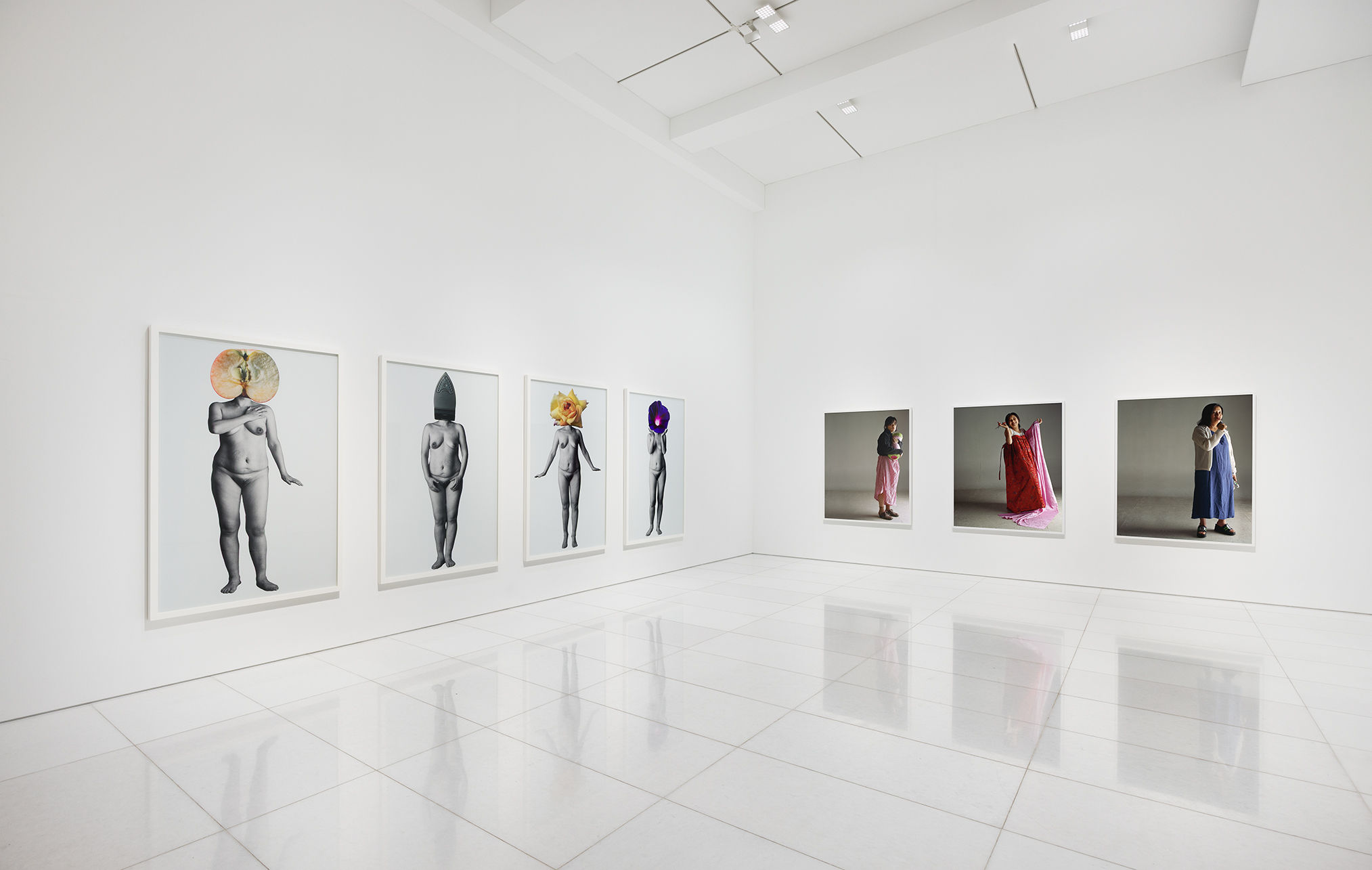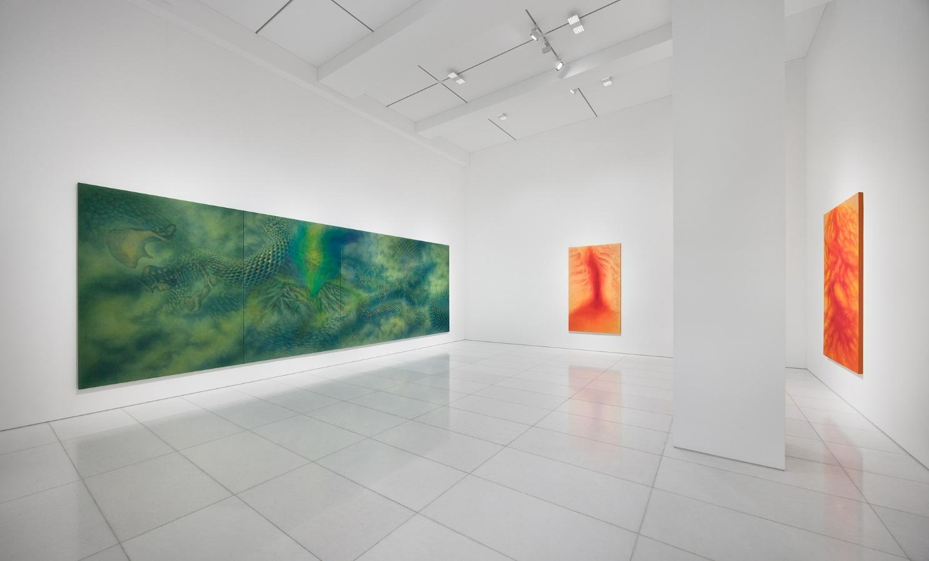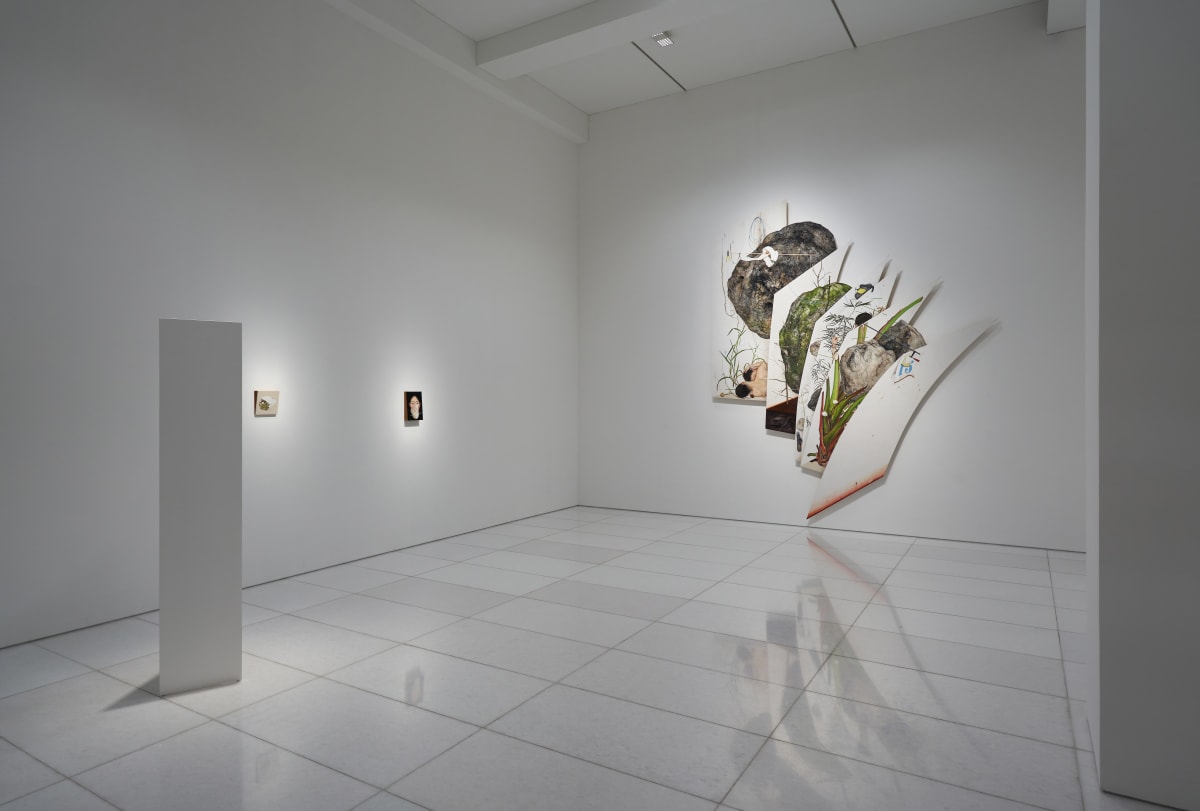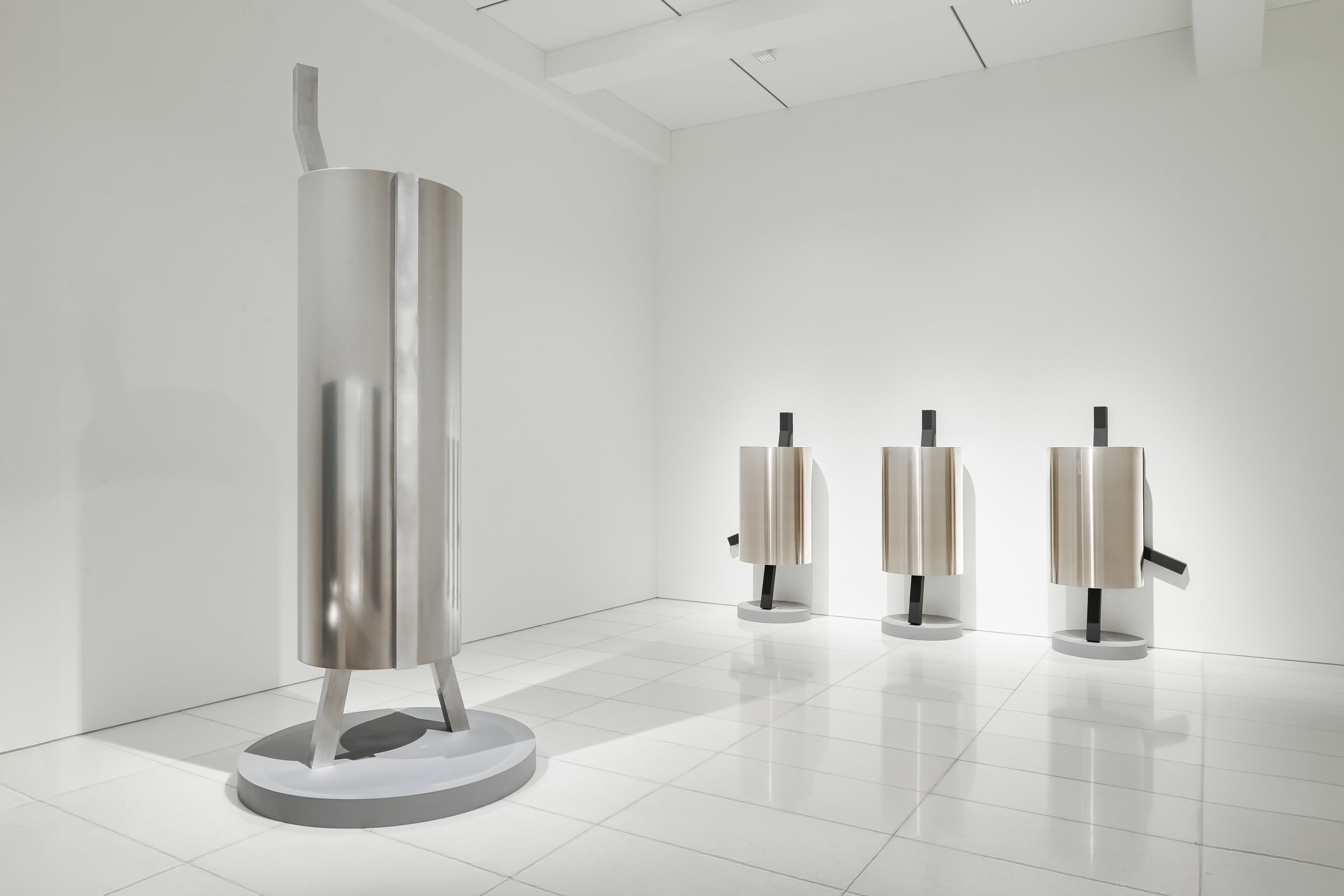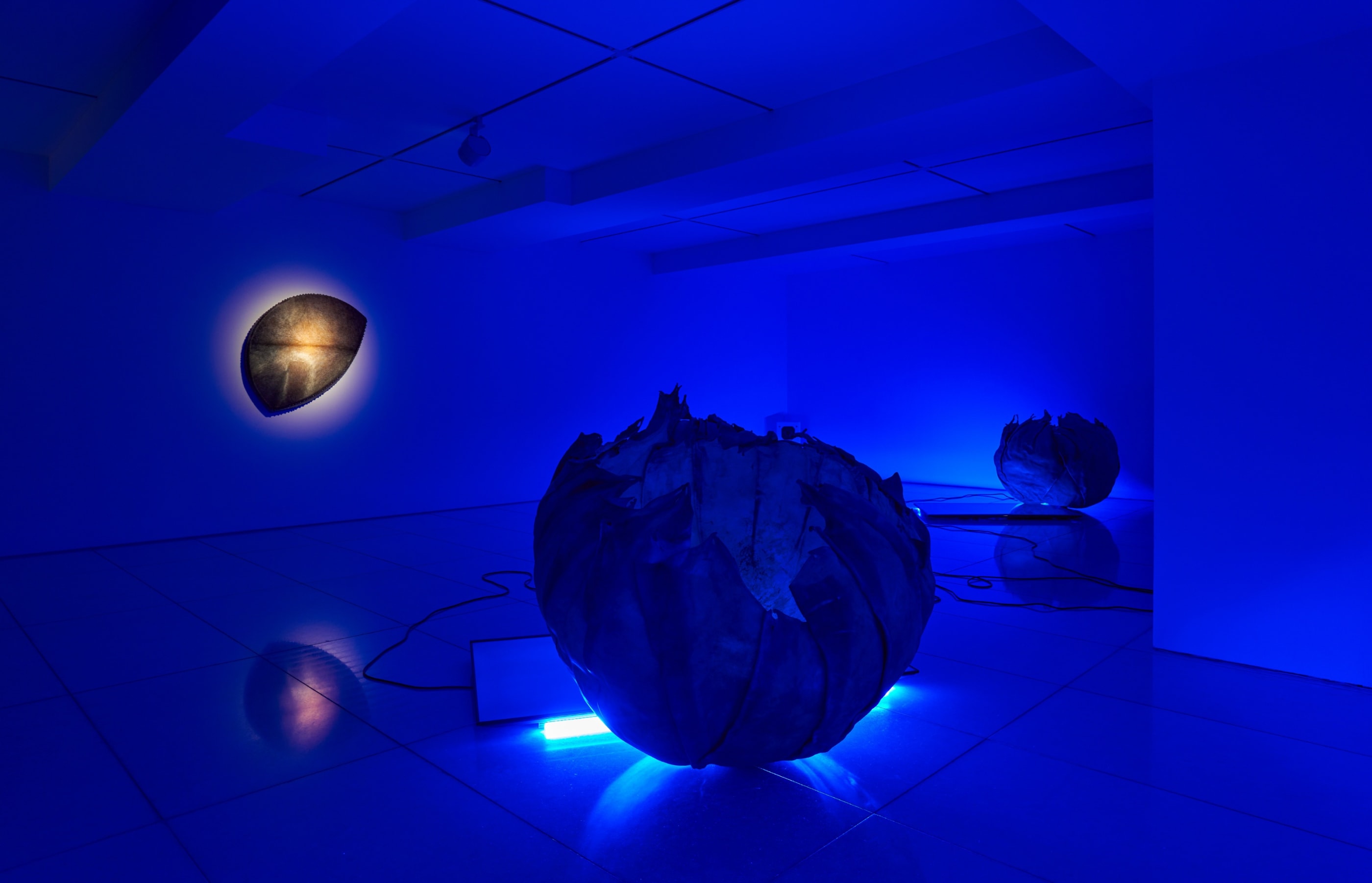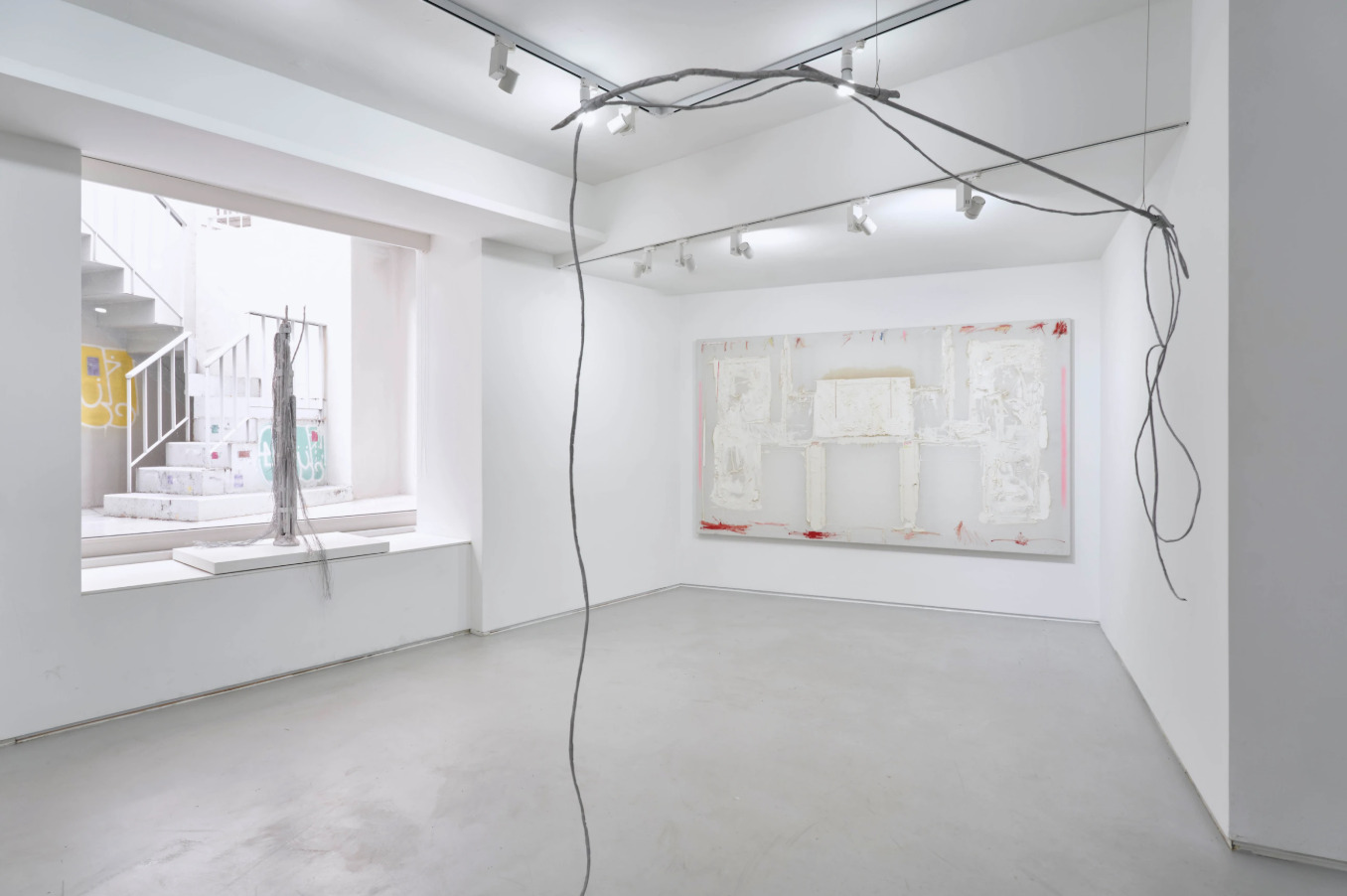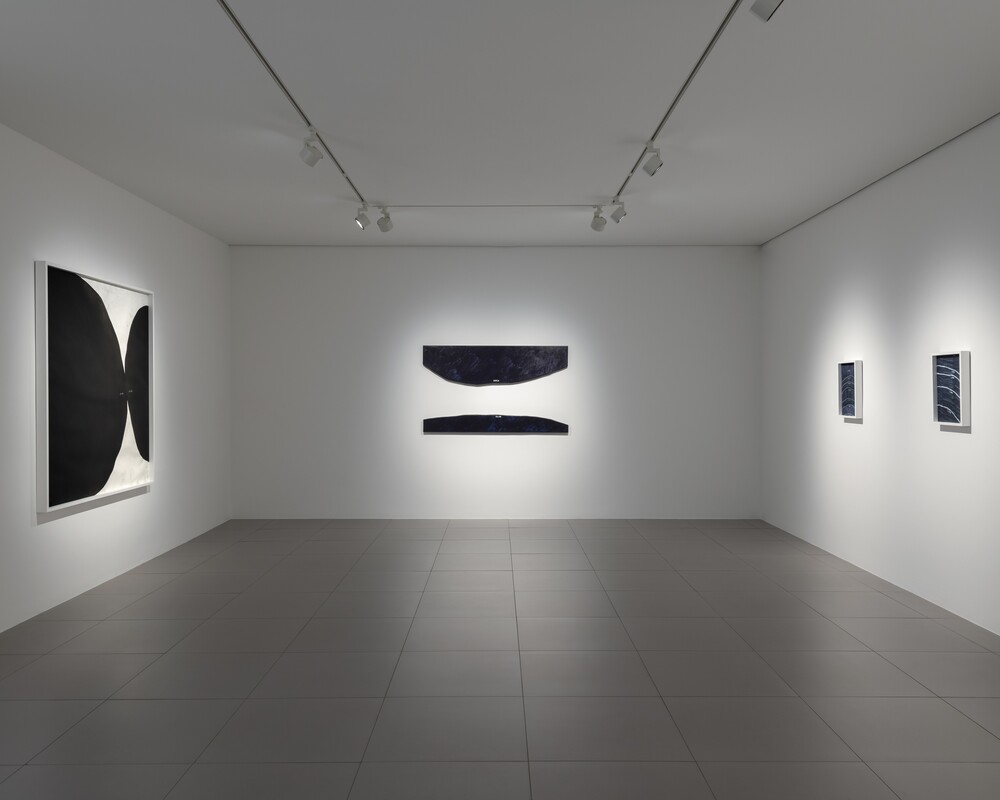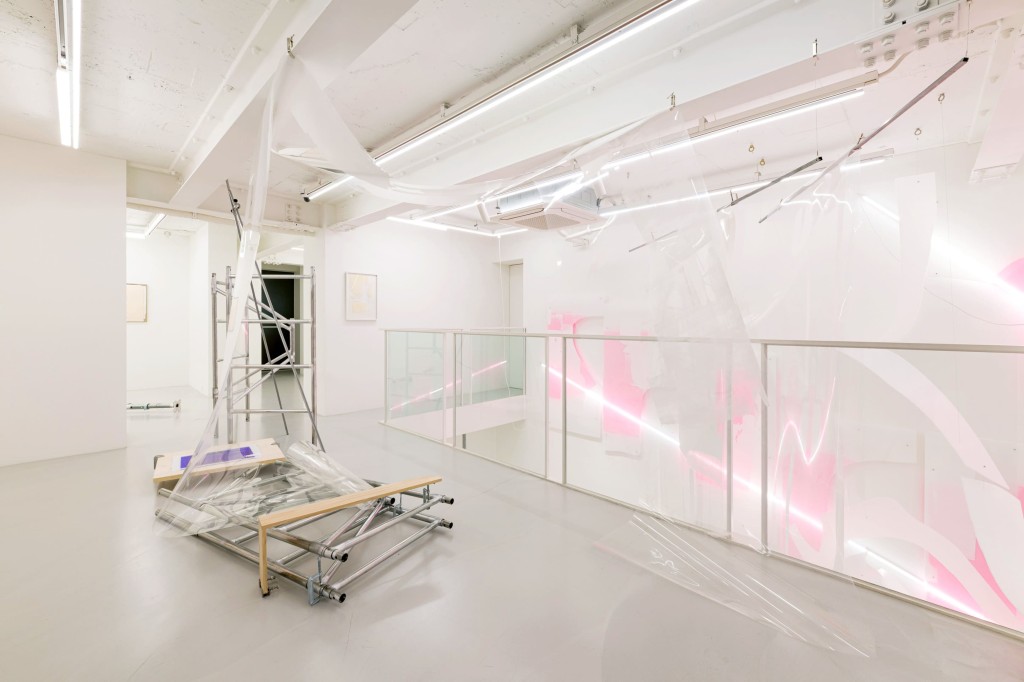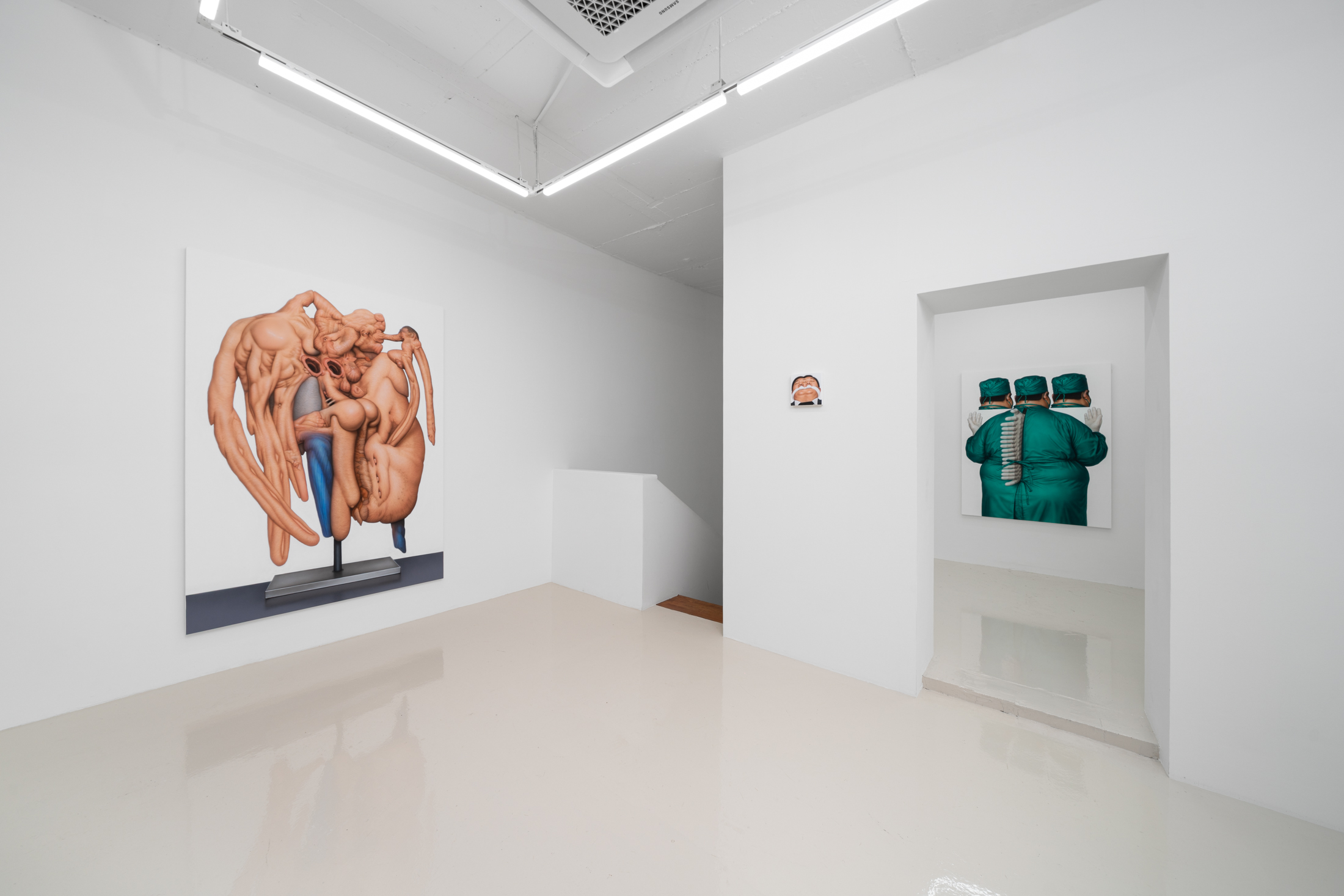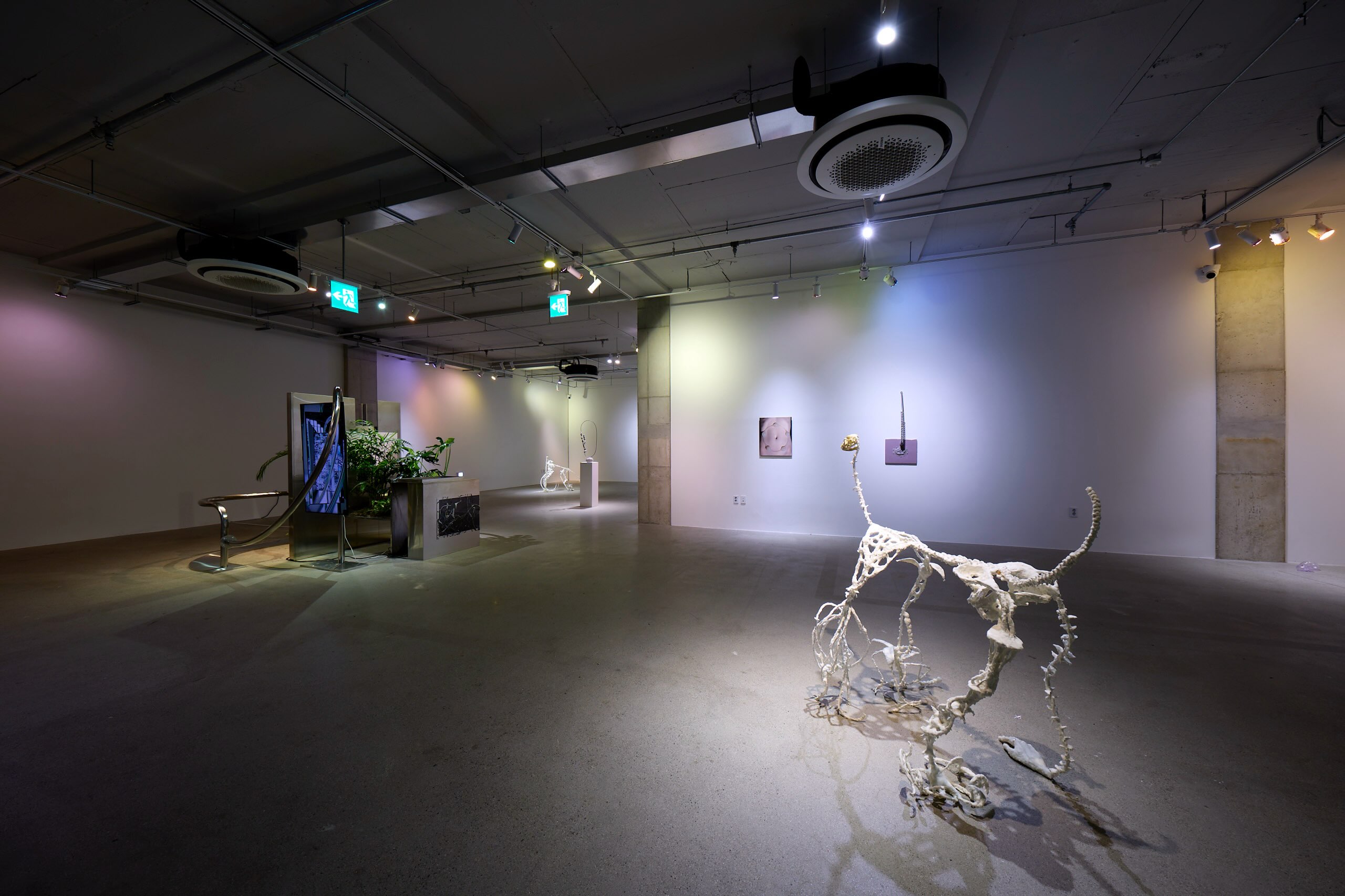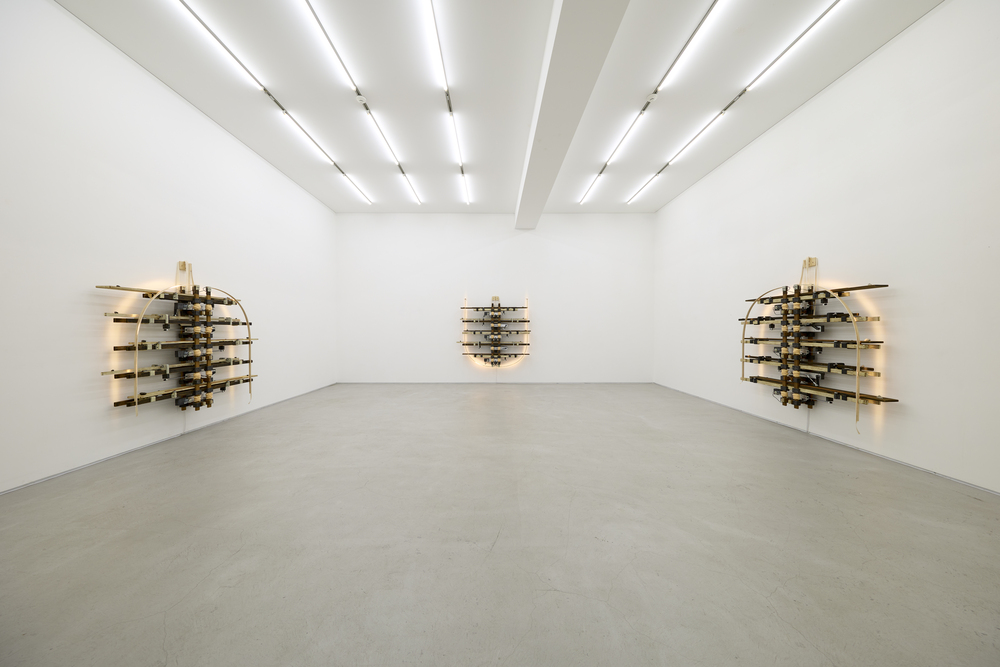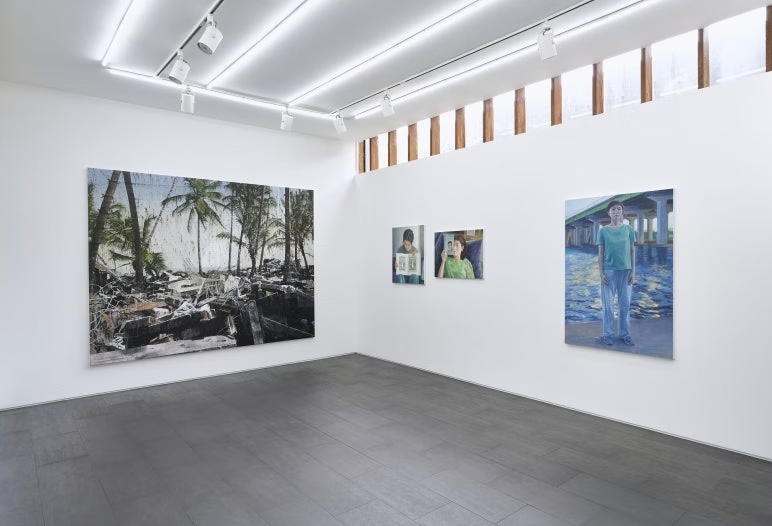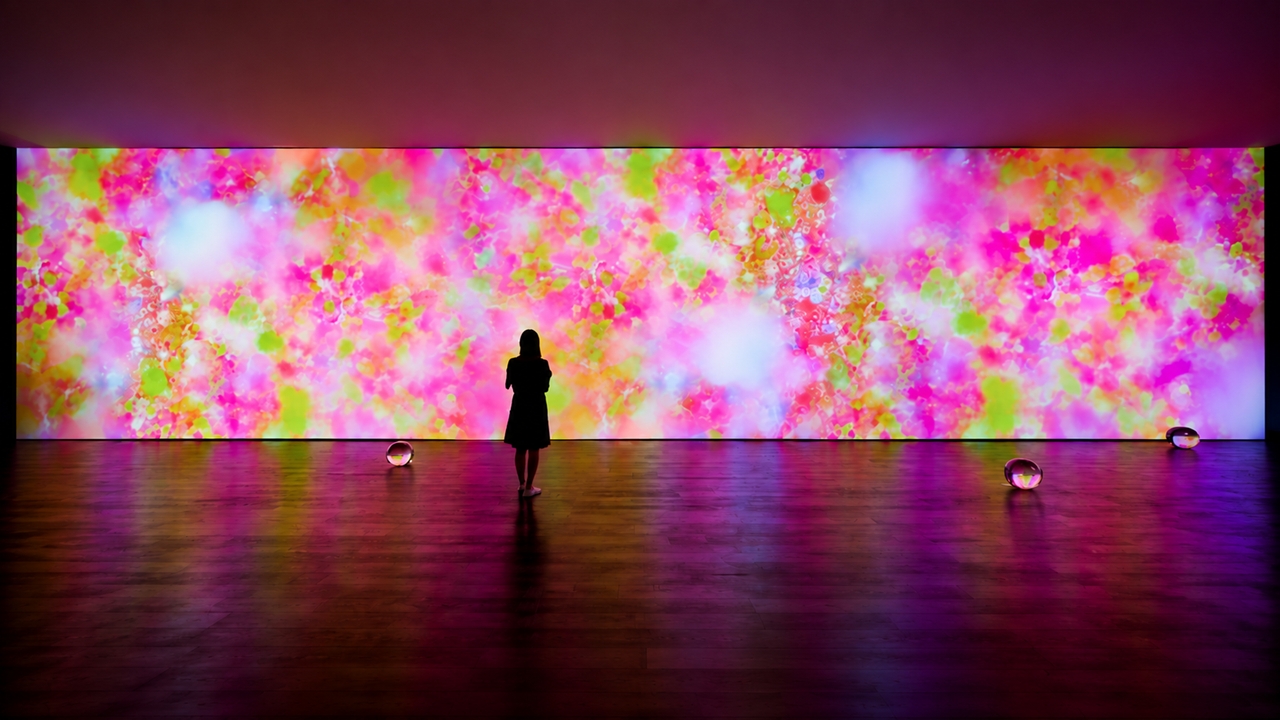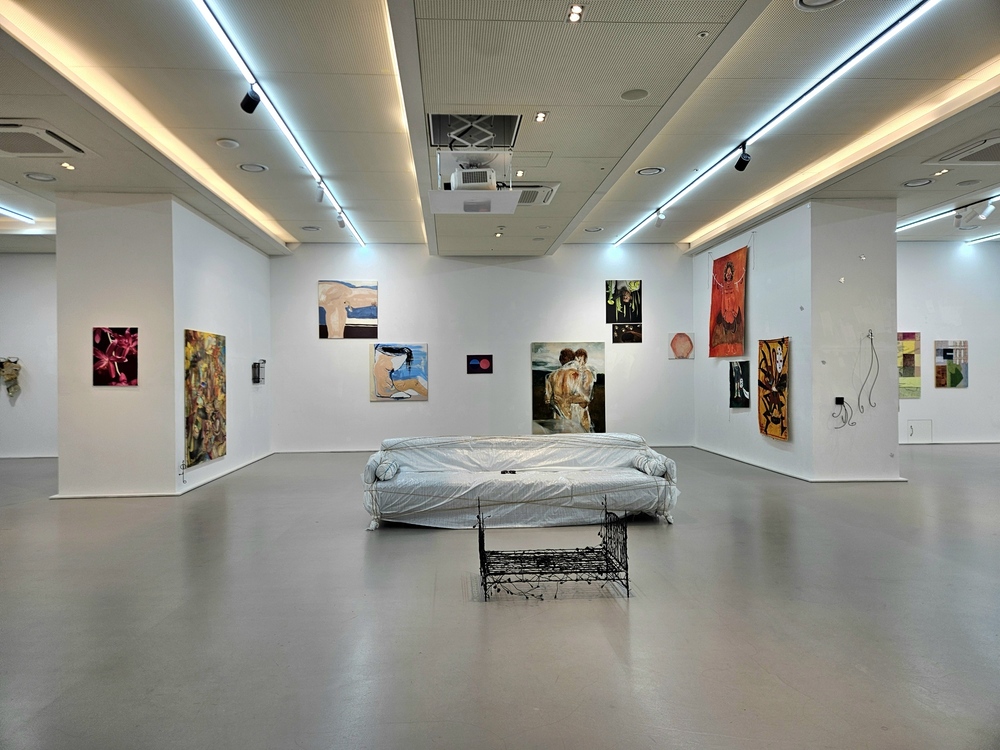

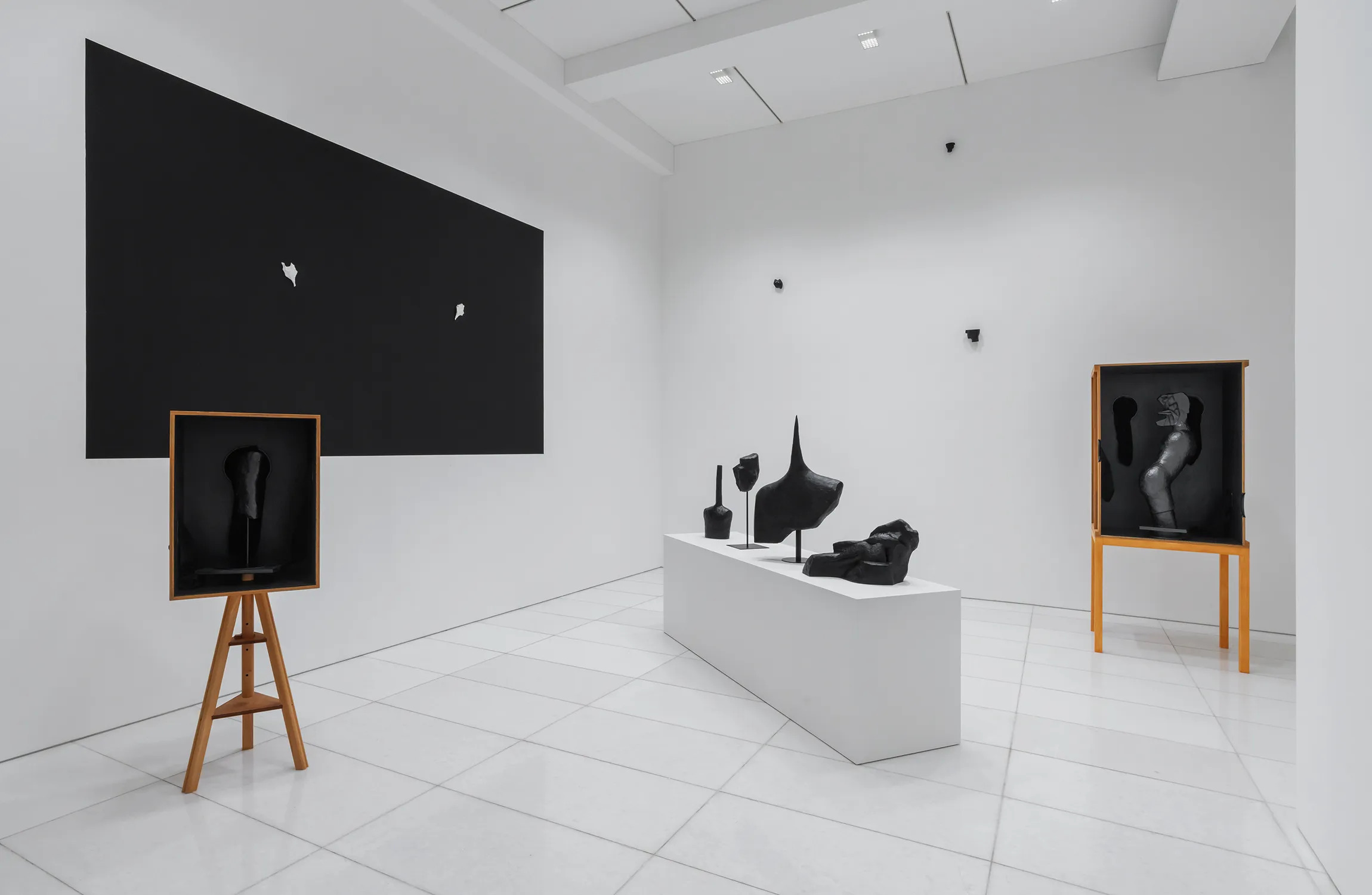
Installation view of 《A Man Asleep》 © ARARIO GALLERY
ARARIO GALLERY presents a solo exhibition 《A Man Asleep》, by artist KIM Inbai, on view through October 24 at its Seoul
branch.
Spanning all exhibition spaces of the ARARIO
GALLERY SEOUL, this presentation highlights approximately 29 new sculptures and
two dimensional works that translate KIM Inbai’s enduring exploration of the
sensation of 'absence' through a sculptural methodology.
Drawing inspiration from Georges Perec’s
novel A Man Asleep (Un homme qui dort), the exhibition sheds
light on the 'unbridgeable gap' between the gaze that attempts to capture a
subject and its actual existence.
Just as the narrator in the novel obsessively
observes 'you' yet ultimately fails to grasp the subject in its entirety, KIM
focuses on the subtle discrepancies that inevitably arise the moment a subject
is defined by a single form and meaning.
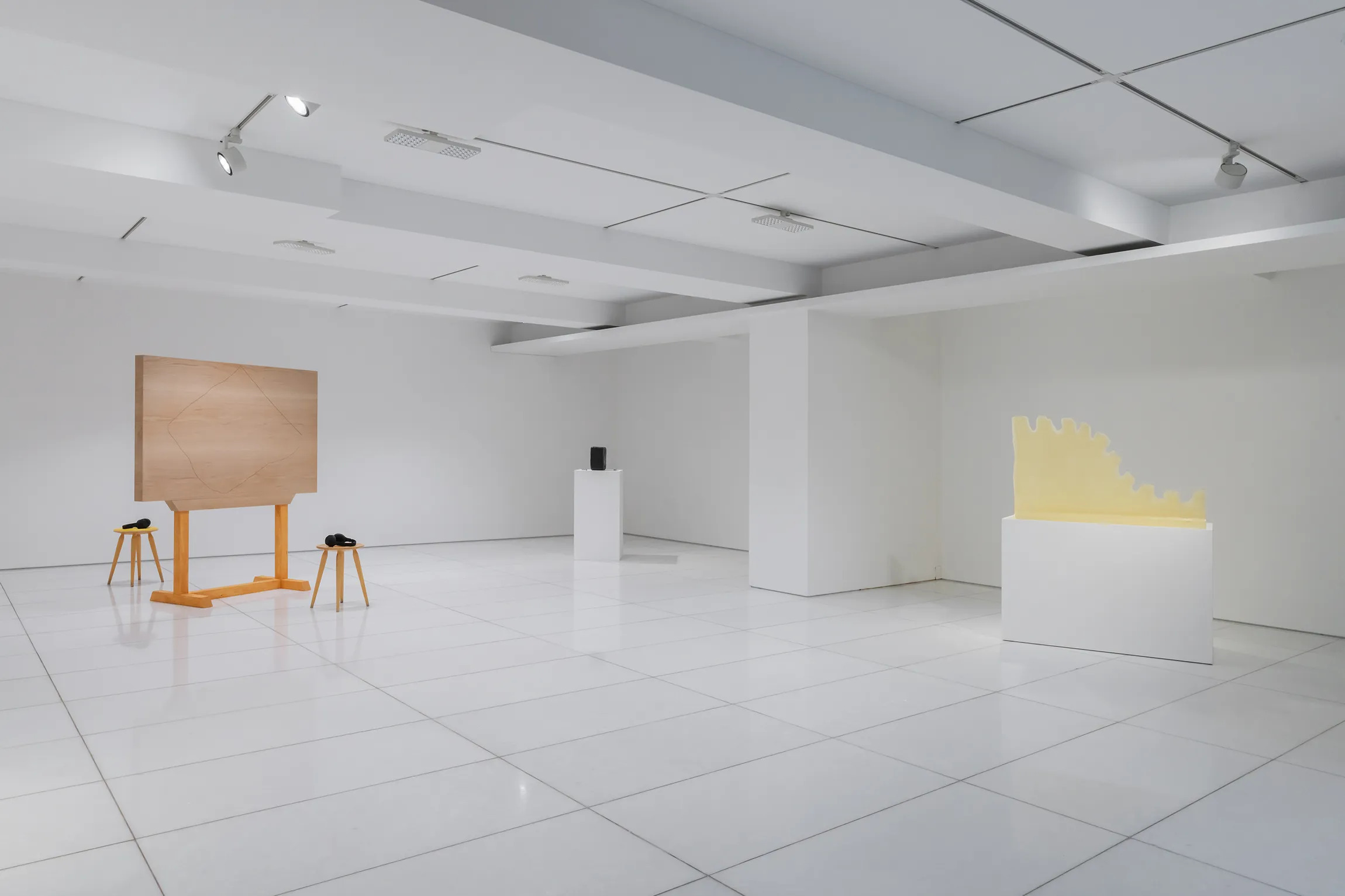
Installation view of 《A Man Asleep》 © ARARIO GALLERY
By materializing the spatial gap between the
signifier and the signified, he poses a fundamental question: "What does
it mean to see what is not there?" Beyond the clearly revealed forms
before our eyes, the exhibition presents the sensation of 'absence' existing in
between, realized through independent sculptural practices across each floor.
The first floor exhibition space translates
the unbridgeable psychological distance between the narrator and the
protagonist in Georges Perec's novel into a sculptural act. The basement
exhibition space appropriates the concepts of vanishing points and perspective,
drawing the visually most distant, virtual point into a blatant act of
'touching.'
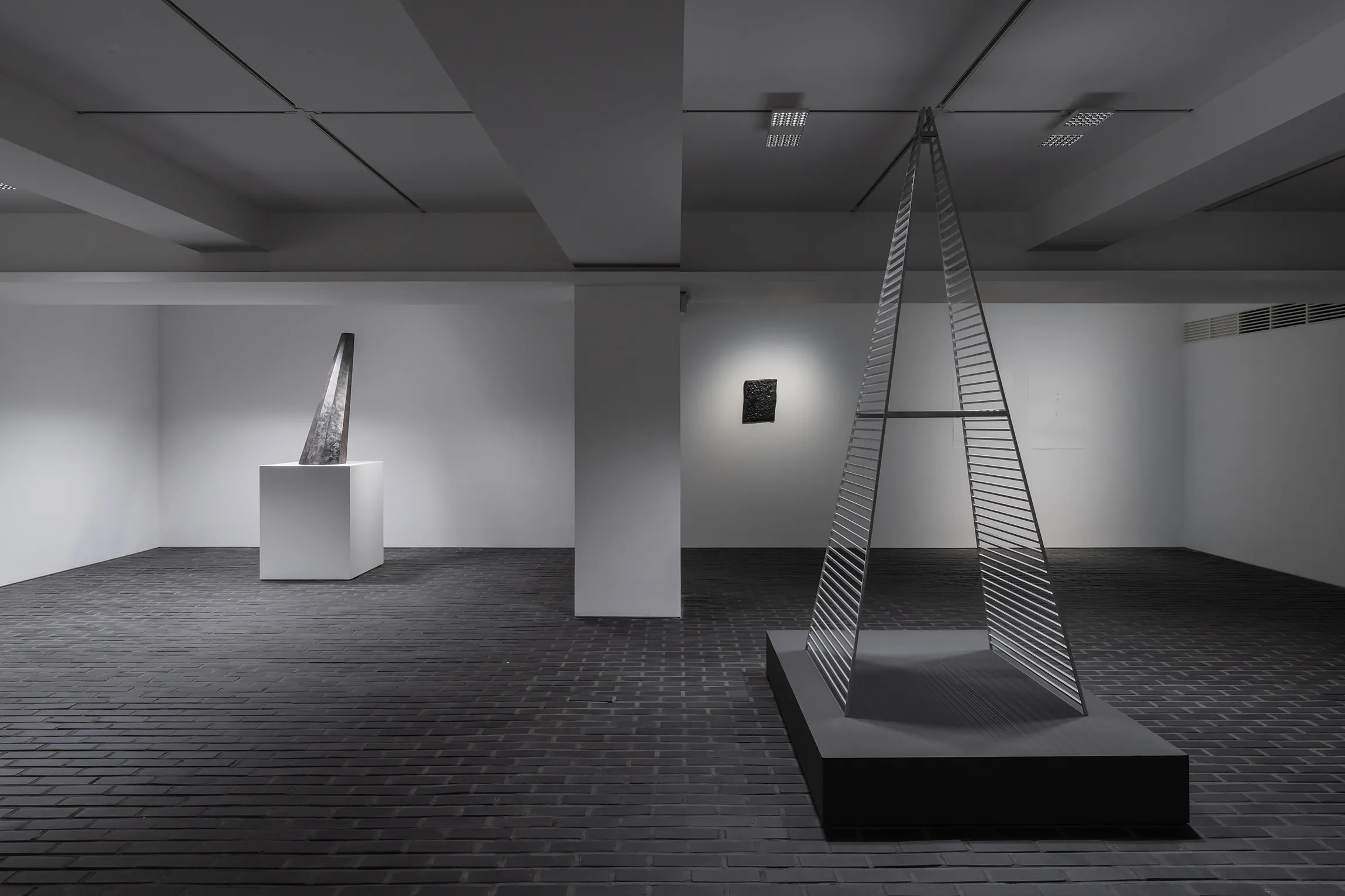
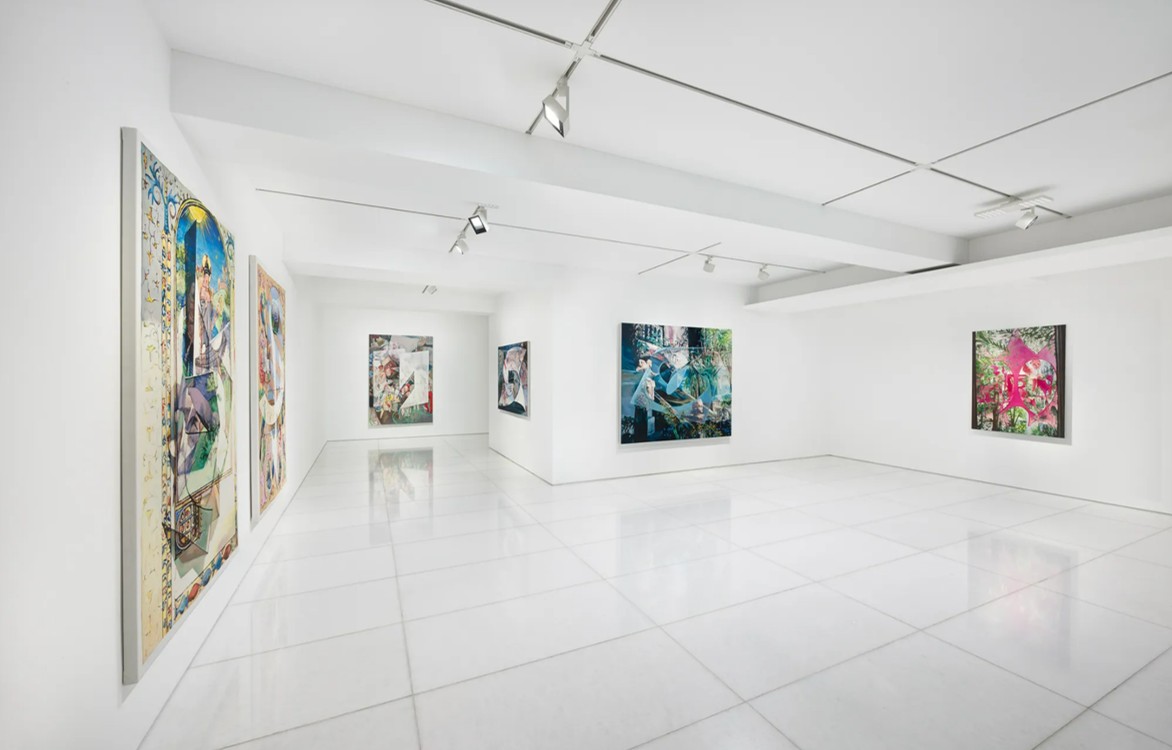
Installation view of 《A Man Asleep》 © ARARIO GALLERY
Using
the motif of dotted lines on a road, the third-floor exhibition space
dismantles the physical boundaries of the room and materializes virtual lines.
The dotted line in the center of a road separates moving vehicles while
simultaneously permitting them to cross at any time; KIM brings this concept
into the gallery space.
The
fourth-floor exhibition space materializes the sense of discrepancy embedded in
Georges Perec’s autobiographical novel, bringing it into the realm of human
relationships.