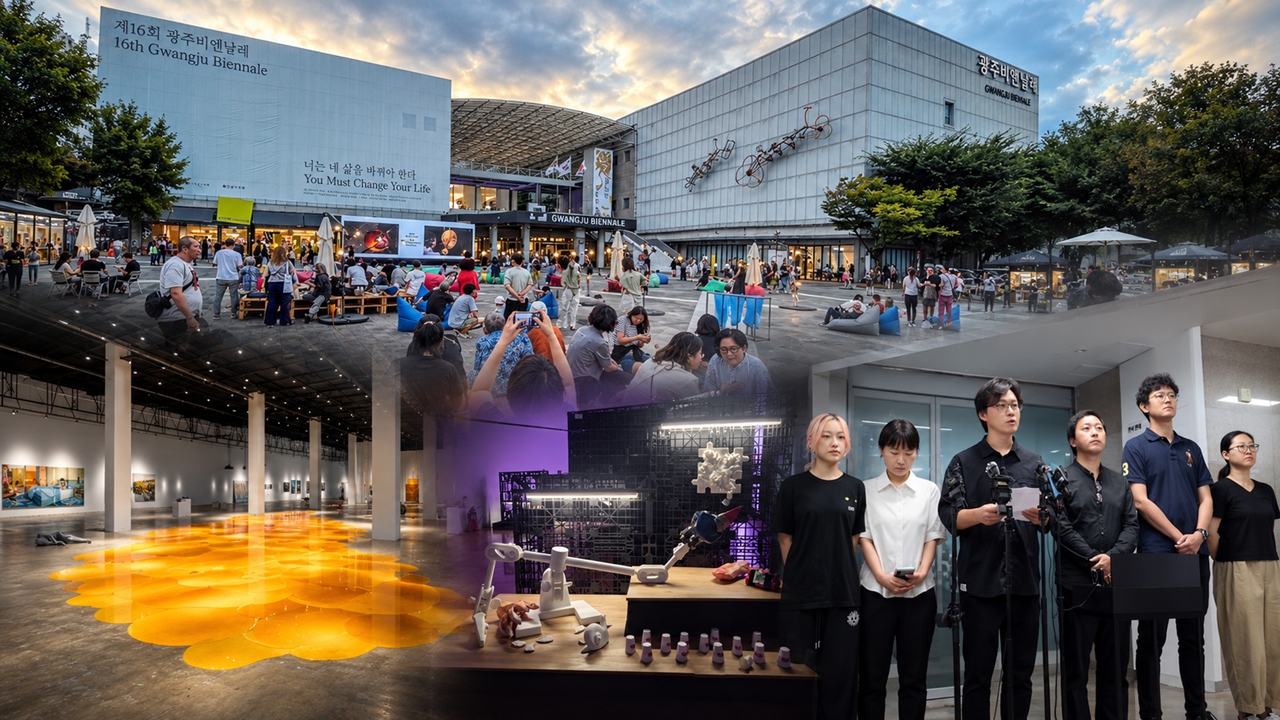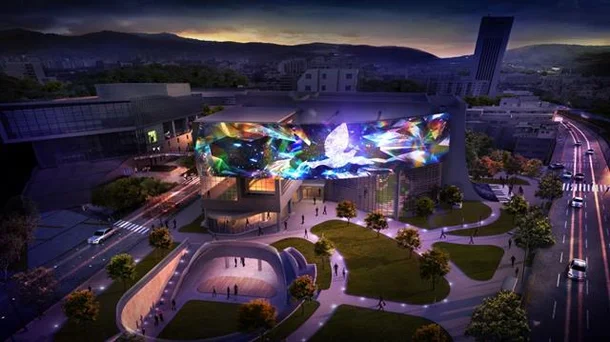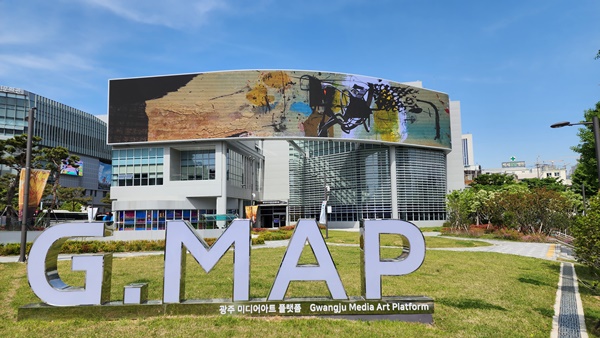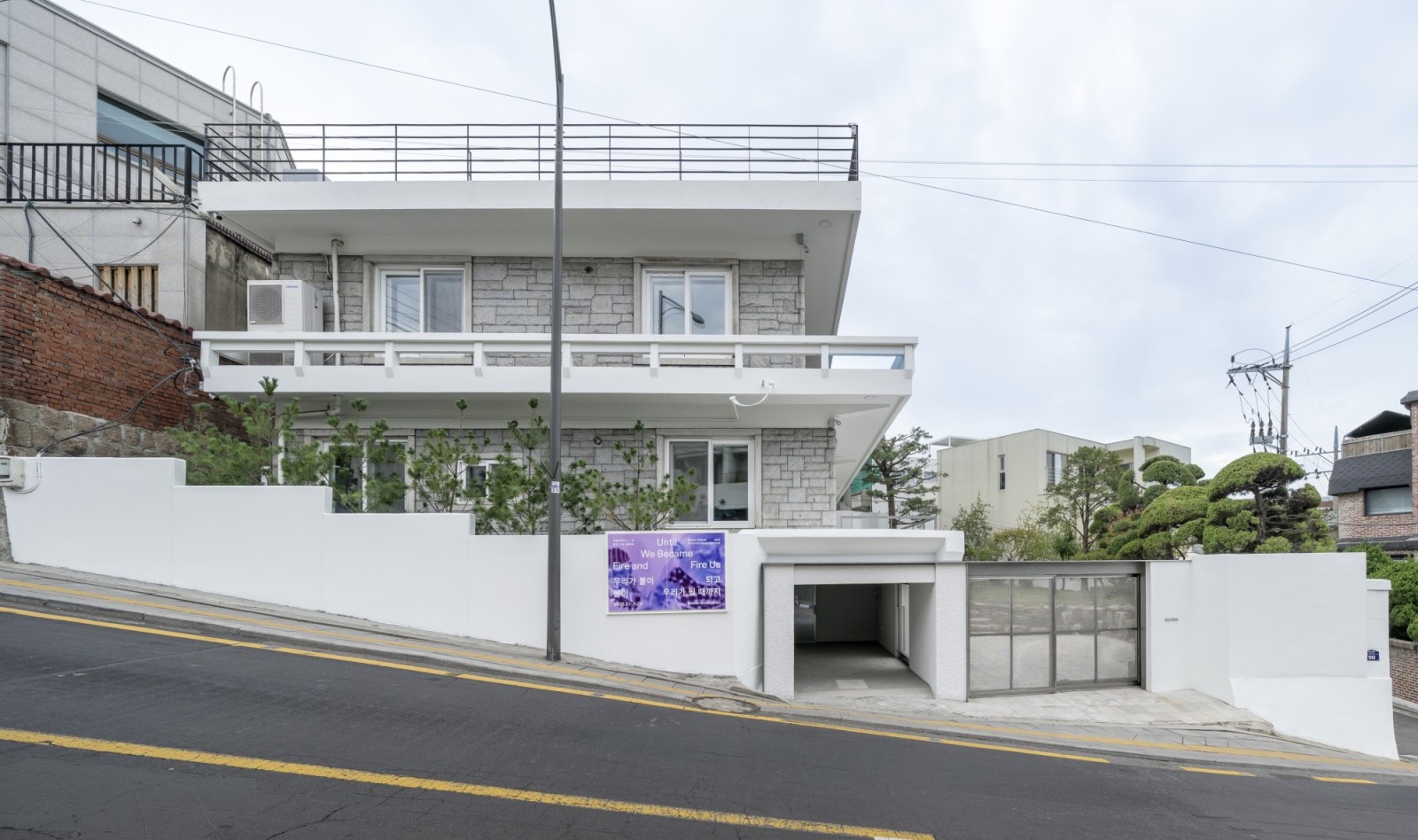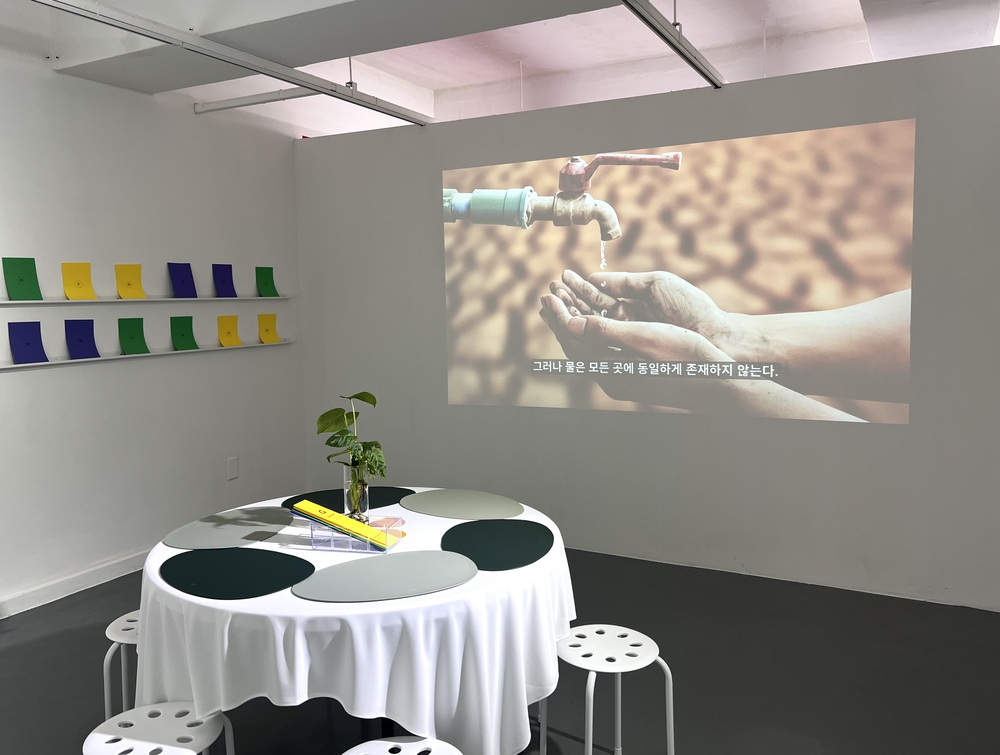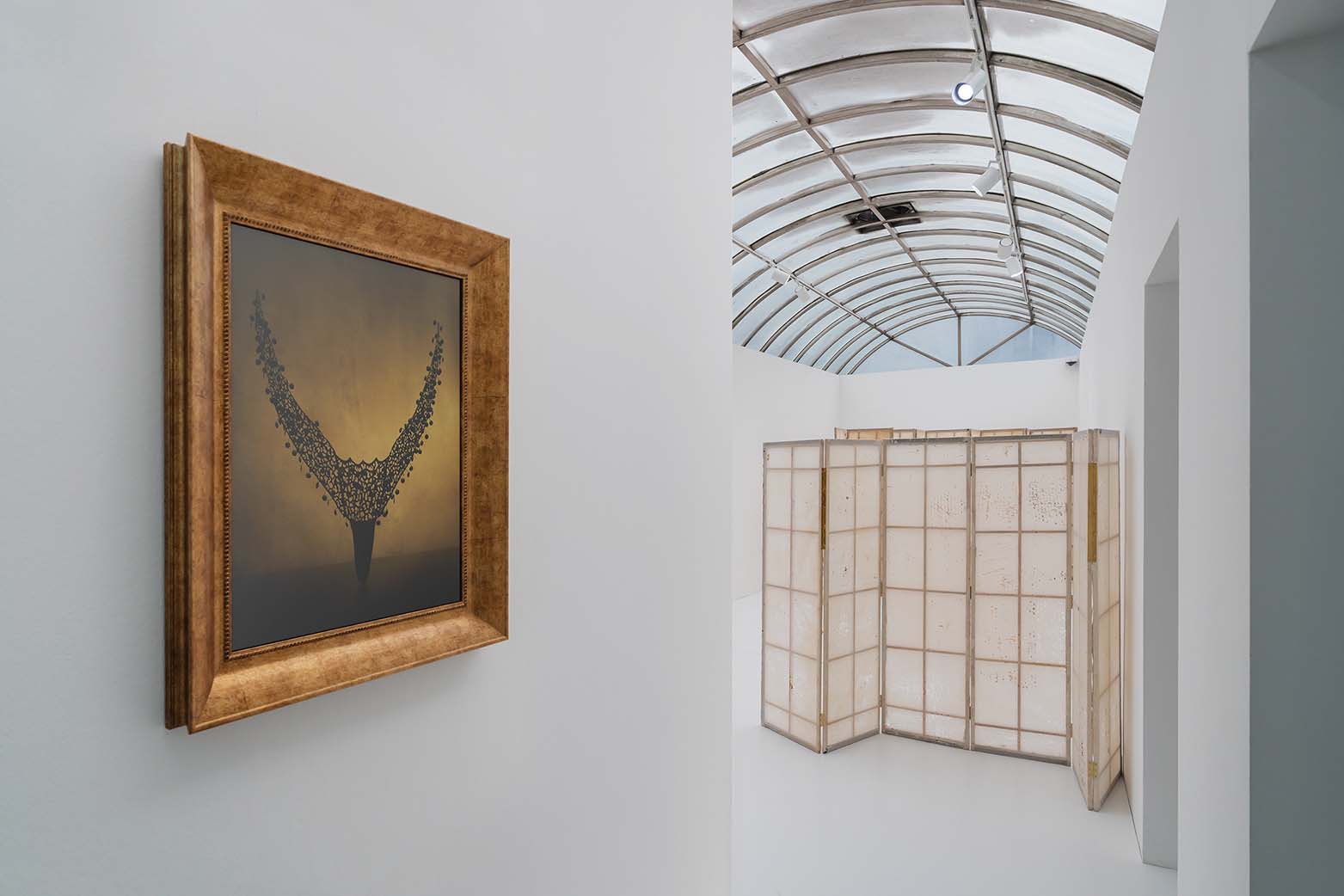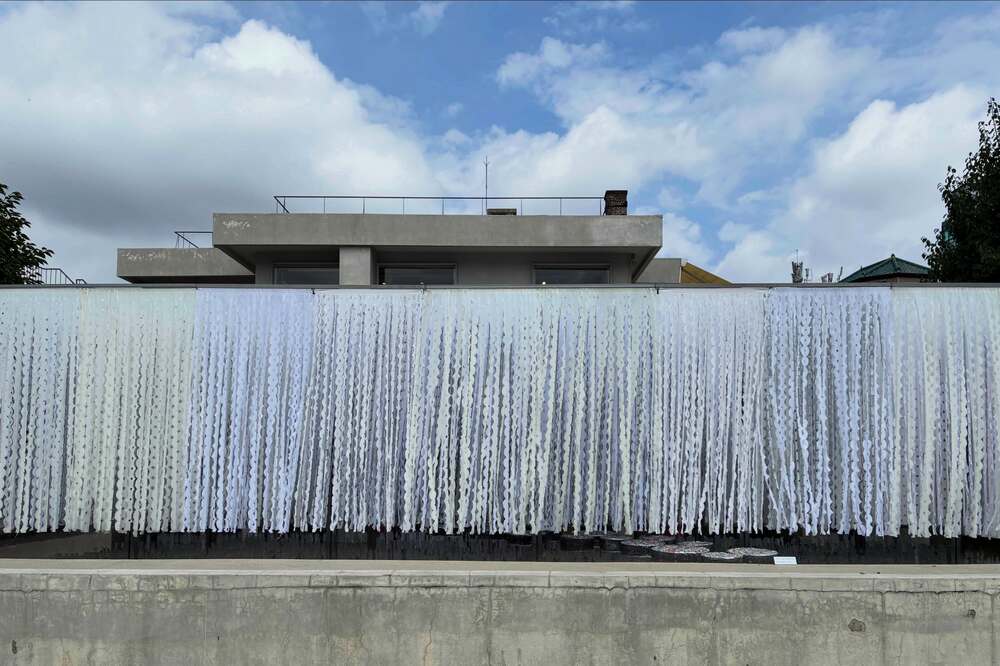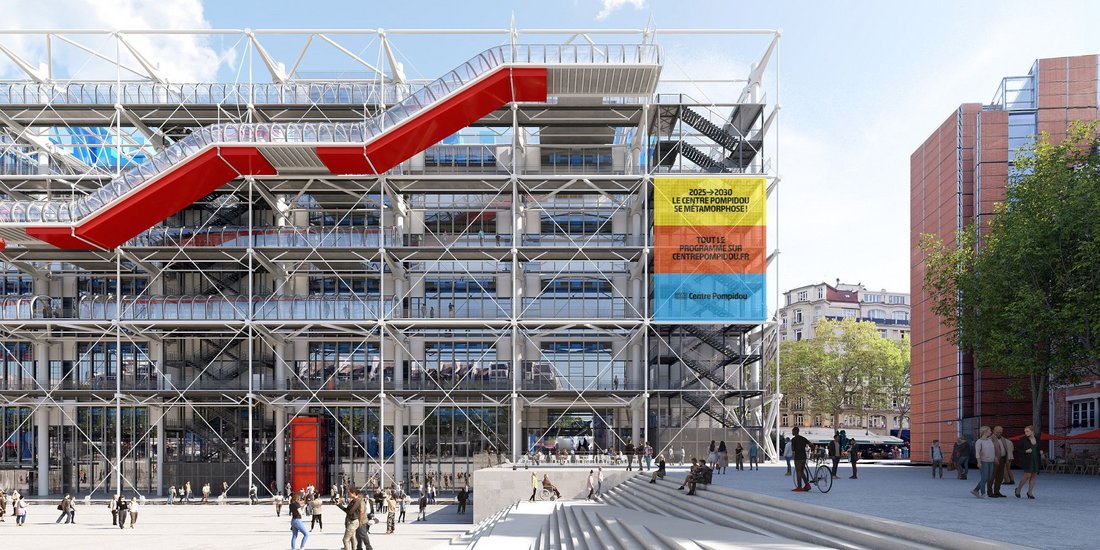

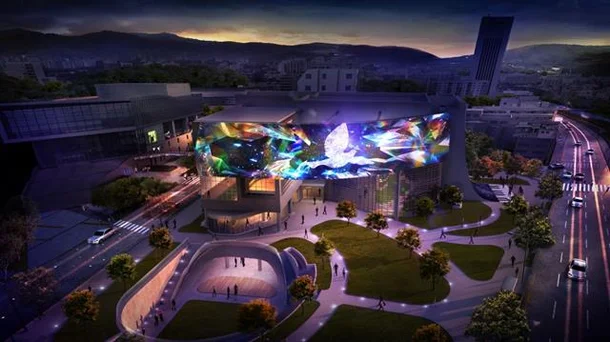
Exterior view of Gwangju Media Art Platform ⓒGwangju Metropolitan City
Gwangju Media Art
Platform (G.MAP) is planning a “UNESCO Media Arts Creative Cities Pavilion” to
commemorate the 16th Gwangju Biennale, scheduled for next year.
Gwangju
Metropolitan City joined the UNESCO Creative Cities of Media Arts network in
2014 and has since pursued various programs and infrastructure initiatives to
foster creativity through media art and promote cultural engagement among its
citizens. Currently, the UNESCO Media Arts network comprises 27 cities across
26 countries.
According to
G.MAP on November 18, the establishment of this pavilion marks the first
collaborative project by the UNESCO Creative Cities Network (UCCN). It is
significant as a genre-based, cross-national pavilion representing global
creative city cooperation. In particular, the creation of a pavilion
exclusively for UNESCO Creative Cities is expected to attract attention from
the international media art community.
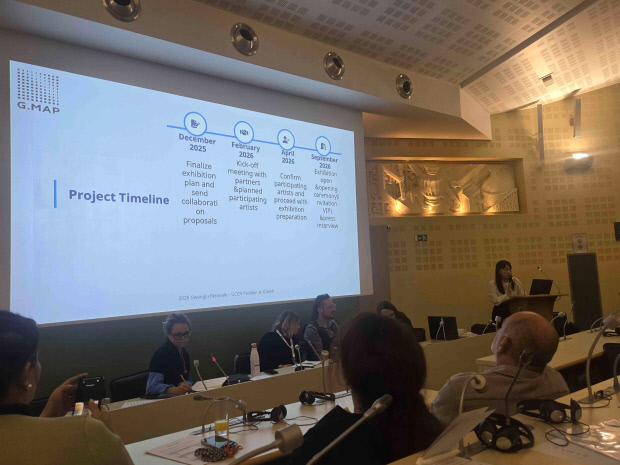
UNESCO Media Arts Creative Cities Subcommittee Meeting, Namur, Belgium, Last October ⓒG.MAP
The plan for the
Creative Cities Pavilion was formalized when the Gwangju Media Art Platform’s
delegation to the Creative Cities program officially presented the “UNESCO
Media Arts Creative Cities Pavilion” project at the UNESCO Media Arts Creative
Cities Subcommittee meeting held in Namur, Belgium, from October 22–26.
Following this
delegation’s participation, the Creative Cities Pavilion project was selected
as a major initiative of the UNESCO Creative Cities Network for 2026. The
announcement drew international attention, with more than ten cities expressing
their intention to participate in collaboration with their respective
embassies.
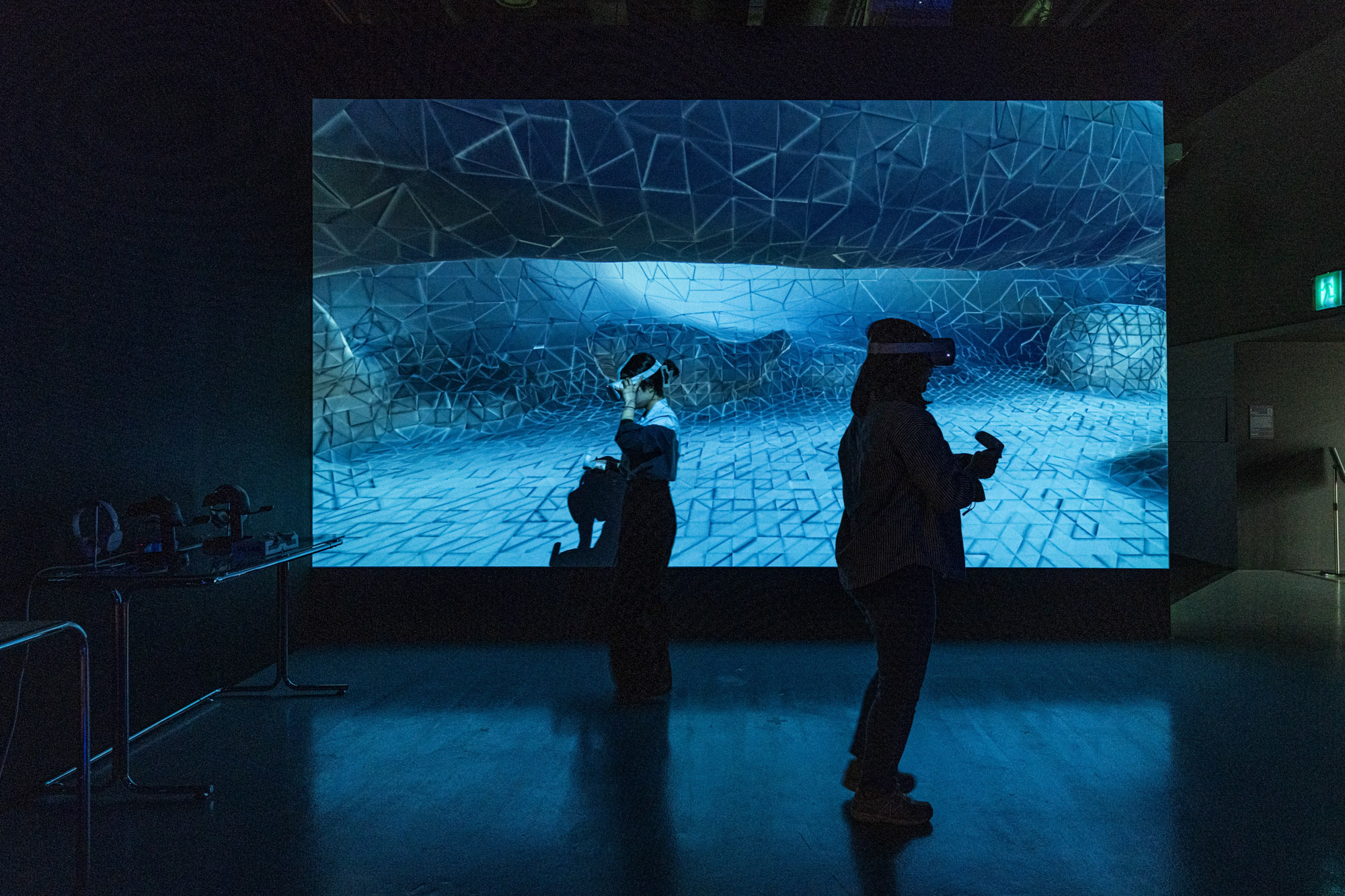
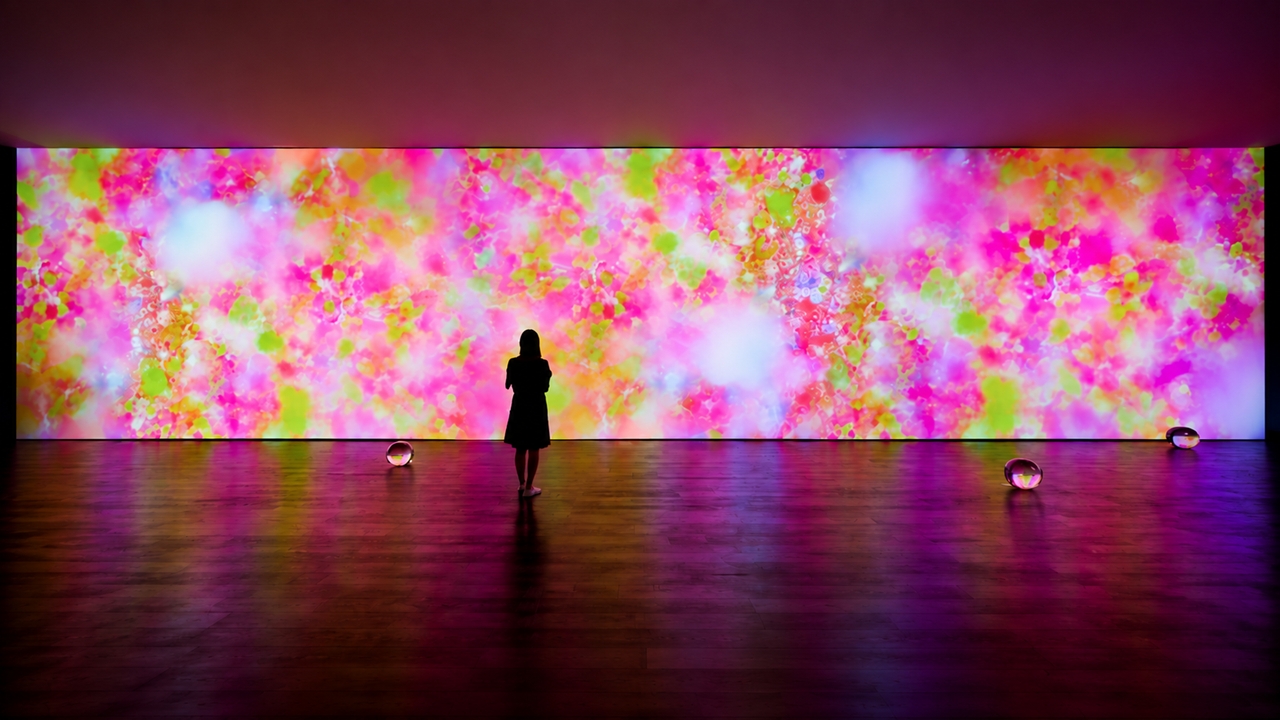
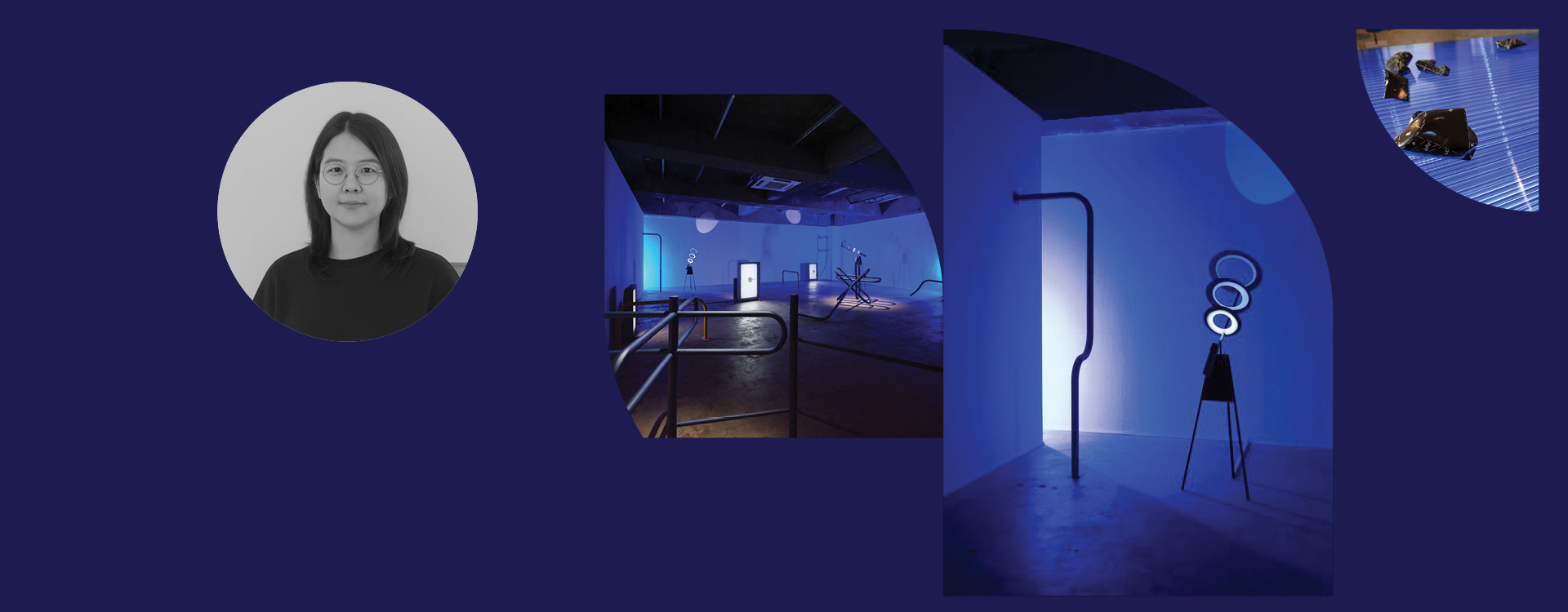
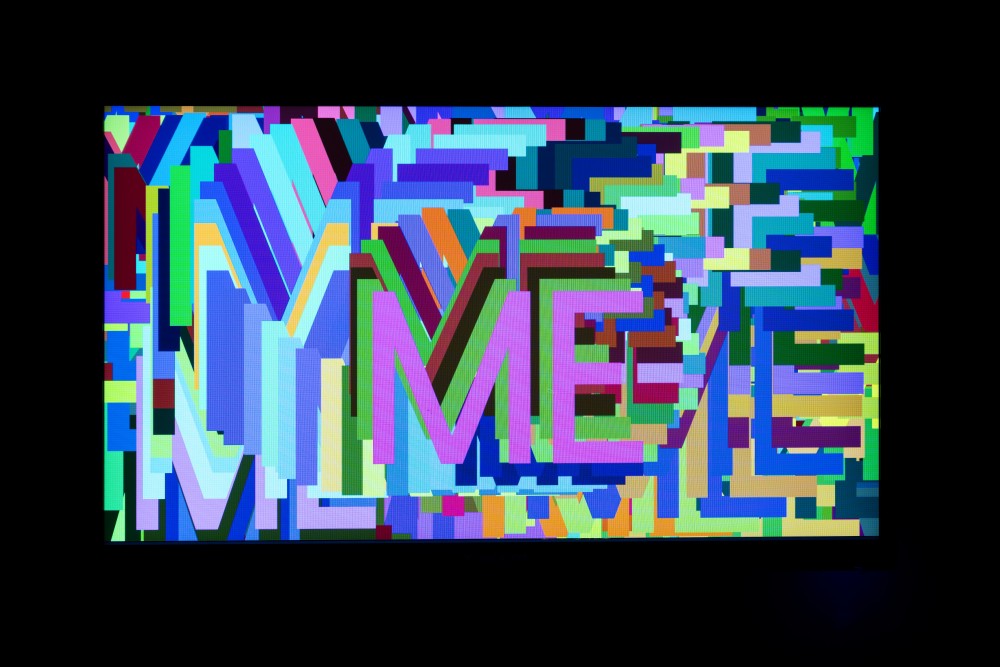
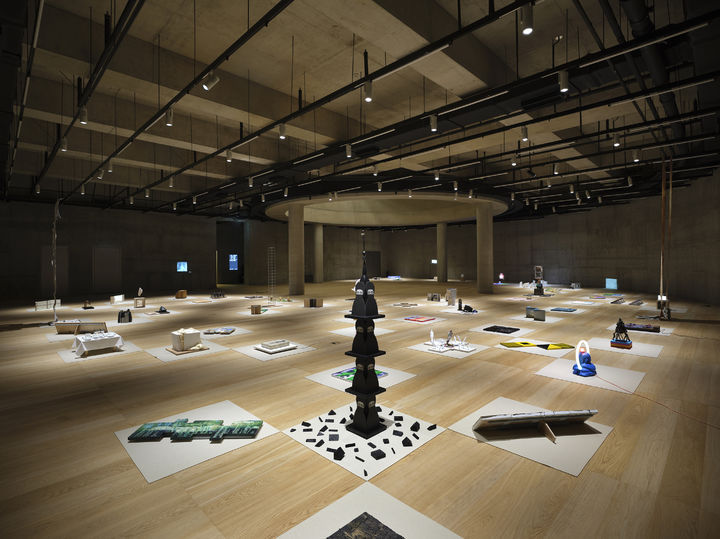
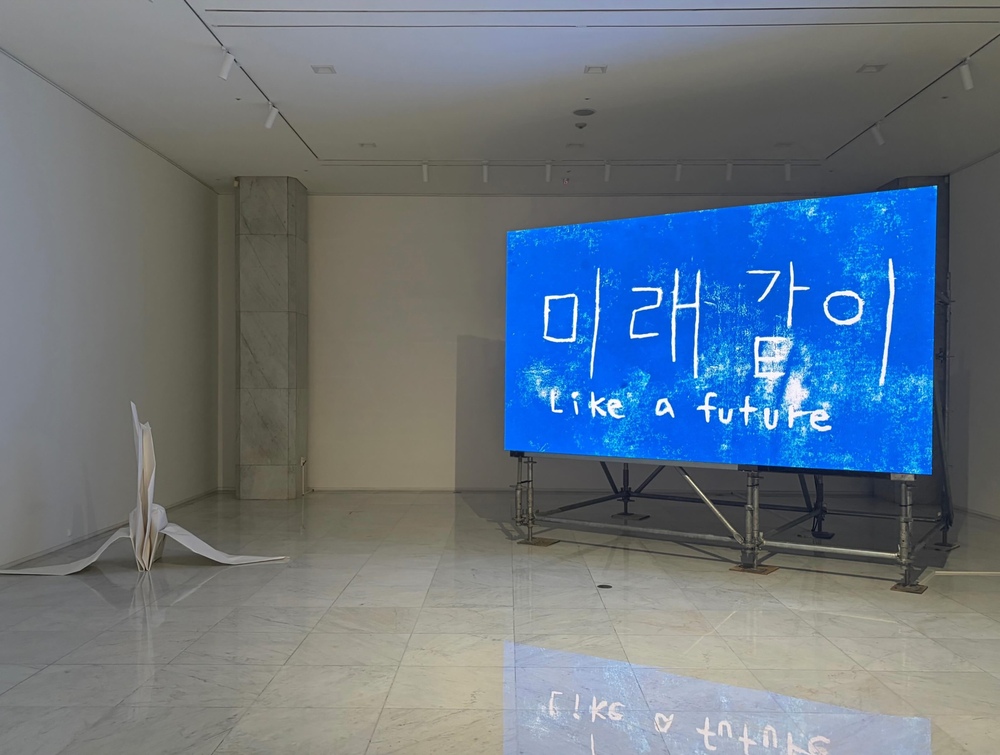
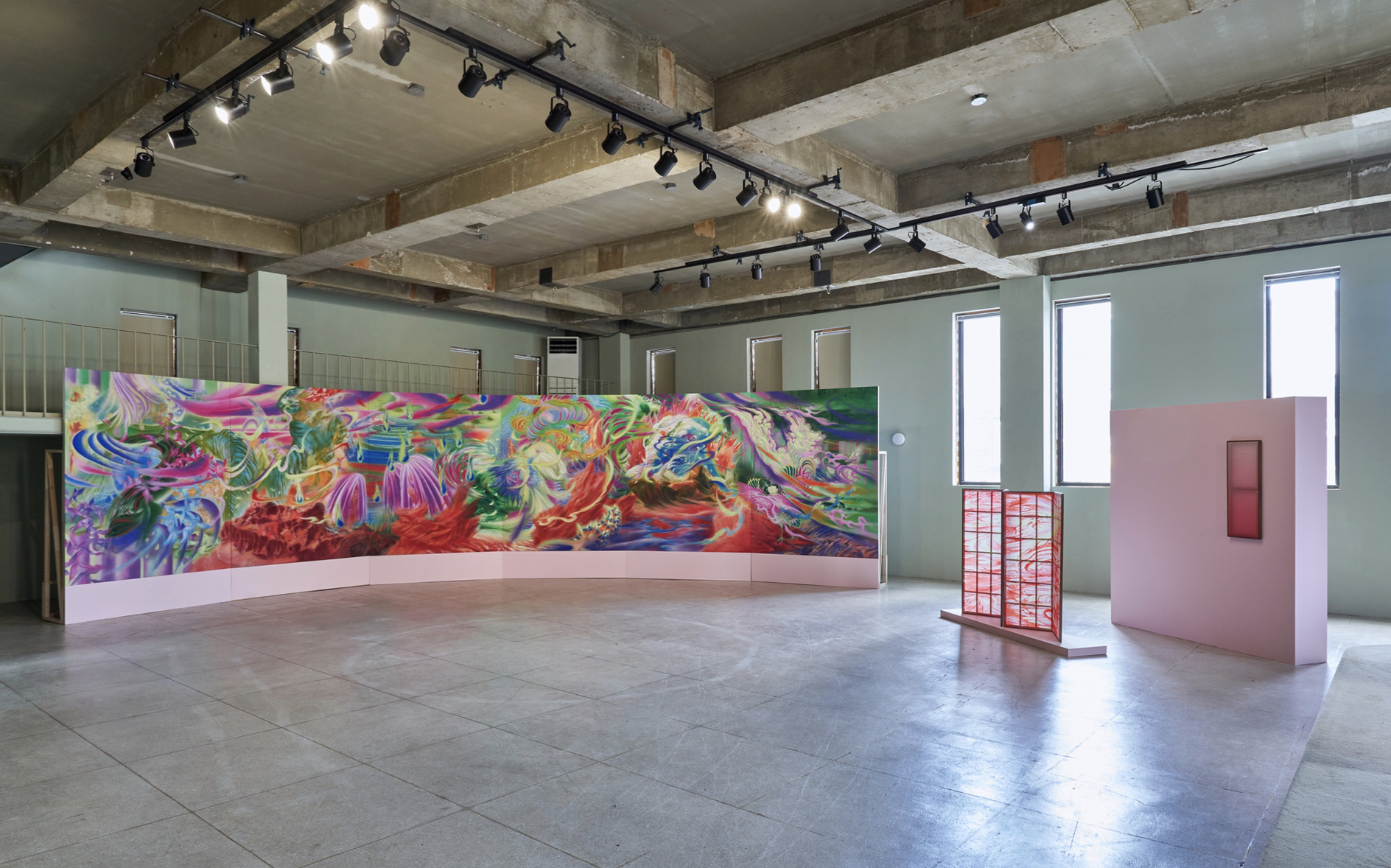
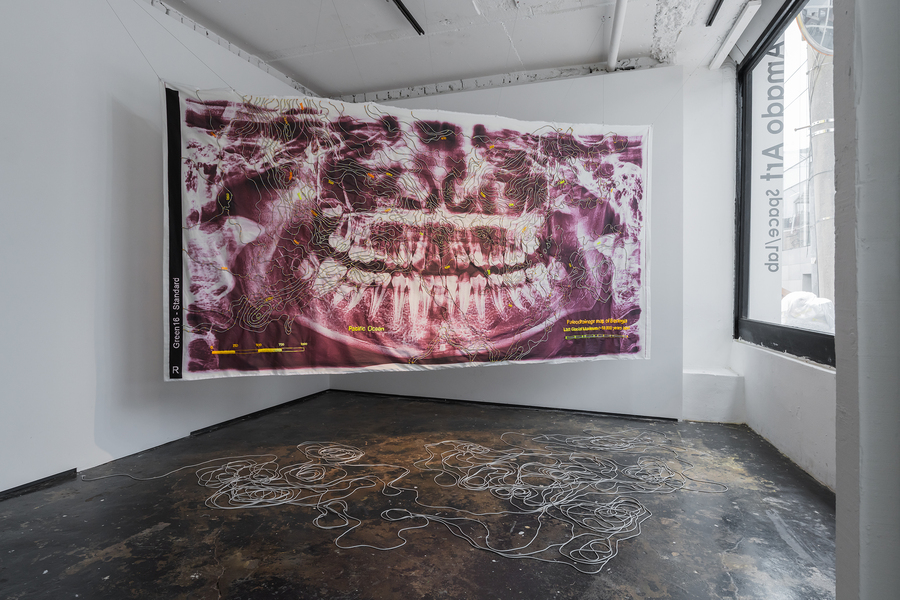
Installation view of 《Heterophony: A Decade of Song》, 10th Anniversary of UNESCO Creative City of Media Arts (Gwangju Media Art Platform, 2024) ⓒG.MAP
Starting with an
online meeting with the UNESCO Creative Cities collaboration team in February
next year, the participating artists for the UCCN special exhibition will be
finalized in April. The pavilion is scheduled to open in September and operate
for three months, featuring an opening ceremony, VIP tours, and press programs.
Kim Heo-kyung,
director of Gwangju Media Art Platform, stated, “This pavilion is a meaningful
initiative for Gwangju Media Art Platform, the Gwangju Biennale, and the UNESCO
Creative Cities Network alike. We hope that this first international
collaborative pavilion, created together with cities from around the world,
will widely showcase Gwangju’s brand as a media art creative city to both
citizens and the global community.”