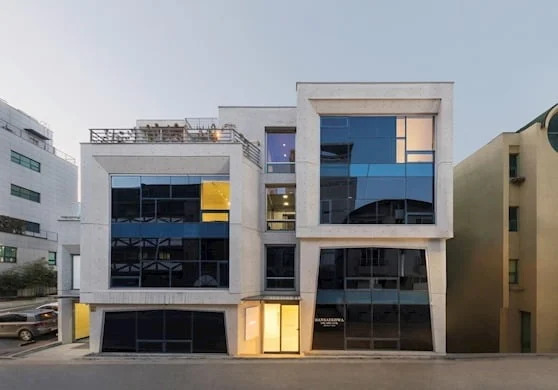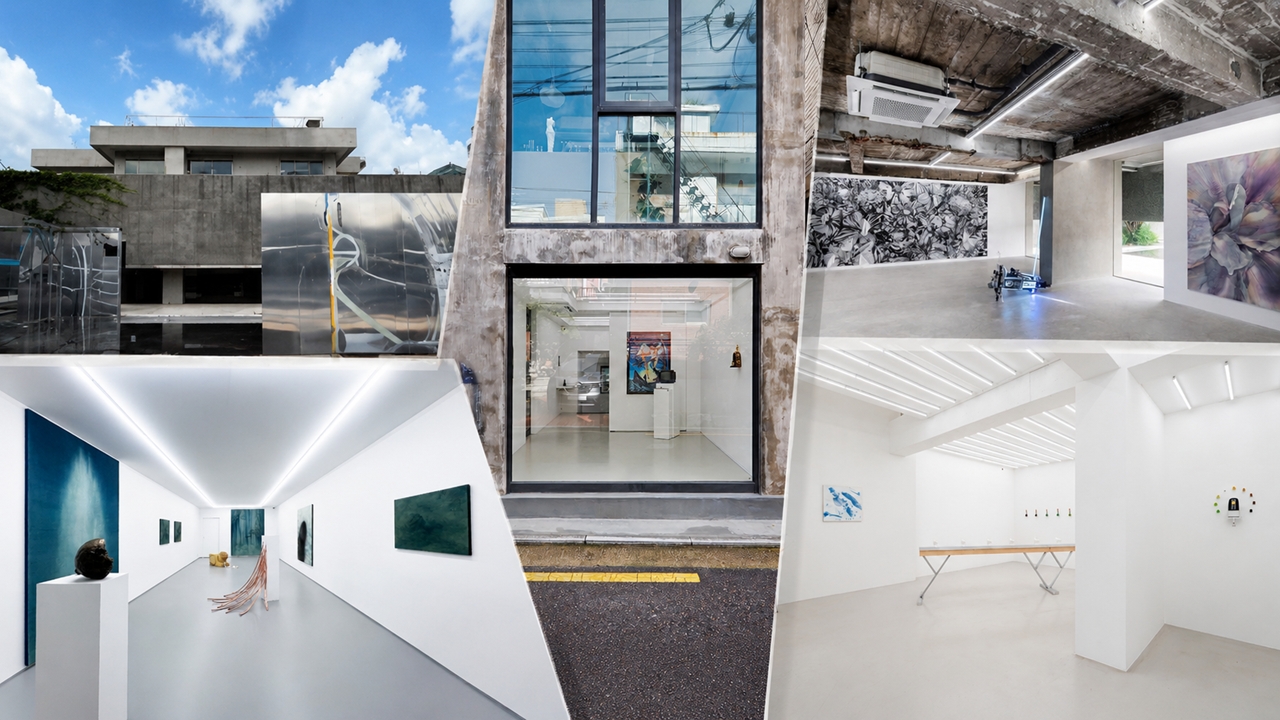

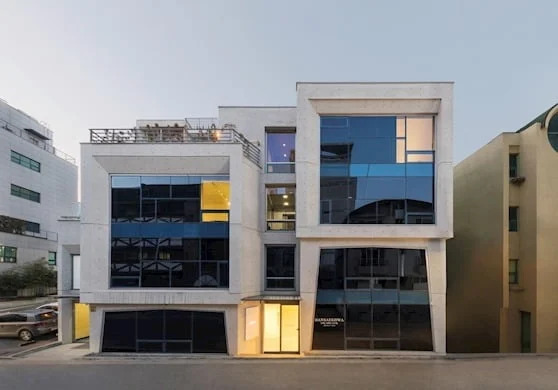
Exterior view of Seojung Art © Seojung Art
Lee, the
head of the prominent Korean gallery Seojung Art, has been sentenced to 18
years in prison in a first-instance ruling after being charged in connection
with an approximately KRW 100 billion “art-tech” Ponzi scheme.
An
art-tech Ponzi scheme is a form of financial fraud in which investments in
artworks are used as bait to attract new investors, whose funds are then used
to pay returns to earlier investors.
On July
7, the Criminal Division 23 of the Seoul Central District Court sentenced Lee
to 18 years in prison on charges including fraud under the Act on the
Aggravated Punishment of Specific Economic Crimes and violations of the Act on
the Regulation of Conducting Fund-Raising Business Without Permission. The
court also ordered the forfeiture of approximately KRW 14.19 billion, which it
recognized as criminal proceeds.
The
court recognized 981 victims and losses totaling more than KRW 110 billion,
making it the largest illegal fundraising case involving so-called “art-tech”
investment schemes in South Korea to date.
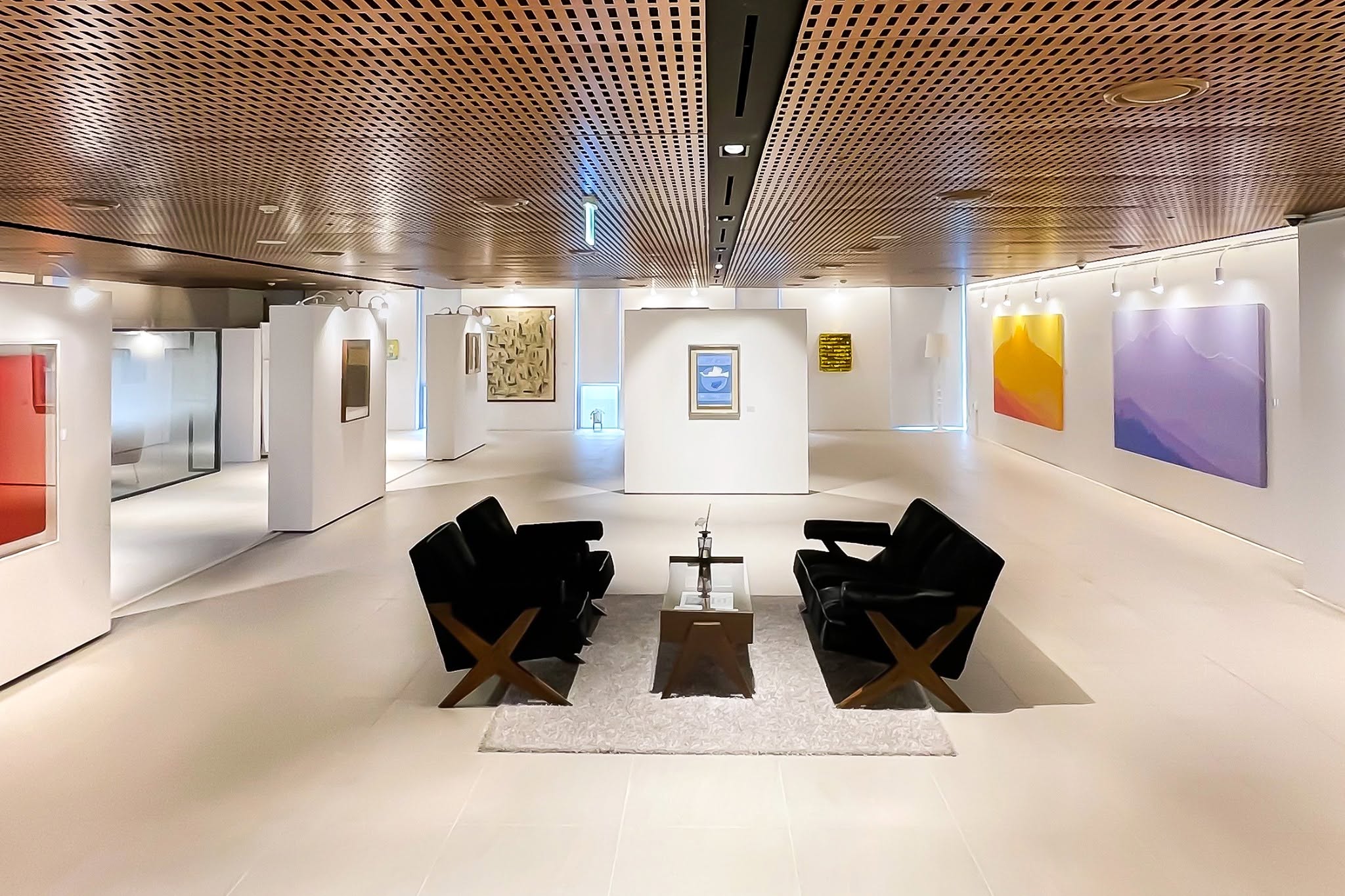
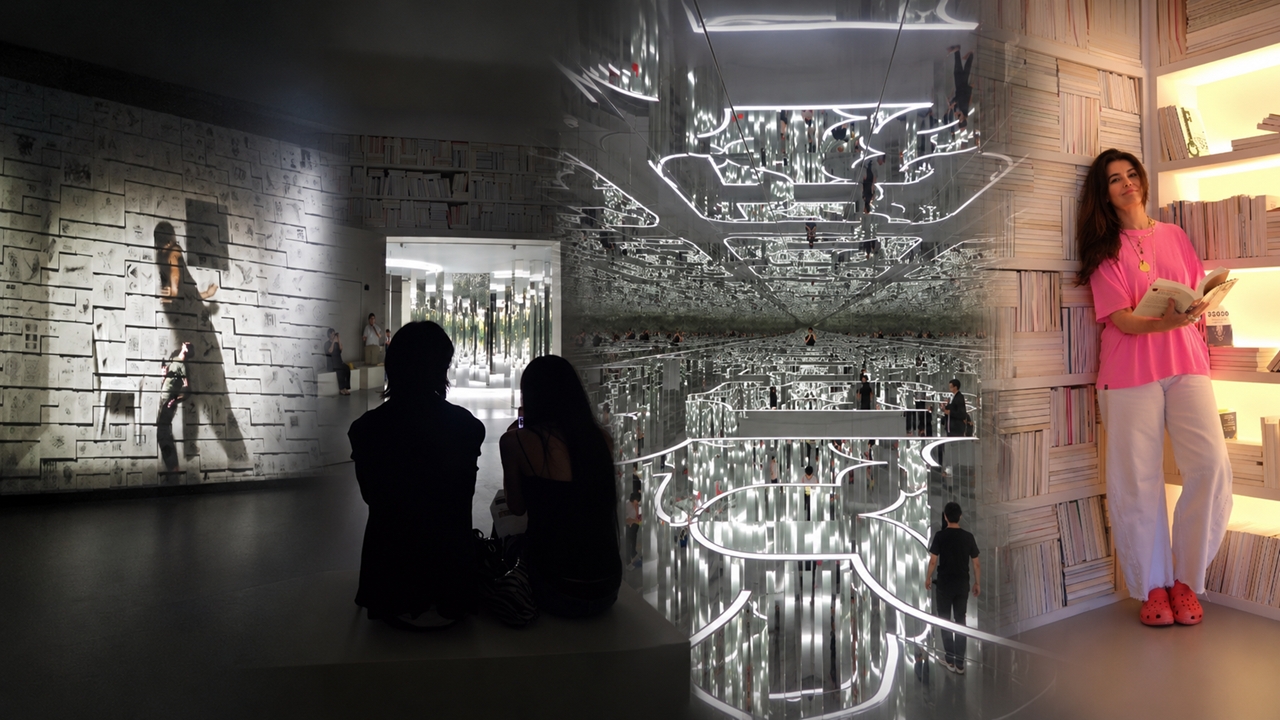
Interior view of Seojung Art © Seojung Art
After
founding Seojung Art in 2015, Lee operated an art investment business that
promised investors monthly returns generated through exhibitions, artwork
rentals, print production, and other commercial activities. Investors were
encouraged to purchase artworks and consign them to the gallery, which
guaranteed both regular profit payments and the return of principal upon the
expiration of the contract.
Through
exhibitions featuring prominent Korean and international artists and
participation in major art fairs, Seojung Art built a reputation that enabled
it to attract more than KRW 100 billion in investment funds.
However,
investigators later found that many of the artworks covered by investment
contracts either did not exist or had already been sold to other buyers. It was
also revealed that most investors had never physically verified the works they
had supposedly purchased.
By 2024,
the company had become unable to meet its payment obligations to existing
investors using incoming funds alone, and profit distributions were suspended
entirely in May of that year. After the payments abruptly stopped, investors
filed criminal complaints against Lee with the police.
In its
ruling, the court stated that “the defendant exploited the public’s interest in
and desire to invest in artworks as a safe financial asset, using the so-called
‘art-tech’ scheme to defraud 981 victims of more than KRW 100 billion between
2016 and 2025.” The court added that “the gravity of the offense is extremely
serious.” Lee has since appealed the first-instance verdict.