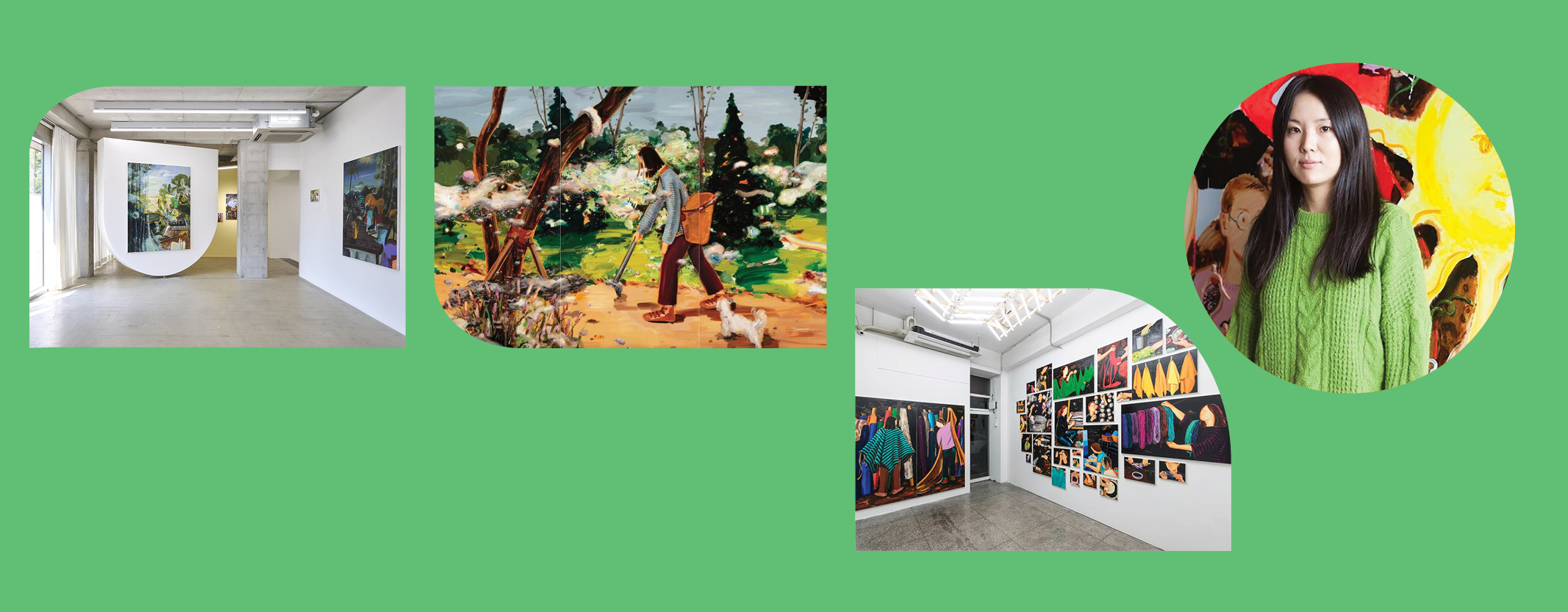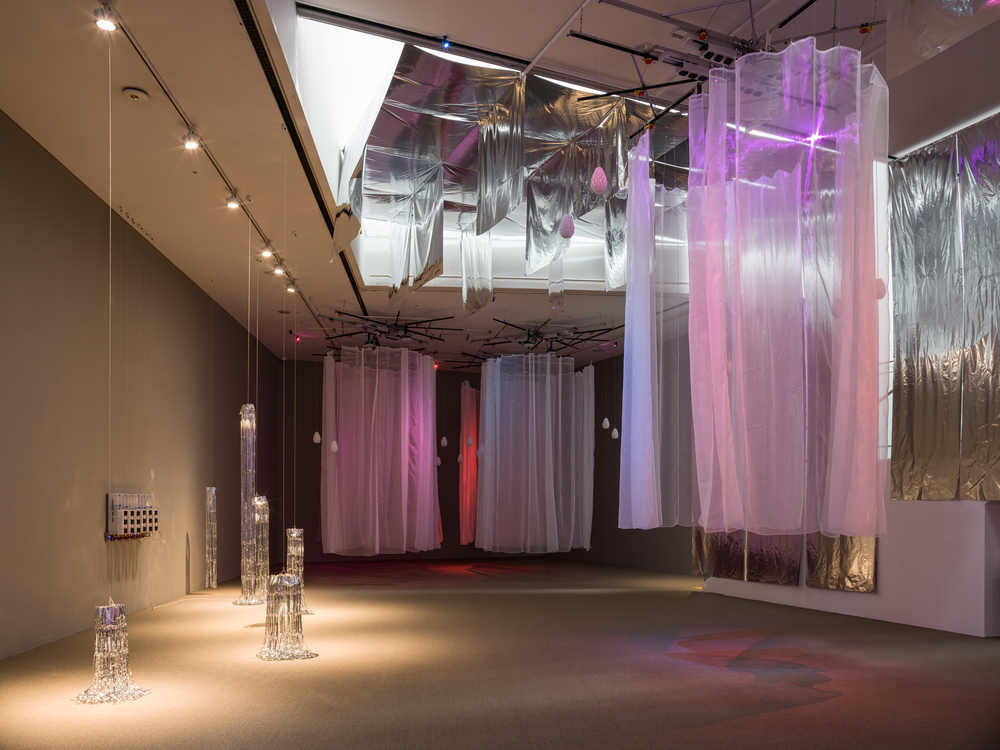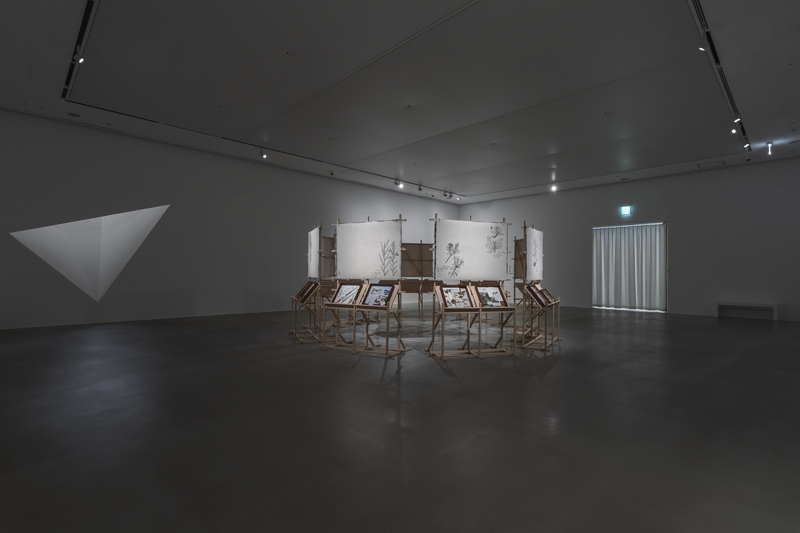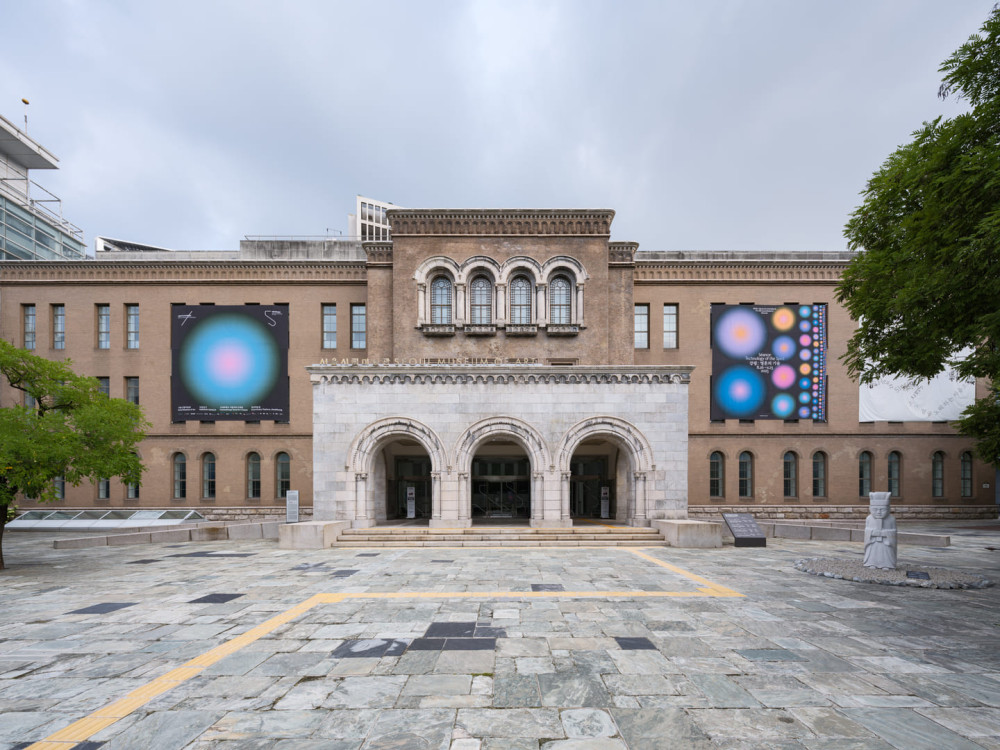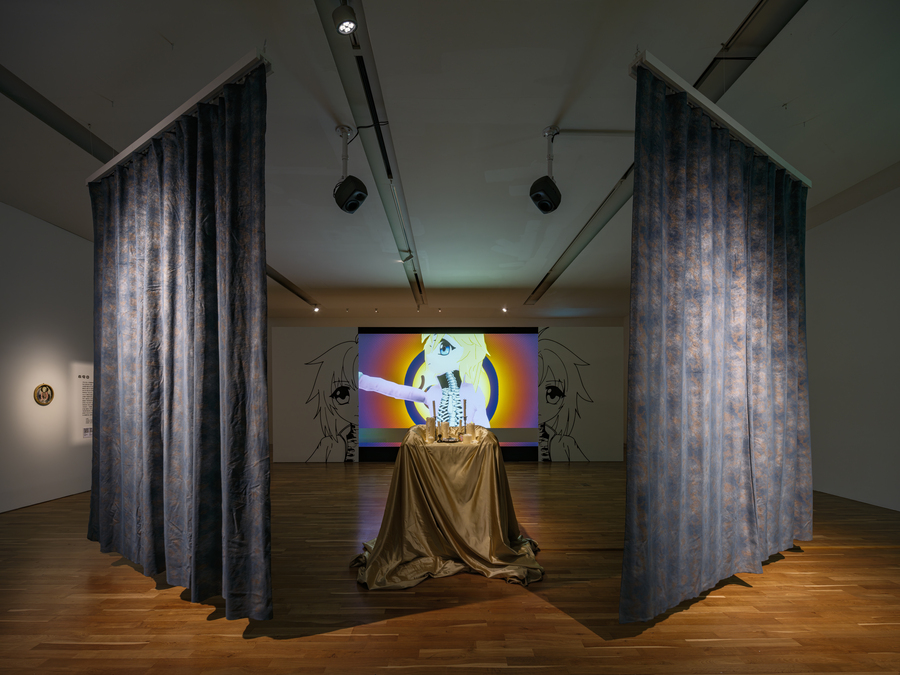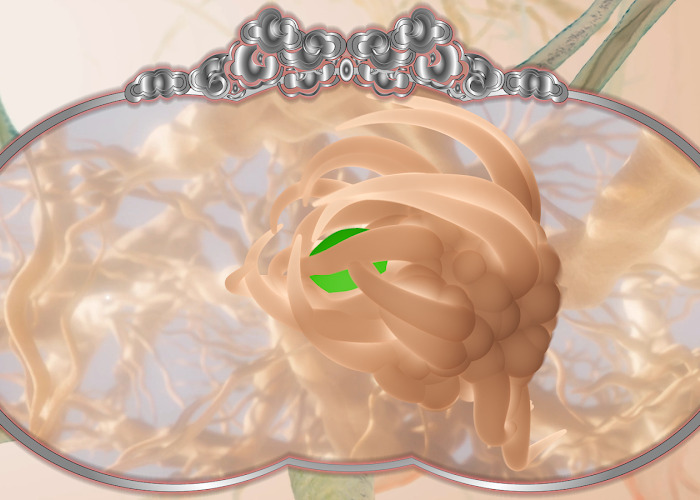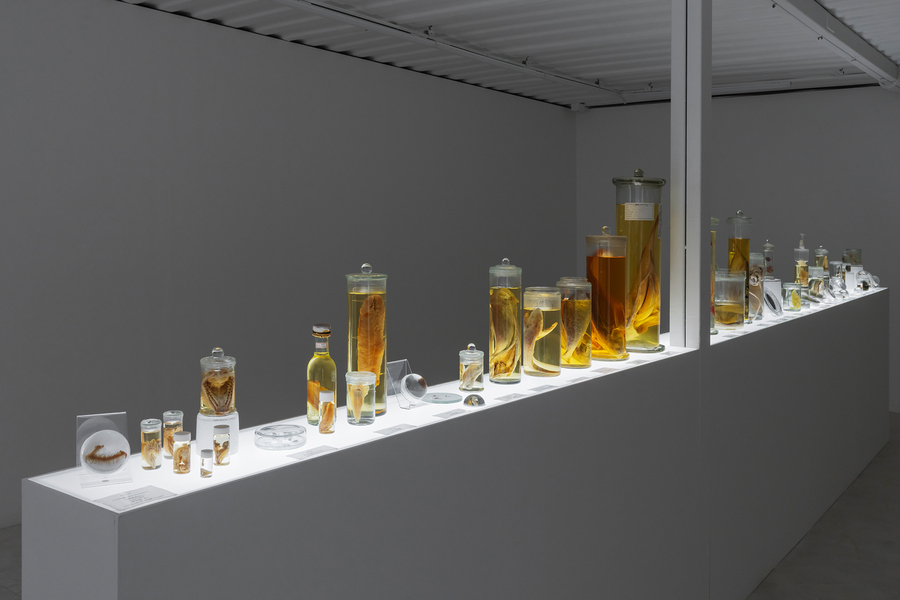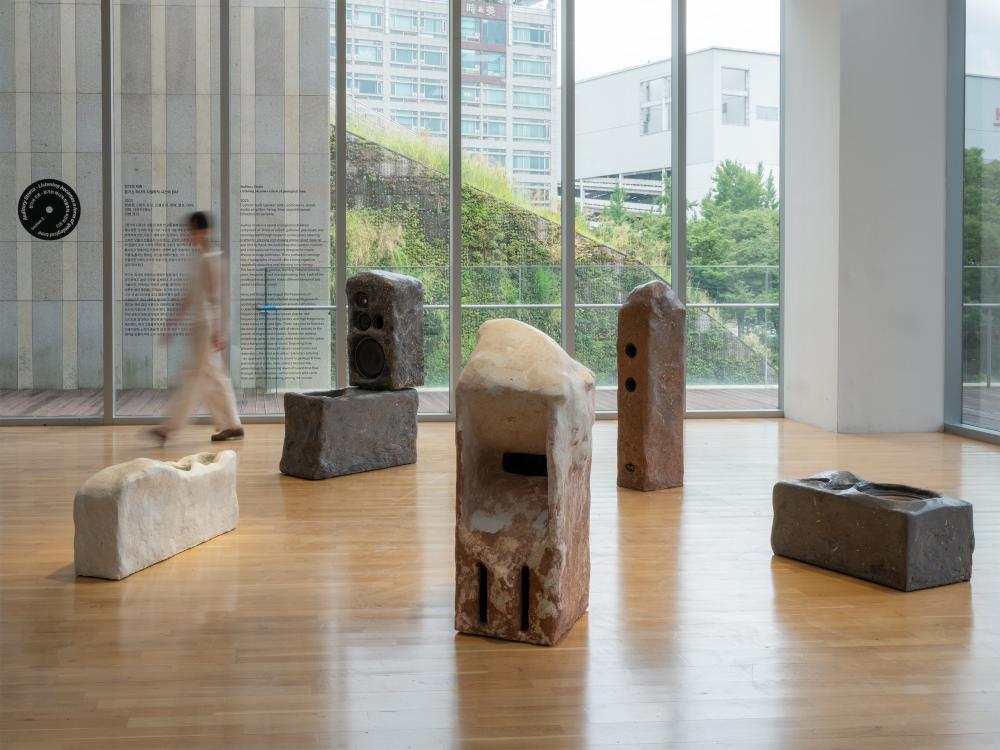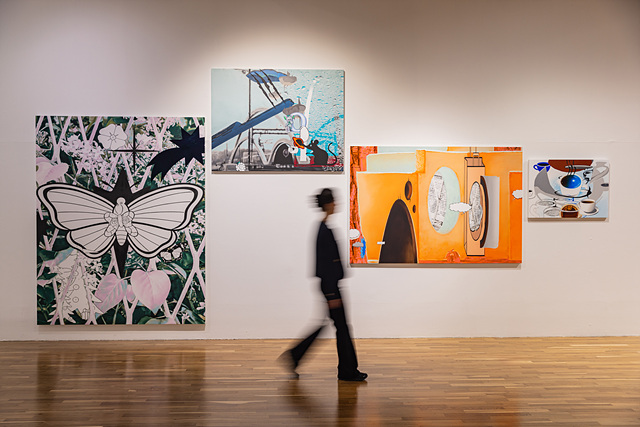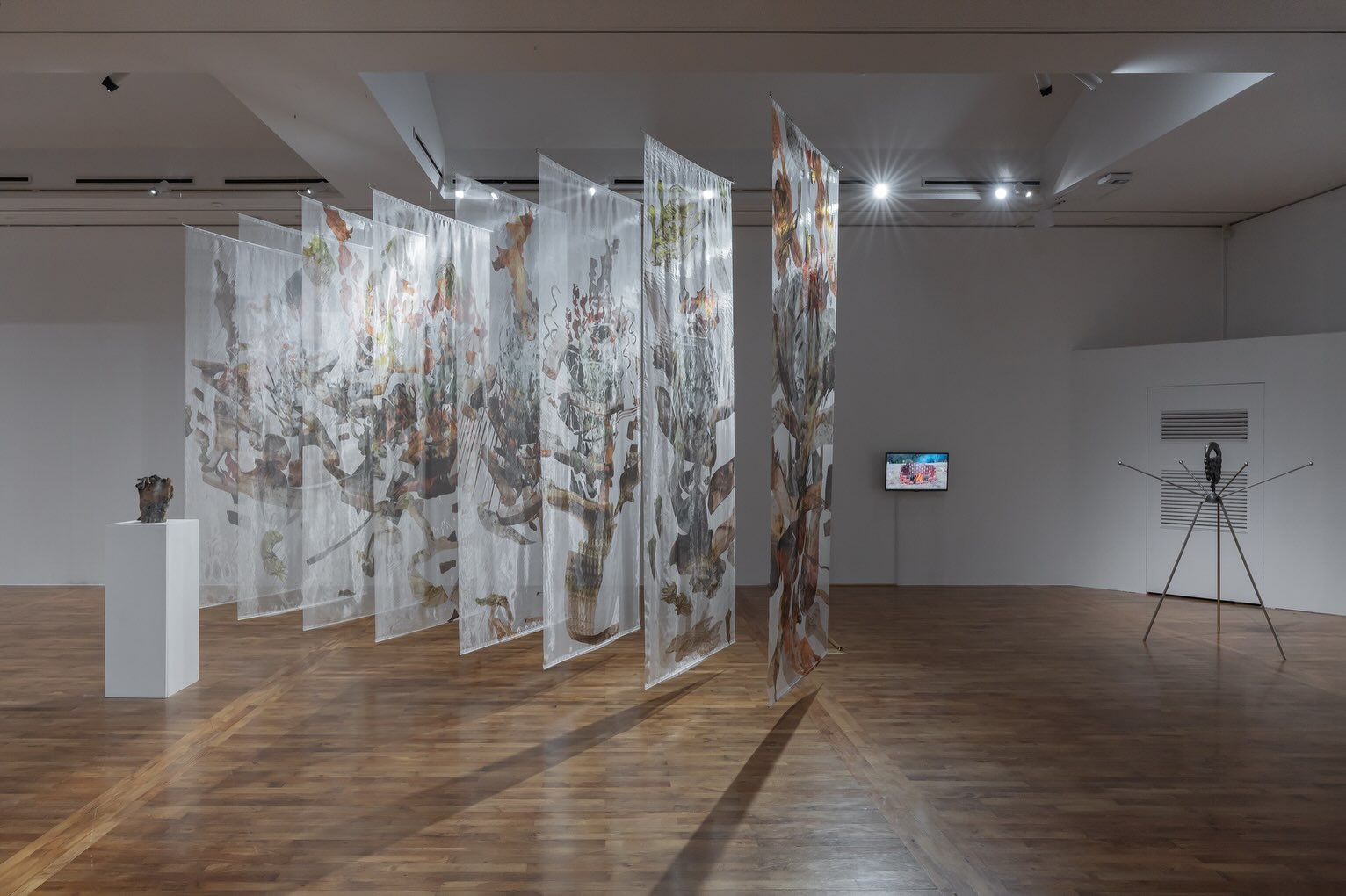

Installation view of 《Unfinished Flora―Soyo Lee》 ⓒSeoul Museum of Art
Buk-Seoul Museum of Art presents a solo
exhibition 《Unfinished Flora―Soyo Lee》 by artist Soyo Lee, as part of its “Artist Research” series, on view
through March 22.
The “Artist Research” series has been
developed since the second half of 2025 to reexamine the academic, artistic,
and social value of research conducted by artists.
The exhibitions 《Unfinished
Flora―Soyo Lee》 and 《Time
Blooms—Anna Ridler》, presented as part of this series,
introduce creative worlds grounded in meticulously constructed artistic
research. These works traverse diverse scholarly and technological
fields—including art history, natural history, biology, geography, and artificial
intelligence—through original and interdisciplinary approaches.
The artists do not treat research as a mere
auxiliary element of creation, but rather as an integral axis―demonstrating how
research and artistic practice operate in close interrelation. This axis of
research and creation intersects with another axis that emerges when art
connects with other disciplines: that of art and scholarship, and art and
technology.
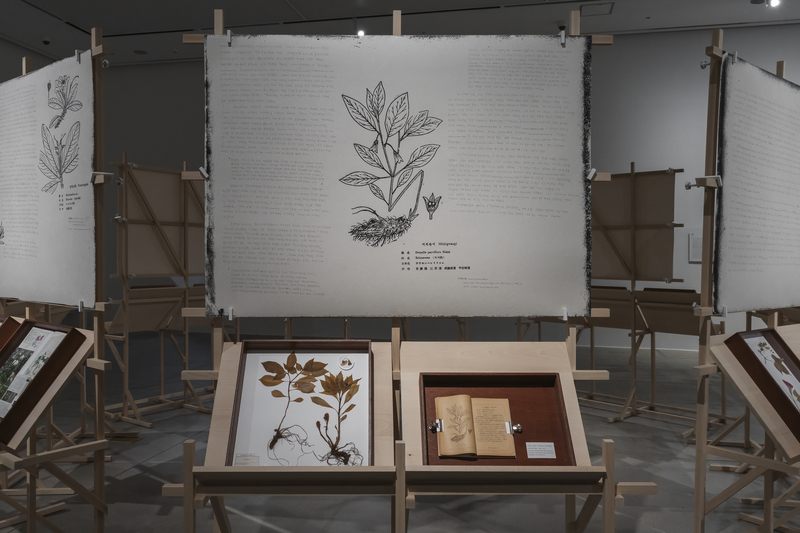
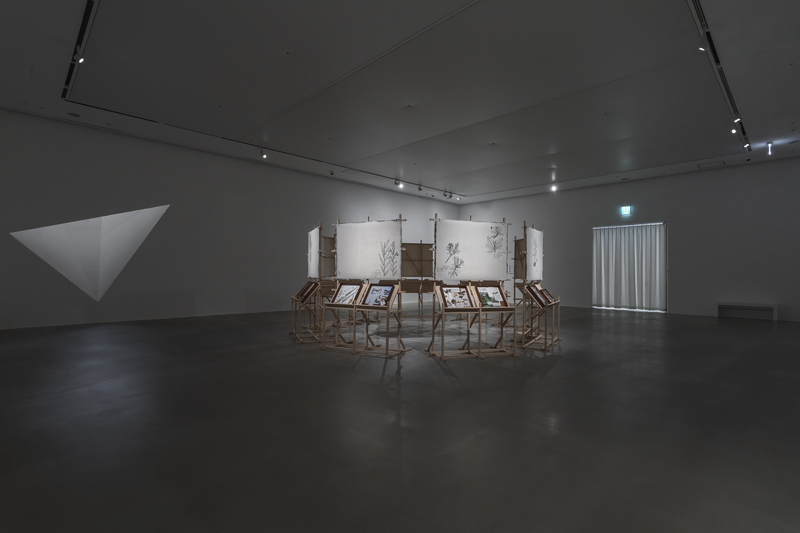
Installation view of 《Unfinished Flora―Soyo Lee》 ⓒSeoul Museum of Art
《Unfinished Flora―Soyo Lee》 presents a research-based art project by the artist, who has long
explored ways to mediate between art and scientific knowledge and to merge
artistic and scholarly practices. The exhibition is organized around Notes
to 『Illustrations of Joseon Plants: A Selection of
Toxic Plants』, a response to the botanical
compendium written by Pong-shyup Toh and Hak-chin Shim, who sought to document
the flora of Korea through direct observation and collection.
The book was part of a larger, ongoing effort to
compile a comprehensive flora of Korean Peninsula―an open, evolving body of
knowledge continually shaped by researchers of his time and those who followed,
and now extended through Lee’s own artistic inquiry.
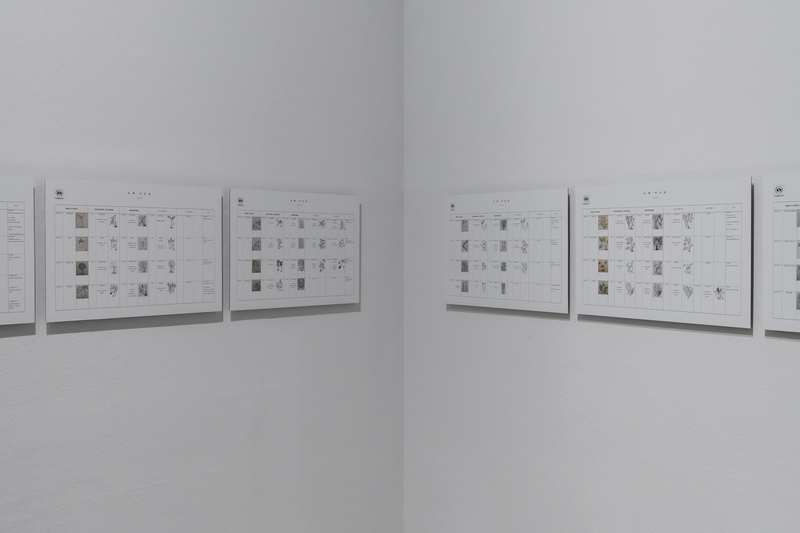
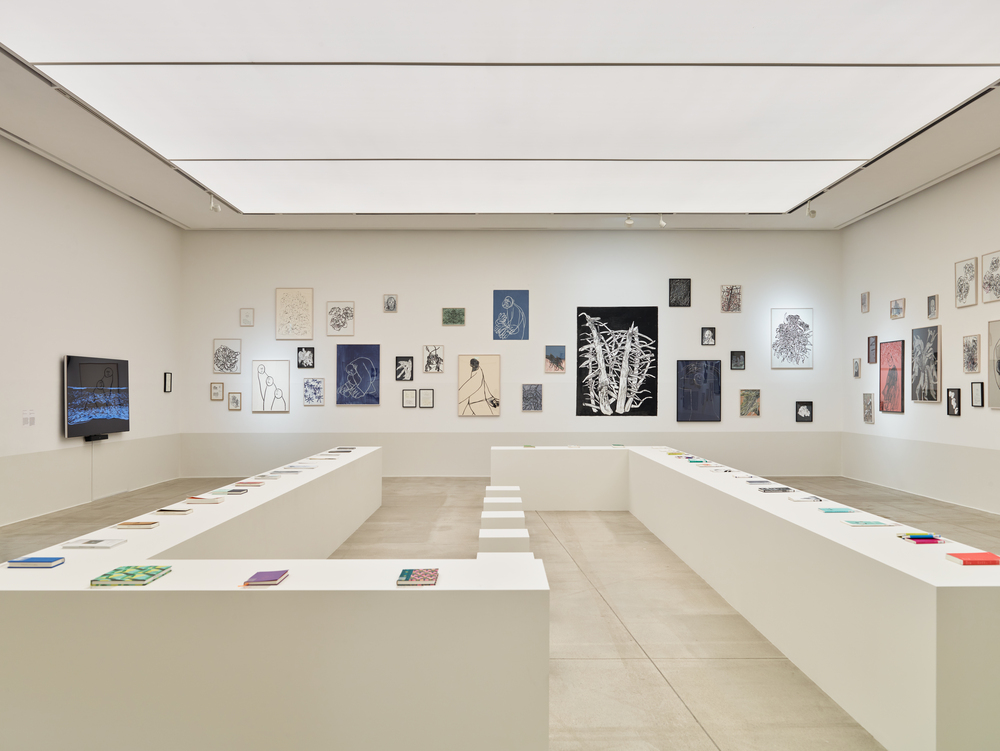
Installation view of 《Unfinished Flora―Soyo Lee》 ⓒSeoul Museum of Art
The artist has spent years tracing the
transmission of the botanical knowledge recorded in the book, as well as its
connection to the formation of living ecosystems beyond its pages. She
transforms the plants she has collected and the materials she has studied into
installations combining preserved specimens and drawings, adding visual notes
to the original text.
Through this process, which brings together
archival research and field investigation, Lee’s research-based art comes into
full view, revealing a meticulous inquiry into how knowledge is produced and
shared.