
The Nearest, Yet Farthest Place
Friedrich Kunath’s 《The Nearest Faraway Place》 is on view at
Pace Seoul through October 24. The exhibition is Kunath’s second solo
exhibition since joining Pace Gallery in 2025, and his first at Pace Seoul.
The exhibition unfolds around ideas of
place and movement, longing and belonging. Its title, 《The Nearest Faraway Place》, brings two
seemingly contradictory states—proximity and distance—into a single phrase.
This paradox of “the nearest faraway place” distills recurring themes in Kunath’s
practice: distance and memory, departure and return.
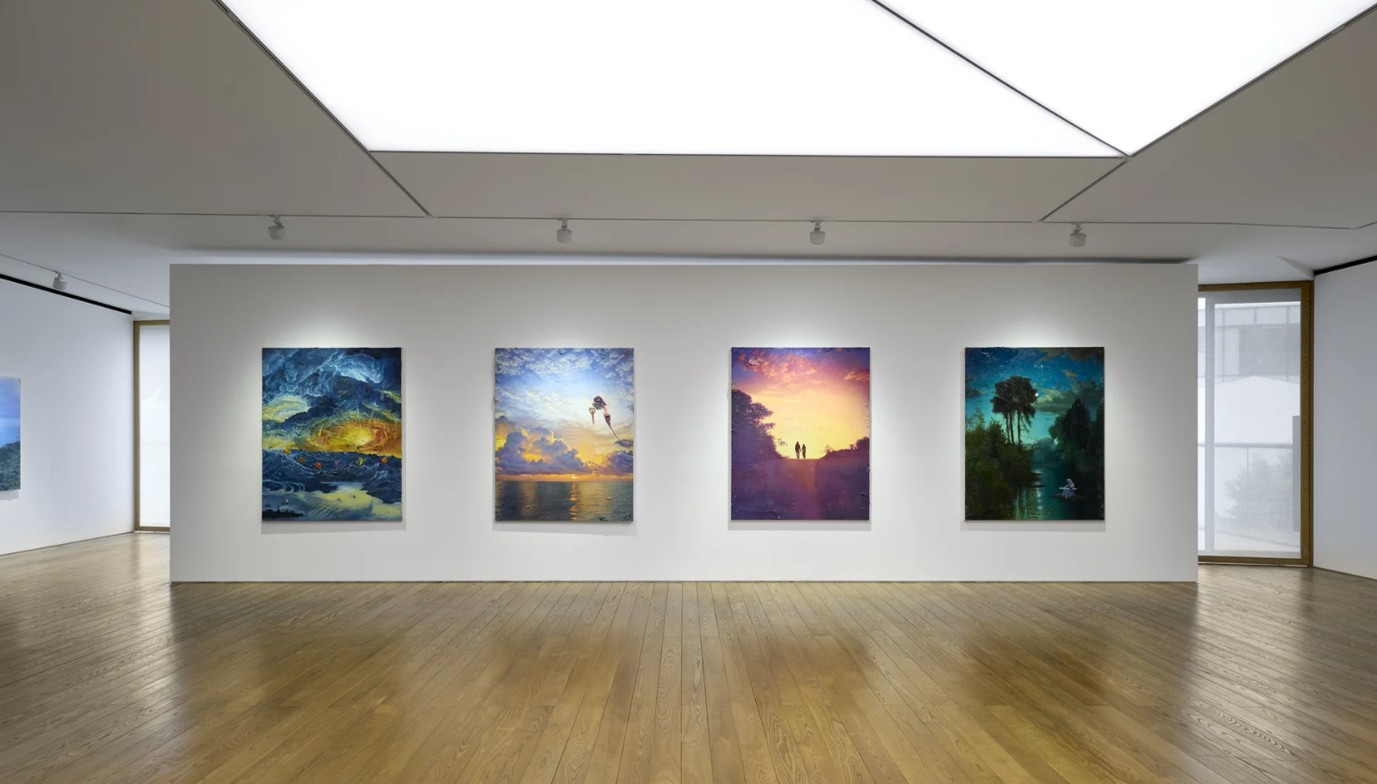
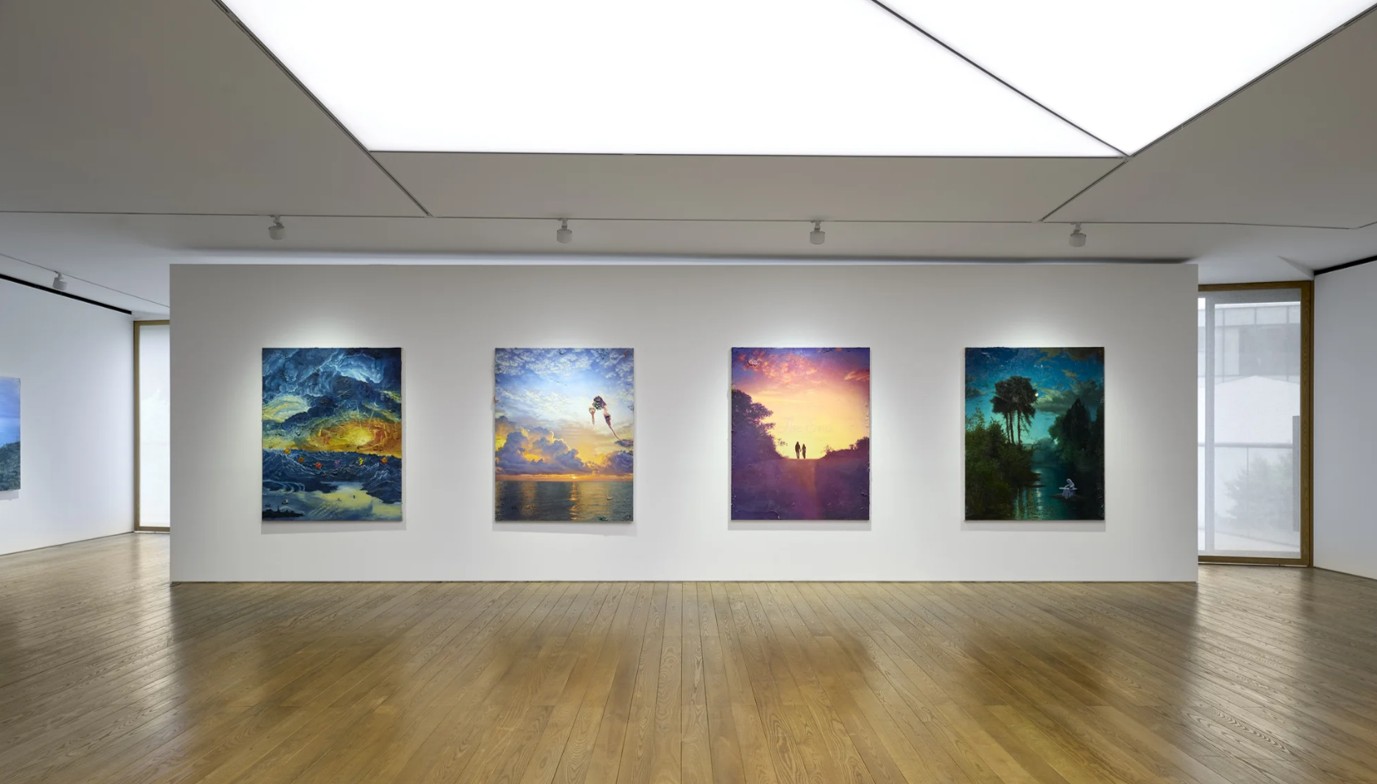
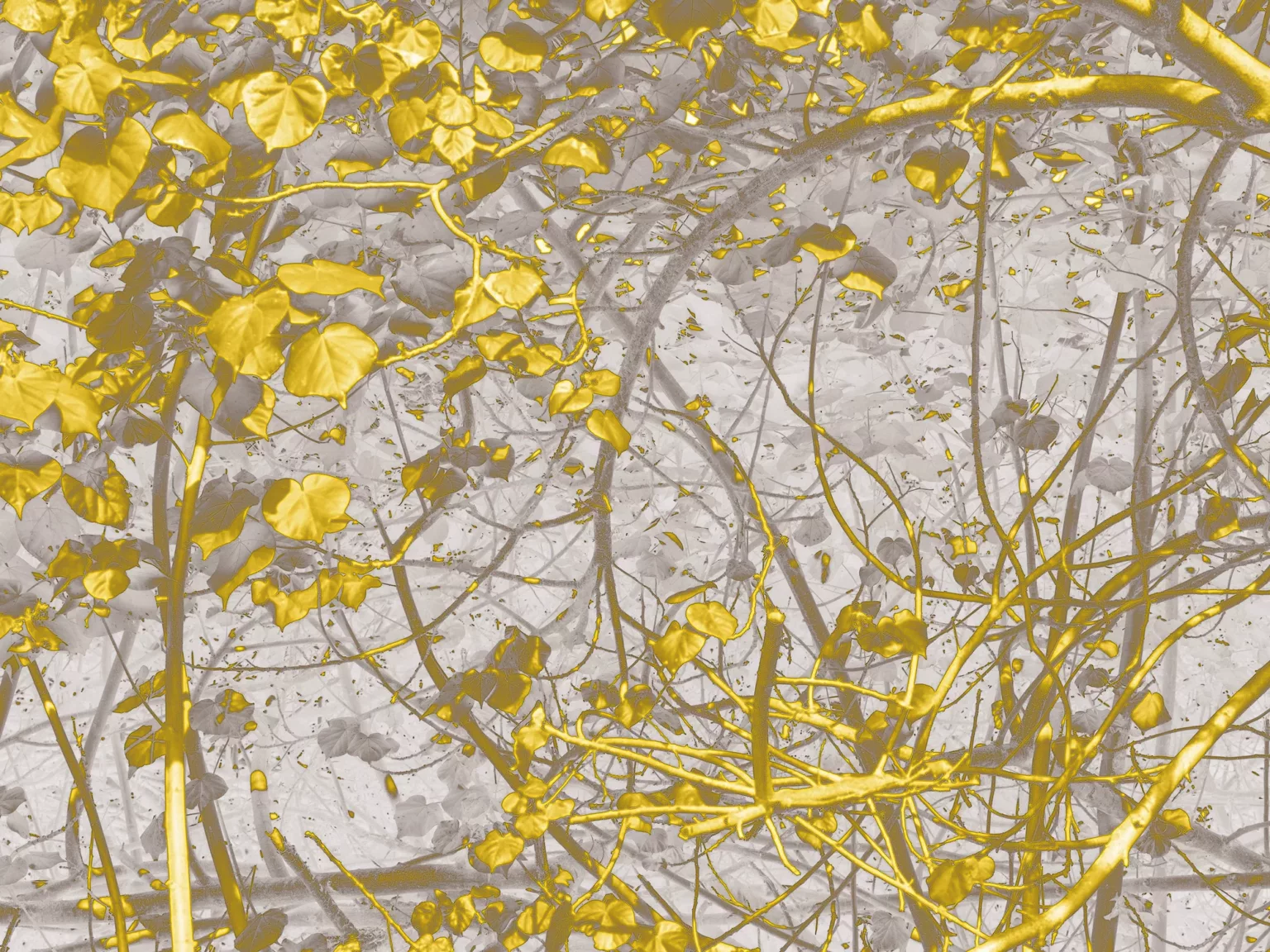
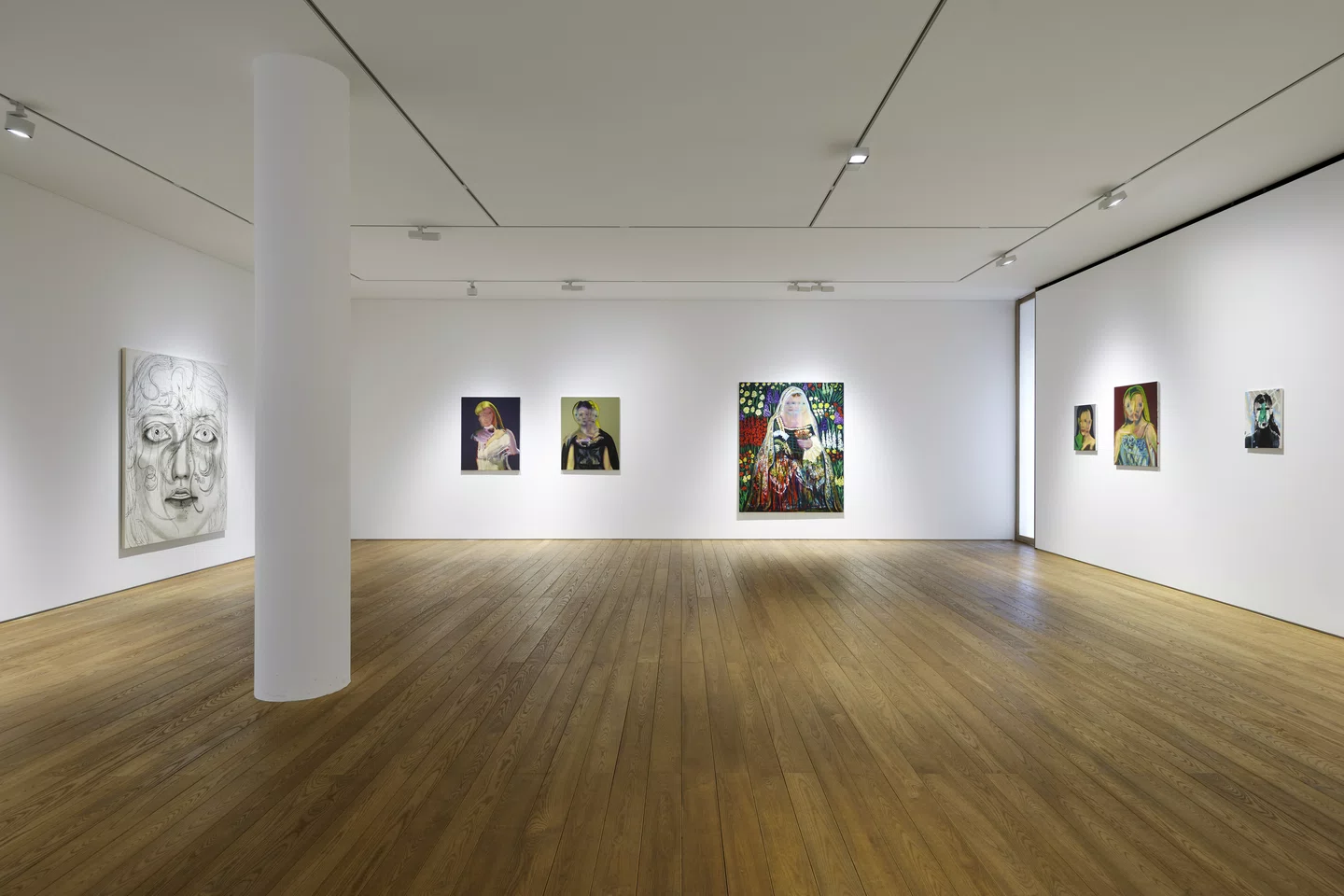
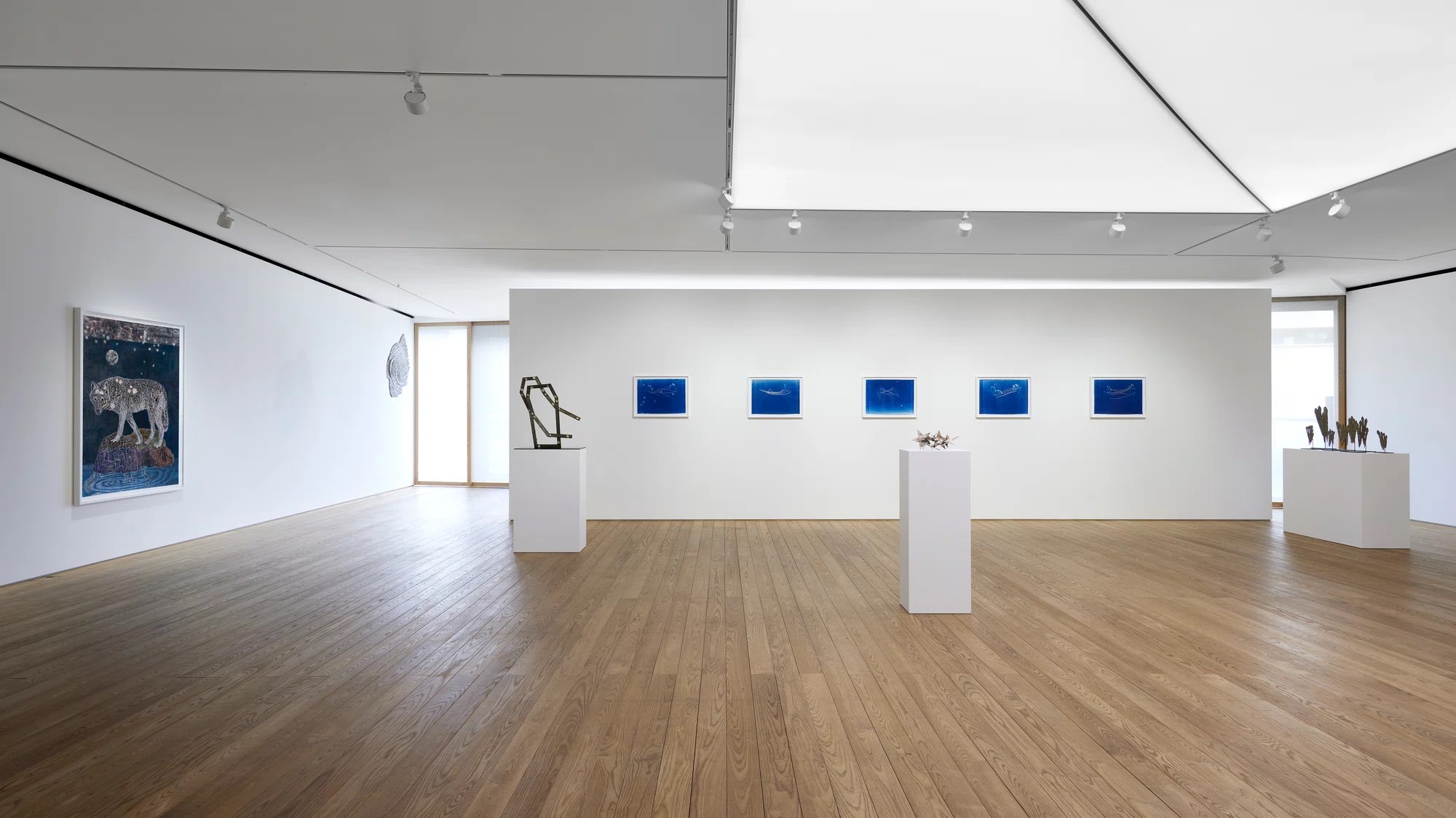
Installation view of Friedrich Kunath, 《The Nearest Faraway Place》 / Image: Pace Gallery website
Landscapes Without a Visible
Destination
Roads, mountains, horizons, sunsets, cars,
and small figures recur throughout Kunath’s landscapes. Roads disappear around
bends or behind hills, while figures look out across the scenes before them.
Everything appears to be moving toward somewhere, yet the destination remains
unclear.
The distance Kunath explores is not simply
geographical. Speaking in connection with the Seoul exhibition, the artist has
described moments when he feels far removed from himself, while being
surrounded by his works in the gallery can feel like being among old friends—comfortable,
familiar, almost like returning home.
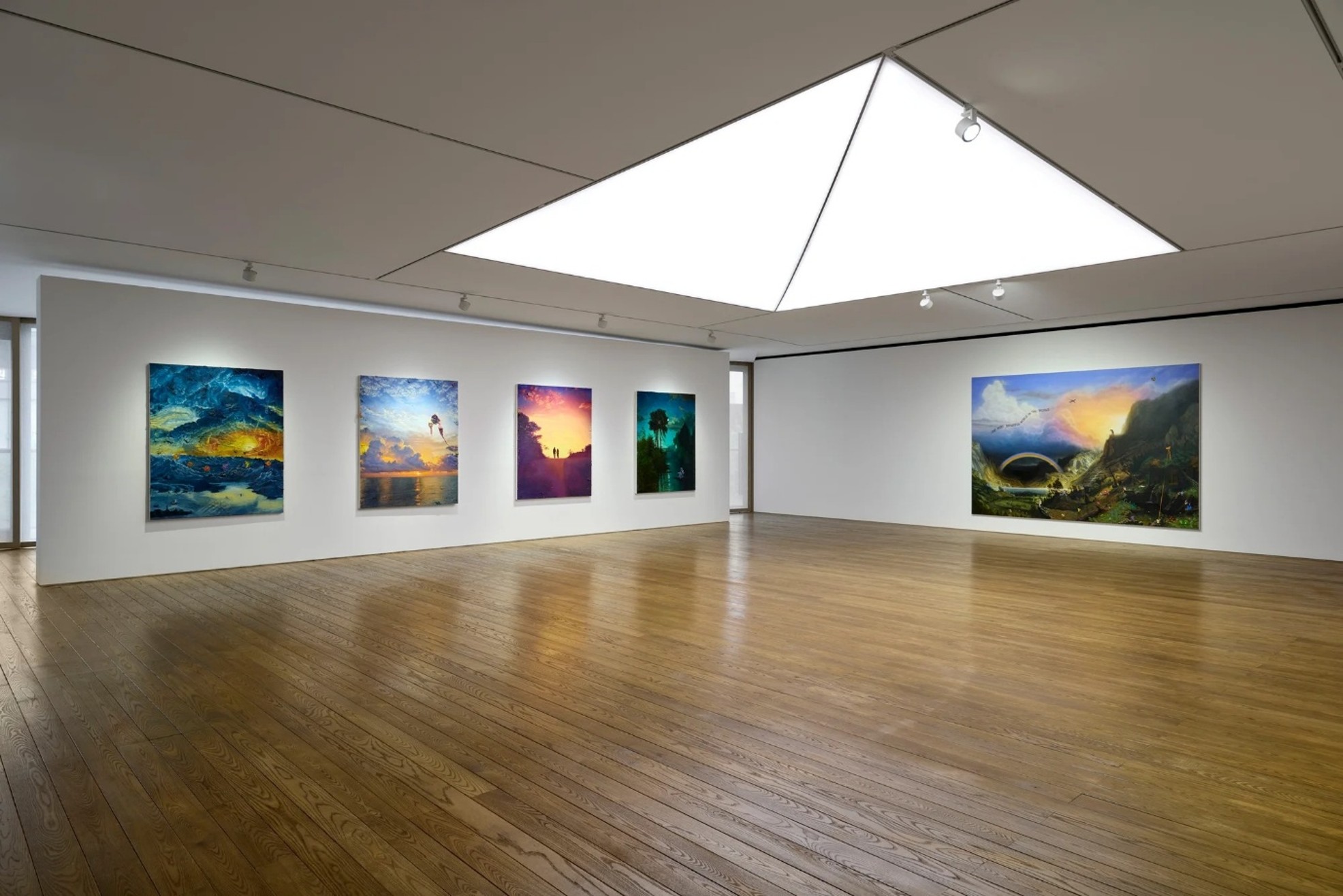
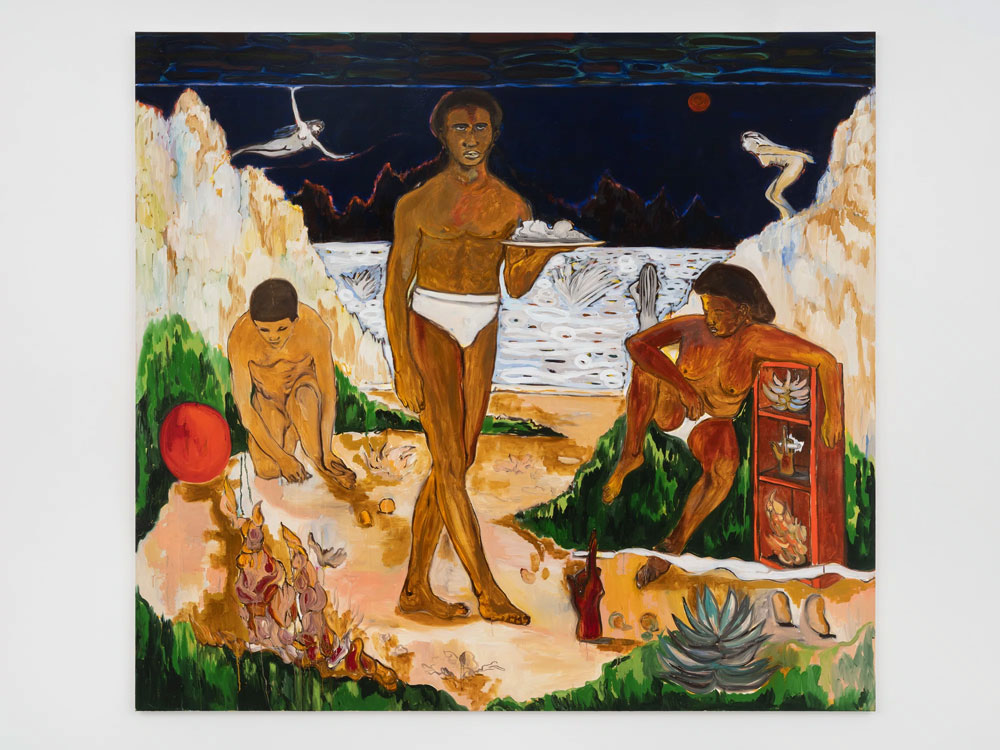
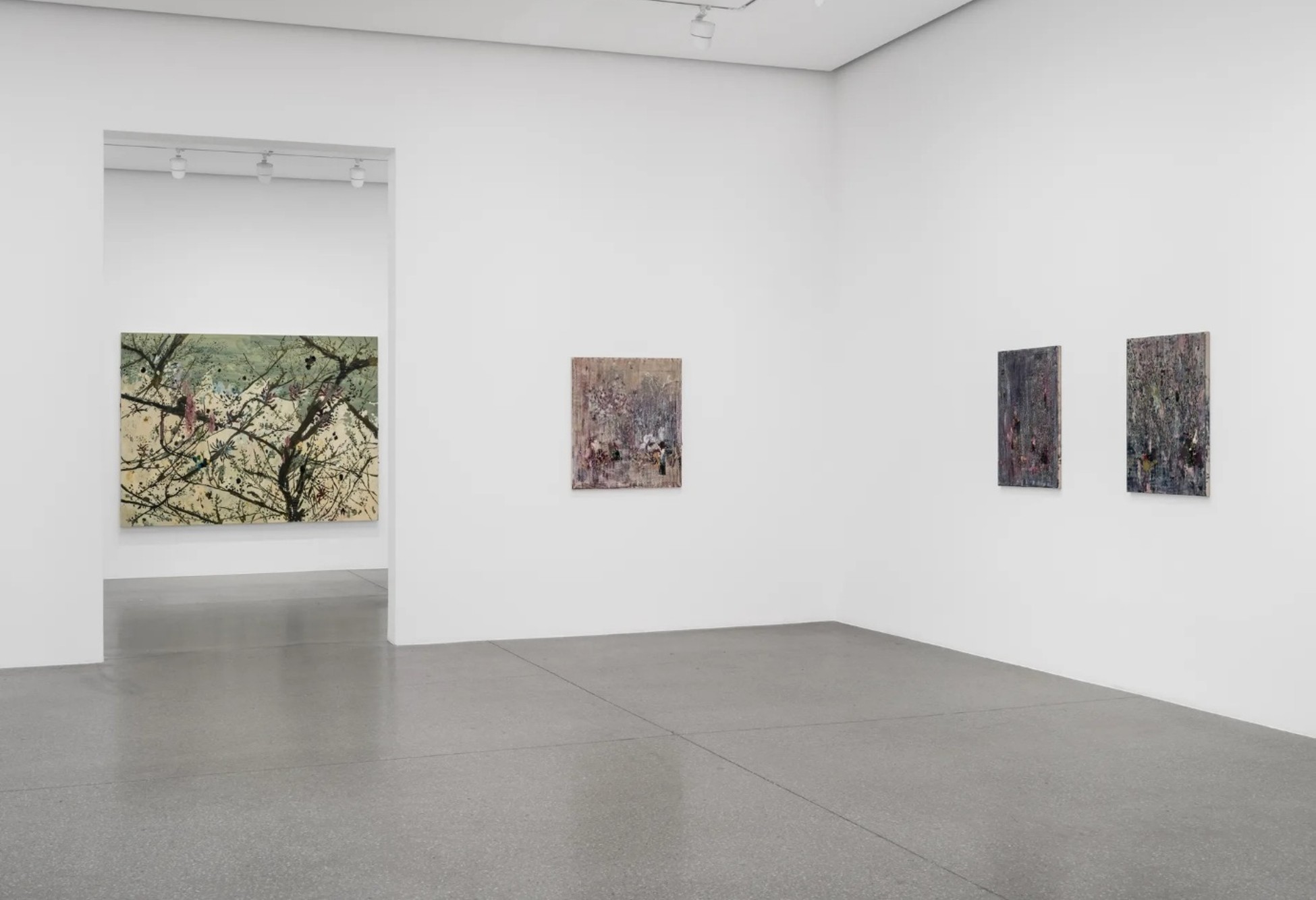
Installation view of Friedrich Kunath, 《The Nearest Faraway Place》 / Image: Pace Gallery website
A Sense of Home Shaped by
Movement and Memory
This sensibility is closely connected to a
life marked by continual movement. Kunath has relocated so many times that he
eventually stopped counting, and he continues to work between Europe and Los
Angeles.
For Kunath, “home” is therefore less a
fixed address than a temporary condition shaped by music, film, literature,
friendship, and memory.
The landscapes in this exhibition reflect
that condition. Roads continue onward without revealing a clear destination.
Figures seem to be moving and standing still at the same time, while horizons
appear less like places that can be reached than images that continually recede
into the distance.
Beauty as a “Trojan Horse”
What makes Kunath’s paintings especially
compelling is the way they place emotional unease within images of striking
beauty.
Sunsets, mountains, roads, and light appear
romantic and cinematic. Yet this beauty does not remain merely an object of
contemplation. Kunath uses such landscapes as a means of drawing viewers into
the image.
He has described beautiful sunsets and
landscapes as a kind of “Trojan horse”: they draw viewers into the picture,
only to confront them with loneliness, anxiety, and deeper existential
questions.
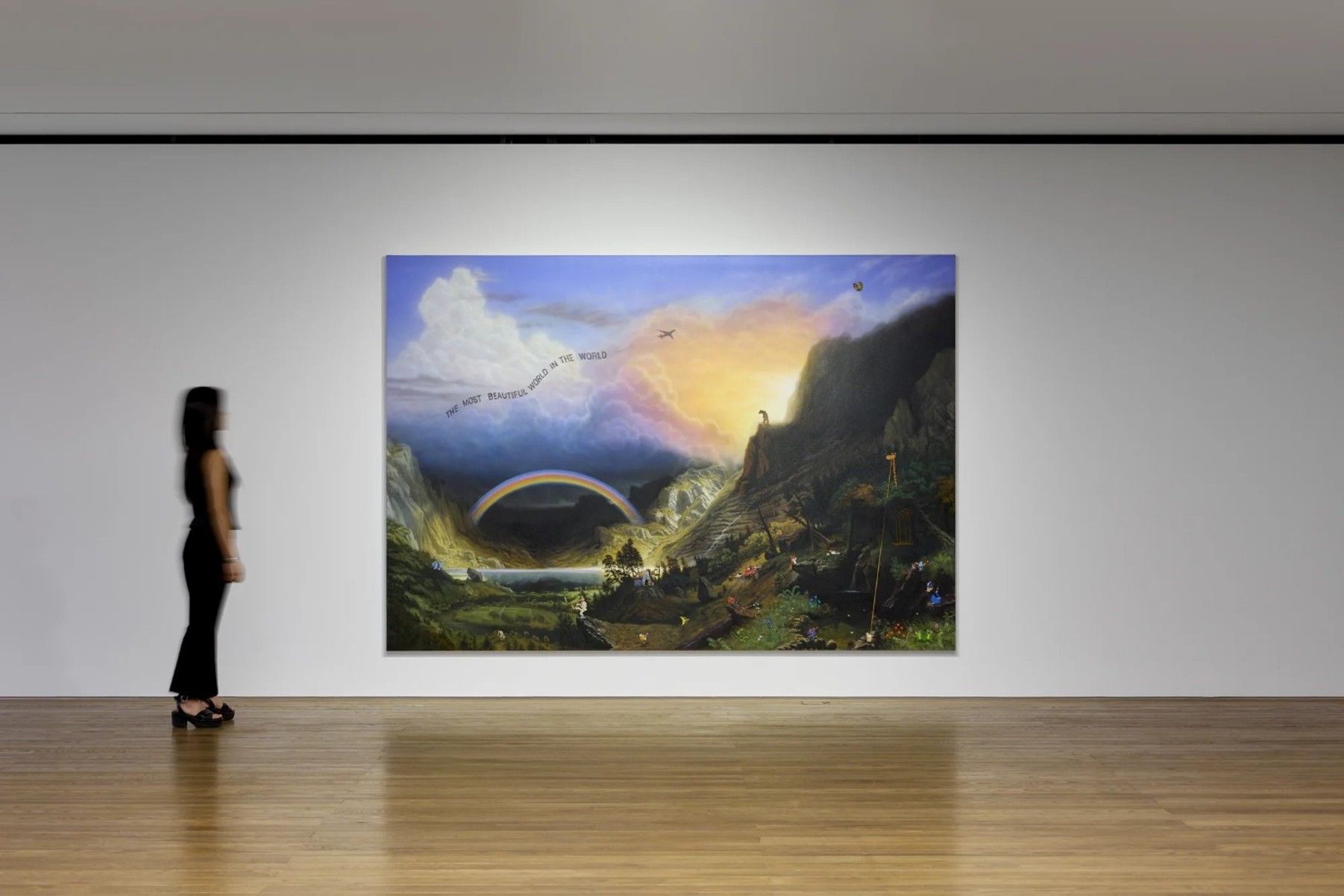
Installation view of Friedrich Kunath, 《The Nearest Faraway Place》 / Image: Pace Gallery website
Where German Romanticism Meets
American Popular Culture
Kunath’s work brings German Romanticism and
American popular culture into the same visual field. German Romantic painting
and the landscapes of the Hudson River School are freely combined with music,
film, and personal memory.
Irony and sincerity, tragedy and comedy
coexist within the same image, while love and despair, hope and fear,
melancholy and longing repeatedly intersect.
As a result, Kunath’s landscapes gradually
move beyond the representation of actual places.
Landscape as Psychological
Distance
His landscapes become psychological spaces
formed between the self in the present and the place it longs to reach.
One question continues to surface
throughout Kunath’s work:
Where is home? And does it
necessarily have to be where we are standing now?
In Kunath’s landscapes, the nearest place
can sometimes become the farthest away. A place shaped through memory and
feeling can, at times, seem closer than one that physically exists.
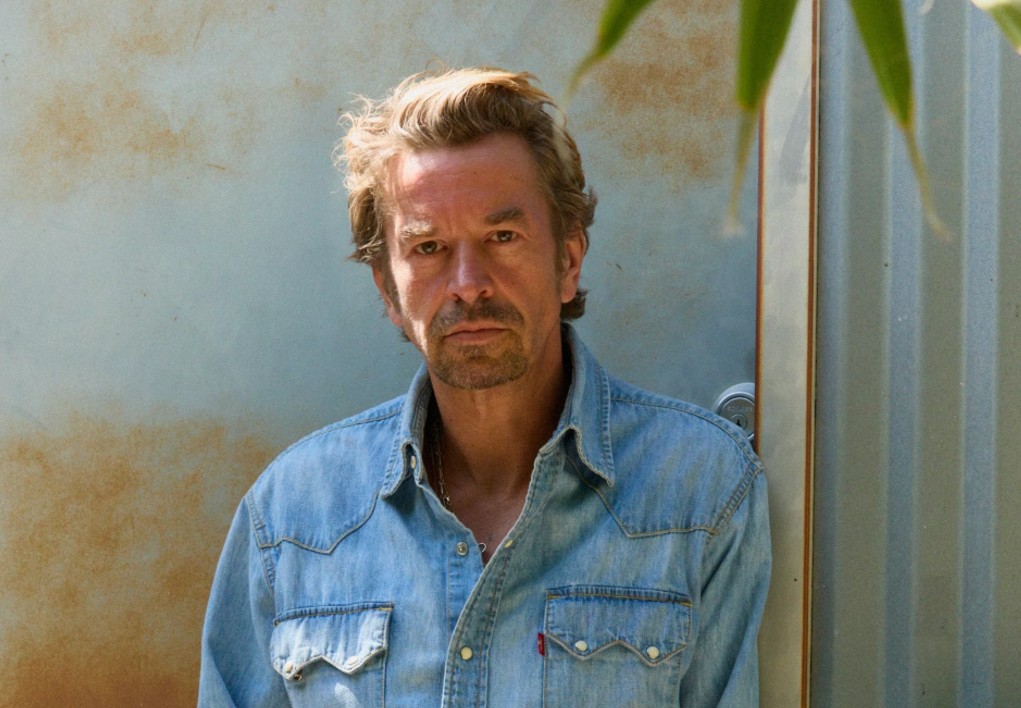
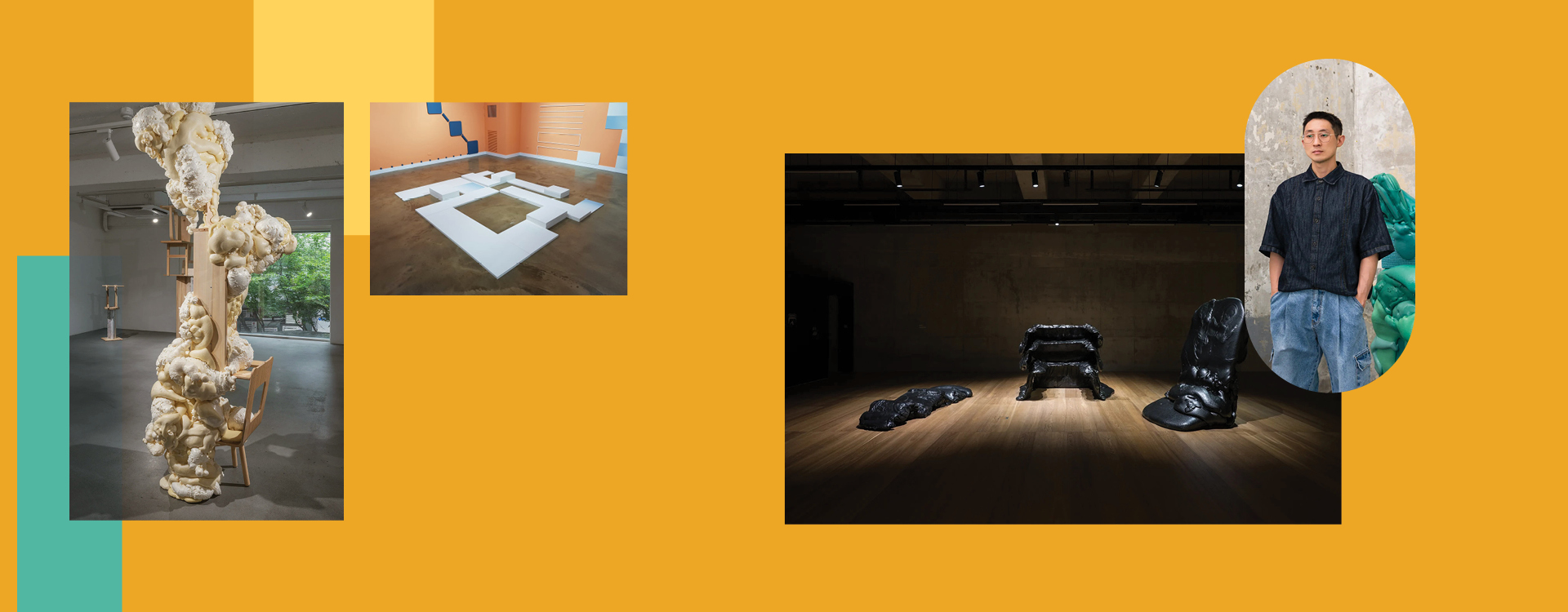
Friedrich Kunath / Photo: Michael Schmelling, image from Pace Gallery website
About the Artist
Friedrich Kunath was born in Chemnitz,
Germany, in 1974 and is currently based primarily in Los Angeles. He graduated
from the Braunschweig University of Art in 1998 and has worked across painting,
drawing, sculpture, installation, and video.
His practice is known for freely combining
German Romanticism and nineteenth-century landscape painting with American
popular culture, music, film, and personal memory. Melancholy and humor,
sincerity and irony often coexist within the same image as he continues to
explore landscapes shaped by emotion and memory.
Kunath has recently presented solo
exhibitions at Centro de Arte Contemporáneo in Málaga, KINDL in Berlin, and G2
Kunsthalle in Leipzig. He joined Pace Gallery in 2025 and presented 《Aimless Love》, his first solo exhibition
with the gallery, in New York that same year. The Seoul exhibition continues
this recent development in his practice.
Pace Gallery
Founded in the United States in 1960, Pace
Gallery is an international gallery known for its long-term relationships with
major artists of the twentieth and twenty-first centuries. Today, it operates
spaces across the United States, Europe, and Asia, presenting programs that
span postwar and contemporary art.
Pace opened its permanent Seoul space in
2017, making it one of the earlier international galleries to establish a
presence in Korea. In 2021, it expanded into the second and third floors of the
Le Beige building in Hannam-dong, later adding a first-floor exhibition space
and outdoor areas to further strengthen its Seoul presence.
Exhibition Information
Exhibition: Friedrich Kunath, 《The Nearest Faraway Place》
Dates: September 1–October 24, 2026
Venue: Pace Gallery Seoul (267 Itaewon-ro, Yongsan-gu, Seoul)
Website: Pace
Gallery