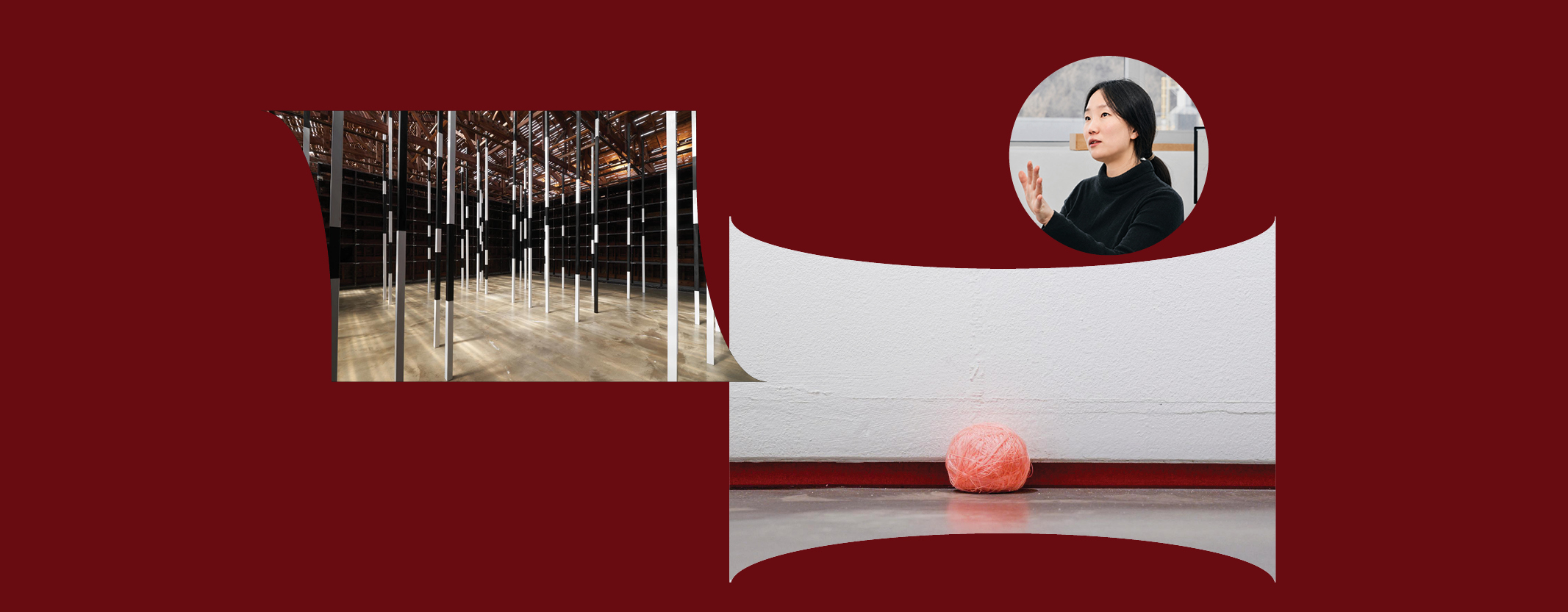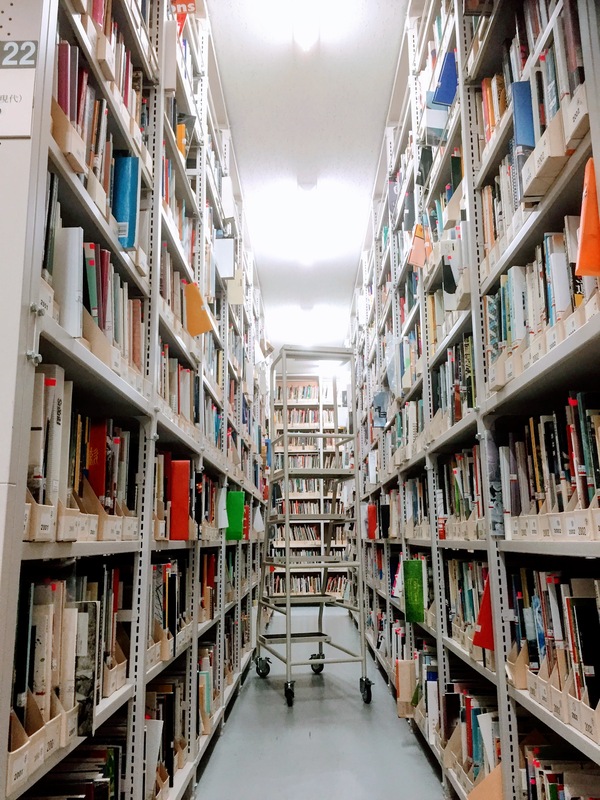

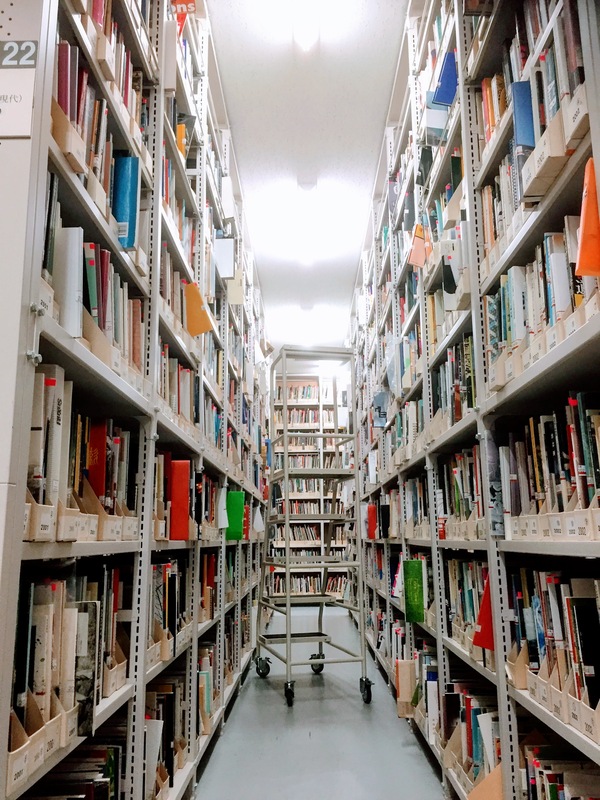
Storage of the Tokyo National Research Institute for Cultural Properties © MMCA
The
Art Research Center at the National Museum of Modern and Contemporary Art,
Korea (MMCA Art Research Center) announced that it will undertake the
digitization and research of Korean modern and contemporary art archives
preserved in Japan in collaboration with the Tokyo National Research Institute
for Cultural Properties (東京文化財硏究所, TOBUNKEN).
The
MMCA Art Research Center and the Tokyo National Research Institute for Cultural
Properties have signed a Memorandum of Understanding (MOU) to promote
comprehensive collaboration in the study of Korean modern and contemporary art
and the history of cultural exchange between Korea and Japan. Under this
agreement, the two institutions will carry out a five-year joint academic
exchange program from 2026 to 2030.
Based
on the agreement signed on July 7, the two institutions will engage in a wide
range of collaborative research activities, including the exchange of
researchers, the survey and study of their respective art collections and
archival materials, the digitization and sharing of research resources, and the
organization of international symposia and scholarly publications.
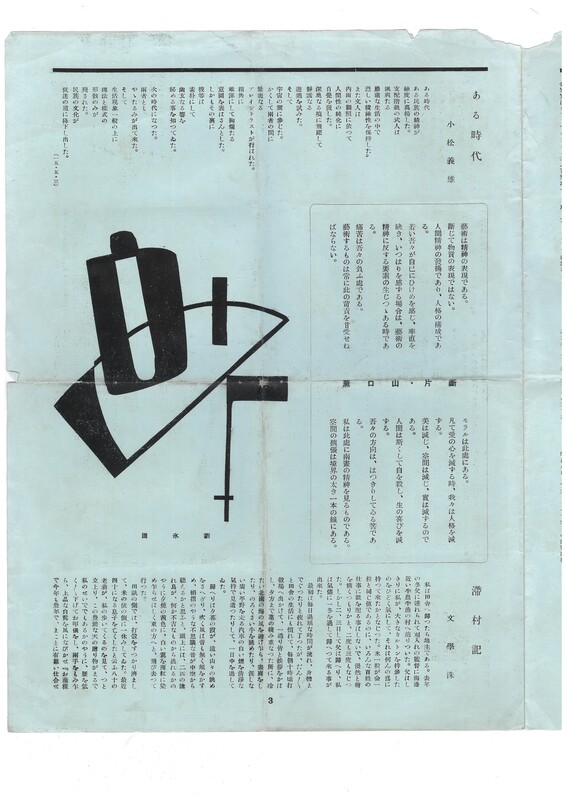
Illustration by Yoo Youngkuk published in 自由美術 (Free Art), Vol. 2, the official journal of the Free Artists Association. © MMCA
Among
the holdings of the Tokyo National Research Institute for Cultural Properties
are extensive archival materials related to Korean artists, ranging from the
first generation of modern Korean artists who studied in Japan during the 1930s
and 1940s—including Ko Huidong (1886–1965, Tokyo School of Fine Arts), Lee
Insung (1912–1950, Taiheiyō Art School), Lee Jung-Seob (1916–1956, Bunka Gakuin),
and Yoo Youngkuk (1916–2002, Bunka Gakuin)—to postwar contemporary artists who
were active in Japan, such as Nam June Paik (1932–2006), Lee Ufan (b. 1936),
and Park Seo-Bo (1931–2023).
These
archives constitute essential primary sources for understanding the
sociocultural contexts that shaped the artists' practices, as well as the
production and circulation of their works. They also provide important evidence
for examining the multifaceted influence these artists exerted on the
development of Korean art.
Accordingly,
the project aims to identify significant Korea-related materials within the
Tokyo National Research Institute for Cultural Properties' collections and to
systematically survey, organize, and digitize them.
Through
on-site research, large-scale digitization, Korean-language translation, and
online publication, the initiative seeks to make these valuable resources
widely accessible to researchers and the public in Korea.
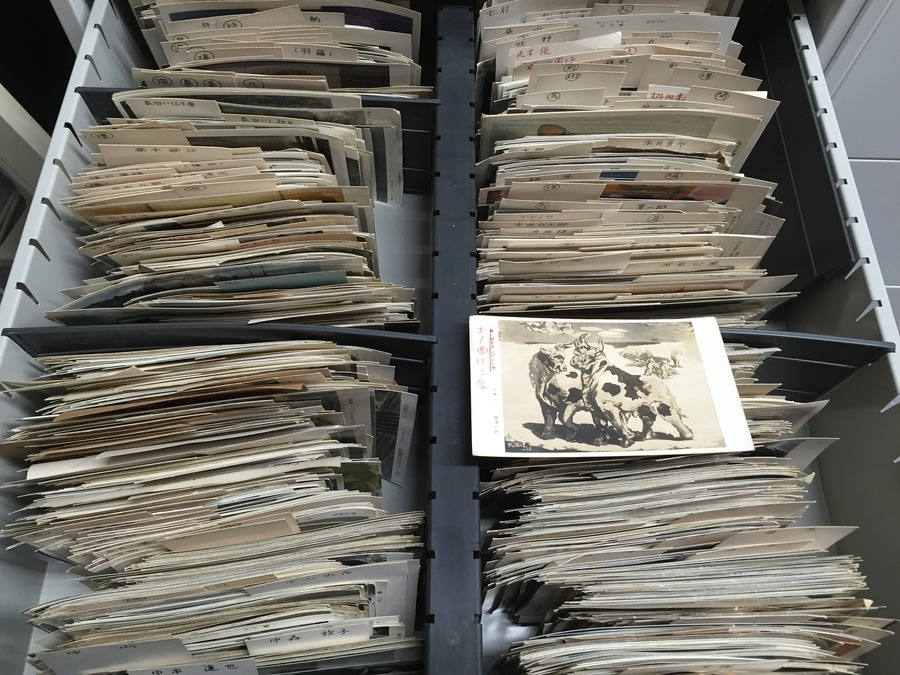
Collection of Modern Art Picture Postcards, Tokyo National Research Institute for Cultural Properties © MMCA
Under
the agreement, the MMCA Art Research Center will dispatch a visiting researcher
to the Tokyo National Research Institute for Cultural Properties from August to
November. As the first phase of the project, research will focus on archival
materials related to Korean artists who studied or were active in Japan during
the 1920s and 1930s.
Following
on-site investigation, large-scale digitization, scholarly research, and Korean
translation, the materials will be made searchable through the National Museum
of Modern and Contemporary Art, Korea's website.
Beginning
in 2027, the project will expand its scope through a phased investigation of
archives related to Korean artists and artworks active in Japan from the 1940s
through the 1980s and 1990s. A digital archive will be established and made
publicly accessible, allowing researchers and the general public alike to
explore and utilize the materials.
Building
on these efforts, the project plans to present the outcomes of its first three
years through an international academic conference in 2028. In 2030, it will
publish a comprehensive volume bringing together the art archives compiled over
the five-year initiative, laying the groundwork for further expanding research
on the art history of Korea and Japan.