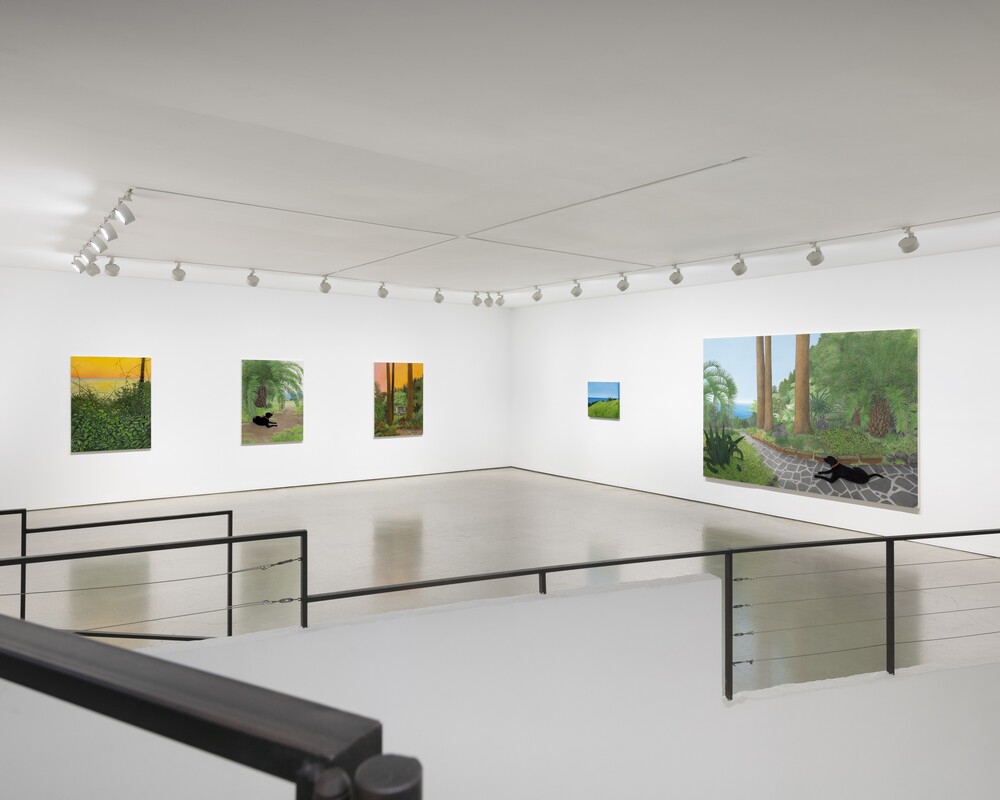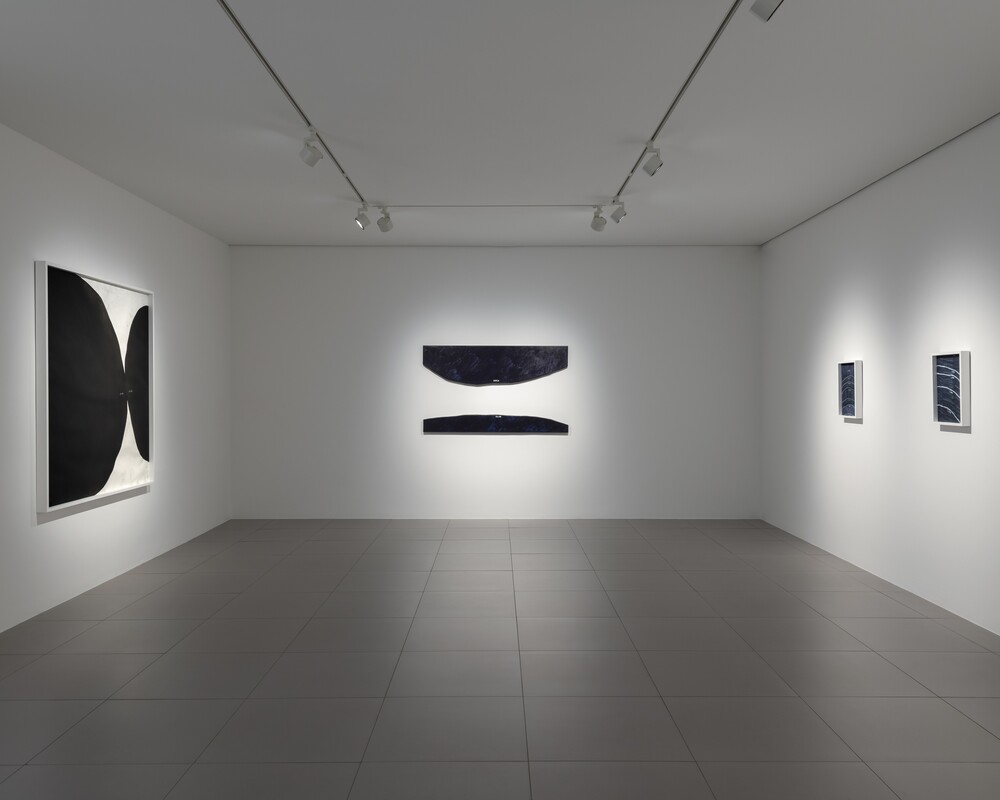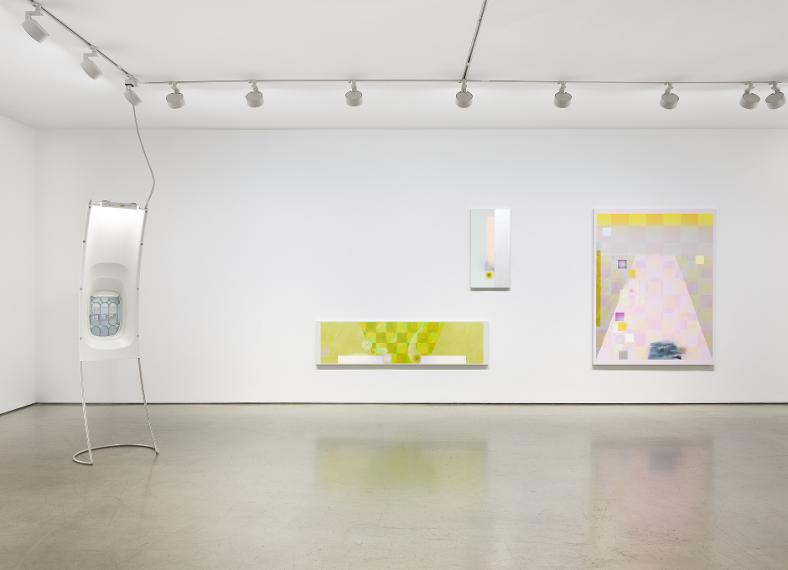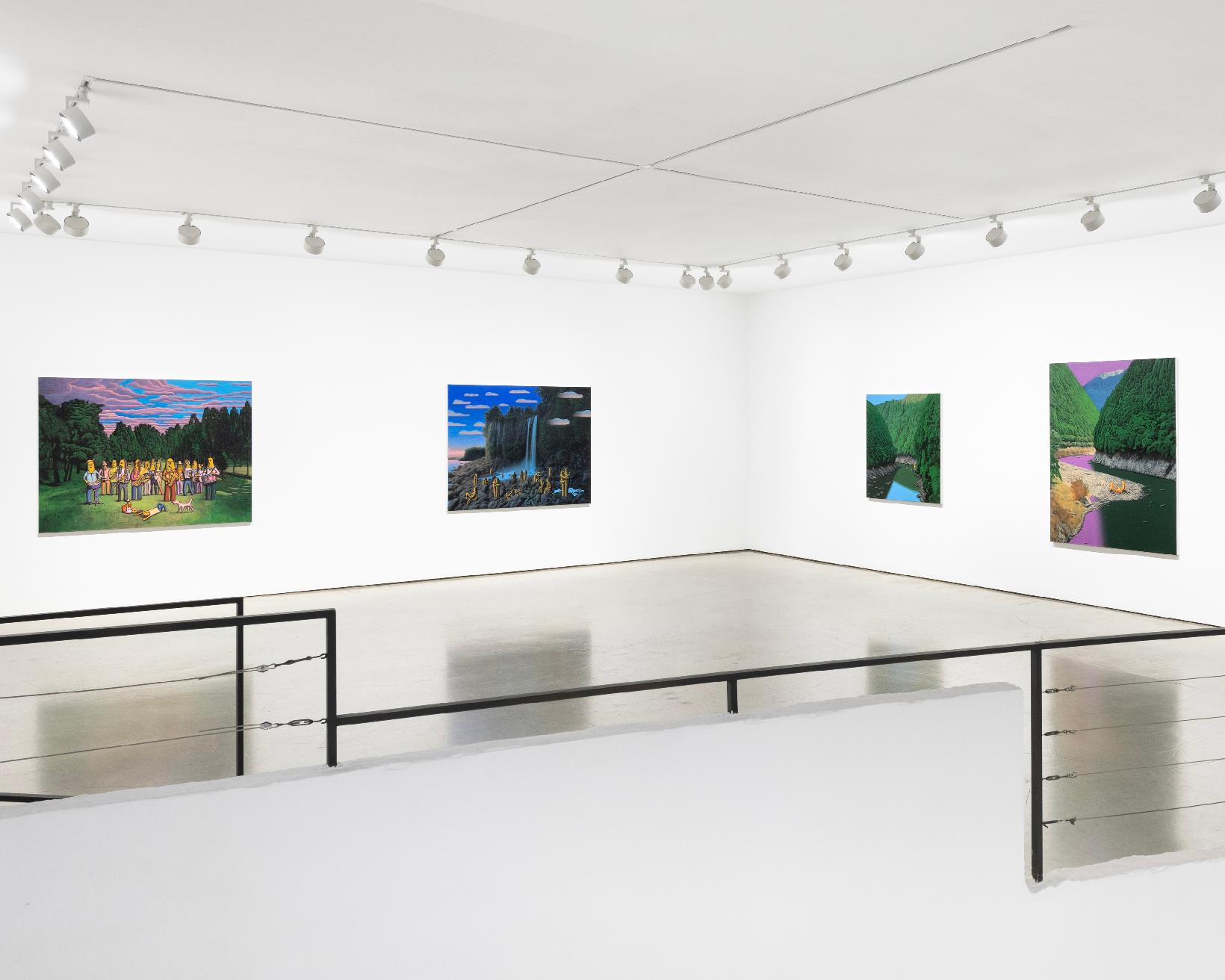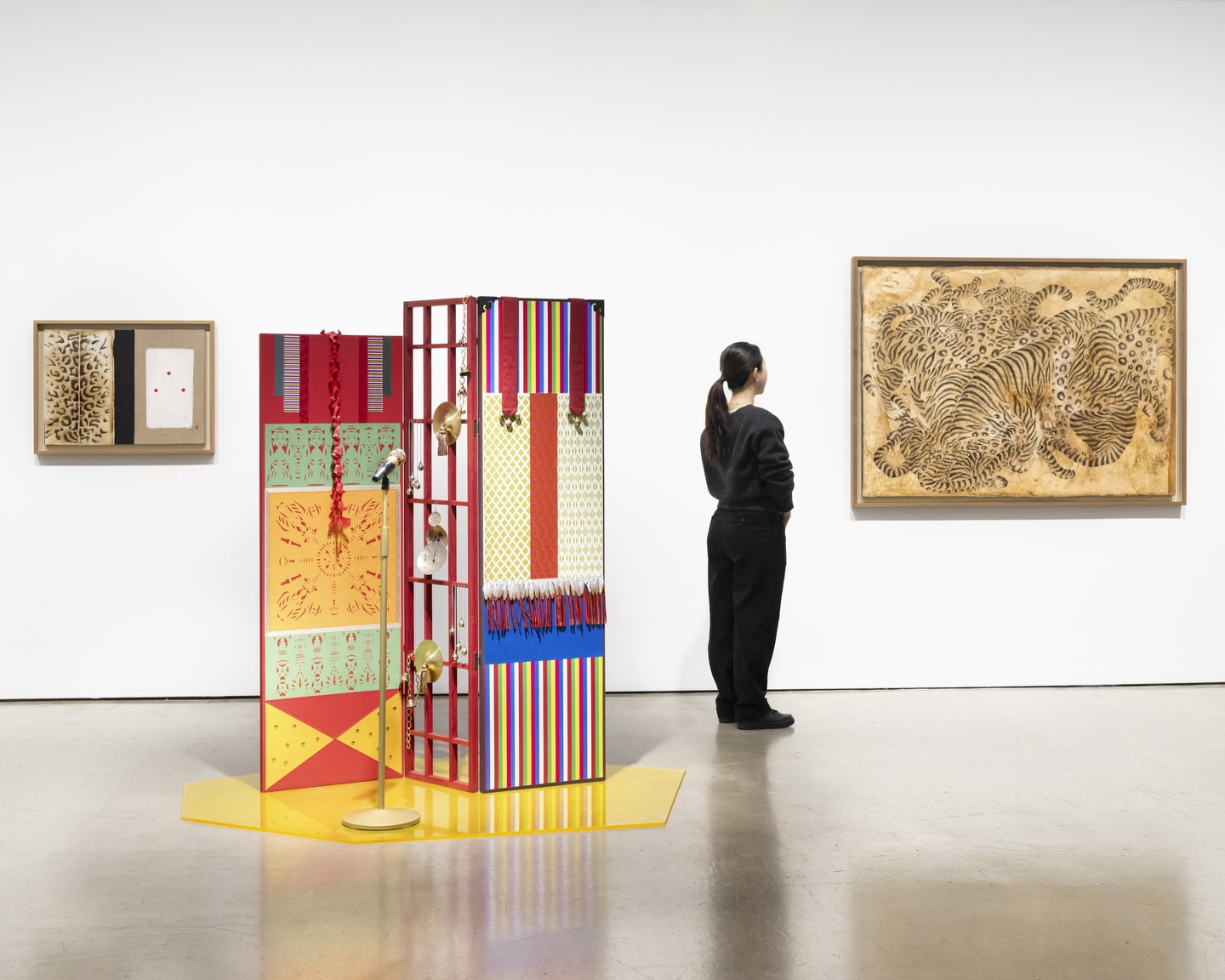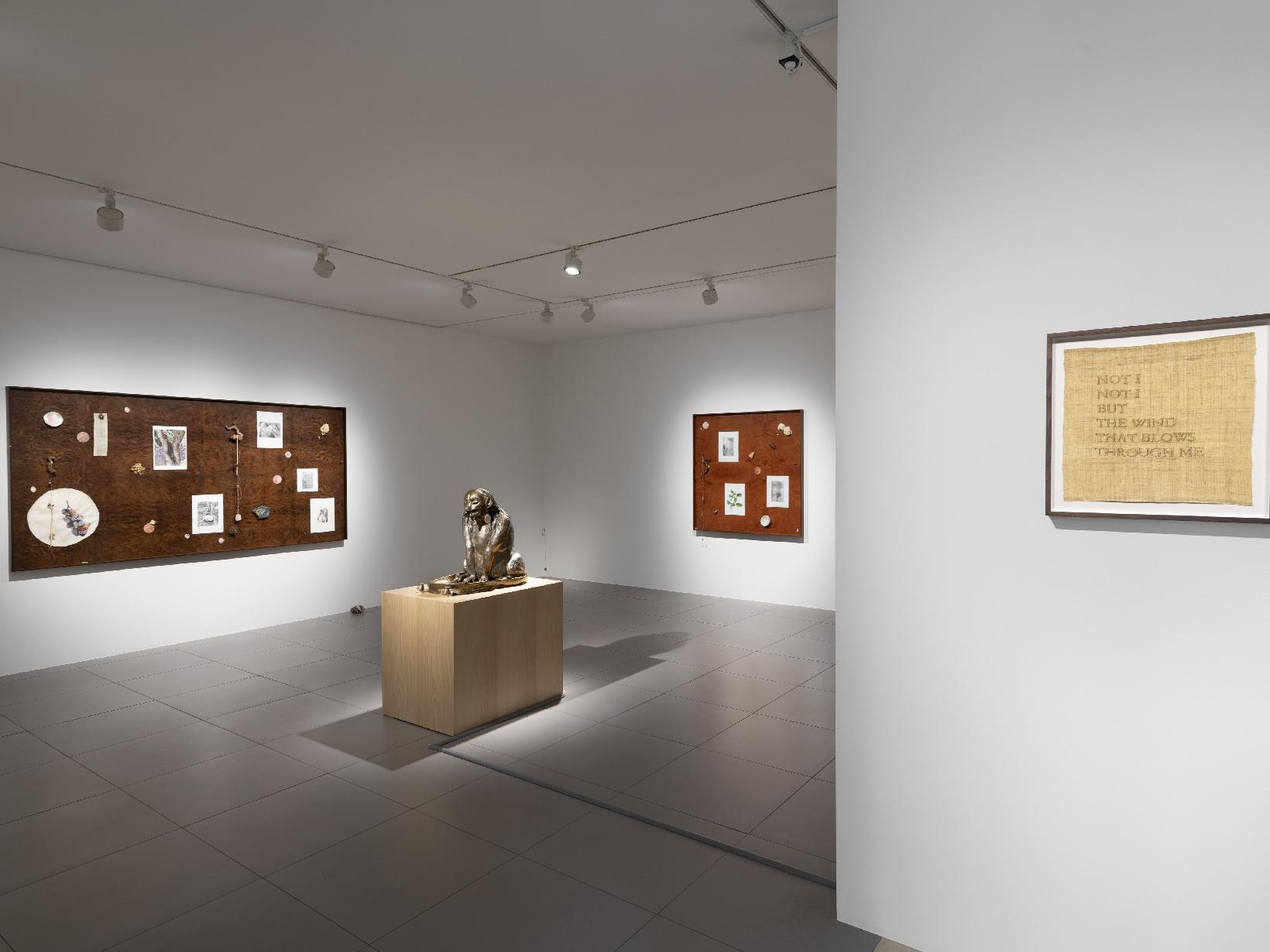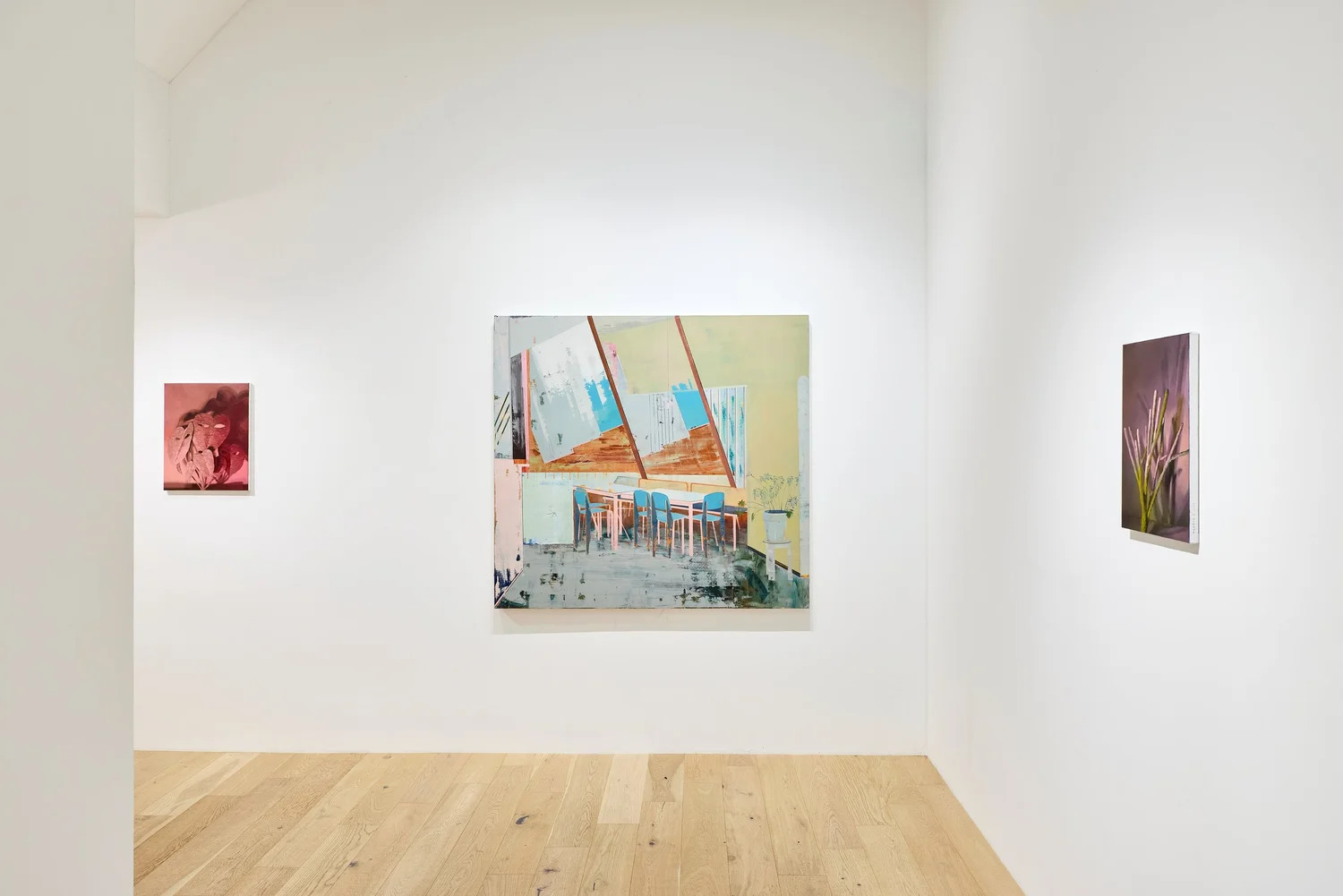

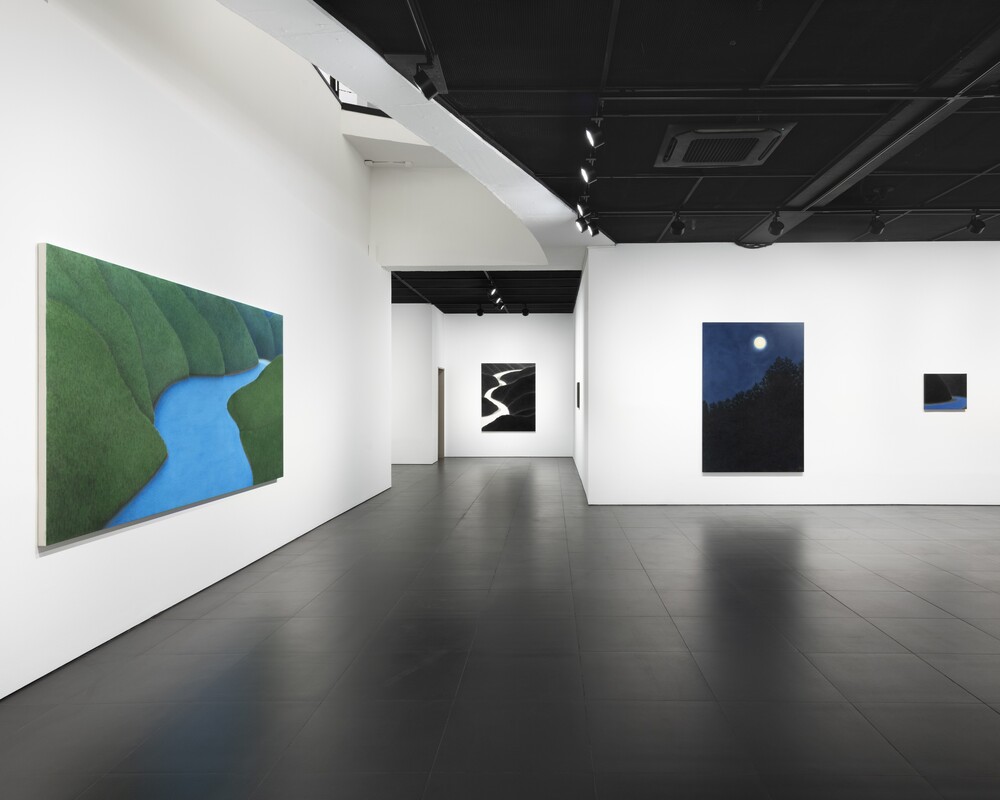
Installation view of 《TOWARDS: There Was Light》 © Gallery Hyundai
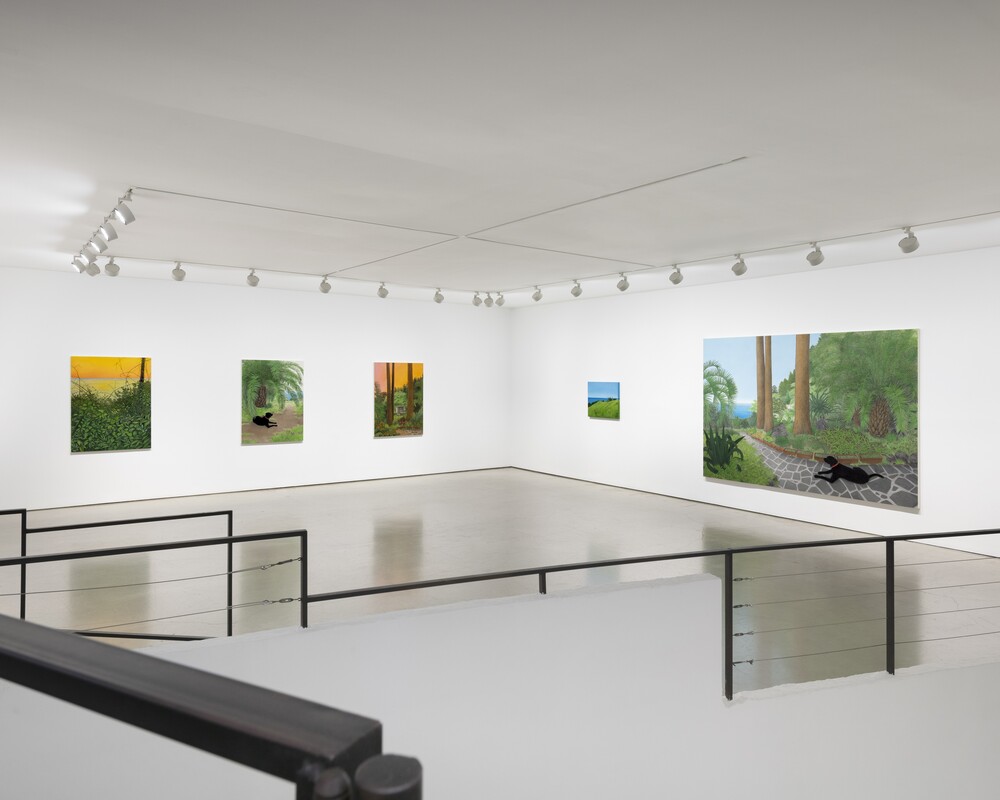
Gallery Hyundai presents a solo exhibition 《TOWARDS: There Was Light》 by artist Kim Bohie, on view through October 18.
《TOWARDS: There Was Light》 surveys more than
four decades of Kim’s sustained engagement with nature, focusing on her
exploration of light in painting.
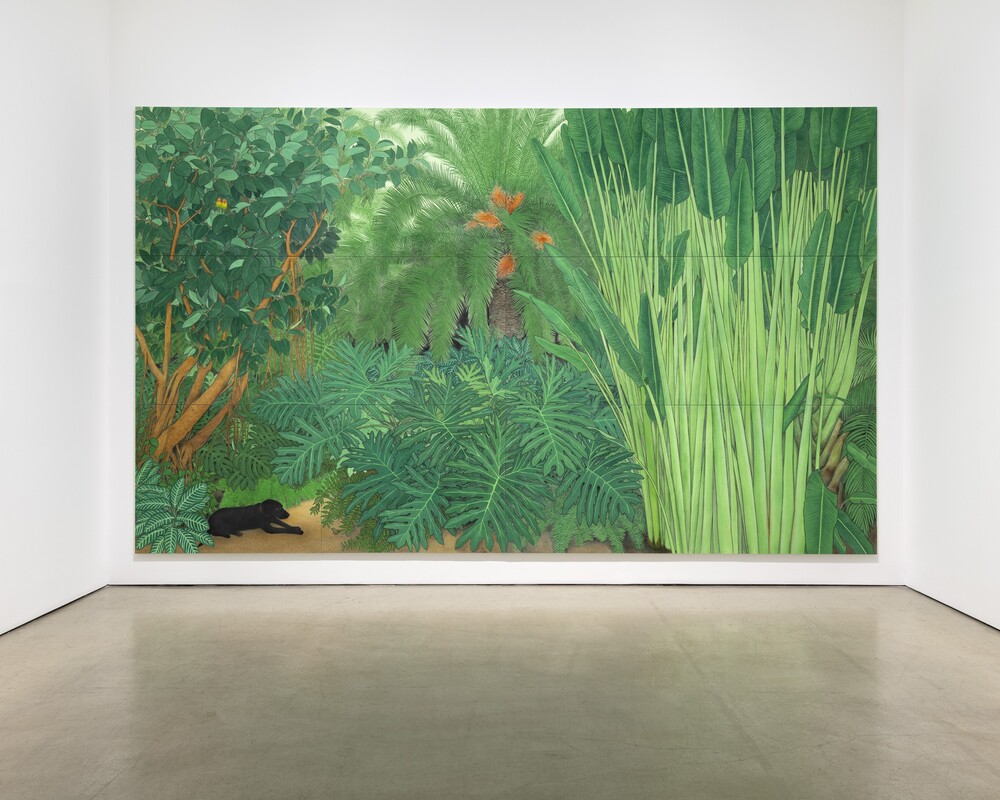
Featuring approximately thirty works, the exhibition presents new
paintings from the ‘Towards’ series that depict the garden and sea of Jeju,
flowers, fruits, and her dog Leo, and other landscapes intimately connected to
the artist’s daily life alongside the monumental The Days
(2022), recently shown in the Unlimited sector of Art Basel in Basel earlier
this year.
Installation view of 《TOWARDS: There Was Light》 © Gallery Hyundai
Rather than simply perpetuating the traditions of Korean painting
or adopting Western conventions, Kim has developed a distinctive pictorial
language that brings the materials and formal sensibilities of East Asian
painting into dialogue with the chromatic fields and expanded scale of modern
and contemporary painting.
Working on canvas and hanji, she repeatedly applies mixtures of
traditional mineral pigments, water, and glue, allowing color to slowly
permeate and accumulate in translucent layers that create a depth particular to
her work. Her figurative compositions bring together different experiences of
time: the prolonged observation of nature, the time in which a landscape
settles into memory as an inner image, and its eventual reconstruction.
What matters in Kim’s work, therefore, is not simply what she
depicts, but how the time and sensations accumulated through looking and
remembering re-emerge as landscape. Nature experienced at different moments and
in different places converges on a single plane, where past and present, near
and far, observed landscape and inner image coexist within the same pictorial
space.
Installation view of 《TOWARDS: There Was Light》 © Gallery Hyundai
《TOWARDS: There Was Light》 moves beyond the familiar characterization of Kim Bohie as a
painter of Jeju landscapes, recognizing her as a significant figure who has
expanded the formal legacy of Korean painting into a distinctly contemporary
pictorial language and forged a singular trajectory within modern and
contemporary Korean art.
Shaped through prolonged observation, memory, and repetition,
nature in Kim’s paintings is not a fixed view but a living world that assumes a
different appearance with every shift of light and time. Following the artist’s
sustained attention to these transformations, the exhibition reveals how a
single, still plane can hold different times and spaces, memories and
sensations at once.
Here, painting becomes a place from which to look again at the
world we think we know and to turn our gaze beyond the visible, toward worlds
not yet seen.