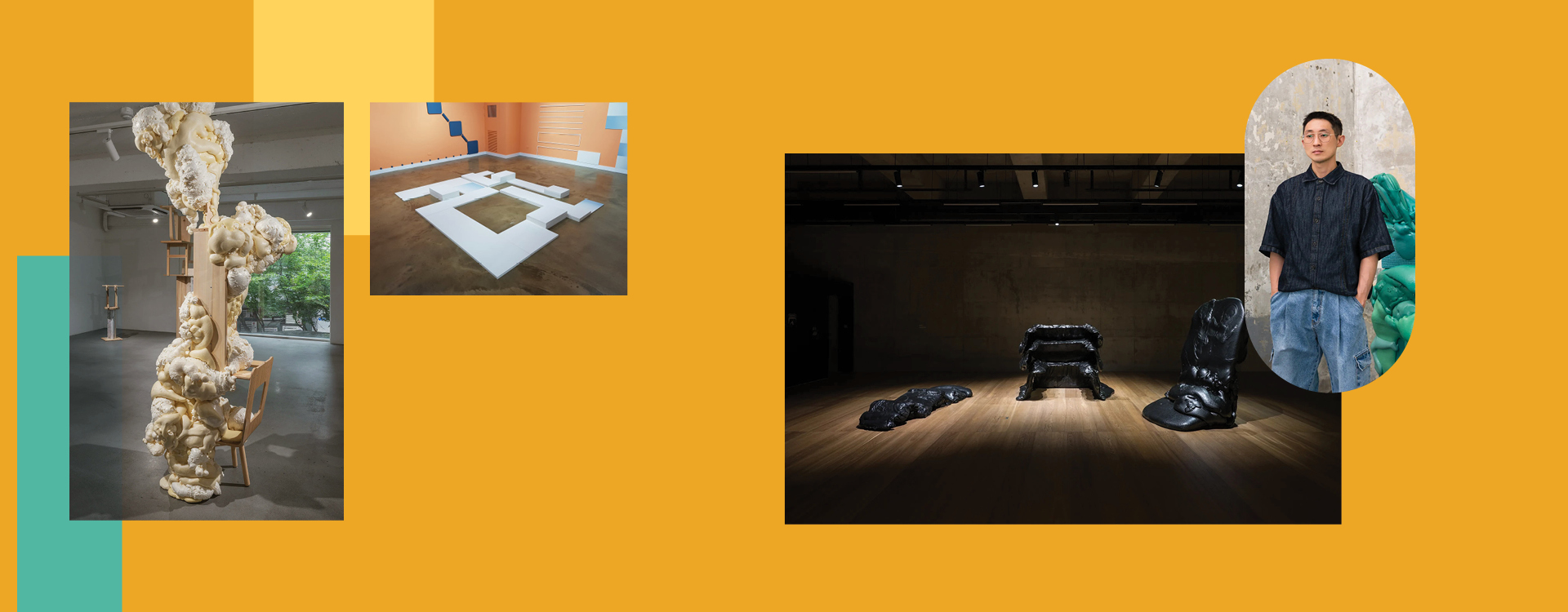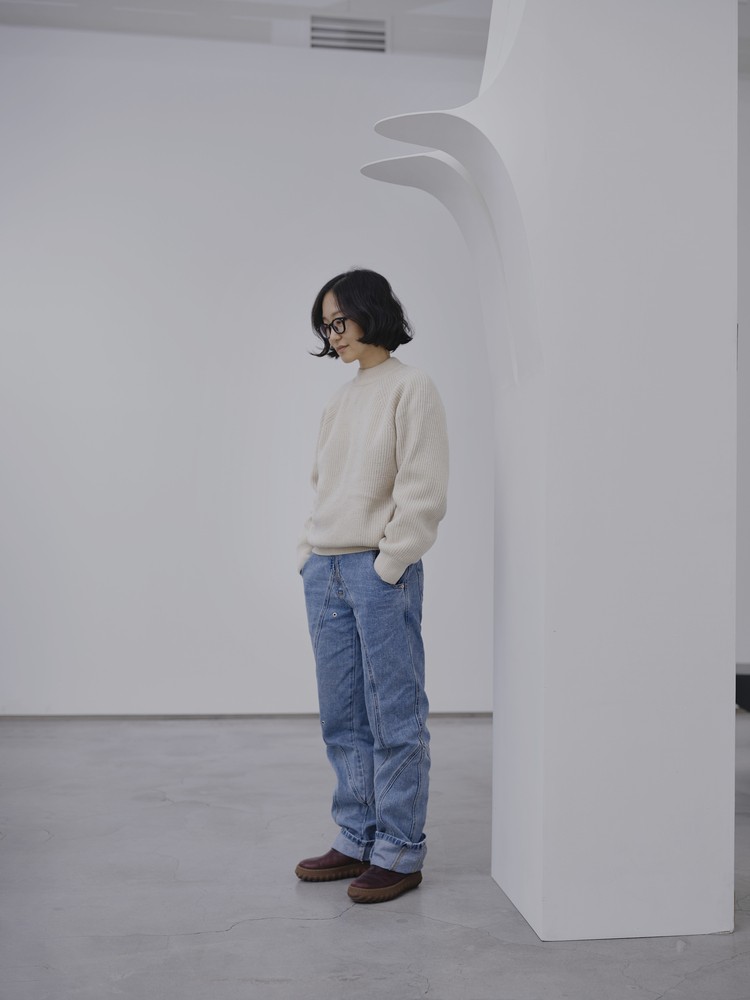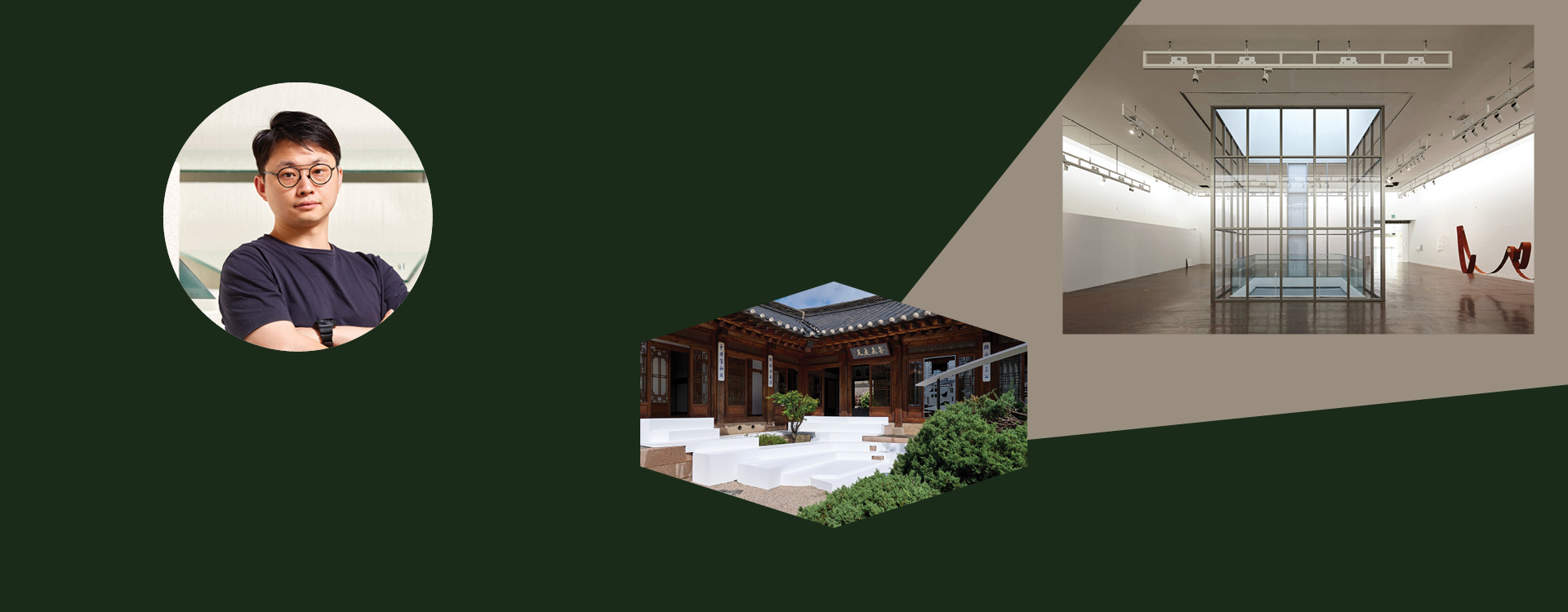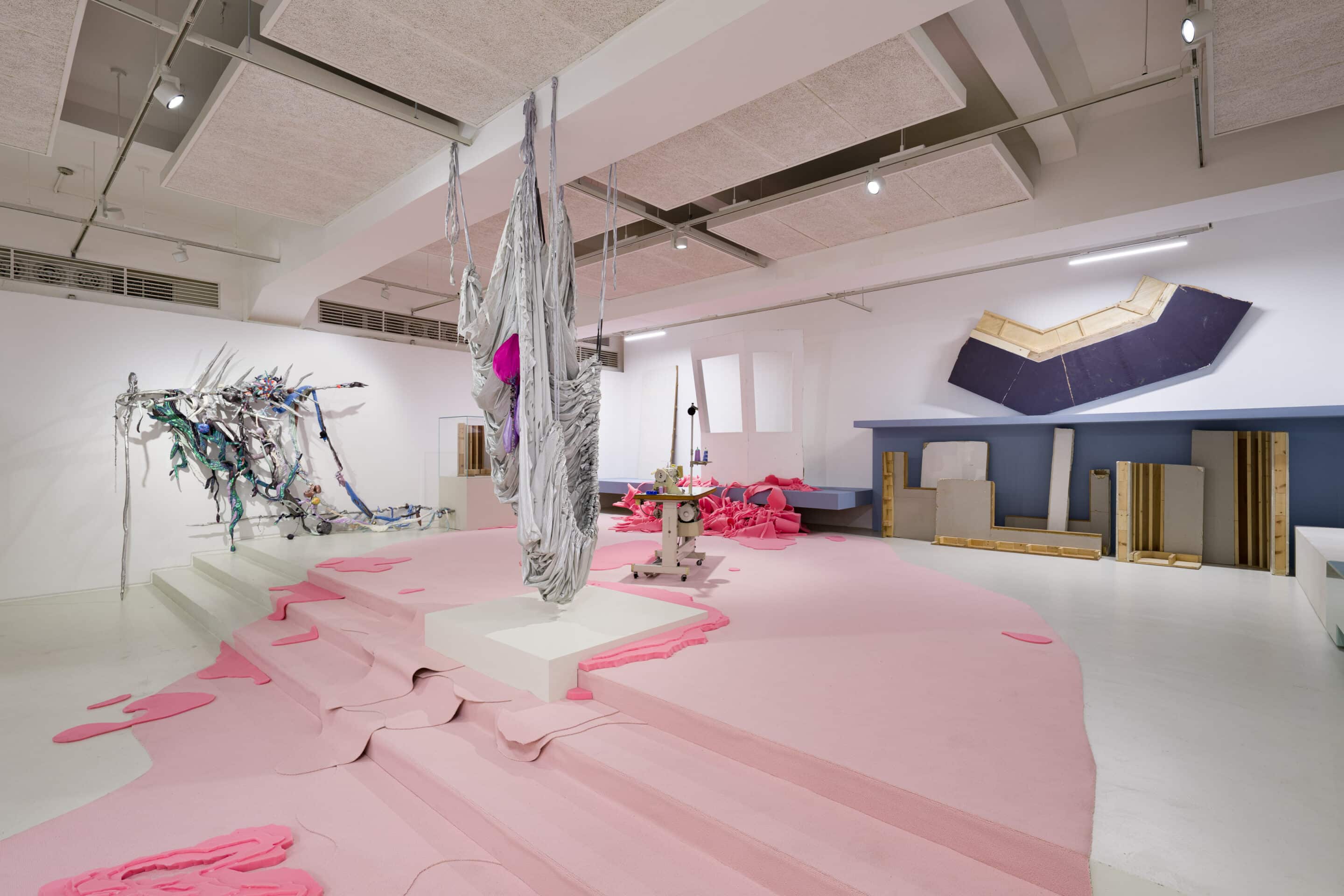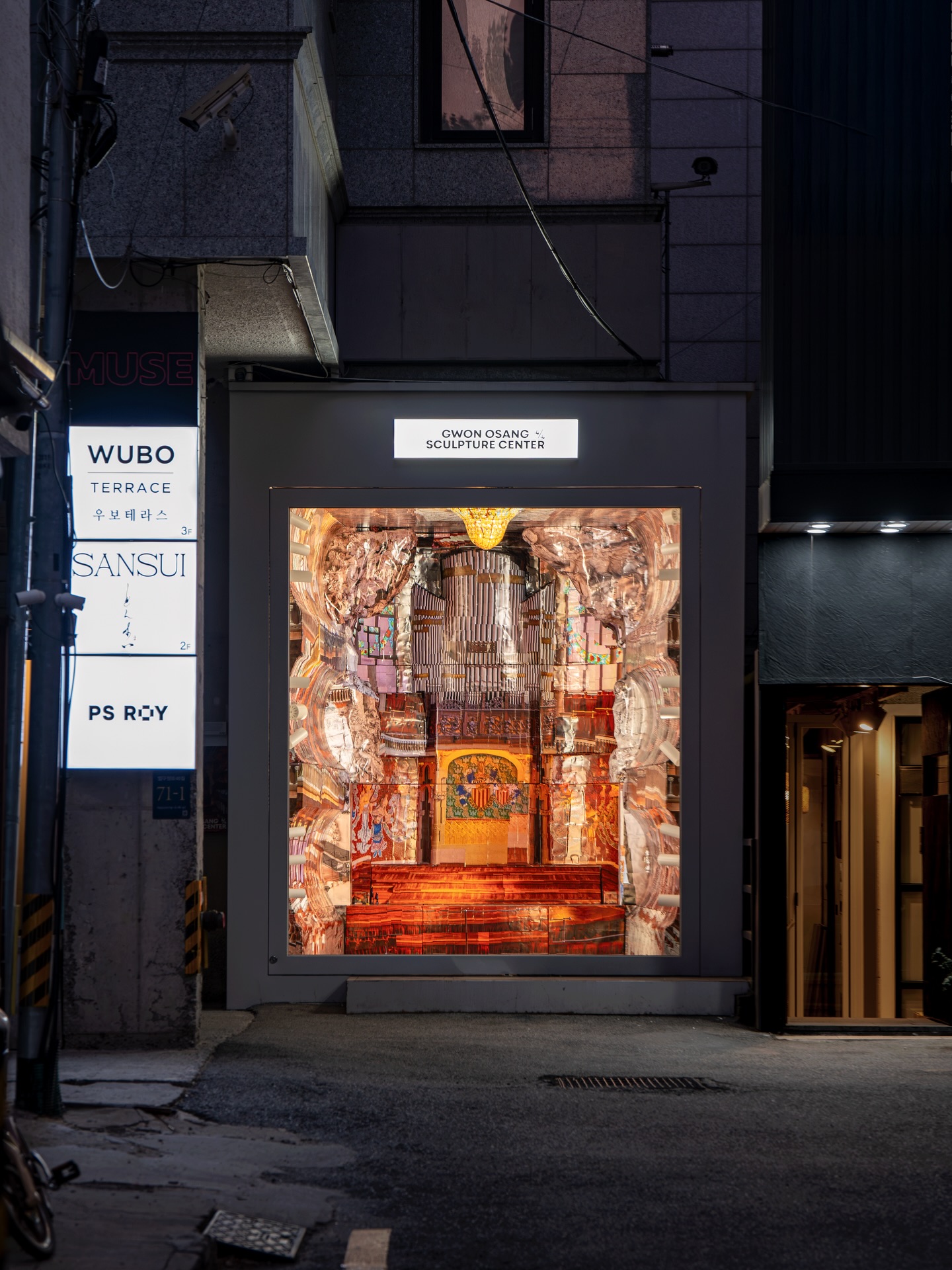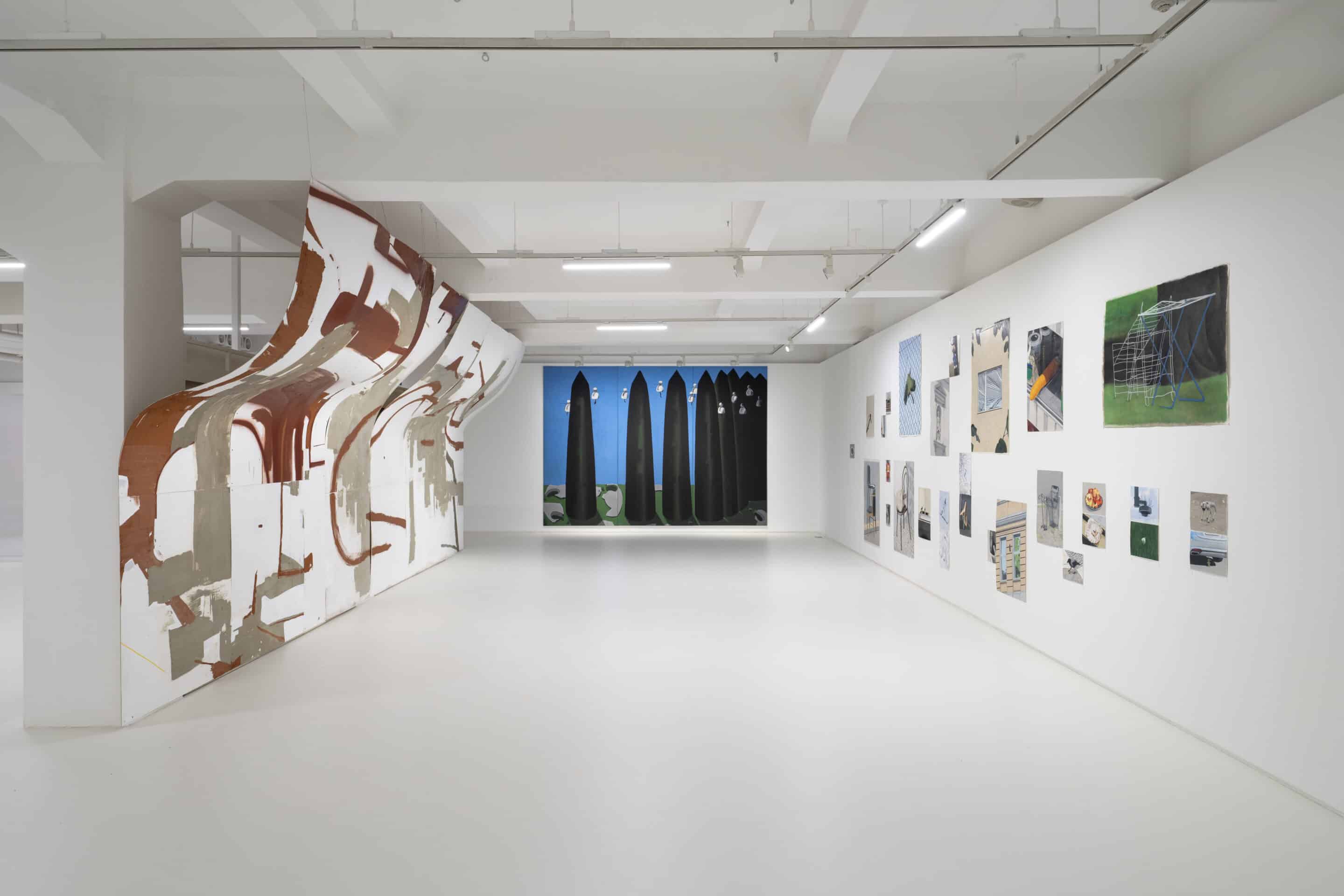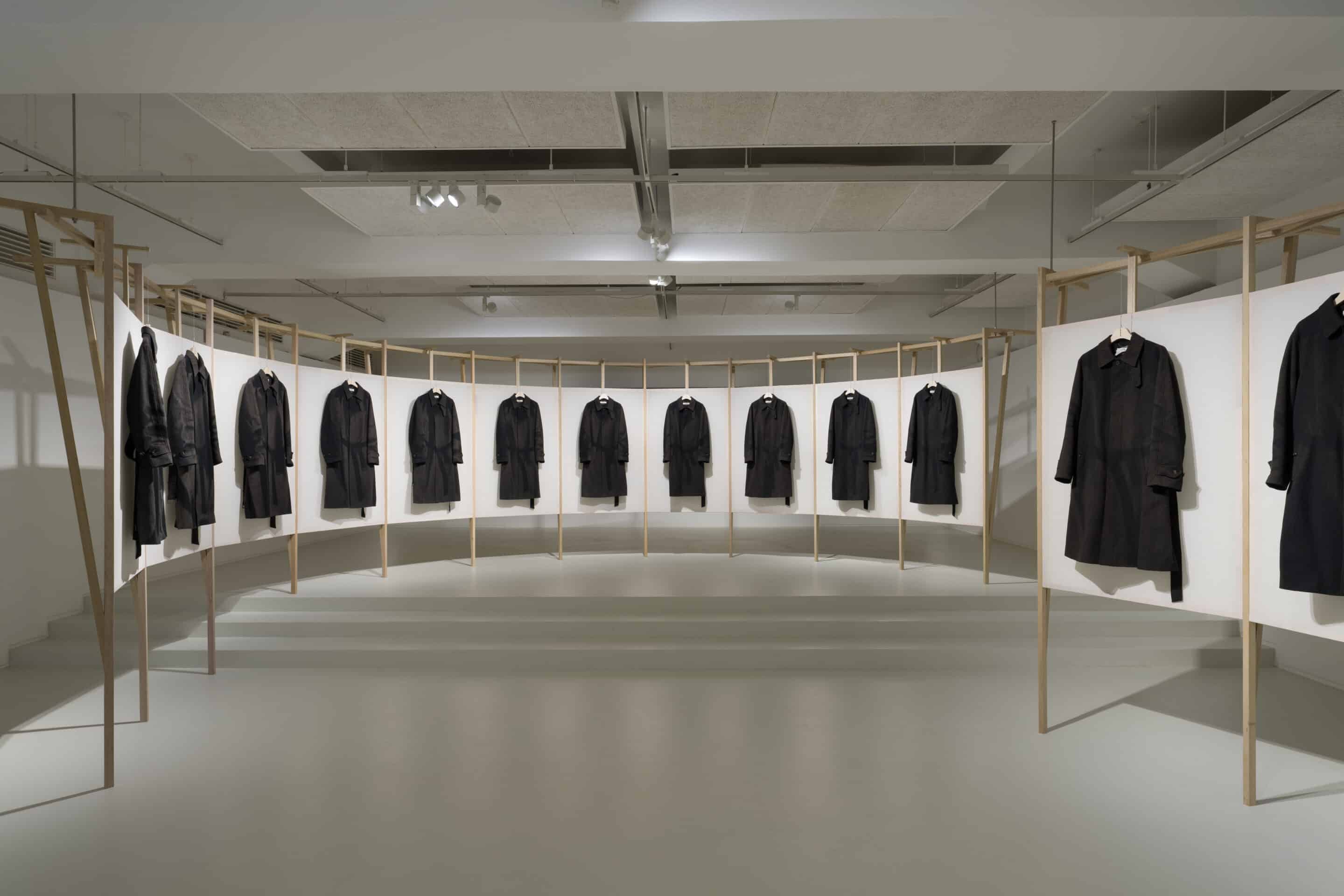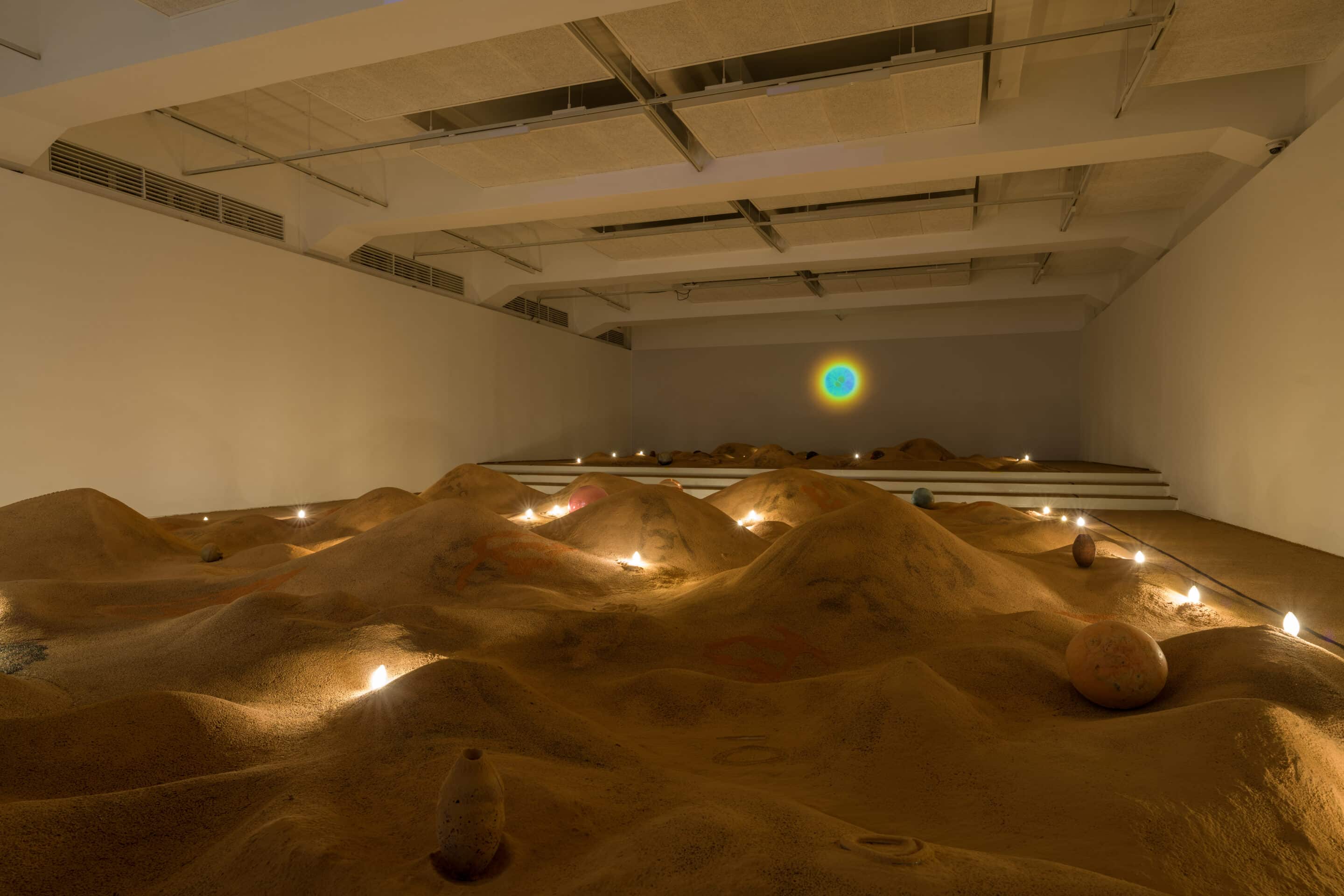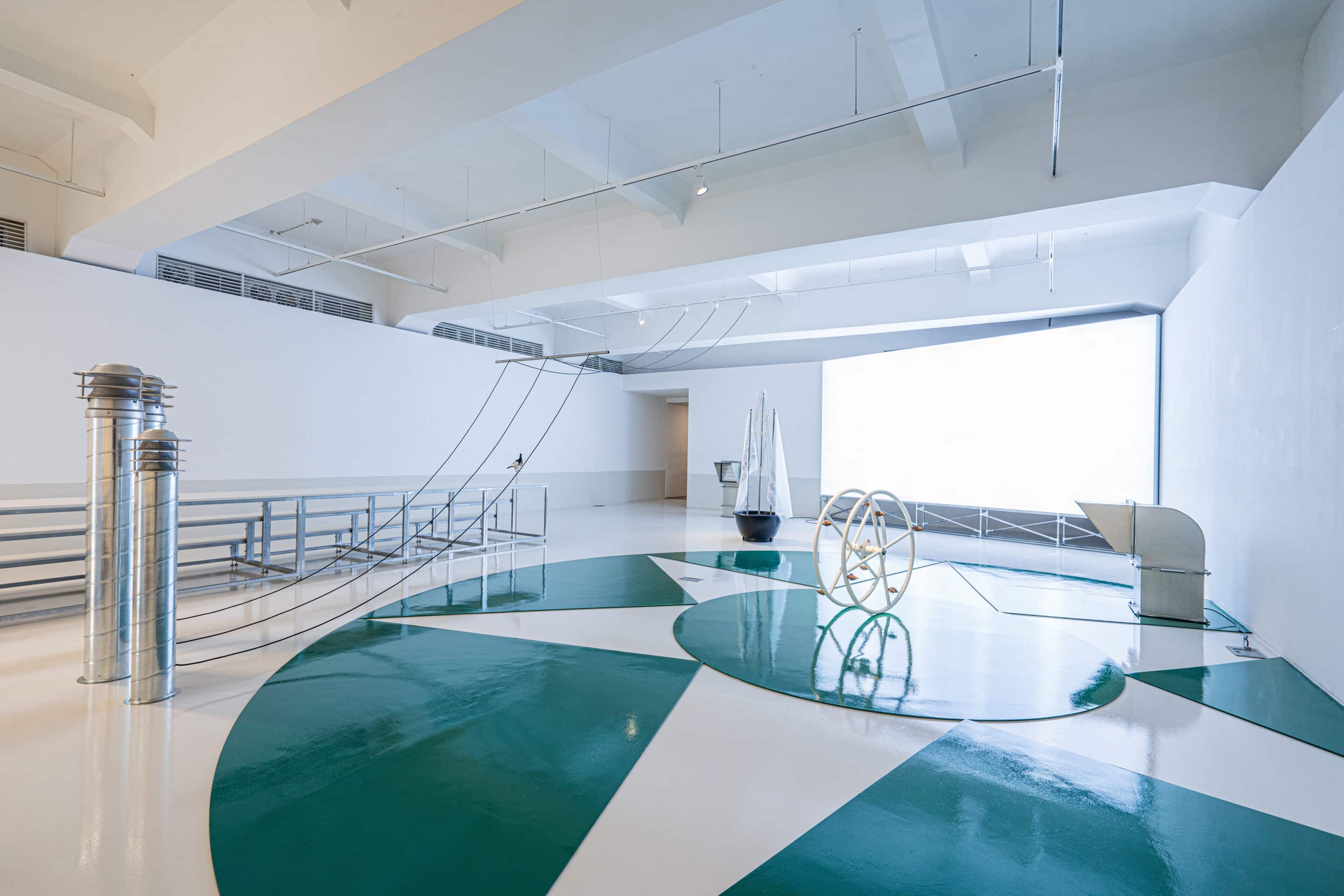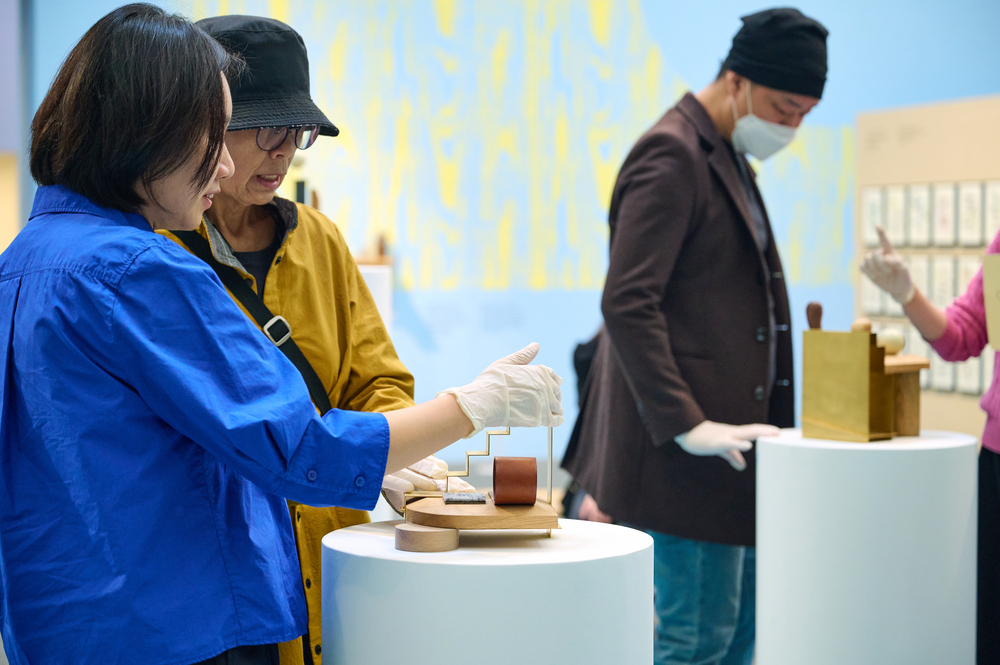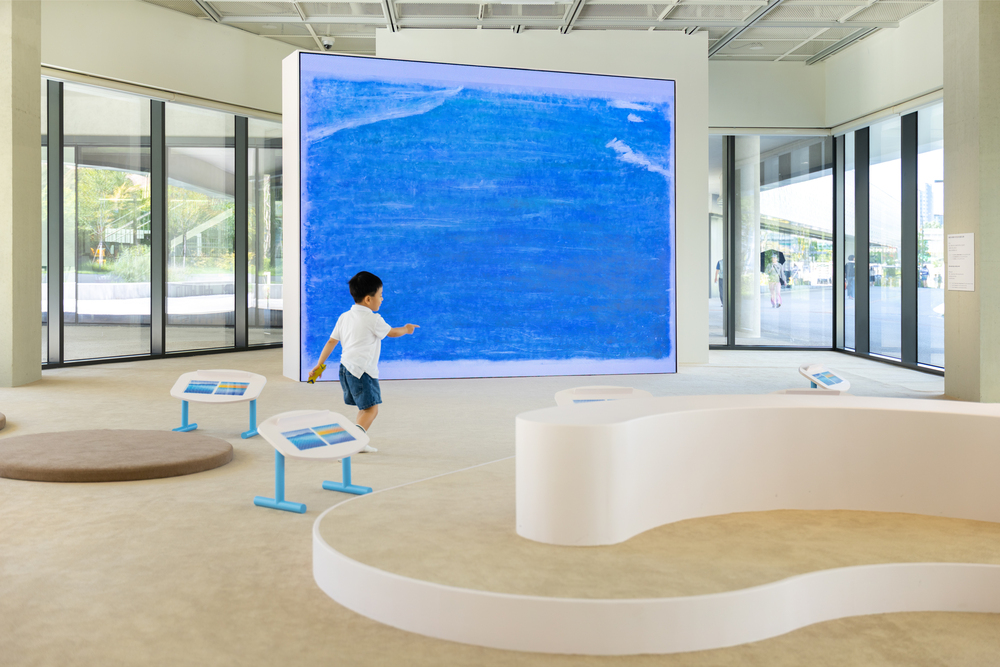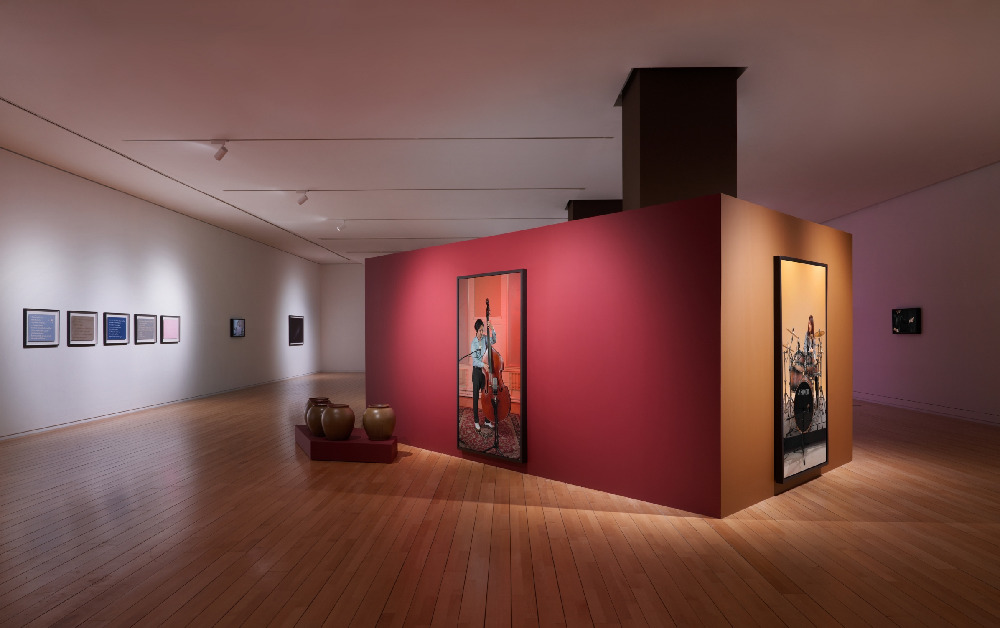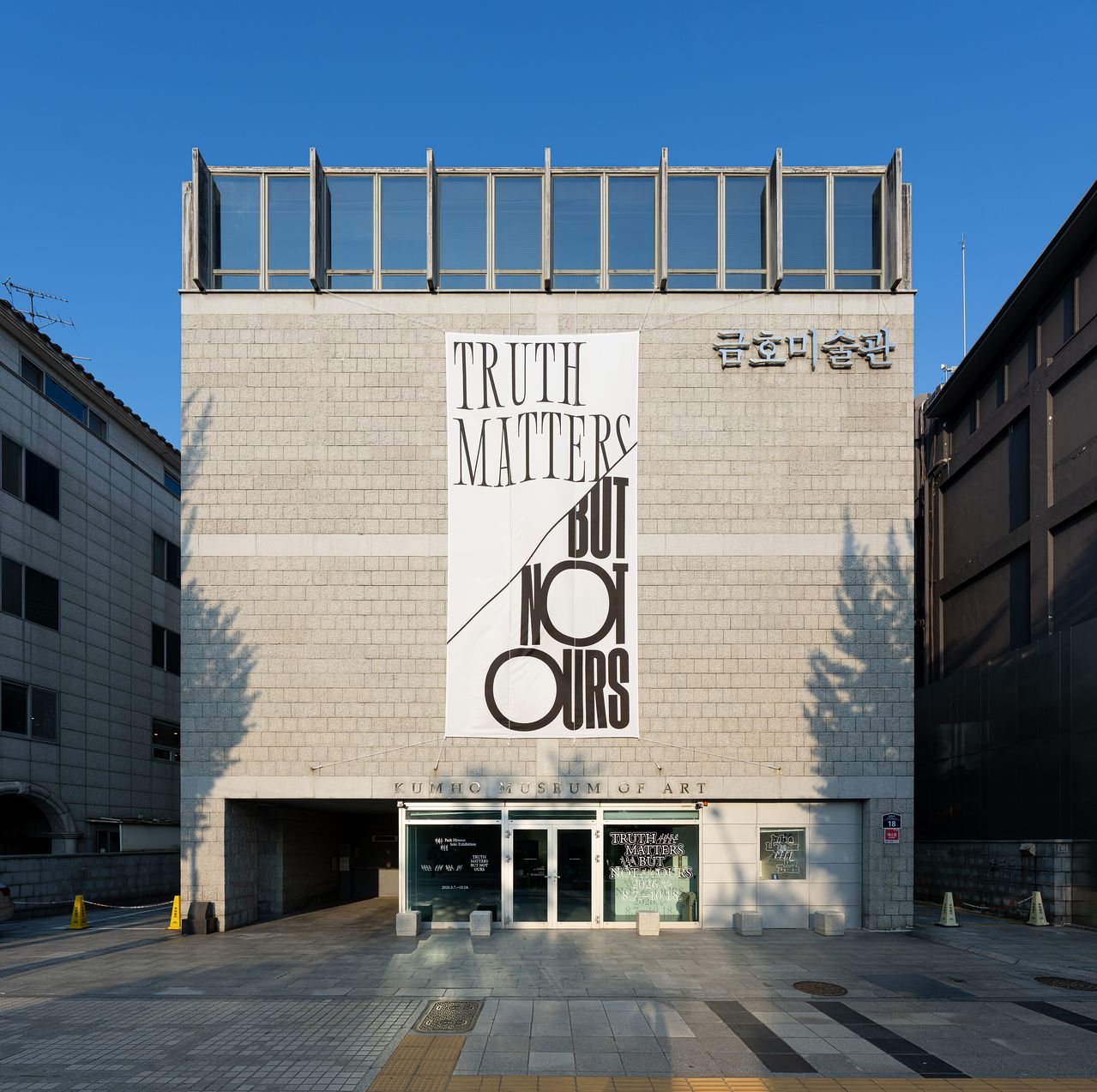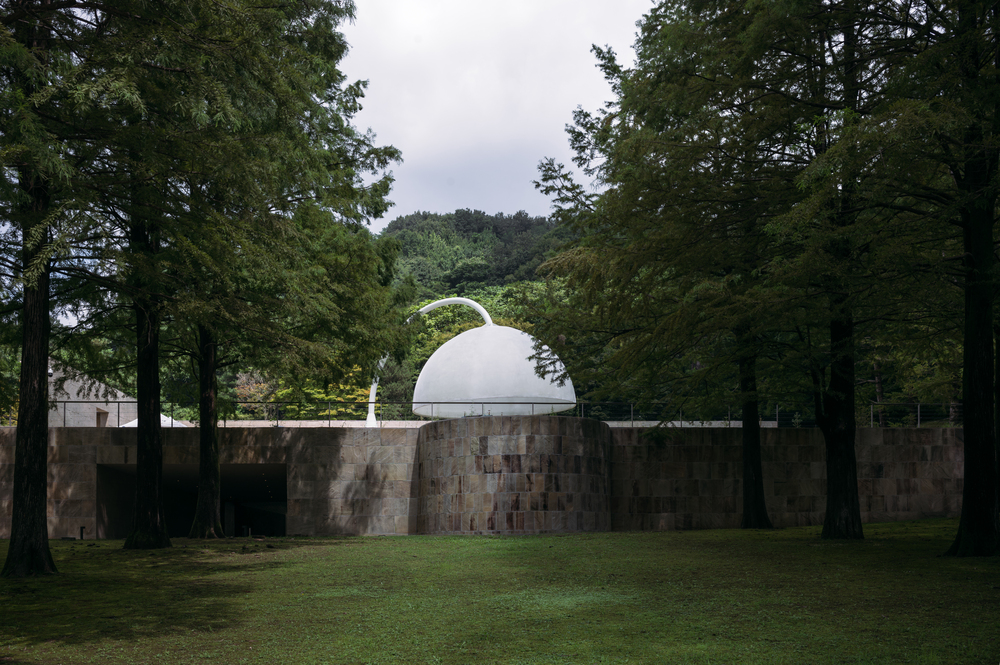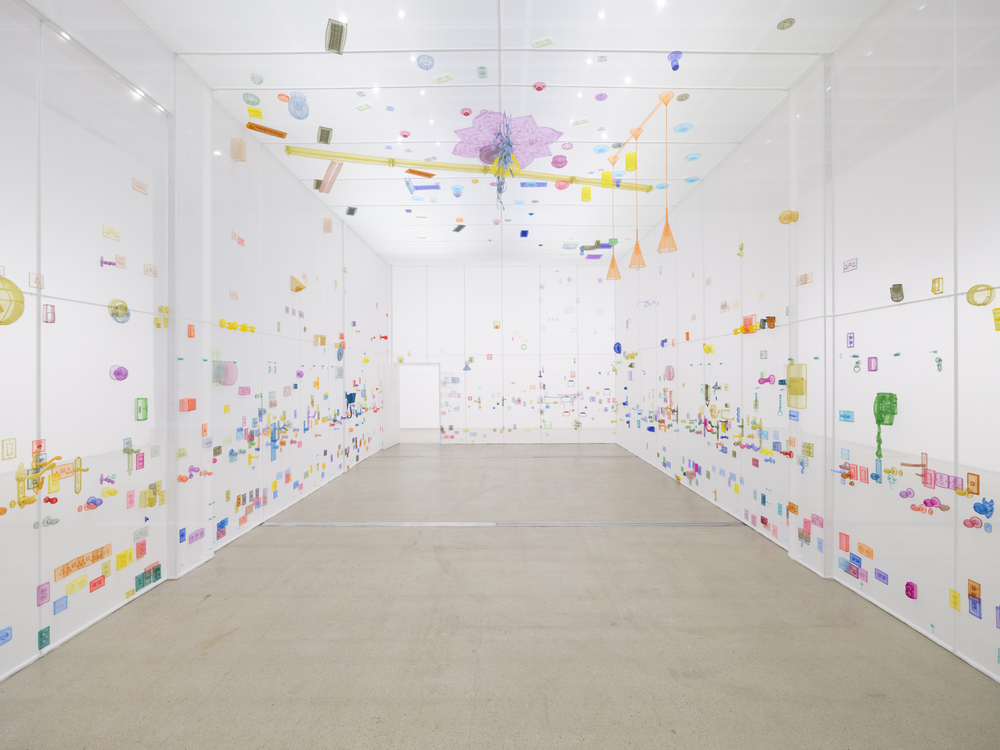

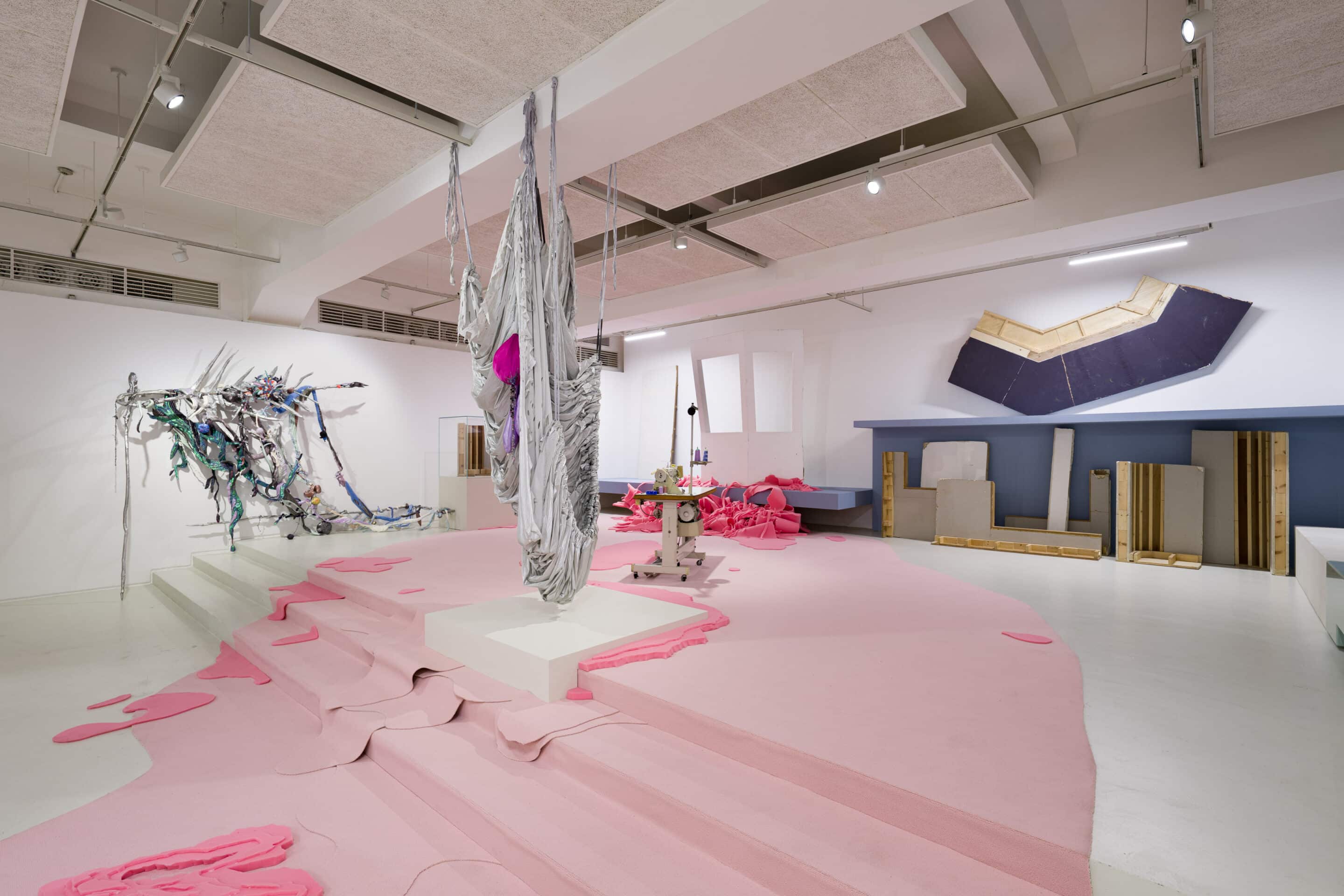
Installation view of 《Off the White: Fold and Watchtower》 © Ilmin Museum of Art
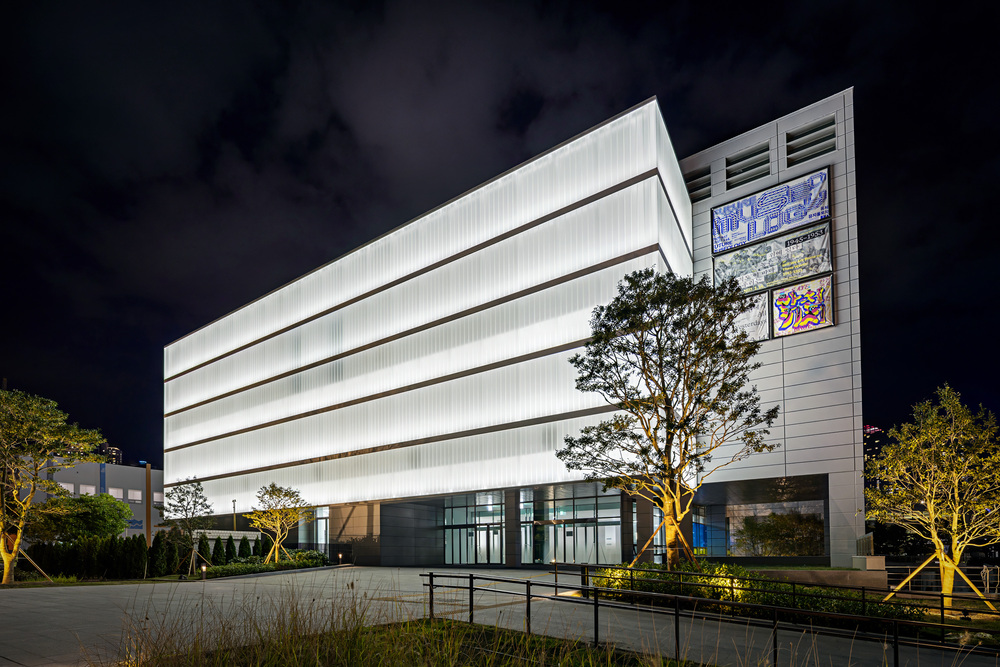
Ilmin Museum of Art is presenting 《Off the White: Fold and Watchtower》 through
July 12 as part of a relay exhibition series marking the 100th anniversary of
the building, exploring contemporary artistic experiments and perspectives
surrounding the museum as a place.
Unlike the conventional understanding of
“site” in art as a setting endowed with irreplaceable specificity, Off the
White attends to what precedes such enunciation in the form of an intervention
or a frame. It looks instead to another order of conditions that enable the
museum before a given location is called forth as a site.
These include the by-products of the
museum’s operation: walls and floors, light and ornament, storage and transport
protocols, attitudes toward display and viewing, and immaterial registers such
as feelings and habits. The artists who have attended to these elements reveal
the museum as a singular position where the force and sensibility of artworks
are negotiated between a neutral white environment and a “specific site.”
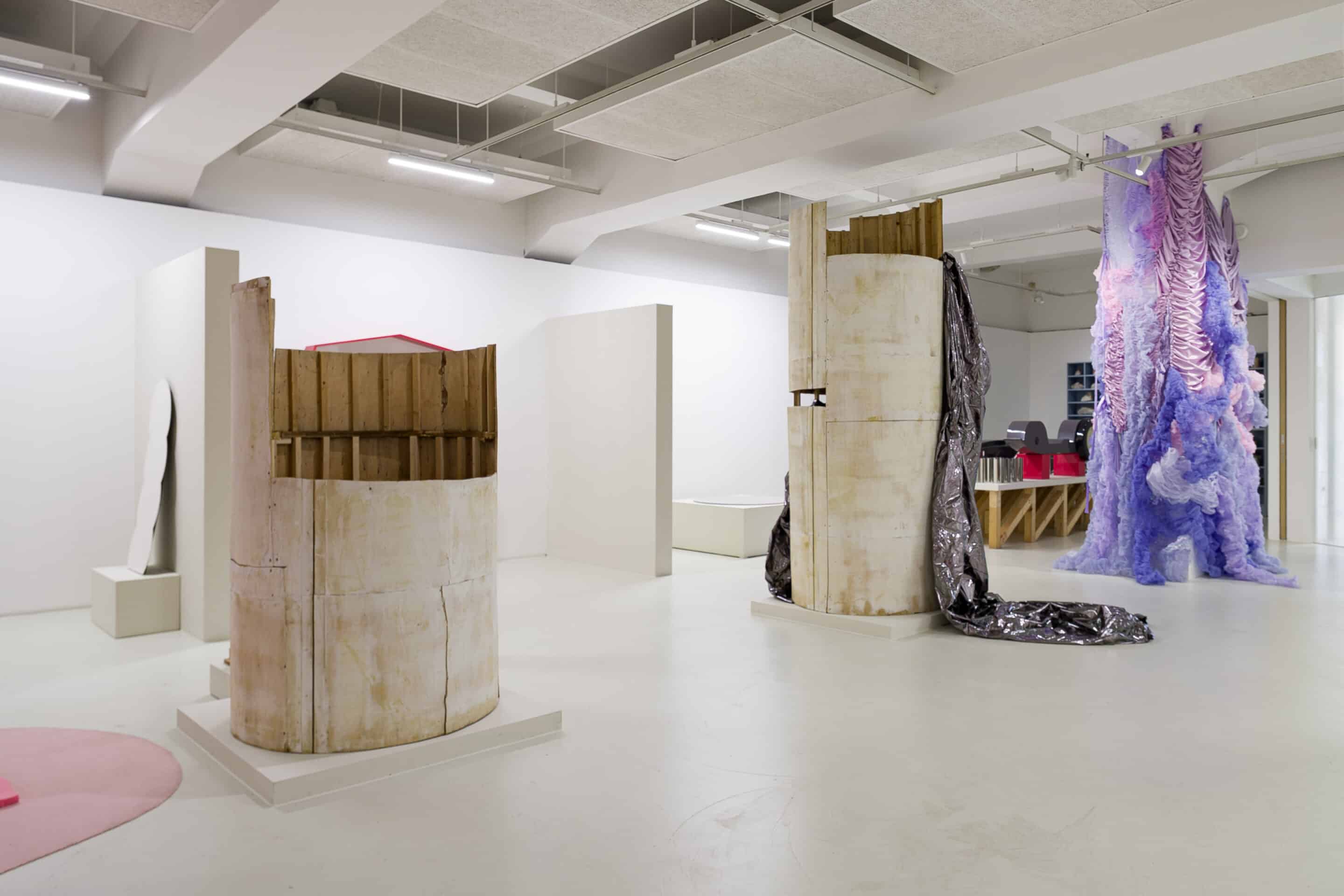
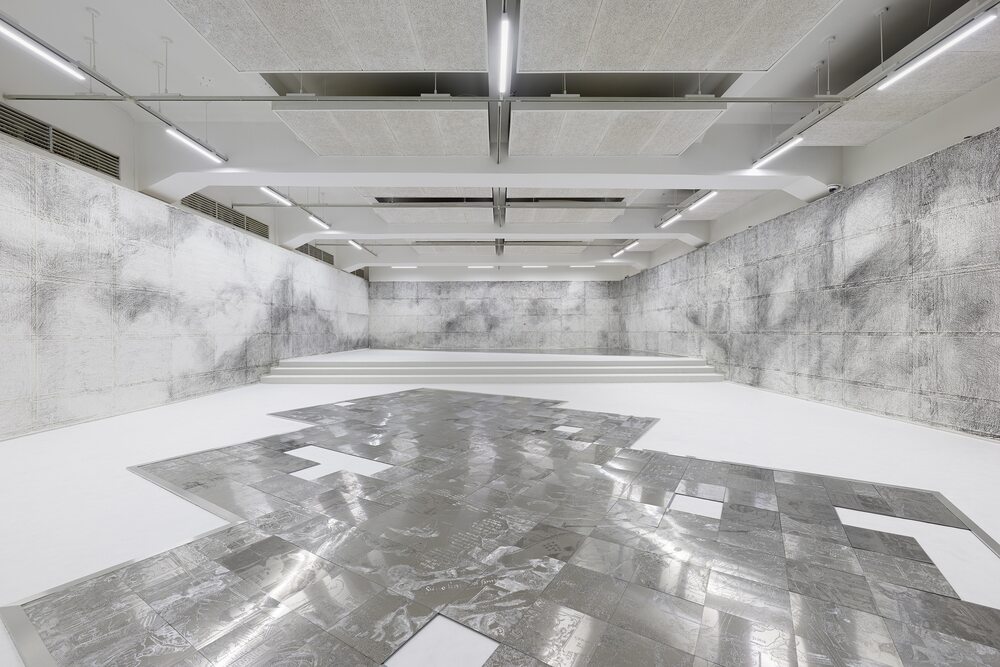
Installation view of 《Off the White: Fold and Watchtower》 © Ilmin Museum of Art
Kim Donghee’s works are
built in relation to a place, only to disappear afterward. Structures made in
response to walls cutting across an exhibition space, columns rising high above
it, or the floors of outdoor facilities have, after the exhibitions ended, been
divided into small fragments and stored in a warehouse in accordance with the
artist’s desire for preservation.
In this exhibition, the fragments once
bound to given functions and contexts are reanimated and examined through the
purview of the museum.
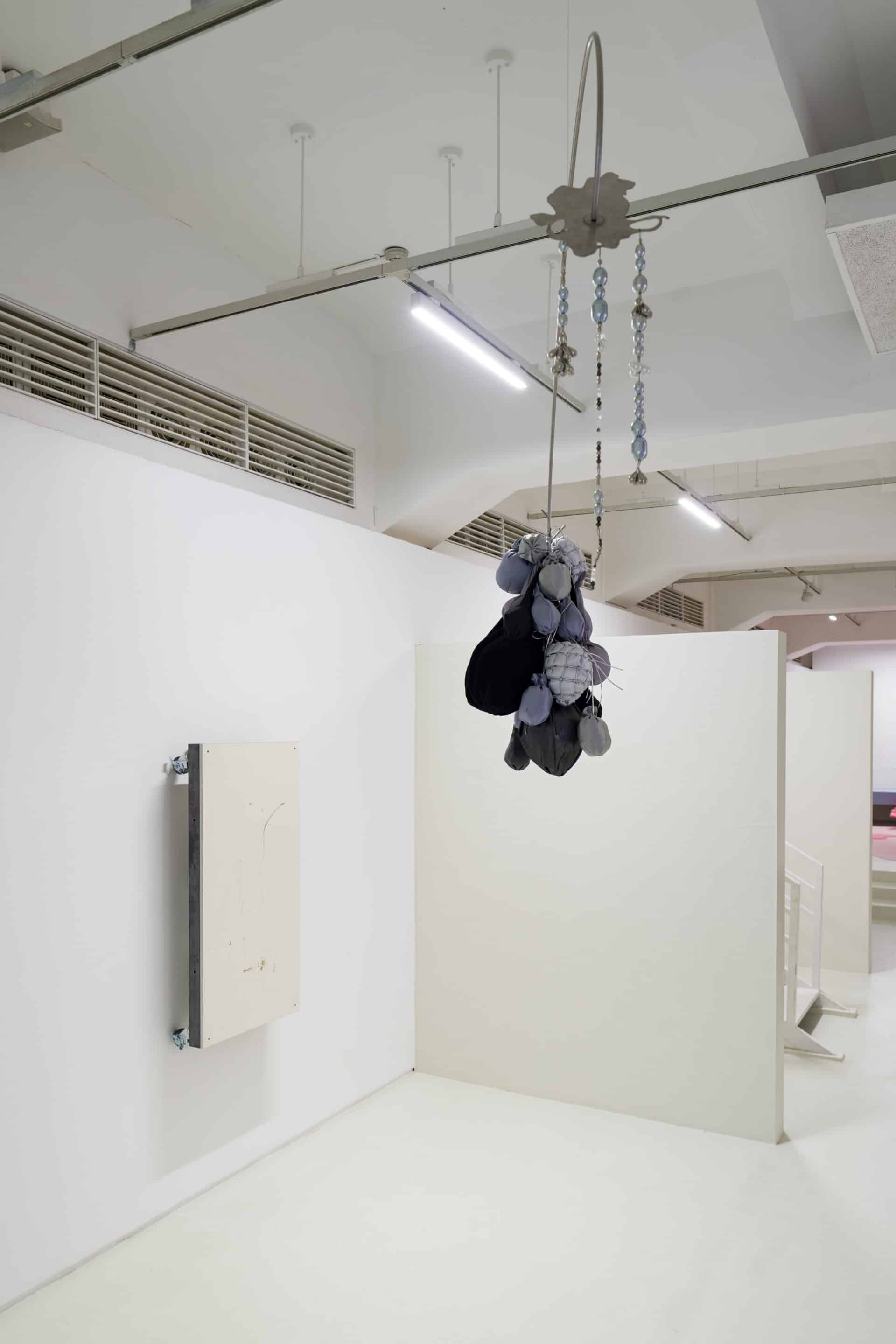
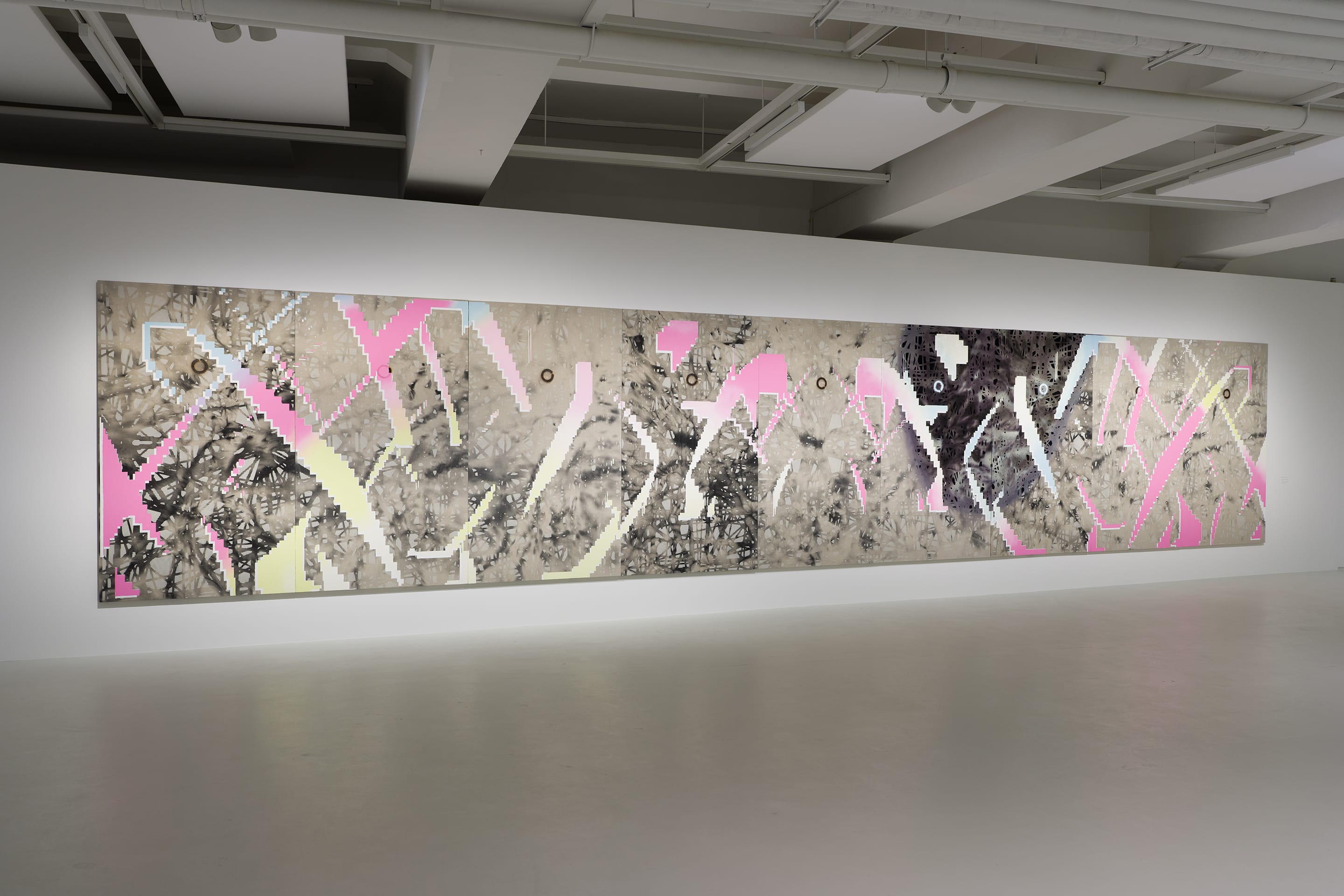
Installation view of 《Off the White: Fold and Watchtower》 © Ilmin Museum of Art
Meanwhile, Woo Hannah’s
work begins from an awareness of the positions and names assigned by systems
such as the vast city or the museum. Her first solo exhibition, held in 2016,
created a place for incomplete beings on the exterior of old buildings in
Euljiro, mirroring the artist’s own position in a margin akin to theirs.
In 《Off the White》, she flexibly folds the museum’s power of selecting and rendering
particular forms visible and unfolds it in ways that disturb well-ordered modes
of viewing.