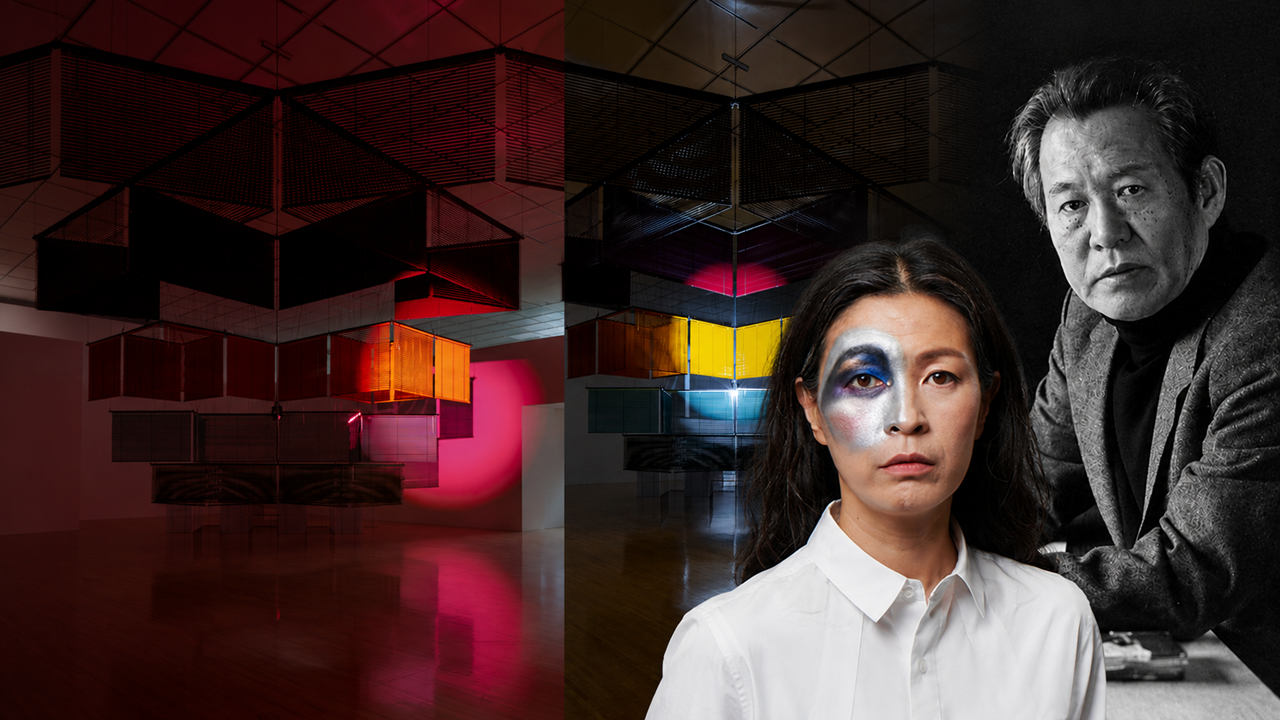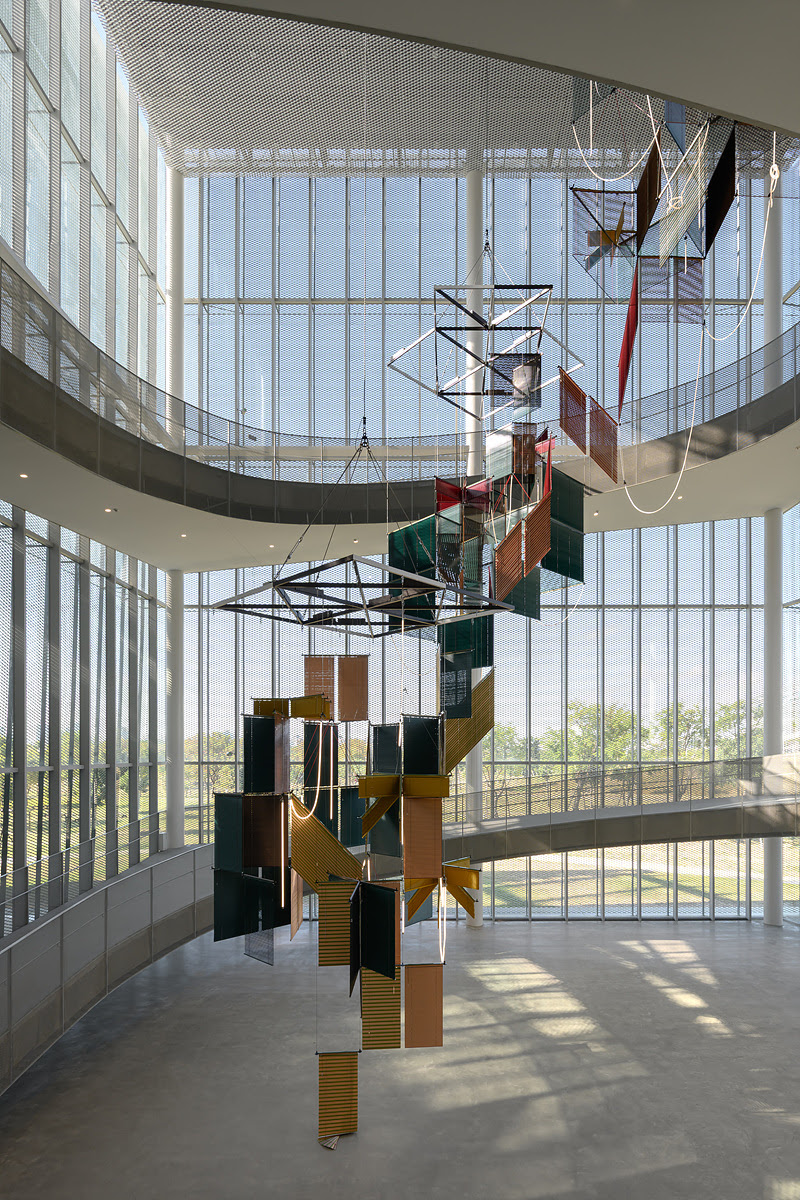

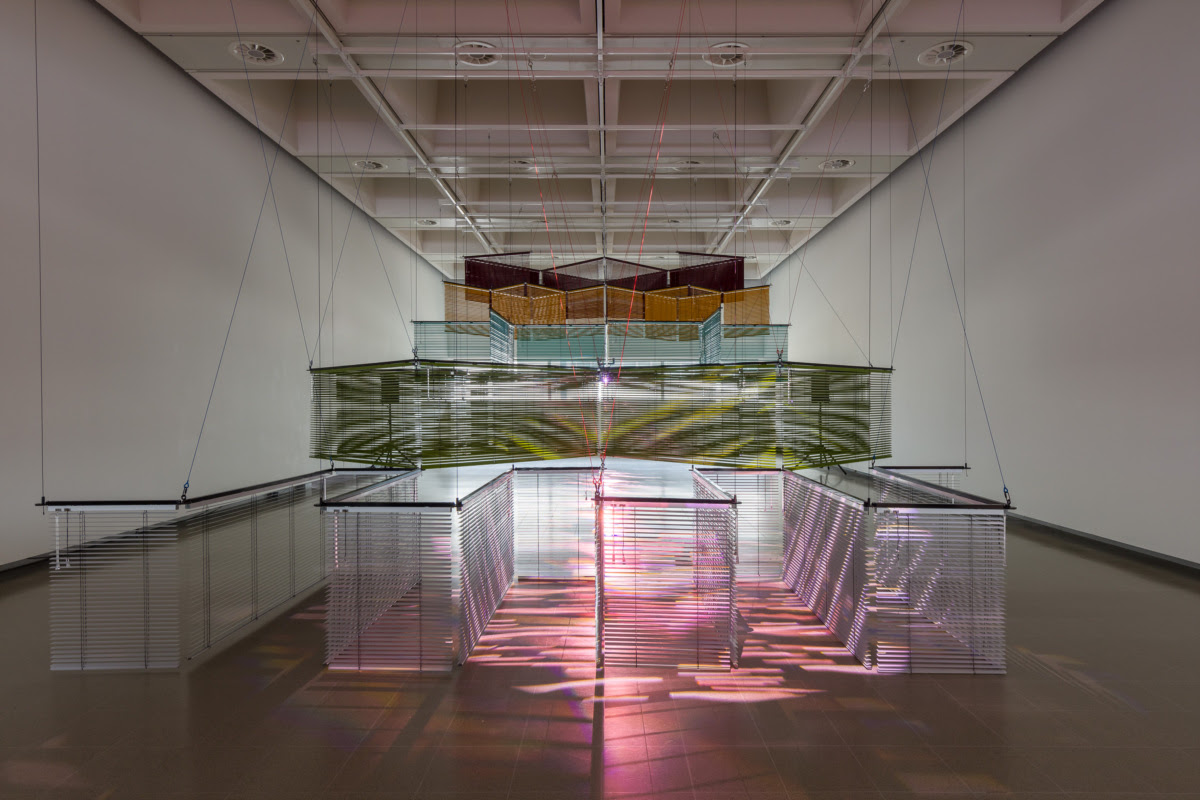
Haegue Yang, Star-Crossed Rendezvous after Yun, 2024, Aluminum venetian blinds, powder-coated aluminum hanging structure, steel wire rope, moving spotlights, DMX controller, speakers, and tripods, with sound, 400 x 530 x 1,274 cm, Courtesy of the artist. Photo: Mark Blower. ©Kukje Gallery
On March 10, contemporary artist
Haegue Yang presented the collaborative program 《Star-Crossed Rendezvous》 with The Museum of
Contemporary Art, Los Angeles (MOCA) and the Los Angeles Philharmonic (LA Phil).
The project was conceived as a
special collaboration between the two institutions representing the Grand
Avenue Cultural District in downtown Los Angeles. Centered on the work of the
late composer Isang Yun (1917–1995), the program revolved around his composition
Double Concerto for Oboe, Harp, and Small Orchestra (1977).
Marking an encounter between
contemporary art and music, the program also serves as a tribute by
contemporary artists and musicians to Yun’s artistic world and enduring legacy.
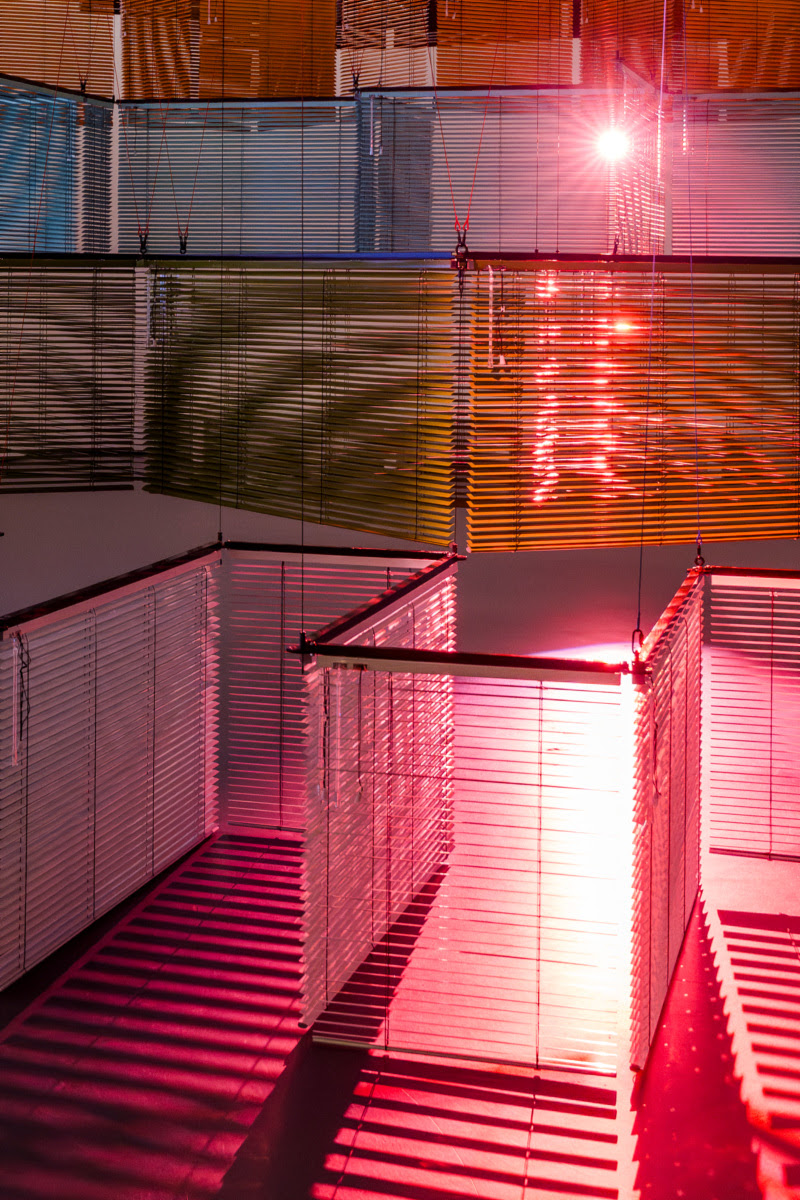
Haegue Yang, Star-Crossed Rendezvous after Yun (detail), 2024, Installation view of 《Haegue Yang: Leap Year》 (Kunsthal Rotterdam, 2025). Photo: Marco De Swart. Courtesy of the artist. ©Kukje Gallery
First, at the museum’s main
building, MOCA Grand Avenue, Haegue Yang unveiled the large-scale blind
installation Star-Crossed Rendezvous after Yun (2024).
Presented for the first time in
North America, the work was initially introduced in October 2024 at the
large-scale survey exhibition 《Haegue Yang: Leap
Year》 held at the Hayward Gallery in London. The
installation draws inspiration from Double Concerto for Oboe, Harp,
and Small Orchestra by the composer Isang Yun, whose life and music
were shaped by the social and political upheavals of modern South Korea.
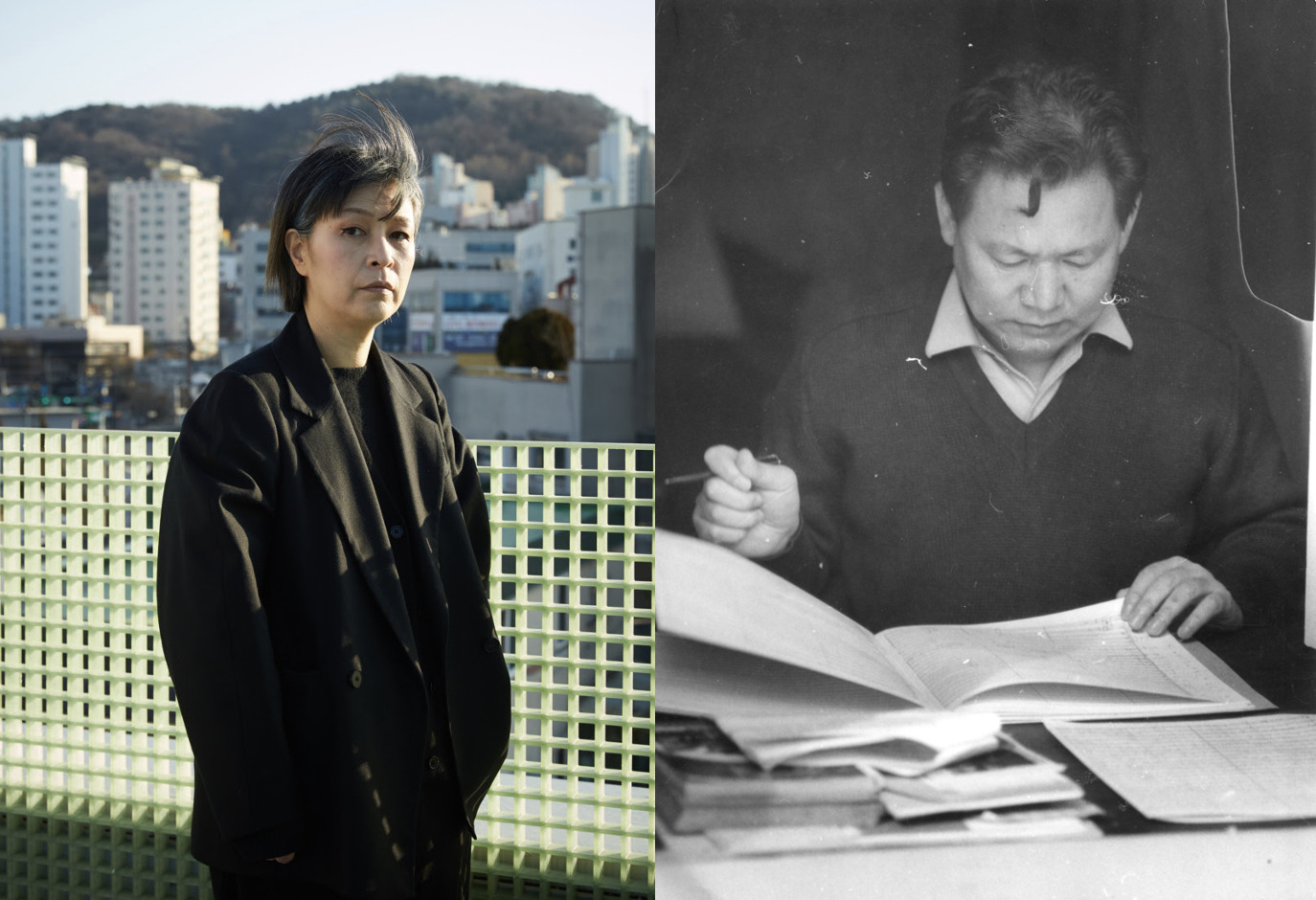
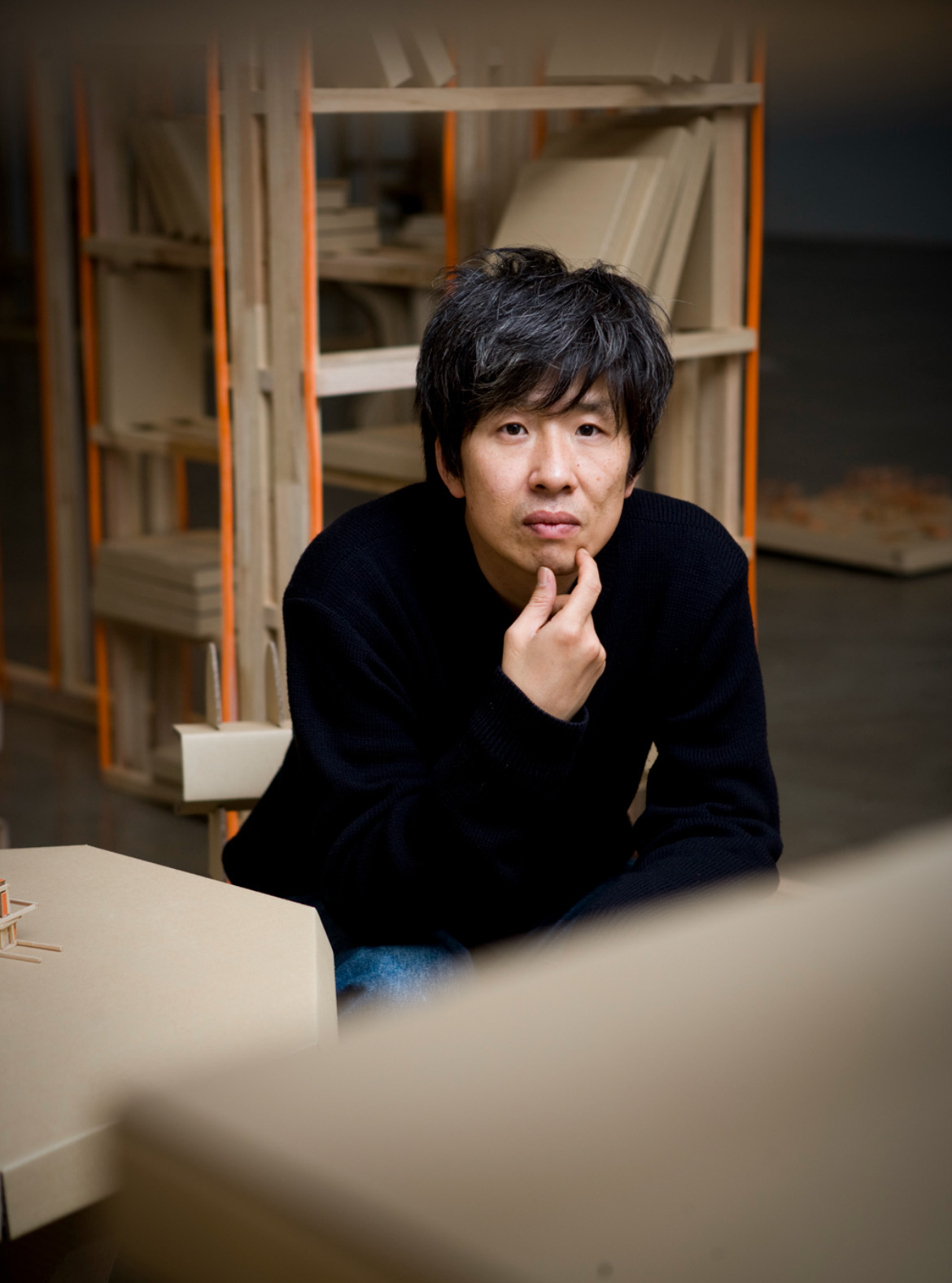
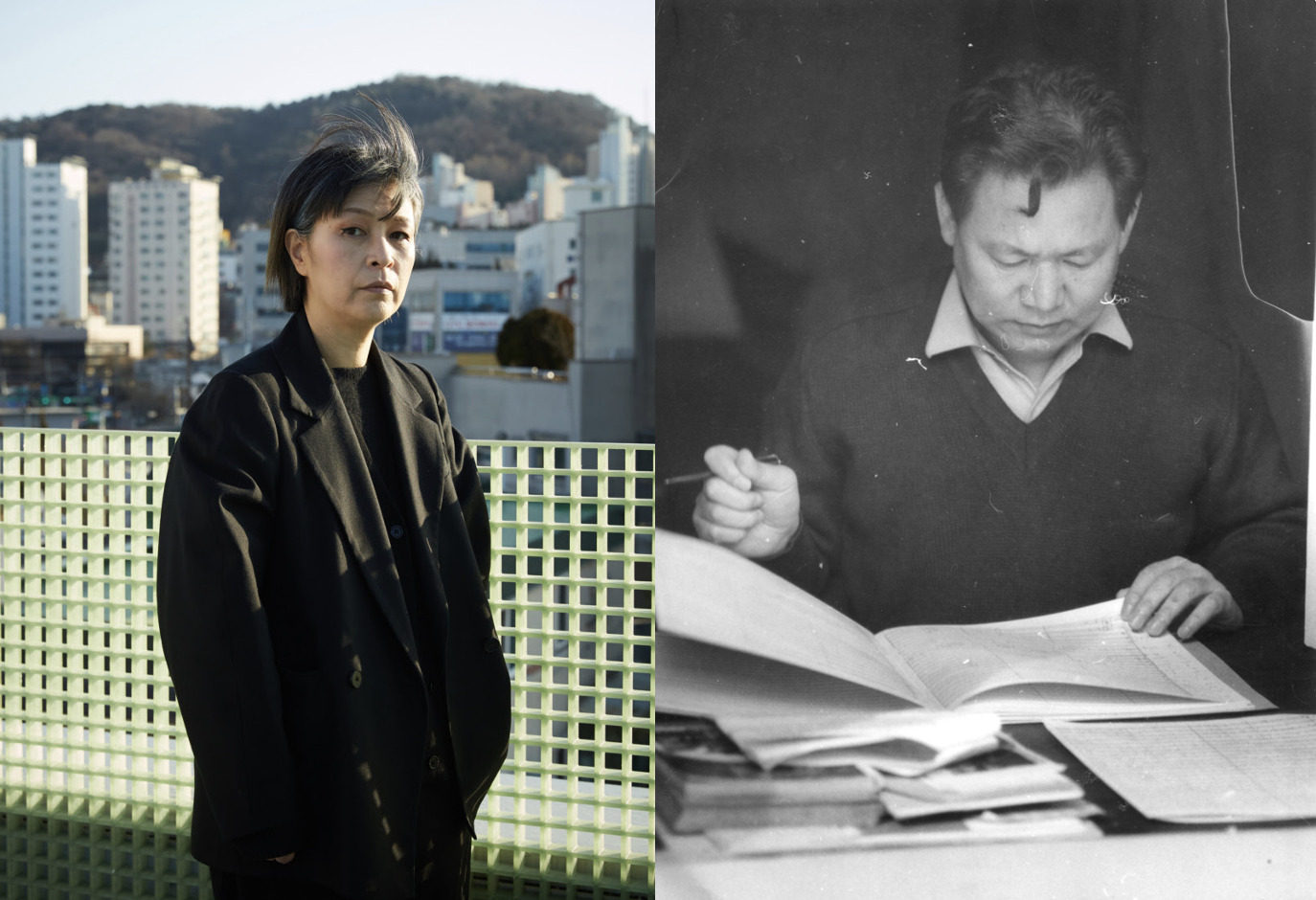
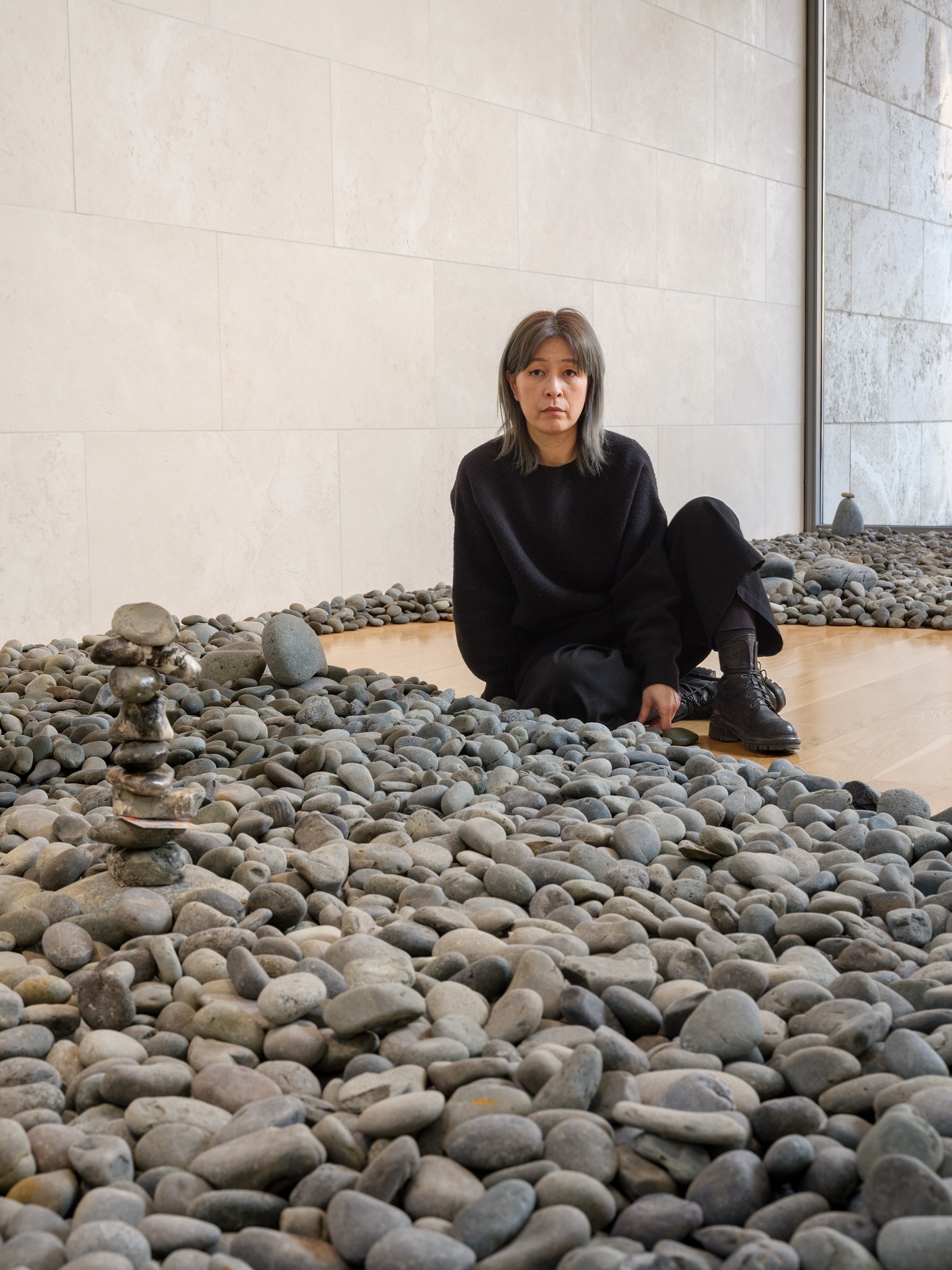
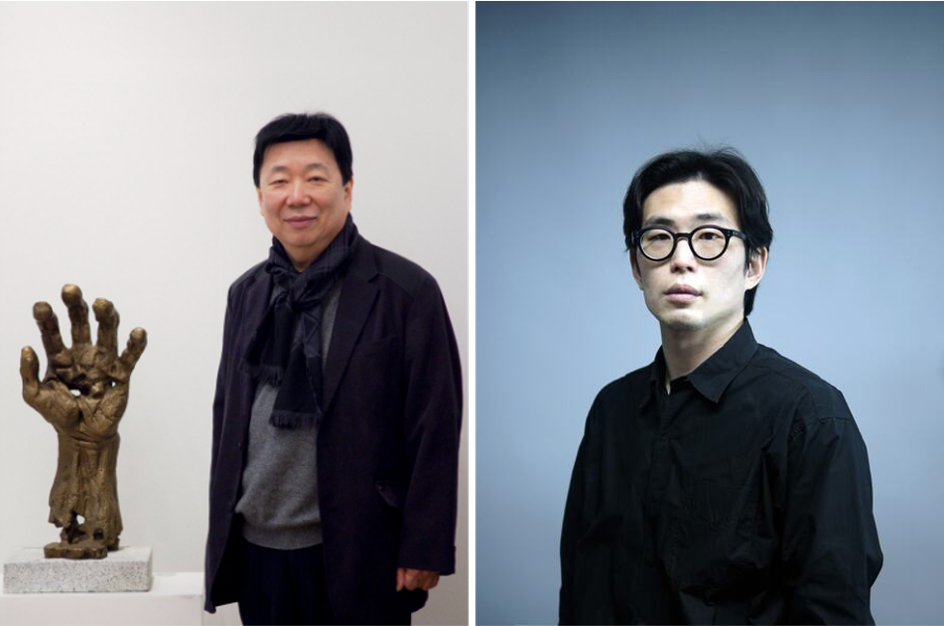
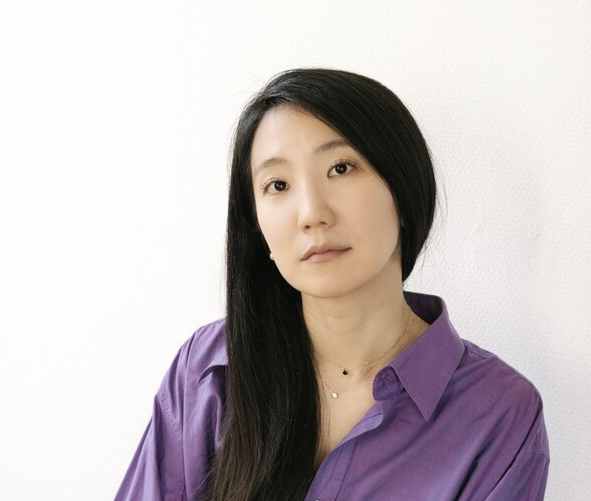
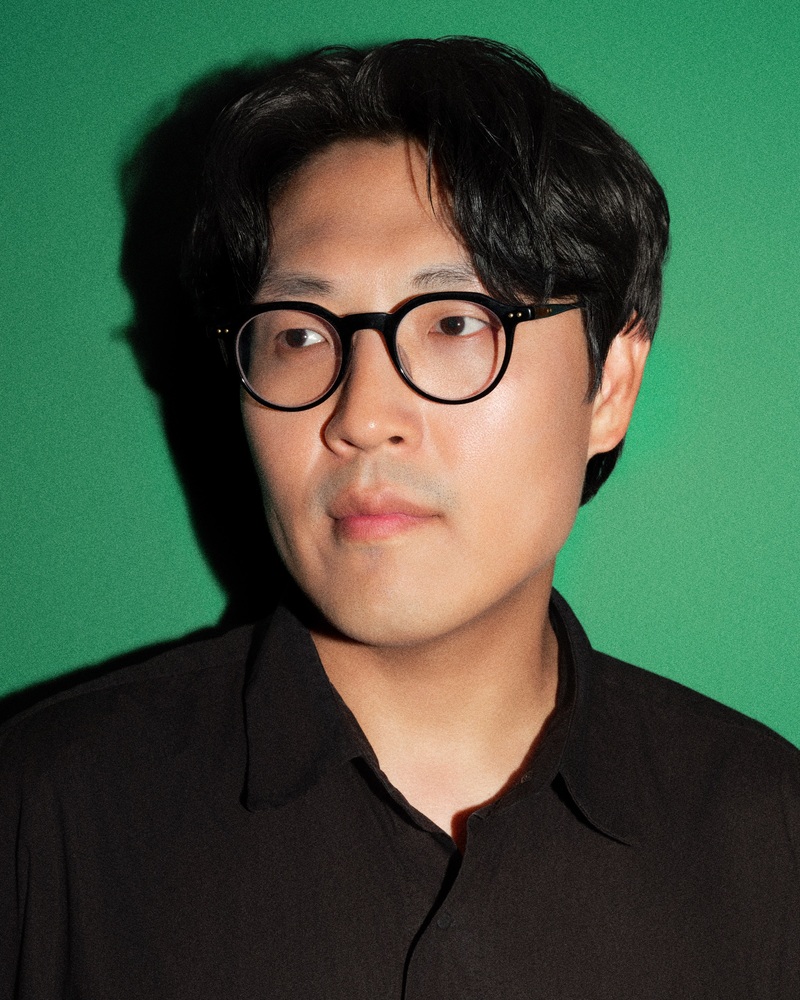
(left) Artist Haegue Yang. Photo: Kyungmok Seok ©Kukje Gallery / (right) Composer Isang Yun (1917-1995) ©Tongyeong International Music Foundation
Unlike a typical concerto led by a
single solo instrument, Double Concerto—as its title
suggests—features the oboe and harp exchanging melodic lines to shape the
composition. Responding to this musical structure, the artist choreographed two
lights to drift between geometric structures.
The concerto, which takes its motif
from the Korean folktale of Gyeonu and Jiknyeo, metaphorically reflects the
reality of the division of the Korean Peninsula, evoking the poignancy of
separation while also expressing, in multisensory form, longing, reunion, and
harmony.
Similarly, the installation
consists of Venetian blinds in different colors and structural forms layered
into multiple strata, creating a rising diagonal shape reminiscent of a
half-formed Ojakgyo bridge. As in the music of Isang Yun, the work simultaneously
evokes separated lovers, the divided Korean Peninsula, and the asymmetrical
legacy between Yun’s life—musically grounded in Europe—and his Korean roots.
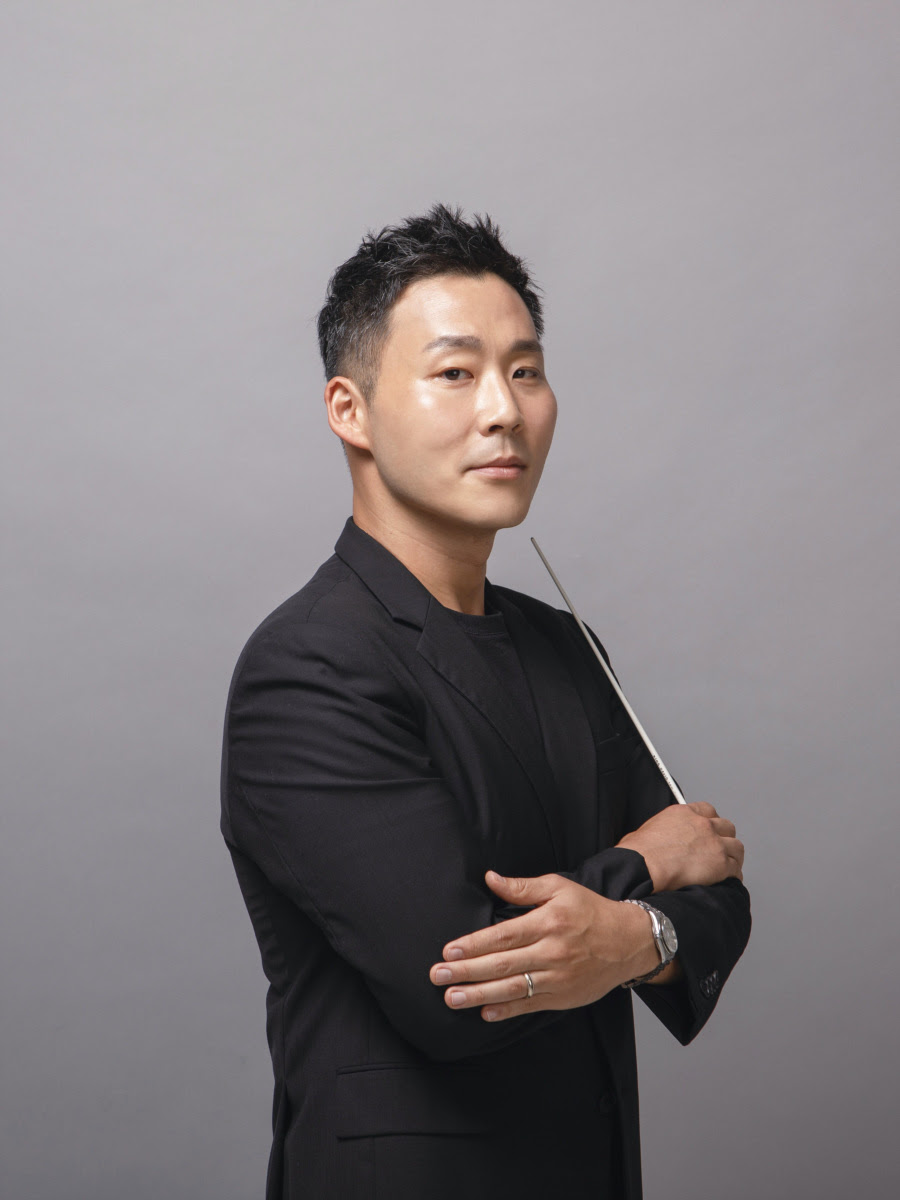
Conductor Earl Lee. Photo: Lim Hak Hyun. ©Kukje Gallery
After
viewing the exhibition, audiences moved to the concert hall located across from
the museum, the Walt Disney Concert Hall, where they were able to experience
the music of Isang Yun live. The performance was conducted by Korean Canadian
conductor Earl Lee, featuring Ryan Roberts, principal oboist of the Los Angeles
Philharmonic, and principal harpist Emmanuel Ceysson, performing together with
the orchestra.
In an
interview with Yonhap News regarding the collaborative exhibition–performance
project Star-Crossed Rendezvous, Haegue Yang remarked:
“The
world is very noisy right now—there are wars, conflicts, and fears everywhere.
I don’t think my work should simply divide things into ‘yin and yang’ or ‘black
and white.’ Instead, it should be about constantly moving between those spaces.
Seen from afar, perhaps it should become a kind of ‘Peace Concert.’”
Meanwhile,
Yang’s solo exhibition 《Star-Crossed Rendezvous》, presented at the Museum of Contemporary Art, Los Angeles, will
remain on view through August 2, 2026.