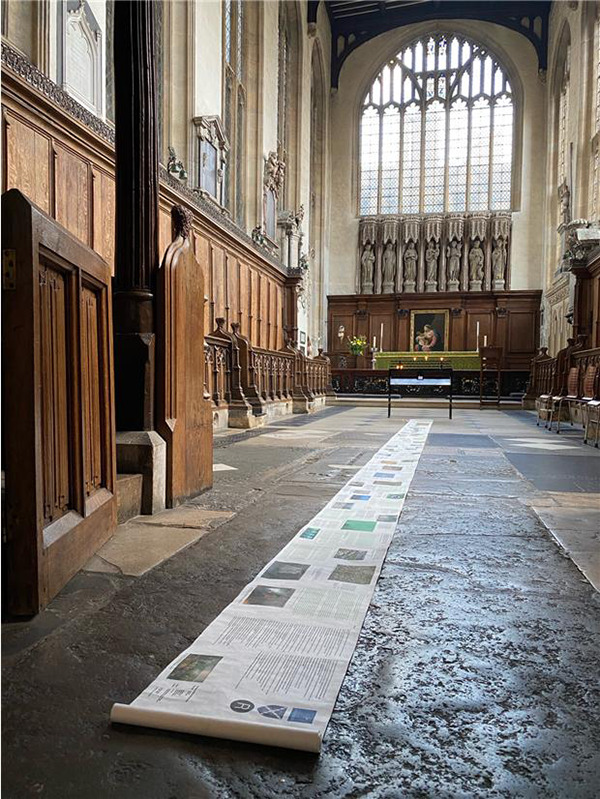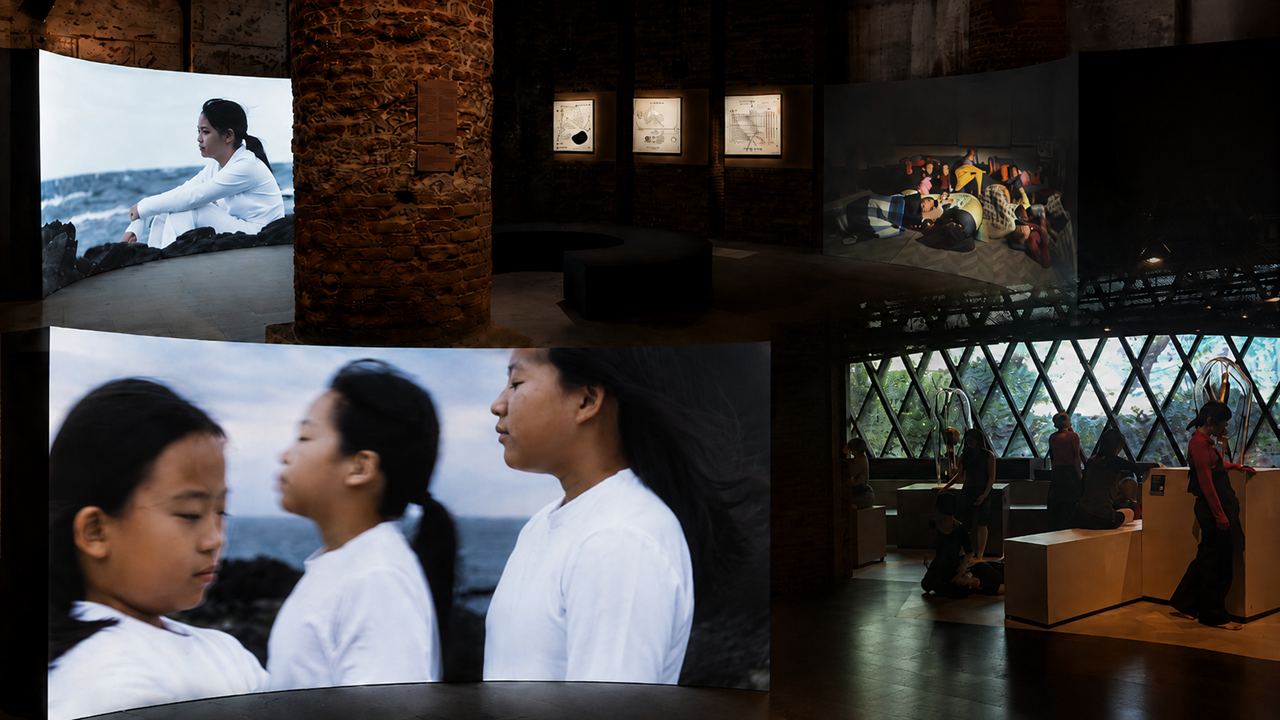

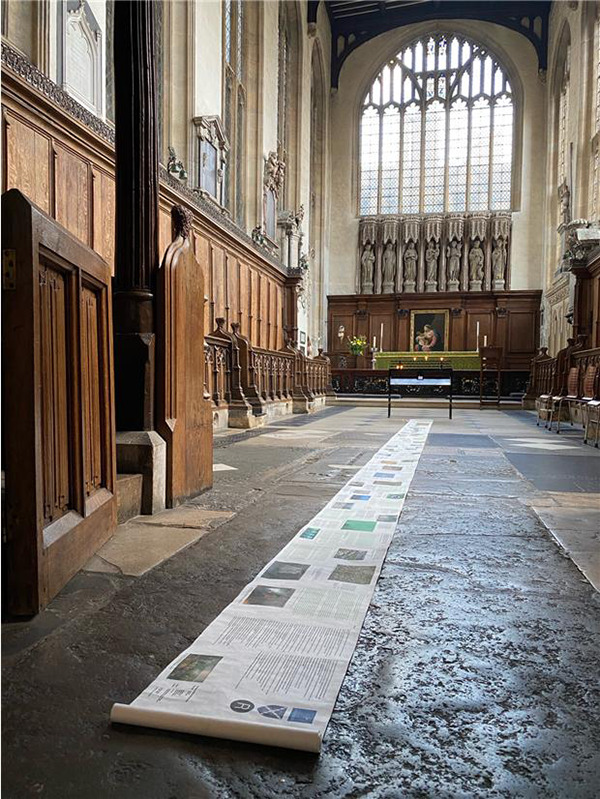
A ten-metre scroll doctoral thesis reinterpreting the 15th-century Joseon landscape painting scroll tradition, Empty Garden, exhibited at the University Church of St Mary the Virgin, Oxford, founded in the 15th century. 2020 © KAIST
Media artist Jinjoon Lee’s doctoral thesis
at the University of Oxford, “Empty Garden – A Liminoid Journey to Nowhere in
Somewhere” (2020), has been officially acquired by the Ashmolean Museum in the
United Kingdom. It will be permanently housed and exhibited, marking the first
time a work by a Korean contemporary artist has entered the museum’s
collection.
Founded in 1683, the Ashmolean Museum is
the world's first university museum, operated by the University of Oxford with
over 340 years of history. It predates the Louvre (1793) by 110 years and the
British Museum (1759) by 76 years, and is regarded as the starting point of
European Enlightenment scholarship. Its collections include masterworks by
Raphael, Michelangelo, Leonardo da Vinci, and Turner, alongside ancient
artefacts and East Asian ceramics and paintings — over one million objects in
total.
It is highly unusual for an institution of
this kind to formally acquire a living artist’s doctoral thesis and include it
in its permanent collection. In addition, the acquisition of Lee's doctoral
thesis here signifies that Korean aesthetics and philosophical thought have
entered the public record of European intellectual history.
In particular, it carries symbolic weight
in that a Korean inquiry—one that reconsiders the role of art and the
humanities in the post-AI era—can now continue to be interpreted within the
international sphere of public knowledge.
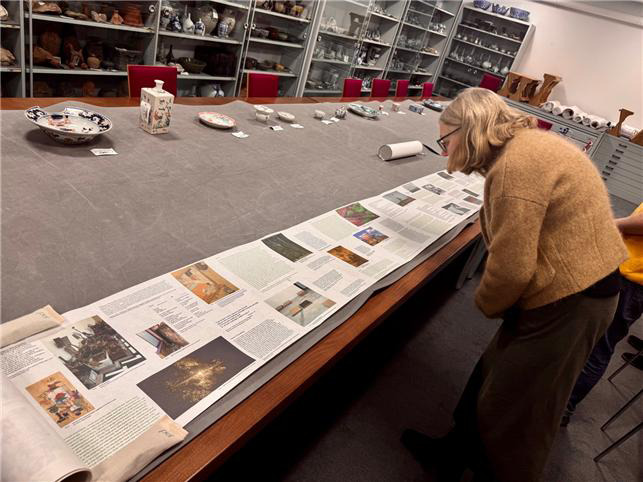
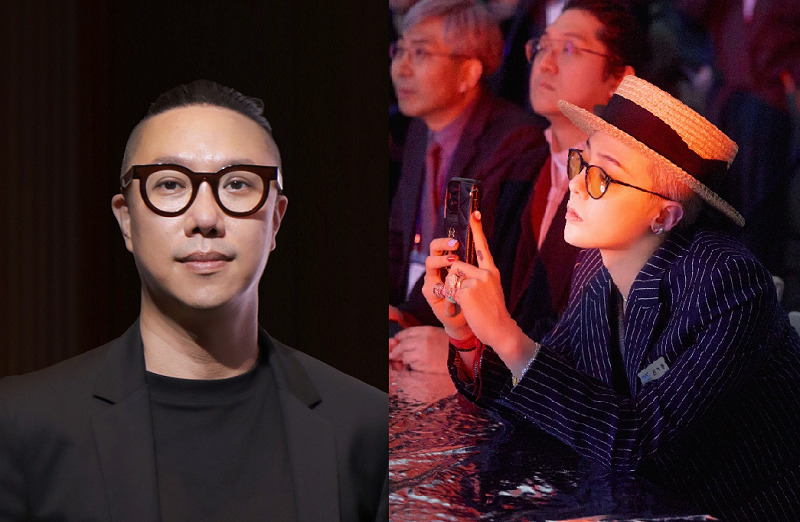
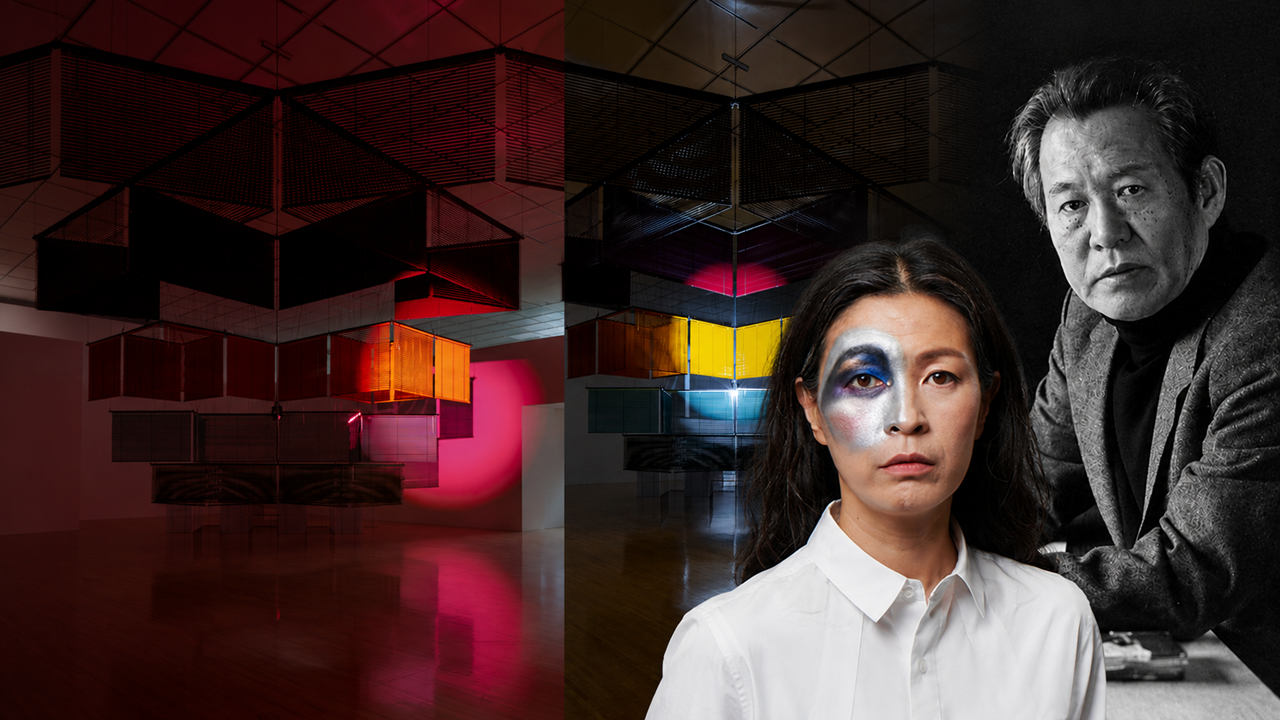
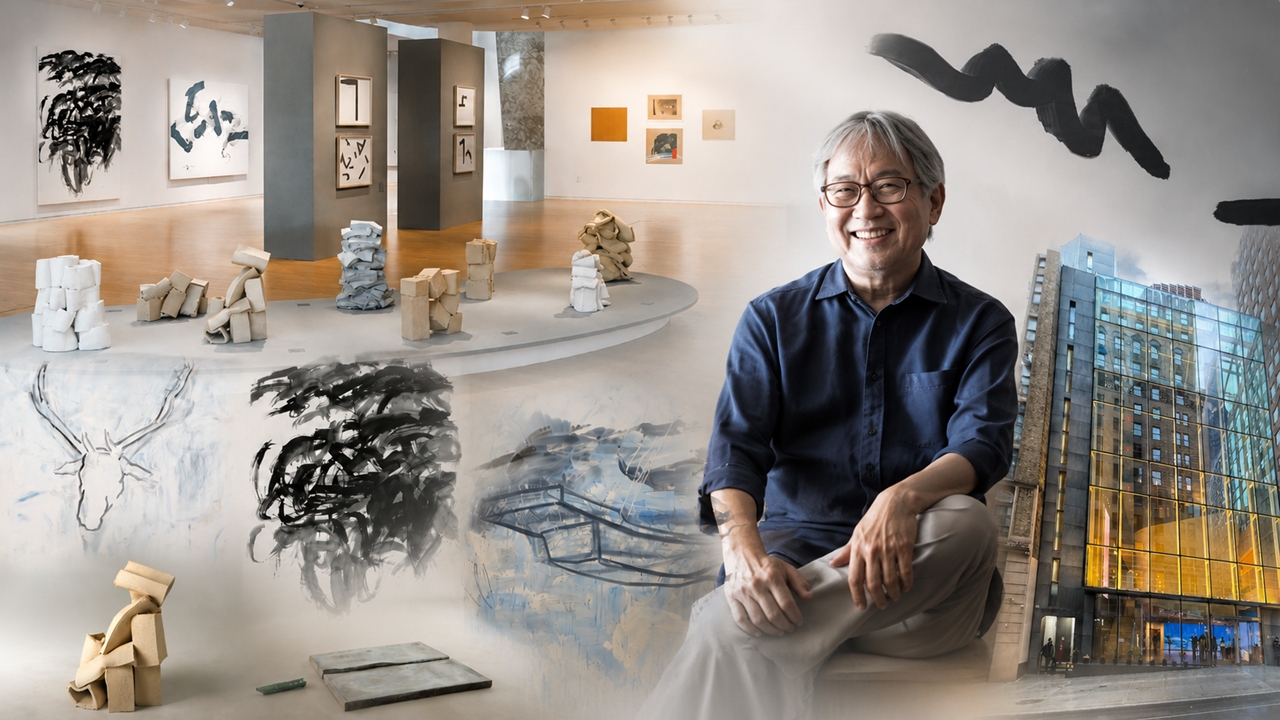
Dr Shelagh Vainker, Professor at the University of Oxford and Alice King Curator of Chinese and Korean Art at the Ashmolean Museum, reviewing the doctoral thesis Empty Garden in the Eastern Art Study Room, Ashmolean Museum. 2026 © KAIST
Lee's PhD thesis “Empty Garden”
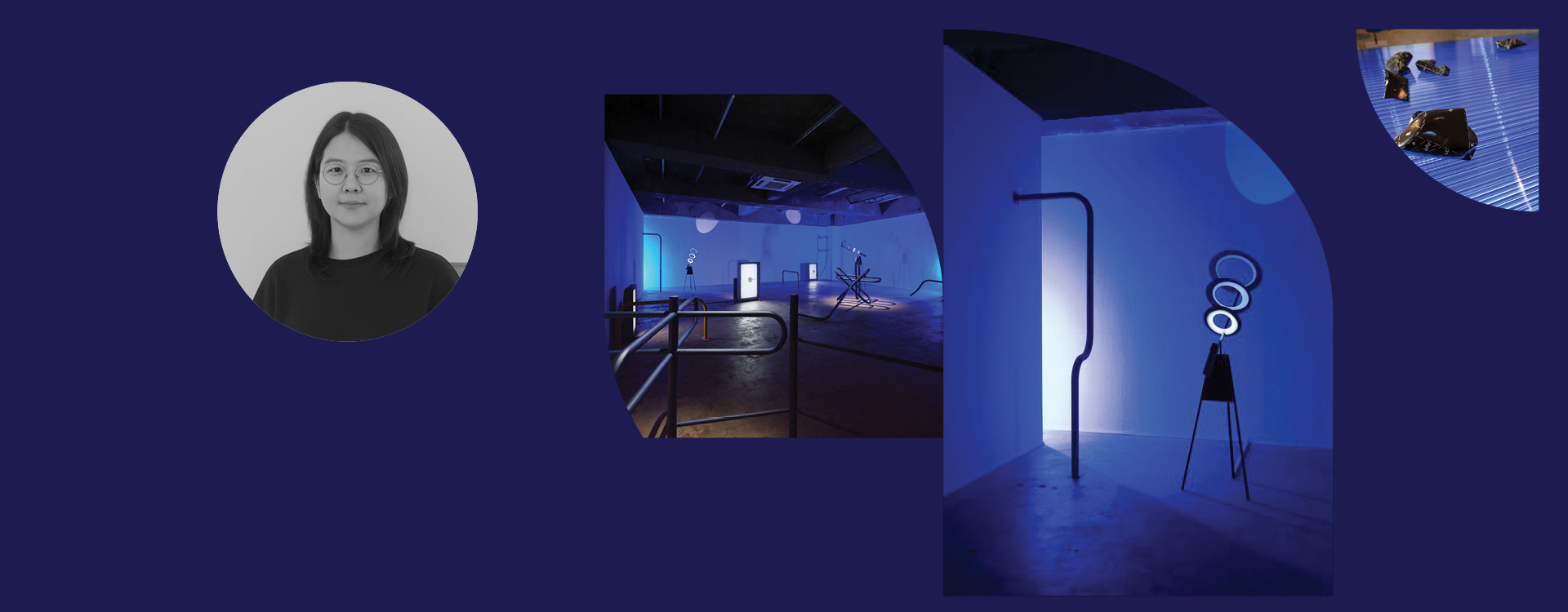
reinterprets the concept of uiwon (意園) — an imaginary
garden cultivated in the mind by Joseon-era scholars — through contemporary
data and media language, proposing 'data gardening' as a methodology for
tending to the philosophy of emptiness. It is a work that continues to ask
fundamental questions about human sensation, memory, and existence, even within
an environment dominated by AI and data.
The 10-meter hanji scroll format is itself
a central feature of the thesis. As readers engage with the text, they are
naturally led to move through space — physically enacting the East Asian garden
tradition of 'wandering' (거닐기). The work is designed
not merely to be read but to be experienced through movement and contemplation.
The thesis was produced as nine hanji
scrolls in total; one of these has been acquired by the Ashmolean for its
permanent collection.
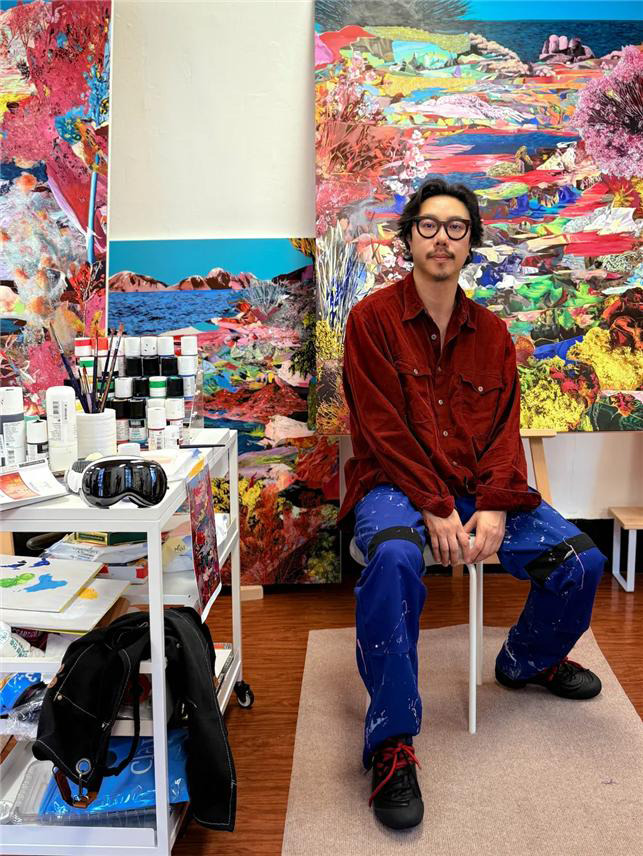
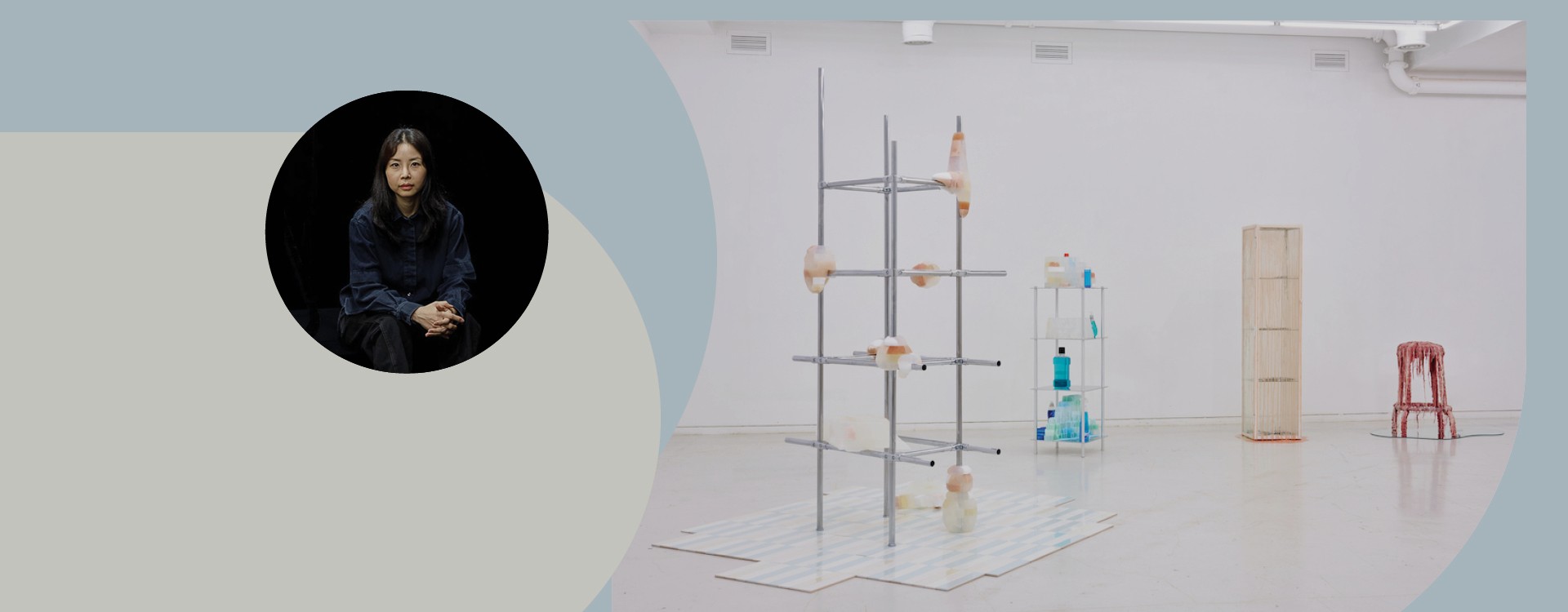
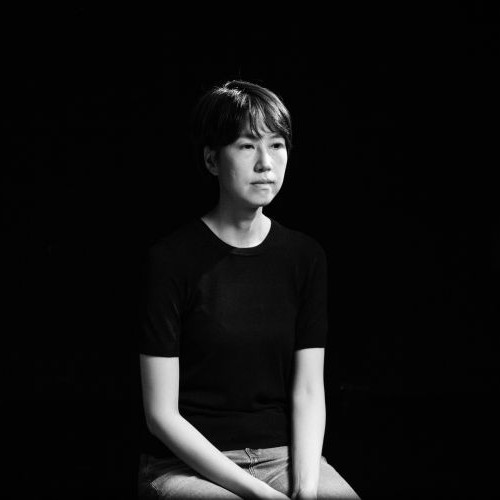
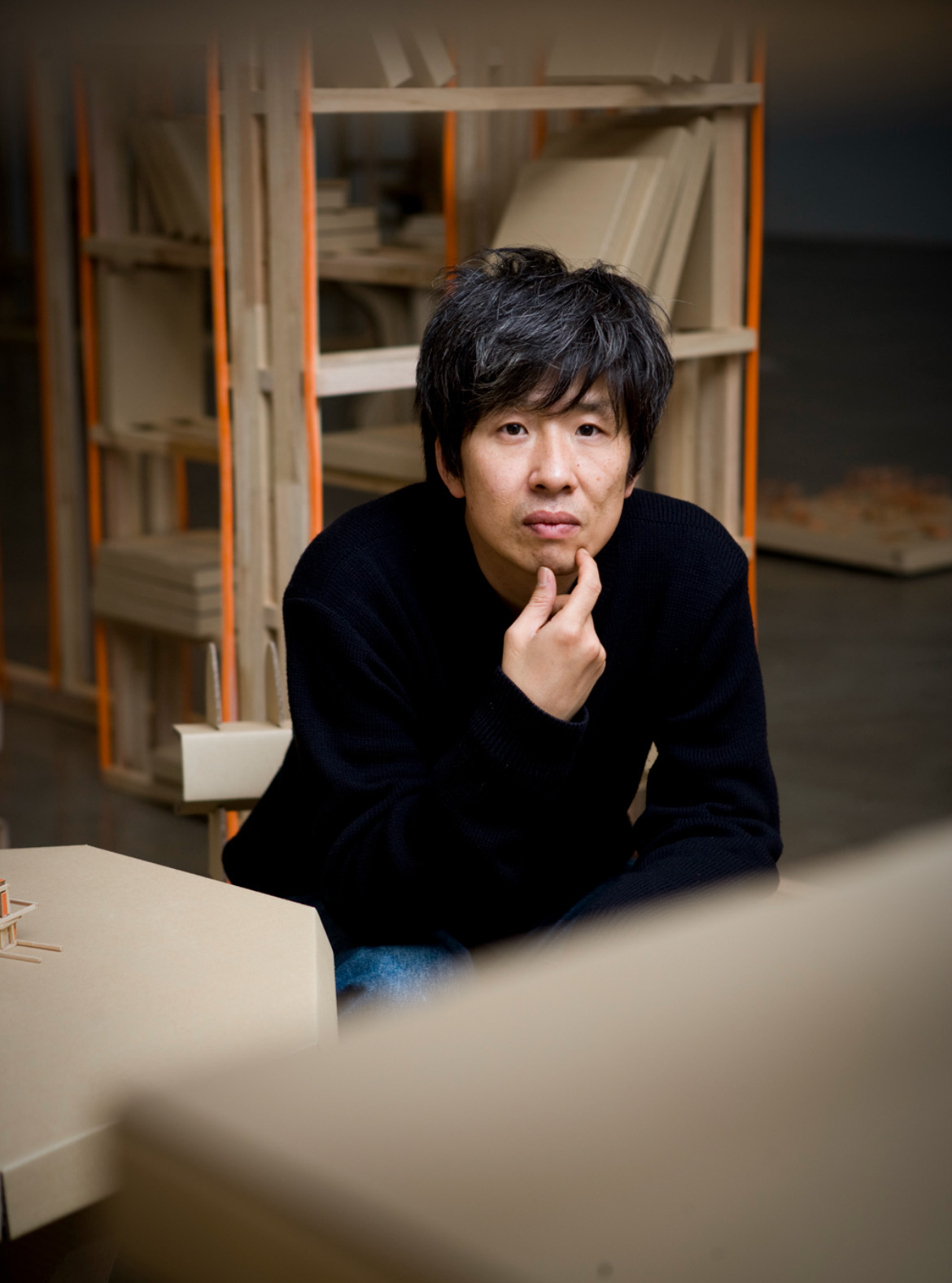
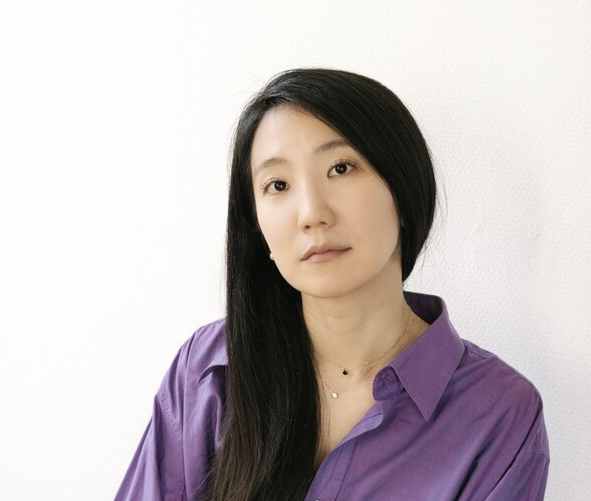
Artist Jinjoon Lee © KAIST
Professor
Shelagh Vainker, Alice King Curator of Chinese and Korean Art at the Ashmolean
Museum, University of Oxford, stated:
"I
am delighted that the Ashmolean Museum has been able to acquire Dr Jinjoon
Lee's “Empty Garden” for our permanent collection. The long, contemplative
scroll breaks new ground in so many ways: in the materials and techniques
employed, in the breadth and depth of cultural and intellectual knowledge
embedded in it, and in the complexity of the presentation of different spaces —
all providing the viewer with multiple perspectives and experiences. “Empty
Garden” is the first piece by a contemporary Korean artist to enter the
collection; when not on display it will be available for viewing by
appointment."
Lee
noted that during his doctoral research at Oxford, a serious leg injury left
him using a wheelchair for an extended period, during which he reflected deeply
on the relationship between movement, stillness, and thought. He stated:
"In the age of AI, art cannot remain confined to immaterial images on
screens. Data and images can only acquire depth through material forms capable
of enduring time and preservation."
He
further expressed his hope that “Empty Garden,” now housed within the public
collection of Western intellectual history, would "serve as a continuing
reference point connecting East Asian thought — including that of Korea — with
new sensory frameworks for the age of artificial intelligence."