
Non-profit art
spaces in Korean contemporary art began to emerge in the late 1990s. Spaces
such as Alternative Space Loop (1999– ), Project Space Sarubia (1999- ), Art
Space Pool (1999–Jan 2021), and Insa Art Space (2000–Jun 2025) functioned as
platforms for experimental practices and emerging artists that were not
accommodated within institutional art, forming a structure that explored new
possibilities for artistic production both outside and within institutional
frameworks.
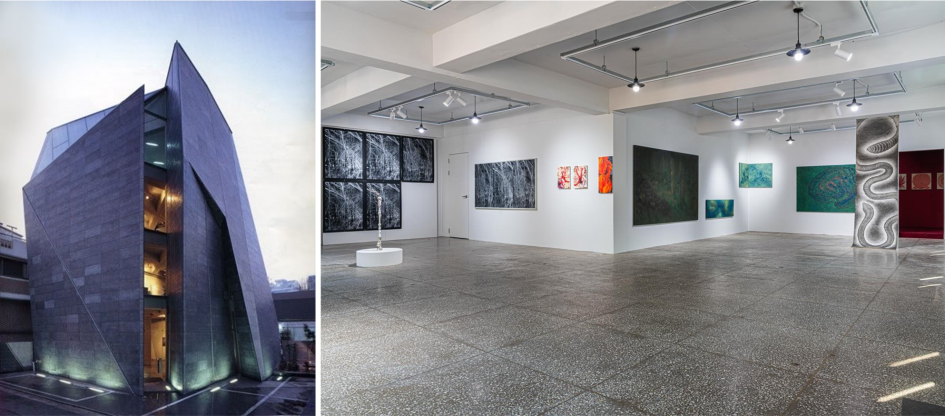
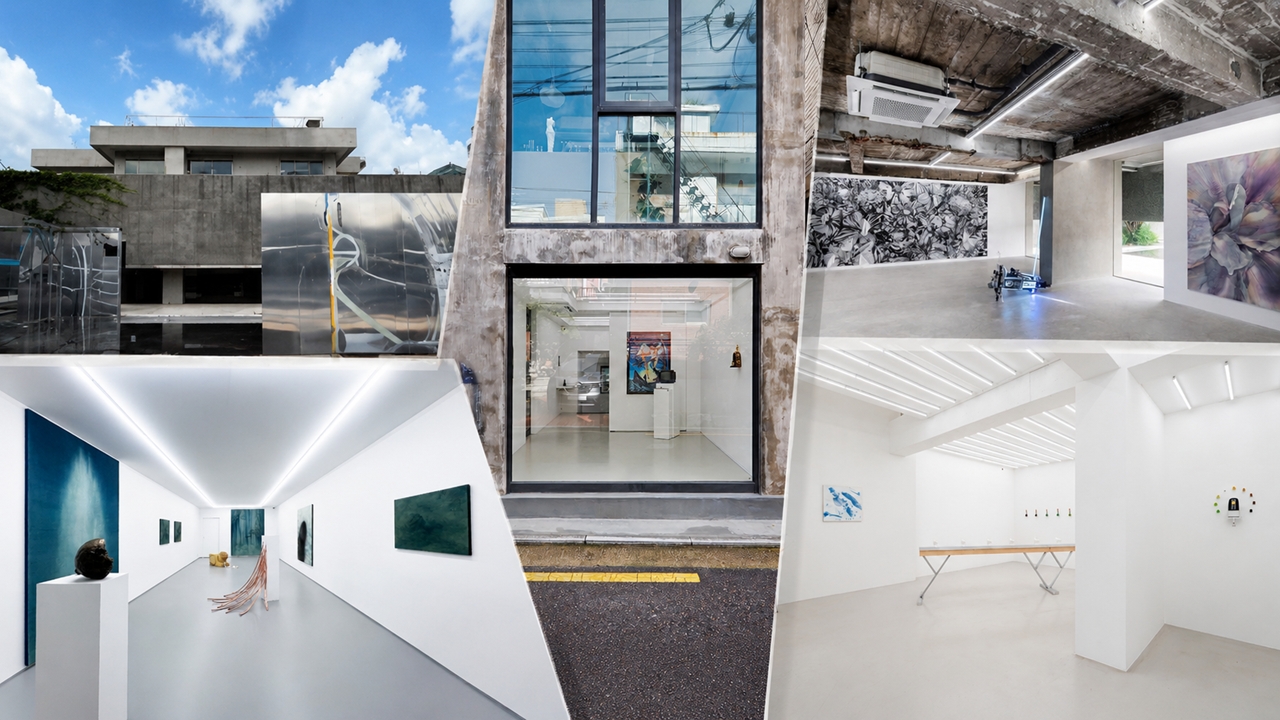
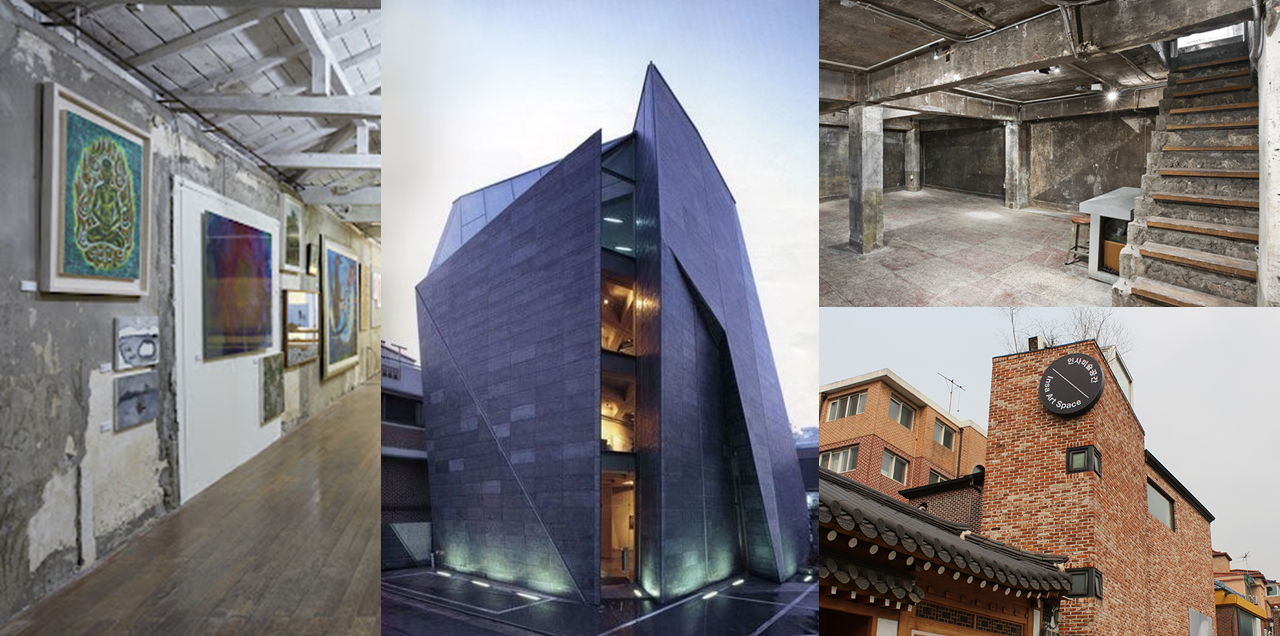
Alternative Space LOOP, a leading first-generation alternative space in Korea that remains actively engaged today. (Left) Exterior view of Alternative Space LOOP in Hongdae, (Right) Exhibition view of Alternative Space LOOP at its recently relocated space in Euljiro (Dec 2025–)
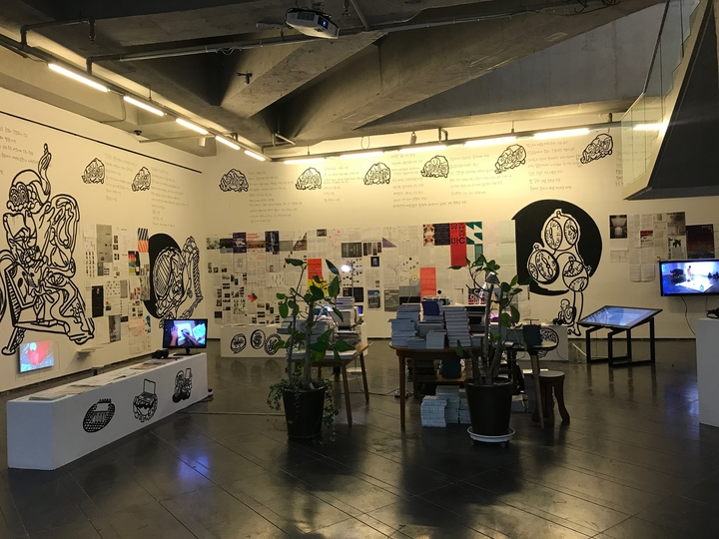
《Art, Imprinted by the Times: Alternative Space LOOP 20th Anniversary Archive Project》 was an exhibition held at Alternative Space LOOP in Hongdae from February 12 to March 13, 2019. Major social, cultural, and political events from both Korea and abroad, spanning from 1999 to 2018, were inscribed on the walls, alongside archival materials from LOOP’s exhibitions that were conceived in response to these contexts.
These non-profit
spaces and public funding programs subsequently became an essential foundation
for sustaining the activities of artists, curators, and independent spaces.
They played a crucial role in maintaining non-market and experimental projects
that were difficult for commercial galleries or public museums to encompass. In
this respect, funding programs operated not merely as financial support, but as
institutional mechanisms that shaped both the production and presentation
structures of contemporary art.
However, as these
structures became increasingly intertwined with public funding systems, they
began to shift. Non-profit spaces were incorporated into a project-based,
open-call framework, and their role gradually moved from experimental platforms
toward institutions executing funded programs.
Today, the
non-profit art spaces and artist support systems in Korea tend to operate
within an administrative structure centered on application, selection,
execution, and settlement, rather than expanding artistic autonomy and
experimentation. This shift is not simply a matter of operational change; it
represents a structural transformation that affects how programs are organized,
how artists work, and ultimately the entire production system of Korean
contemporary art.
Changes in the
Operational Structure of Non-Profit Spaces
In their early
stages, non-profit spaces functioned as experimental platforms that
accommodated practices excluded from institutional exhibition systems. These
spaces were not merely venues for presenting completed works; they allowed room
for attempts with high risks of failure, unfinished forms, and practices that
diverged from institutional standards. Their significance lay not simply in
being non-commercial, but in providing an environment where new artistic
practices could emerge independently of institutional criteria.
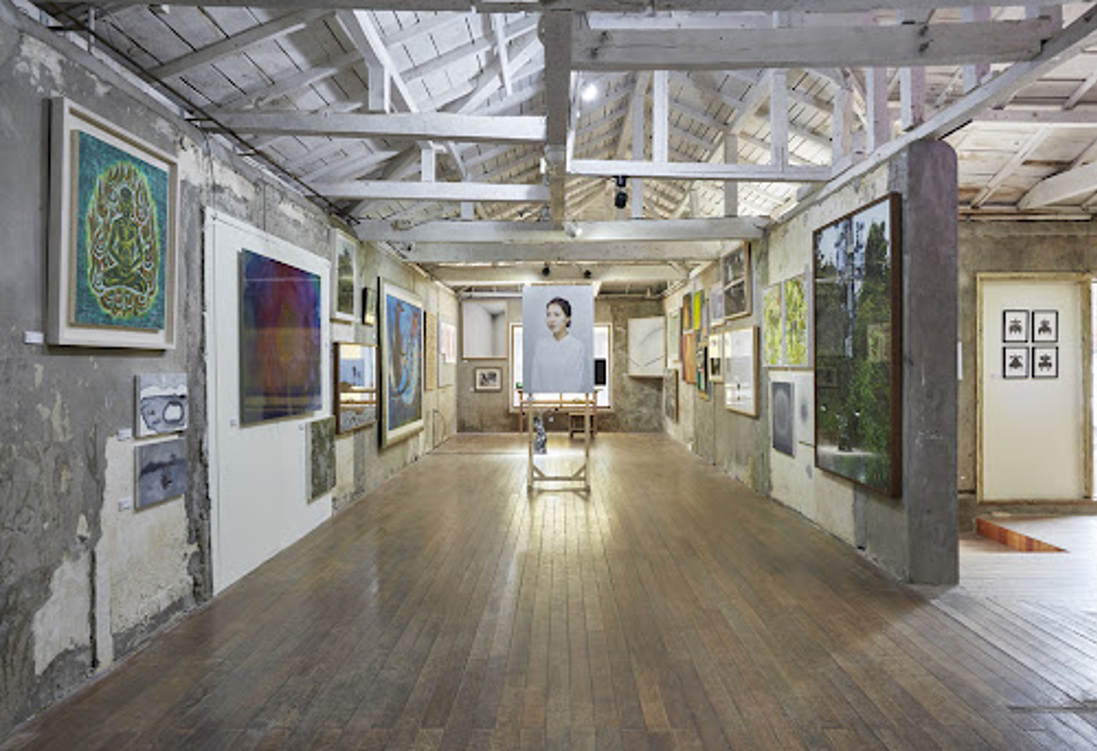
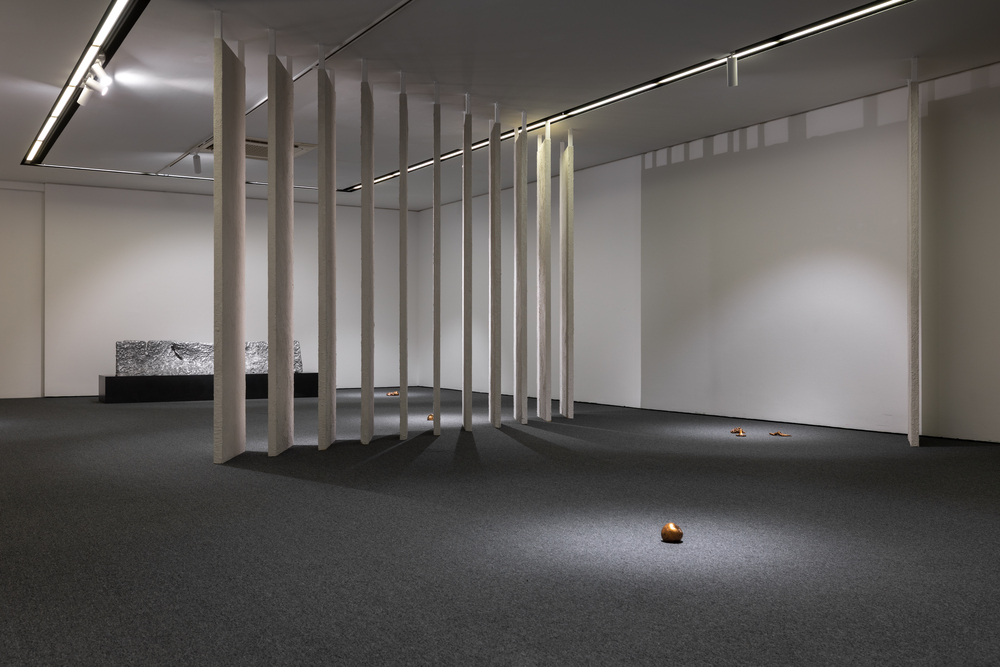
Exhibition view of Full Production 2017:《Pul Stands》(2017) Photo by Lee Euirak / ⓒ Art Space Pool
In contrast, many
non-profit spaces today are operated primarily through funding programs
provided by cultural foundations, public institutions, and local governments.
As securing financial resources became essential for survival, the continuity
of independent curatorial direction has often been replaced by the acquisition
of funded projects and the execution of predefined programs. In this process,
non-profit spaces have gradually taken on the character of implementation
agencies rather than platforms for experimental creation.
This shift is not
merely a financial transformation; it acts as a structural condition that
determines what programs are planned, which artists are presented, and how
spaces are operated.
The Repetitive
Structure of Open-Call Funding Programs
Most current
funding programs follow a sequence of open call, selection, execution,
evaluation, and settlement. While this structure may be administratively
efficient, it does not adequately reflect the realities of contemporary
artistic production. Artistic creation often develops through long-term
inquiry, repetition, shifts in direction, failure, and revision. However,
funding programs typically require concepts, plans, execution, and results to
be presented within relatively short timeframes.
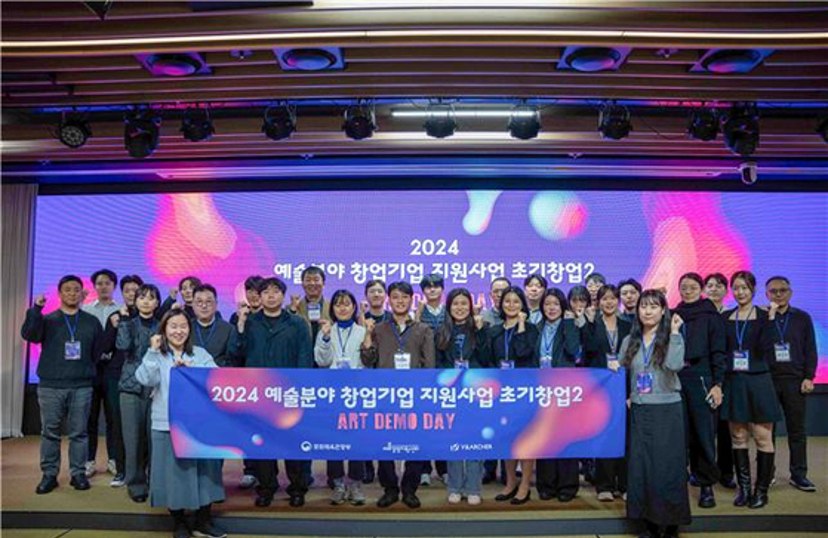
View of “Art Demo Day,” an early-stage startup support program by the Korea Arts Management Service / Photo: Korea Arts Management Service
As a result,
support tends to operate not across the full process of artistic creation, but
around proposals that can be submitted and outcomes that can be clearly
articulated. This implies that, rather than the internal necessity or depth of
formal exploration, the ability to produce proposals and results aligned with
the format and direction of funding programs becomes more significant.
Within such a
structure, even if diverse practices exist, the types of projects that are
selected are likely to become similar. Repeated social agendas, easily
explainable themes, already validated exhibition formats, and concepts that are
readily understood within evaluation processes become institutionally favored
conditions. Consequently, even works that appear different may, in reality,
repeat within similar frameworks and thematic structures.
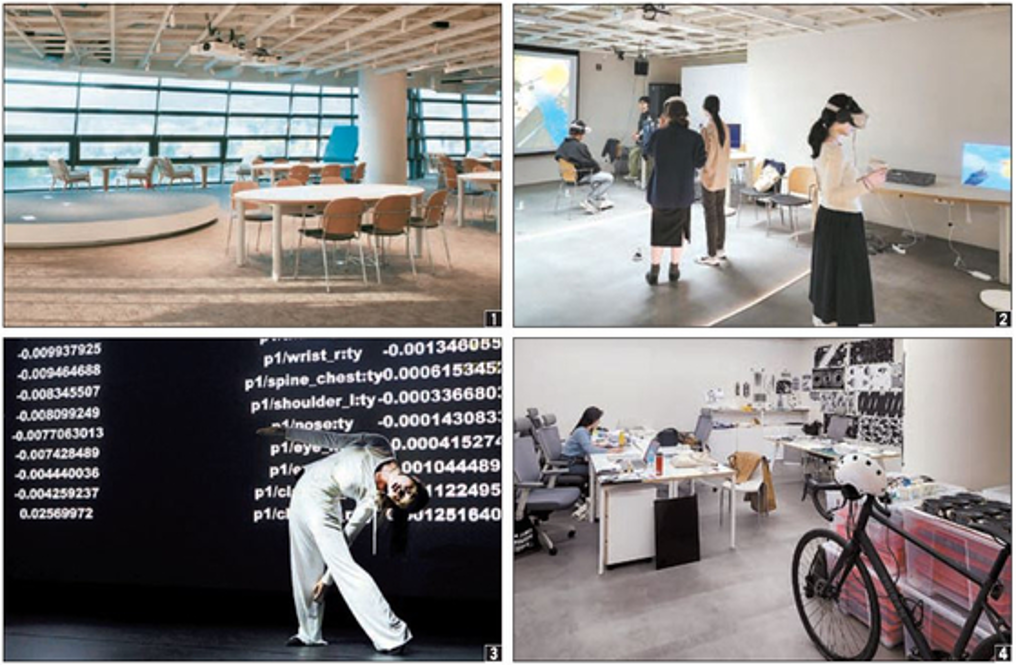
Art Korea Lab supports all stages of artistic practice. ① AKL Agora Networking Café ② Classroom ③ Demonstration Space ④ Resident Offices / Photo: Korea Arts Management Service
Impact on
Artists’ Modes of Production
A
funding-centered structure directly influences how artists work. In principle,
artists should develop their practice based on their own conceptual inquiries
and formal methodologies. However, in reality, many artists analyze the
characteristics and requirements of specific funding programs and adjust their
work accordingly.
In such cases,
artistic production is less likely to emerge from internal inquiry and more
likely to take the form of project-based outcomes structured in response to
external institutional conditions. Rather than deepening their overall
practice, artists reconfigure their work to align with the objectives,
language, and evaluation criteria of each funding program. This weakens the
continuity and autonomy inherent in artistic creation, transforming art from a
long-term process of research and formal experimentation into a strategic
response to institutional environments.
Ultimately, in
such conditions, the center of artistic practice shifts from advancing one’s
own formal language to adapting effectively to institutional and programmatic
demands. As a result, artists’ work increasingly tends to become adaptive
projects tailored to the nature of funding programs.
Limitations of
Selection and Evaluation Structures
Public funding
programs are not intended as charitable systems, but as institutional
mechanisms to discover and support artists, curators, and spaces capable of
leading the future of culture and the arts. Therefore, evaluation structures
must be designed to exclude informal factors such as personal preference,
relationships, or networks, and instead operate with transparency, rationality,
and objectivity.
However, in
practice, evaluation criteria are not always clearly disclosed, and the
expertise and field relevance of selection committees are not always
sufficiently examined. Given that contemporary art is a rapidly evolving field
in terms of media, discourse, and institutional context, evaluators must be
professionals who actively understand and engage with current artistic
conditions. Yet if the process of selecting evaluators fails to reflect this
reality, programs are likely to operate according to criteria disconnected from
actual practice.
Furthermore, when
the reasoning and logic behind evaluation outcomes are not sufficiently
explained, trust in the system inevitably declines. This issue goes beyond
fairness; it is directly connected to whether funding programs can genuinely
shape the direction and level of Korean contemporary art.
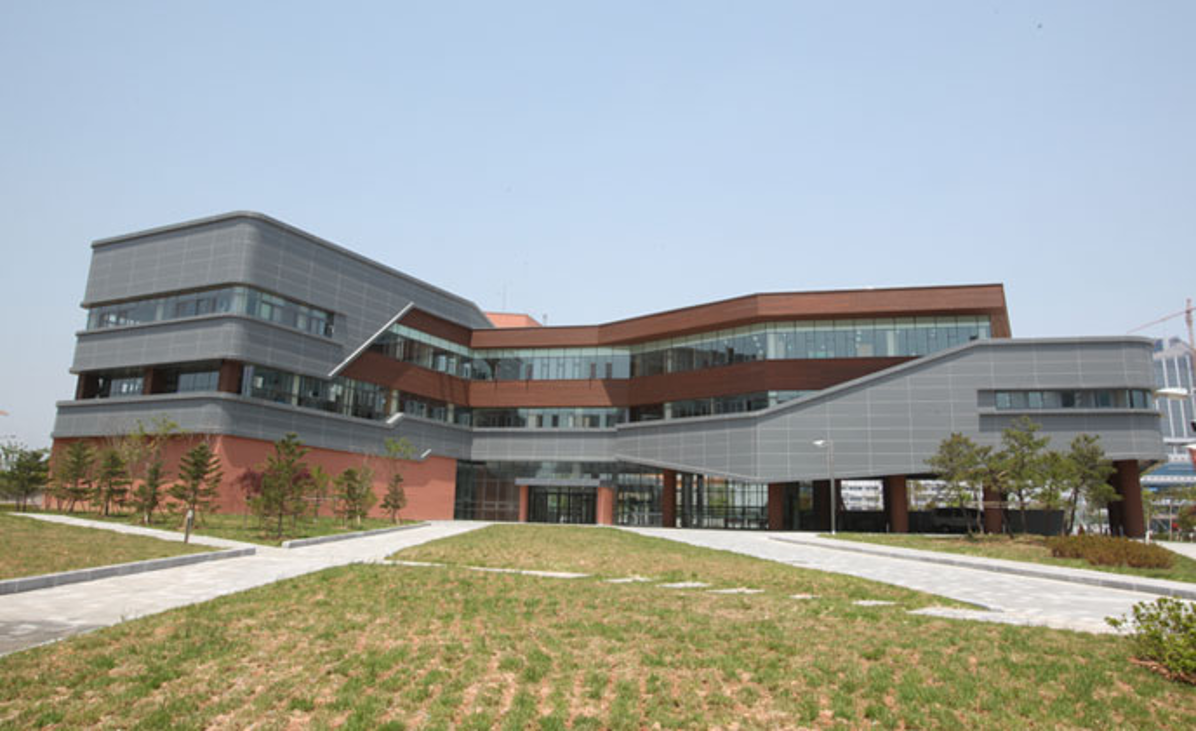
Headquarters of Arts Council Korea, Naju / Photo: Arts Council Korea website
Lack of
Oversight and Feedback Mechanisms
Another reason
why funding programs repeatedly exhibit similar problems is the insufficient
operation of external oversight and internal feedback systems.
Compared to other
fields, experts and artists in the art world are relatively less organized in
conducting continuous monitoring, critique, and demands for improvement
regarding institutional operations. As a result, there is often a lack of
sufficient public discourse on whether programs reflect actual conditions,
whether evaluation and operational structures are appropriate, and whether
performance assessments are valid.
Moreover,
evaluations of funding programs often focus on quantitative results such as
project completion, audience numbers, and event frequency, while qualitative
factors—such as the long-term development of artists, the actual impact on
creative environments, and institutional influence—are not adequately
accumulated. In such cases, programs are repeated, but institutions fail to
gain opportunities to reassess and redesign themselves.
Persistence of
Outdated Administrative Frameworks
Many current
public cultural and arts programs continue to operate within administrative
frameworks that have not significantly evolved from the past. The
one-directional structure—application through open calls, fixed evaluation
procedures, and short-term execution and outcome verification—remains dominant.
However, the cultural and artistic environment of the 21st century has become
far more complex, with artistic practices increasingly involving long-term
research, collaboration, hybrid media, and research-based approaches.
If support
systems continue to replicate outdated administrative structures, institutions
inevitably fail to keep pace with reality. In such cases, funding programs
become not mechanisms that facilitate new practices, but systems that manage
new realities through obsolete formats.
Directions for
Redesign
What is required
today is not minor adjustments to individual programs, but a fundamental
redesign of the entire support system. As funding functions as public
infrastructure that shapes the direction of the cultural ecosystem, it must be
restructured around the following principles:
First,
evaluation methods must move beyond single-result-centered assessment.
A multi-layered
evaluation structure—including document review, process evaluation, interviews,
and public presentations—should be introduced to assess not only the completion
of work but also its sustainability and potential for development.
Second, the
selection of evaluators must become more specialized and transparent.
A pool of
field-specific experts should be established, with evaluators appointed based
on practical experience and understanding of contemporary art, and the criteria
and structure of selection should be disclosed as transparently as possible.
Third,
long-term support programs must be expanded beyond short-term project-based
funding.
The complex
processes of contemporary artistic production cannot be adequately supported
through systems that demand results within fixed short periods. Research-based
funding, mid- to long-term support, and phased support structures with interim
feedback are more realistic approaches.
Fourth,
independent evaluation and oversight systems are necessary.
Rather than
limiting post-program evaluation to reports, institutional operations should be
reviewed through external committees, feedback from participating artists and
curators, and the public disclosure of data.
Fifth, the
types of funding programs must be diversified.
Instead of
operating all support through a uniform open-call system, multiple formats—such
as open calls, nominations, invitations, research-based programs, and long-term
incubation—should be implemented in parallel to mitigate the repetitive
selection of similar types of work.
Conclusion
Non-profit spaces
and funding programs continue to play a vital role in Korean contemporary art.
However, the current support structure reveals a tendency to adapt spaces and
artists to institutional systems through administrative efficiency and repetitive
open-call frameworks, rather than fully guaranteeing artistic experimentation
and autonomy.
This issue cannot
be reduced to operational deficiencies of individual programs or isolated
concerns of fairness in evaluation. It is fundamentally a question of how well
Korean cultural policy understands the actual structure of contemporary
artistic production, and how it seeks to design the future cultural
environment.
Public funding
programs must function not as charitable subsidy systems, but as institutions
that identify and nurture artists, spaces, and discourses capable of leading
the future of culture and the arts. This requires transparency in selection
processes, professionalism in evaluation, alignment with real-world practice,
and continuous oversight and redesign of the system itself.
Ultimately, what
matters is not the scale of funding, but the structure of funding.
More important than how much budget is allocated is what kinds of artistic
practices are made possible and what kind of art ecosystem is ultimately
formed.
If Korea aims to
position itself as a leading cultural nation in the 21st century, funding
programs can no longer remain as administrative systems that replicate past
formats. They must be fundamentally redesigned to reflect the realities and
future of contemporary art.