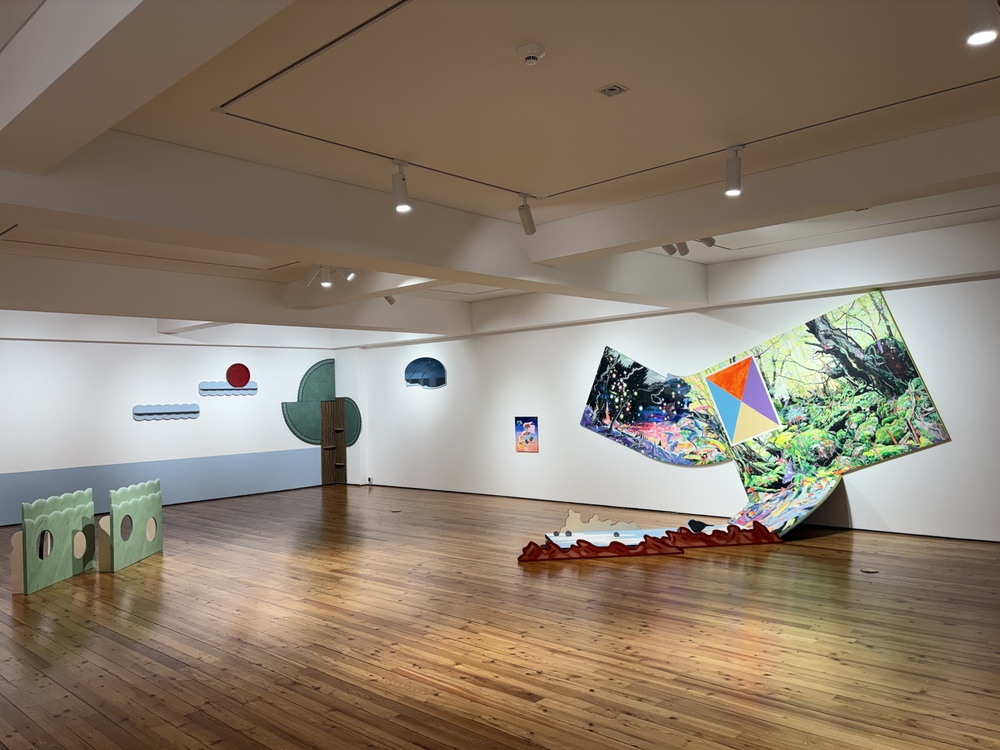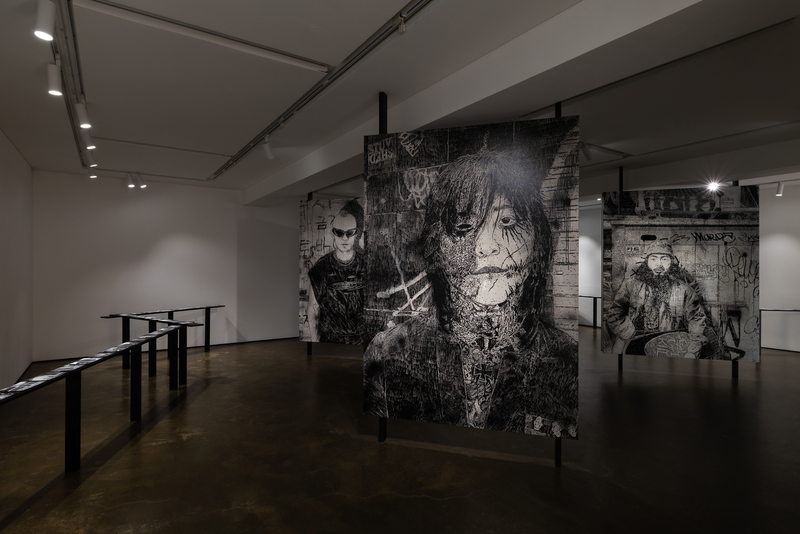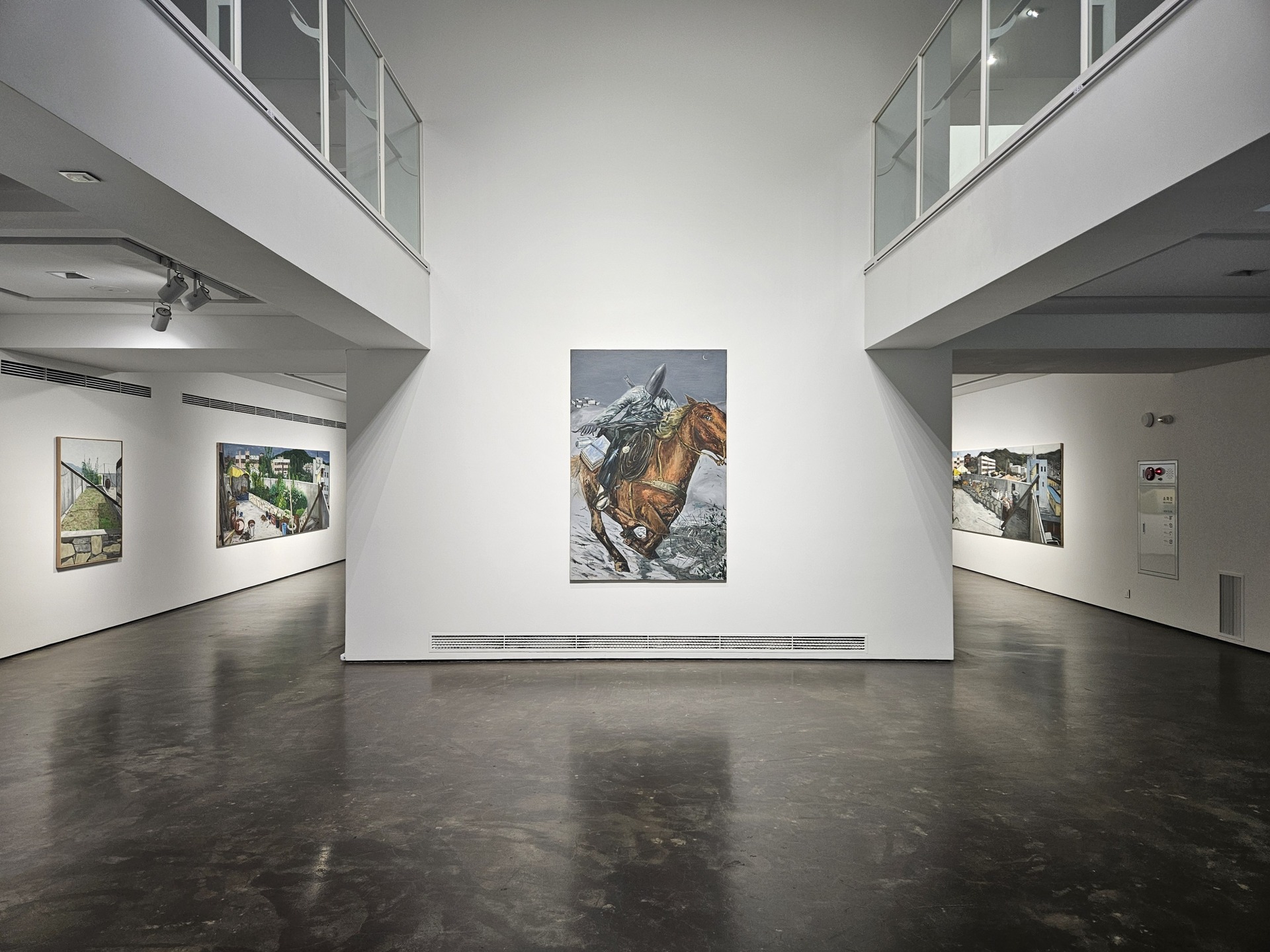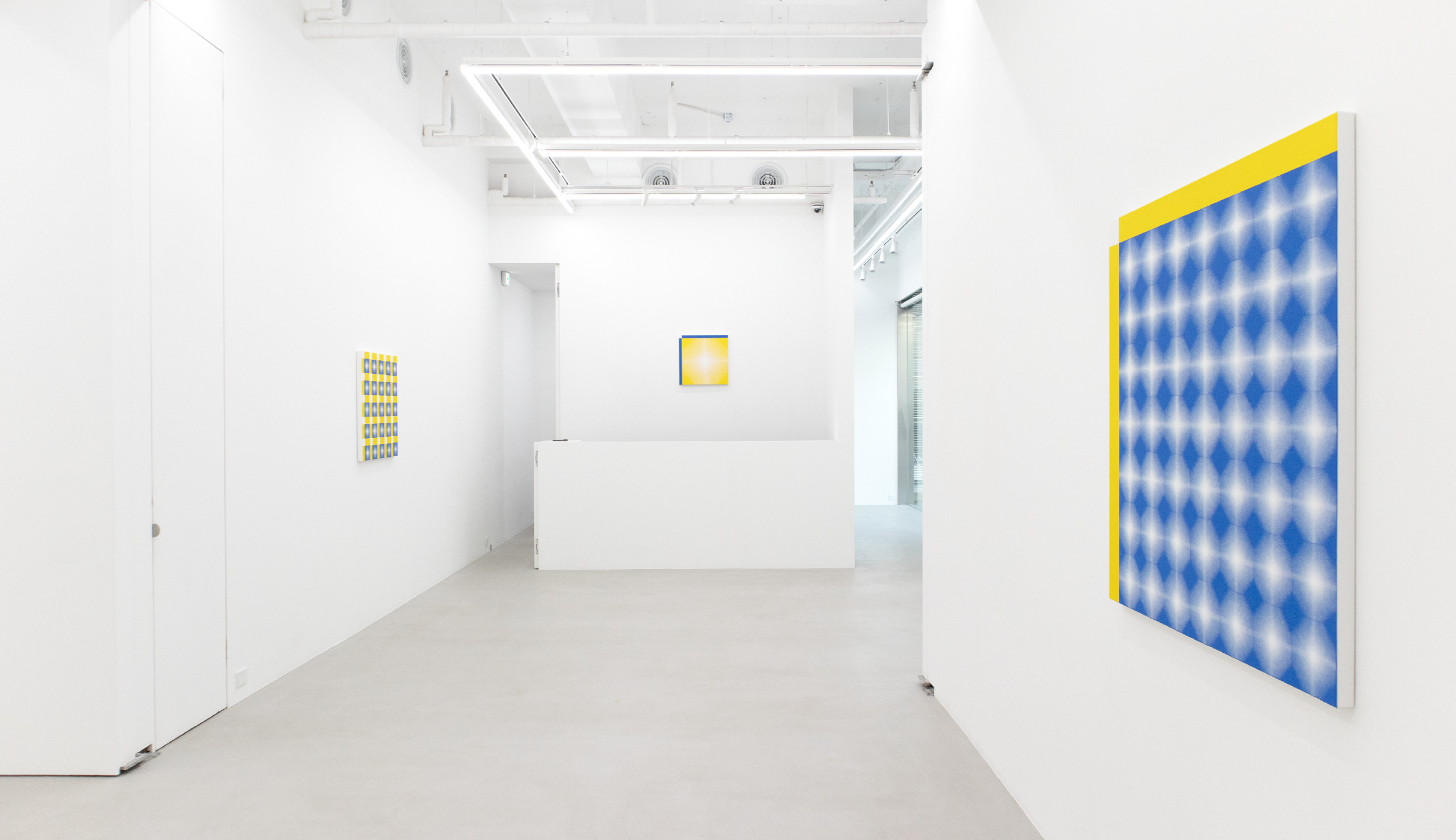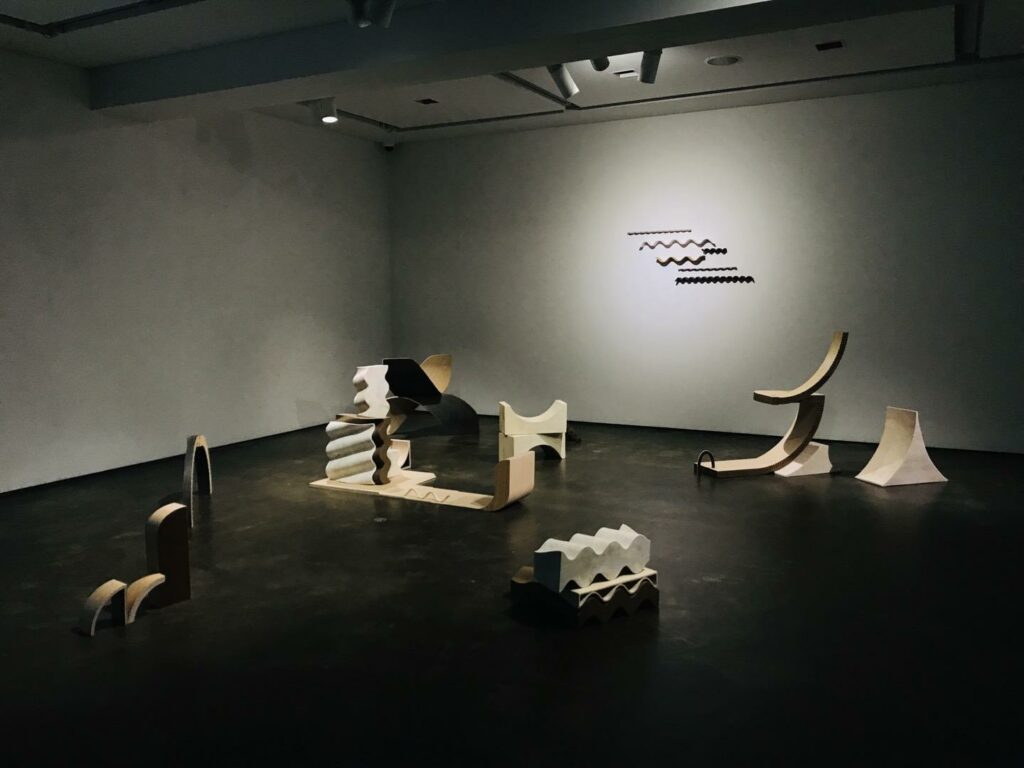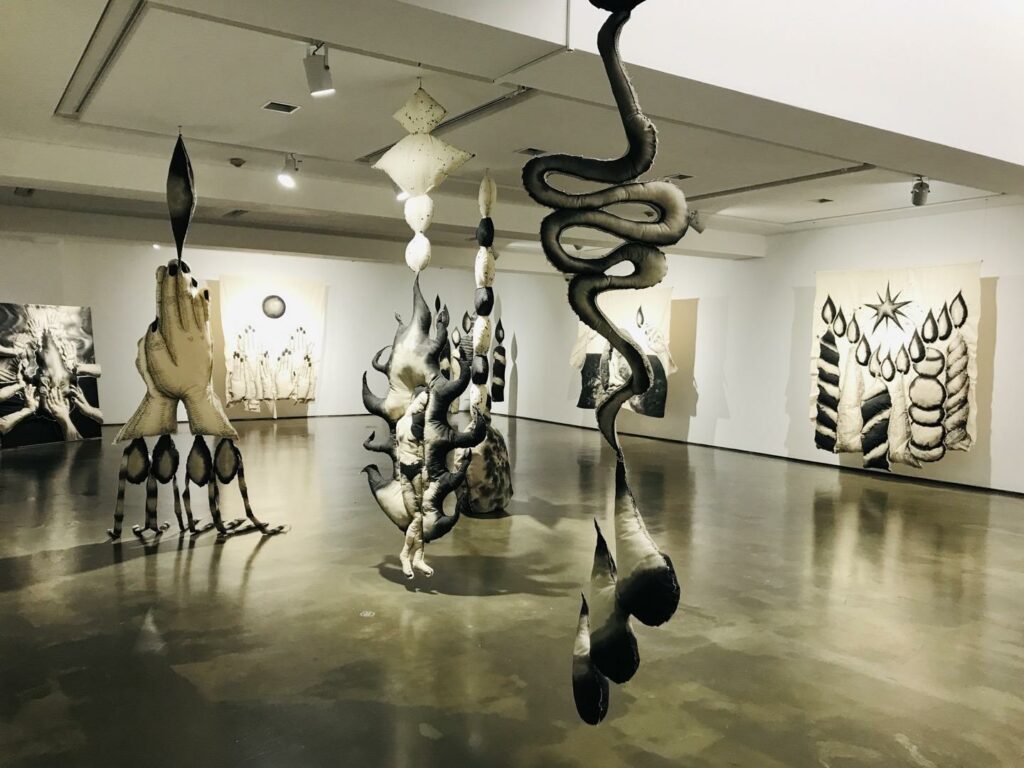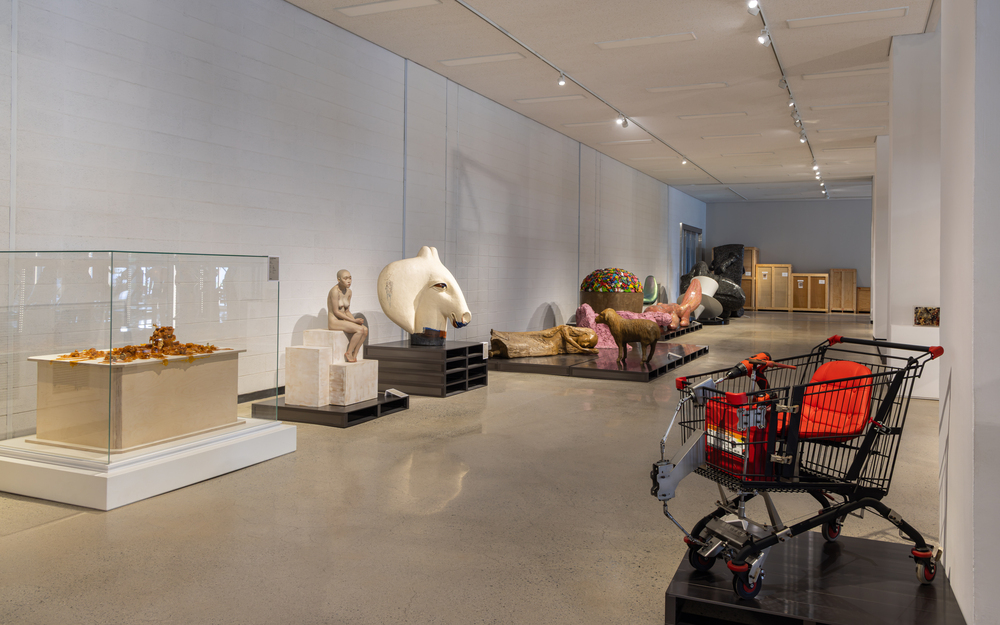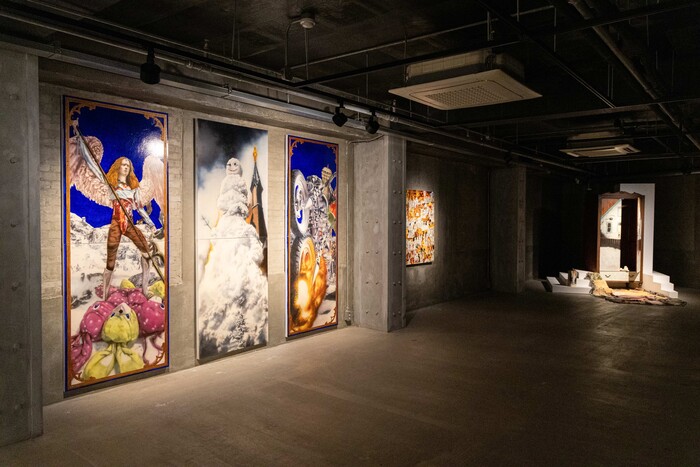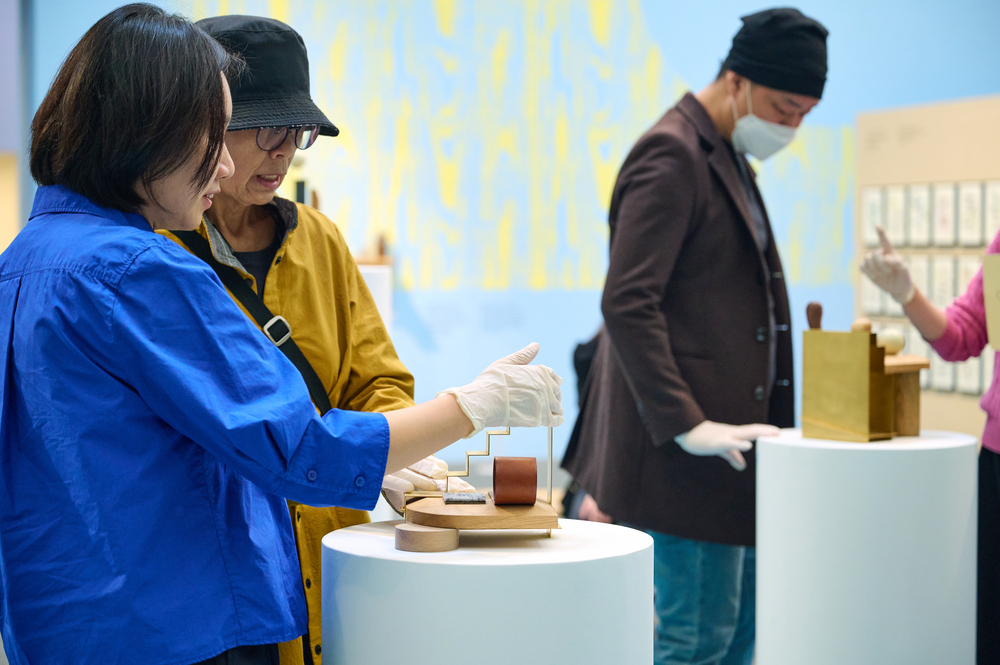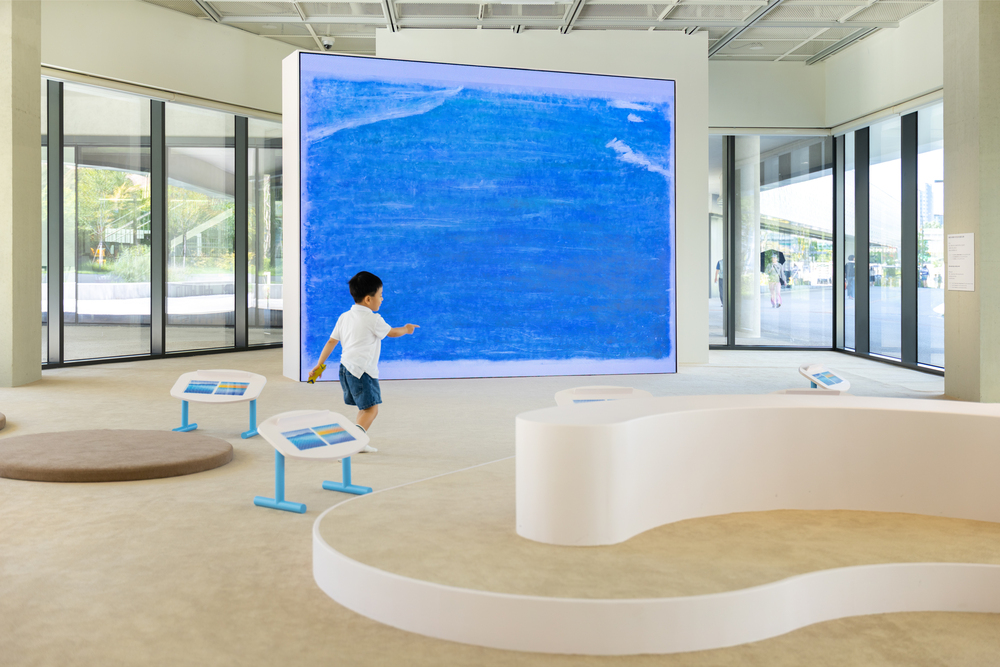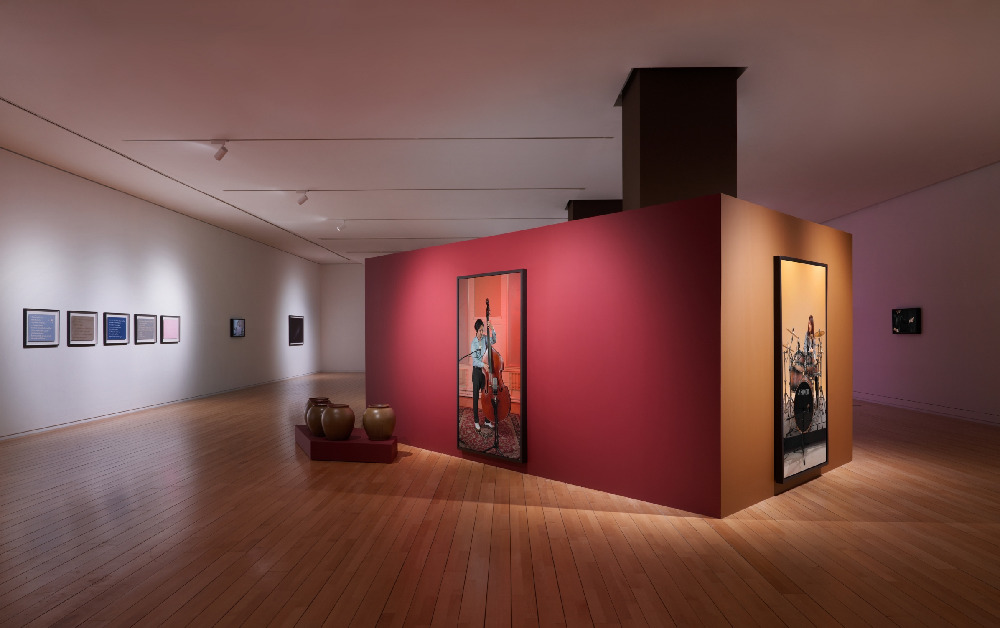

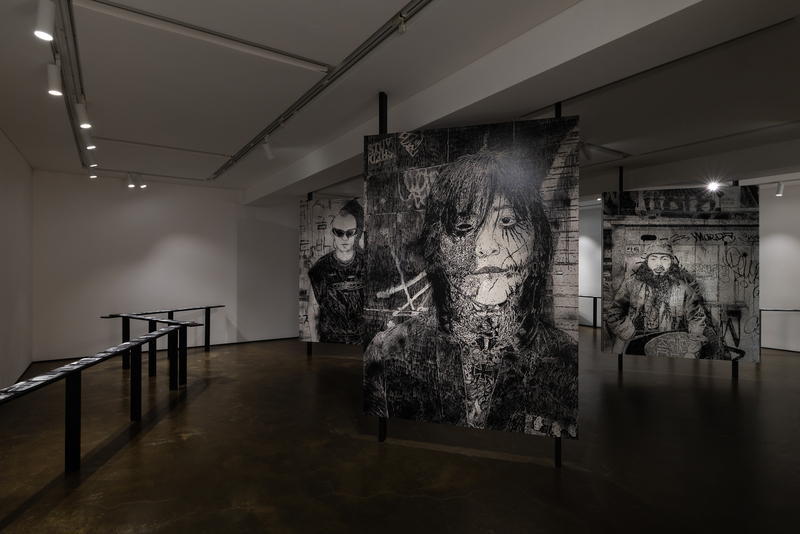
Installation view of 《Grrr!》 ©OCI Museum of Art
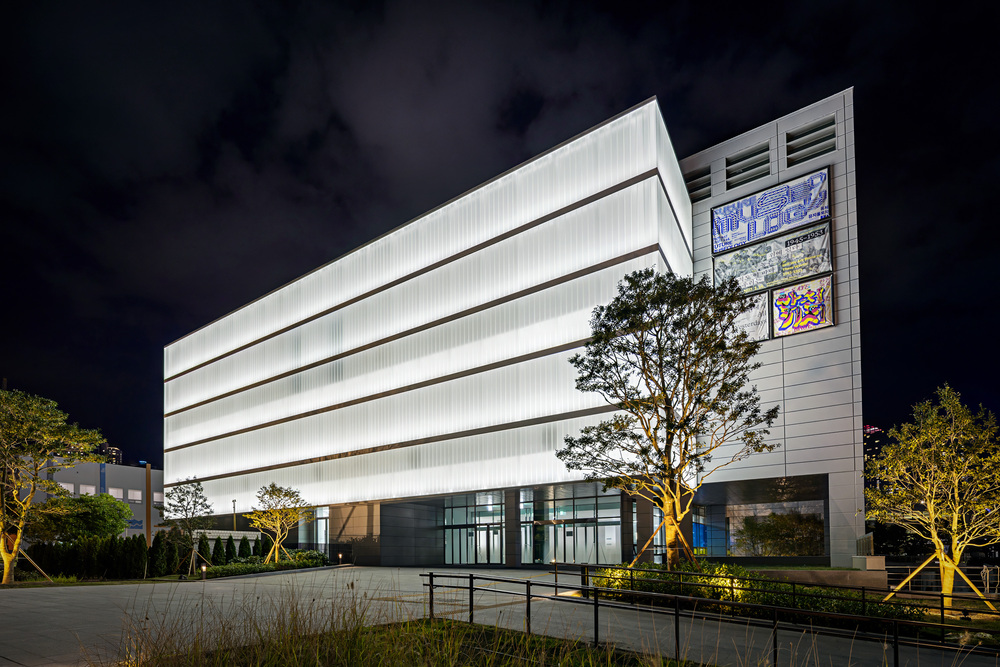
OCI
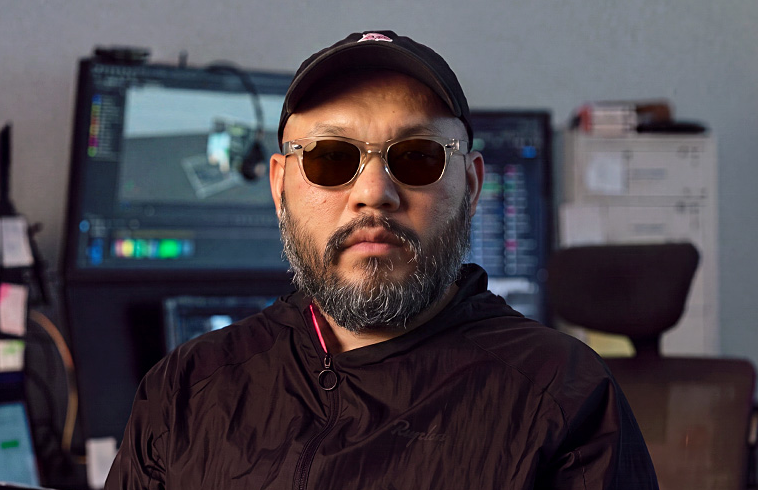
Museum of Art presents a solo exhibition 《Grrr!》
by Korean graffiti artist GR1, on view through March 28.
This
exhibition offers a concentrated overview of GR1’s practice, which has expanded
graffiti beyond a mere visual style into an attitude and a methodology of
artistic practice.
Since
producing his first graffiti works as a teenager in 2000, GR1 has created
numerous street works across Korea, the United States, and various parts of
Asia. From 2010 onward, he has undertaken a series of large-scale graffiti
projects driven by narrative structures, marking a shift toward translating the
spontaneous traces of the street into the language of painting.
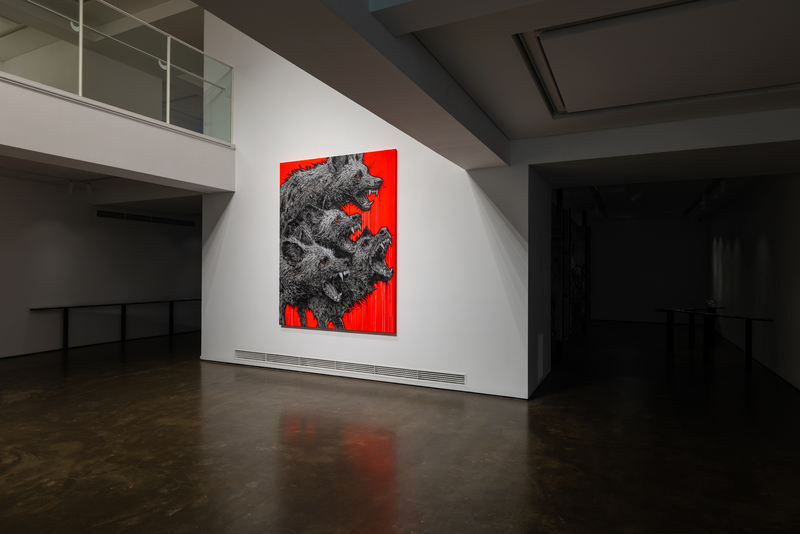
Installation view of 《Grrr!》 ©OCI Museum of Art
Marking
his solo exhibition at the Soma Museum of Art Drawing Center in 2019 as a
turning point, GR1 began to enter the institutional art world in earnest. While
grounded in graffiti, his practice is not confined to its conventional forms.
Moving fluidly across painting, sculpture, photography, and video, he has
continually expanded both the visual language of graffiti and the boundaries of
its practice.
Central
to this exhibition is GR1’s sustained attention to subjects marginalized by
social norms. Resisting the institutional violence that separates the
mainstream from the peripheral, his work persistently calls back those who
disappear and are forgotten at the edges of society, asserting their
existential fact: that they were here.
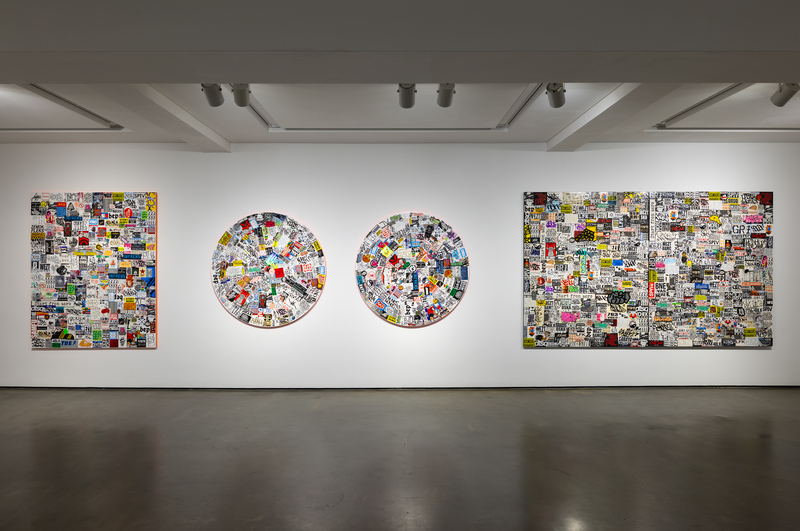
Installation view of 《Grrr!》 ©OCI Museum of Art
The act
of asserting existence in his practice also takes the form of recording and
collecting. Due to the inherent ephemerality of graffiti, GR1 has, for more
than two decades, sustained an almost obsessive commitment to preserving
everything—physically and immaterially—from beginnings and processes to final
outcomes. The vast body of materials accumulated over time has naturally
evolved into a large-scale archive.
《Grrr!》 traces GR1’s journey from the streets in 2000 to the present—a
practice driven by the awareness that what will be erased must be continually
inscribed, and that what is destined to disappear must be relentlessly
recorded.