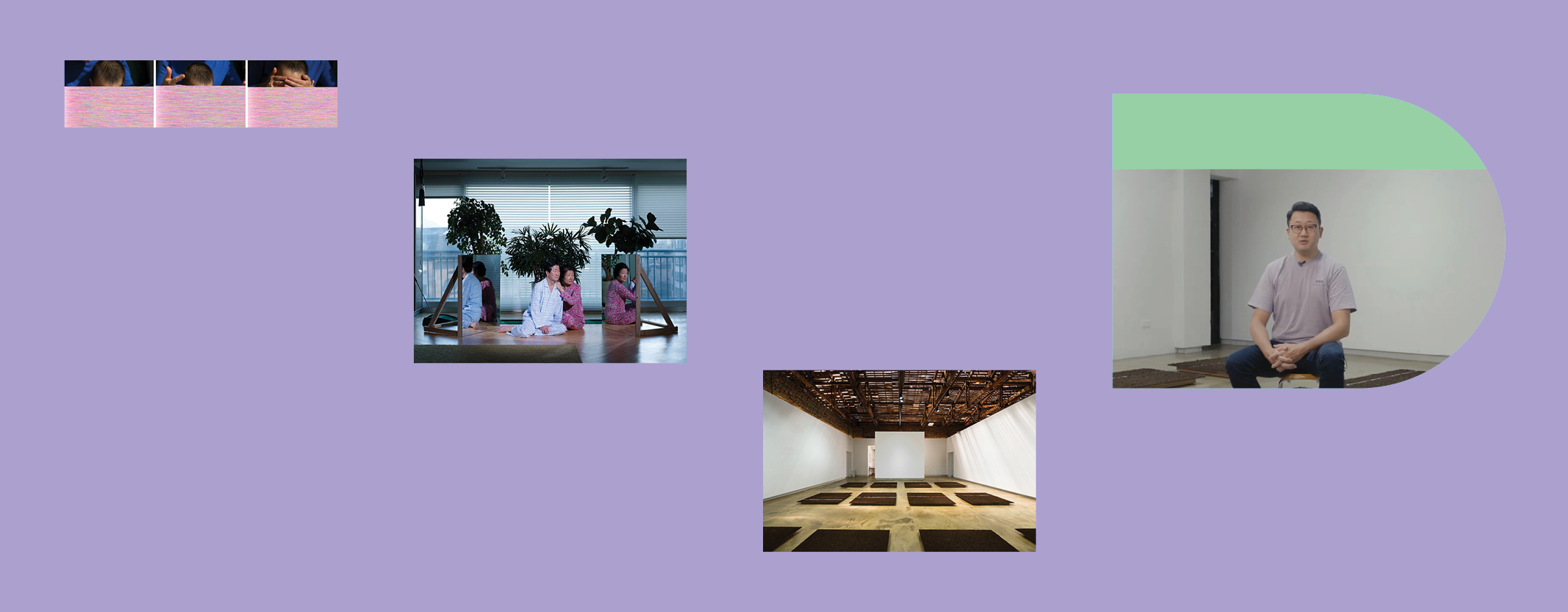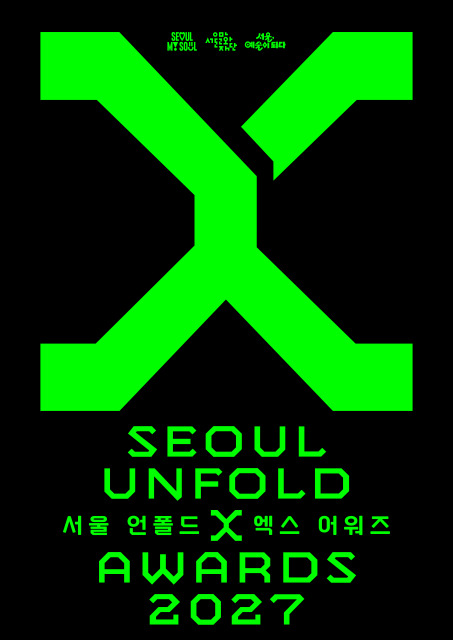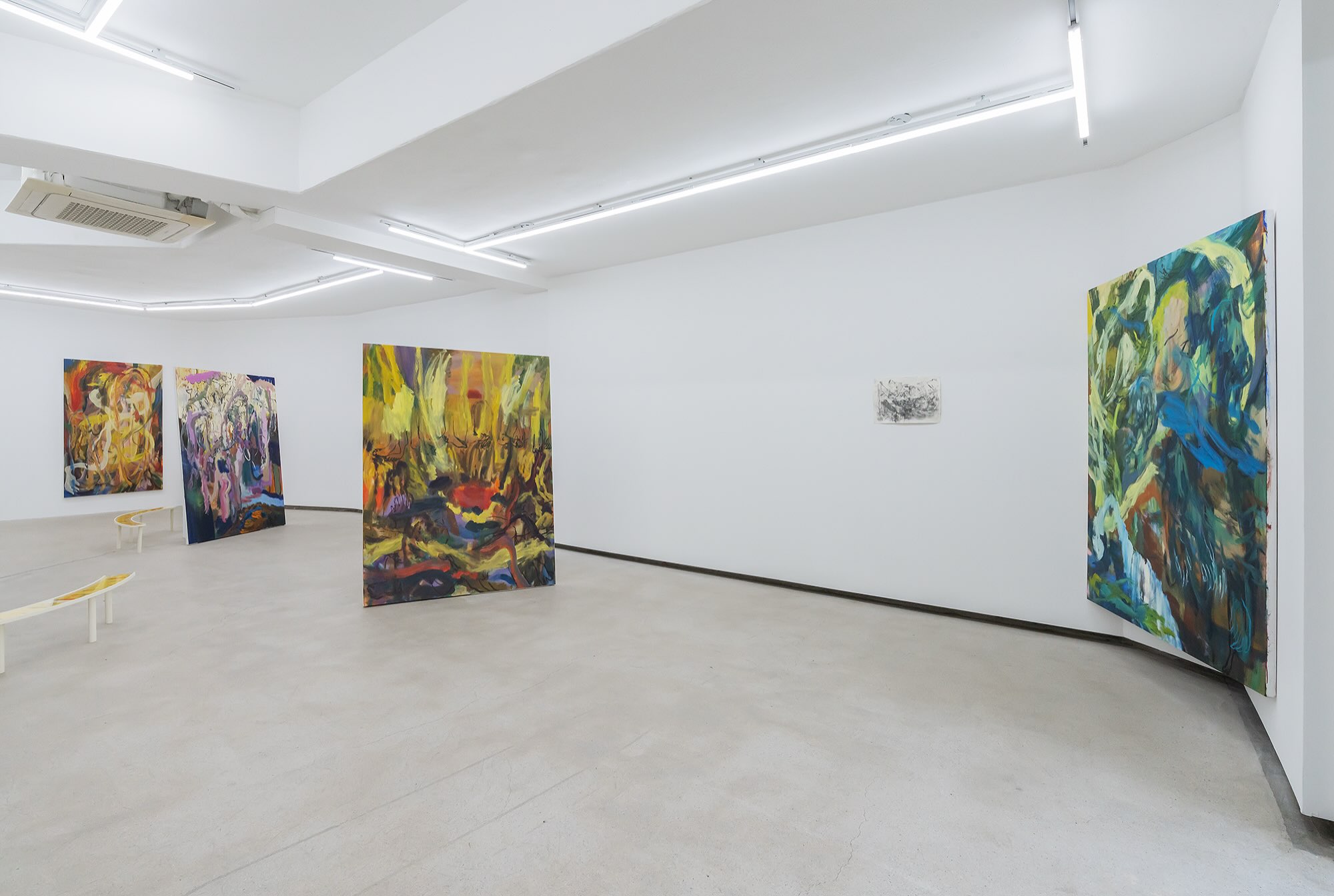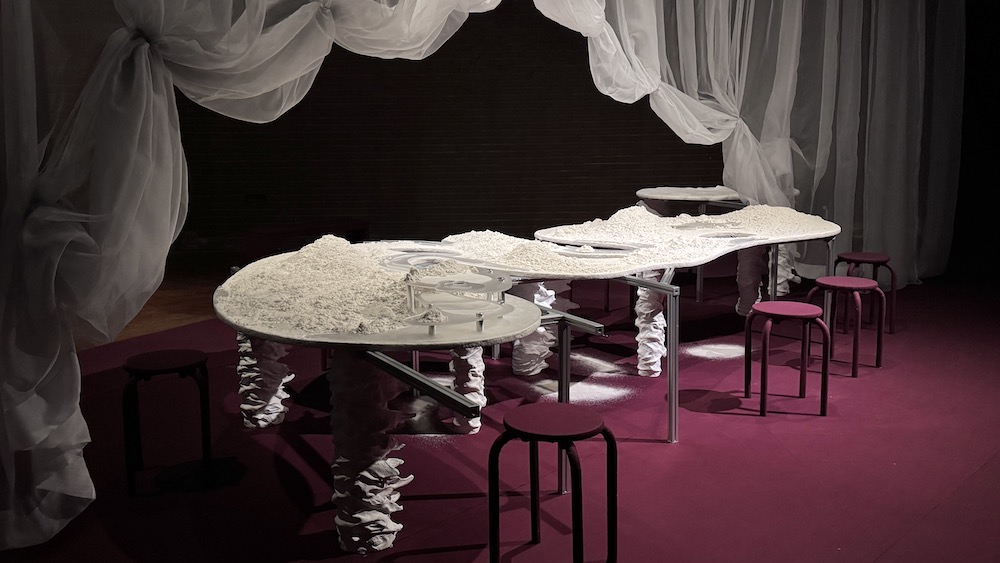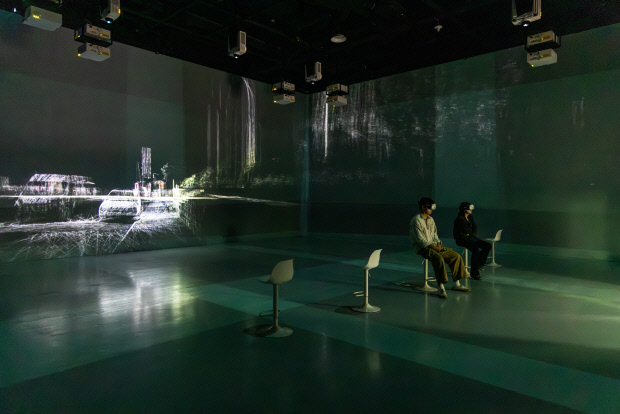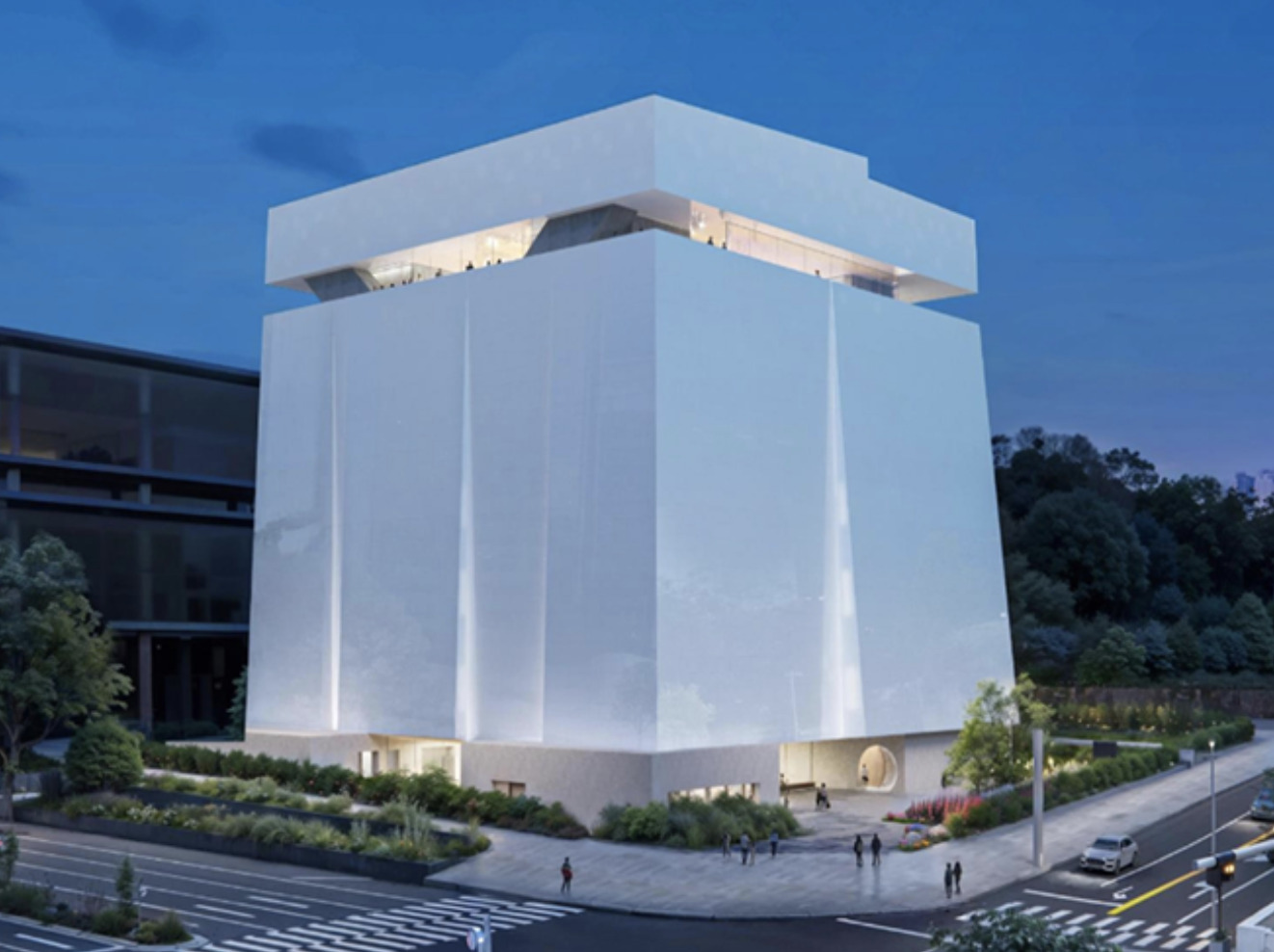

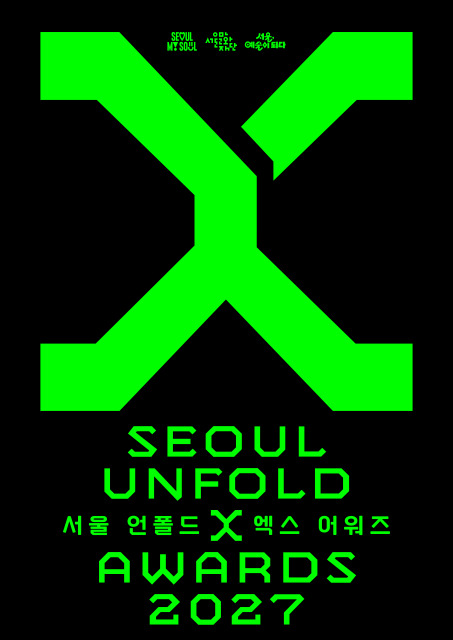
Poster image of ‘Seoul Unfold X Awards 2027’ © Seoul Foundation for Arts and Culture
The Seoul Foundation for Arts and
Culture (President Song Hyeong-jong) has launched the Seoul ‘Unfold X Awards
2027’, an international award dedicated to art and technology, marking the
beginning of a new initiative.
Building on the achievements of Unfold
X, which began in 2010 as the ‘Da Vinci Idea Contest’ and has spent the past 16
years fostering the development of Korea’s convergent arts ecosystem, the
awards aim to take a leading role in shaping global art-and-technology
practices, extending beyond Asia.
The newly established Seoul Unfold X
Awards recognizes works from around the world that use technology as a medium
of artistic expression while demonstrating innovation and offering artistic and
social insights.
While established international media
art awards, including Prix Ars Electronica in Austria and the Lumen Prize in
the UK, have increasingly tended to approach technology through the lens of
critical discourse, the Seoul Unfold X Awards places particular emphasis on
technical proficiency in the use of technology and the aesthetic quality
achieved through its application.
The inaugural edition will focus on
the Interactive Art category and is open to works created in or after 2024.
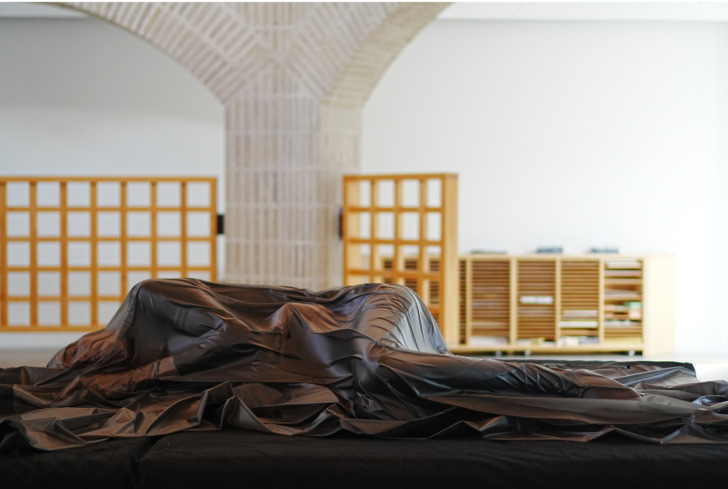
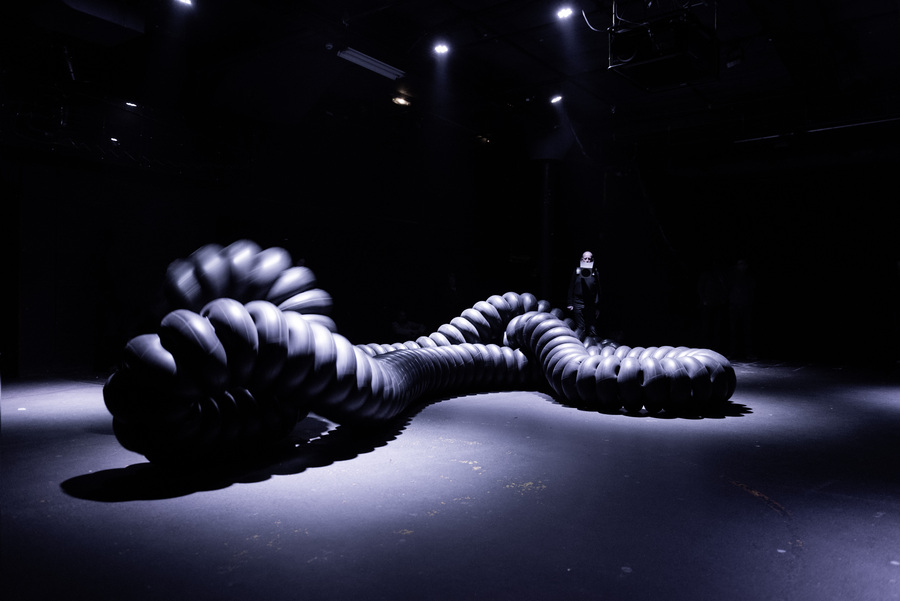
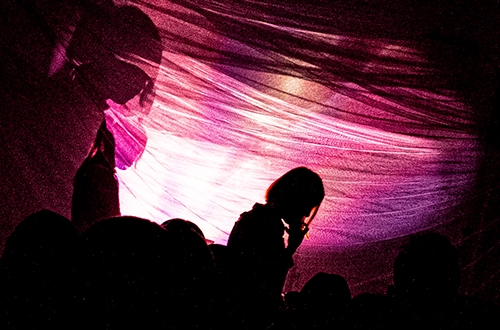
Mew Imashuku, Breath Press, 2026 © Seoul Foundation for Arts and Culture
25 Experts Shaping Global Art
and Technology, from Ars Electronica to ZKM
A total of 25 experts from 18
countries across six global regions have joined the nomination and judging
committees. Rather than accepting open submissions, the awards will build their
pool of candidates through expert nominations, with the nominating committee
prioritizing national and regional representation over individual prominence.
Directors and curators from leading institutions dedicated to art and
technology, including ZKM in Germany, HEK in Switzerland, and Ars Electronica
in Austria, as well as prominent scholars, are among those participating.
The judging committee brings together
a diverse range of expertise, including engineers, artists, representatives of
international award programs, and professionals from art-and-technology
institutions. Following the first round of evaluation, the committee selected
ten finalists. The final winners will be determined through a second round of
deliberation.
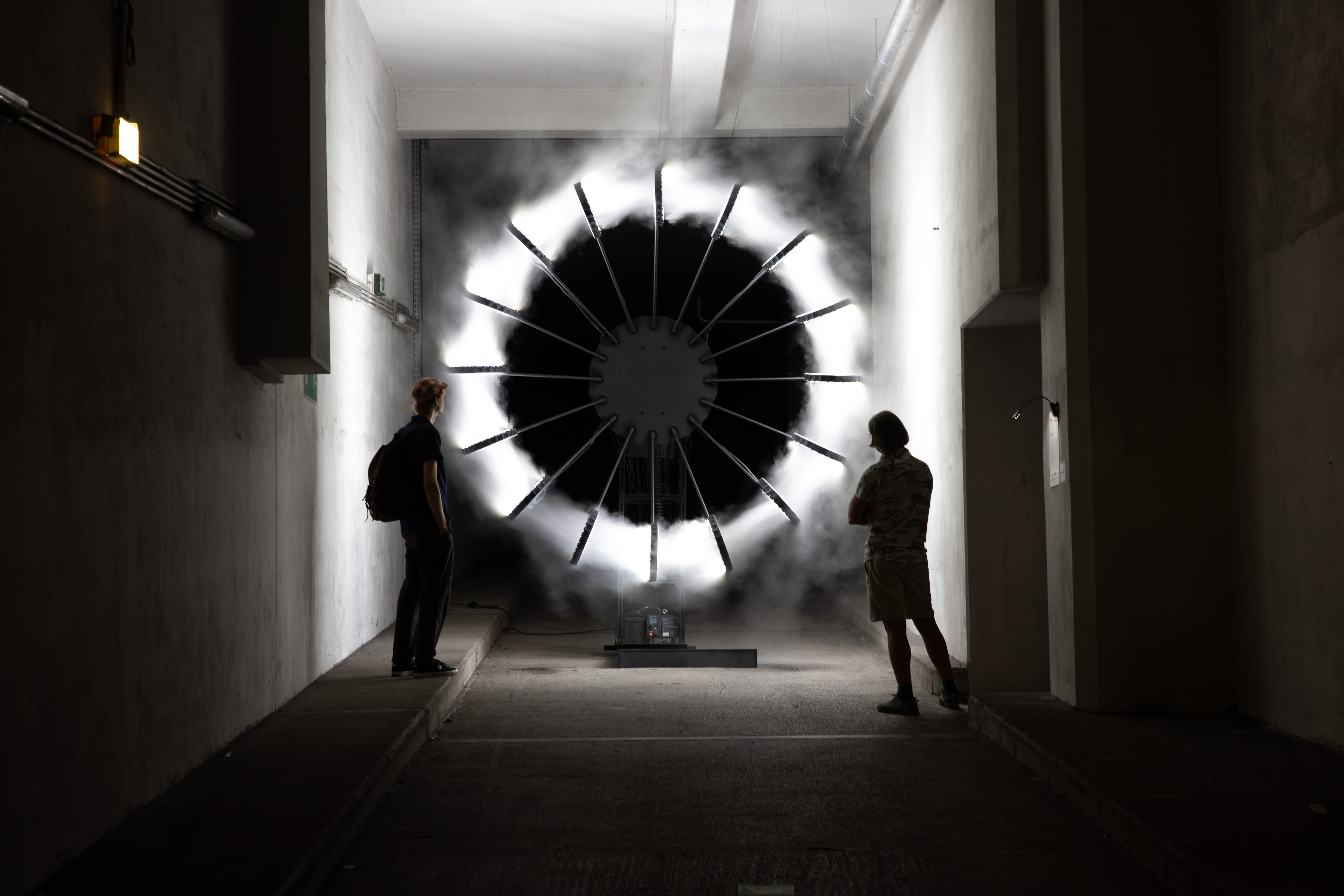
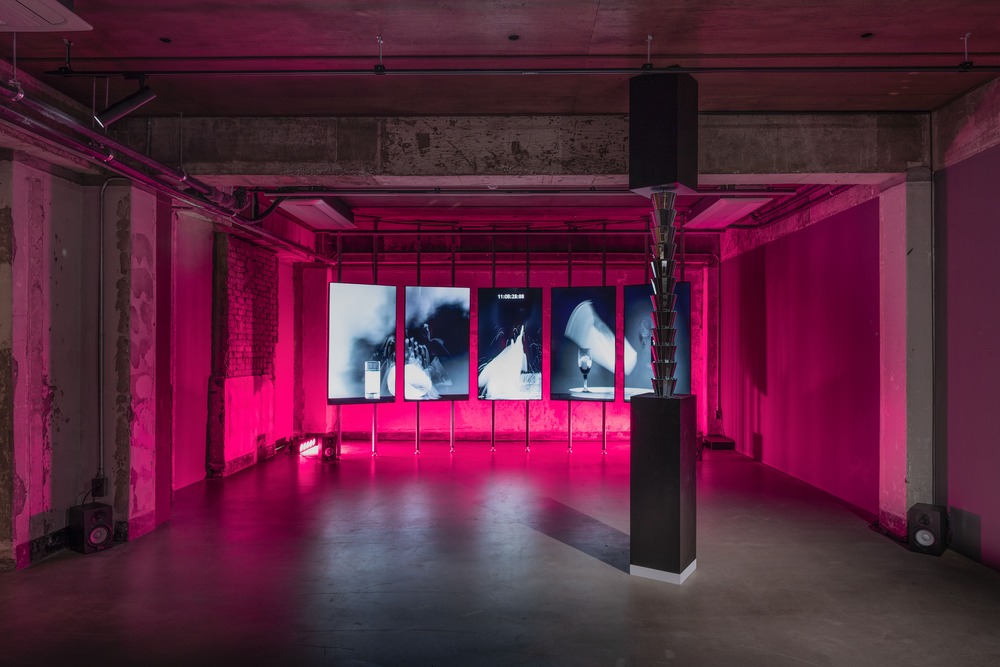
LEE Jin, Liminal Ring, 2024 © Seoul Foundation for Arts and Culture
From Generative AI to
Robotics: Ten Finalists Reflect the Landscape of Contemporary Convergent Art
The 38 nominated works by artists from
21 countries, selected through expert nominations last September, offer a
snapshot of the contemporary convergent arts landscape. In terms of media, they
span a wide range of approaches, incorporating generative AI, robotics, virtual
reality (VR) and mixed reality (MR), blockchain, bio art, and video games.
The works address pressing
contemporary issues, including questions of creative agency and data governance
in the age of AI; technological interventions in sites of resource extraction
and ecological degradation; and explorations of the power structures embedded
in technological infrastructures and the reconstruction of social memory.
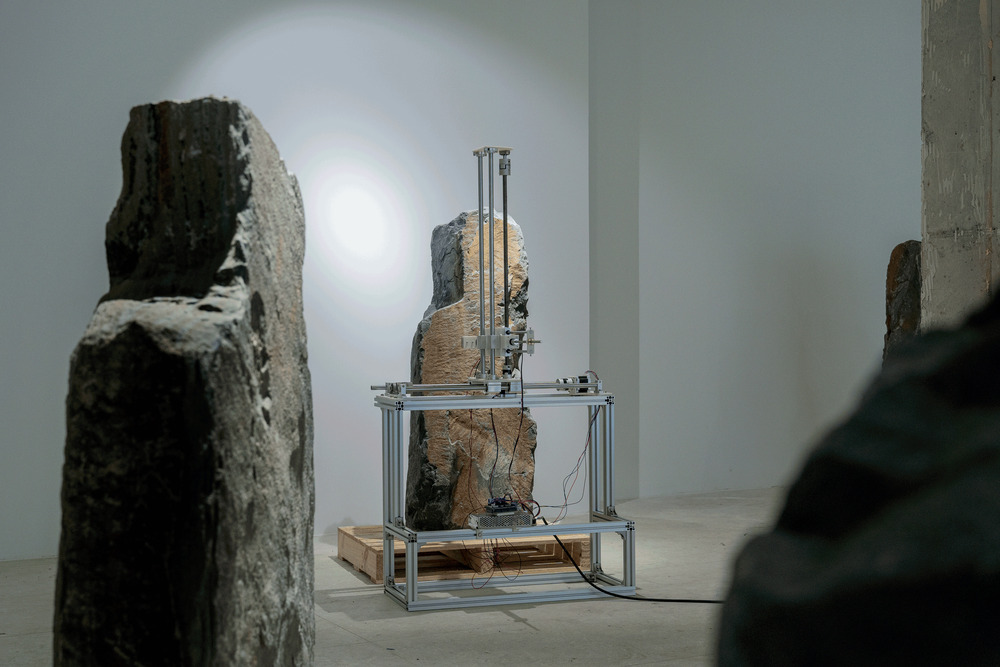
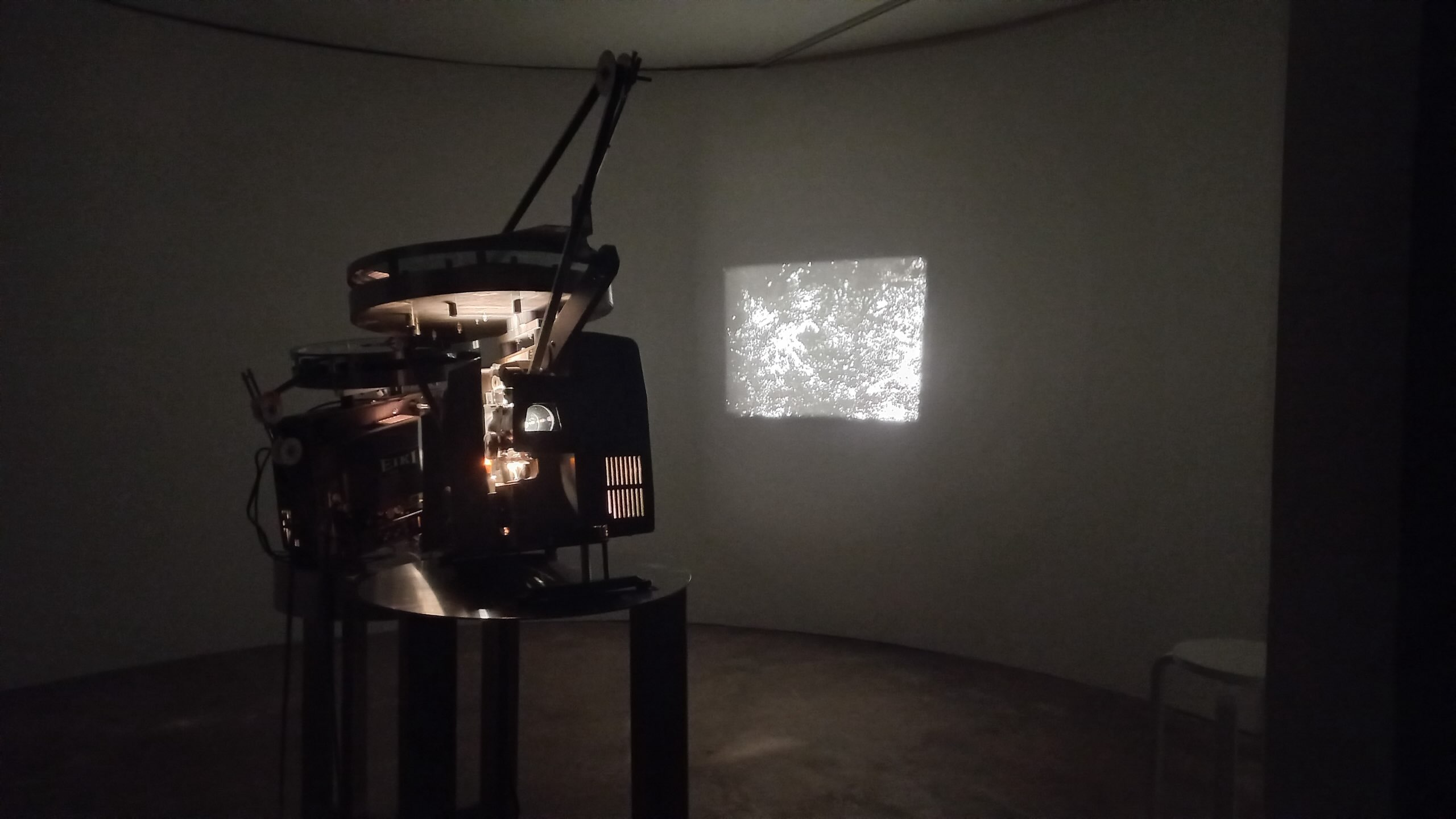
Gyomyung Shin, Machina Sapiens series, 2024- © Seoul Foundation for Arts and Culture
The ten finalists selected in the
second round of evaluation last October are works by artists from eight
countries that offer a particularly concentrated reflection of these trends. In
terms of regional representation, Asian artists are strongly represented,
alongside artists from North America, Central and South America, and Oceania.
The artists skillfully employ a
diverse range of technologies as their artistic languages, from robots and
drones to generative AI, sensors, satellite data, and custom-built
electrochemical devices.
These technologies serve as entry
points to a broad range of themes, including new possibilities for economies
and labor, the balance between nature and ecosystems, relationships between
humans and machines, and the ways in which history and memory are constructed.
Many of the works also respond to
visitors’ movements, voices, and breathing, inviting them not merely to observe
the works but to become part of them.
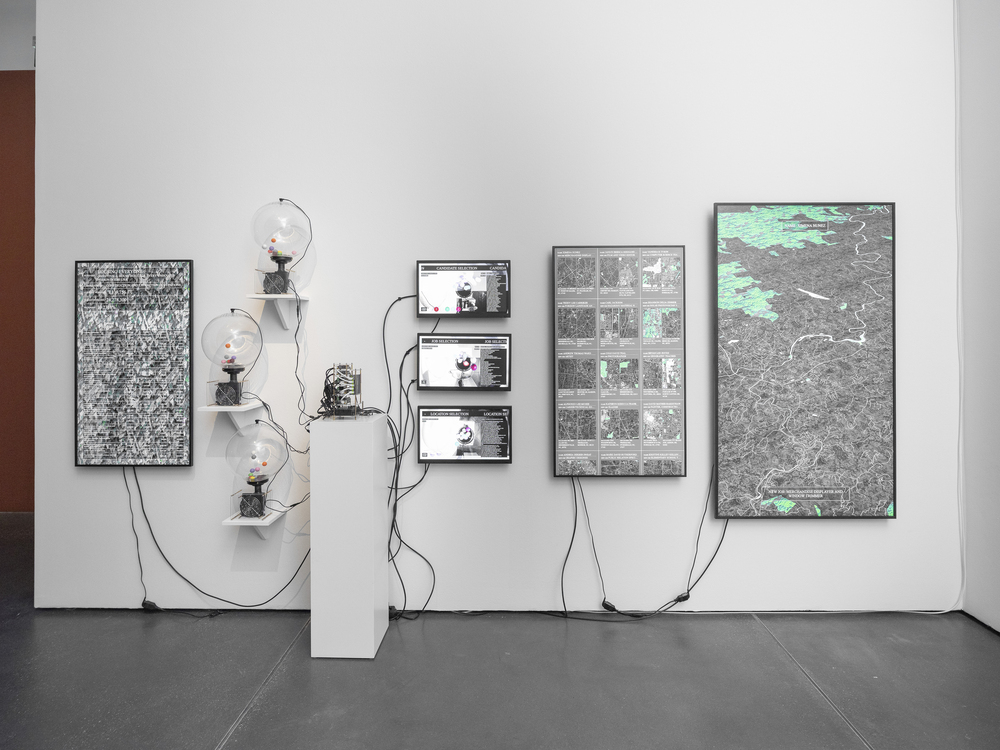
Tega Brain & Sam Lavigne, Xeno Computer 0.1: Labor, 2025 © Seoul Foundation for Arts and Culture
Online Public Voting Opens
November 12, with a Total Prize Pool of 35 Million KRW
The ten finalists will be open to
public voting online via the Unfold X website (unfoldx.org) from November 12
(Thursday) to December 9 (Wednesday). The results will be taken into
consideration during the second round of judging.
Following a second round of
deliberations in March 2027, one Grand Prize winner and two Excellence Prize
winners will be selected. The Grand Prize winner will receive 15 million KRW,
while each Excellence Prize winner will receive 10 million KRW.
The winning works will be presented to
the public through an awards ceremony and exhibition as part of 《Unfold X 2027》, which opens in November 2027.
The Seoul Foundation for Arts and
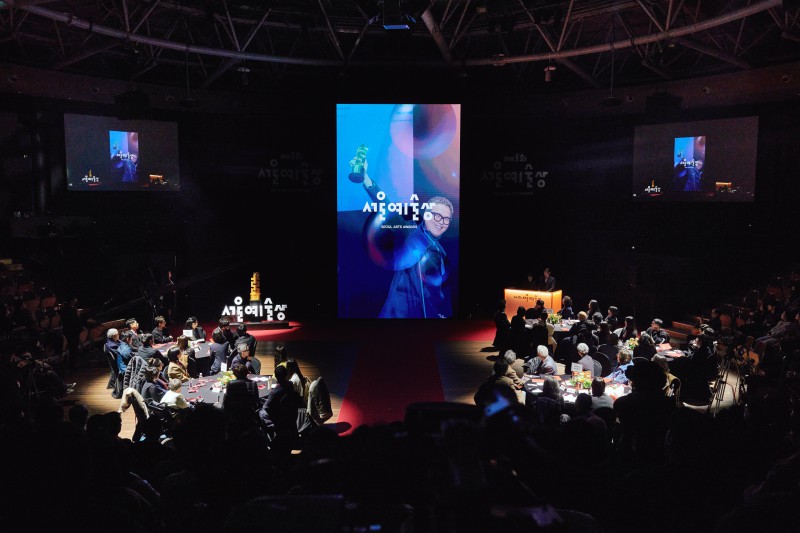
Culture will officially announce the launch of the awards at the opening
ceremony of 《Unfold X 2026》 on November 26 (Thursday). It
aims to establish the awards as a leading platform for recognizing achievements
in art and technology across Asia by 2030.
Further information on public voting
and the finalist works is available on the Unfold X website (unfoldx.org) and
its official social media channels (@unfoldxplatform).