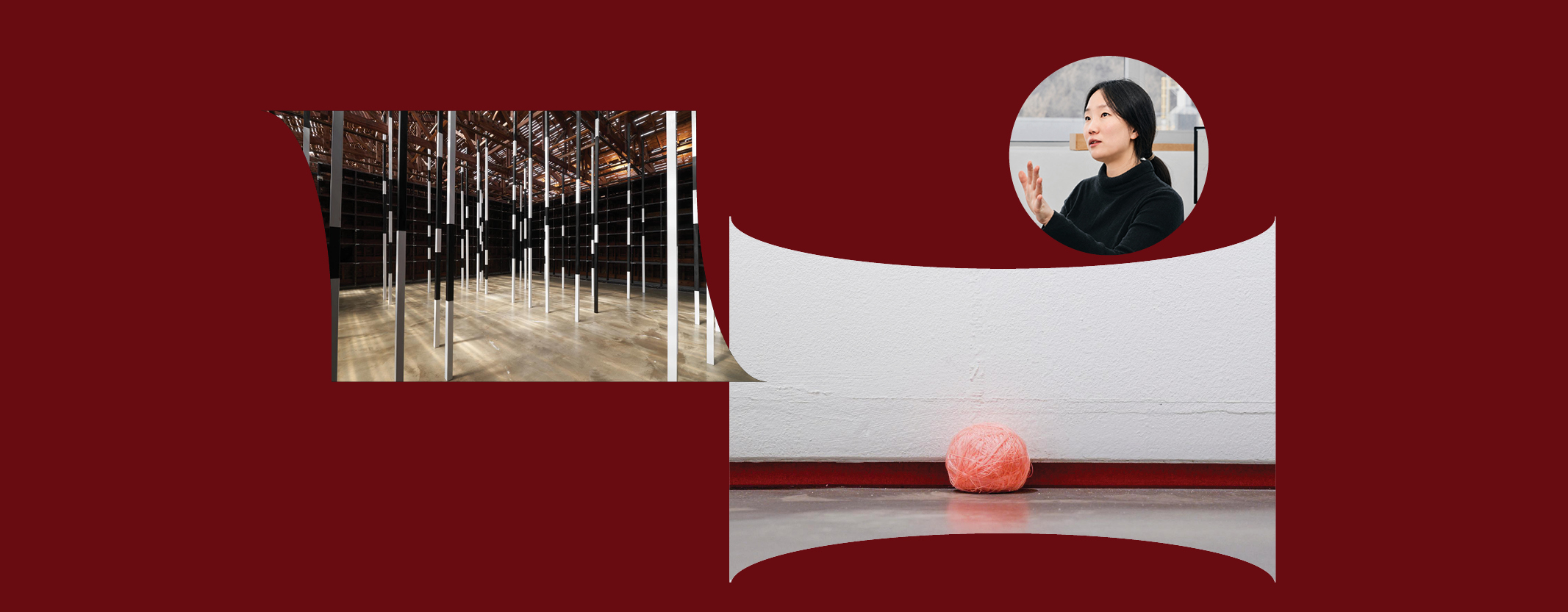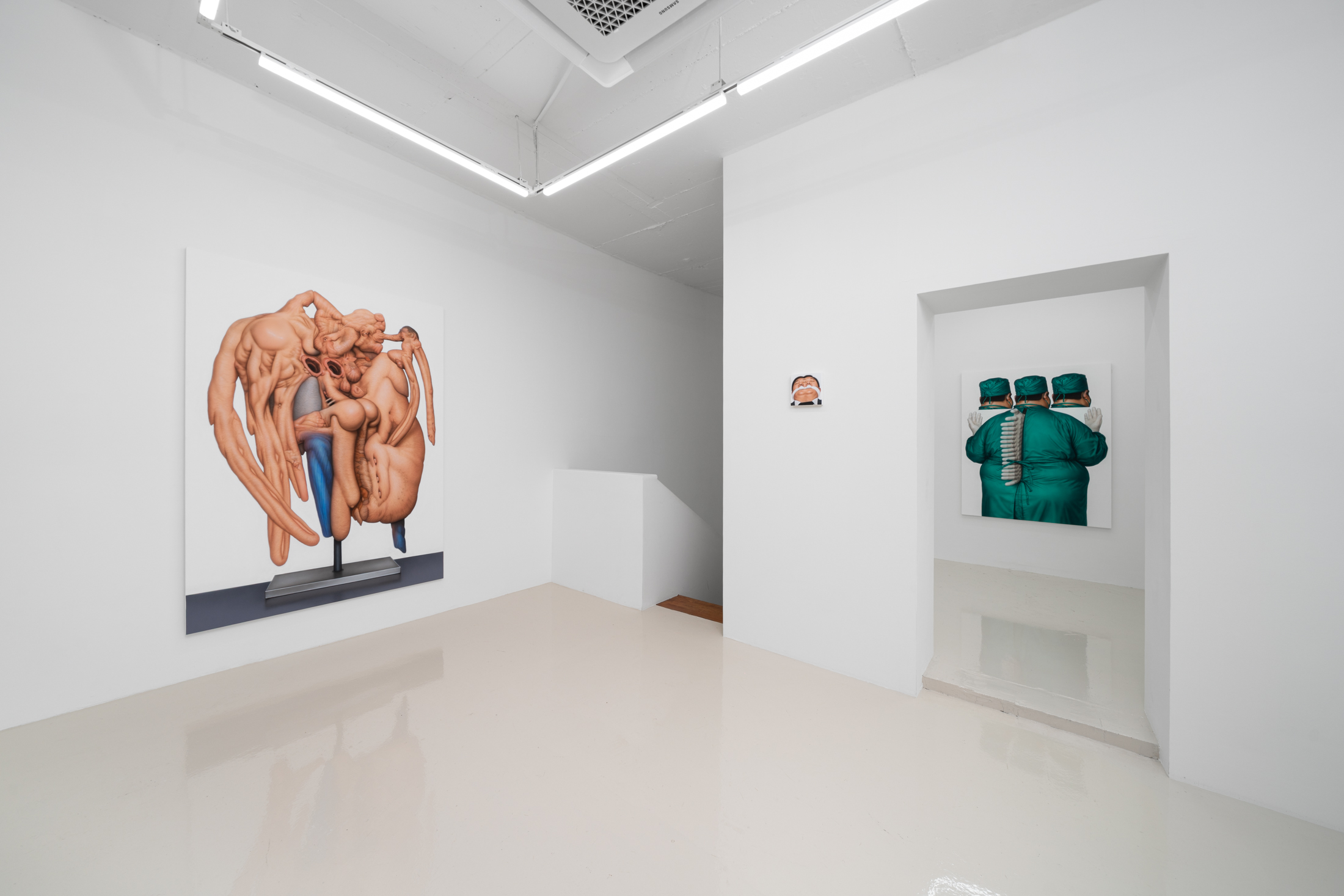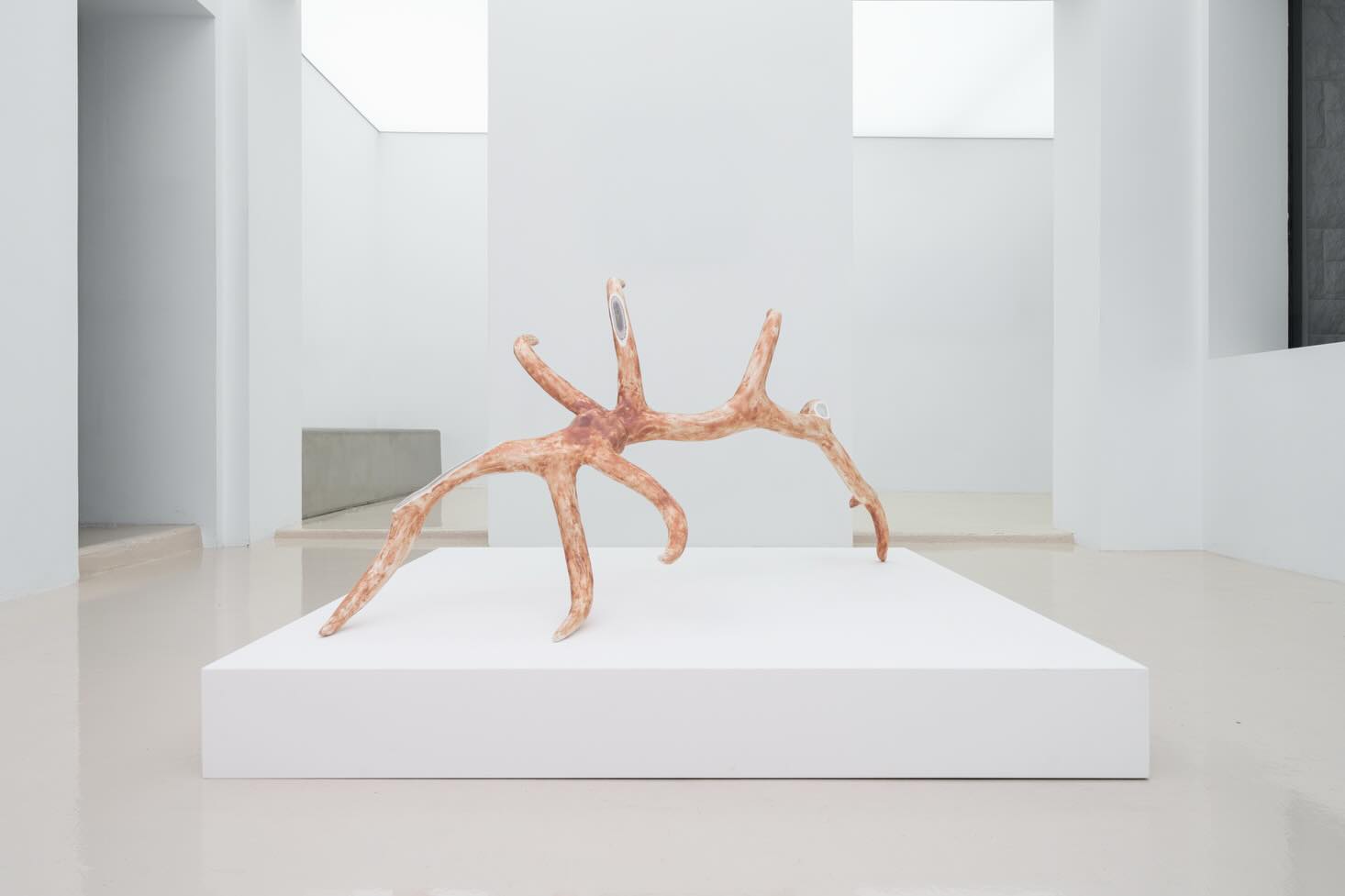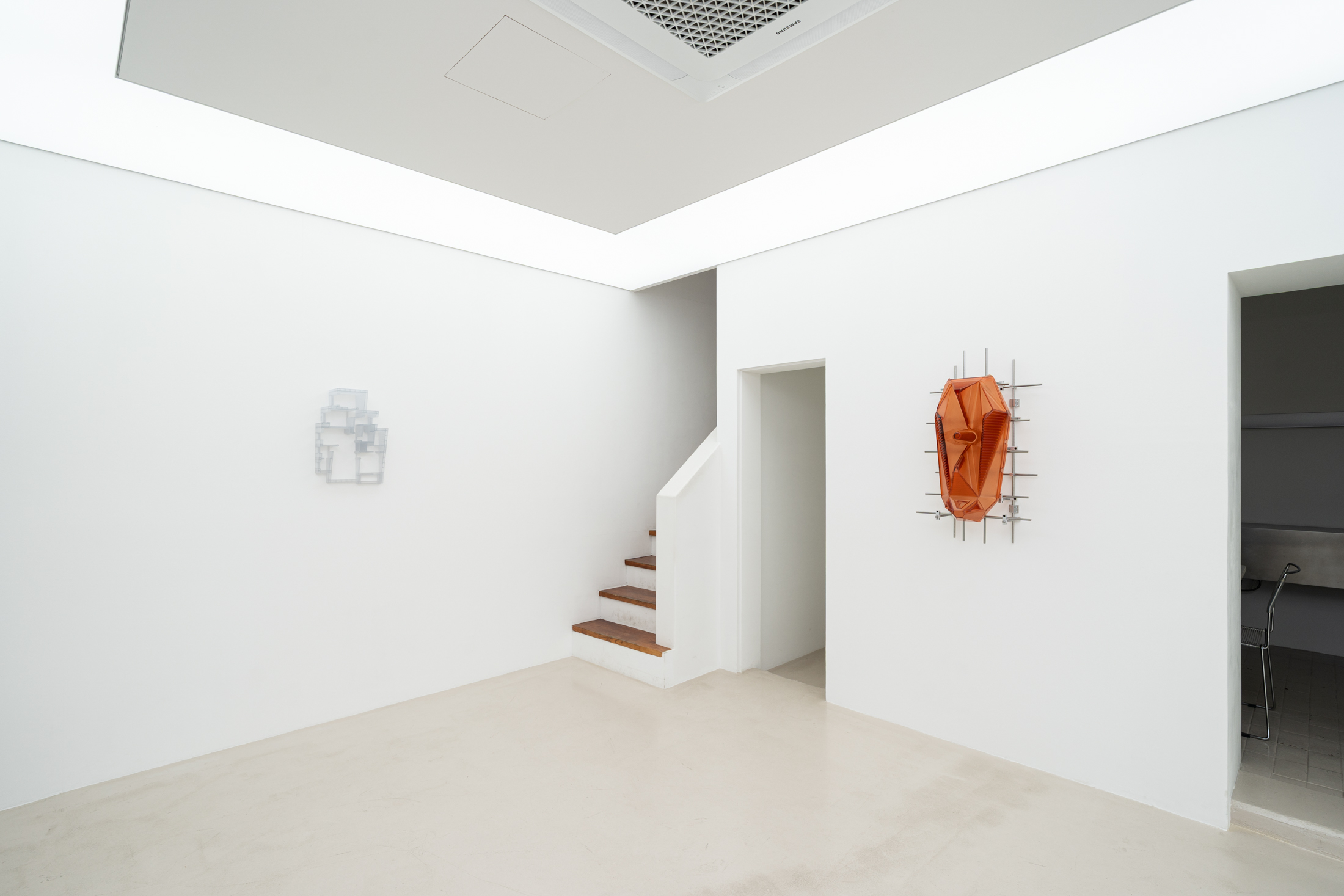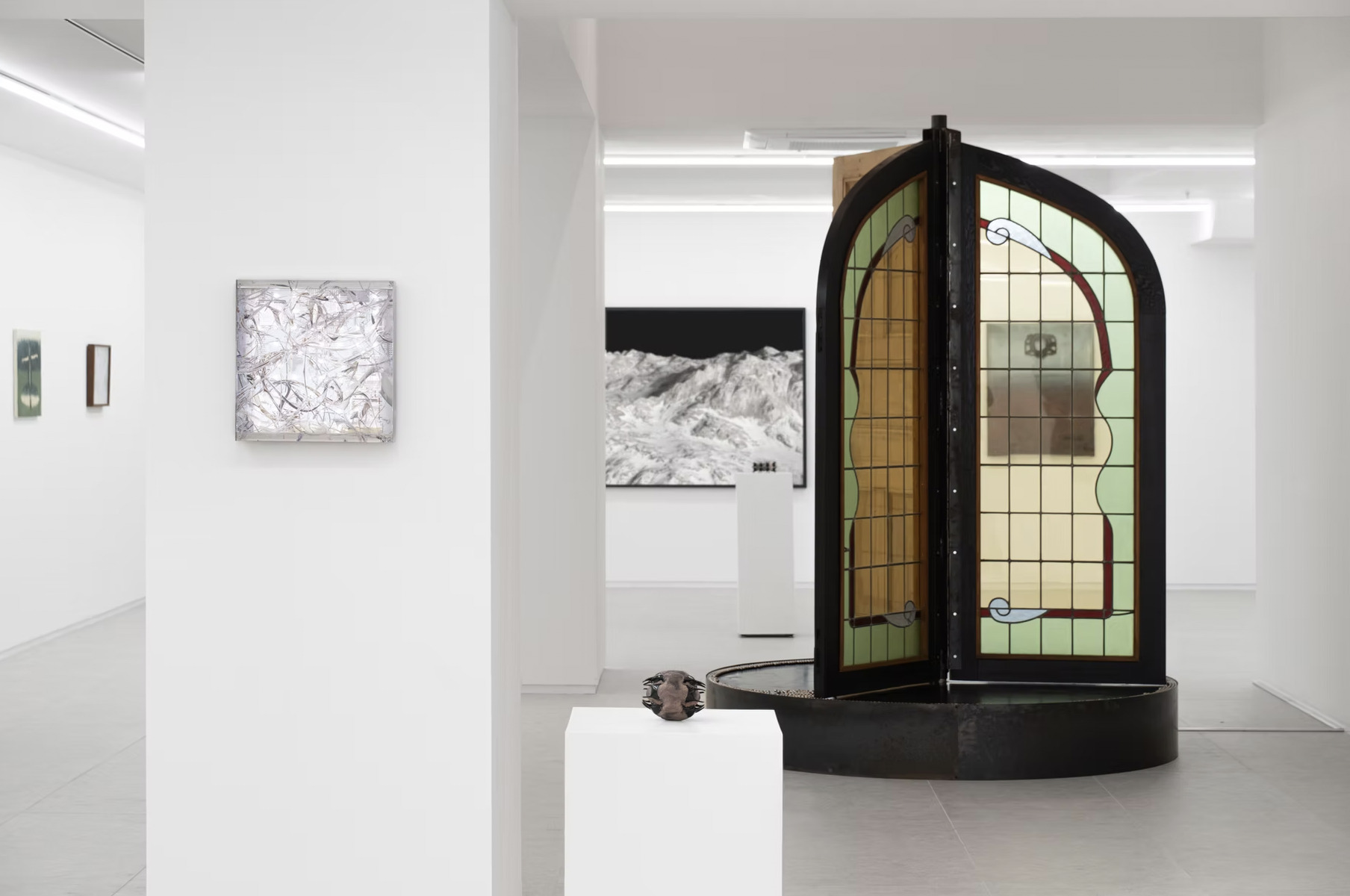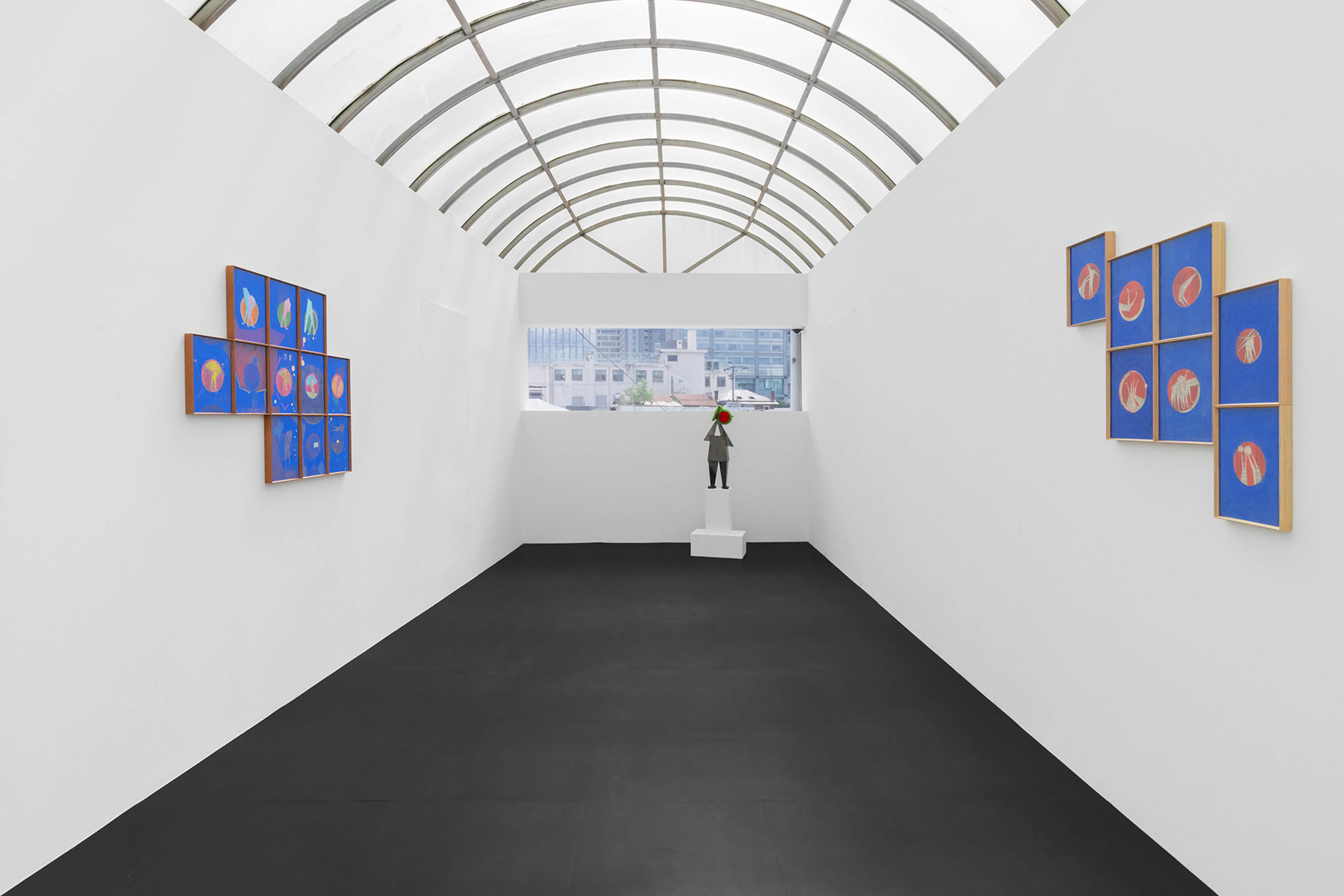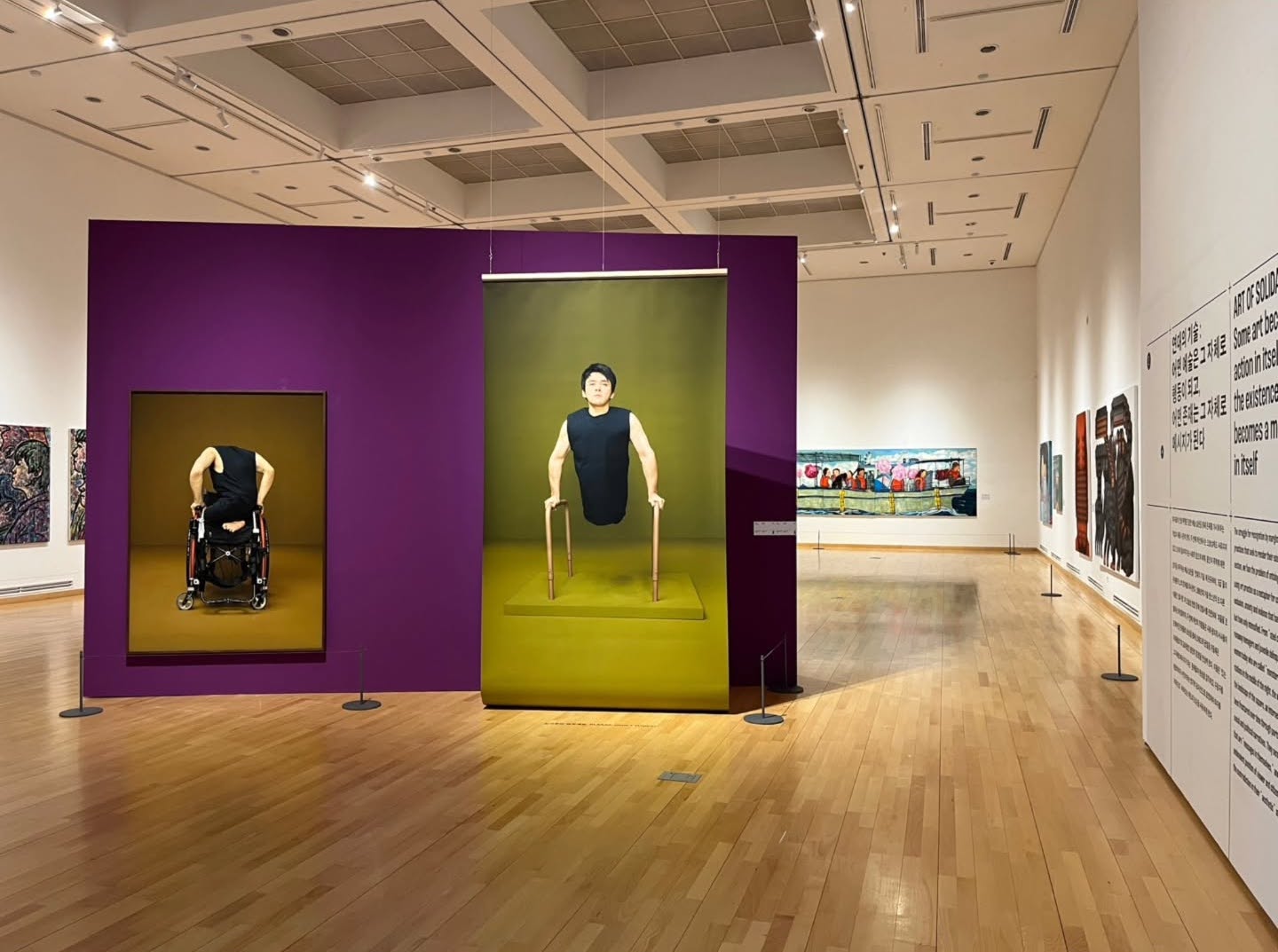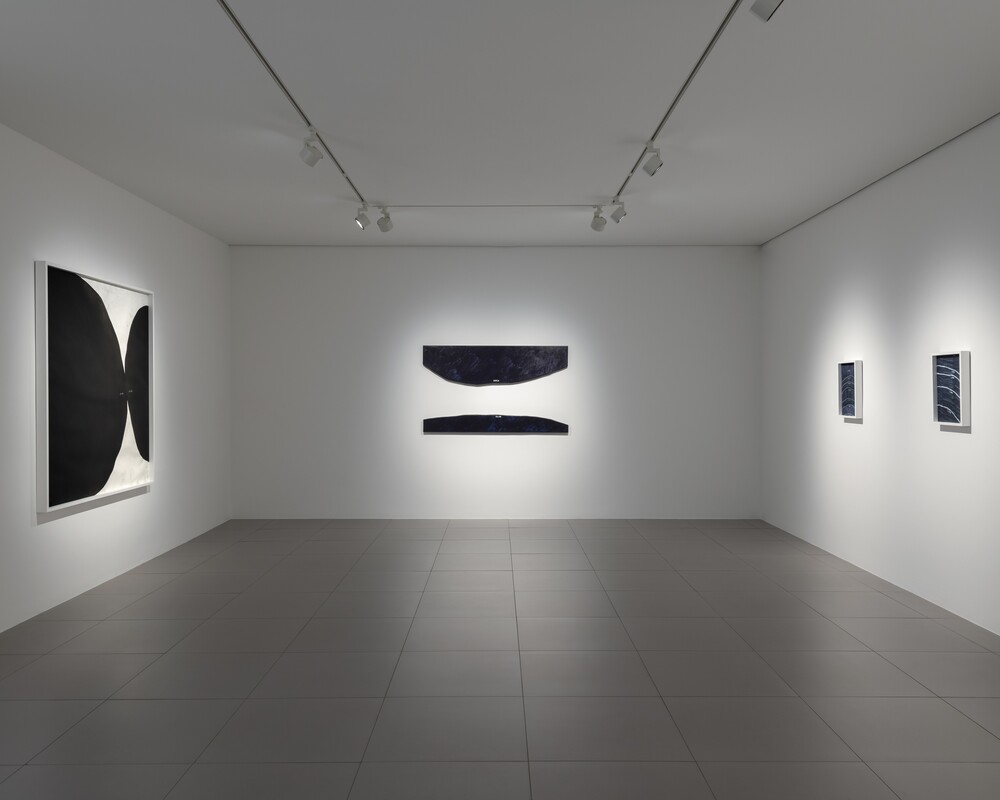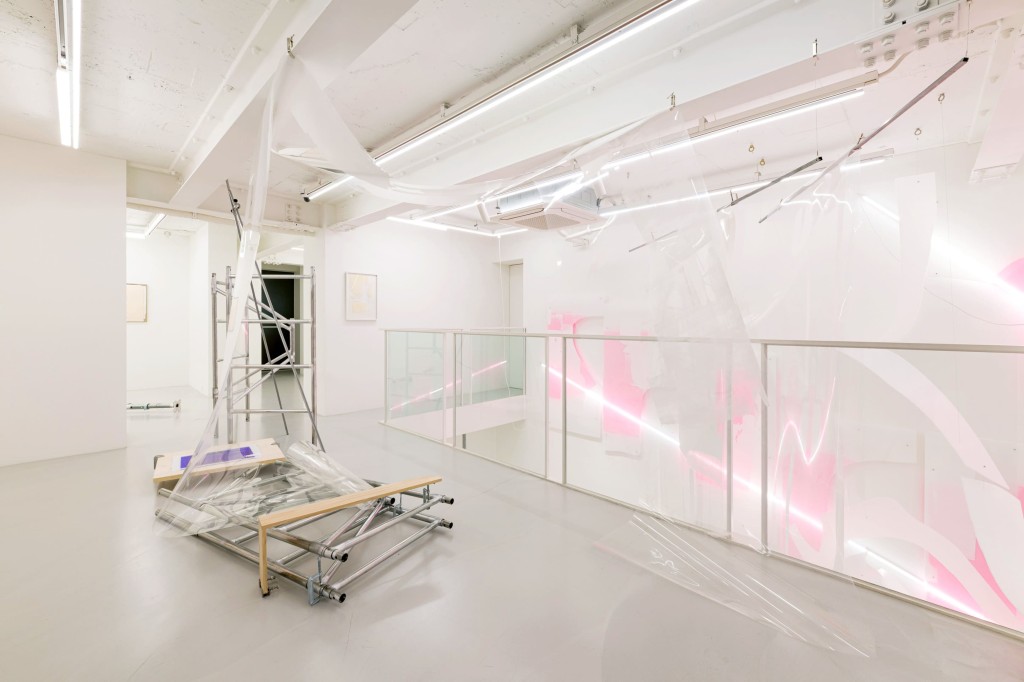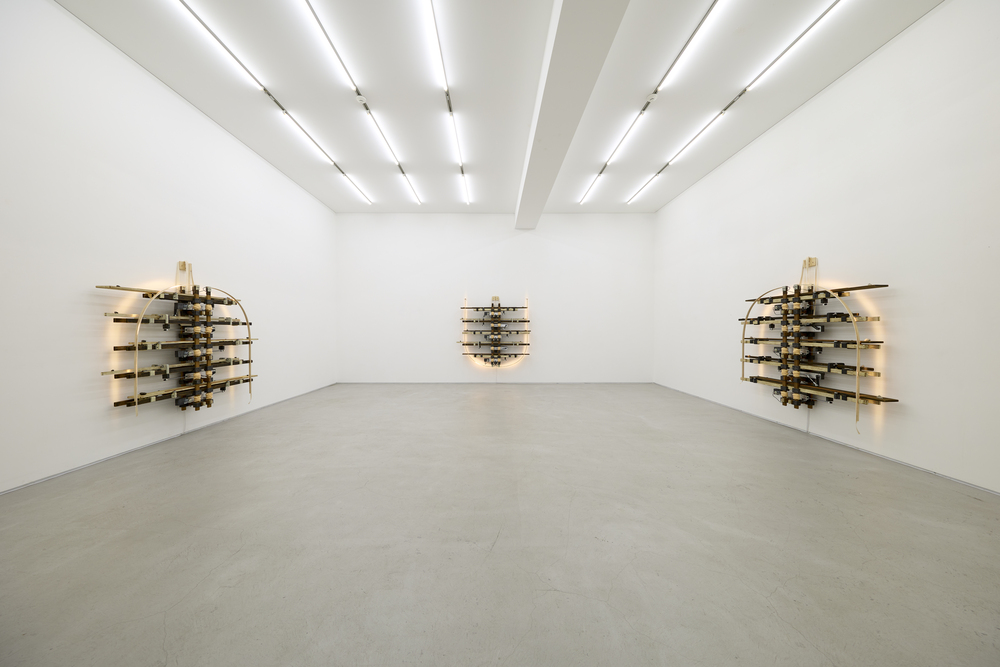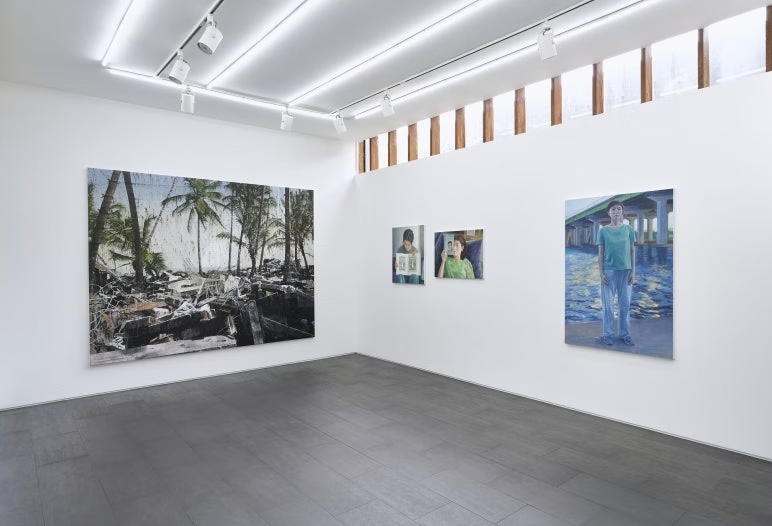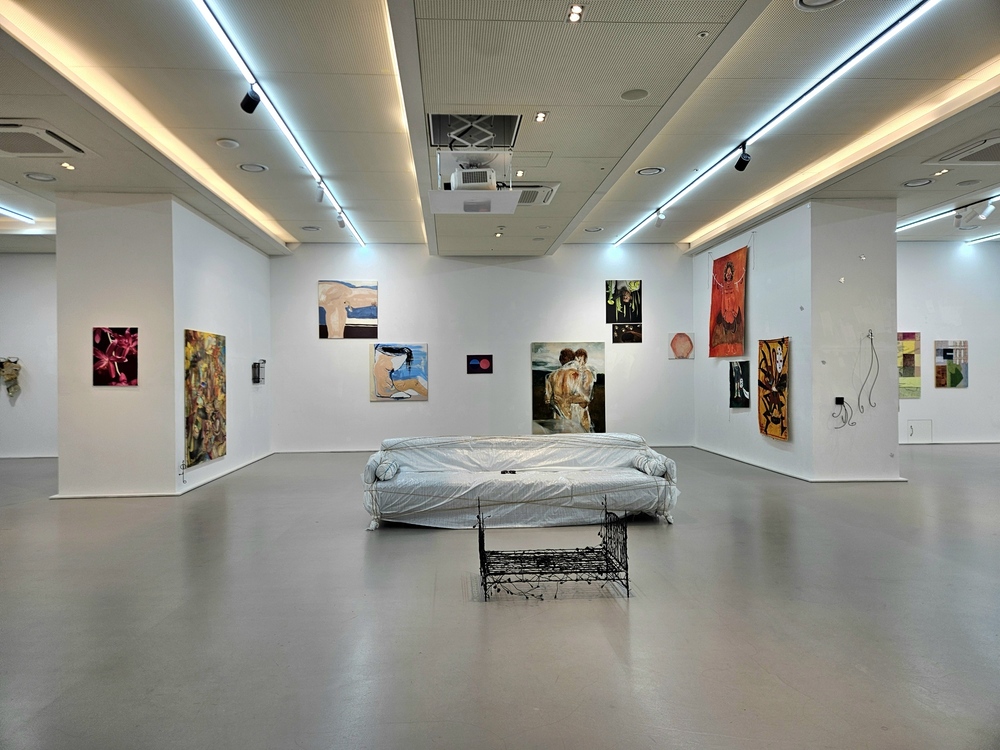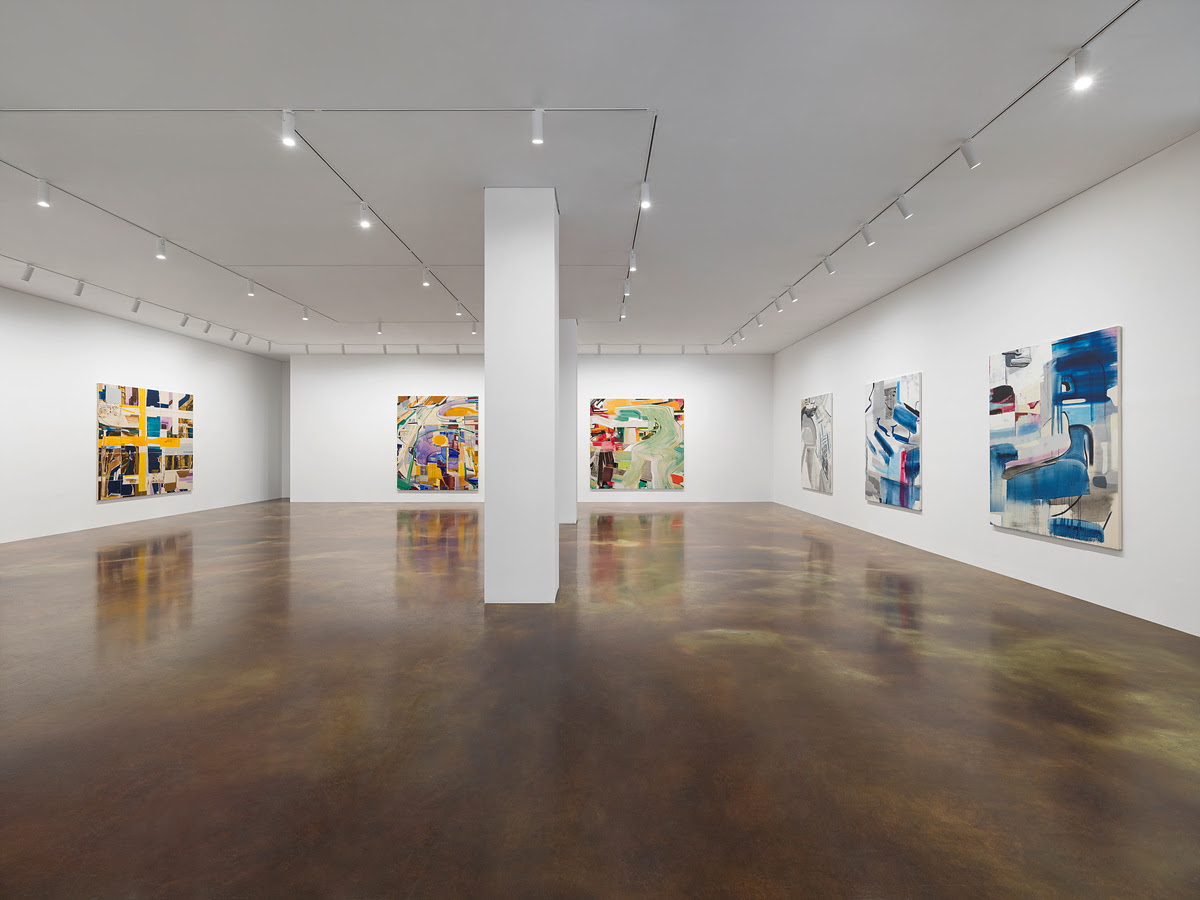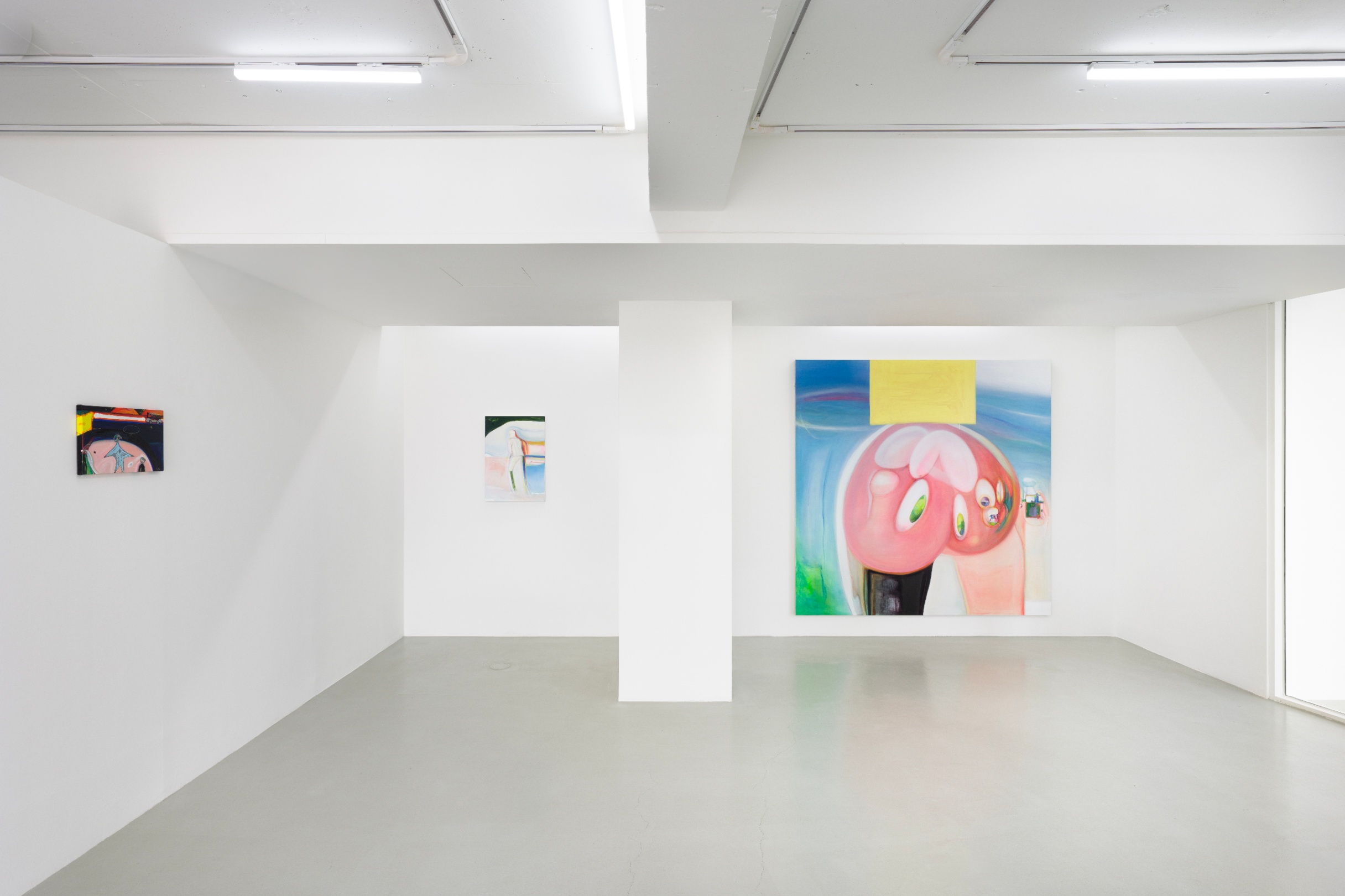

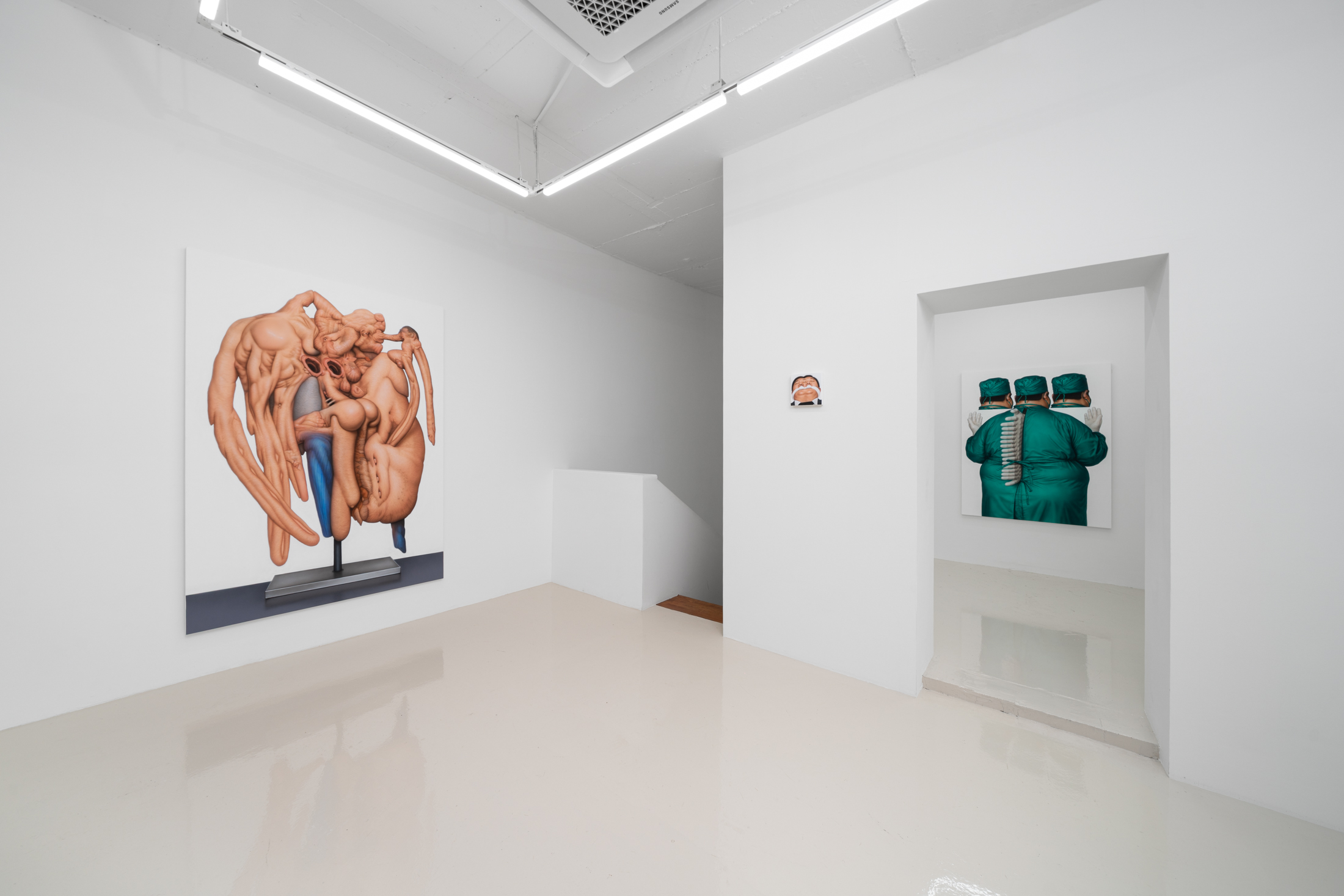
Installation view of 《Tolerance》 © WWNN
WWNN presents a solo exhibition 《Tolerance》, by artist Younguk Yi, on view
through October 3.
In engineering, "tolerance" denotes the permissible
boundary of variation between an ideal baseline and an empirical result. It
does not signify an operational failure of precision. Rather, it marks the
indispensable margin that allows any theoretical framework to negotiate the
contingent conditions of reality.
Younguk Yi's artistic practice begins precisely within this
paradox: total alignment can only exist in the abstract, and a system
interfaces with the world solely by conceding to a degree of discrepancy.
Error, therefore, is not a flaw to be calibrated away, but an inevitable
threshold where structure meets physical presence.
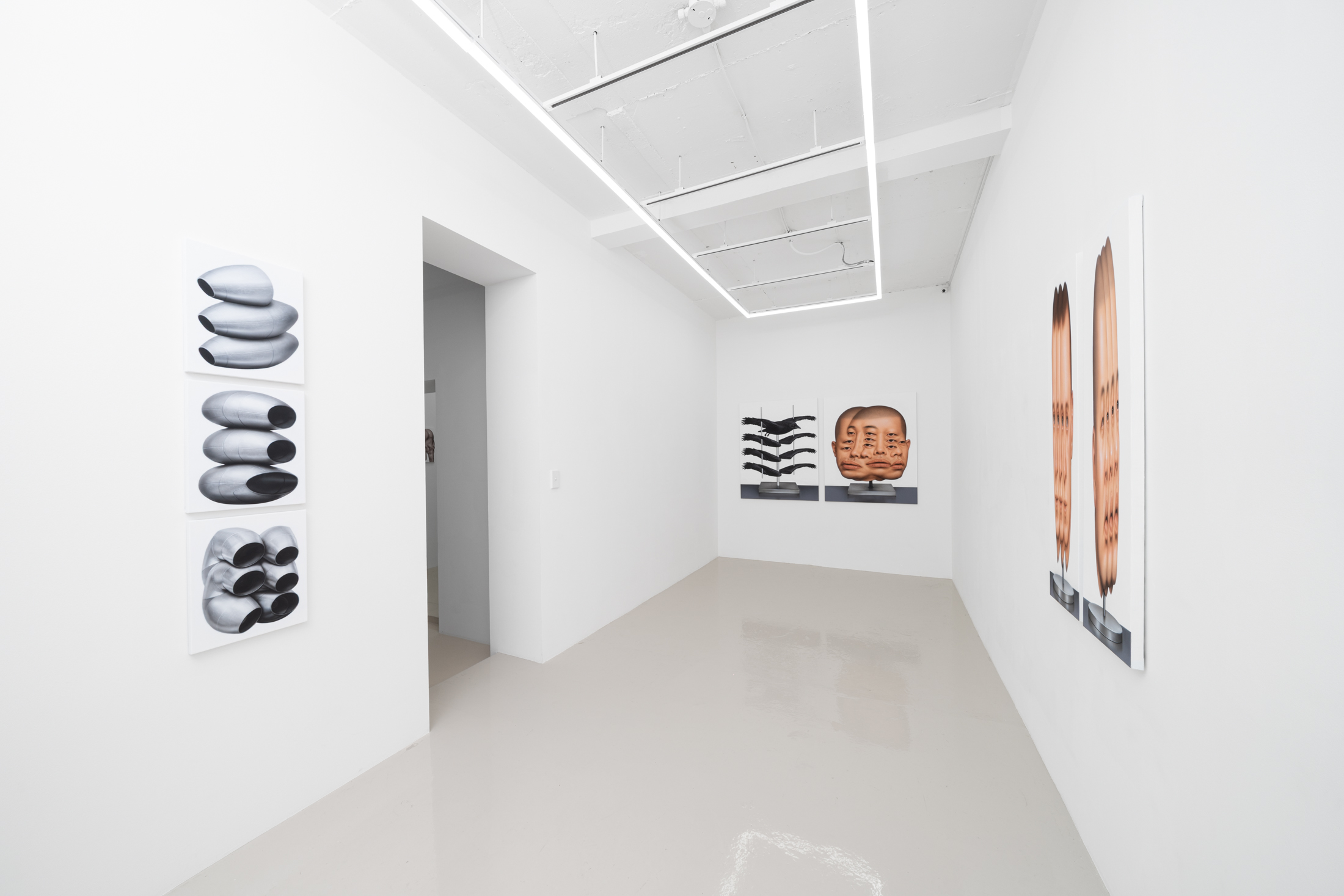
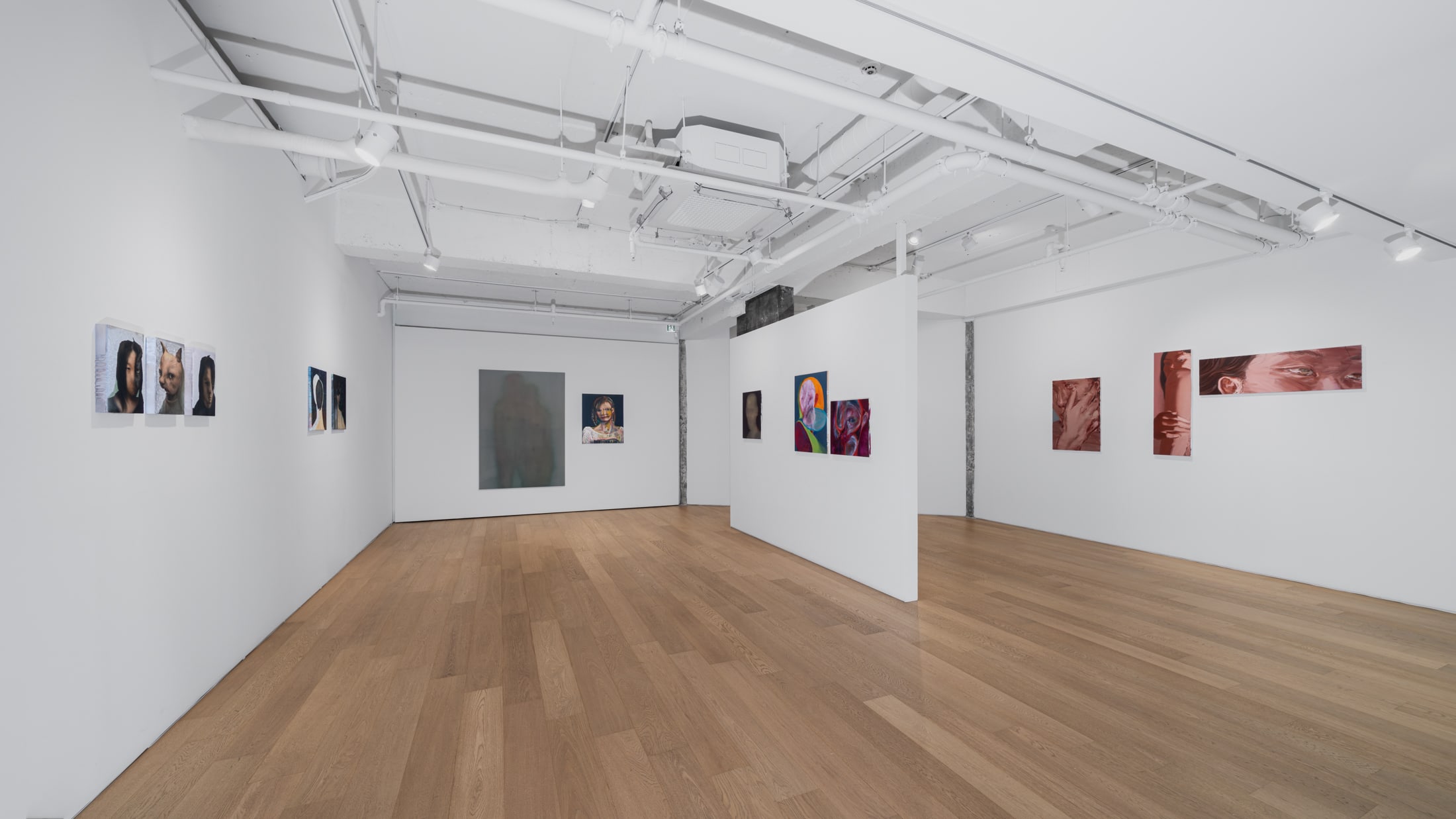
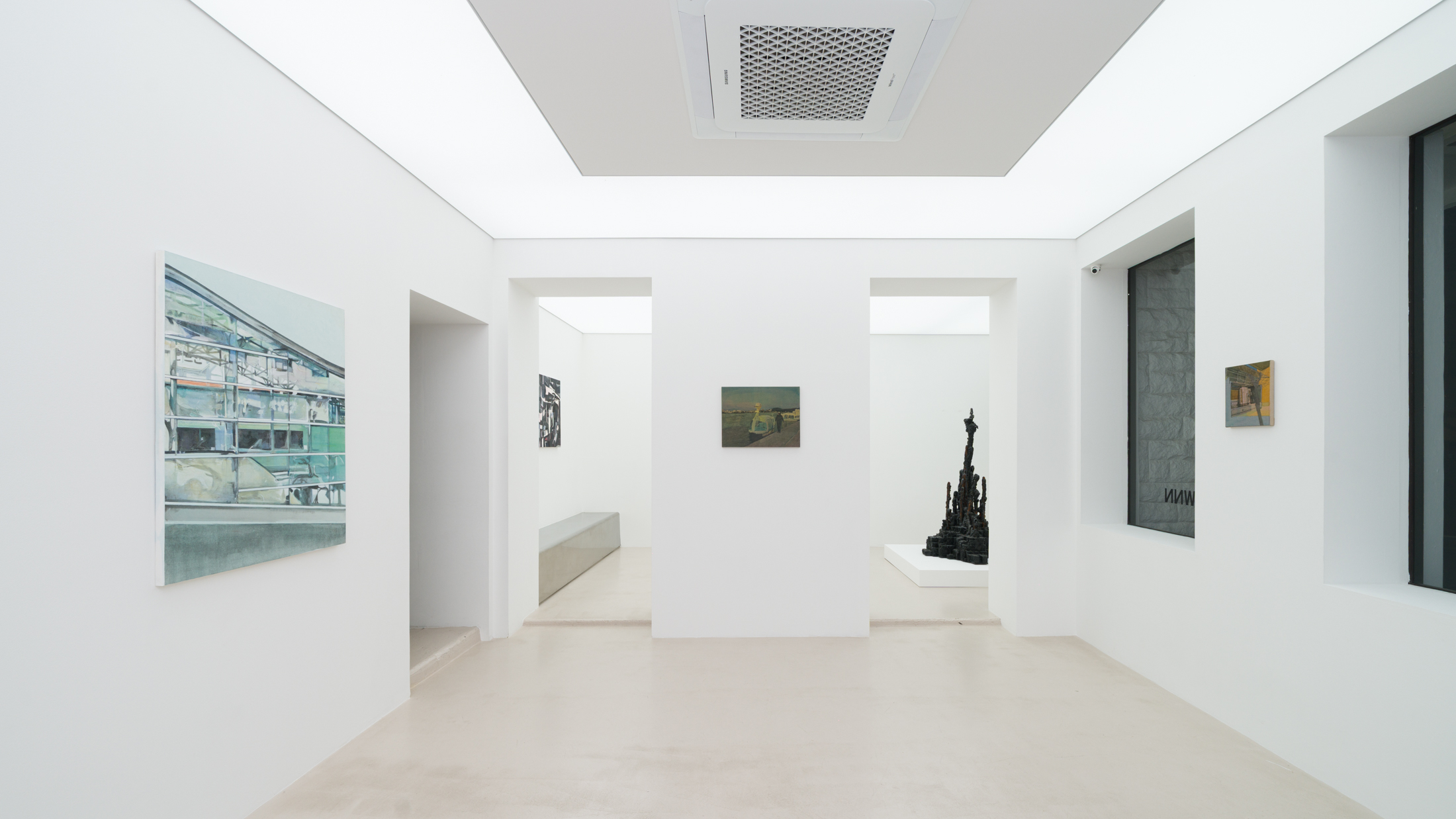
Installation view of 《Tolerance》 © WWNN
In 《Tolerance》, Yi transposes this conceptual principle from technical metrics to
the epistemology of human perception. While humanity relies on language,
architecture, and regulatory taxonomies to organize and classify experience,
the subjects these frameworks attempt to capture continually resist total
integration.
Affect, memory, and personal histories may be systematically
plotted, yet they refuse reduction to a singular, stable schema. Perception
necessarily structures its subject, but in doing so, invariably produces an
unassimilated remainder.
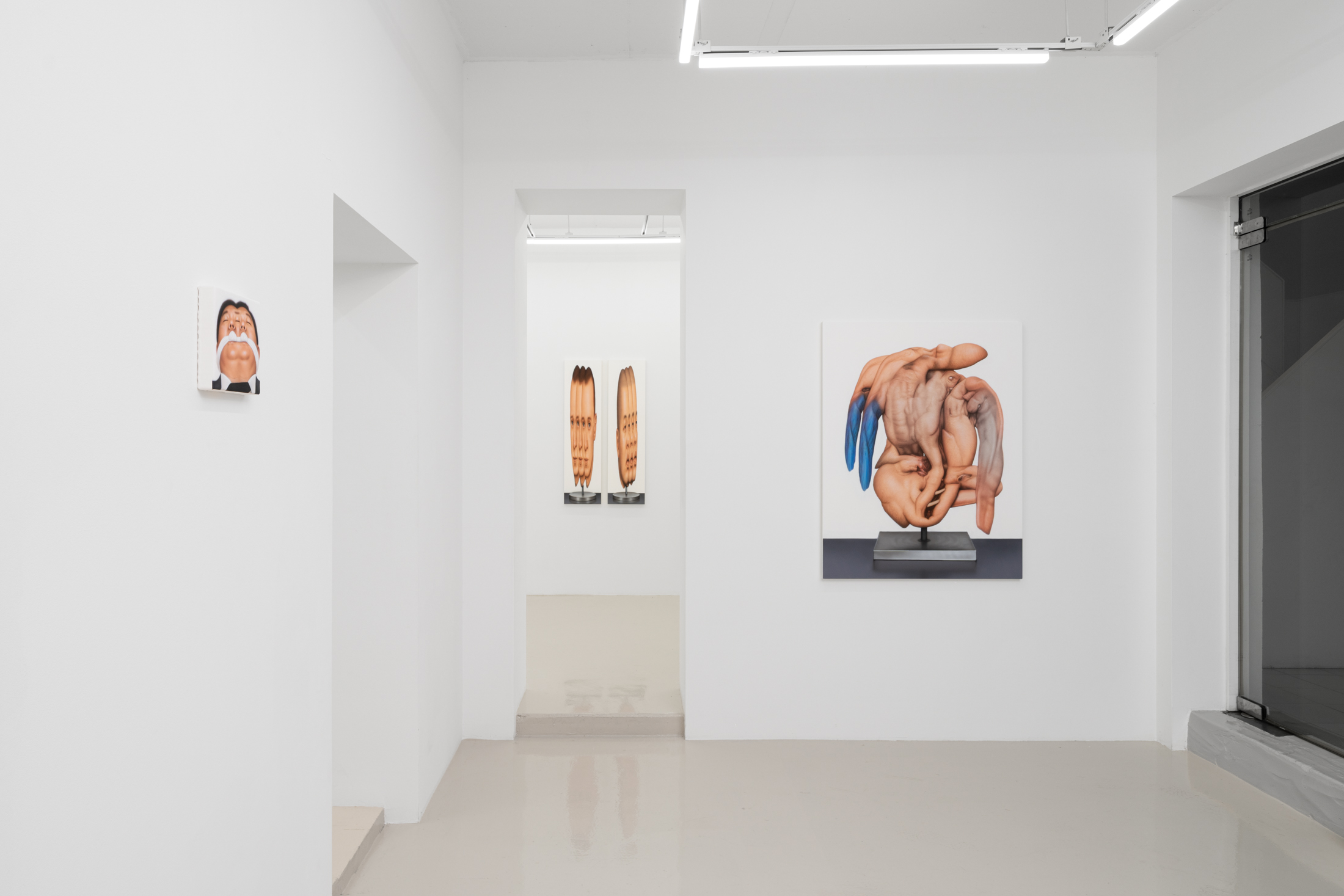
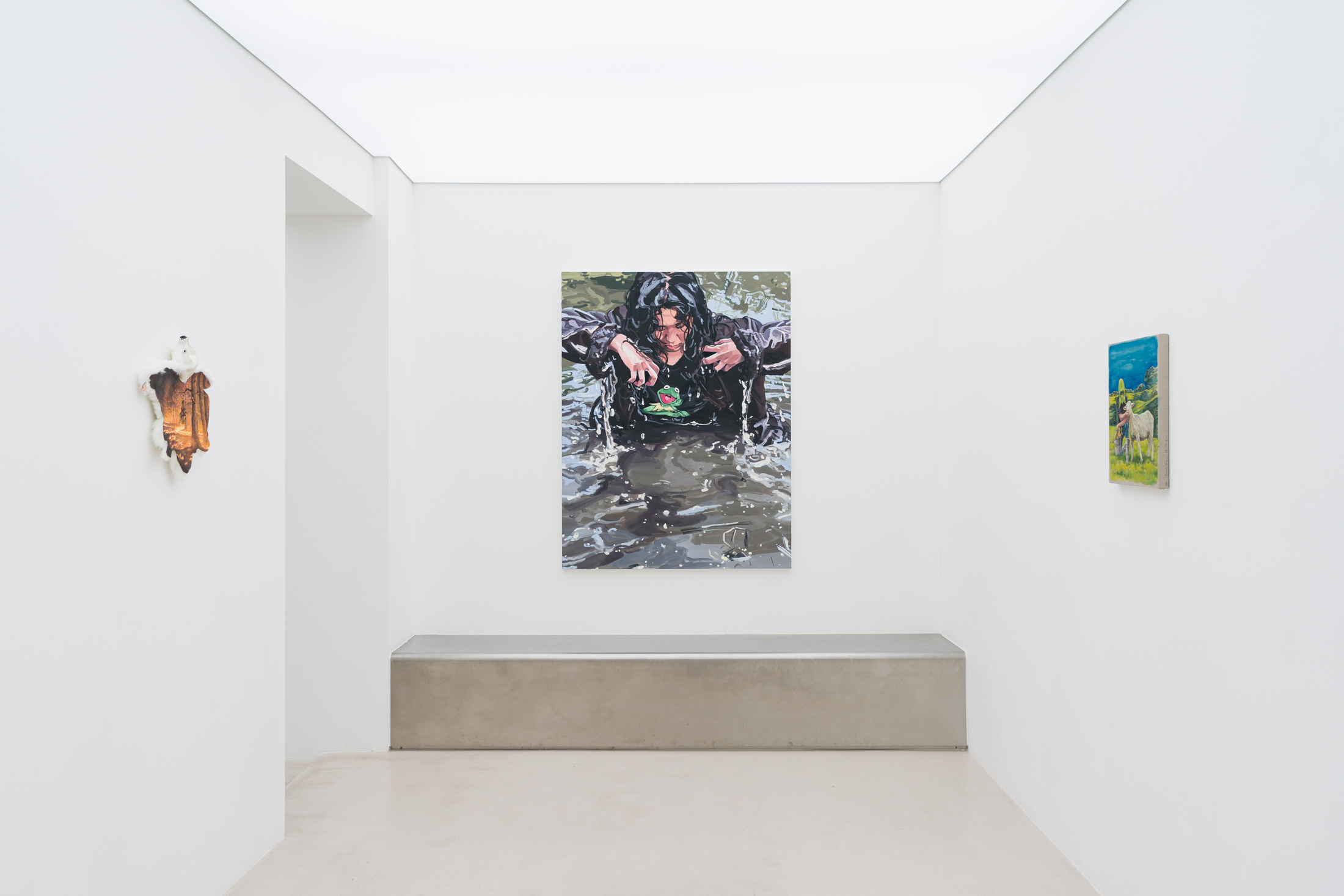
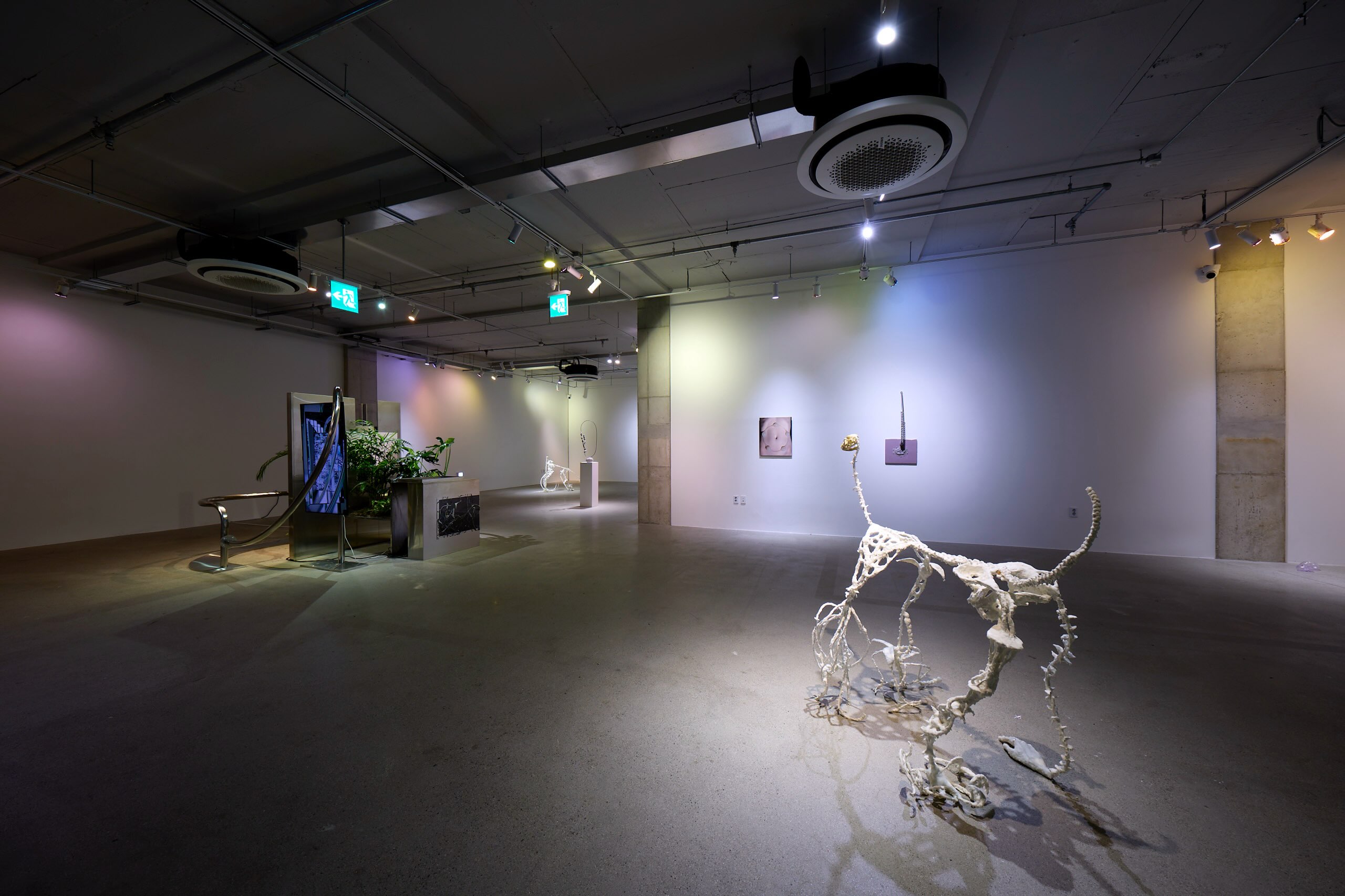
Installation view of 《Tolerance》 © WWNN
Ultimately, 《Tolerance》 does not aim to depict the human subject as a sealed, unified
identity. It investigates what our cognitive and organizational apparatuses
encompass, and inevitably, what escapes them.
By treating systemic imperfection not as an anomaly to be resolved
but as the generative condition for the image itself, the exhibition reveals
error as the vital distance through which lived experience remains open,
differentiated, and irreducible to totalizing explanations.