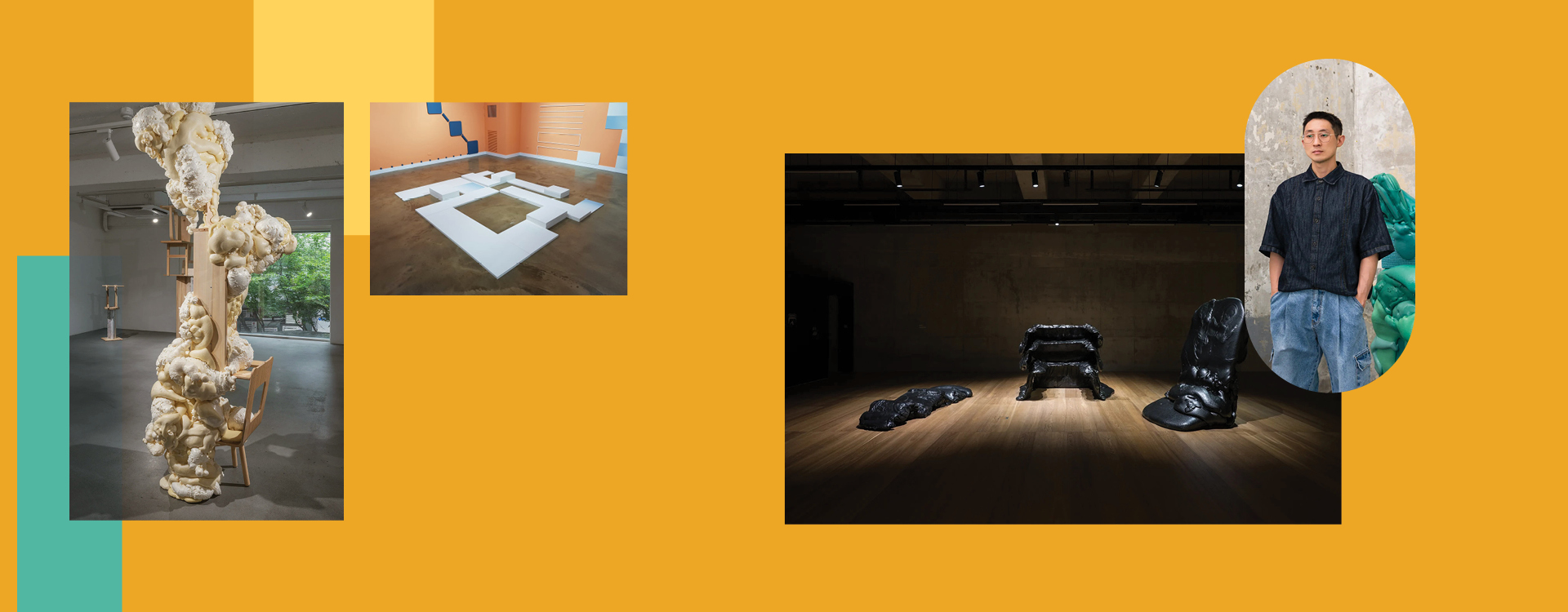

Kim Jung Eun (b. 1983) focuses on the
hybridity and fluidity of the city and its spaces, continuing to document and
visualize traces of vanished times and places through the flows of movement and
methods of mapping. In her practice, mapping movement involves translating
traces embedded in bodily experiences and memories into spatial forms and
transforming them into objects with volumes that can be physically moved.
Through this process, she moves across the
boundaries between past and present, and between physical and virtual
realities, reconstructing in sculptural form how temporality and spatiality
become intertwined and superimposed within urban space through movement and
events.
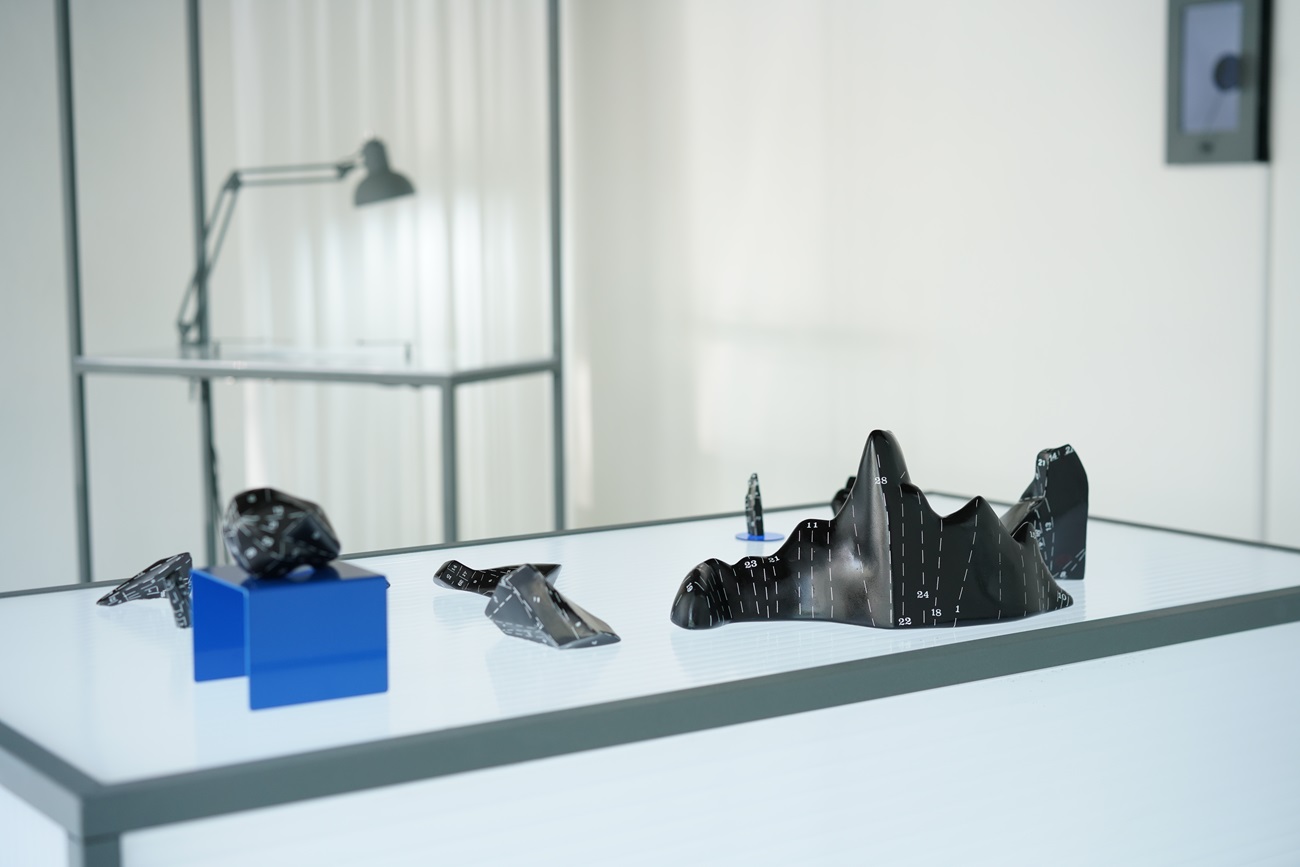
Installation view of 《prototype overlay mapping》 (Keep in Touch, 2024) © Kim Jung Eun
Kim Jung Eun maps sensations and residual
elements of the city that are difficult to reduce to numbers or coordinates,
capturing them through the process of walking through and physically
experiencing urban spaces.
Conventional maps eliminate and exclude
unnecessary elements in order to systematically organize space and efficiently
represent routes of movement. The artist, however, focuses instead on
purposeless movements, detours and repetitions, and irregular sensations that
remain beyond the scope of such systems.
Taking these as new cartographic legends,
she reconstructs urban experiences and memories that are difficult to capture
through conventional mapping systems into sensory maps.
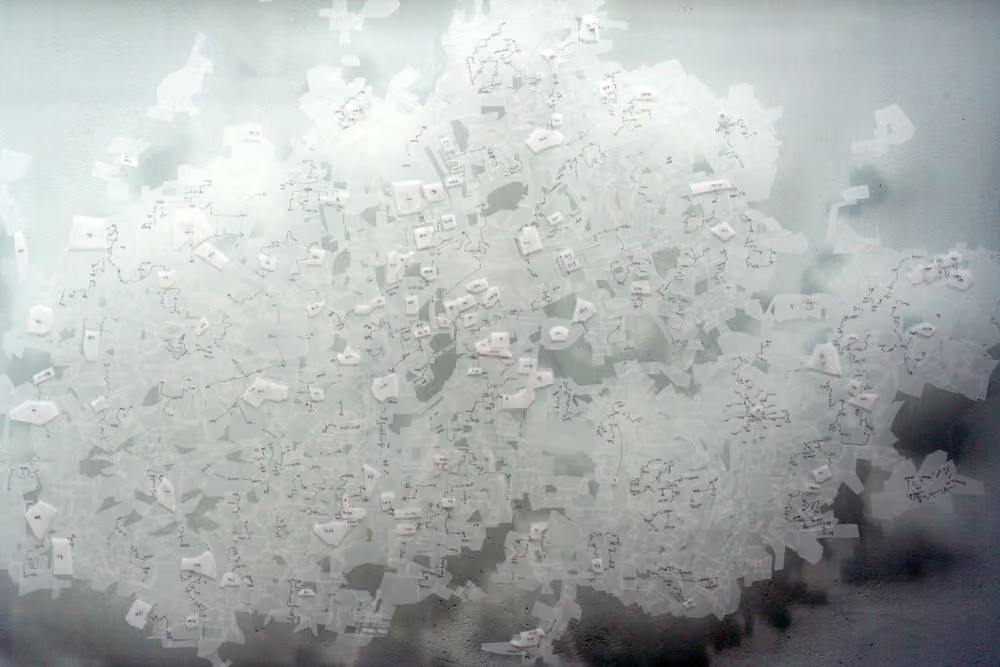
Kim Jung Eun, Floating Place; mapping, 2015, Tracing paper, pencil drawing, 190x10.5cm © Kim Jung Eun
Since 2014, Kim Jung Eun has developed her
practice around the concept of “movement.” In her 2015 solo exhibition 《Self;mapping_Movement of Memory, Memory of Movement》, she presented subjective sensory maps based on her own routes of
movement and places that remained in her memory.
Kim Jung Eun selected and extracted places
from maps that were intertwined with her personal experiences and memories,
transforming them into diverse forms, including drawings, books containing
diaries and drawings, structures made from cut paper, and three-dimensional
epoxy works.
Although these works were based on actual
maps without altering their numerical data, the artist went beyond simply
reproducing maps. By representing traces of memories overlaid with bodily
experiences, she created maps that are both objective and, at the same time,
deeply subjective.
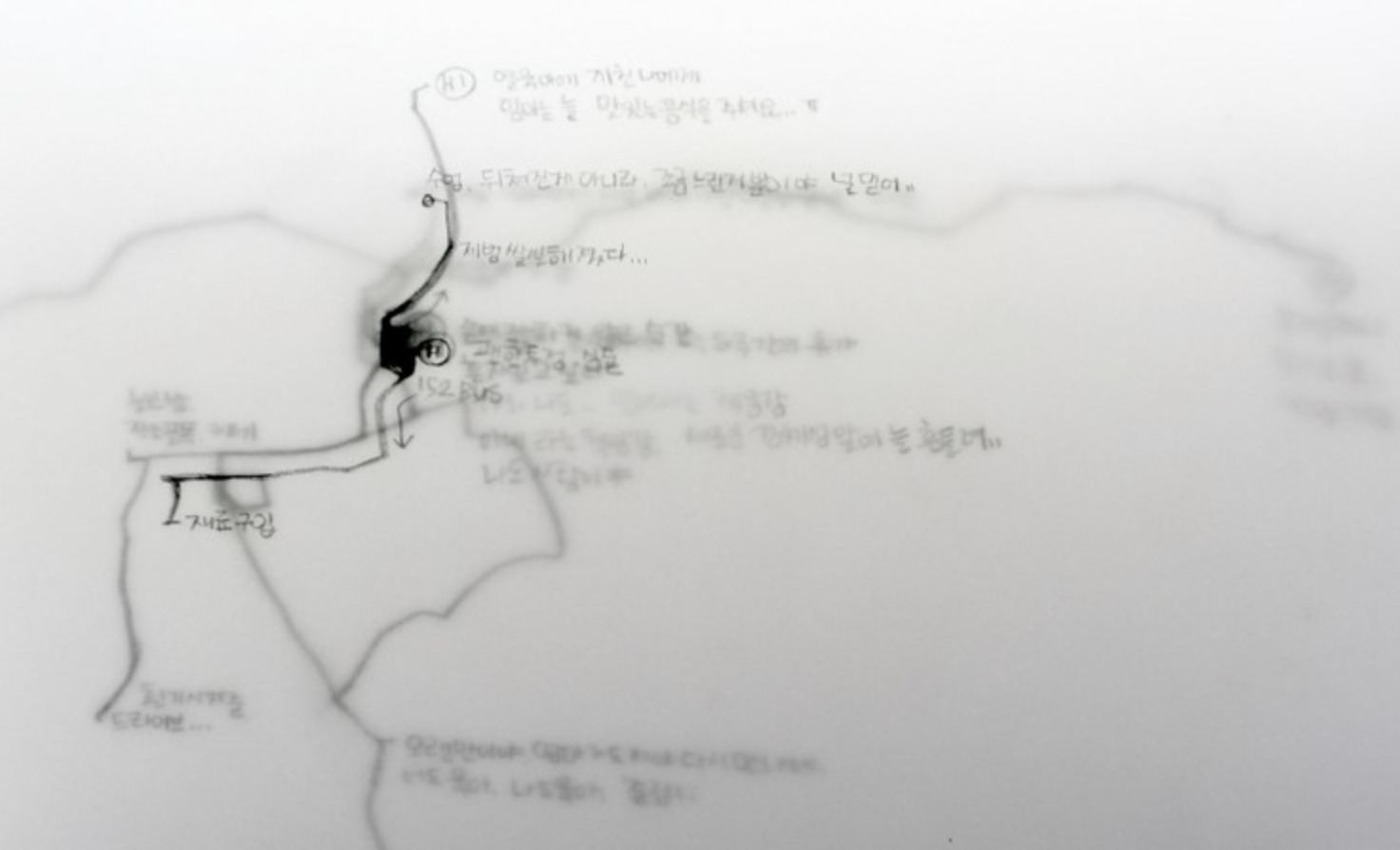
Kim Jung Eun, Self Mapping 141003-150405 (detail), 2015, Tracing paper, A4 print 6ea, pencil drawing Dimensions variable © Kim Jung Eun
For example, Self Mapping
141003–150405 (2015) consists of several books made by extracting the
routes the artist traveled in her everyday life from maps and representing them
as lines. Alongside documenting these routes, she recorded the small events and
emotions she experienced while moving through each place, layer by layer, on
individual sheets of thin tracing paper in the form of diary entries.
Tracing paper is one of the key materials
in her practice. Its thin, translucent physical quality, through which what
lies beneath is subtly visible, emphasizes how memories associated with
particular places overlap and become blurred, while also being recombined from
the perspective of the present.
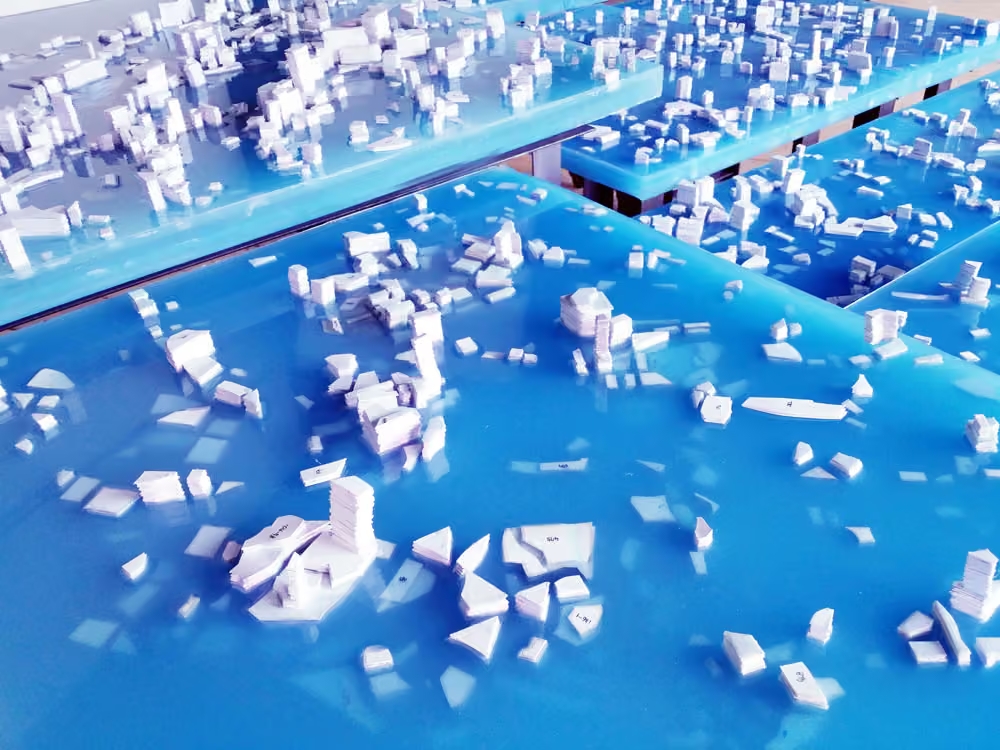
Kim Jung Eun, Floating Place_coordinate uneasy (detail), 2015, Cut graph paper, epoxy, Dimensions variable © Kim Jung Eun
Her exploration of place extends into the
three-dimensional work Floating Place_coordinate uneasy
(2015). For this work, she selected spaces she had traveled through from maps
and arranged them using epoxy and graph paper, resembling an architectural
model.
Although the names and street addresses of
the places are specified, the process of randomly recombining them produces an
entirely new urban topography that bears little resemblance to reality. The
three-dimensional forms set on the blue epoxy surface symbolize islands
floating on the sea, evoking the idea of a “sea of the mind.”
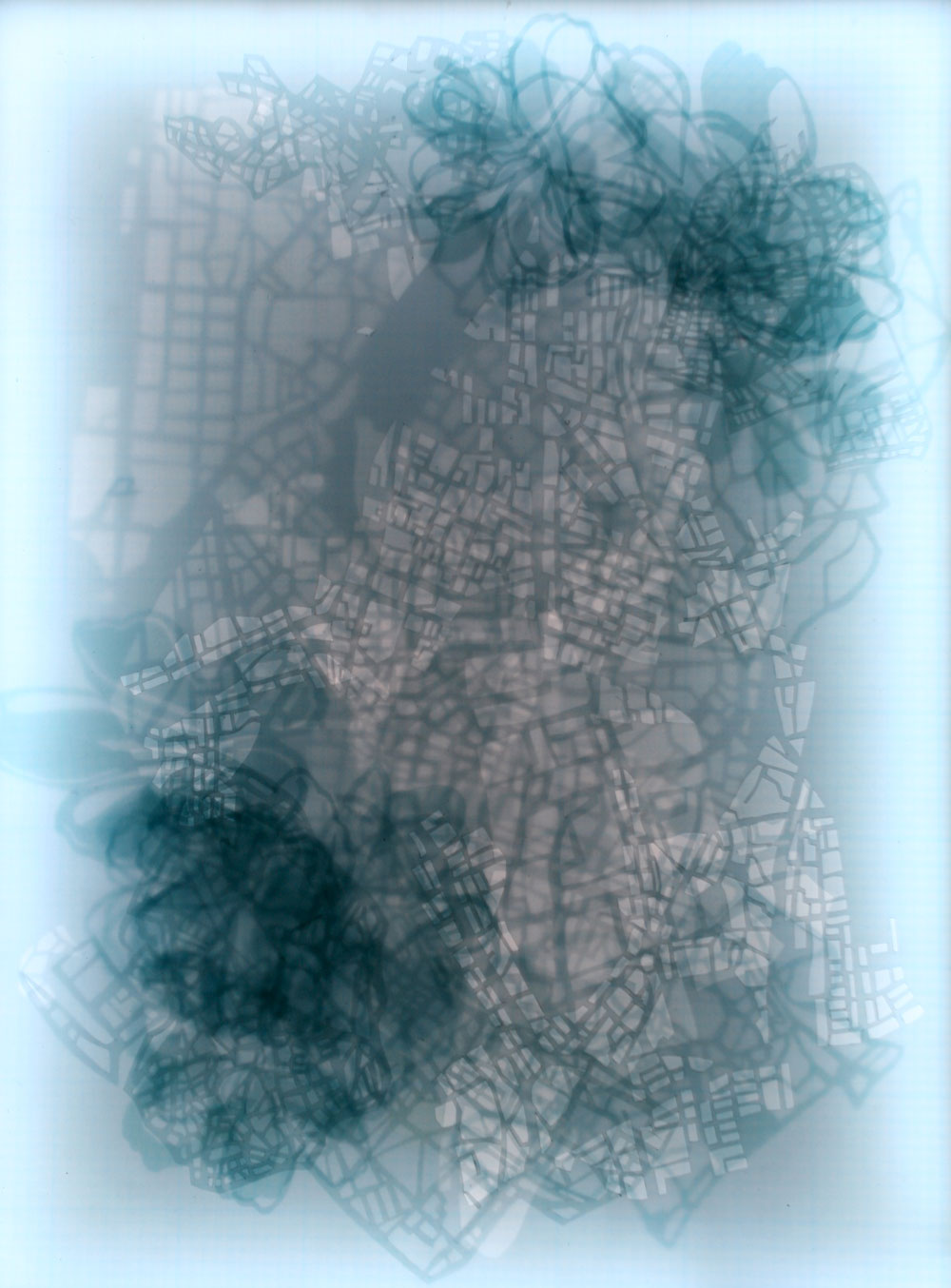
Kim Jung Eun, Floating Place_coordinate uneasy (detail), 2015, 15 sheets of tracing graph paper, hand-cut, light Box, 59x45cm © Kim Jung Eun
Kim also emphasizes the faint memories and
emotions associated with place through the use of light. In Flowers
Map (2015), she traced maps onto multiple sheets of tracing paper,
overlaid them with floral motifs, and layered the sheets inside a light box.
As flowers bloom and fade, the work evokes
the way thoughts shift and memories accumulate through movement from one place
to another.
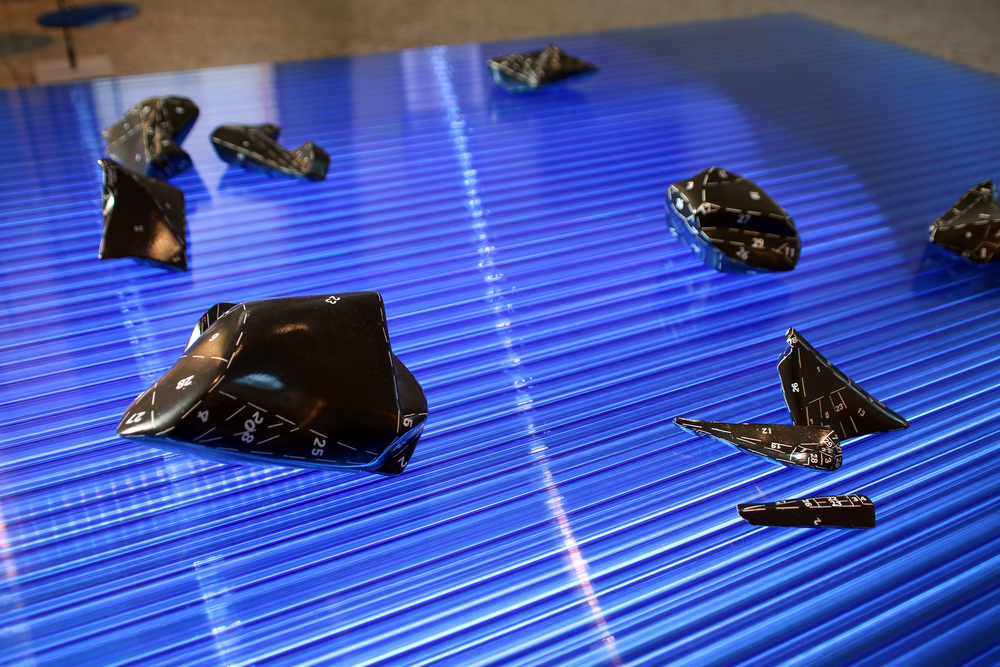
Kim Jung Eun, Self Mapping_Memory of Space, Fragments of Time (2015.09-2018.08_3year), 2019, Mixed media, Dimensions variable © Kim Jung Eun
As suggested by the title of the
aforementioned exhibition, Self Mapping, the point of reference in Kim Jung
Eun’s mapping practice is her own body and experiences. Recording the number of
steps by setting her own stride as the basic unit of measurement, representing
buildings along the routes she chooses as small three-dimensional forms, and
extracting and documenting specific colors all take the self as a point of
reference while remaining grounded in factual data.
Thus, even when she walks the same distance
every day, variations arise depending on the time taken, the places where she
pauses, and the number of steps she takes. Paradoxically, it is these
discrepancies that produce the most truthful maps.
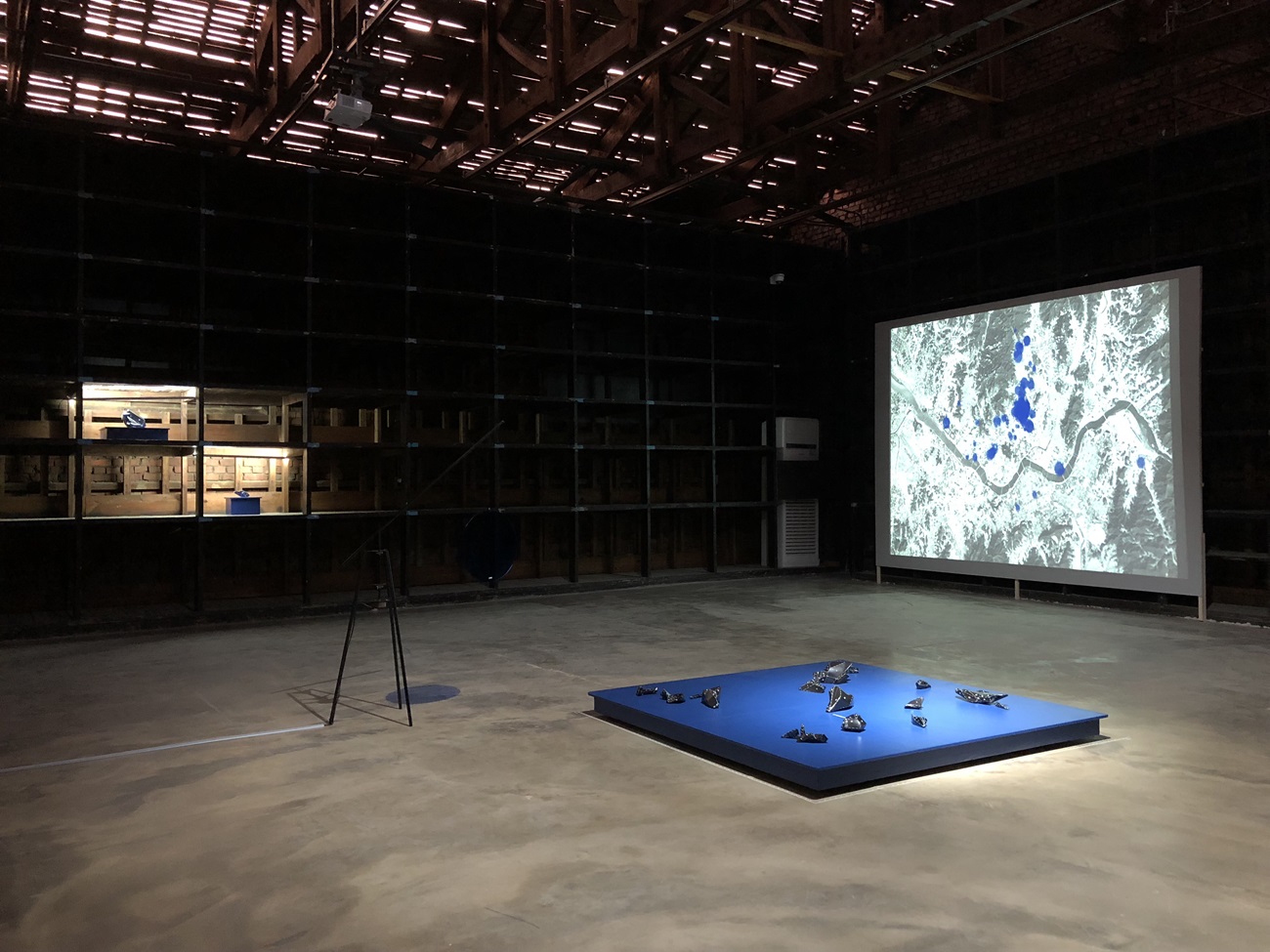
Installation view of 《BLUE DOT :37’35’02.8”N 127”01’21.6”E》 (SeMA Storage, 2018) © Kim Jung Eun
Kim Jung Eun’s mapping practice, which
explores the relationship between place and her own body, has continued to
expand in diverse ways. First presented in her 2018 solo exhibition 《BLUE DOT : 37’35’02.8”N 127°01’21.6”E》, the
‘BLUE DOT’ series begins with the archiving of movement records and develops
the artist’s “self-mapping” through the multilayered integration of video,
sculpture, and kinetic elements with space.
The BLUE DOT series is based on
approximately three years of the artist’s movement records. However, the
specific information that constitutes the routes has been erased, and each
month’s records are transformed into an abstract three-dimensional form.
The trajectories of movement tracked by
satellite appear as blue circles of varying sizes and intensities, transforming
the data into images reminiscent of a kind of “cosmic landscape.”
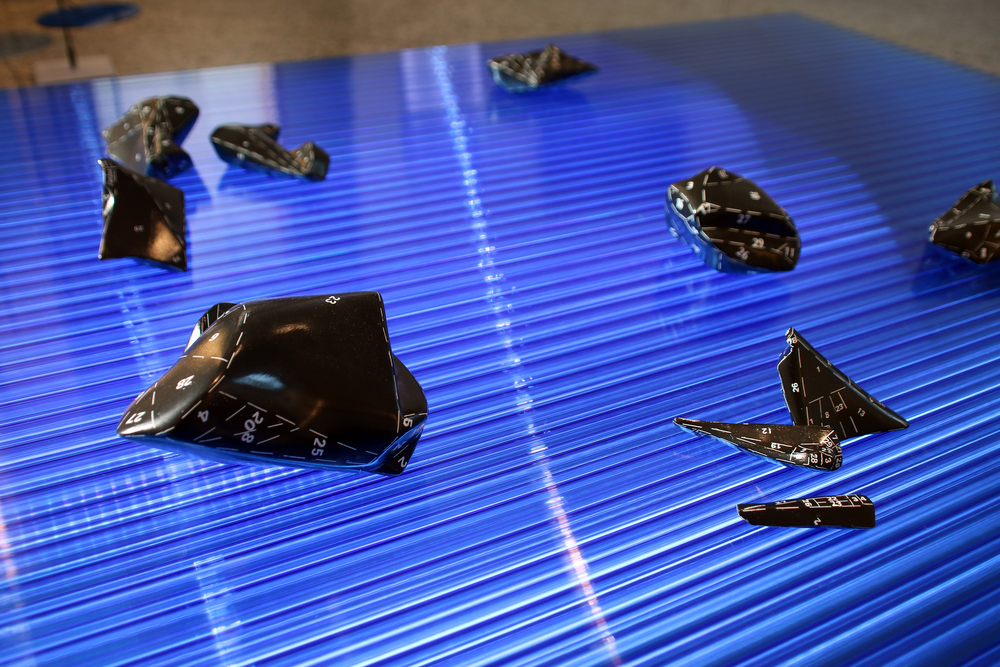
The works include kinetic installations in
which slender structures move while connecting or supporting blue surfaces;
objects reminiscent of meteorites, blackened as they travel through space and
pass through the atmosphere; and videos that display the artist’s movement
trajectories in real time. In this way, disparate media and elements transform
records of movement from mere information into a sensory and sculptural
experience.
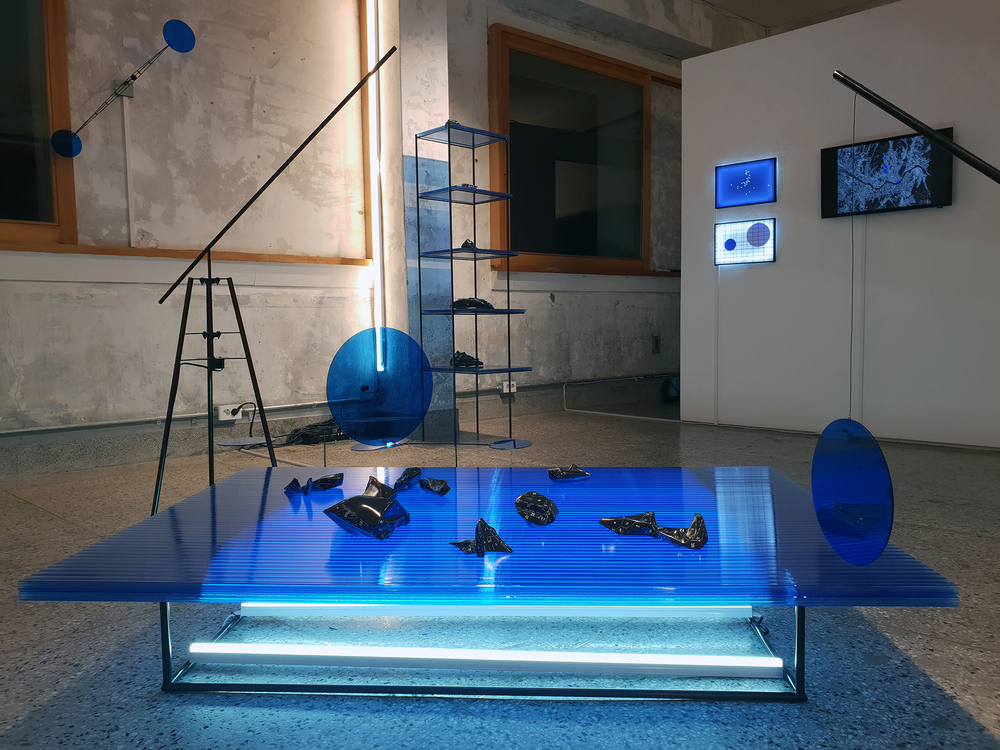
Installation view of 《BLUE DOT 36”》 (onground2, 2018) © Kim Jung Eun
This exploration was further expanded in
the 2018 solo exhibition 《BLUE DOT 36”》, held at onground2. The exhibition presents a new sculptural space
shaped by the transformation and reconstruction of information about cities and
spaces that the artist experienced firsthand as it passed through the body and
memory. Information about the city gleaned from maps undergoes an internal
transformation through the artist’s experience and is translated into a
different form.
Sound and kinetic elements are actively
employed throughout the exhibition, introducing a sense of temporality through
movement. Elements moving at different speeds and scales create seemingly
chaotic scenes on the surface, yet within them, a certain order and structure
emerge through repetition and relationships.
This structure also resonates with the ways
in which individuals, living their lives across different modes and levels,
form relationships with one another within the social rules established by
institutions and categories.
By translating records of movement and
experience into a sculptural language, Kim Jung Eun thus views the city not as
a fixed space, but as a fluid place that continuously changes according to the
body, memory, time, and relationships.
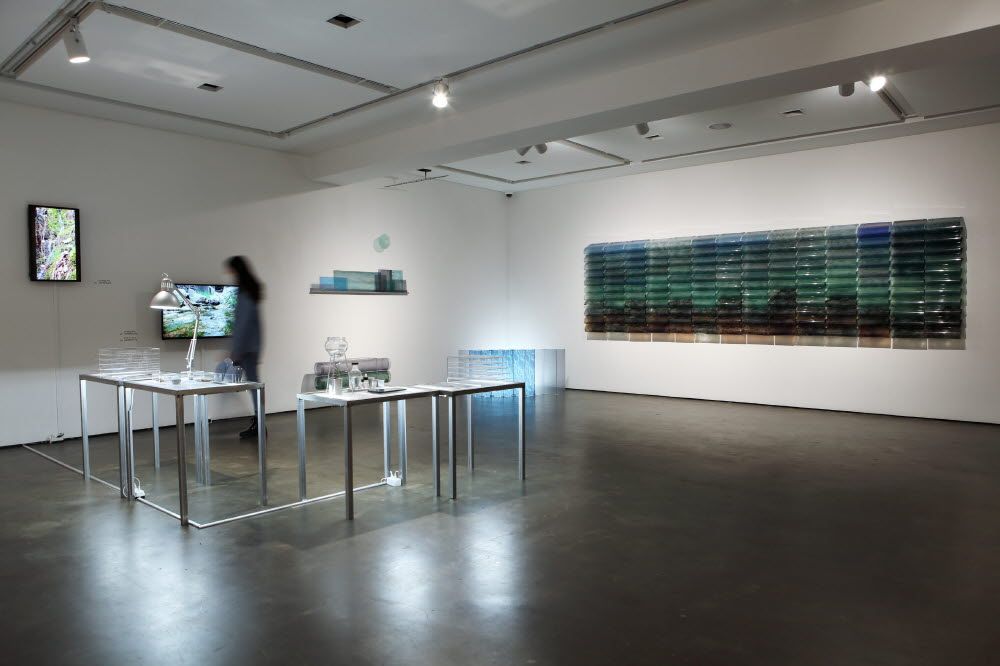
Kim Jung Eun, ‘Intersection Map Project’, 2020, Installation view of 《Cre8tive Report》 (OCI Museum of Art, 2020) © Kim Jung Eun
Meanwhile, in the ‘Intersection Map
Project’, presented in 2020, the artist traced Seoul’s disappeared roads in an
attempt to investigate the histories of paths that no longer exist but have
been forgotten amid historical and urban transformations.
Based on records of paths once created and
used by people in the past, Kim Jung Eun visualizes the temporal depth embedded
within space and seeks to uncover the historical narratives contained within
it.
The project begins with researching
vanished waterways and marking them on maps. The artist walks along routes that
were once streams but have since been transformed into roads, incorporating
natural and man-made objects collected along the way into her works. The
accumulated traces of movement, place, records, time, and space gather and
build up within the work, forming layers of time.
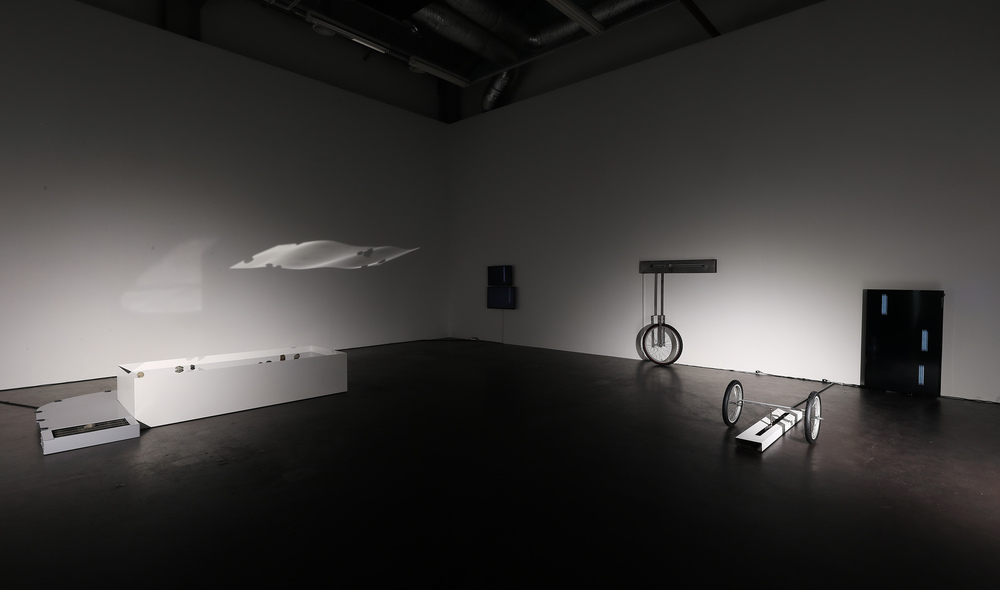
Installation view of 《Dorr dorrrr》 (Incheon Art Platform, 2022) © Incheon Art Platform
In her 2022 solo exhibition 《Dorr dorrrr》, Kim Jung Eun turned her
attention to the narrowed routes of movement and the everyday landscapes newly
encountered within them as physical mobility became restricted during the
COVID-19 pandemic.
The artist reconstructed objects she
happened to encounter while walking during the pandemic into sculptures imbued
with movement, while visualizing the sounds collected from the objects and the
spaces in which they were situated through sonic and sculptural elements.
Through this process, she approached the
act of “movement” itself as a sculptural attitude, seeking to give form to the
processes through which movement and motion occur.
The exhibition’s title, Dorr dorrrr, evokes
the movement of something rolling and the sound produced by it. The artist
rolls objects such as stones collected from different places along rails,
generating sounds of friction, and weaves together the experiences and memories
accumulated through the movement of the body and objects symbolizing individual
places into a network of relationships.
In this way, Kim Jung Eun connects
disparate places and constructs a new visual topography within the exhibition
space. Examining the relationships between discarded objects transformed into
artworks invites us to reconsider everyday spaces that we habitually pass
through or briefly inhabit, while prompting us to redefine the boundaries and
meanings of familiar places.
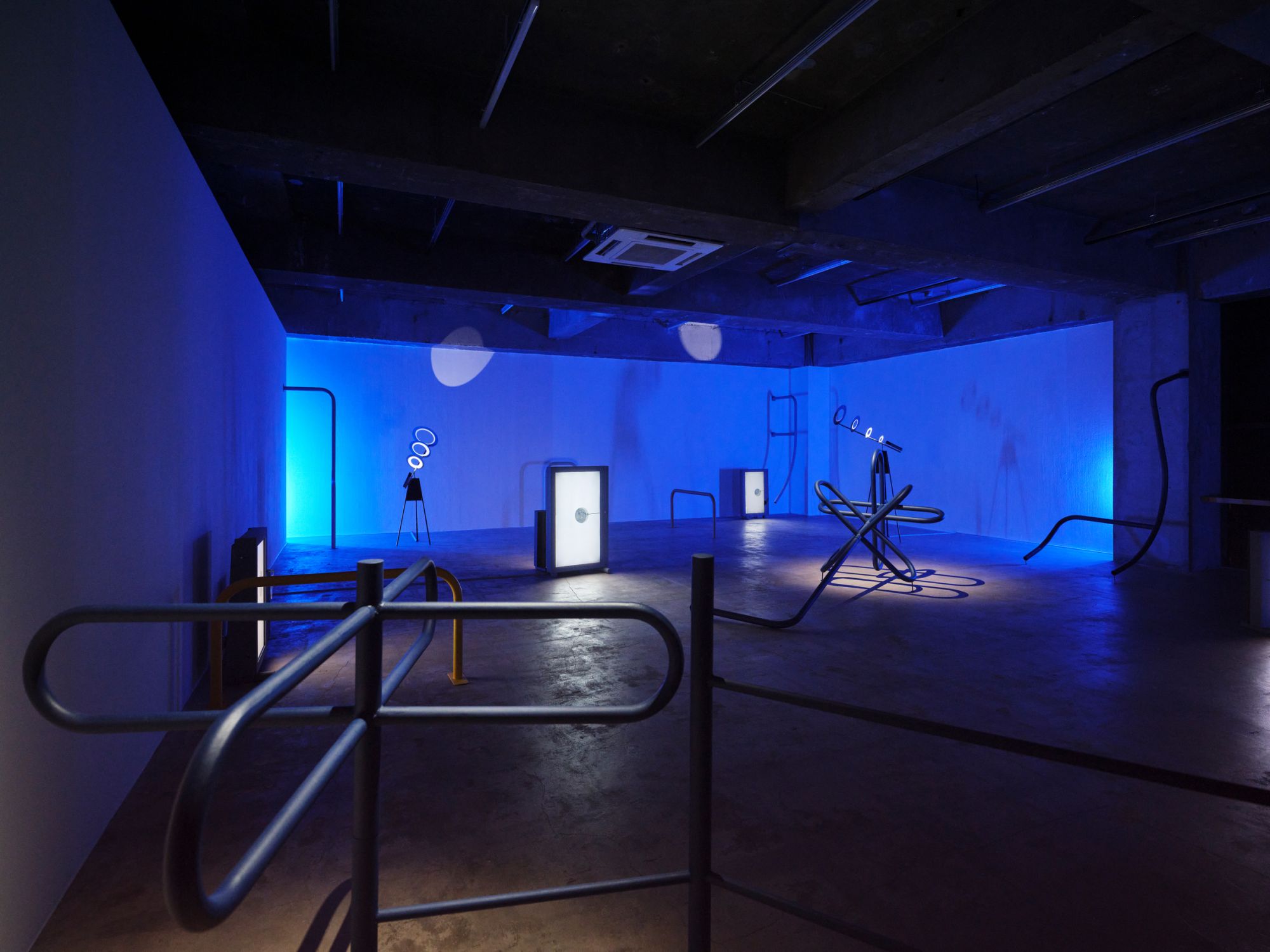
Installation view of 《Spin-Spot》 (CR Collective, 2025). Photo: Euirock Lee. © CR Collective
Furthermore, in her recent solo exhibition 《Spin-Spot》 (2025), the artist takes as her
point of departure the points where personal narratives intersect with specific
events, transforming urban devices that demarcate the flow of the city or
regulate the viewer’s field of vision—such as lane markings, fences, revolving
doors, and temporary structures—along with CCTV as a medium, into sensory
sculptural forms.
The transformed elements function as fields
where colliding rhythms and intersecting bodily responses occur. At the same
time, they attempt to detect porous zones on the city’s surface. Within these
densely surveilled and controlled spaces, sensations seep in and leak out.
In this exhibition, she adopts blue as the
city’s primary color, with this choice inspired by the phenomenon of “Rayleigh
scattering”—the reason why the sky appears blue.
She incorporates colors from street scenes
such as traffic lines, fences, flags, safety vests, and cheering sticks,
implementing color as a formative gesture that contains tension, energy, and
emotional resonance beyond mere informational symbols.
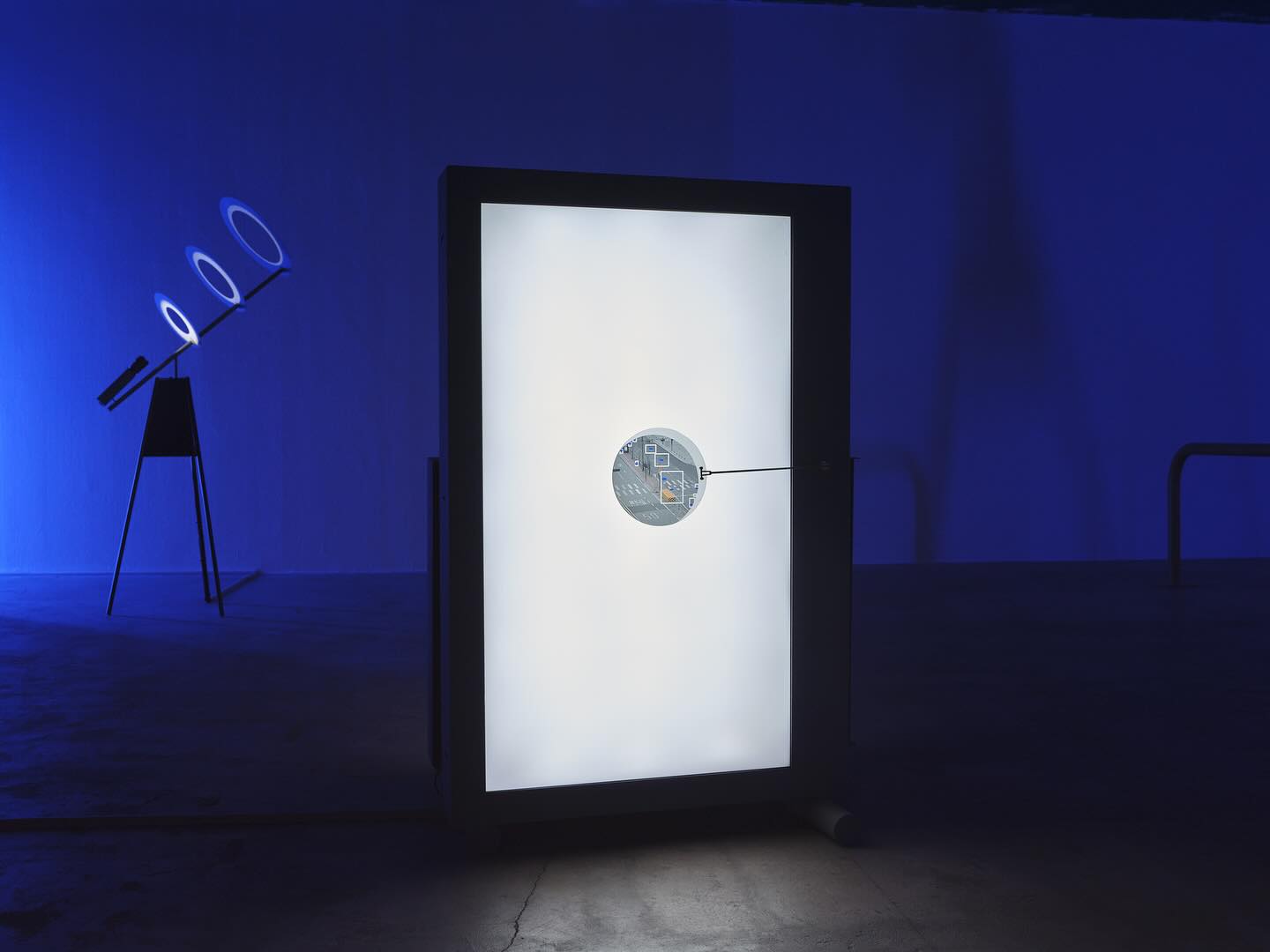
Kim Jung Eun, Drift Circuit PM 110-2, 2025, LED, TV, polarizing film, acrylic panel, motor, steel, single-channel video (12min. loop), sound, 120x90x25cm. Installation view of 《Spin-Spot》 (CR Collective, 2025). Photo: Euirock Lee © CR Collective
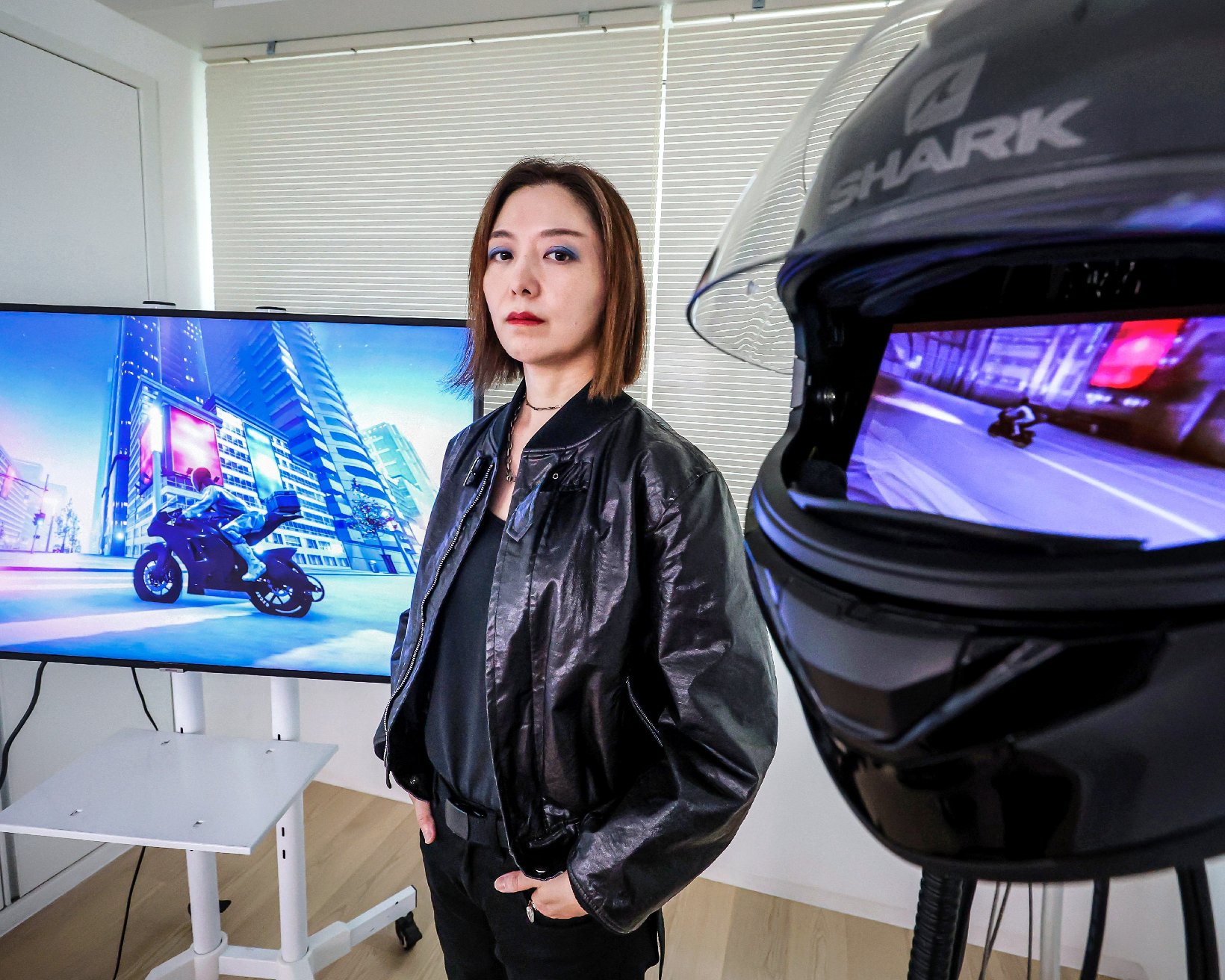
Kim borrows the surveillance system
structure but twists its function to create gaps where uncontrolled flows and
unpredictable movements can penetrate. For instance, in Drift
Circuit (2025), which employs blob tracking—a CCTV algorithm—blue
dots representing people tremble blurrily on the screen, as if refusing
identification.
These are traces of someone and the
condensed density left where they intersected. Depending on the angle of the
polarizing film, the blue dots shift between visible and invisible states,
replicating the exact appearance of surveillance devices, but surveillance
remains inoperative. Only delayed recognition remains ghostlike on the device.
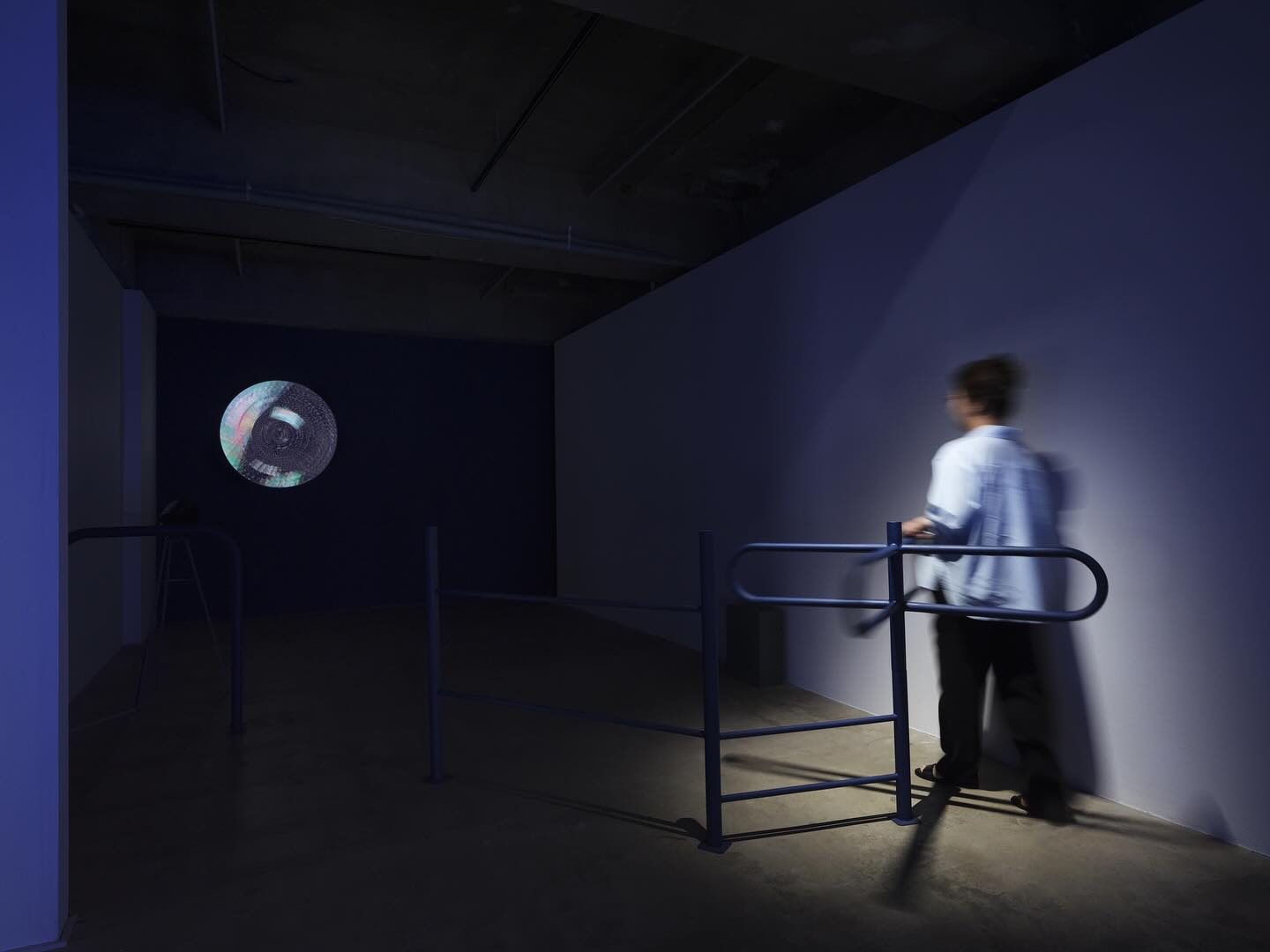
Kim Jung Eun, Spinning Around, 2025, Installation view of 《Spin-Spot》 (CR Collective, 2025). Photo: Euirock Lee © CR Collective
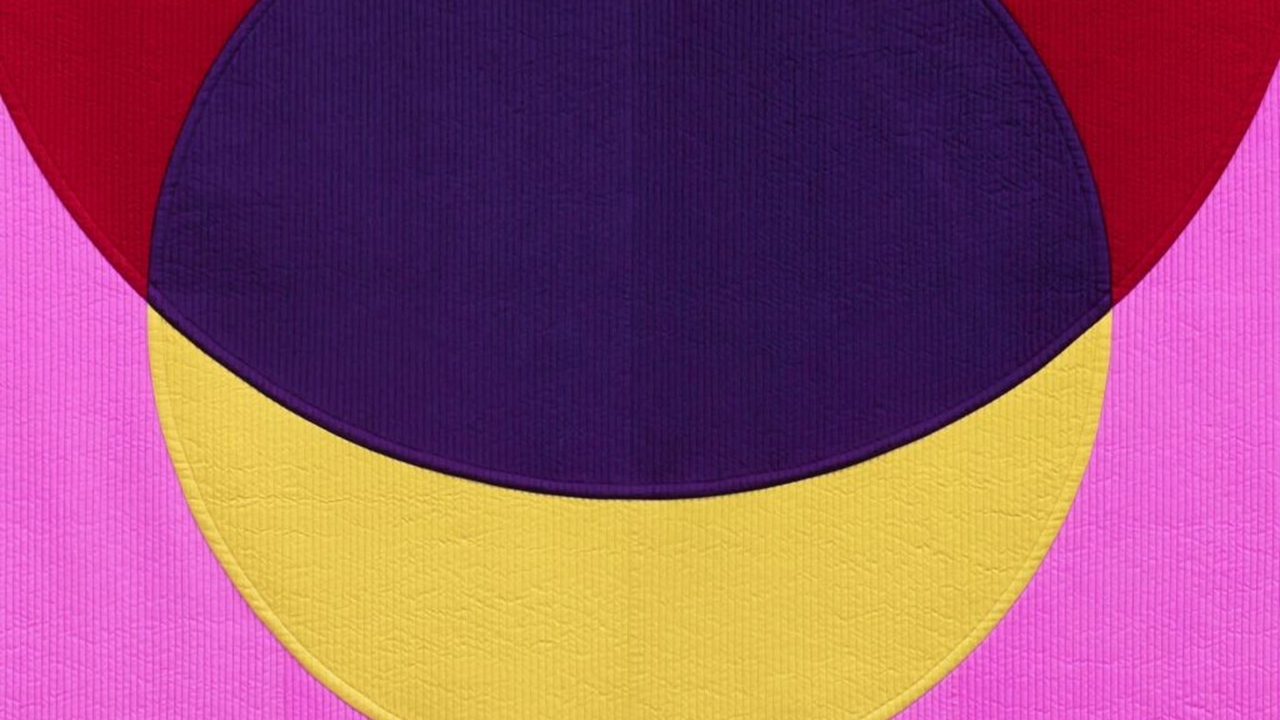
Furthermore, the endlessly rotating
circular image in Spinning Around (2025) breaks down and
intersects cross-sections of information into the grain of time, weaving new
structures through misalignment and repetition.
Just as bodies moving at different speeds
and in different directions experience different landscapes, asynchronous
temporalities and sensations overlap on a single surface, creating quiet yet
persistent fissures.
These subtle vibrations extend throughout
the exhibition space, forming an environment in which sculptures and devices,
images and pathways become intertwined. Configured like a game stage, the
exhibition space allows visitors to follow prescribed routes, deviate from
them, and return, experiencing and navigating the space in their own ways
rather than simply moving toward a predetermined destination.
In particular, the air moving between the
works reactivates within the space the vibrations of energy sensed on the
street, evoking through the visitor’s body the lingering heat and tension of
the city.
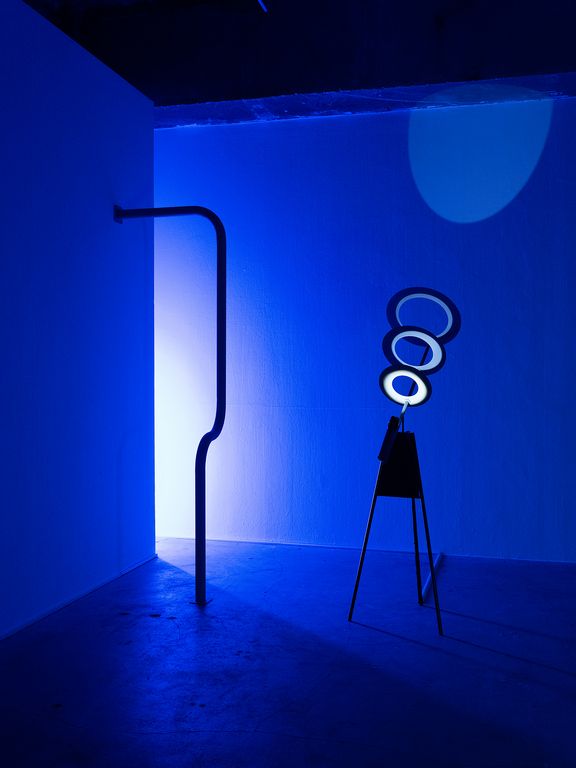
Kim Jung Eun, Tracer III, 2025, Steel, LED flashlight, motor, 115x115x165cm. Installation view of 《Spin-Spot》 (CR Collective, 2025). Photo: Euirock Lee © CR Collective
In this way, Kim Jung Eun’s practice traces
memories, spaces, and times that have disappeared from the present-day places
she encounters, revealing within her records the “point of contact between the
past and the present.” More recently, her practice has expanded toward
reorganizing boundaries, terrains, and untraceable sensations that have been
erased or overlooked within the urban environment.
The artist’s act of “mapping” thus invites
us to imagine more freely the spatiotemporal conditions in which we live and to
experience, through the senses, the multilayered narratives concealed within
them.
“Just as all problems arise from
relationships, they can become coercive when one force becomes greater than
another. I believe that the reactions generated in this process produce other
effects. The problems that emerge through these processes become connected to
social concepts and contemporary phenomena, expanding into my
practice.” (Kim Jung Eun, Artist’s Note)
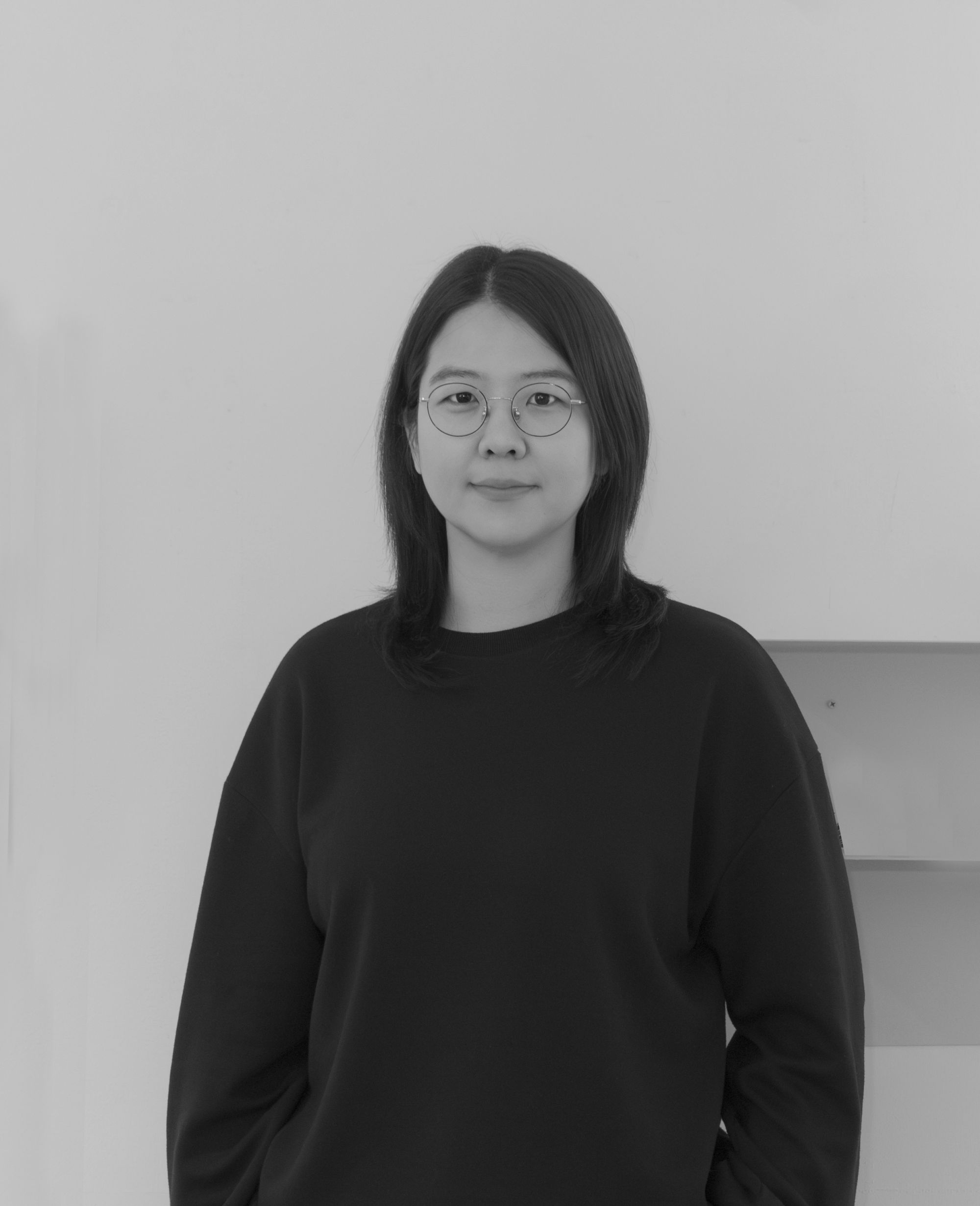
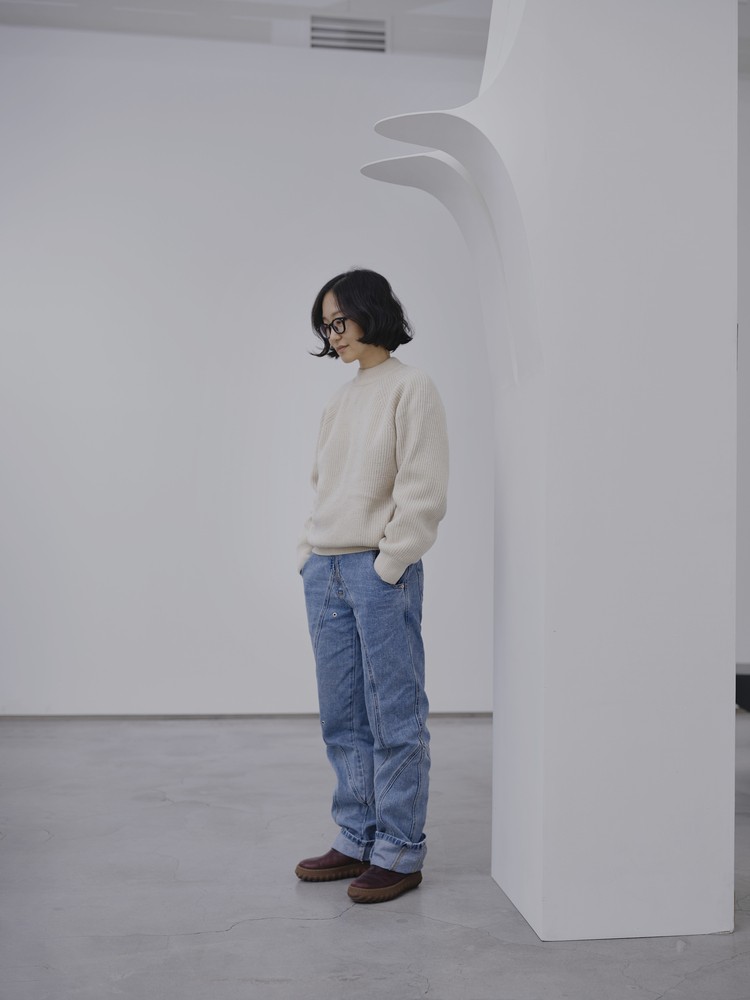
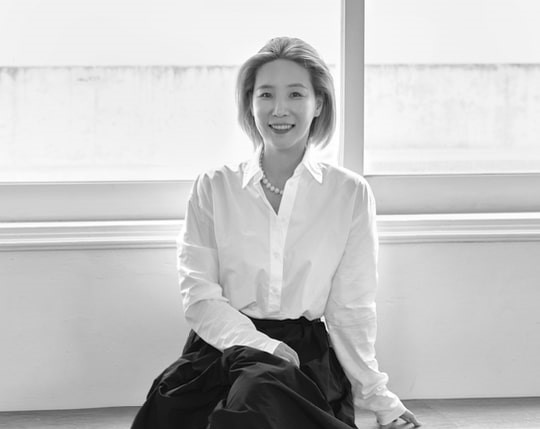
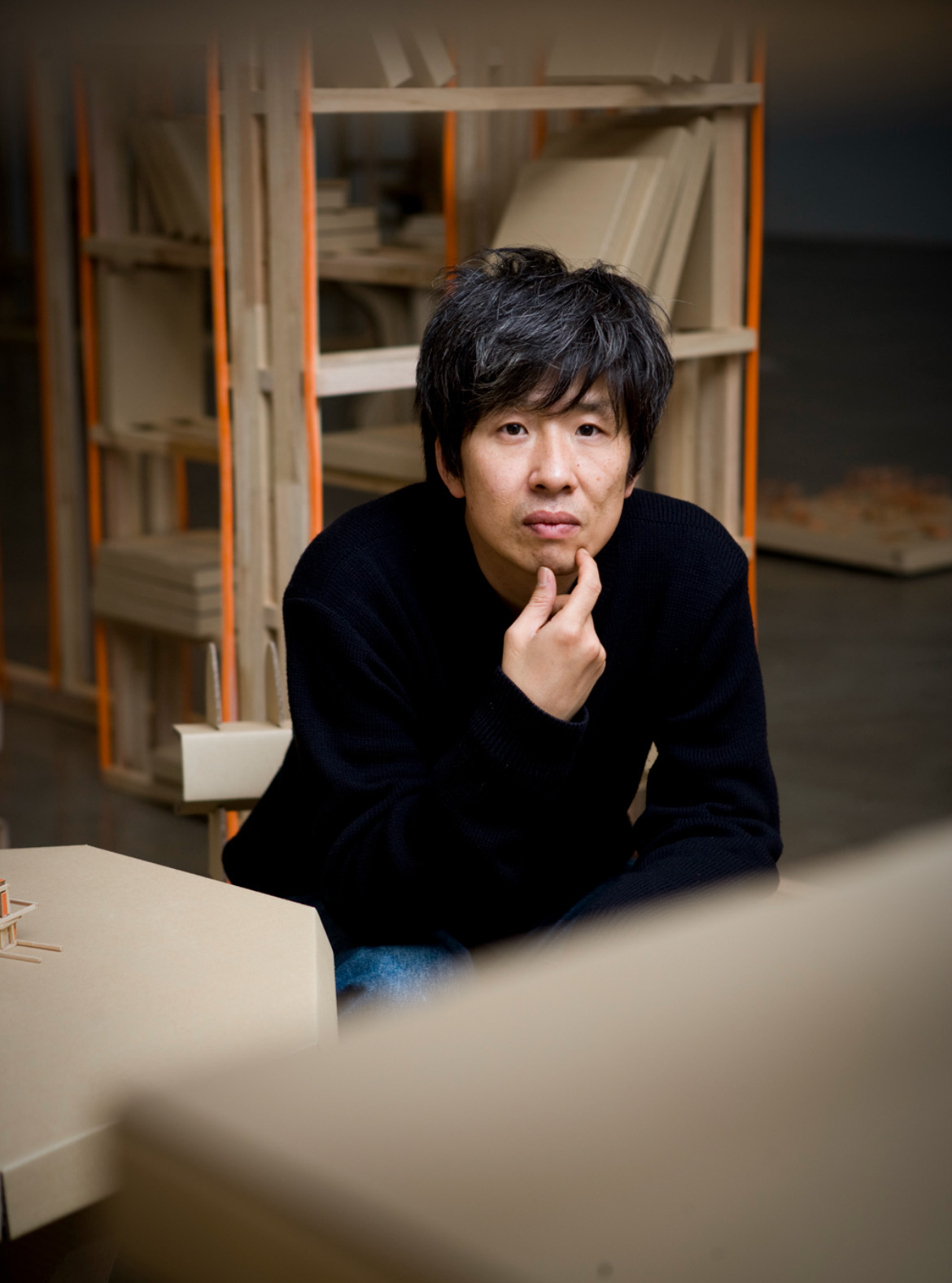
Artist Kim Jung Eun © Incheon Art Platform
Kim Jung Eun studied sculpture at Sungshin
Women’s University, where she also earned her master’s degree. Her recent solo
exhibitions include 《Spin-Spot》
(CR Collective, Seoul, 2025), 《prototype overlay
mapping》 (Keep in Touch, Seoul, 2024), 《Dorr dorrrr》 (Incheon Art Platform, Incheon,
2022), and 《Intersection Map Project: Walk On The
Water_01》 (Instant Roof, Seoul, 2020).
She has also participated in numerous group
exhibitions, including 《The Summer We Call Ours》 (Gyeonggi Museum of Modern Art, Ansan, 2026), 《Fluid City, Layered Forms》 (Wooson Gallery,
Daegu, 2025), 《Public Art New Hero》 (K&L Museum, Gwacheon, 2024), Changwon Sculpture Biennale 《Channel: When Particles Become a Wave (Seongsan Art Hall, Changwon,
2021), and 《In Every Language We Know》 (Kumho Museum of Art, Seoul, 2017).
Kim has participated in artist residencies
at institutions including Incheon Art Platform (2026, 2022), Seoul Art Space
Geumcheon (2025), OCI Museum of Art Residency (2020), and the SeMA Nanji
Residency (2019). Her works are held in the collections of the Incheon Cultural
Foundation, OCI Museum of Art, and Kolon, among others.
References
- 김정은, Kim Jung Eun (Artist Website)
- 우손갤러리, 김정은 (Wooson Gallery, Kim Jung Eun)
- OCI미술관, [서문] Self;mapping_이동의 기억, 기억의 이동 (OCI Museum of Art, [Preface] Self;mapping_Movement of Memory, Memory of Movement)
- 온그라운드, [서문] BLUE DOT 36” (onground, [Preface] BLUE DOT 36”)
- 트라이보울 초이스, [서문] BLUE DOT (ART SPACE TRIBOWL, [Preface] BLUE DOT)
- 인스턴트루프, [서문] 교차맵 프로젝트 (Instant Roof, [Preface] INTERSECTION MAP PROJECT)
- 인천아트플랫폼, [전시 개요 및 작가 노트] 도르르 도르르르 (Incheon Art Platform, [Exhibition Overview & Artist’s Note] Dorr dorrr)
- 씨알콜렉티브, [서문] 스핀-스팟 (CR Collective, [Preface] Spin-Spot)