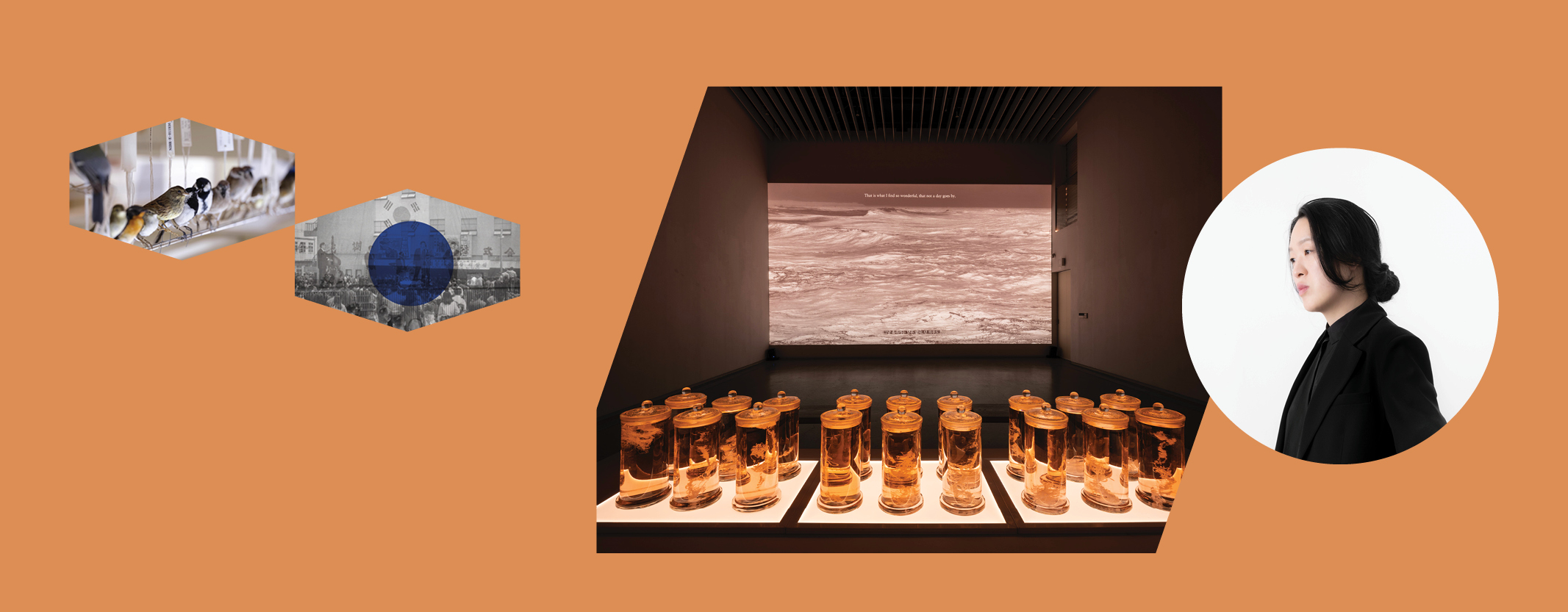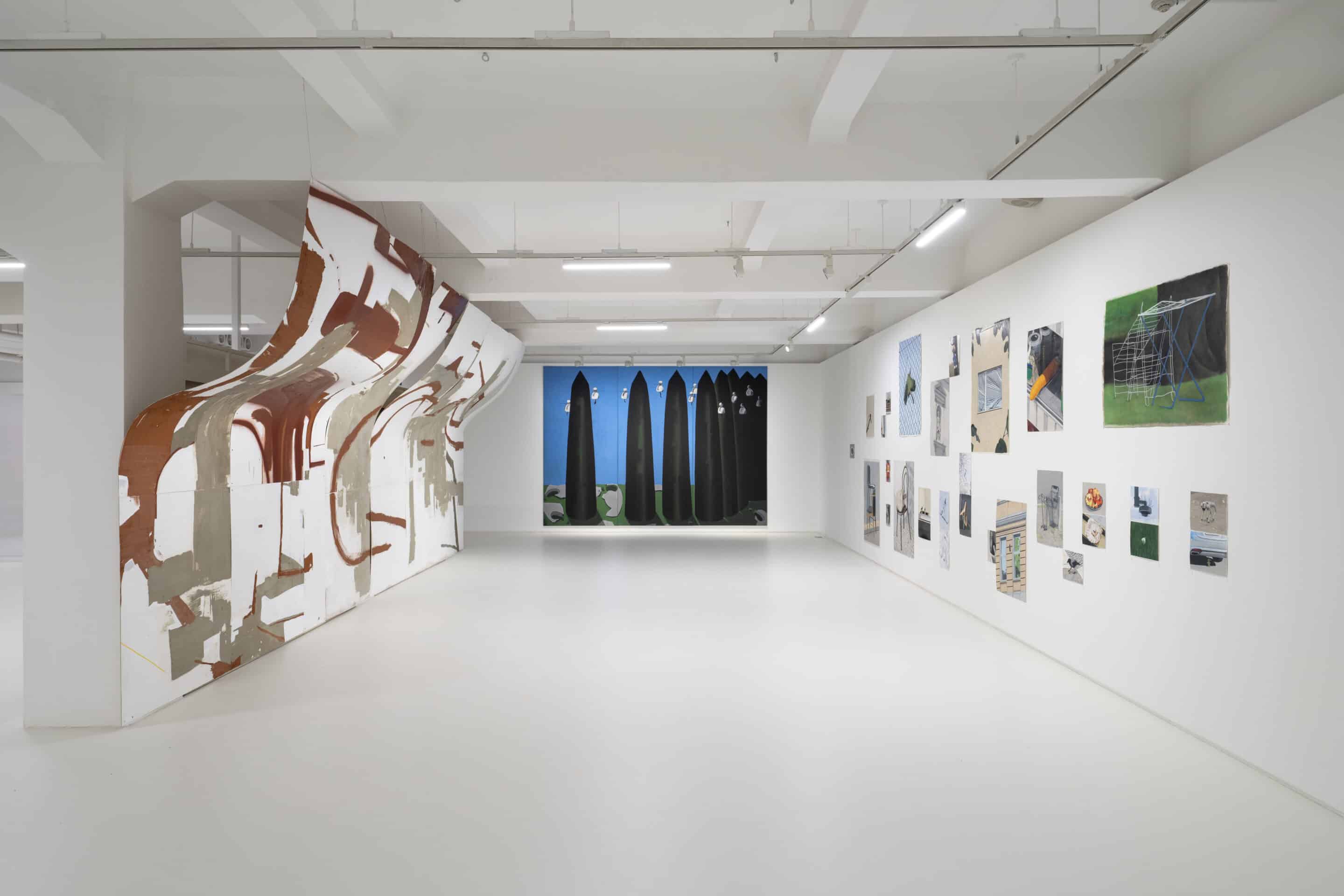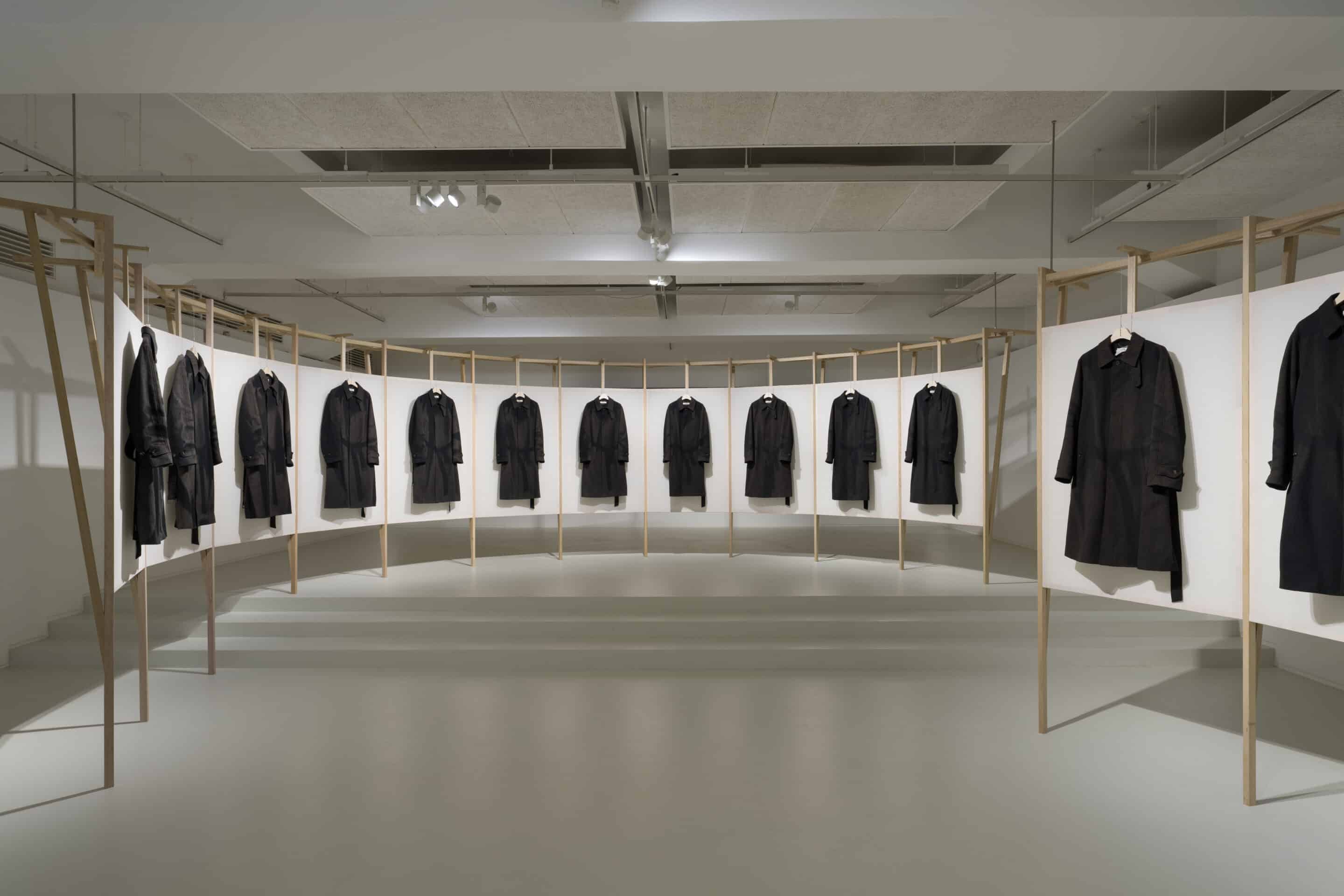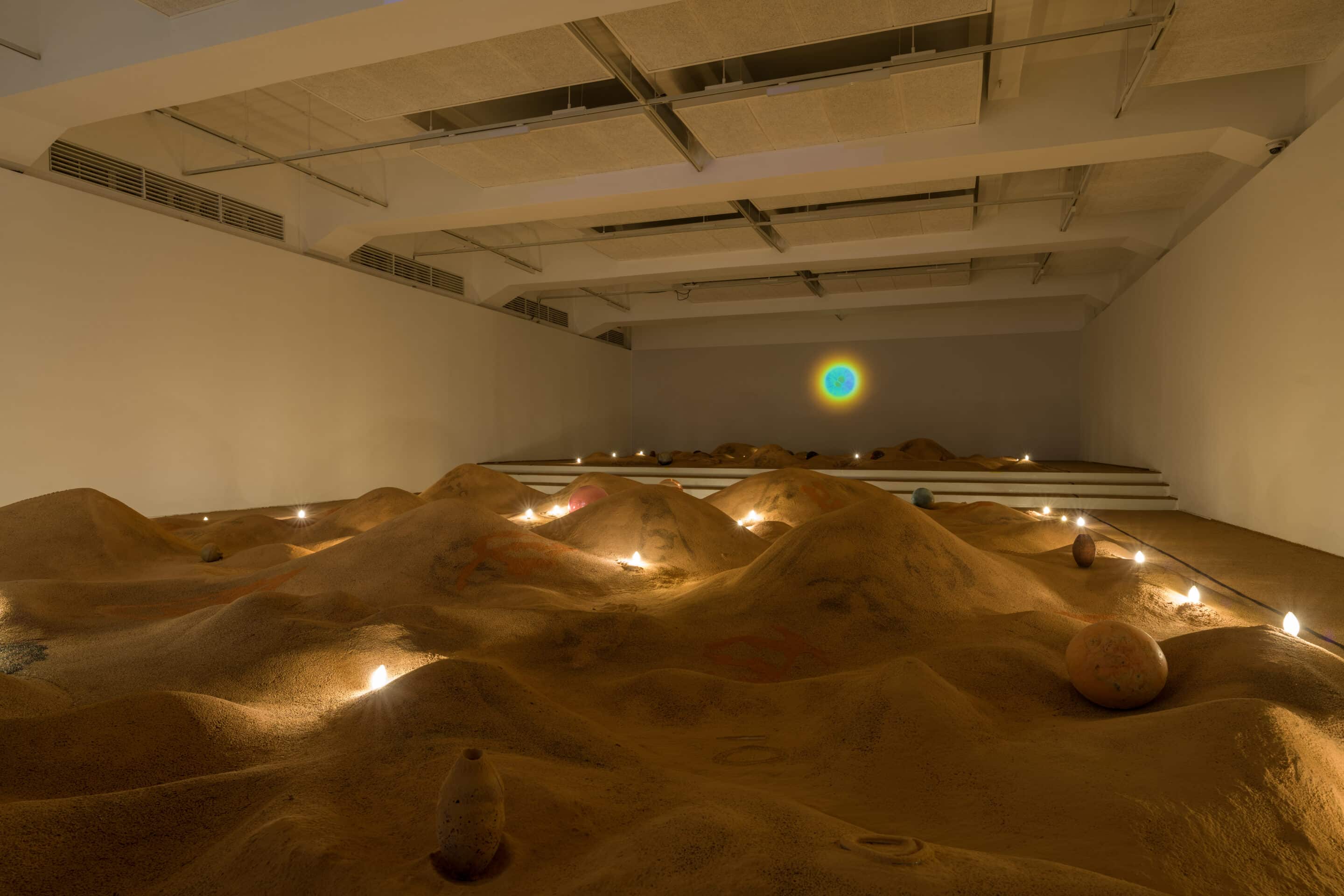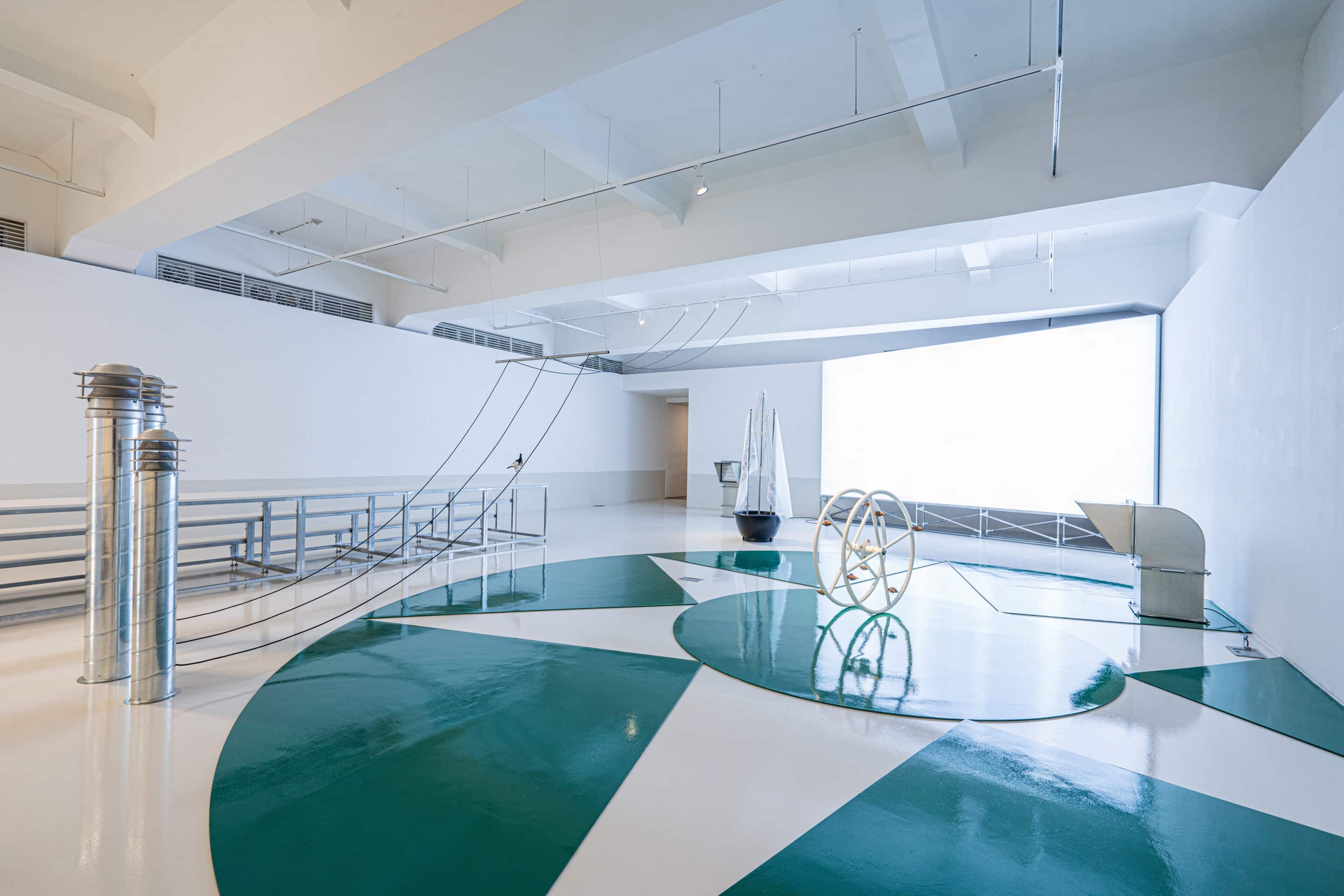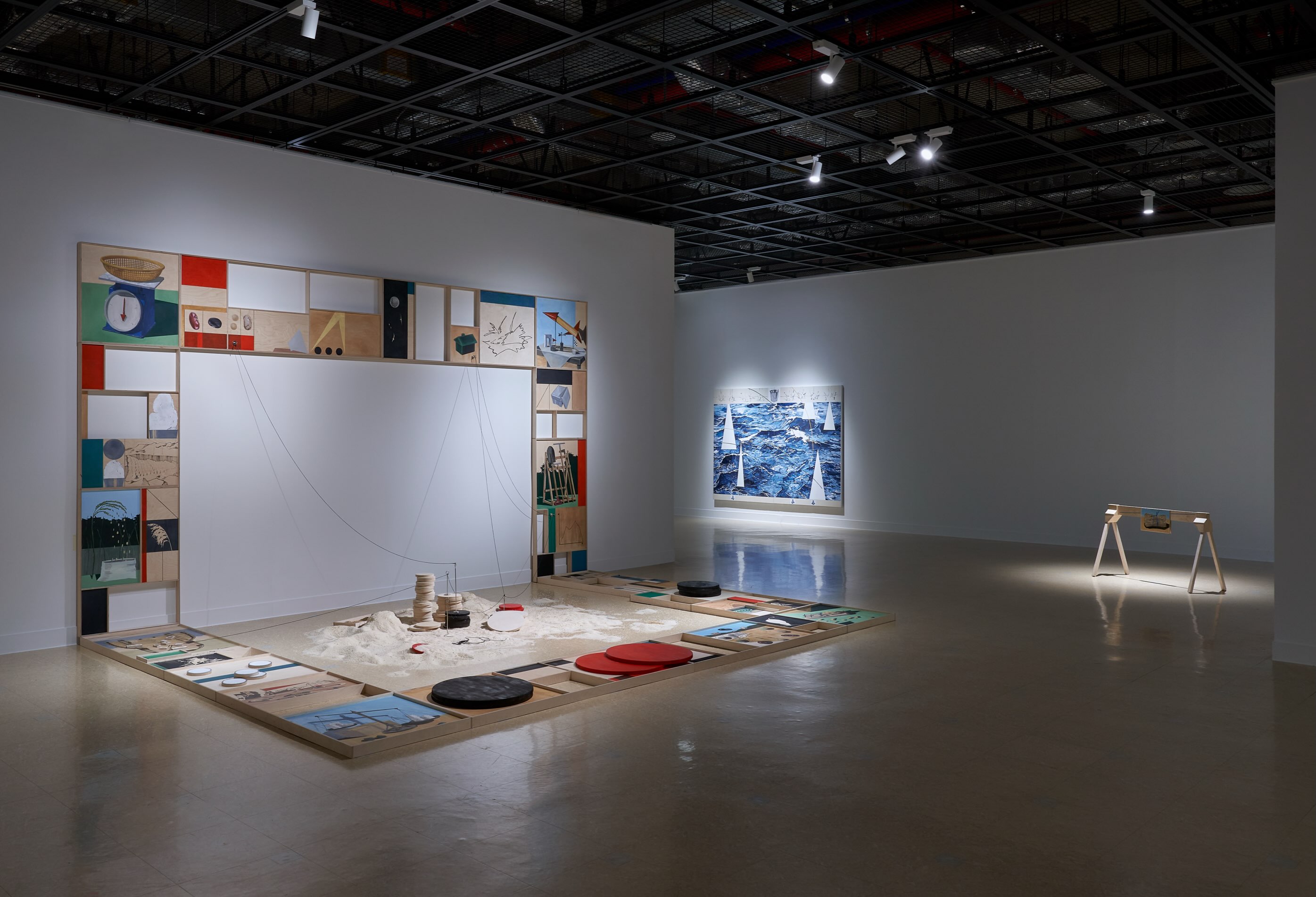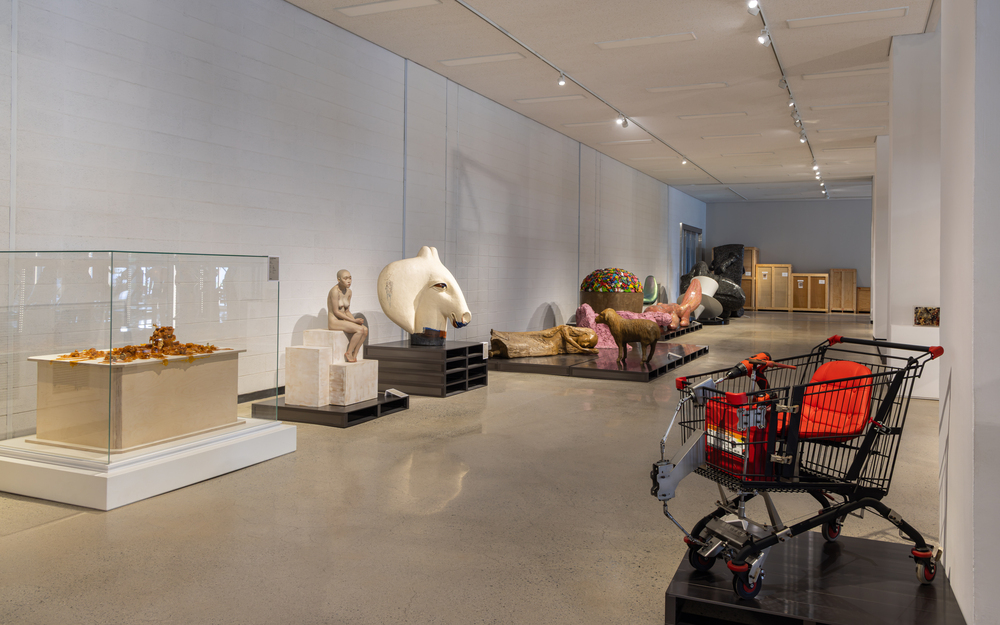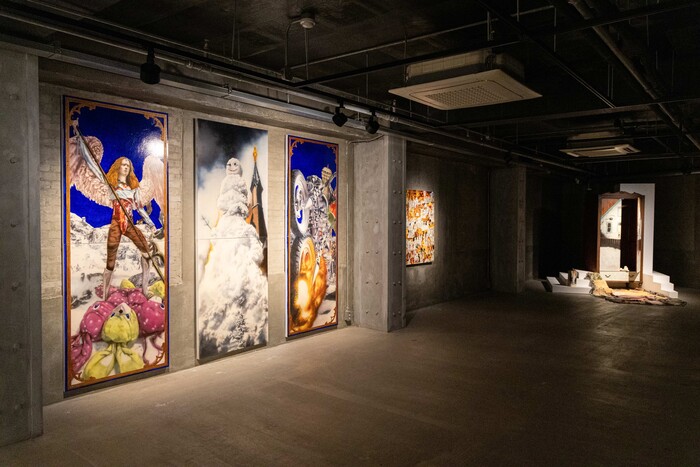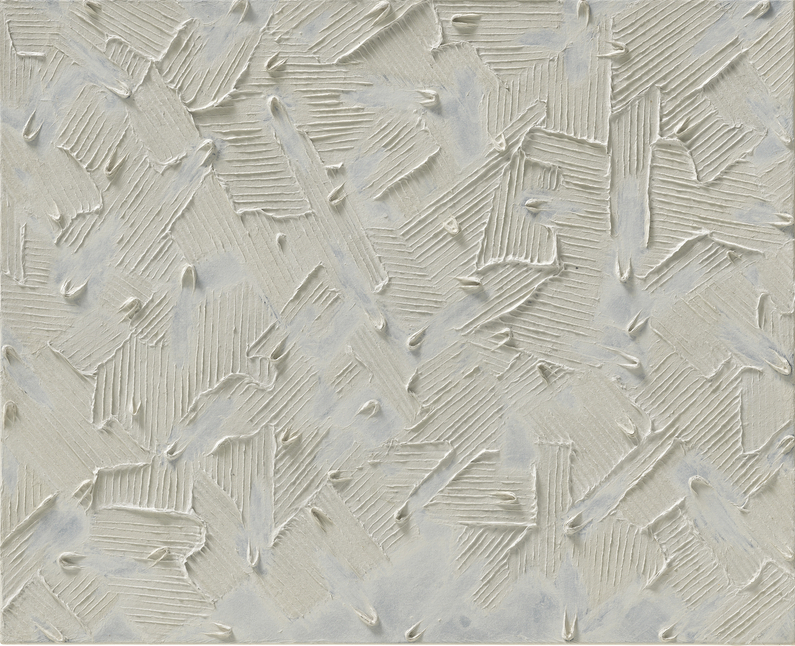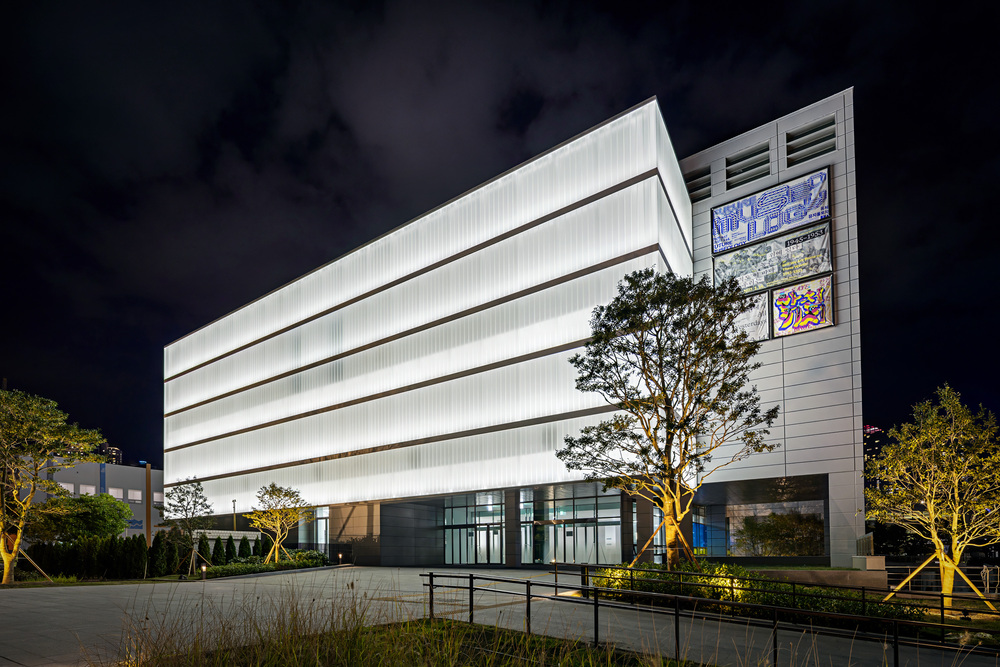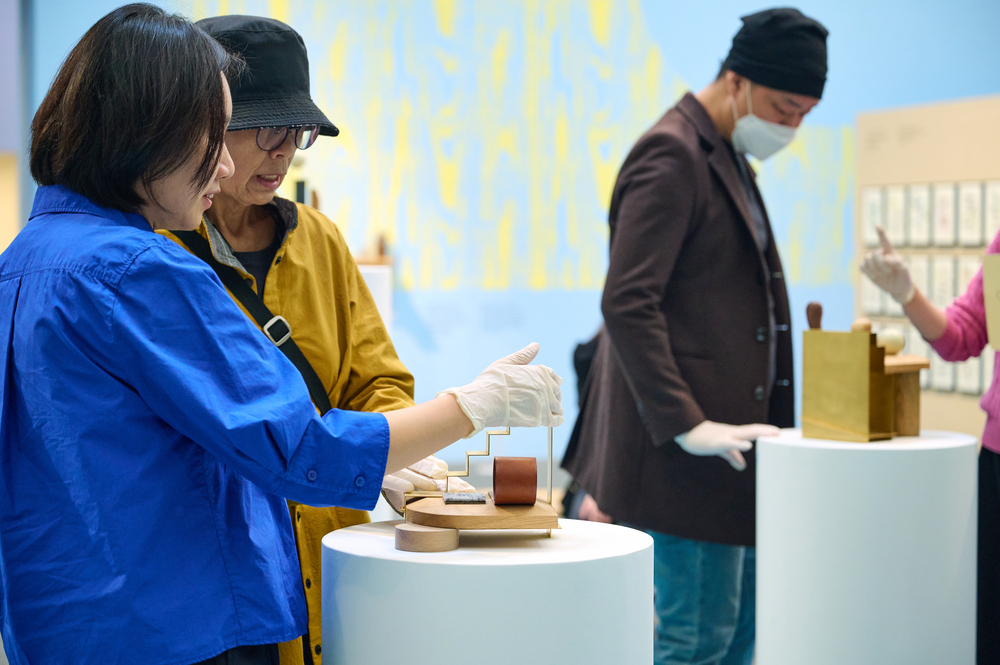

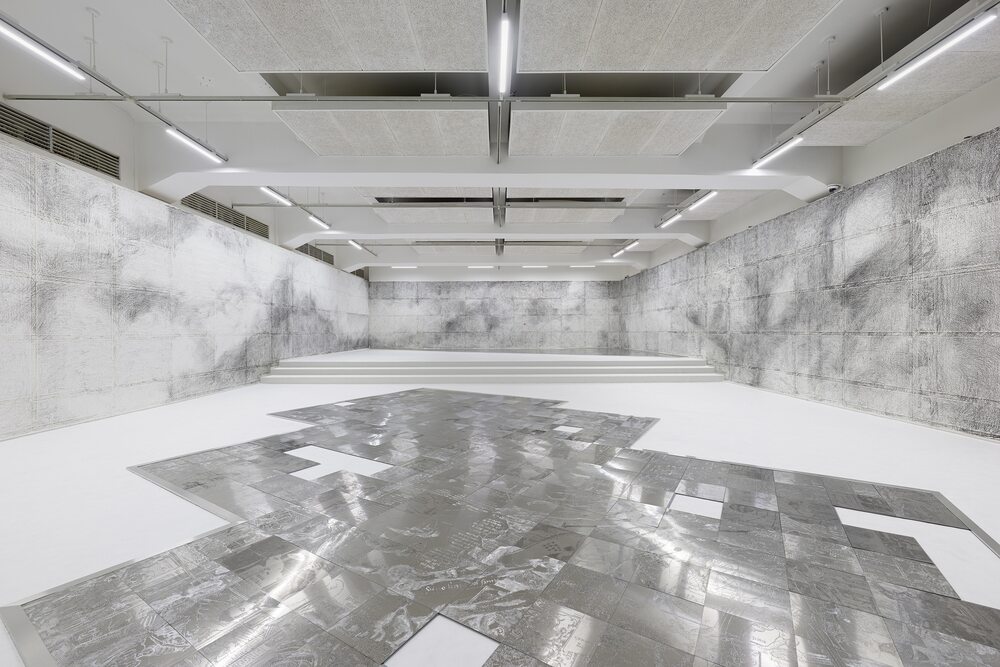
Installation view of 《Off the White: Mark and Record》 © Ilmin Museum of Art
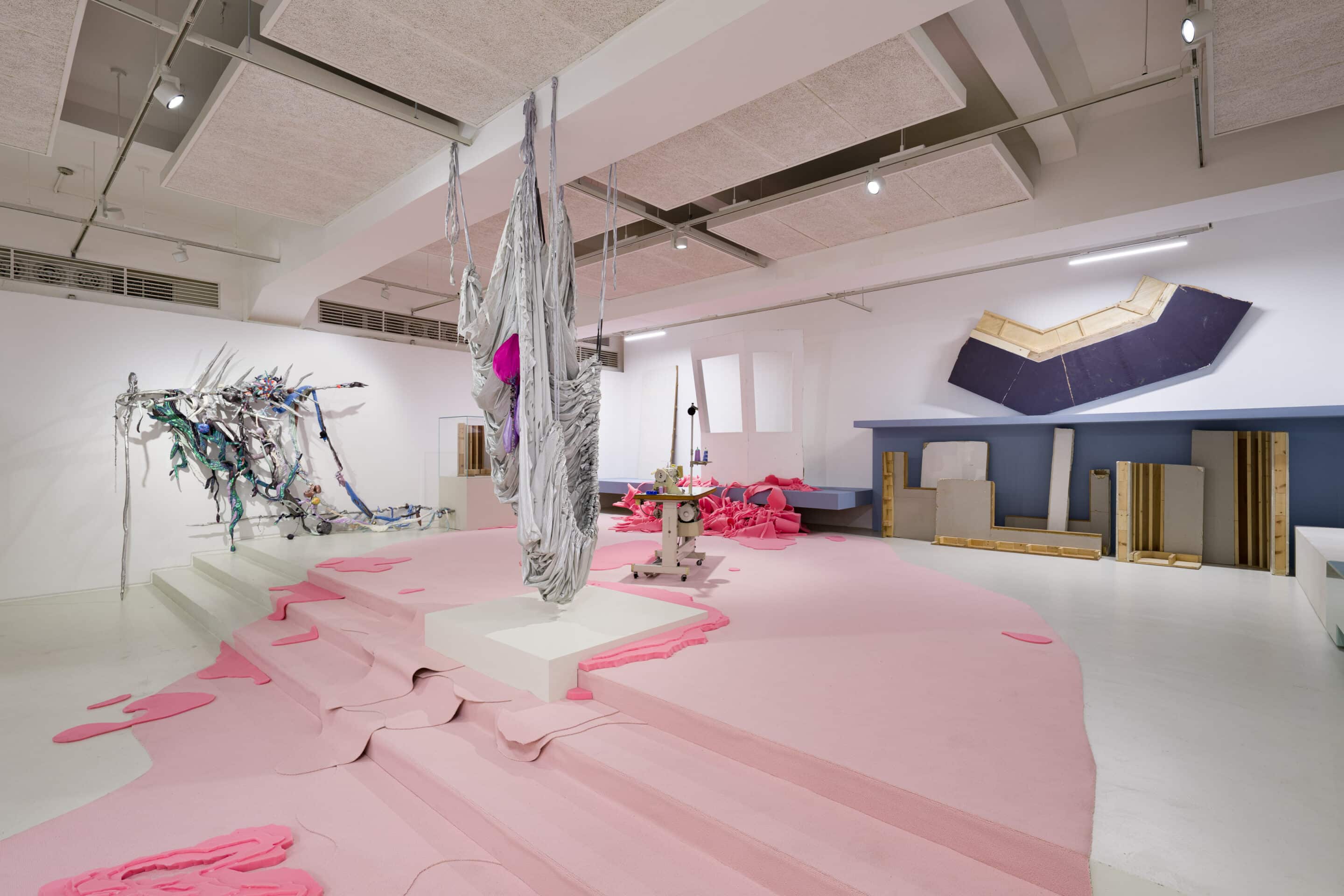
Ilmin Museum of Art is presenting 《Off the White: Mark and Record》 through October 18 as part of a relay exhibition series marking the 100th anniversary of the building, exploring contemporary artistic experiments and perspectives surrounding the museum as a place.
Unlike the conventional understanding of “site” in art as a setting endowed with irreplaceable specificity, Off the White attends to what precedes such enunciation in the form of an intervention or a frame. It looks instead to another order of conditions that enable the museum before a given location is called forth as a site.
The artists who have attended to these elements reveal the museum as a singular position where the force and sensibility of artworks are negotiated between a neutral white environment and a “specific site.”
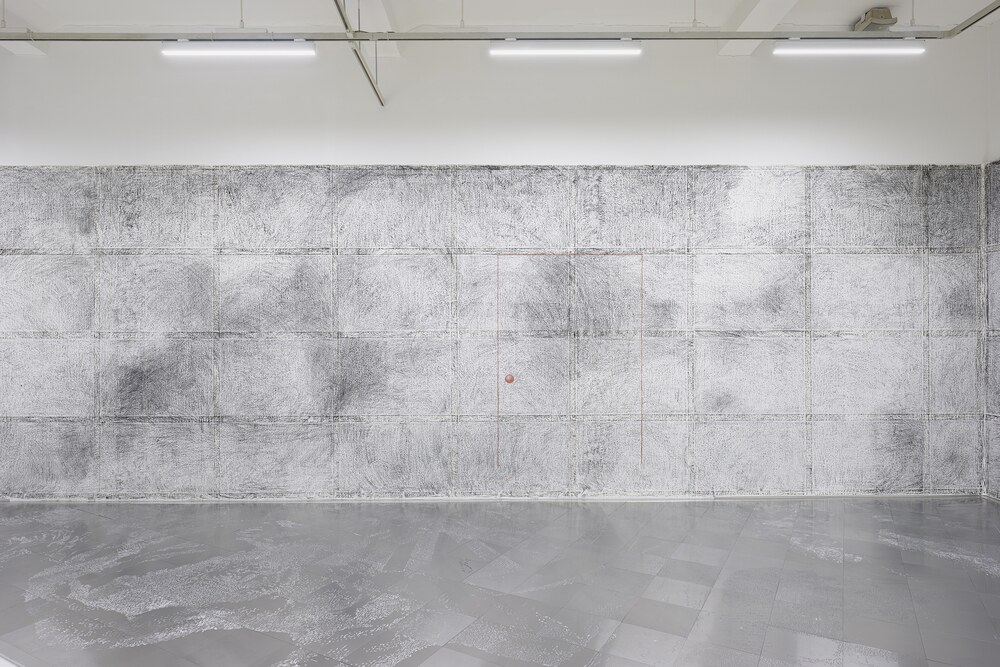
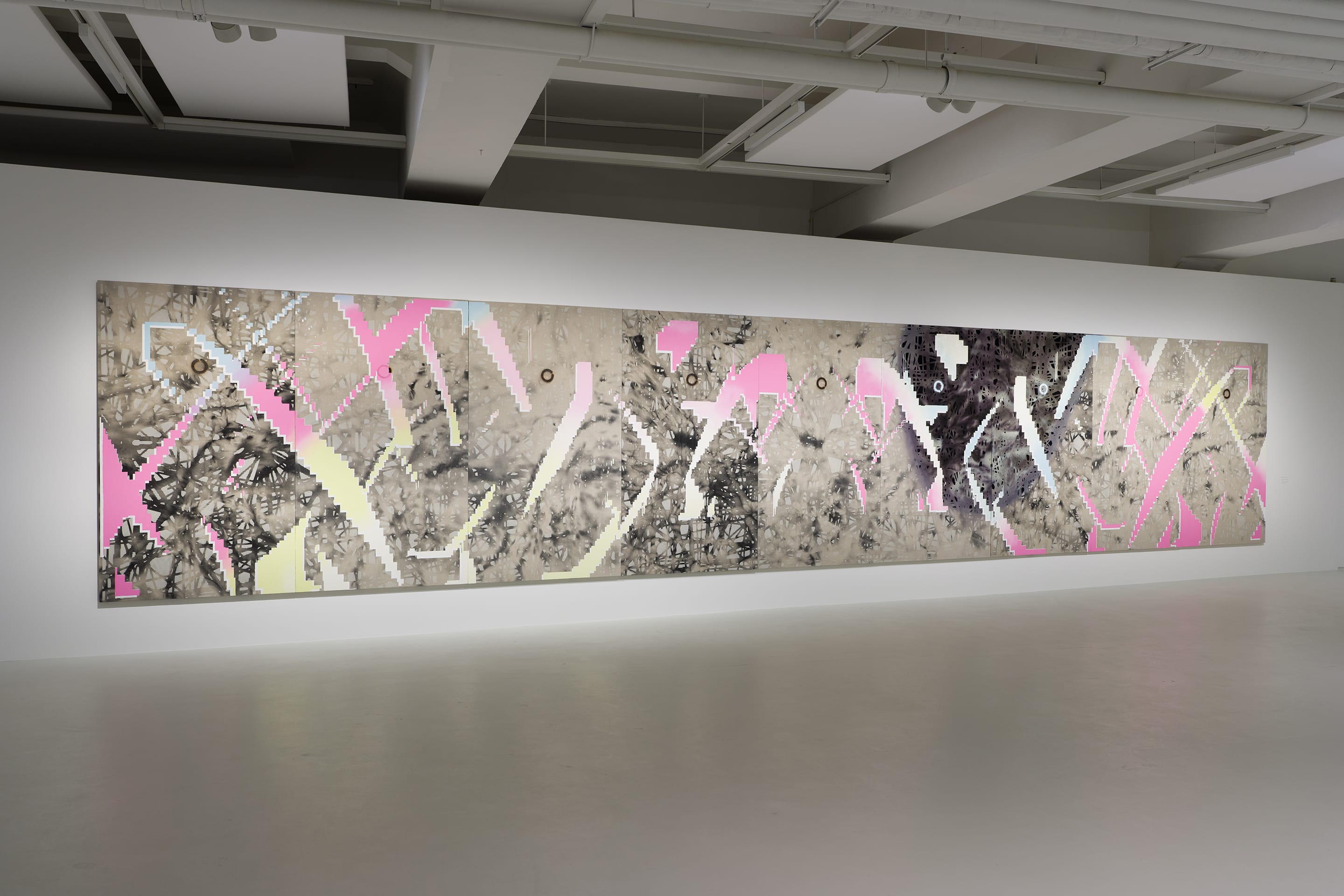
Installation view of 《Off the White: Mark and Record》 © Ilmin Museum of Art
Kwak Eve treats the walls of the Ilmin Museum of Art as plates already bearing marks, turning their surfaces into sites where new records emerge. In The Korean Flag and Mosquito Net, Kwak applies lining paper to walls bearing traces of artworks repeatedly hung and removed. She then takes rubbings of their surfaces as though transcribing them, while drawing forms derived from observations outside the museum.
Traces that emerge through contact overlap with images inscribed by the movement of the hand, producing marks that register both the time accumulated in the exhibition hall and the authority and affect surrounding this place.
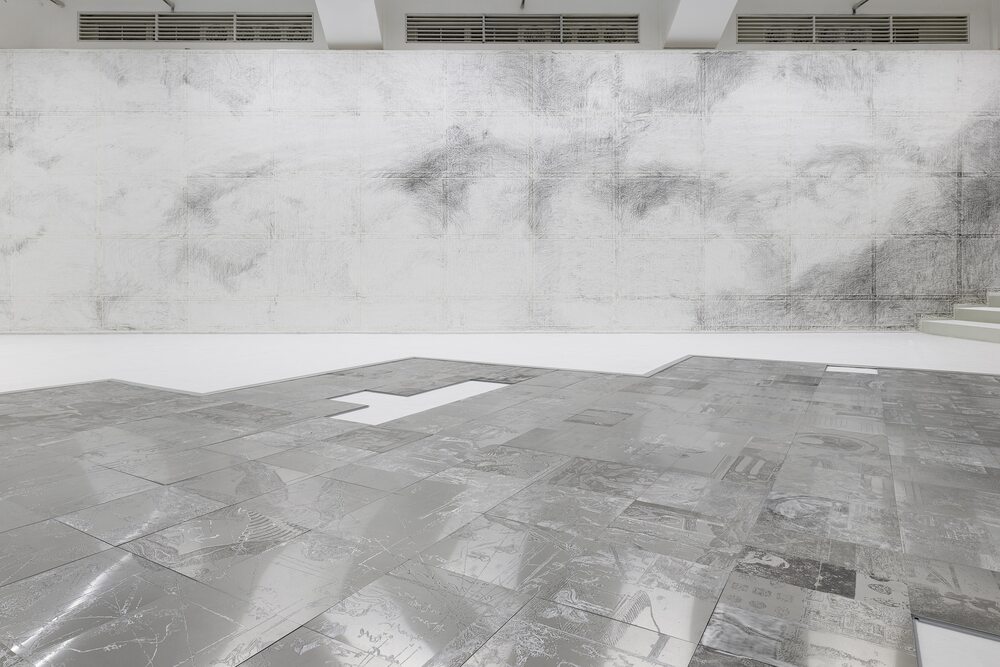
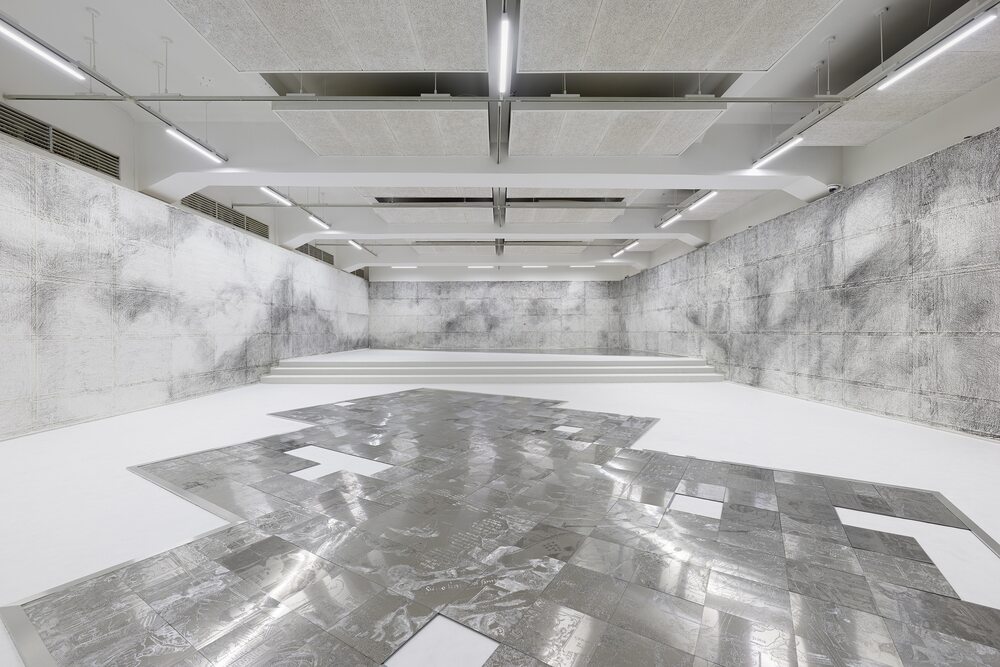
Installation view of 《Off the White: Mark and Record》 © Ilmin Museum of Art
Noh Songhee turns the floor of the Ilmin Museum of Art into a puzzle in flux. A puzzle can produce multiple scenes through the arrangement of its scattered pieces, yet it remains bound by their predetermined shapes and cut lines. In this structure, Noh sees the workings of the archive, where materials from the past are selected and arranged to constitute the present.
Puzzle draws on documents found in the museum’s archive to examine how the museum’s exhibition history has been administered through quantitative systems such as dates, budgets, and dimensions. The hand-engraved images in aluminum relate to the numbers 5, 10, 12, and 100, which partition and commemorate time.