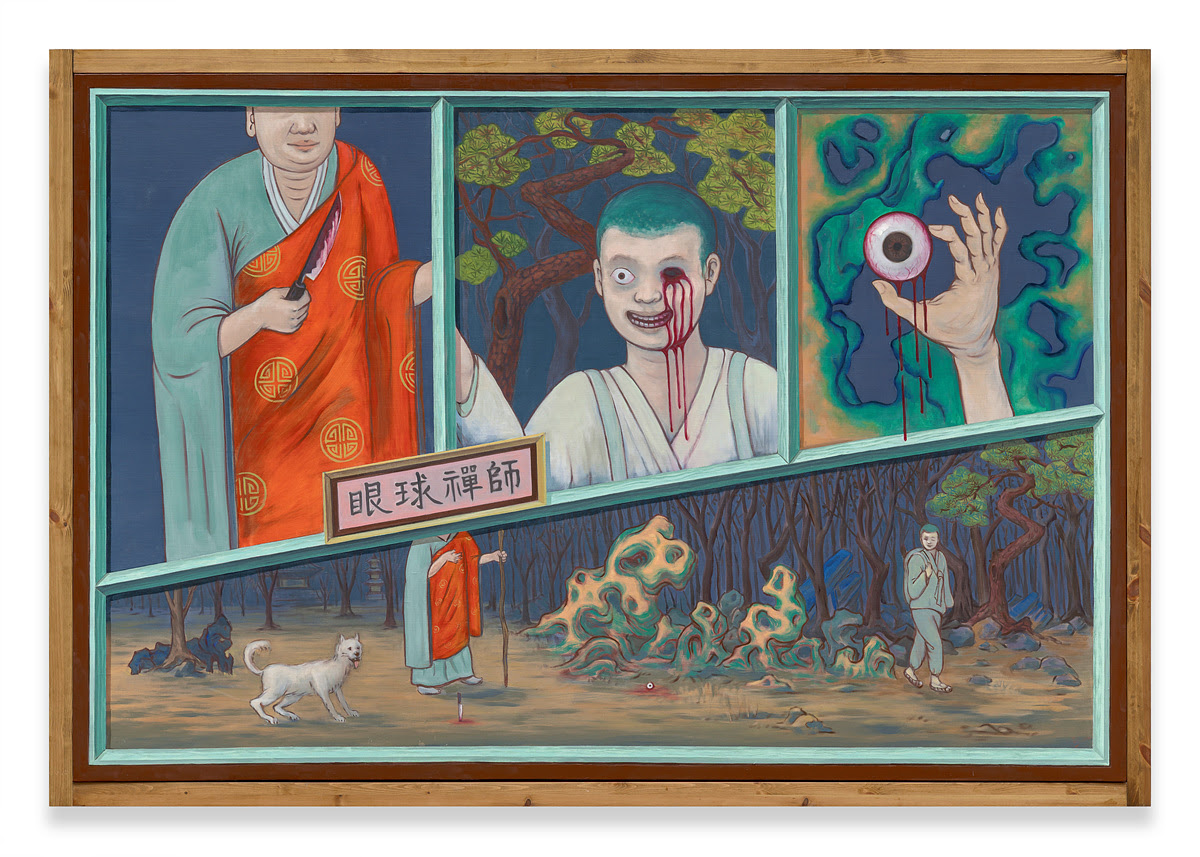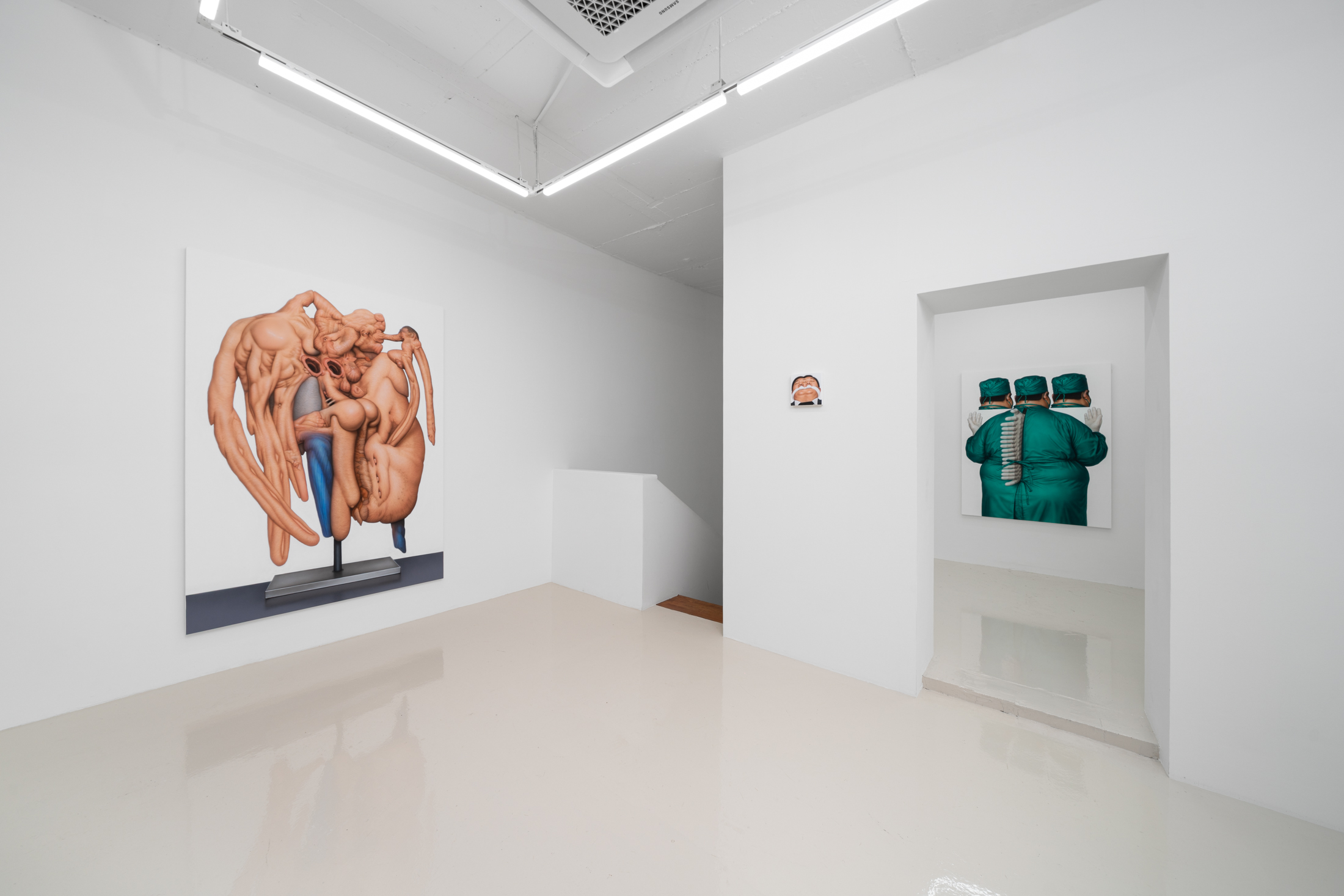

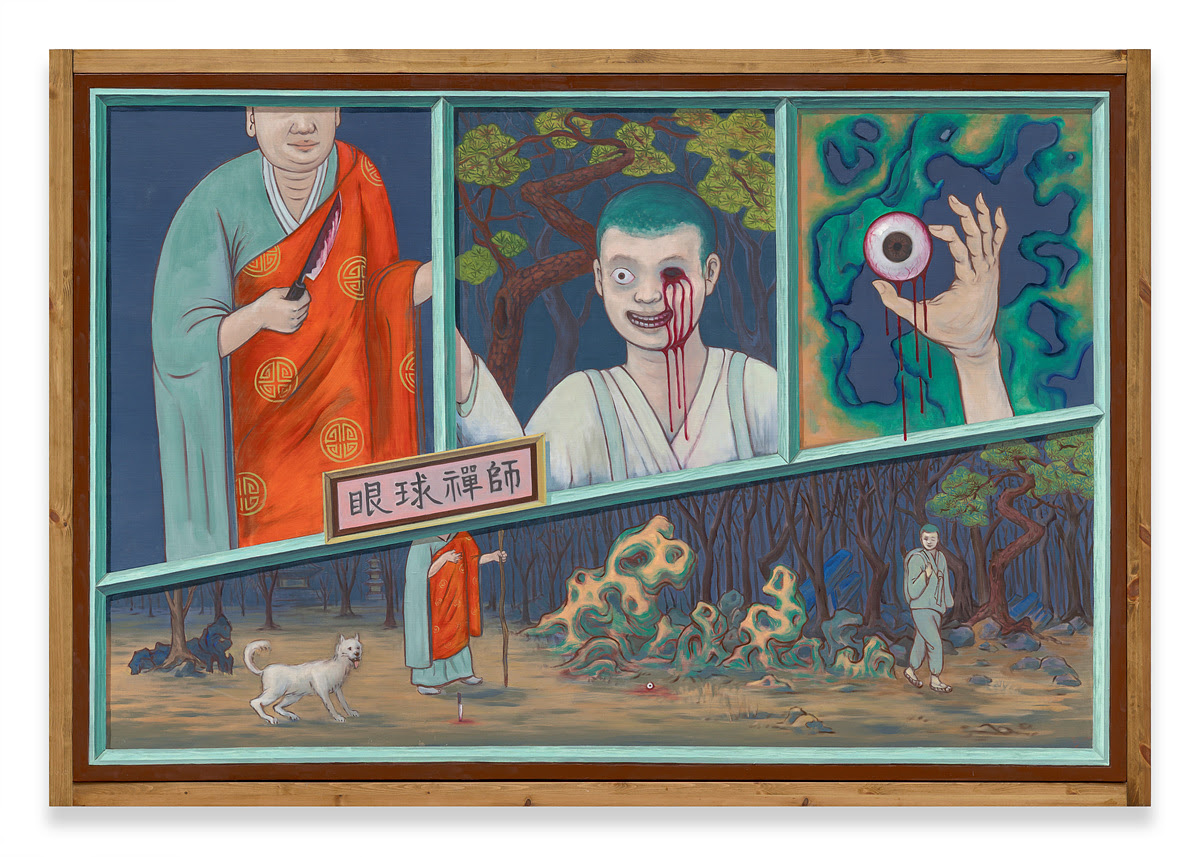
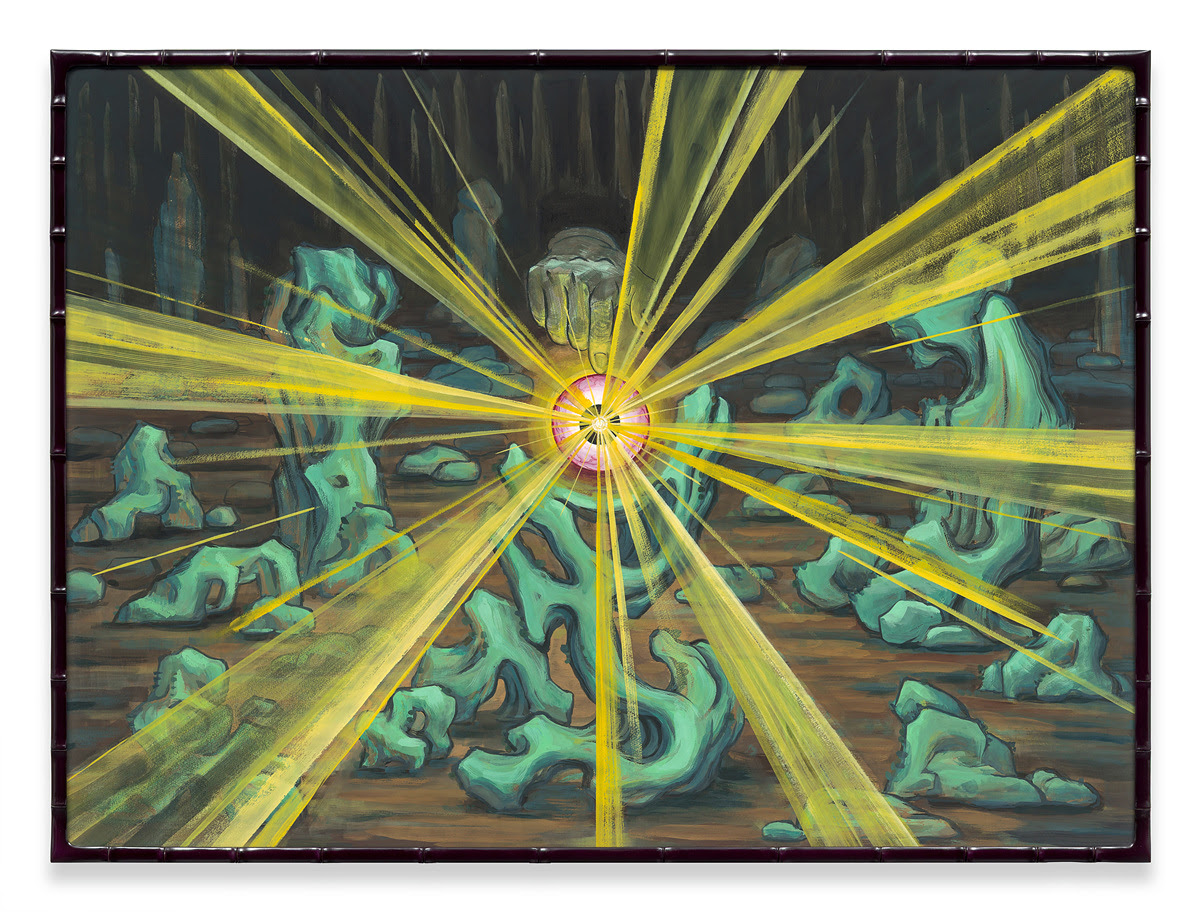
Park Chan-kyong, Zen Master Eyeball, 2025, Oil on canvas, 139.5x203cm. Courtesy of the artist. Photo: Chunho An ⓒ Kukje Gallery
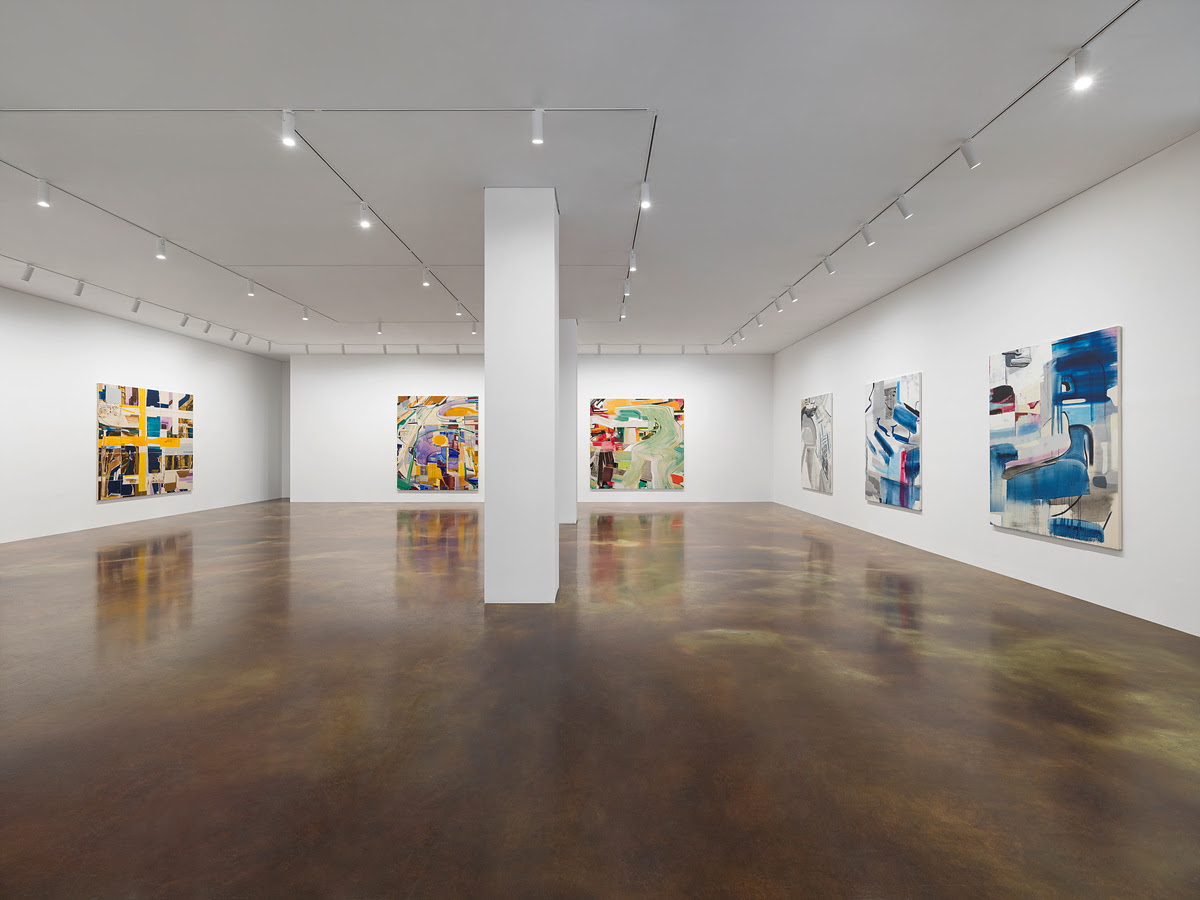
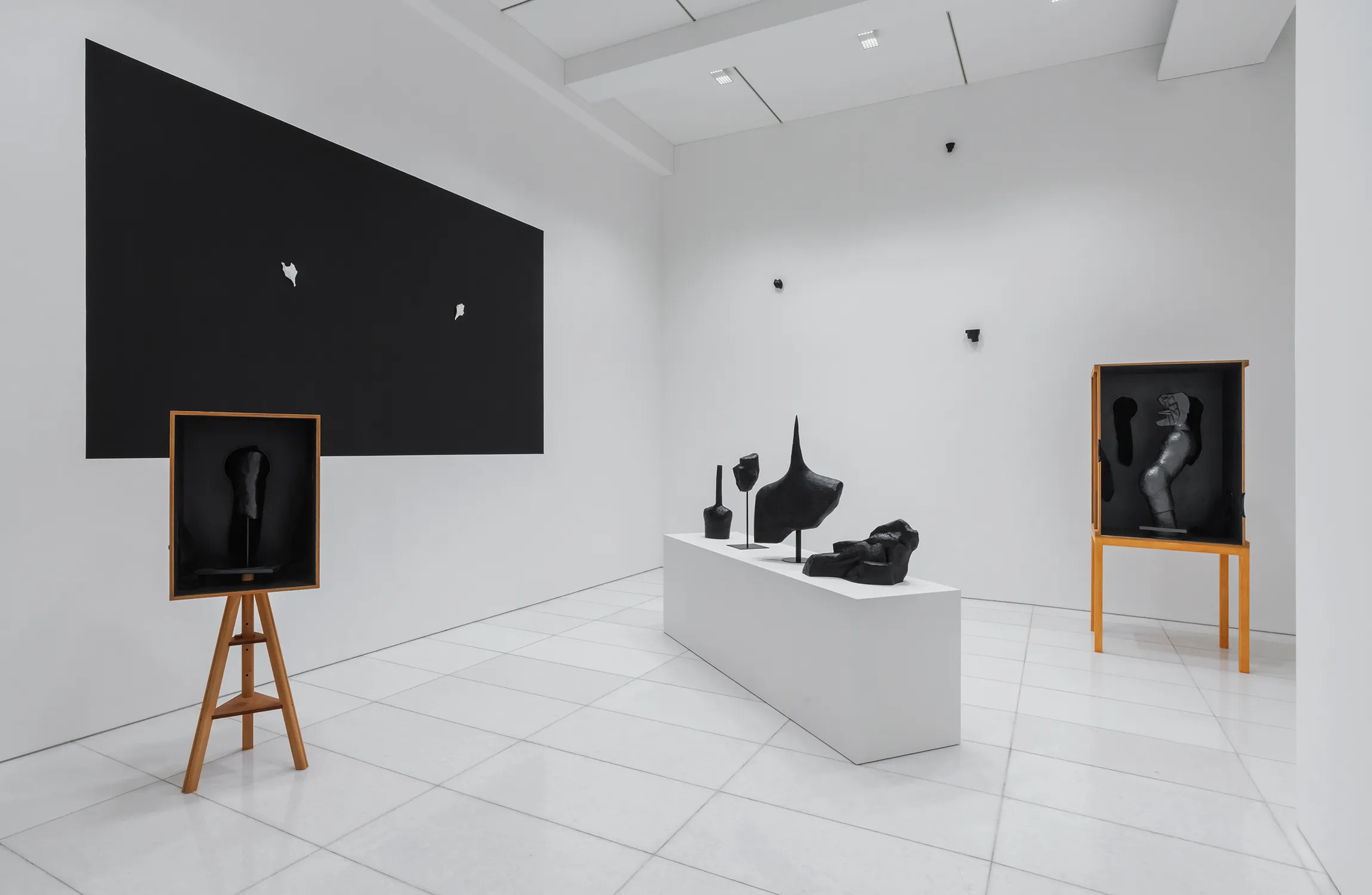
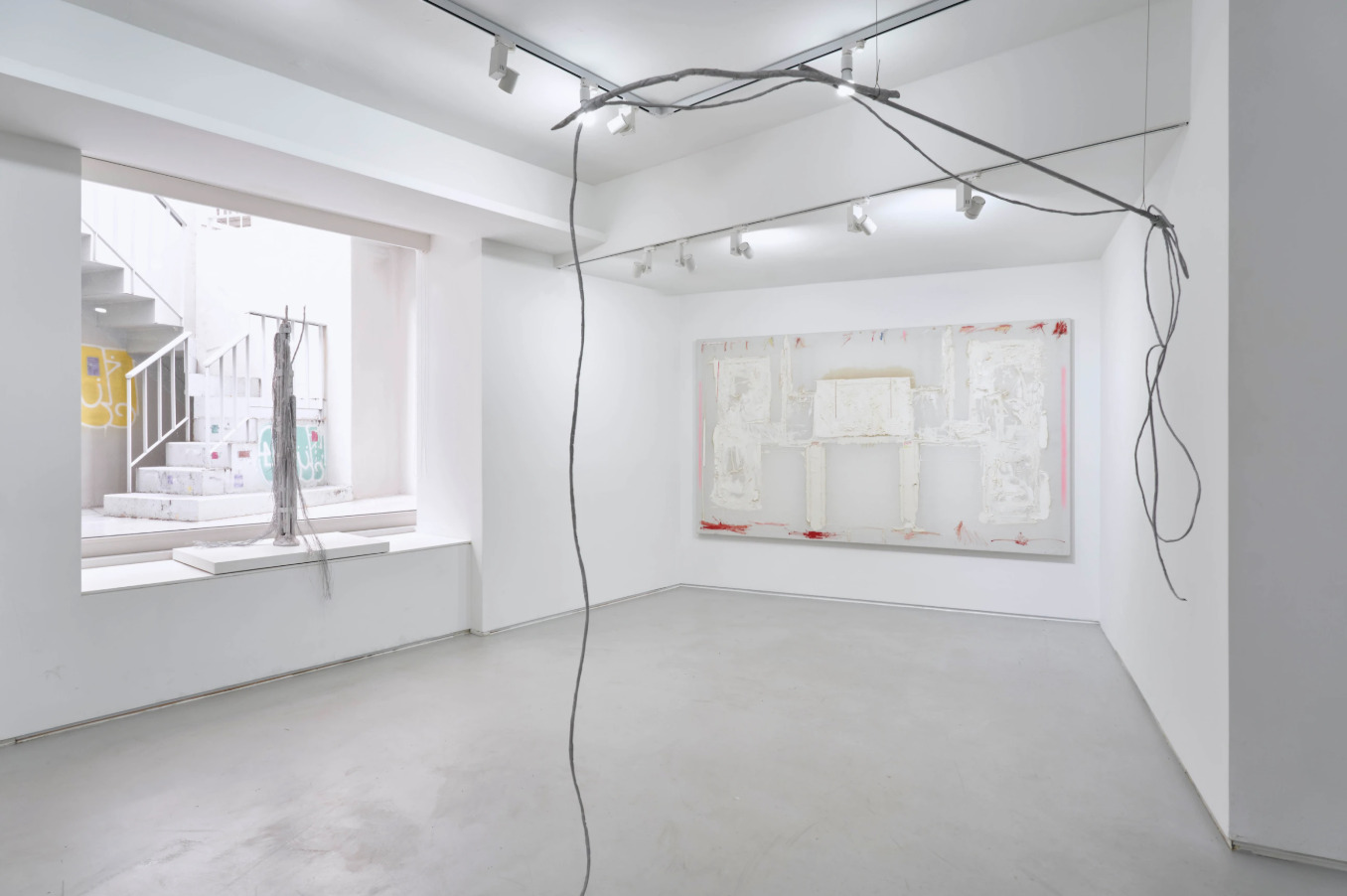
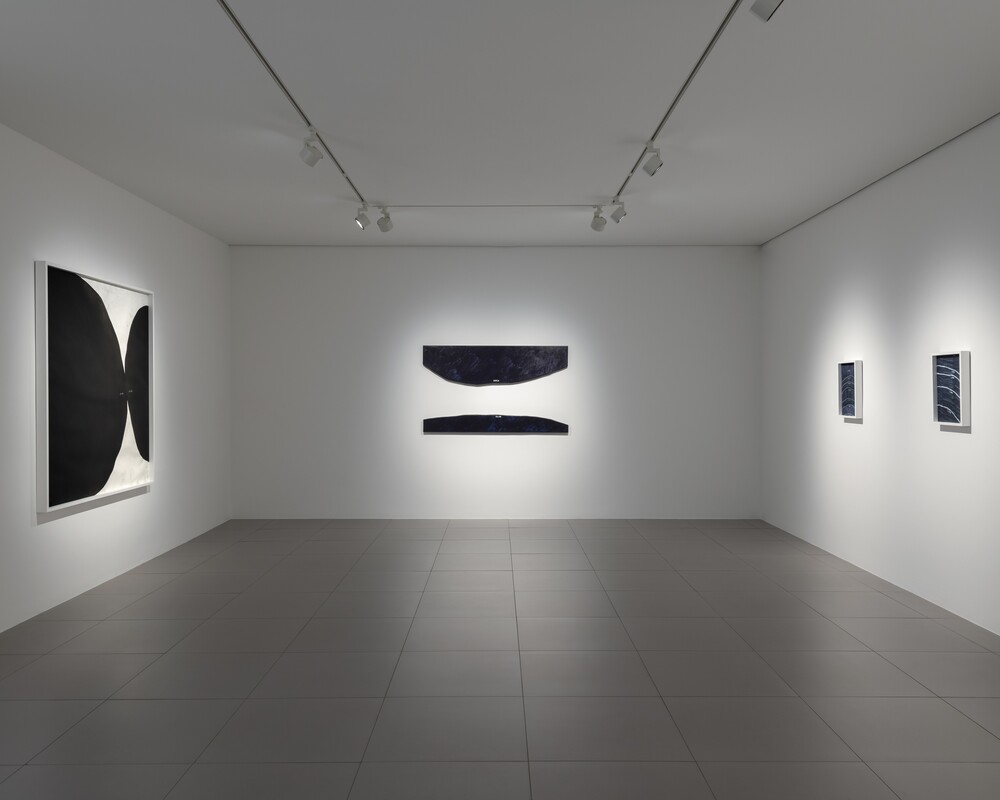
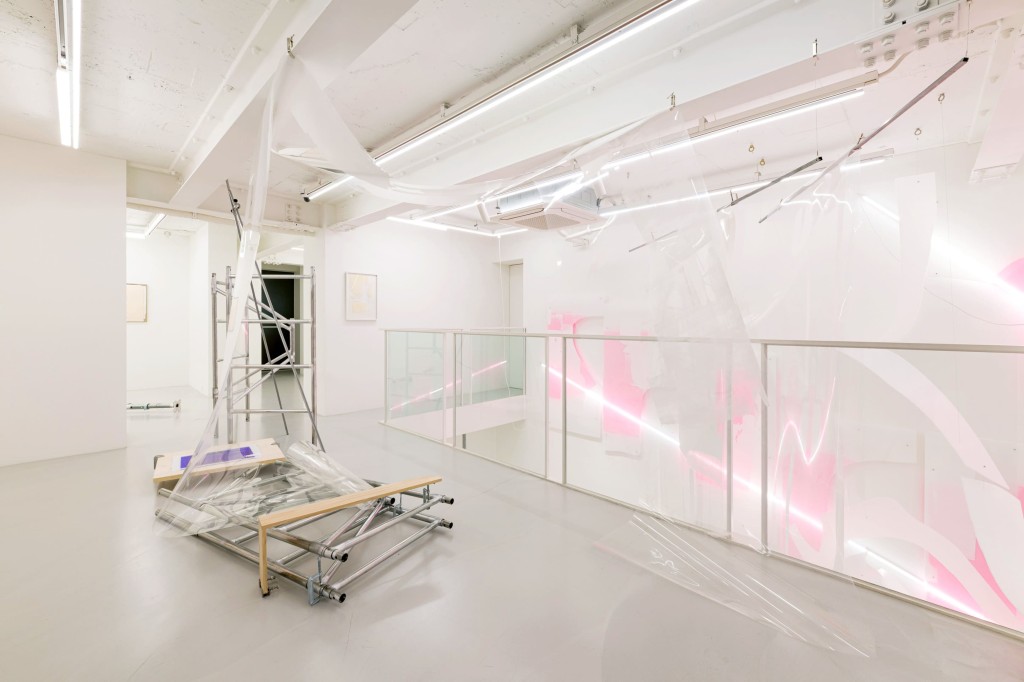
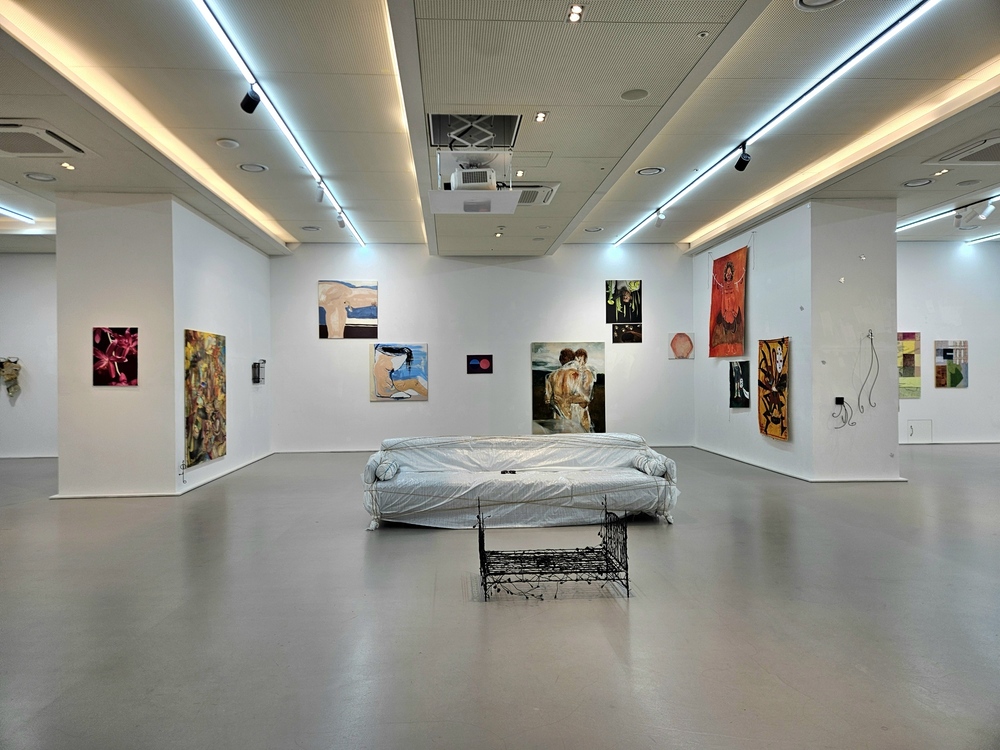
Kukje Gallery presents 《Zen Master Eyeball》, a solo exhibition by Park Chan-kyong, on view in the K1 space
through May 10. Over the past three decades, Park has examined the modernity of
Korea and East Asia through the lens of division and the Cold War, as well as
tradition and folk belief. This exhibition is centered on approximately twenty
recent paintings.
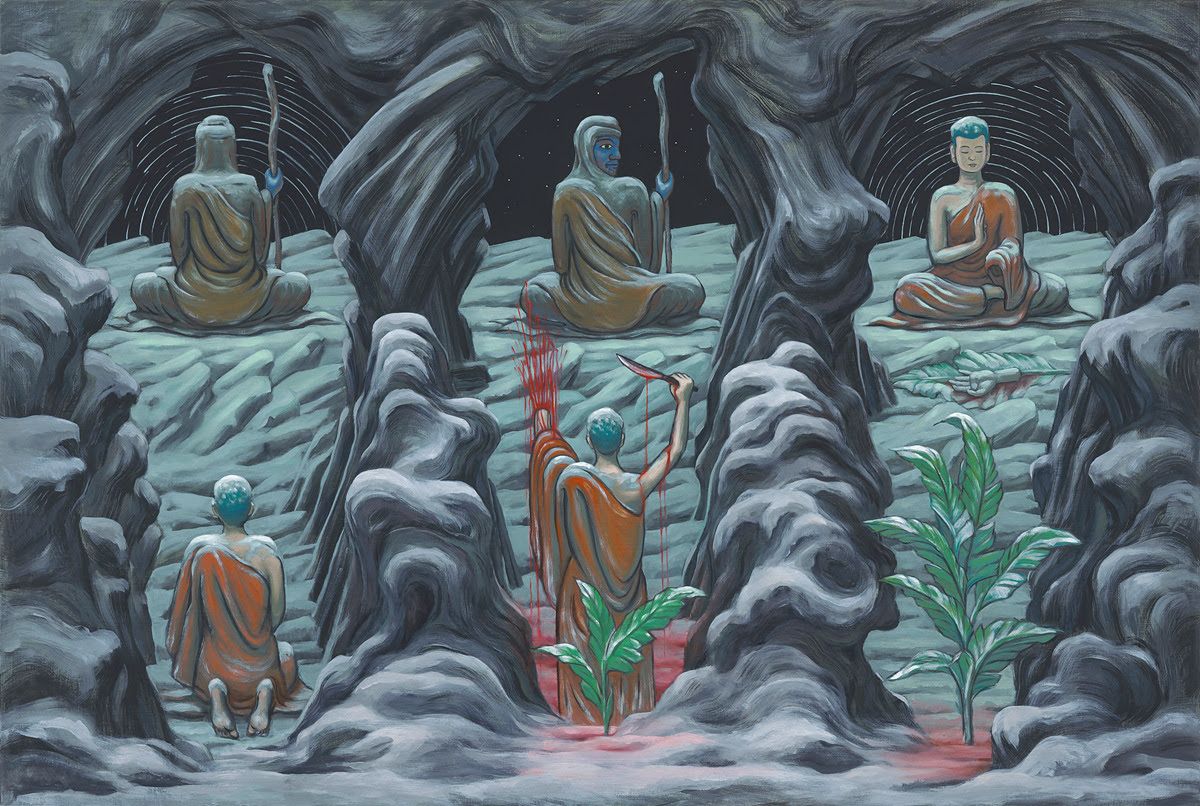
Park Chan-kyong, Huike Offering His Arm to Bodhidharma, 2026, Oil on canvas, 130.5x194cm. Courtesy of the artist. Photo: Chunho An ⓒ Kukje Gallery
In this exhibition, he draws from and reinterprets Buddhist
temple murals and Joseon-period minhwa (Korean folk paintings), bringing forth
the grotesque, the sublime, fantasy, and humor embedded in vernacular aesthetic
traditions. By mixing, condensing, and exaggerating formats such as taenghwa
(Buddhist hanging scroll paintings), folk paintings, and at times even
cartoon-like imagery, Park attempts—rather than reaffirming the comfortable
notions often framed under the names of “cultural heritage” or “traditional
culture”—to, in his own words, “awaken the dormant ideas and images of
tradition.”
With 《Zen Master Eyeball》,
the artist presents a shift from the media he has long foregrounded—film and
photography—toward painting. However, references to painting, such as Buddhist
murals and folk paintings, have repeatedly appeared in scenes throughout his
earlier works, and through exhibition projects and writings he has consistently
articulated his views on painting.
Park Chan-kyong, Projection 3, 2026, Acrylic and pigments on paper, 87x118cm. Courtesy of the artist. Photo: Chunho An ⓒ Kukje Gallery
Through this exhibition, Park Chan-kyong reveals his recent
thoughts on painting, particularly focusing not on foregrounding individual
originality or personal expression, but on the anonymous creativity that
emerges through processes of repetition and transmission within a community.
Just as minhwa and landscape painting have historically renewed
themselves over time—by inserting images within images, cross-referencing text
and imagery, and imitating established iconographies—the works presented in
this exhibition are grounded in a similar trust in what might be called
“collective originality.”