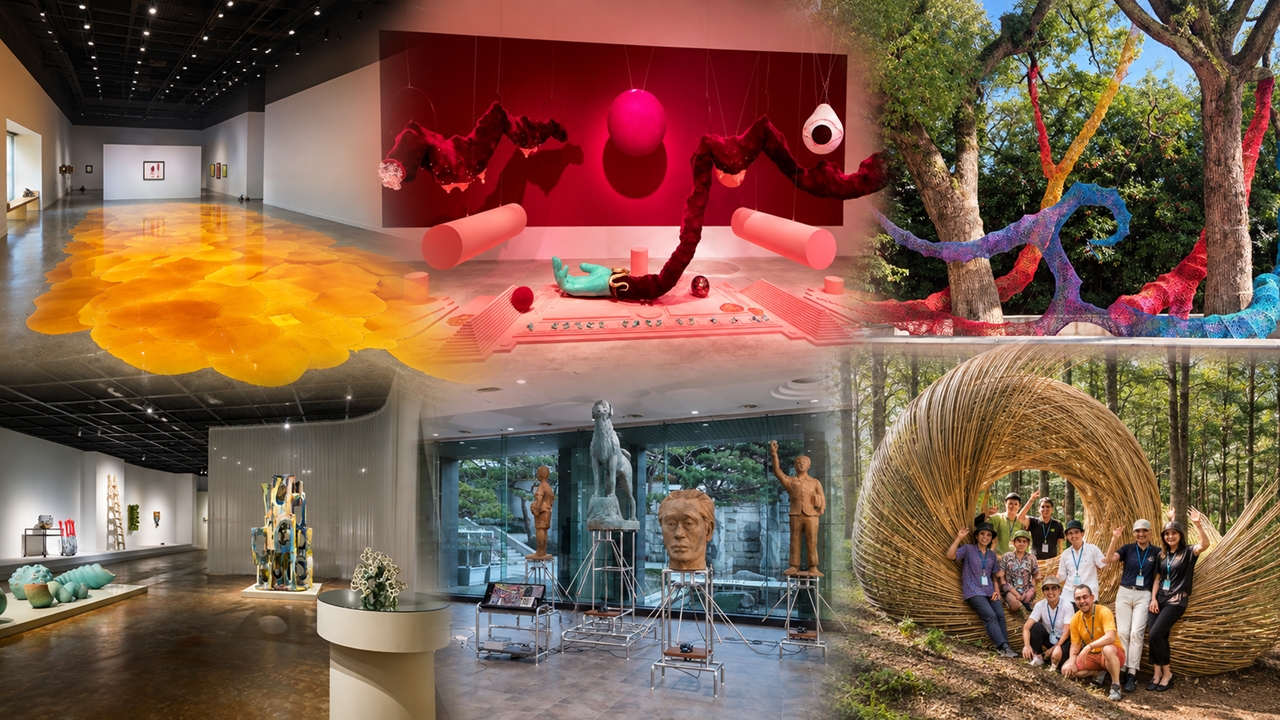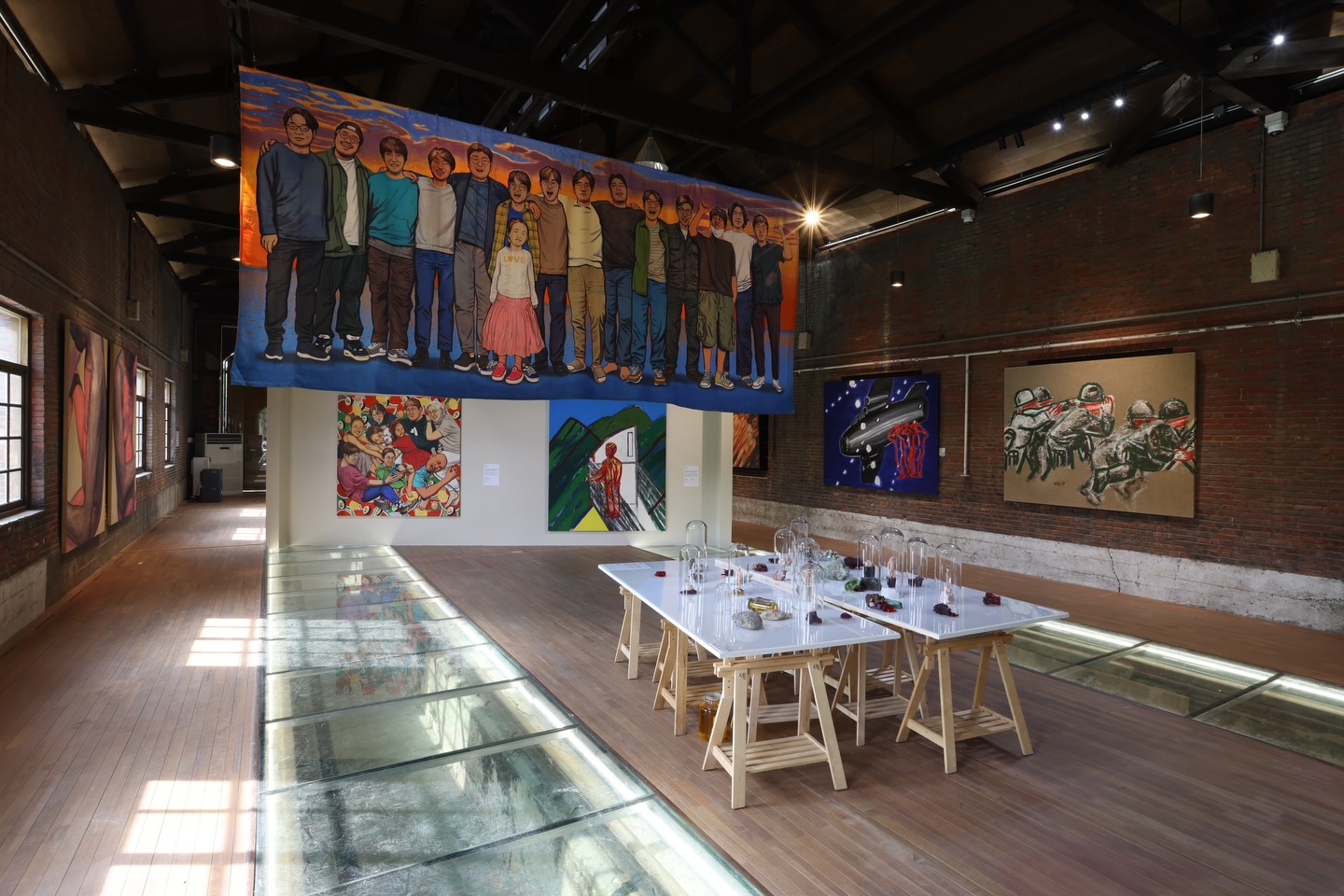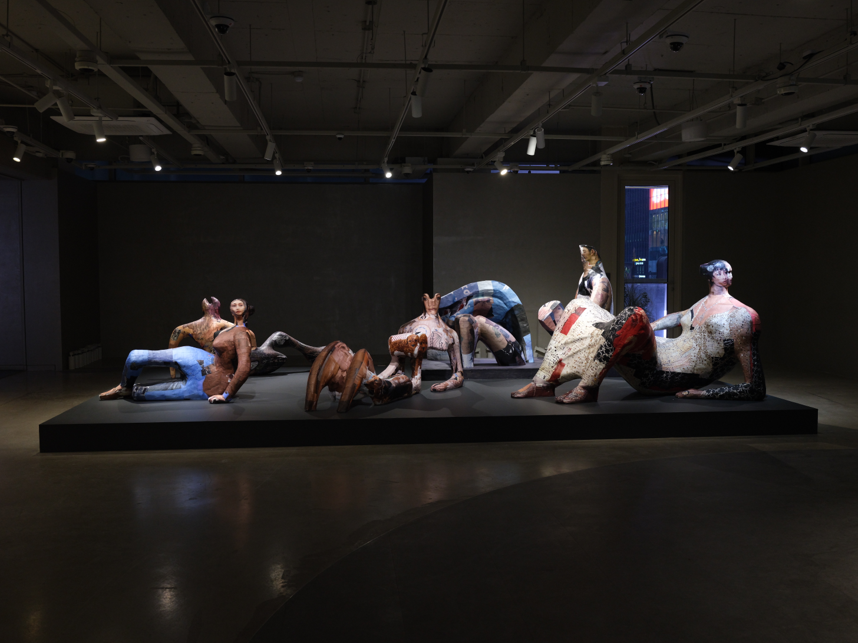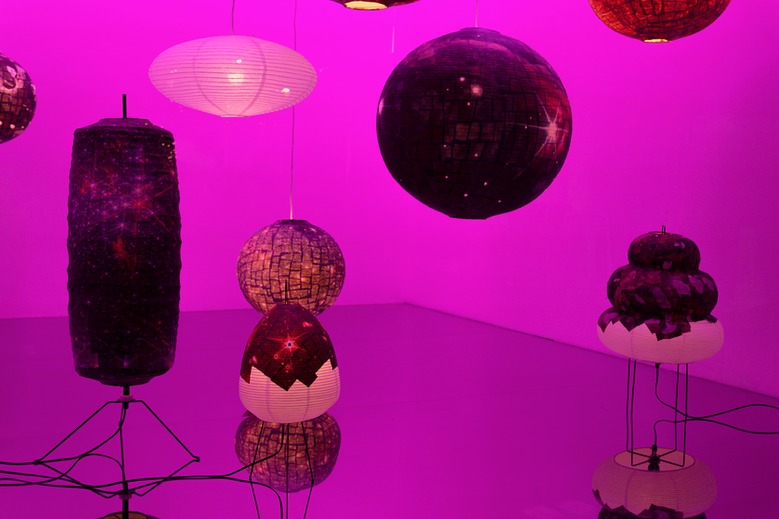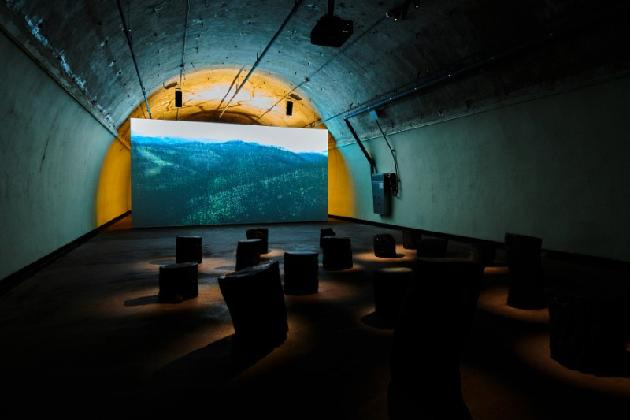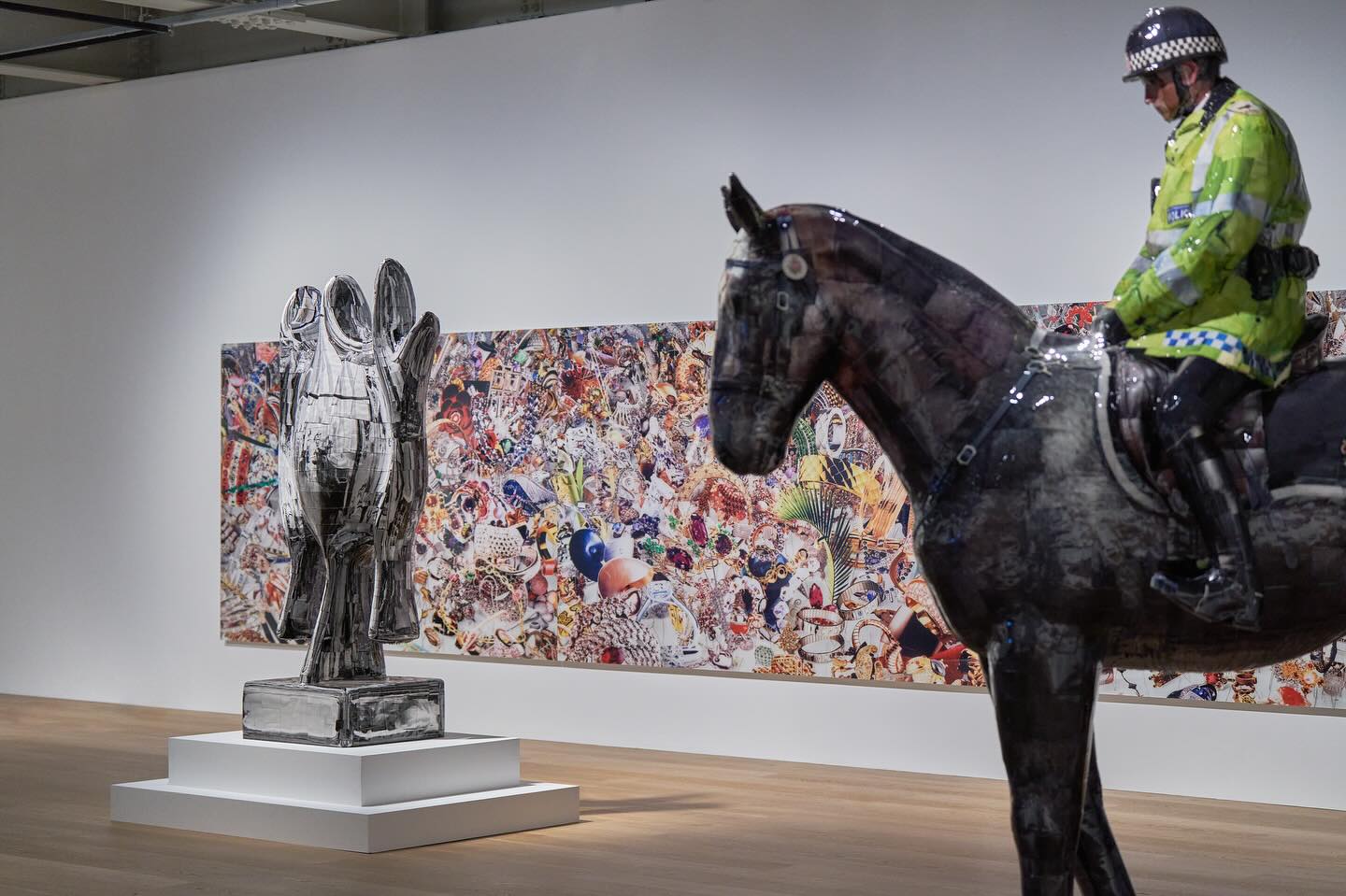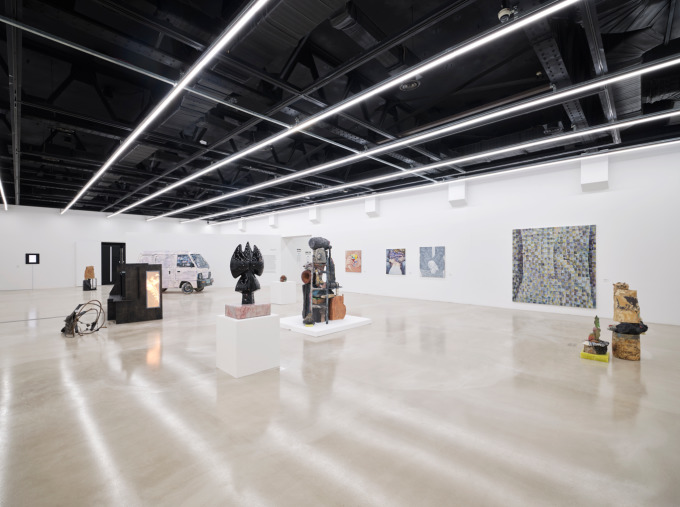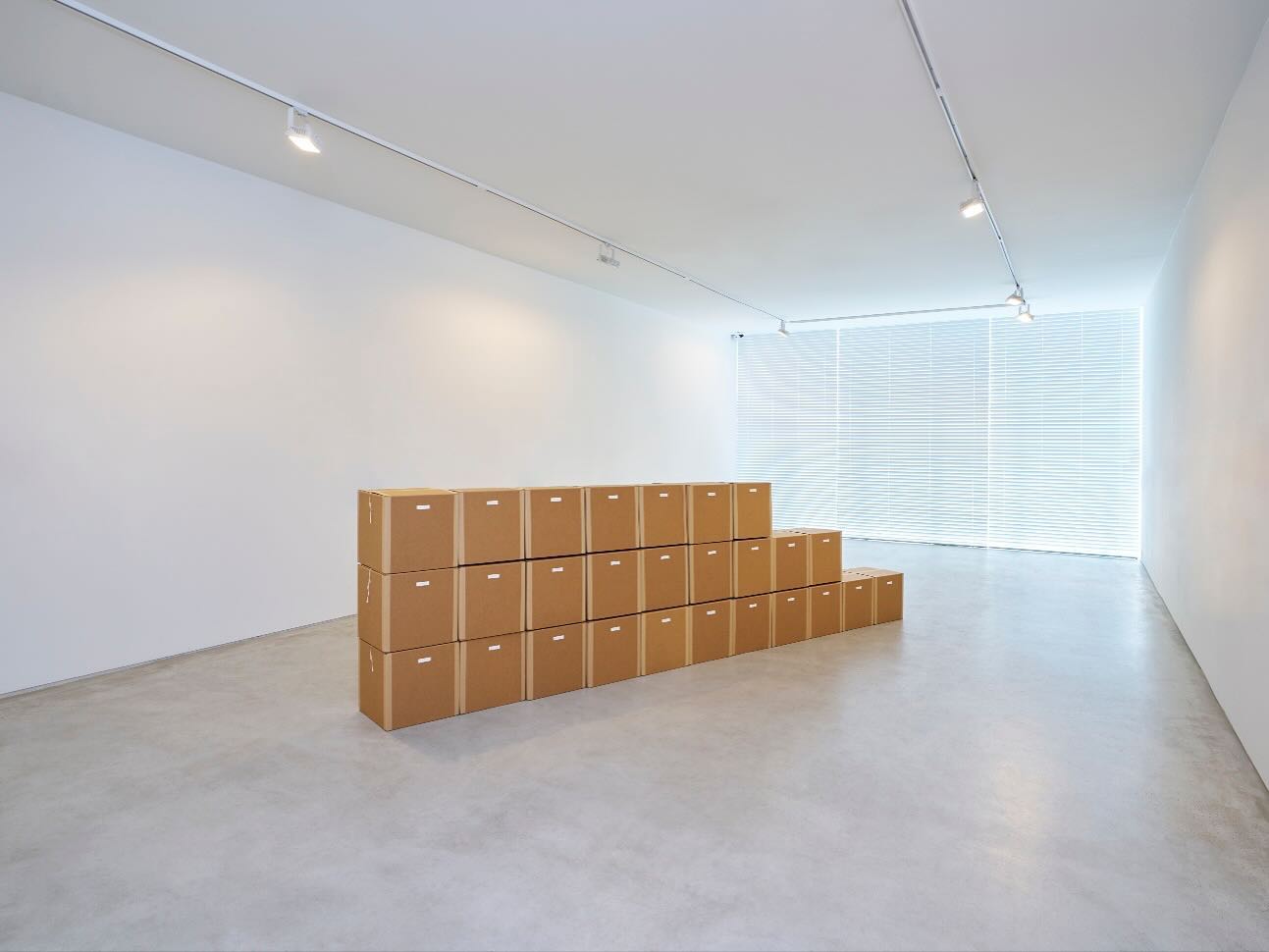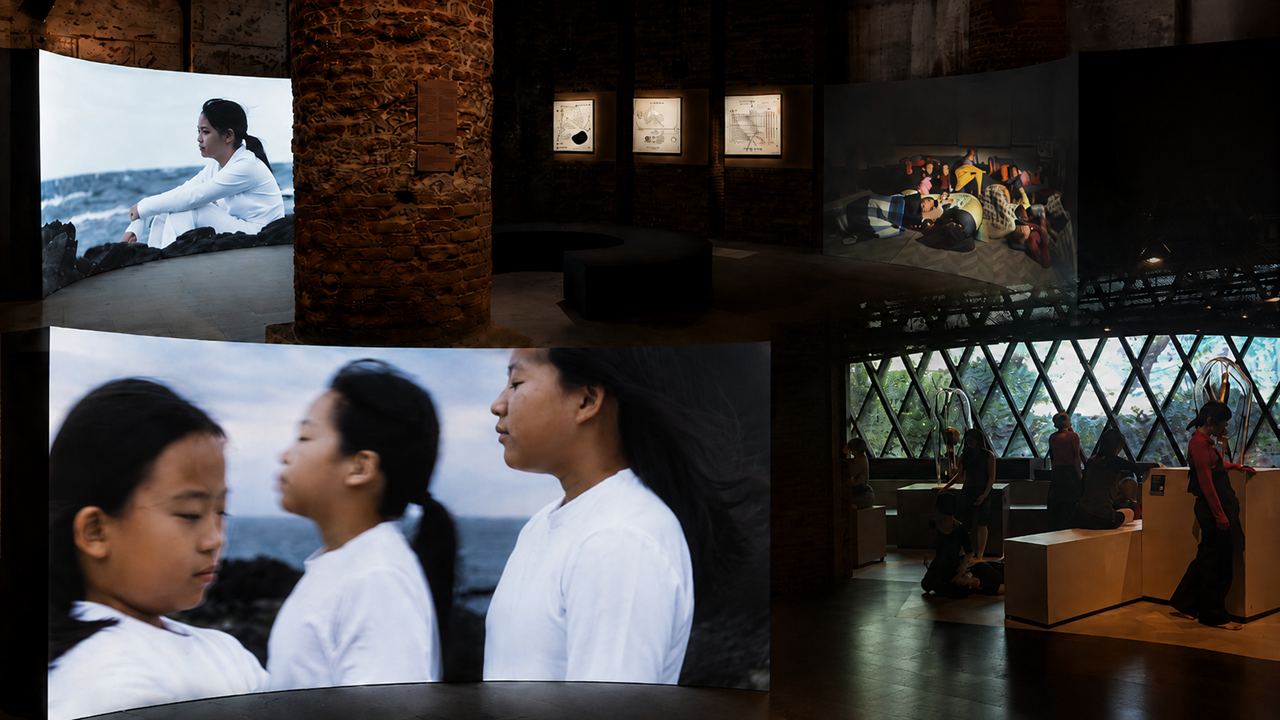

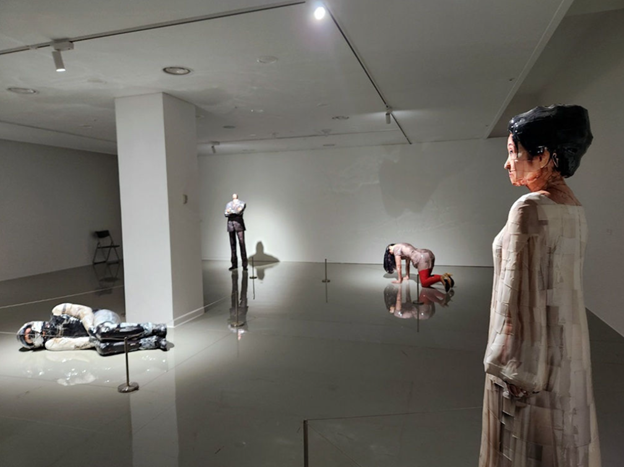
Installation view of 《Kim Bokjin and Korean Contemporary Sculptors》 © Cheongju Museum of Art
Cheongju
Museum of Art presents the collaborative exhibition 《Kim Bokjin and Korean Contemporary Sculptors》, jointly organized by the National Museum of Modern and
Contemporary Art and Cheongju Museum of Art. This exhibition revisits the
artistic world and spirit of Jeonggwan Kim Bokjin (1901–1940), the first modern
sculptor of Korea, while introducing Korean modern and contemporary sculptors
who continue the lineage of his realistic human figure sculpture.
Held
as part of the “2022 MMCA Collaborative Exhibition” program, the exhibition is
co-curated by both institutions. Born in Palbong-ri, Nami-myeon, Cheongwon-gun
(now Cheongju) in 1901, Kim Bokjin was an artist who laid the foundation of
modern Korean art through his work in sculpture, art criticism, and education
during his short life until his death in 1940. In 2021, Cheongju City enacted
the “Kim Bokjin Art Award Ordinance” to commemorate him, and this exhibition
has been organized in celebration of that initiative.
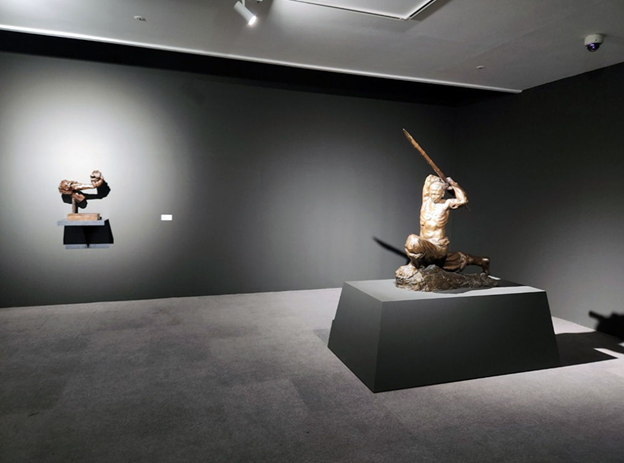
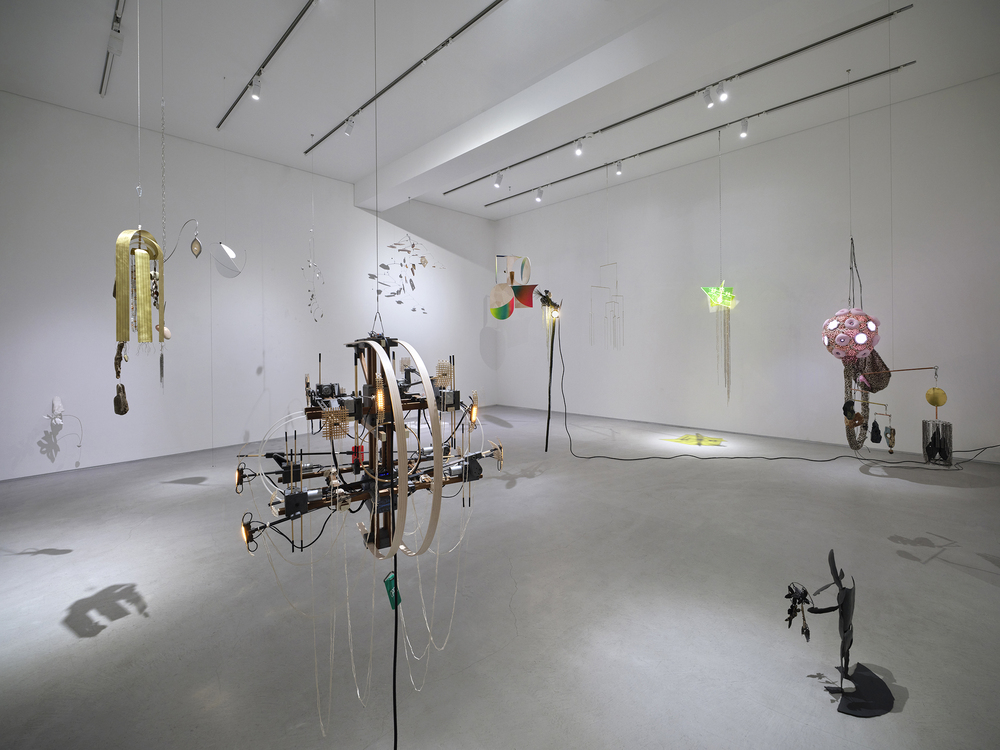
Installation view of 《Kim Bokjin and Korean Contemporary Sculptors》 © Cheongju Museum of Art
The
exhibition is composed of three sections: “Part 1: Kim Bokjin and the Birth of
Modern Sculpture,” “Part 2: The Development of Postwar Figurative Sculpture and
Its Artists,” and “Part 3: Expansion and Diversification of Sculpture.”
In
“Part 1: Kim Bokjin and the Birth of Modern Sculpture,” the exhibition
introduces Kim Bokjin’s lost masterpieces such as Boy, Baekhwa,
and Main Buddha of Mireukjeon Hall at Geumsansa Temple,
along with rare surviving works including Standing Maitreya
Buddha, Sorimwon, Sinwonsa Temple, Gongju and Ludlow
Torso, as well as modern sculptures by Yoon Seungwook, Kim
Kyungseung, and Yoon Hyojung.
“Part
2: The Development of Postwar Figurative Sculpture and Its Artists” examines
new tendencies in Korean modern and contemporary sculpture following the Korean
War, presenting a comprehensive selection of representative figurative
sculptures by Korean artists from the late 1950s to the 1980s.
“Part
3: Expansion and Diversification of Sculpture” features works by artists who,
since the 1980s, have expanded the field of sculpture and introduced new
meanings through independent sculptural languages and practices.
《Kim Bokjin and Korean Contemporary Sculptors》 offers an opportunity to assess the sculptural vision and
achievements of Kim Bokjin, while proposing a platform for continued research
and inquiry into Kim Bokjin and modern sculpture within a contemporary context.
It is hoped that the exhibition will serve as a meaningful occasion to examine
the evolving history of sculpture across different periods.